
Review · UBUD
Bali: Cooking Class with Monkey Forest and Art Village Tour
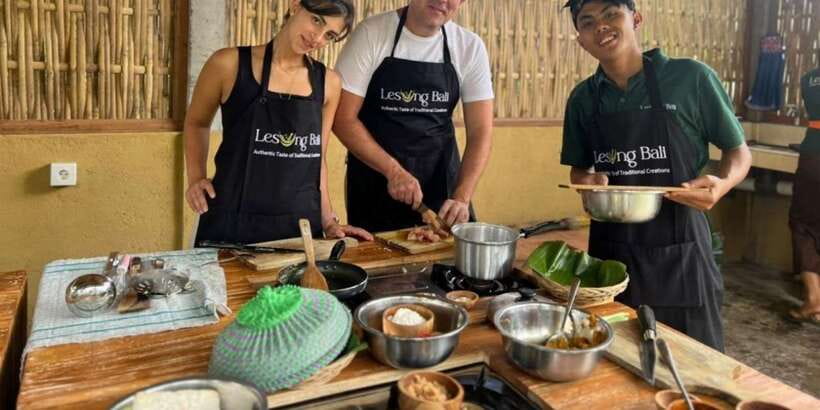
The best part of this Bali day is the move from market stall to open-air kitchen. You help choose fresh ingredients, then learn how Balinese sauces, spice pastes, side dishes, and main courses come together before sitting down to eat what you made. I like the direct link between local food and daily life, and I like that the day adds a Balinese house, Monkey Forest, and an art village rather than stopping after lunch.
The main drawback is the pace. Eight hours covers a lot of ground, and a long transfer day may feel tiring, especially if you want an unhurried cooking lesson or quiet time in Ubud. The class is also described as five dishes plus a dessert, while the overview calls it six authentic meals, so ask for the exact menu when you book.
Key points at a glance
- Choose ingredients at a traditional morning market: You see the produce, spices, meat, fish, poultry, and tropical fruit used in local cooking.
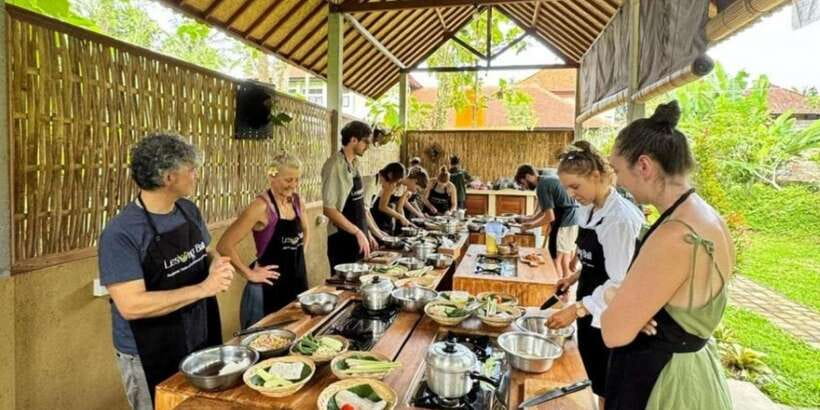
- Cook in a Balinese garden setting: The class takes place in an open-air kitchen and includes sauces, spice pastes, side dishes, mains, and dessert.
- A full cultural day, not just a cooking lesson: You also visit a Balinese house, a farm area, Monkey Forest, and an artisan village.
- Monkey Forest entrance is included: A guided two-hour visit lets you walk through the wooded sanctuary and watch monkeys in the trees.
- See several traditional crafts in Celuk: The final stop may include batik, woodcarving, and gold and silver work.
- Hotel pickup covers much of southern Bali: Pickup is offered from Ubud, Kuta, Seminyak, Canggu, Legian, Jimbaran, Nusa Dua, and Sanur.
Why the market visit gives the cooking class meaning
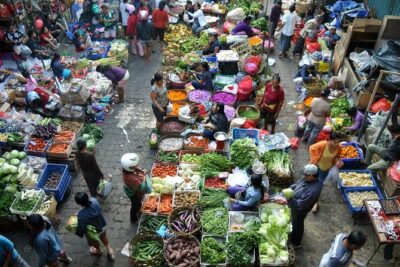
Many cooking classes hand you a neat tray of ingredients and move straight to the stove. This one starts with a traditional market, which makes the food lesson more useful. You see the raw materials before they become lunch, and you get a better sense of the everyday shopping that supports Balinese cooking.
The market portion includes meats, fish, poultry, spices, and tropical fruit. The exact ingredients depend on the day, but the point is clear: Balinese cooking is built from fresh produce and strong seasoning, not from a long list of bottled sauces.
You should expect a sensory start. Markets can be warm, crowded, wet, and full of unfamiliar smells. That is part of the appeal, but it is worth knowing if you prefer a polished, quiet introduction to food. Wear shoes that can handle a damp floor and bring a camera if you want photographs.
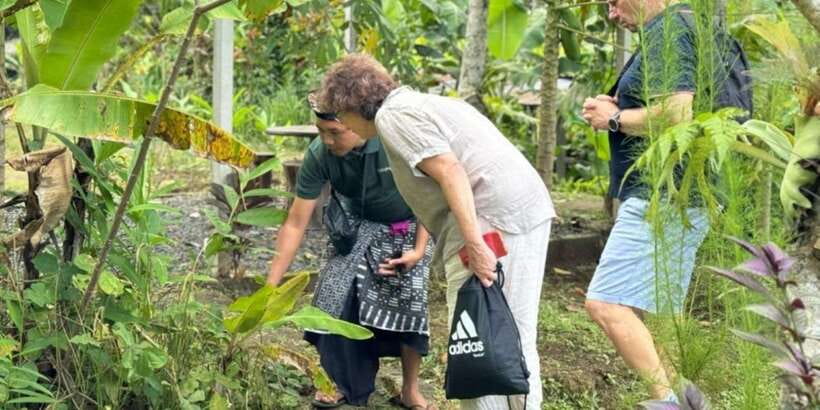
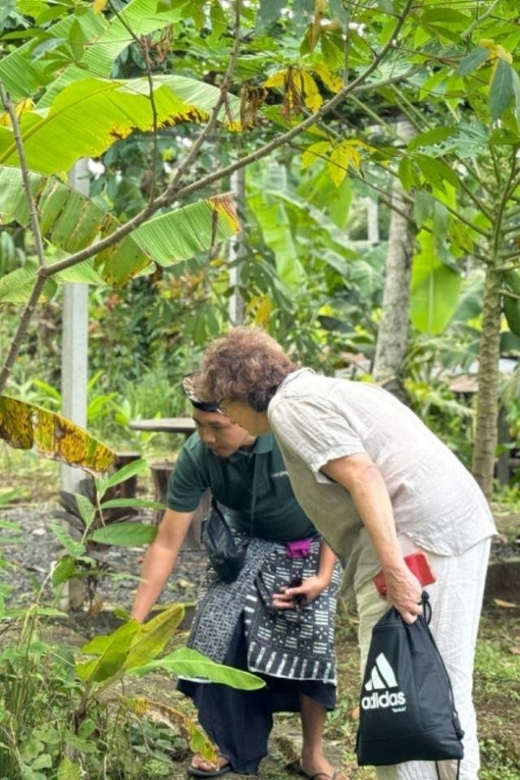
The cooking class includes a farm tour and a visit to a Balinese house. These stops add context to the ingredients. You are not just learning what goes into a dish. You are seeing something about the setting where food is grown, prepared, and shared.
More cooking classes around Ubud:
- Ubud Cooking Class Bali with Balinese Chef
★ 5.0 · 1,609 reviews - Ubud: Cooking Class with Transfers and Optional Market Visit
★ 4.9 · 824 reviews - PRIVATE Authentic Balinese Cooking Class in Ubud at Putu’s Home
★ 5.0 · 644 reviews
What happens during the 3.5-hour cooking lesson
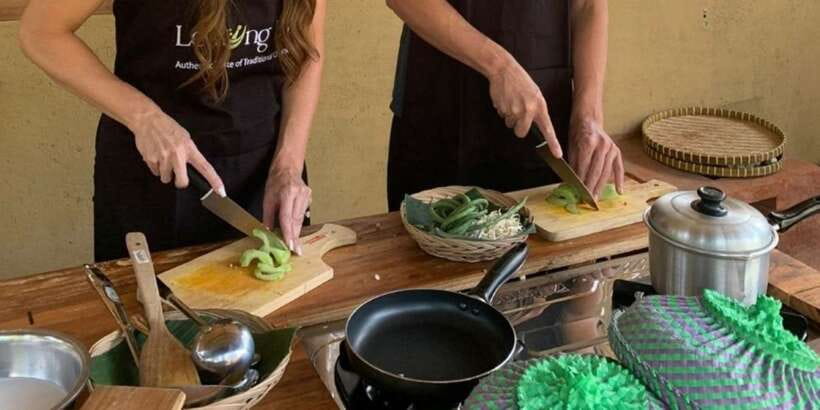
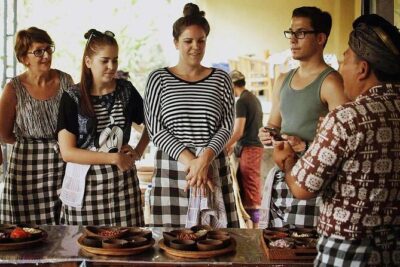
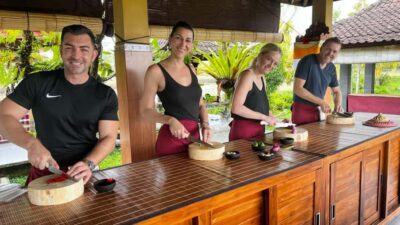
The cooking session is the heart of the day and lasts about three and a half hours. You work in an open-air kitchen, with an English-speaking instructor guiding the process.
The lesson covers the making of sauces and spice pastes, as well as side dishes and main courses. These pastes are central to the flavor of many Balinese meals, so this is more useful than simply watching someone cook. You get to handle the ingredients and follow the steps yourself.
The package includes all ingredients and the food you prepare. It also includes a welcome drink and snacks, plus a recipe booklet and a PDF recipe file. Those recipes matter because the best souvenir from a cooking class is one you can use at home. The digital copy is handy if your paper booklet gets lost in your luggage.
The meal is described in two slightly different ways: five dishes and one dessert in the inclusions, and six authentic Balinese meals in the overview. That probably reflects the same general cooking program, but I would ask for the current menu before paying if you have allergies, dietary limits, or a particular dish in mind.
You should also ask how much of the class is hands-on for your group. The experience promises active cooking, but the balance between demonstration and participation can affect how much you learn. An experienced home cook may want more time with the pastes and sauces, while a first-time cook may appreciate a slower pace.
The feedback connected with this experience gives the class its strongest mark. A professional cook who attended with his wife described the chef as passionate, humorous, and closely tied to Balinese traditions. The setting was praised as a lush garden with scents of lemongrass, citrus, and clove. That description suggests a personal, warm class rather than a factory-style food demonstration.
A Balinese house and farm stop before lunch
The visit to a Balinese house helps place the cooking in a local setting. The supplied details do not promise a full architectural tour or a formal cultural talk, so keep your expectations modest. You are getting a glimpse of local life as part of the cooking day, not a separate heritage tour.
The farm tour serves a similar purpose. It helps you connect the ingredients on your cutting board with the plants and working spaces around you. If you are interested in food beyond recipes, this is one of the more valuable parts of the schedule.
There is also a practical benefit. The house, garden, and farm stops break up the kitchen work. A three-and-a-half-hour class is substantial, so short changes of scene can keep the day from feeling like one long lesson.
Walking through Ubud’s Monkey Forest
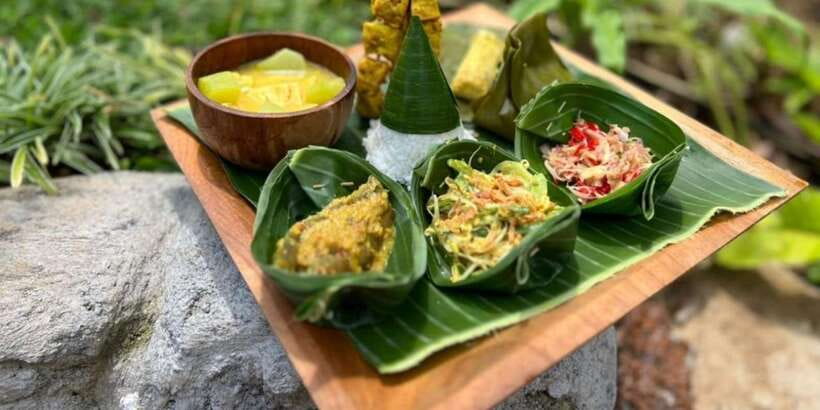
After cooking, the tour continues to the Sacred Monkey Forest Sanctuary in Ubud. The visit is scheduled for about two hours and includes the entrance fee.
The setting is a wooded jungle area where monkeys move through the trees. You can expect a walk rather than a vehicle-based sightseeing stop. The tour description encourages you to watch the monkeys as they swing through the branches, so this is a good part of the day for photographs and a change of pace after the kitchen.
Treat the sanctuary as a wildlife visit, not a petting zoo. The information provided does not promise animal feeding or close contact, and you should follow the guide’s instructions around the monkeys. Keep your belongings secure and avoid assuming that a calm animal is safe to approach.
The two-hour timing gives you more than a quick photograph at the entrance, but it also adds to the total walking. Comfortable footwear will help. The tour suggests bringing a change of clothes and a camera, and the change of clothes is sensible for a warm day that includes market visits, cooking, and a walk through the forest.
The route description also mentions rice terraces after Monkey Forest. They are not listed as a separate timed stop in the main schedule, so the exact view or time there may depend on the day’s route. Think of this as a possible scenic addition rather than the main focus of the tour.
Same kitchen, a different dish:
- Balinese Ubud cooking school (9 Dish Cooking and Market Tour)
★ 5.0 · 540 reviews - Ubud: Balinese Cooking Class and Market Tour
★ 4.8 · 531 reviews - Balinese Farm Cooking Class by Pemulan Bali
★ 5.0 · 410 reviews - Balinese Cooking class with traditional morning market visit
★ 5.0 · 161 reviews
Celuk and the final look at Balinese craft
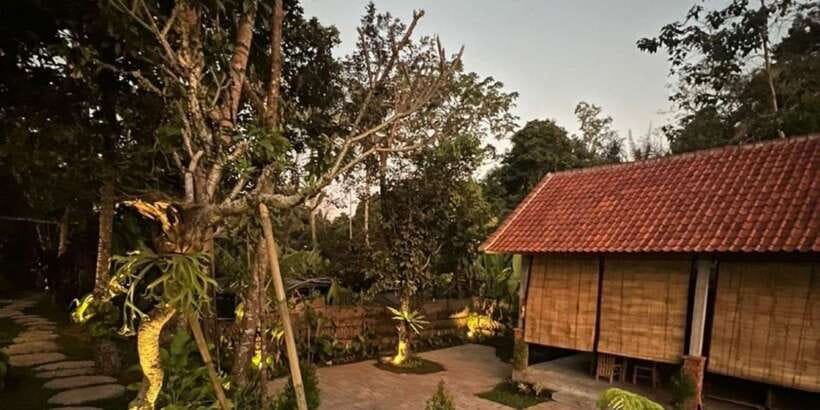
The final major stop is Celuk, described as an art village. The visit lasts about two hours and focuses on local artisans working in traditional crafts.
You may see batik, wooden carving, and gold and silver smithing. This gives the day a useful final chapter. You begin by seeing ingredients in their raw form, then prepare food, then finish by seeing skilled makers turn materials into decorative objects.
The craft visit can be interesting if you want to understand how Bali’s artistic traditions are kept alive. It can also feel more commercial than the cooking class, depending on how the stop is arranged. The provided information does not state that you must buy anything, so treat it as a chance to look and learn rather than a shopping obligation.
If you hope to purchase a specific item, ask about prices, materials, and shipping before committing. The tour description names the crafts but does not give price guidance or a guaranteed workshop demonstration. Your experience may depend on which artisan spaces are open during the visit.
Transport, timing, and the real cost of the day
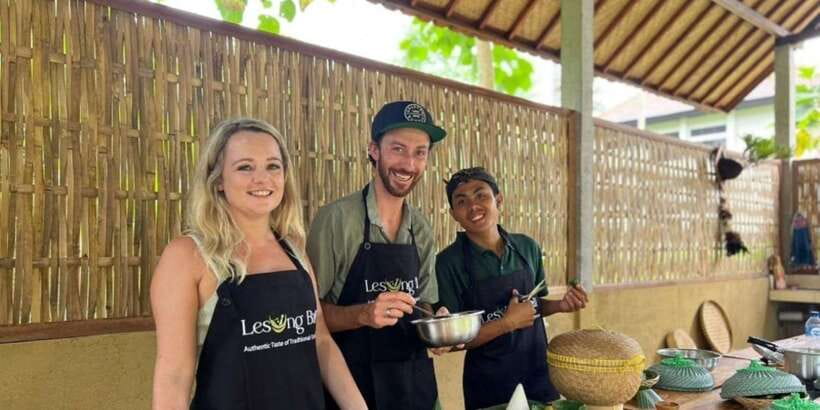
The tour costs $70 per person and lasts eight hours. For a private air-conditioned car, an English-speaking driver, hotel pickup, cooking instruction, ingredients, food, water, and Monkey Forest admission, that is a reasonable package for someone who wants several experiences in one day.
The value is strongest if you plan to visit Ubud from another part of Bali. Pickup is offered from Jimbaran, Sanur, Seminyak, Nusa Dua Beach, Ubud, Canggu, Kuta, and Tabanan Regency. Drop-off is available in the same broad set of areas. Private transport saves you from arranging separate rides between the market, class, sanctuary, and Celuk.
The tradeoff is time on the road. A day that begins in southern Bali and includes Ubud can involve long transfers, though the exact duration depends on traffic and pickup location. You will get more comfort from the air-conditioned car, but not necessarily a relaxed schedule.
The driver will meet you in the hotel lobby at the agreed pickup time. Be ready there rather than expecting a loose pickup window. Bottled mineral water is included, but bring extra water if you know you drink often in hot weather.
Starting times depend on availability. Since the plan includes a morning market, an early start is likely, but the supplied details do not give a fixed departure hour. Confirm the pickup time and the order of stops before the day begins.
Who will enjoy this Bali experience most
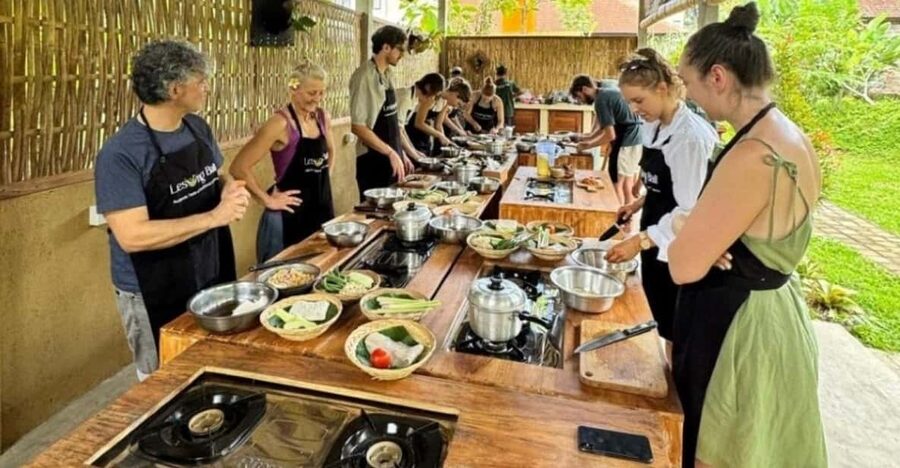
I would recommend this tour to you if you want food, local culture, and major Ubud sights in one organized day. It suits first-time visitors who do not want to arrange several separate trips and people who enjoy learning by doing.
It is also a strong match for couples and families with older children who can manage a full day. The activity is not suitable for babies under one year, and the walking, market conditions, cooking, and monkey sanctuary may be tiring for very young children.
Food lovers will get the most from it, especially if you care about how ingredients become a finished meal. The class can also work for experienced cooks, since the focus on spice pastes and sauces offers more than a simple recipe demonstration.
You may want a different plan if your top priority is a long, quiet cooking lesson. The Monkey Forest and art village take a large part of the day. This is a broad Bali sampler, not a cooking course with no distractions.
Practical advice before you go
Bring a camera and a change of clothes, as requested. Wear comfortable shoes for the market and Monkey Forest, and choose clothing that you do not mind wearing in a warm open-air kitchen.
Tell the operator about dietary concerns before the tour. The provided details confirm that ingredients and food are included, but they do not specify vegetarian, vegan, halal, allergy, or other menu options.
Keep some money available for personal expenses. Other costs are not included, and the details do not specify what optional purchases or extra services may be offered at the art village.
The activity is conducted in English. An English-speaking driver and instructor are included, but the experience may involve several kinds of explanation, from cooking methods to local customs. If you want detailed instruction, ask questions as you work rather than waiting until the end.
Free cancellation is available up to 24 hours before the activity for a full refund. You can also reserve now and pay later, which helps if your Bali schedule is still changing.
Is this Bali cooking and sightseeing day worth booking?
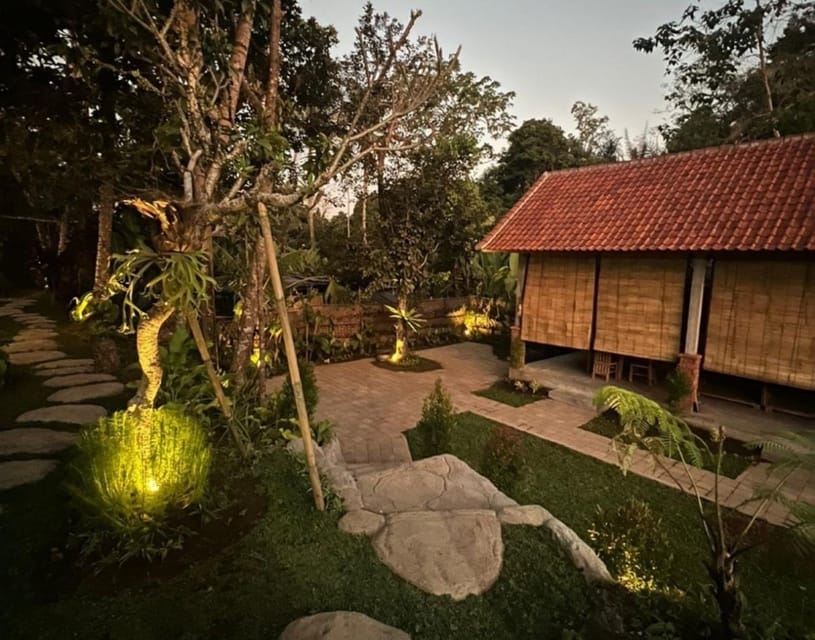
Book it if you want a full cultural day with a clear food focus. The combination of a market, Balinese house, farm visit, hands-on cooking, Monkey Forest, and Celuk gives you a wider picture of Bali than a cooking class alone.
The $70 price is fair when you use the included transport, ingredients, meal, recipe materials, water, and Monkey Forest admission. Just accept that the day will be busy and that traffic can affect the rhythm.
I would skip it only if you want a slow, highly specialized cooking course or if you dislike market conditions, walking, or organized craft stops. For everyone else, this is a practical way to connect Balinese food with the people, places, and materials behind it.
FAQ
How long does the Bali cooking and sightseeing tour last?
The activity lasts eight hours. The cooking class itself is listed as lasting about three and a half hours, and the Monkey Forest visit is scheduled for about two hours.
What food will I cook?
The experience includes five dishes and one dessert. The overview also describes the program as six authentic Balinese meals, so confirm the exact menu when booking.
Is the cooking class hands-on?
Yes. You select ingredients at a traditional market and take part in preparing sauces, spice pastes, side dishes, main courses, and dessert in an open-air kitchen.
Is food included in the price?
Yes. Ingredients and the food you cook are included, along with a welcome drink and snacks.
Is transportation included?
Yes. Private transport in a comfortable air-conditioned car and an English-speaking driver are included. Hotel pickup and drop-off are offered in Ubud, Kuta, Seminyak, Canggu, Legian, Jimbaran, Nusa Dua, Sanur, and Tabanan Regency.
Is the Monkey Forest entrance fee included?
Yes. Entrance to the Sacred Monkey Forest Sanctuary is included.
What language is the tour conducted in?
The instructor and driver provide the experience in English.
What should I bring?
Bring a camera and a change of clothes. Bottled mineral water is provided, and comfortable shoes are useful for the market and Monkey Forest walk.
Can I cancel the booking?
You can cancel up to 24 hours in advance for a full refund. The activity also offers a reserve-now, pay-later option.
New cooking classes around Ubud
- Ubud: Organic Farm Harvest, Bali Cooking Class by Pemulan★ 4.8 · 12 reviews
- packages cooking class and romantic dinner in a local home★ 5.0 · 4 reviews
- Jambangan bali cooking class with morning market tour★ 5.0 · 35 reviews
- Balinese cooking class/Go shopping at the market, cook, eat★ 5.0 · 12 reviews
- Ubud: Balinese Cooking Class with Hotel Transfers★ 4.8 · 17 reviews
- From Ubud: Authentic Bali Farm Cooking School & Organic Farm★ 5.0 · 122 reviews
- Balinese Vegan Cooking Class with Fresh Harvesting & Garden Tour★ 5.0 · 86 reviews
- Balinese Cooking class with traditional morning market visit★ 5.0 · 161 reviews
Ubud Cooking Classes, side by side.
Ubud: Cooking Class with Transfers and Optional Market Visit
Read our review →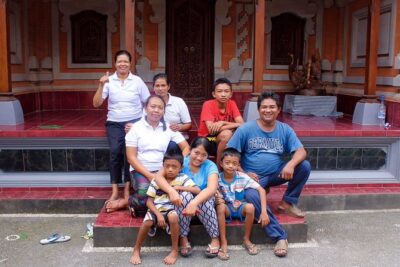
PRIVATE Authentic Balinese Cooking Class in Ubud at Putu’s Home
Read our review →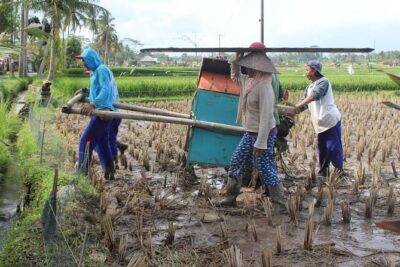
Balinese Ubud cooking school (9 Dish Cooking and Market Tour)
Read our review →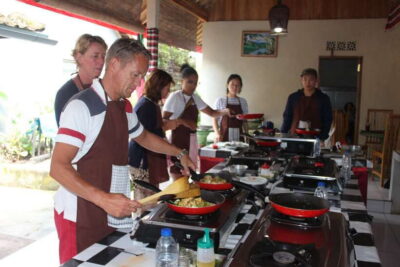
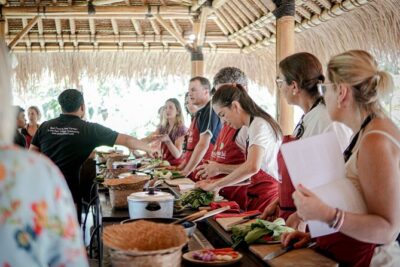
Balinese Cooking class with traditional morning market visit
Read our review →
From Ubud: Authentic Bali Farm Cooking School & Organic Farm
Read our review →This kitchen also appears in