
Review · UBUD
From Ubud: Authentic Bali Farm Cooking School & Organic Farm
The best part of this experience is the trip from local market to organic garden to cooking table. In the morning, you may begin by tasting unfamiliar fruit and seeing the spices used in Balinese kitchens, then head north to a family-run farm in Taro Village to pick ingredients and cook with them.
I like the farm setting and the friendly, patient teaching. I also like that you do the work yourself, from cutting and seasoning to cooking and eating the finished dishes. The main consideration is time: five and a half hours is a long cooking class, and one participant felt there was too much chopping, especially onions and chilies. Also, the market visit is part of the morning format, not every session.
Key points
- Market first in the morning: See local produce, spices, and unusual fruit before heading to the farm.
- A real farm-to-table setup: Pick vegetables from an 8,000-square-meter organic farm and use them in your meal.
- Six or more dishes: Prepare a full Balinese meal, including dessert, then eat what you have made.
- Good for mixed skill levels: Clear English instruction and helpful teachers make the class suitable for beginners.
- Useful take-home recipes: Printed and PDF recipes include substitutions, cooking advice, and links to technique videos.
- Convenient Ubud transport: The tour begins and ends at Ubud Central Parking, with an air-conditioned vehicle included.
From Ubud streets to Taro Village
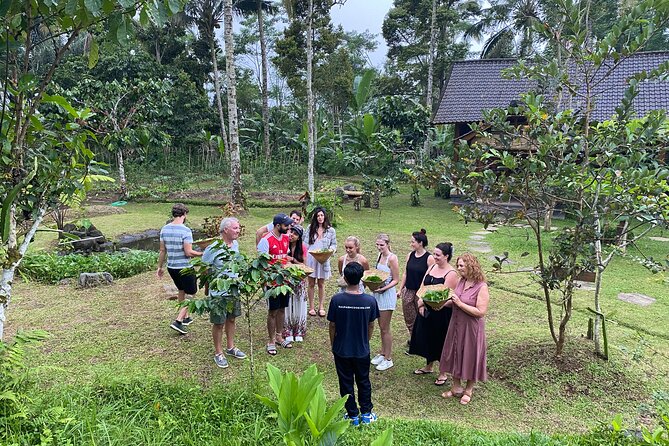
This is not a quick demonstration where you watch someone cook and then take a polite bite. You spend about five and a half hours moving through the whole food chain, from buying and identifying ingredients to gathering them and turning them into lunch.
The meeting point is Ubud Central Parking on Jalan Suweta. From there, transport takes you north toward Taro Village, where the farm sits in a quieter rural setting. The journey matters because the class feels less like an activity squeezed into central Ubud and more like a short outing into village Bali.
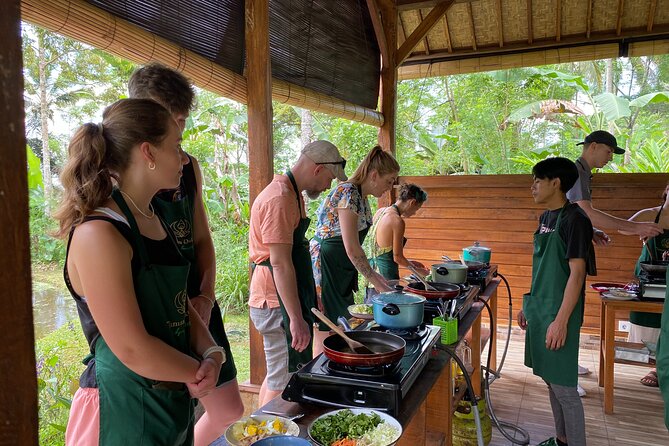
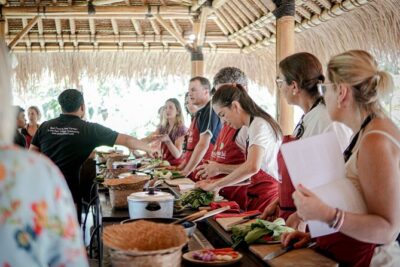
The maximum group size is 20 people. That is not an intimate private lesson, but the format is still hands-on, with utensils, an apron, bottled water, tea or coffee, and instruction provided. You should expect to share the cooking space and work alongside people from several countries.
Transport is listed as an air-conditioned vehicle, which is useful in Bali’s heat. One isolated complaint concerned the cleanliness of the bus, so I would keep expectations practical rather than expecting luxury transport. The vehicle is there to get you to the farm comfortably, not to turn the ride into a sightseeing tour.
More Farm Cooking Classes in Indonesia
- Balinese Farm Cooking Class by Pemulan Bali
★ 5.0 · 410 reviews - Balinese Vegan Cooking Class with Fresh Harvesting & Garden Tour
★ 5.0 · 86 reviews - Ubud: Organic Farm Harvest, Bali Cooking Class by Pemulan
★ 4.8 · 12 reviews
Why the morning market visit matters
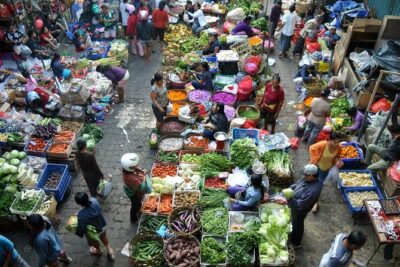
Morning sessions begin with a visit to a traditional market. This is one of the most valuable parts for anyone who wants context for Balinese food rather than just a set of recipes.
At the market, you can see the produce in its normal setting, including fruits and ingredients that may be unfamiliar if you usually shop in Western supermarkets. The experience gives you a better sense of how much Indonesian cooking depends on fresh herbs, chilies, aromatics, and local produce.
You may also taste fruit along the way. That small detail makes the market stop more than a walk past food stalls. It gives you a chance to ask what an ingredient is, how it is used, and what might work as a substitute at home.
The market stop is available for the morning experience only. This is important when booking because not every class follows the same schedule. There was at least one case of people being told during pickup that they would not visit the market while others in the class did, so confirm the morning format if this part is a priority.
The market can also add time before the cooking begins. If you want a short, tightly timed class, the market version may feel long. If you enjoy seeing how food fits into daily life, it is likely worth the extra time.
Picking vegetables on an 8,000-square-meter farm
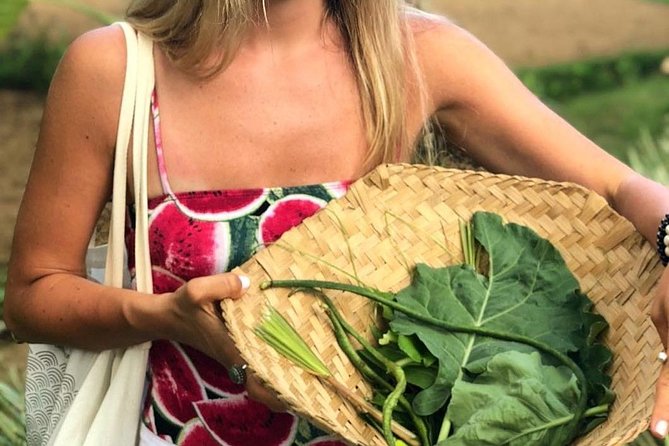
Back at the farm, the class shifts from shopping to harvesting. The organic property covers about 8,000 square meters, giving you room to walk among the garden areas and learn about the plants used in the meal.
You pick vegetables for your cooking session instead of receiving every ingredient in a bowl that has already been measured. That simple act changes your understanding of the food. You see the raw plant, handle it, and then notice how it changes once it is chopped, seasoned, and cooked.
The farm also provides a welcome pause from Ubud’s traffic and packed streets. The setting is carefully kept, shady, and quiet, with comfortable areas for eating and instruction. It is a pleasant place to spend part of the day even if cooking is not your main interest.
The farm’s organic focus gives the class a useful environmental angle. You learn about growing practices and how ingredients move from the soil to the kitchen. This is not a formal farming course, but it adds substance to the meal and helps explain the connection between Balinese cooking and local agriculture.
Some participants have especially enjoyed choosing their own vegetables. That is worth noting if you like practical activities. You are not simply being shown a garden. You are expected to take part.
Cooking six or more Balinese dishes
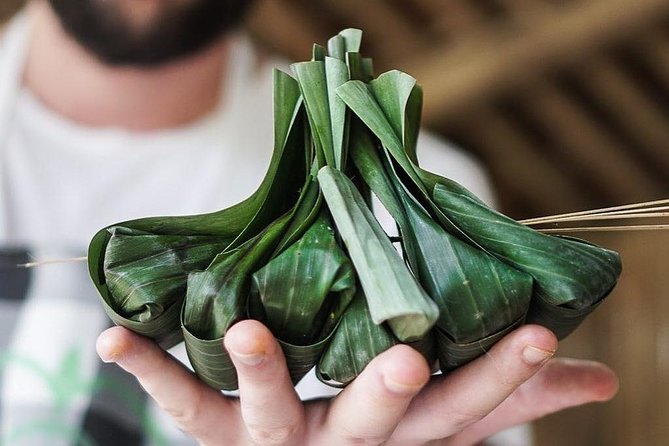
The cooking portion is the heart of the experience. The instructors guide you through at least six dishes, including dessert, and the food you prepare becomes your lunch.
The class is designed for different levels of experience. You do not need to arrive with advanced knife skills or a working knowledge of Indonesian cuisine. The teachers demonstrate each step, help with timing, and keep the mood relaxed.
You should expect plenty of chopping and preparation. That is part of the lesson, but it may not suit anyone who wants a fast demonstration. One useful criticism was that students spent a lot of time cutting onions and chilies, leaving less attention for unfamiliar ingredients and how the dishes come together.
I see both sides. Doing the cutting gives you a better feel for the recipes and means you can repeat them at home. But with a full menu, some preparation could reasonably be done in advance so the class has more time to explain special ingredients, spice balance, and cooking methods.
The food itself receives the strongest praise. The class covers several dishes rather than one main recipe, so you get a broad introduction to Balinese flavors. You will likely work with fresh vegetables, herbs, spices, and chilies, although the exact menu is not provided in the booking details.
The instructors speak English and are described as attentive, funny, and patient. They help you correct seasoning and keep the cooking moving. That personal guidance is valuable because Indonesian recipes often rely on judgment rather than strict measurements.
Dietary needs can be accommodated, including a reported nut allergy. You should still communicate any allergy or dietary restriction when booking and repeat it to the cooking team before preparation begins. The available information does not promise a specific vegan, vegetarian, gluten-free, or halal menu, so do not assume every request is automatically covered.
More Farm Cooking Classes in Ubud:
- Half-Day Thai Cooking Class at Organic Farm in Chiang Mai
★ 5.0 · 19,087 reviews - Cooking Class and Lunch at a Tuscan Farmhouse with Local Market Tour from Florence
★ 5.0 · 4,831 reviews - Chiang Mai: Cooking Class, Market & Thai Herbs Garden Tour
★ 4.9 · 4,824 reviews - Chiang Mai: Authentic Cooking Class with Market & Farm Visit
★ 4.9 · 4,546 reviews
Eating the meal you prepared
After the cooking, you sit down in a comfortable shaded area and eat the full spread. This is a proper meal, not a token tasting. The booking includes lunch, and you receive all the food you cook.
The meal gives the class a satisfying shape. You have seen the ingredients at the market or farm, handled them in the kitchen, and now get to compare the finished dishes. You can also talk with the instructors and other people in the group while you eat.
Come hungry. The menu includes several courses and dessert, and the morning version may include food before the main meal as well. The supplied details specifically include coffee or tea, bottled water, and lunch, while soft drinks and alcohol cost extra.
Alcohol is not part of the standard package. That fits the character of the activity, which is centered on food, farming, and teaching rather than a drink-focused outing.
The shared meal also gives you a chance to meet people from different places. The group setting is part of the appeal, especially if you like cooking with company. If you prefer a quiet private lesson, a group capped at 20 may feel too social.
Recipes you can actually use at home
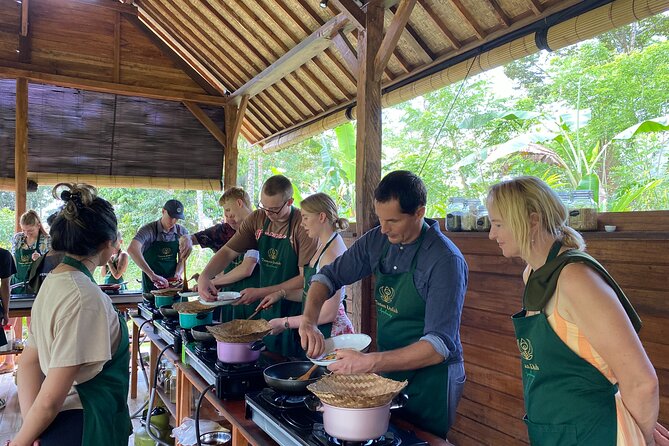
A cooking class is only good value if you can repeat something after returning home. This one includes a printed recipe book and a PDF version, with ingredient substitutions, cooking tips, and links to technique videos.
That is a strong practical touch. Some Balinese ingredients can be difficult to find outside Indonesia, so substitution advice matters more than a simple list of local names. You can use the recipes as a starting point and adjust them to what is available in your own kitchen.
The class also seems aimed at food you can make without specialist equipment. The cooking utensils are supplied during the activity, and the recipes are described as easy to recreate. Still, the exact equipment and ingredients needed at home are not listed, so you may need to adapt some steps.
I would save the PDF before leaving Bali and keep the printed copy with your travel notes. The recipe book is one of the clearest reasons this class offers more than a one-day meal.
Is $38 good value?
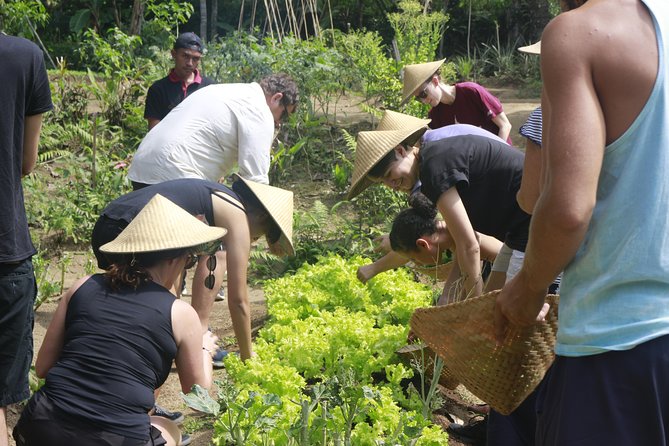
At $38 per person, the price covers a five-and-a-half-hour experience, transport in an air-conditioned vehicle, the market visit on morning departures, farm access, ingredients, cooking instruction, lunch, beverages such as tea or coffee, water, an apron, utensils, and take-home recipes.
That is good value if you would otherwise pay separately for a meal, a farm visit, and a guided cooking lesson. You are also paying for the setting and the time spent with the instructors, not just the food on your plate.
The value is weaker for someone who wants a short class or dislikes group activities. You may spend a lot of time preparing ingredients, and the full schedule takes a substantial part of the day. The market visit also depends on the session you choose.
The experience is booked, on average, about 16 days ahead, which suggests you should not leave it until the last minute if your Ubud dates are fixed. Free cancellation is available up to 24 hours before the start time. Poor weather or failure to meet the minimum number of participants can lead to a new date or a full refund.
Who should book this cooking class?
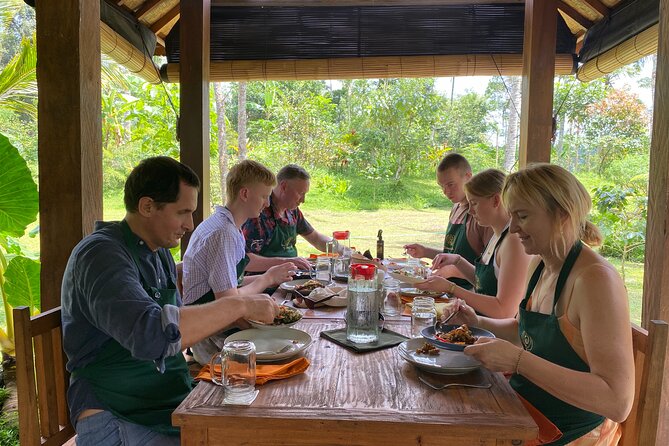
I would choose this for you if you like food, gardens, and local daily life more than polished sightseeing. It suits beginners, couples, families, and solo visitors who are happy to cook beside other people.
Families should note that one child’s nut allergy was accommodated, but all dietary needs should be discussed in advance. The class also works for people who do not think of themselves as cooks because the instruction is step by step.
Food lovers will get the most from the market and farm sequence. You can connect an ingredient in the stall or garden with the dish later in the day. That makes the recipes easier to remember.
You may want to skip it if you have limited time in Ubud, dislike chopping, or want a private, high-end culinary lesson. It is friendly and well organized, but it is still a communal class with practical work.
Should you book the Taro Village farm class?
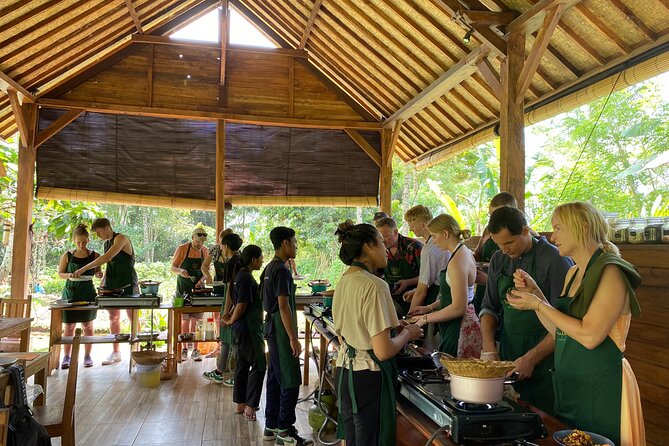
Yes, if you want a full food experience rather than a quick cooking lesson. The strongest reasons to book are the farm setting, the chance to pick ingredients, the broad menu, and the recipe book that helps you continue cooking after Bali.
Choose the morning session if the market is important to you, and confirm that format before you go. Plan for a long half-day, arrive ready to eat, and tell the team about allergies before the knives come out.
For $38, this is a sensible choice for anyone who wants to connect Balinese food with the land and people who prepare it. It is less suitable for visitors seeking speed or luxury, but for hands-on cooking and a generous meal in the countryside, it earns a place on an Ubud itinerary.
FAQ
Where does the cooking class take place?
The class takes place at an organic farm in Taro Village, north of Ubud. The property covers about 8,000 square meters.
Where does the activity start and finish?
It starts and ends at Ubud Central Parking, Jalan Suweta No. 18, Ubud. The activity returns to the same meeting point.
How long does the experience last?
The experience lasts approximately five hours and 30 minutes.
Is transport included?
Yes. An air-conditioned vehicle is included, with shuttle transfer available from Ubud Central Parking.
Is the market visit included in every session?
No. The market visit is part of the morning experience only. Confirm the session details if you specifically want to visit the market.
How many dishes will I prepare?
You will prepare six or more Indonesian dishes, including dessert, and eat the food you cook.
Is lunch included?
Yes. Lunch includes all the food prepared during the class. Coffee or tea and bottled water are also included.
Are cooking equipment and an apron provided?
Yes. Cooking utensils and an apron are included.
Can dietary restrictions or allergies be accommodated?
The cooking team has accommodated a nut allergy, and the class caters to various diets. You should provide your dietary information when booking and confirm it with the instructors.
What is the cancellation policy?
You can cancel at least 24 hours before the start time for a full refund. Cancellations or changes made less than 24 hours before the activity are not accepted for a refund. If poor weather or an insufficient minimum group causes cancellation, you are offered another date or a full refund.
New cooking classes around Ubud
- Ubud: Organic Farm Harvest, Bali Cooking Class by Pemulan★ 4.8 · 12 reviews
- packages cooking class and romantic dinner in a local home★ 5.0 · 4 reviews
- Jambangan bali cooking class with morning market tour★ 5.0 · 35 reviews
- Balinese cooking class/Go shopping at the market, cook, eat★ 5.0 · 12 reviews
- Bali: Cooking Class with Monkey Forest and Art Village Tour★ 5.0 · 2 reviews
- Ubud: Balinese Cooking Class with Hotel Transfers★ 4.8 · 17 reviews
- Balinese Vegan Cooking Class with Fresh Harvesting & Garden Tour★ 5.0 · 86 reviews
- Balinese Cooking class with traditional morning market visit★ 5.0 · 161 reviews
Ubud Cooking Classes, side by side.
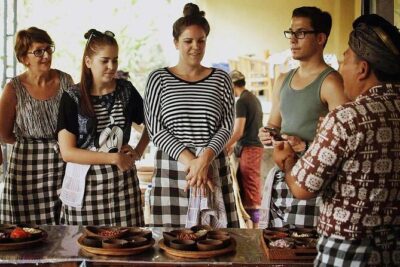
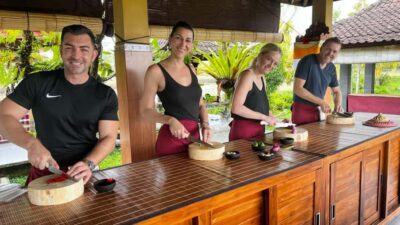
Ubud: Cooking Class with Transfers and Optional Market Visit
Read our review →
PRIVATE Authentic Balinese Cooking Class in Ubud at Putu’s Home
Read our review →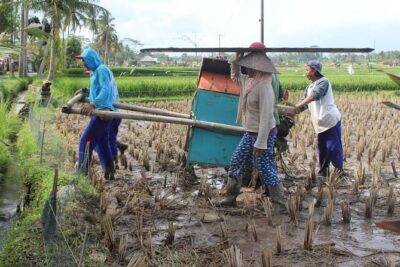
Balinese Ubud cooking school (9 Dish Cooking and Market Tour)
Read our review →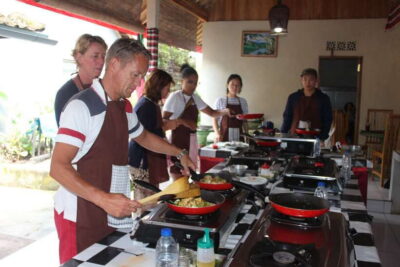
Balinese Cooking class with traditional morning market visit
Read our review →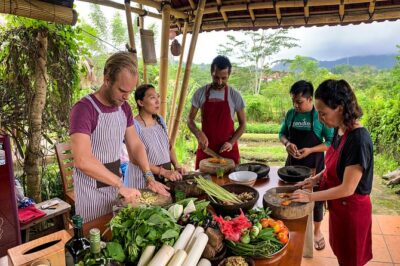
Balinese Vegan Cooking Class with Fresh Harvesting & Garden Tour
Read our review →This kitchen also appears in