
Review · COOKING CLASSES WORLDWIDE
‘Chillo al Coco’ Cooking Class & Taino Concept store
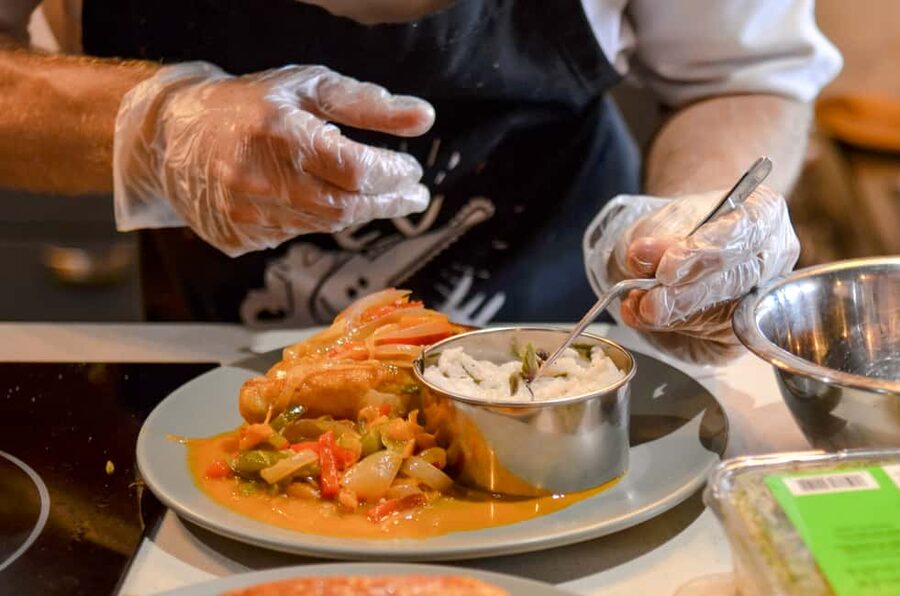
The best part of this experience is the coconut sauce. You start with a fresh coconut, extract the milk yourself, then build the sauce with peppers, onions, garlic, herbs, and spices before adding the red snapper. Ruth, Roody, and Randy have each earned strong praise for making the class friendly, patient, and easy to follow.
I like the small group of no more than 10 people and the chance to learn a real Dominican dish rather than simply eating one. I also like that the meal includes cassava, plantain, and rice, giving you a useful look at how several everyday ingredients work together. The main caution is timing: one outing ran about two hours longer than planned because of a stop at the Taino Concept store, and a power cut once forced the class to end early.
Key points
- Fresh coconut milk: You grate coconut and extract the milk used in the chillo al coco sauce.
- A complete Dominican meal: Red snapper is served with cassava, plantain, and rice.
- Small-group format: The class accepts up to 10 participants, so instruction should be more personal than at a large resort demonstration.
- Hotel transport included: Pickup and return are provided from Bavaro and Punta Cana hotels in an air-conditioned minivan.
- Friendly named instructors: Ruth, Roody, and Randy are specifically praised for patient, funny, and helpful teaching.
- Allow extra time: A shop visit may add roughly two hours, so do not schedule this too close to another activity.
A Dominican dish built around coconut and red snapper
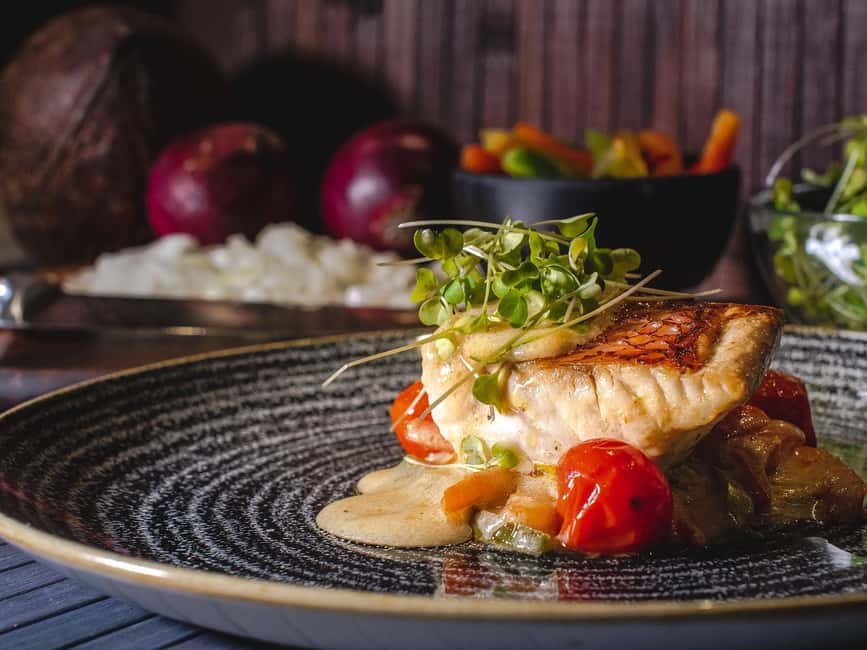
Chillo al coco is a fine introduction to Dominican cooking because it is both practical and distinctive. The dish begins with red snapper, called chillo locally, then gains its character from coconut milk, peppers, onions, garlic, herbs, and spices.
This is not just a fish fillet placed beside a sauce. You take part in the steps that create the sauce, including grating fresh coconut and extracting its milk. That process gives you a better sense of how traditional cooking works when ingredients are prepared from scratch.
I like this approach because the main lesson is not limited to one recipe. You see how a simple fish dish becomes a full meal through contrasting textures and familiar staples. Cassava brings a firm, starchy bite. Plantain adds a softer, slightly sweet element. Rice rounds out the plate and carries the coconut sauce well.
The class also introduces traditional Taino cooking techniques. The information provided does not specify every historical detail or tool used, so you should not expect a formal history lecture. The focus is clearly on hands-on preparation, local ingredients, and the food itself.
More cooking classes around the world:
- Half-Day Thai Cooking Class at Organic Farm in Chiang Mai
★ 5.0 · 19,087 reviews - Florence: Pasta Cooking Class with Unlimited Wine
★ 4.9 · 10,285 reviews - 3 in 1 Cooking Class near Navona: Fettuccine, Ravioli & Tiramisu
★ 5.0 · 7,376 reviews
From Punta Cana hotel to the Taino Gourmet Cooking Lab
Your day begins with hotel pickup in an air-conditioned minivan. Transport is included for hotels in the Bavaro and Punta Cana areas, and you are asked to wait in the hotel lobby 10 minutes before the scheduled pickup time.
That lobby rule matters. Drivers wait no longer than five minutes after the planned pickup time, so this is not the moment to finish breakfast, search for a missing room key, or wait beside the pool. Be ready early and make sure the pickup point is clear.
The transfer is useful because it removes the need to arrange your own route to the cooking location. It also makes the class easier to fit into a Punta Cana holiday, especially if you are staying at an all-inclusive resort and want one day away from the property.
There is an important geographic limit. Free transport applies to Bavaro and Punta Cana, while pickup from the Uvero Alto zone costs extra. Confirm that additional charge before booking if your hotel is north of the main resort area.
The activity is described as lasting one day, though no precise start and end time is provided. One published experience ran about two hours longer than scheduled because of a shop stop along the way. I would treat the day as flexible rather than trying to place a tightly timed dinner, flight, or separate excursion afterward.
Meeting the instructors: Ruth, Roody, and Randy
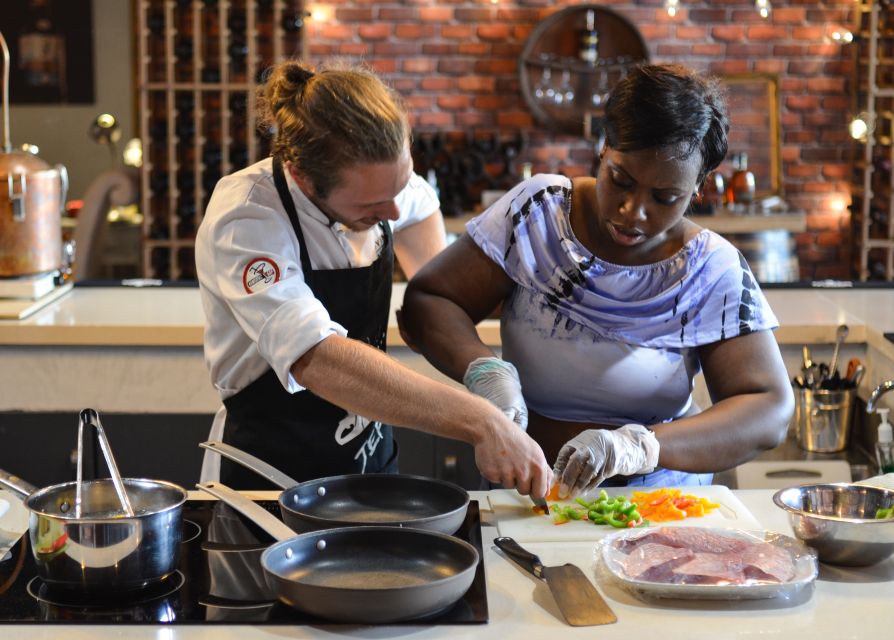
The teaching style appears to be one of the class’s strongest features. Ruth is described as both fun and instructive, while Roody is praised for being patient, funny, and kind. Randy also receives specific praise for making the cooking lesson enjoyable and helping participants learn a great deal.
Those details matter more than a polished kitchen description. A cooking class works best when the instructor lets beginners keep up without making experienced cooks feel held back. The information provided points to a relaxed lesson where you can ask questions and take part instead of watching from the edge.
The instructors speak English and French. If you need one of those languages, the class is a practical choice. The available information does not confirm interpretation in other languages, so you should ask before booking if you need instruction in a different language.
The group is limited to 10 participants. That is large enough to give the class a social feel, but small enough that you should have a reasonable chance to participate in the preparation. A smaller group also helps when several steps happen in sequence, such as cleaning the fish, preparing the coconut, and building the sauce.
Preparing the red snapper
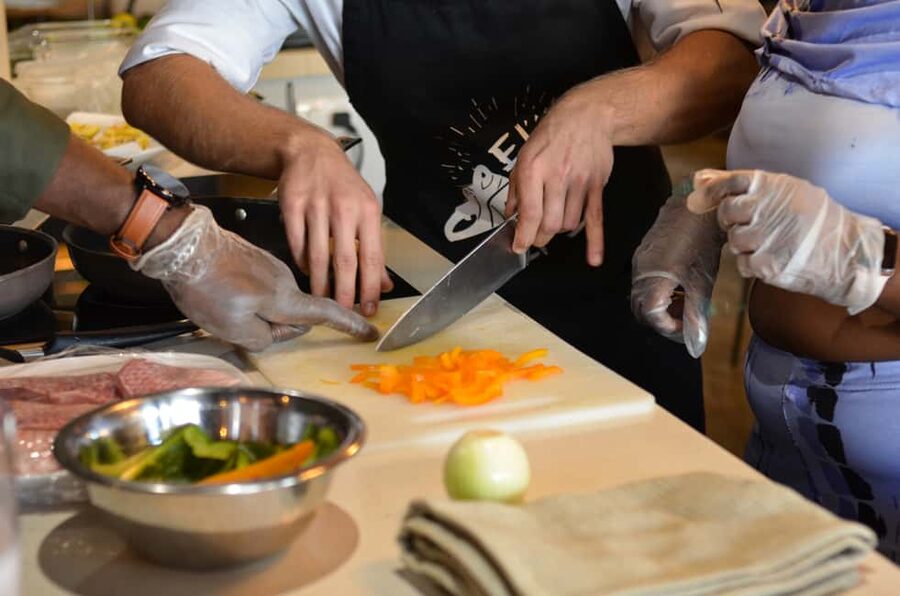
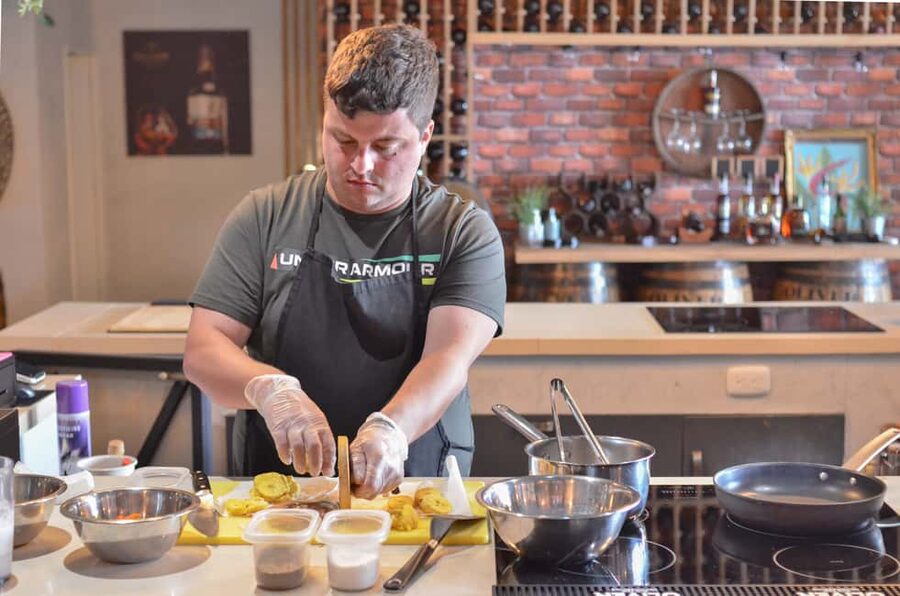
The class starts with the red snapper. You clean the fish and season it with aromatic herbs and spices before it goes into the sauce.
The exact seasoning blend is not specified, so do not expect a printed list of precise quantities from the information available. The useful lesson is the order of work: prepare the fish first, season it well, then let the coconut sauce provide the cooking liquid and much of the final flavor.
This step may suit cooks of all levels. Beginners get an introduction to handling a whole fish or fish portions, while experienced cooks can pay attention to the seasoning and cooking method. The class is designed for all ages, so it is also a reasonable choice for a family group, provided everyone is comfortable taking part in food preparation.
The red snapper is the star ingredient, but it is not treated as a stand-alone seafood tasting. It cooks in the sauce, allowing the flavors of the fish, coconut, peppers, onions, and garlic to come together. That makes the technique worth remembering at home, even if you later adapt it to another fish.
Same kitchen, a different dish:
- Florence: Pasta & Tiramisu Cooking Class with Unlimited Wine
★ 4.9 · 6,708 reviews - Florence: Pasta Cooking Class with Unlimited Wine
★ 5.0 · 6,413 reviews - Hanoi Cooking Class: Culture, Local Market & Meaning CSR Impact
★ 5.0 · 5,147 reviews - 5 Traditional Dishes Hanoi Cooking Class with Market Trip
★ 5.0 · 4,890 reviews
Making coconut milk from a fresh coconut
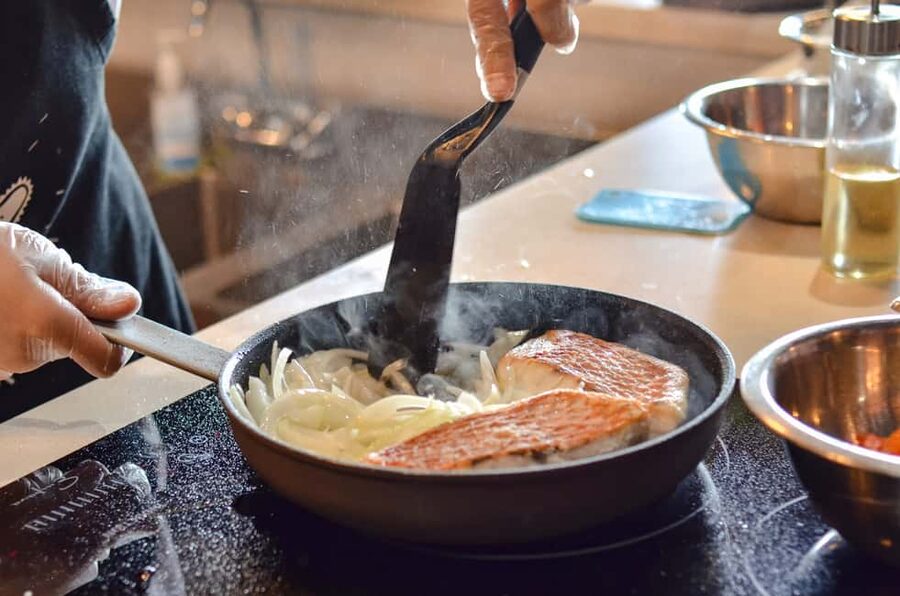
The coconut portion is the most distinctive part of the class. You use freshly grated coconut and extract the milk to create a smooth base for the sauce.
This is a small but meaningful lesson. Many visitors know coconut milk as a carton or can, but extracting it from fresh coconut shows the work behind the ingredient. It also connects the dish to older Caribbean cooking methods and to the class’s focus on Taino food traditions.
The sauce then receives peppers, onions, and garlic. These ingredients provide heat, sweetness, aroma, and body. The result is intended to be creamy and full-flavored, but the description does not specify how spicy it becomes. If you are sensitive to heat, ask the instructor how much pepper will be used before the sauce is finished.
The process should be especially satisfying for people who enjoy cooking by feel. You are not simply following a restaurant demonstration. You are preparing an ingredient, extracting liquid from it, and using that liquid as the base for the main dish.
Simmering chillo al coco with the side dishes
Once the coconut sauce is ready, the fish is added and allowed to simmer until cooked through. This is where the dish comes together. The sauce gains flavor from the fish, while the fish takes on the coconut and seasoning.
The meal is served with cassava, plantain, and rice. Each side has a clear role, and together they make the plate more substantial than fish and sauce alone.
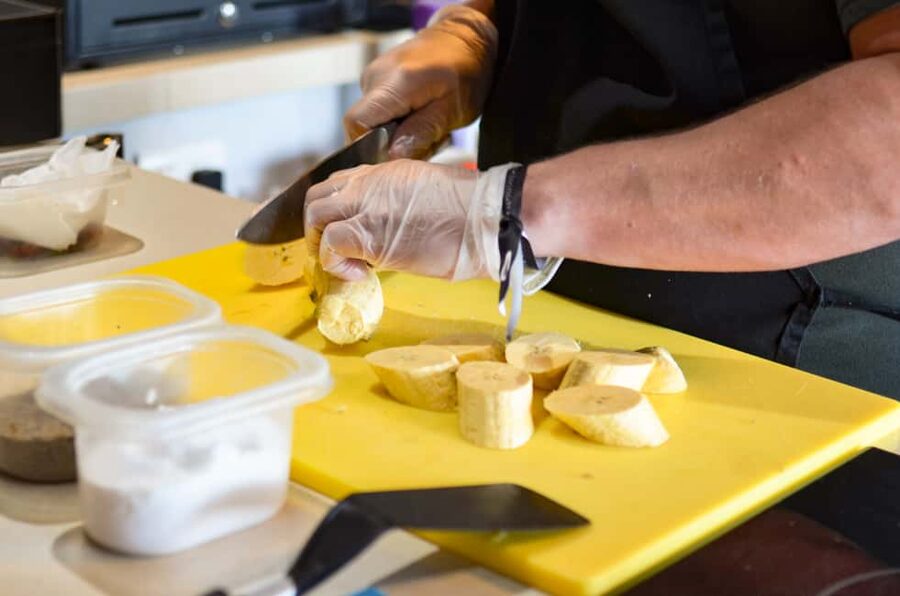
Cassava is a useful Dominican staple to encounter because it has a different texture from potato and works well with a creamy sauce. Plantain brings another texture and a gentle sweetness. Rice provides a familiar base and helps balance the stronger flavors.
I like that the class includes the sides rather than focusing only on the headline dish. If you want to understand everyday Dominican food, a complete plate tells you more than a single recipe. You also leave with several ideas for combining local staples in your own cooking.
Drinks and other beverages are not included. Bring money if you want something beyond the meal itself, and check what is available at the location. The provided details do not state which drinks are sold or included.
The Taino Concept store and the question of timing
The Taino Concept store is part of the experience, and this is where the schedule deserves close attention. A stop at a shop added about two hours to one outing, making the day longer than expected.
That extra stop may appeal to you if you want time for local products or souvenirs. It can also be useful if you are interested in extending the cultural side of the day beyond the kitchen. Still, the purpose of the stop and the time spent there are not described in detail, so do not assume it will be a quick five-minute browse.
For me, the practical advice is simple: keep the rest of your day open. Do not book a separate tour with a fixed departure immediately afterward, and avoid planning an important evening reservation at the earliest possible time.
The shop visit is also worth considering when comparing this activity with a shorter cooking lesson. The price covers more than ingredients and instruction, since hotel transfers and the broader outing are part of the package. But if you want only a tightly timed class, the added stop may feel like a drawback.
What the $98 price really covers
The cost is $98 per person. That is not the cheapest way to eat a Dominican meal, but the comparison should not be made against a restaurant entrée alone.
The price includes hotel pickup and drop-off, transportation in an air-conditioned minivan, the cooking instruction, the food used for the class, and local taxes. You are paying for a full-day activity rather than simply buying lunch.
The small group improves the value. With no more than 10 participants, the class has a better chance of offering direct instruction than a large resort event. The named instructors are another positive sign, since the teaching quality appears to be a major part of the experience.
The value is weaker if you want a short class with no extra stops. The longer schedule can be a benefit or an inconvenience, depending on your plans. The cost is also less predictable for anyone staying in Uvero Alto because transport carries an extra charge.
I would consider $98 fair for someone who wants transport, a hands-on class, a complete meal, and a cultural stop in one outing. I would look elsewhere if your main goal is simply to sample chillo al coco or if you prefer to control every minute of your day.
A few practical cautions before you book
The activity is wheelchair accessible, which makes it more usable for people who need that feature. The information does not give specific details about the kitchen layout or how each cooking station is arranged, so contact the provider if you need to confirm access for a particular mobility aid.
Free cancellation is available up to 24 hours before the activity for a full refund. You can also reserve now and pay later, which helps if your hotel plans are still changing.
A power failure once caused a class to stop before completion. The provider attempted to arrange another date, and when that did not work because of the participant’s departure, a refund was arranged. Power interruptions can happen anywhere, but this incident shows why you should avoid scheduling the class on the final day of a short holiday if completing the meal matters to you.
There was also one complaint about duplicate payment deductions. That appears to be a payment issue rather than a feature of the cooking lesson, but check your booking confirmation and bank statement so you can address any duplicate charge quickly.
Who will enjoy this cooking day most
I would recommend this class to you if you want a hands-on activity with a clear connection to Dominican food. It fits couples, families, beginner cooks, and anyone who prefers a small group to a large resort presentation.
It is also a good choice if your holiday has mostly involved hotel meals and beach time. The class gives you a reason to leave the resort, work with local ingredients, and understand how a dish is built from fish, coconut, vegetables, and staple foods.
You may be less interested if you dislike seafood, have strict food restrictions that make coconut, fish, cassava, plantain, or rice unsuitable, or want a short and tightly controlled schedule. The available details do not explain substitutions, so ask before booking if you cannot eat the listed ingredients.
The activity suits people who value the process as much as the meal. If you only want to sit down and eat, a restaurant will be simpler. If you want to grate coconut, season fish, and learn the method behind the sauce, this offers more.
Should you book the Chillo al Coco class?
Book it if you want a friendly, small-group cooking lesson that combines a traditional fish dish with a broader Dominican food experience. The fresh coconut milk and complete plate of red snapper, cassava, plantain, and rice give the class a clear sense of place.
Go in with a flexible schedule. Expect the day to run longer than a basic two-hour lesson, especially if the Taino Concept store stop is included. Confirm your pickup zone, ask about any Uvero Alto transport fee, and keep the final evening free of tight commitments.
The strongest reason to choose this activity is the teaching. Ruth, Roody, and Randy are named as warm and effective instructors, and that personal attention can make the difference between merely watching a recipe and actually learning it. At $98, it is a reasonable full-day value for the right kind of cook.
FAQ
Where does the Chillo al Coco cooking class take place?
The activity takes place in La Altagracia, Dominican Republic, with hotel pickup and drop-off included from the Bavaro and Punta Cana areas.
How much does the experience cost?
The listed price is $98 per person. An extra transportation charge applies to pickups from the Uvero Alto zone.
What food will I prepare?
You will prepare chillo al coco, made with red snapper and a sauce based on freshly grated coconut milk, peppers, onions, garlic, herbs, and spices. The meal also includes cassava, plantain, and rice.
Are drinks included?
No. Drinks and beverages are not included in the price.
How large is the cooking group?
The class is limited to 10 participants.
Can I cancel the booking?
Yes. You can cancel up to 24 hours in advance for a full refund. A reserve-now, pay-later option is also available.
New cooking classes around the world
- Shinjuku Tokyo: Authentic Japanese Home-Style Culinary Class★ 4.9 · 125 reviews
- Shibuya Tokyo: Onigiri & Tamagoyaki Cooking Class★ 5.0 · 4 reviews
- M.O.M COOKING CLASS★ 4.8 · 6 reviews
- Seville: Paella-Cooking Experience with Sangria & Full Meal★ 4.9 · 42 reviews
- Shanghai: Authentic Chinese Cooking Class with Master Chef★ 5.0 · 2 reviews
- Sestri Levante: Pesto & Cooking Classes, Wine Tasting★ 4.9 · 56 reviews
- Seville: Paella Cooking Class & 30-Min Local Expert Q&A★ 4.8 · 37 reviews
- Seoul: Korean Kimchi Cooking Class in the Heart of the City★ 5.0 · 3 reviews