
Review · JAIPUR
Cooking Class in Jaipur – Family Experience with Meal & Transport
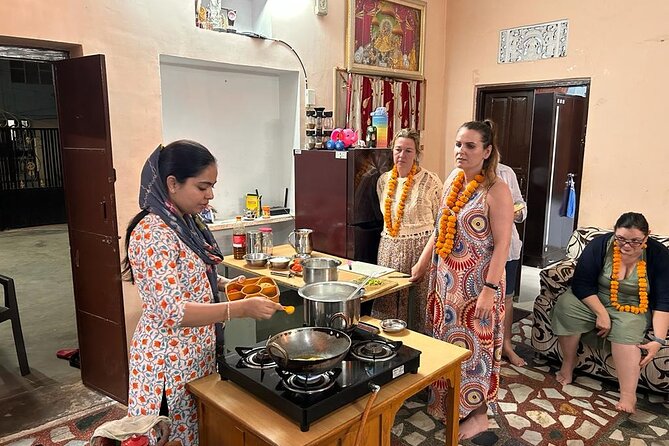
Jaipur’s best food lesson may be the one that gets you out of a restaurant and into an ordinary family kitchen. This private cooking class gives you a hands-on chance to make chapati, dal, vegetable dishes, rice pudding, or other Indian favorites, then eat what you have prepared with your host.
I like the included transport, which removes the hassle of finding a private home in an unfamiliar part of Jaipur. I also like the family setting: hosts such as Raveena, Sharda, and Shanda explain the food while you talk about daily life, customs, and cooking. The main caution is that the class quality can depend on the host. Some people get active instruction at every step, while others have found the session closer to a cooking demonstration.
Key points
- A real family setting: You cook and eat in a local home rather than in a restaurant classroom.
- Traditional menu choices: Depending on the class, you may prepare chapati, dal fry, chana masala, paneer, vegetables, rice pudding, and chai.
- Pickup and drop-off included: Transport is arranged as part of the experience.
- Flexible dish requests: You can ask in advance to learn a particular Indian recipe.
- Small groups: Bookings range from one person to a maximum of eight.
- Good overall value: At about $29.98 per person, the price includes instruction, a full meal, drinks, taxes, and transport.
A Jaipur kitchen instead of a restaurant table
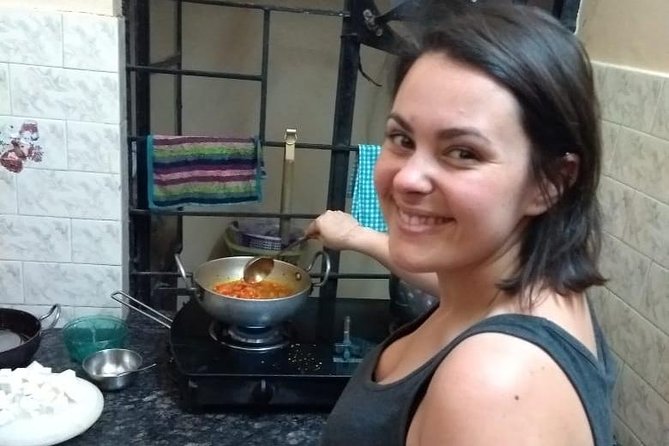
The heart of this experience is simple: you do not just eat Indian food, you help make it. The class takes place in a local family home, where the host guides you through selected recipes before sitting down with you for the finished meal.
That setting matters. In a restaurant, you can taste the result but rarely see how the meal fits into family life. Here, you have the chance to ask why a dish is prepared in a certain way, how spices are used, and how everyday Indian meals come together.
The hosts named in the experience include Raveena, Sharda, Shanda, and other family members. Raveena is described as an English-speaking teacher with a clean kitchen and a clear, step-by-step approach. Sharda has taught visitors to make chapati, paratha, dal tadka, potato and onion curry, rice pudding, and masala tea.
You should expect a friendly home visit rather than a formal culinary school. That is good news if you want warmth and conversation. It also means the teaching style may feel informal.
More cooking classes around India:
- Pink City Cooking Class
★ 5.0 · 452 reviews - Five Course Cooking Class & Meal
★ 5.0 · 250 reviews - Indian Cooking Class in an Authentic Local Home – Learn 6 Dishes
★ 5.0 · 195 reviews
What you cook during the two-hour class

For the lunch or dinner version, the meal usually includes four items. The stated menu includes two vegetable dishes, chapati, and rice pudding, though the precise recipes can vary by season and host.
Possible dishes include:
- Roti, also called chapati, or puri
- Aloo pyaaj sabji, made with potatoes and onions
- Dal fry
- Chana masala
- Khoya paneer
- Bhindi masala
- Another seasonal vegetable
- Kheer, a rice pudding
This is a sensible menu for a short class. Chapati teaches you about dough, rolling, and cooking bread on the stove. Dal shows how a basic lentil dish gets its flavor. A vegetable curry introduces the way Indian cooks combine produce with spices. Kheer finishes the meal with something sweet and familiar.
The class is not designed to teach every branch of Indian cooking. In two hours, you will learn a small group of useful dishes rather than a full regional cookbook. Still, the selection gives you a practical base for cooking Indian food at home.
Breakfast classes use a different menu. Options include masala tea, upma, idli, poha, aloo paratha, vegetable spring rolls, and vegetable cutlets. The supplied details vary slightly on whether the breakfast class includes three or four items, so confirm the exact menu when you book.
Hands-on cooking depends on your host
The strongest part of the class is supposed to be participation. You should have a chance to cut ingredients, mix, shape, stir, and prepare each recipe with guidance from the host. One host, Raveena, is praised for explaining what was happening and why, while giving time for questions.
That approach suits you if you want to take the recipes home and repeat them. The chef host also shares contact details, so you can ask for help later if you forget a step or need clarification.
But set your expectations carefully. At least one person found the class too basic, with more instruction on cutting an onion and using a knife than on Indian spices. Another described the session as more of a cooking show, with the host preparing most of the food while the participants watched.
This may reflect different hosts or different expectations. If you want serious technical instruction, ask in advance how much active cooking you will do. If your main goal is a family meal and a friendly introduction to Indian home cooking, the informal approach may be just right.
The family meal is the real reward
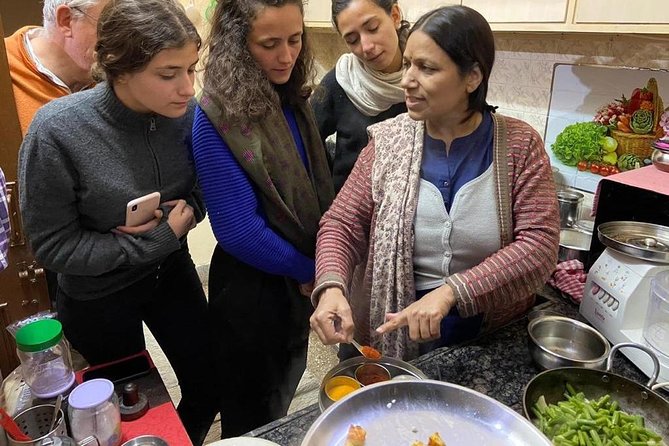
After the preparation, you sit down with your host and eat the meal. This is more than a practical end to the lesson. It gives you time to talk with the family and see how the food tastes as a complete meal rather than as separate ingredients.
The family contact has been a major strength of the experience. Visitors have spent time talking with parents, children, and other relatives, and have described the welcome as warm and relaxed. The experience can feel especially personal when the host explains family recipes or grandmother-style techniques.
One host family previously operated a homestay or bed-and-breakfast before the pandemic interrupted that work. Details like this can make the evening feel less commercial. You are not simply being moved through a standard restaurant activity. You are sharing a meal in a home connected to the family’s own history of welcoming visitors.
The meal also includes beverages, coffee, or tea. One person would have liked a drink on arrival, so do not assume that refreshments begin the instant you walk through the door. The main meal and drinks are included, but personal expenses are not.
Same kitchen, a different dish:
- Private Guided Cooking Workshop Experience in Jodhphur
★ 5.0 · 158 reviews - Jaipur Market Tour & Vegetarian Rajasthani Home Cooking Class
★ 5.0 · 113 reviews - Interactive Cooking Class with a Local Family in Jaipur
★ 5.0 · 90 reviews - Delhi: AI Cooking Class and Much More in a Local Family Home
★ 5.0 · 85 reviews
Why the included transport matters in Jaipur
Pickup and drop-off are included, which is one of the most useful features. A private home is not always as simple to locate as a hotel or major monument, and arranged transport saves time and negotiation.
The transport has received positive attention for being efficient and convenient. One driver named Sukret picked up two family members and was described as friendly. Another person enjoyed combining a yoga session with the cooking class and found the transport helpful.
The driver tip is not compulsory. A suggested amount is 200 to 500 Indian rupees for good service. Bring some cash if you want to follow that suggestion.
The class lasts about two hours, though allow extra time for the pickup, ride, and meal pace. The activity is capped at eight people, with one person accepted as the minimum booking. A small group should make it easier to work at the stove and ask questions, while a full group may feel less personal.
A good price, with a few conditions
At about $29.98 per person, the experience includes transport, the cooking class, the meal, beverages, coffee or tea, taxes, and handling charges. That is fair value if you make several dishes and receive active instruction.
The price becomes less attractive if you mostly watch one dish being prepared. One person felt that the cost was high for a single meal and limited teaching. That criticism is useful because the class is sold as hands-on, and your satisfaction depends heavily on how much you get to do.
I would judge the value this way:
- Good value: You receive pickup, prepare several dishes, eat a full meal, and get recipes or follow-up help.
- Average value: You prepare a few simple items but spend much of the time watching.
- Poorer value: You cook only one meal with little explanation of spices or technique.
You can improve your chances of getting the first version by requesting dishes before the class. Ask how many items you will prepare, which ones you will personally handle, and whether the host can explain the spice combinations.
What makes the food lesson useful at home
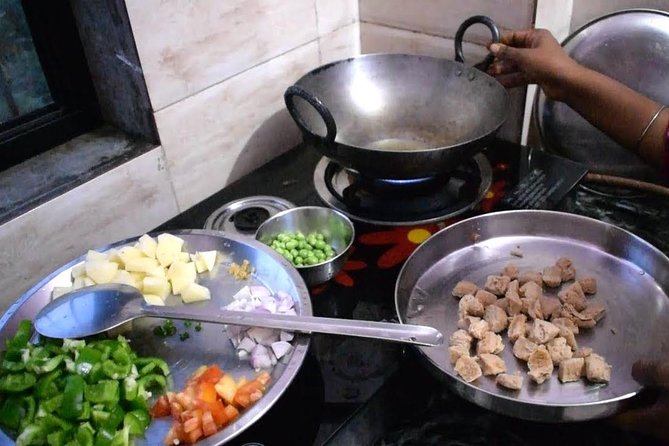
A restaurant meal can show you what Indian food tastes like. This class can show you how to recreate part of it. Chapati, dal, vegetable curry, and rice pudding are all useful dishes because they can become regular home meals rather than one-time novelties.
The class also introduces variety within Indian food. Aloo pyaaz sabji, chana masala, paneer, bhindi, and dal do not all taste the same, and the menu gives you a sense of how vegetables, lentils, dairy, bread, and sweets fit together.
You can also request a specific Indian dish before joining. That is a valuable option if you already have a favorite, such as paratha or a particular curry, though the host must confirm whether it can be taught during the available time.
The contact details for the chef are another practical touch. Recipes learned during a holiday often fade once you return home. Being able to ask a follow-up question gives the lesson a longer life.
Who should book this Jaipur experience
I would recommend this class to you if you:
- Want a personal family encounter rather than a restaurant meal
- Enjoy talking with local people
- Are curious about Indian home cooking
- Prefer a short activity of about two hours
- Want pickup and drop-off included
- Like learning by doing, even at a relaxed pace
- Are traveling as a couple, solo visitor, family, or small group
It is also a good choice for anyone nervous about Indian food. One person specifically reported having no stomach trouble after the meal, though no tour can guarantee how your body will react to unfamiliar food.
Families may enjoy the welcoming setting, but the available information does not describe special children’s activities or a separate children’s menu. If you are booking with young children, ask how much participation is suitable for them.
I would be more cautious if you want a professional culinary course, a market visit, or advanced spice theory. This experience takes place at the host’s home, and the class does not include a market tour. It is about cooking and family contact, not a full-day food program.
Booking, timing, and cancellation details
The activity is often booked about 18 days ahead, so reserve early if your Jaipur dates are fixed. Confirmation is provided at booking, and mobile tickets are accepted.
You can cancel for a full refund up to 24 hours before the local start time. Changes or cancellations made less than 24 hours before the activity are not accepted for a refund.
The experience is near public transport, but pickup is still included. Group discounts may be available, and the maximum booking size is eight people.
The provider is vwitours. Before paying, confirm whether you want breakfast, lunch, or dinner, and ask which host will teach your class if that information is available.
Should you book this cooking class?
Book it if you want an approachable taste of Jaipur family life, a home-cooked meal, and the chance to prepare several familiar Indian dishes. The included transport and small-group limit make the arrangement easy, and the best hosts, including Raveena and Sharda, appear to offer patient instruction and warm conversation.
Do not book it expecting a polished cooking school or a guaranteed advanced lesson. The experience can vary, and you should confirm how hands-on it will be. For most visitors who value personal contact over technical perfection, the chance to cook, eat, and talk with a Jaipur family is worth the reasonable price.
FAQ
How long does the cooking class last?
The class lasts approximately two hours. Allow additional time for pickup, drop-off, and the meal.
Is transport included?
Yes. Pickup and drop-off transport are included in the booking.
How many people can join?
The minimum is one person per booking, and the maximum is eight people.
What dishes can I learn to cook?
Lunch and dinner options may include chapati or puri, dal fry, seasonal vegetables, khoya paneer, chana masala, bhindi masala, aloo pyaaz sabji, and rice pudding. Breakfast options include masala tea, upma, idli, poha, aloo paratha, vegetable spring rolls, and vegetable cutlets.
Can I request a specific Indian dish?
Yes. You can tell the provider before the class if there is a particular Indian dish you want to learn.
Are food and drinks included?
Yes. The booking includes the cooking class, the meal, beverages, and coffee or tea. Personal expenses and tips are not included.
New cooking classes around India
- Private Cooking Class In Jodhpur With Family★ 5.0 · 2 reviews
- New Delhi: Indian Cooking Class in a Local Home★ 5.0 · 65 reviews
- New Delhi: Full-Day Cooking Class learn 8 dishes with Locals★ 5.0 · 7 reviews
- New Delhi: 5-Hour Traditional Cooking Class with Local Chef★ 5.0 · 2 reviews
- Mumbai Coastal Cooking: From Fishing Net to Flavourful Plate★ 5.0 · 5 reviews
- Kerala: Cooking Class in Munnar★ 5.0 · 2 reviews
- Kerala Traditional village cooking class (Munnar)★ 4.8 · 15 reviews
- Jodhpur 11 Dishes Cooking Class With REKHA Pick Up & Drop OF★ 5.0 · 24 reviews
Jaipur Cooking Classes, side by side.
Jaipur Market Tour & Vegetarian Rajasthani Home Cooking Class
Read our review →
Interactive Cooking Class with a Local Family in Jaipur
Read our review →
Jaipur: Traditional cooking class and storytelling session
Read our review →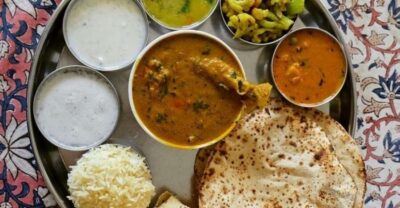
Jaipur Home Cooking Experience with Authentic Lunch/Dinner
Read our review →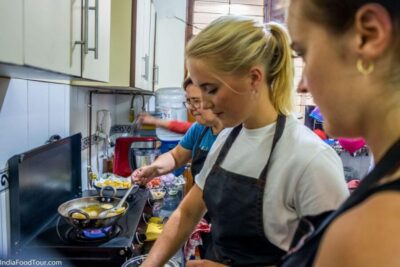
Jaipur: Cooking class at the host family’s house for 3 hours
Read our review →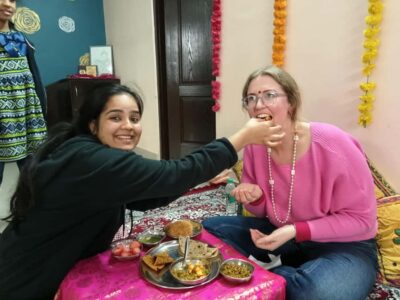
Jaipur: Kitchen is your’s Cooking class with Pickup & Drop
Read our review →This kitchen also appears in