
Review · COOKING CLASSES WORLDWIDE
cooking traditional food in Samarkand with local people
Samarkand’s grand monuments tell only part of the story. This five-hour outing takes you from Siab Bazaar to a family home in Ravot village, where the main attraction is not a polished demonstration but the everyday work of preparing Uzbek food. You may help make plov, salads, hanim, or other local dishes, then sit down to eat with the family.
I like the combination of market and home cooking. You first see the ingredients and food culture at Siab Bazaar, then learn how those products become a family meal. I also like the chance to talk about Uzbek customs with hosts such as Akram and Navruz, rather than spending the whole day around monuments.
The main thing to consider is the meaning of cooking class. One person may get to prepare much of the meal, while another may mainly chop vegetables and watch the cooking. If you want a formal, fully hands-on lesson, set that expectation clearly before you go.
Key points at a glance
- Siab Bazaar before the kitchen: Visit Samarkand’s best-known market for local produce and food products, but avoid Monday, when it is closed.
- A real family home in Ravot: The village sits in Toyloq district, about 14 kilometers from Registan Square.
- Plov is the star dish: Learn how Samarkand-style food is prepared and share the finished meal with the family.
- More than a meal: You can see the garden, talk about local customs, and get a glimpse of village life.
- Transport is covered: Pickup and return are available from your hotel, airport, or station.
- Good value at $62: The price includes transport, market visit, cooking, food, drinks, and an English-speaking guide.
From Samarkand’s market to a family kitchen
The day begins with pickup from your hotel, airport, or station. That is useful in Samarkand, especially if you are arriving with bags or have a train connection to manage. The experience lasts about five hours, so it can fit into a free morning or afternoon, depending on the starting time available.
Your first stop is Siab Bazaar. This is where you get a practical introduction to the ingredients behind Uzbek cooking. You can look at produce, spices, bread, and other foods before seeing them used in the family kitchen. The market gives the cooking a useful setting: you are not simply handed a finished plate without knowing where the ingredients come from.
Siab Bazaar is closed on Mondays. Check the day carefully when booking, since the village visit and cooking can still be possible, but the market portion will not be available as described.
After the market, you travel about 14 kilometers from Registan Square to Ravot, in Toyloq district. The road is described as good quality and not bumpy, so the transfer should be straightforward. This short trip changes the mood of the day. You leave Samarkand’s central sights behind and see a quieter part of the region.
More cooking classes around the world:
- Half-Day Thai Cooking Class at Organic Farm in Chiang Mai
★ 5.0 · 19,087 reviews - Florence: Pasta Cooking Class with Unlimited Wine
★ 4.9 · 10,285 reviews - 3 in 1 Cooking Class near Navona: Fettuccine, Ravioli & Tiramisu
★ 5.0 · 7,376 reviews
Ravot village and the welcome at home
The cooking takes place at the host family’s house. This matters because you are seeing food in the setting where it normally belongs: a home, a garden, and a family meal, rather than a restaurant kitchen arranged for tourists.
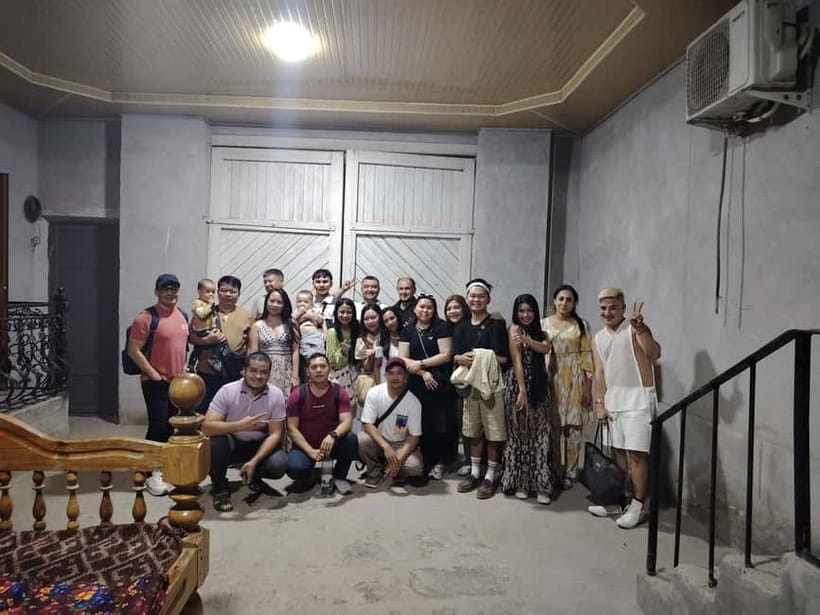
The welcome is one of the strongest parts of the experience. Depending on the host assigned to your booking, you may meet Akram or Navruz and members of the family. The hosts speak English, and the conversation can cover Uzbek traditions, daily routines, family customs, and life outside Samarkand.
A garden visit adds another useful layer. You may see fruit trees and the family’s garden before the cooking begins. That detail helps connect the food on your plate with the place where people live and grow what they eat.
You should also understand that this is a home visit, not a staged cultural show. The pace may be relaxed and the exact flow may change with the family, the menu, and the amount of preparation needed. That is part of its appeal, but it also means you should not expect the tight timing of a professional cooking school.
What you may cook in five hours
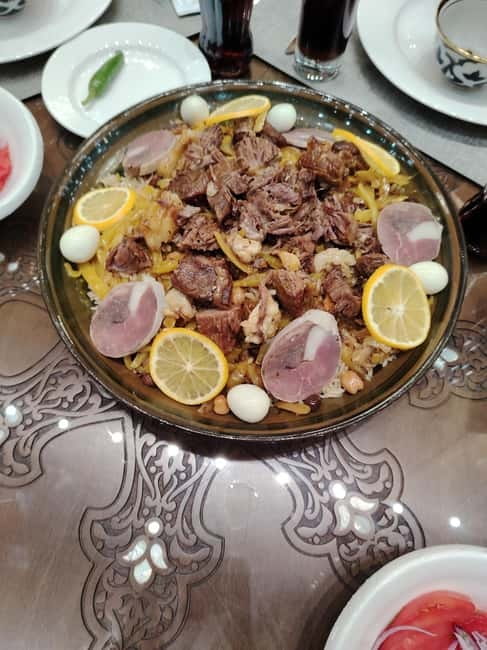
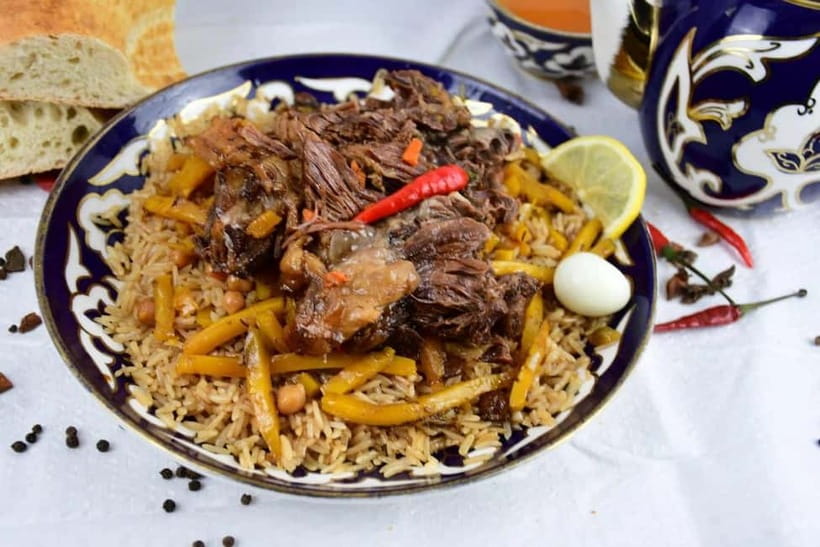
Plov is the central dish associated with this experience. Uzbek plov is a substantial rice dish prepared with ingredients such as rice, vegetables, and meat, although the exact recipe and method can vary. Here, you can learn how the family prepares it and watch the stages come together in a large cooking pot.
The host may offer other dishes according to your preferences. Salads are included, and you may be able to choose from several Uzbek foods. Past menus mentioned by participants include plov and hanim, a steamed dough dish that gives you a different idea of Uzbek home cooking.
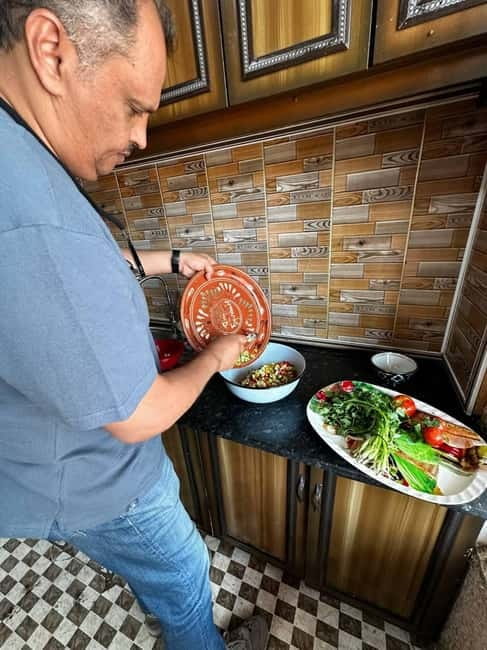
You can take part in the preparation if you wish. That may include washing or chopping ingredients, helping with a dish, and learning which tools and products are used. The cooking can be done with gas or an o’choq, a traditional cooking setup. You can also see how bread is baked in a tandir oven.
The tandir bread portion is especially useful for anyone interested in technique. Bread is an important part of meals in Uzbekistan, and seeing it baked in a tandir gives you something that a standard restaurant meal cannot provide. The information does not promise that every guest will bake a loaf alone, so ask the host how active your role will be if that is a priority.
A cooking class with a flexible definition
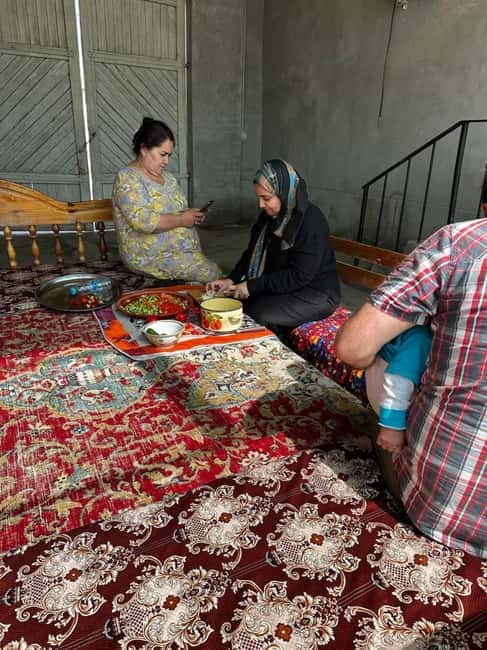
This experience works best when you think of it as a shared home-cooking session. You are invited to participate, but the amount of hands-on work can vary. One account describes helping prepare vegetables and then watching the rest of the cooking. Other accounts describe preparing dishes step by step and then making them independently with guidance.
That difference is worth taking seriously. The hosts are sharing their food and home, but they may also be doing the work needed to feed everyone. In Uzbek family cooking, some parts take time and require attention, so watching can be part of the lesson.
If you want more active practice, say so at the start. Ask which dish you can prepare, whether you can handle more of the chopping and mixing, and if you can take part in the tandir bread or o’choq cooking. A clear request should help the host shape the session around your interest.
I like this flexible approach for people who want conversation and food together. It is less suitable for someone who wants a measured recipe, a printed lesson plan, and a finished dish made entirely by their own hands.
Same kitchen, a different dish:
- Florence: Pasta & Tiramisu Cooking Class with Unlimited Wine
★ 4.9 · 6,708 reviews - Florence: Pasta Cooking Class with Unlimited Wine
★ 5.0 · 6,413 reviews - Hanoi Cooking Class: Culture, Local Market & Meaning CSR Impact
★ 5.0 · 5,147 reviews - 5 Traditional Dishes Hanoi Cooking Class with Market Trip
★ 5.0 · 4,890 reviews
Eating with the family
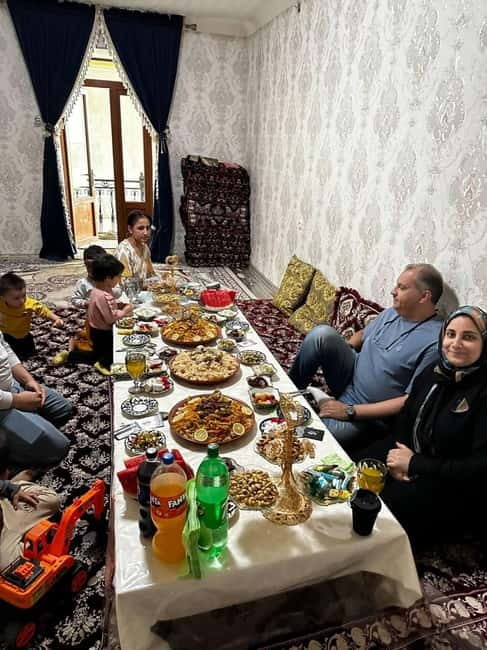
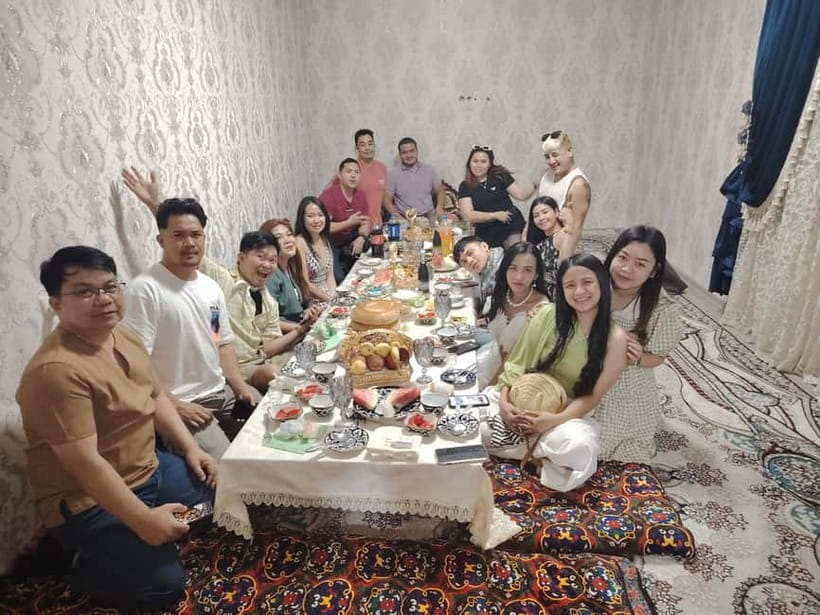
Once the food is ready, you sit down for lunch or dinner. Salads, main dishes, and beverages are included, so the meal is part of the experience rather than an extra expense.
The shared table is where the visit becomes more than a market tour. You can ask about the food you helped prepare, compare the home version with dishes you have eaten in Samarkand, and continue talking about local life. The hosts have been described as friendly, welcoming, and easy to talk with, with English strong enough for detailed conversation.
Expect plenty of food. The meal is designed to show hospitality, and several dishes may appear depending on the menu. If you have dietary restrictions, preferences, or foods you cannot eat, tell the provider in advance. The supplied information confirms menu flexibility in general, but it does not specify vegetarian, vegan, halal, allergy, or gluten-free arrangements.
The meal may also be the most memorable part for you if you enjoy food as a way to understand culture. Plov is not just a dish to sample. The method, timing, equipment, and setting all show how food fits into family life.
What the $62 price really covers
At $62 per person, this is not simply a five-hour meal. The price includes pickup, transport to and from the activity, the Siab Bazaar visit, the cooking session, lunch or dinner, salads, beverages, and an English-speaking guide.
That makes the cost reasonable if you value convenience and local contact. Paying separately for transport, arranging a market visit, finding a family willing to host you, and locating a cooking lesson could easily take more planning. The return transfer is particularly useful if you need to finish at a station or airport.
The value is strongest for solo visitors and couples who want a personal introduction to Samarkand beyond Registan Square. It may feel less compelling if your main aim is a professional culinary course, since the hands-on work is not guaranteed to occupy the whole session.
Airport, hotel, and station pickup and drop-off are included. Confirm the exact meeting point and final drop-off when you book, particularly if your train or flight leaves soon after the activity. The five-hour duration is a guide, and transfers form part of that day.
Who should book this experience
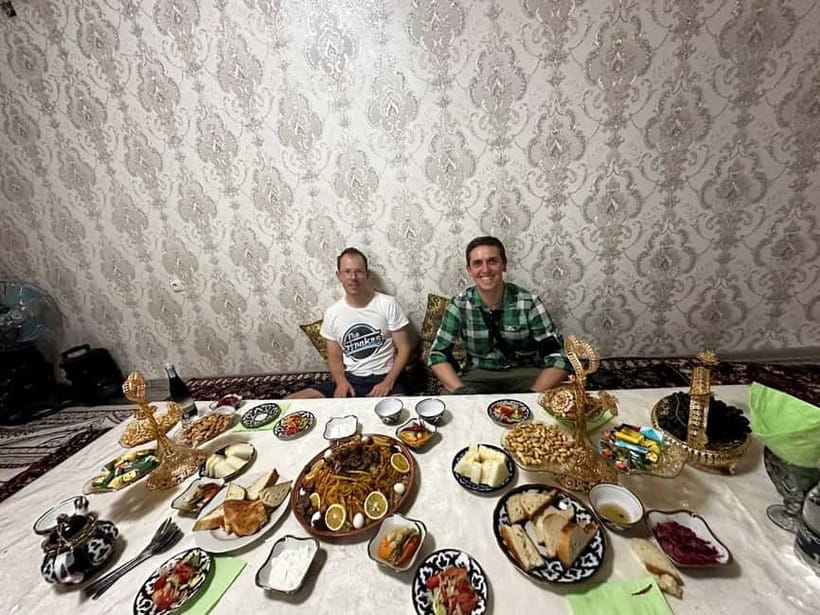
I would choose this for you if you want to meet local people, eat home cooking, and see how life changes outside central Samarkand. Families, couples, solo visitors, and food-focused visitors can all find something useful here.
It also suits anyone who has already seen the city’s main monuments and wants a different afternoon. The trip to Ravot is short, so you do not need to commit to a long rural excursion.
Parents should note the clothing guidance. Short skirts and tight clothing are not allowed, and respectful dress is important when entering a family home. Weapons, sharp objects, explosives, and nudity are also prohibited. The activity is listed as wheelchair accessible, though you should confirm the exact home and kitchen arrangements if you use a wheelchair, since the supplied information does not describe doorways, steps, or bathroom access.
This is not the best choice if you want to spend five hours only sightseeing, or if you dislike social meals with hosts. It also may disappoint you if you expect every guest to prepare every dish from start to finish.
Booking tips for a smoother visit
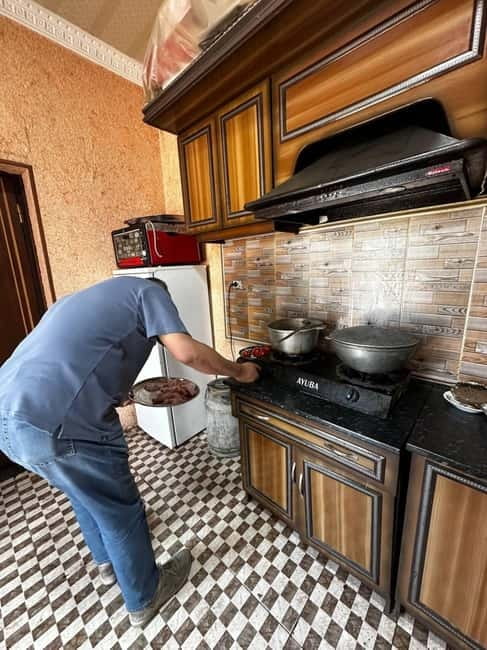
Do not schedule the Siab Bazaar portion on Monday. If Monday is your only open day, ask what alternative plan is available before reserving.
Tell the host what you most want from the session. You can say that you would like to work with the rice, prepare a salad, help with hanim, or see the tandir bread process. This is the simplest way to avoid becoming a passive observer.
Wear comfortable, modest clothing suitable for a family home. Avoid short skirts and tight clothing. Since cooking is involved, choose something that will not worry you around food preparation or heat.
The activity is conducted in English. You should be able to ask questions about the recipes, equipment, and culture without needing an interpreter. Pickup and return are available from hotels, airports, and stations, and the provider allows cancellation up to 24 hours before the start for a full refund. You can also reserve now and pay later, which helps if your Samarkand schedule is still changing.
Should you book it?
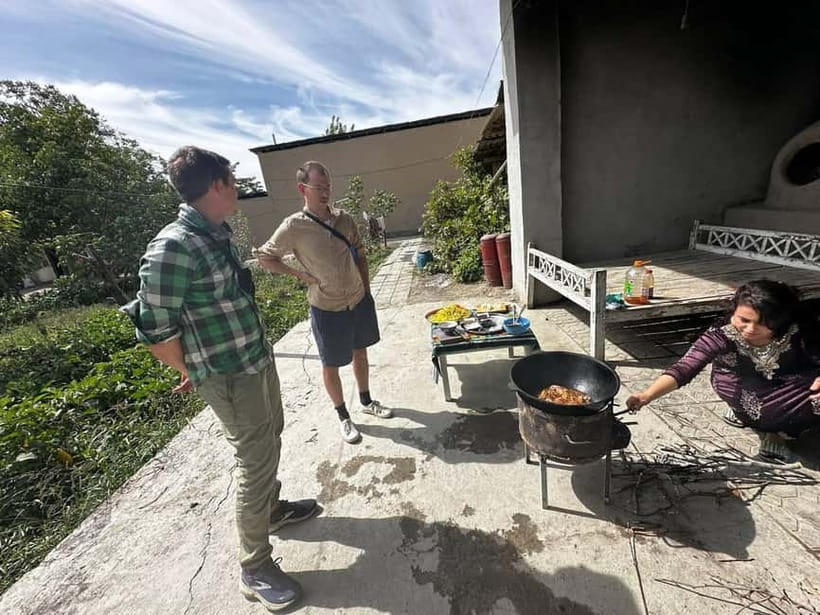
Book this experience if your idea of a good day includes a family meal, practical cooking, and conversation about ordinary Uzbek life. The Siab Bazaar visit gives the outing a clear start, while Ravot village and the garden provide a setting you will not get from a city restaurant.
Go in with the right expectation. This is a welcoming home visit with cooking, not a guaranteed professional masterclass. If you ask for an active role and remain open to watching as well as working, the $62 price offers a strong mix of transport, food, and local contact. If you need a strict lesson with equal hands-on time, choose a formal cooking school instead.
FAQ
How long does the experience last?
The activity lasts five hours, including the market visit, transport, cooking session, and meal.
How much does it cost?
The price is $62 per person.
Where does the cooking take place?
The cooking takes place at the host family’s home in Ravot village, in Toyloq district, about 14 kilometers from Registan Square.
Is Siab Bazaar open every day?
No. Siab Bazaar is closed on Mondays, so you should avoid Monday if you want the market visit included.
Is transportation included?
Yes. Pickup and drop-off are included from hotels, airports, and stations.
What food can I cook?
The menu can include plov, salads, hanim, and other Uzbek dishes. The available dishes can depend on your preferences.
Can I take part in the cooking?
Yes. You are welcome to participate in preparing the food, though the amount of hands-on work can vary. Tell the host if active cooking is important to you.
Can I see bread baked in a tandir?
Yes. The experience can include a demonstration of baking bread in a tandir oven.
What language is the tour conducted in?
The live guide speaks English.
Can I cancel or pay later?
You can cancel up to 24 hours in advance for a full refund. Reserve now and pay later is also available.
New cooking classes around the world
- Shinjuku Tokyo: Authentic Japanese Home-Style Culinary Class★ 4.9 · 125 reviews
- Shibuya Tokyo: Onigiri & Tamagoyaki Cooking Class★ 5.0 · 4 reviews
- M.O.M COOKING CLASS★ 4.8 · 6 reviews
- Seville: Paella-Cooking Experience with Sangria & Full Meal★ 4.9 · 42 reviews
- Shanghai: Authentic Chinese Cooking Class with Master Chef★ 5.0 · 2 reviews
- Sestri Levante: Pesto & Cooking Classes, Wine Tasting★ 4.9 · 56 reviews
- Seville: Paella Cooking Class & 30-Min Local Expert Q&A★ 4.8 · 37 reviews
- Seoul: Korean Kimchi Cooking Class in the Heart of the City★ 5.0 · 3 reviews