
Review · PERU
Cusco: Peruvian Cooking Class
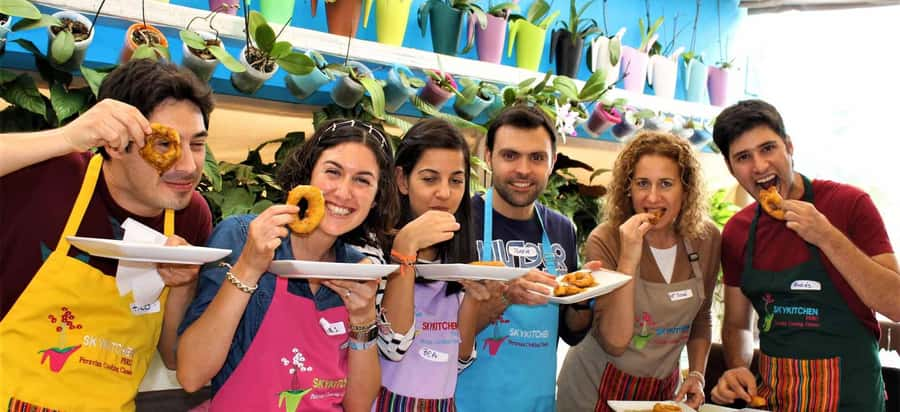
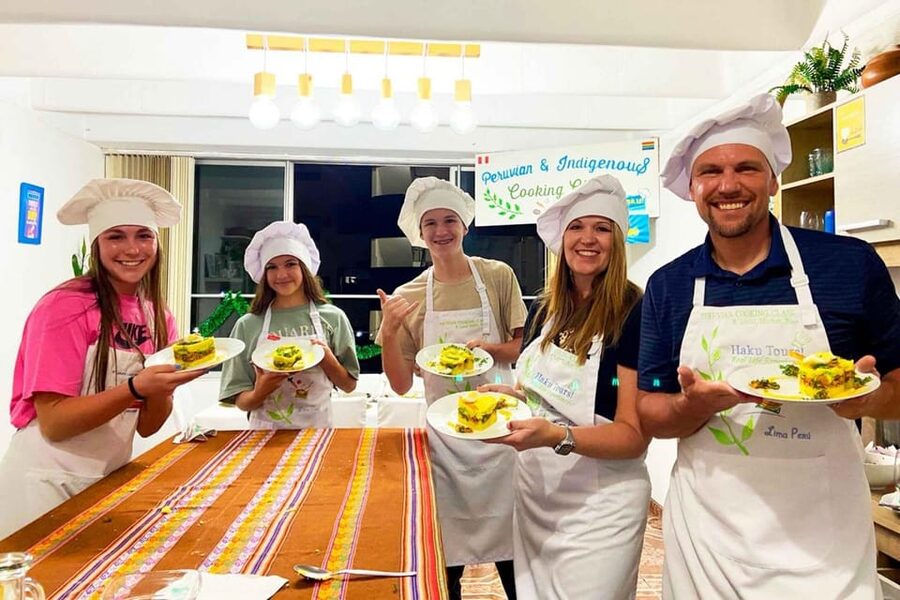
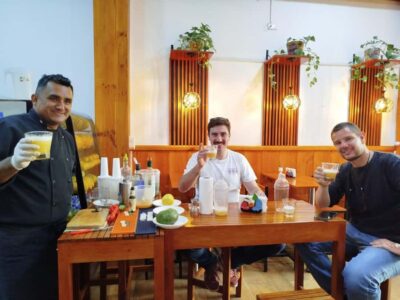
Cusco’s cooking class gives you more than a meal: you learn how Peruvian staples become lunch, from bright ceviche to hearty lomo saltado, then sit down and eat what you made. The pisco sour adds a fun drink lesson, not just a sample at the end.
I like the freedom to choose three dishes, and I like that the chef works with traditional ingredients and techniques rather than handing you a fixed recipe. The included recipe booklet gives the class value after you fly home. One thing to watch: the timing is listed as two hours, but the description also says cooking may take about three hours, so confirm the start and finish when booking.
Key points to know
- Choose your own menu: Prepare three dishes from options including ceviche, lomo saltado, rocoto relleno, and quinoa with huancaína sauce.
- Make a pisco sour: Learn about Peru’s famous pisco-based drink and taste it during the class.
- Lunch is included: You eat the food you prepare, so this is both a lesson and a midday meal.
- Central Cusco pickup: Hotel pickup applies to accommodations in the historic center. A meeting point is arranged for hotels farther away.
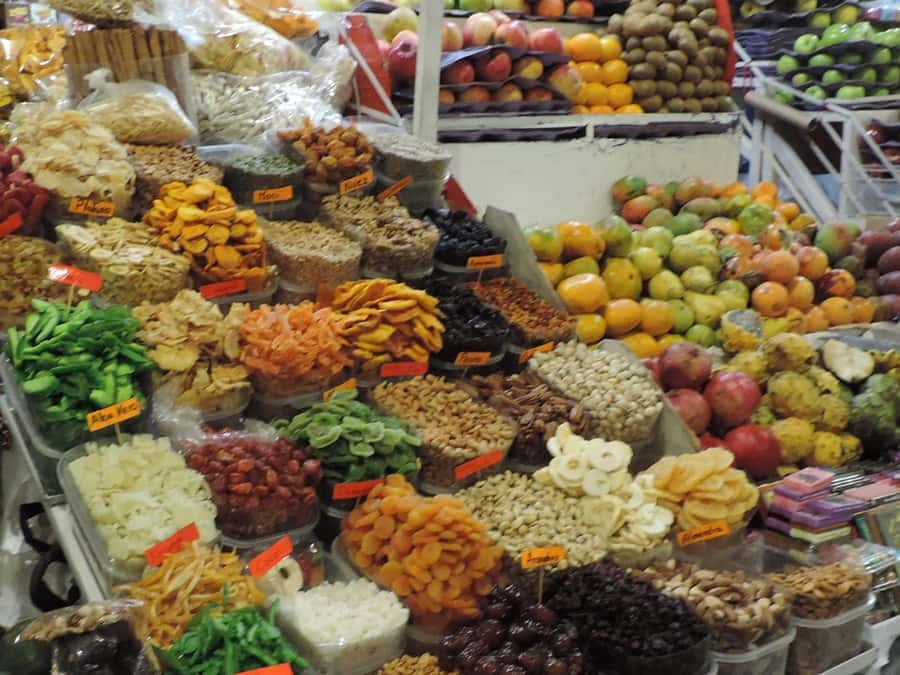
- Market-to-table potential: One account describes buying ingredients at a market before preparing the meal, though you should confirm if that is part of your scheduled session.
- Bring practical basics: Comfortable shoes, water, snacks, and a camera are recommended.
Cooking Peruvian food instead of just eating it
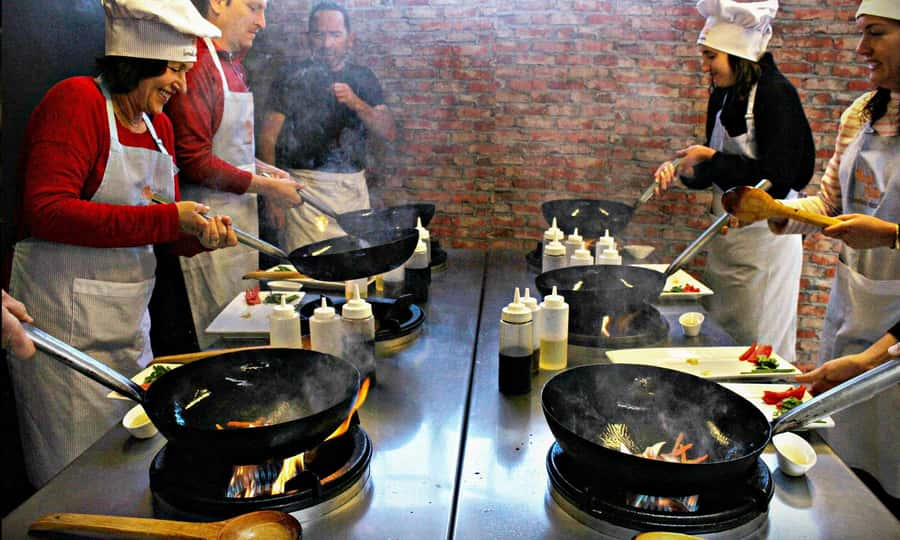
Cusco is a fine place to sample Peruvian food, but a cooking class lets you see how the meal comes together. You handle the ingredients, follow the chef’s instructions, and learn why certain flavors work together. That makes the experience useful for anyone who wants to take a piece of Peru home.
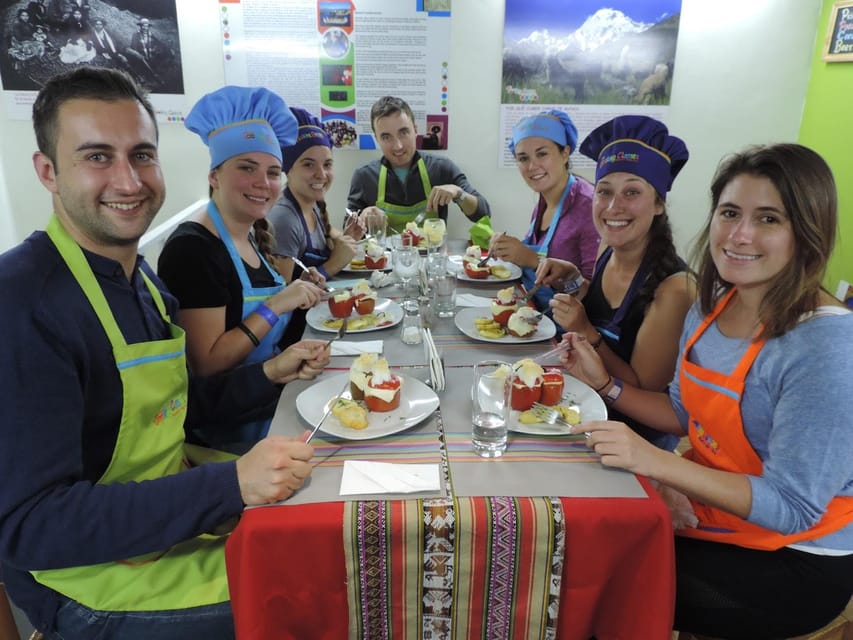
The menu gives you a good cross-section of Peruvian cooking. Ceviche brings fresh, sharp flavors. Lomo saltado is more filling, with beef prepared in a style that reflects Peru’s mix of culinary influences. Rocoto relleno offers a pepper-based dish with more heat and character. Quinoa with huancaína sauce gives you a meat-free option with a creamy, savory finish.
You do not simply watch a chef work. The point is to prepare three dishes yourself, with guidance along the way. That matters if you cook at home, since you will learn actions and proportions rather than only taking a few photographs of a finished plate.
More cooking classes around Peru:
- Cusco: Peruvian Cooking Class, Cocktails & Local Market Tour
★ 4.9 · 512 reviews - Cooking class and market tour with a local chef
★ 5.0 · 186 reviews - Market Tour, Tasting of 35 Fruits, and 4-Course Peruvian Cooking Class in Lima
★ 5.0 · 86 reviews
Meeting your chef in central Cusco
The experience begins with pickup from your hotel if you are staying in Cusco’s historic center. If your hotel is outside that area, the operator sets a meeting point in advance. Check this detail before you leave your accommodation, since the pickup promise does not apply to every address.
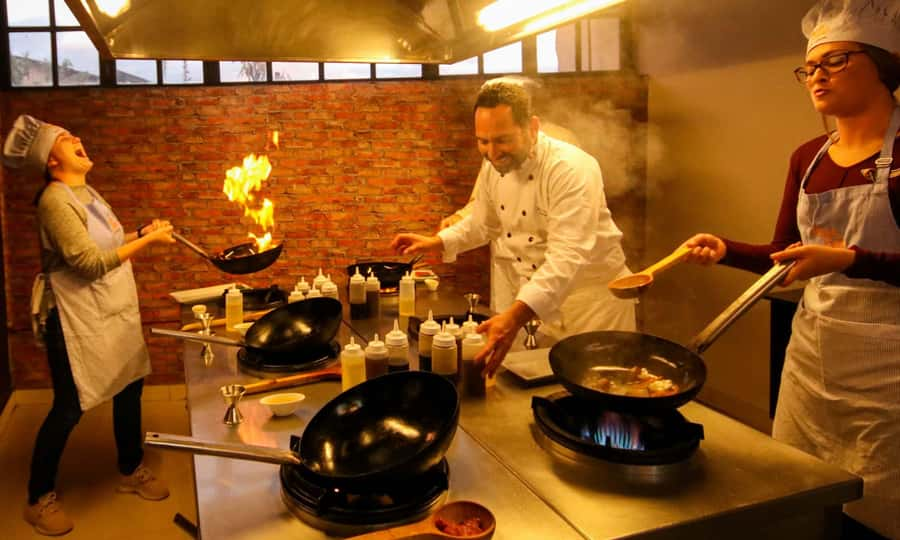
The chef is a professional, and the class focuses on traditional ingredients and methods. No individual chef is named in the available details, so do not book expecting a particular instructor. The emphasis is on practical instruction, not on a named personality.
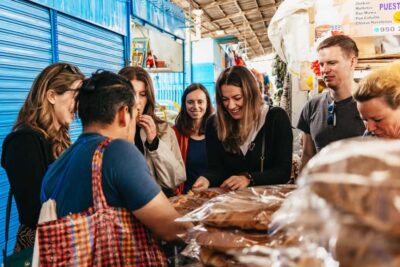
A verified French-language account describes an especially hands-on format that included buying ingredients at a market, then preparing an aperitif, starter, and main course with a friendly chef and two assistants. That makes the market element worth asking about when you reserve. It may be part of some sessions or arrangements, but it is not clearly promised for every booking.
If shopping is included in your version, it adds a useful local layer. You see the ingredients before they reach the kitchen and gain a better sense of how Peru’s food culture works from the first step. If it is not included, the class still provides the main value: guided preparation and a meal.
Choosing between ceviche, lomo saltado, and rocoto relleno
Your menu choice shapes the class. The available dishes are not interchangeable, so think about what you want to learn before you arrive.
Ceviche is the natural choice if you want a dish that shows off Peru’s fresh, acidic style. It is also a practical recipe to take home, though you should pay close attention to the chef’s instructions and ingredient handling. The class teaches you more than a restaurant tasting because you take part in building the dish.
Lomo saltado is the better pick if you want a substantial main course. It is familiar enough to appeal to cautious eaters, yet distinctly Peruvian in its preparation. This choice suits you if lunch needs to feel hearty rather than like a small tasting.
Rocoto relleno is worth considering if you want something less ordinary. The stuffed pepper brings a different texture and a stronger identity to the meal. The available information does not specify the filling or level of heat, so ask the chef about those points if you have a low tolerance for spicy food.
Quinoa with huancaína sauce gives you a meat-free route. It is the sensible option if you want to explore a Peruvian ingredient often associated with the Andes while avoiding the meat and seafood choices. You can also tell the operator about dietary preferences when booking, rather than waiting until the knife work begins.
The wording suggests that you choose from the menu and prepare three dishes, but it does not explain whether every participant makes the same three dishes or selects individually. Ask for clarification if your group has different tastes.
The pisco sour lesson adds more than a toast
The drink portion is short but worthwhile. Pisco is Peru’s emblematic spirit, and the pisco sour is one of the country’s best-known mixed drinks. You taste it and learn how to make it, so the recipe booklet can be useful for recreating the drink at home.
This also gives the class a natural opening course. You can prepare or sample the drink while the meal comes together, depending on the chef’s format. The details do not specify the exact ingredients, proportions, or alcohol-free alternative, so anyone who needs a nonalcoholic option should ask in advance.
The included tasting adds value to the $75 price, but the main reason to book is the food instruction. If you are looking only for a cocktail class, this is not the right fit. The drink is one part of a broader cooking session that includes lunch.
Same kitchen, a different dish:
- #1 Rated Cooking Classes with Local Market Tour & Pickup
★ 5.0 · 69 reviews - Miraflores: Amazing Peruvian Cooking Class Ceviche Seafood and Pisco Sour
★ 4.9 · 57 reviews - Cook with Maido’s creative chef and chef de cuisine
★ 5.0 · 53 reviews - Cusco: Peruvian Cooking Class & Market Tour
★ 4.9 · 19 reviews
From kitchen work to a proper lunch
The class includes all ingredients and the meal you prepare. That removes the common worry that a cooking activity is an extra expense before lunch. You pay for instruction, food, the pisco tasting, and a recipe booklet in one package.
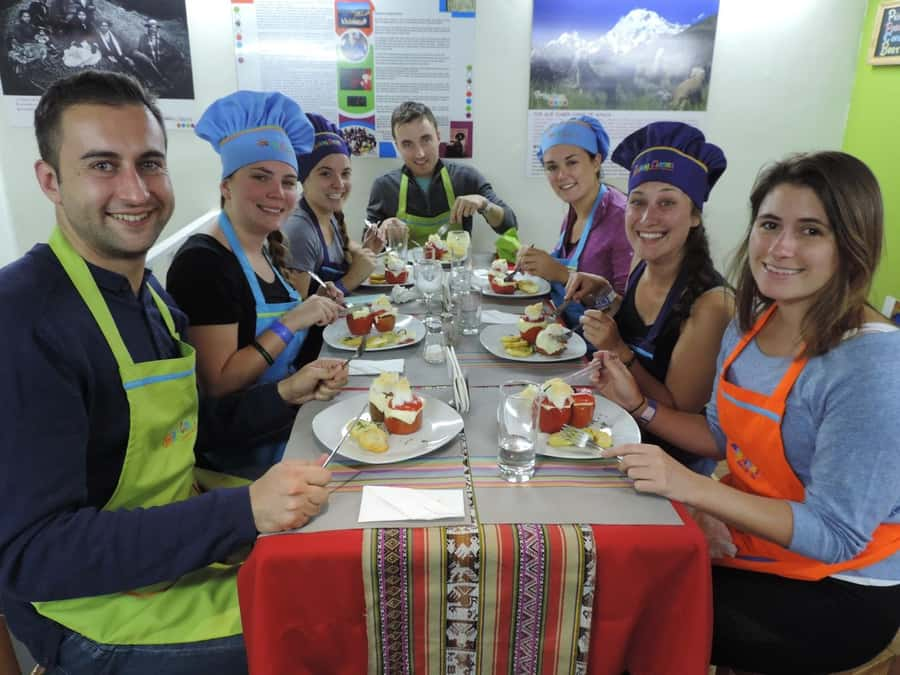
The meal also gives you a chance to judge your work immediately. You will not leave with a box of ingredients or a demonstration you cannot repeat. You cook, sit down, and eat the results. For me, that is a better use of time than a class where the finished dish is prepared out of sight.
The format is also social. You work around food, make decisions, and share a meal at the end. The available information does not state the group size, so you should not assume a private class or a small table. If group size matters to you, ask before paying.
The class description says the cooking and fun take approximately three hours, while the booking details list a two-hour duration. That difference is important. A two-hour session may feel brisk if you are preparing three dishes, while a three-hour format allows more time for questions, market shopping, and lunch. Confirm the actual schedule and do not place a tight afternoon appointment immediately afterward.
What the $75 price really covers
At $75 per person, this is not the cheapest way to eat lunch in Cusco. A restaurant meal costs less, and you can sample several Peruvian dishes without spending a morning in a kitchen.
The comparison changes when you count what is included. You receive professional instruction, all cooking ingredients, a pisco sour tasting, lunch, and a recipe booklet. You are also paying for a structured activity that explains the food instead of simply serving it. If you enjoy cooking or want a souvenir you can use at home, that package is reasonable.
The value is strongest for people who will actually use the recipes later. The booklet turns the class into something more lasting than a single meal. It is also a good choice if you are curious about Peruvian food but do not want to spend several days trying to decode menus on your own.
The value is weaker if you have little interest in cooking, need a guaranteed short schedule, or cannot take part because of food allergies. The activity is specifically listed as unsuitable for people with food allergies. Dietary preferences and special needs should still be reported at booking, but an allergy should be treated as a serious reason to confirm suitability before reserving.
Practical preparation for the kitchen
Wear comfortable shoes. You may be standing and moving around during food preparation, and practical footwear is more useful than something chosen only for photographs.
Bring water, a camera, and snacks. The class includes lunch, but the recommended snacks suggest you should not arrive hungry if the session starts later than expected. You are not allowed to bring food into the activity, so keep snacks separate and follow the operator’s instructions.
Tell the operator about dietary preferences when you book. The menu offers some choice, including quinoa with huancaína sauce, but the class is not presented as a fully allergy-safe experience. Clear information ahead of time gives the chef the best chance to adjust the session.
The recipe booklet is included for each participant. Make sure you receive your own copy before leaving, especially if you want to repeat the dishes at home.
Cancellation is flexible up to 24 hours before the activity for a full refund. You can also reserve and pay later, which helps if your Cusco schedule is still changing.
Who will enjoy this Cusco cooking class most
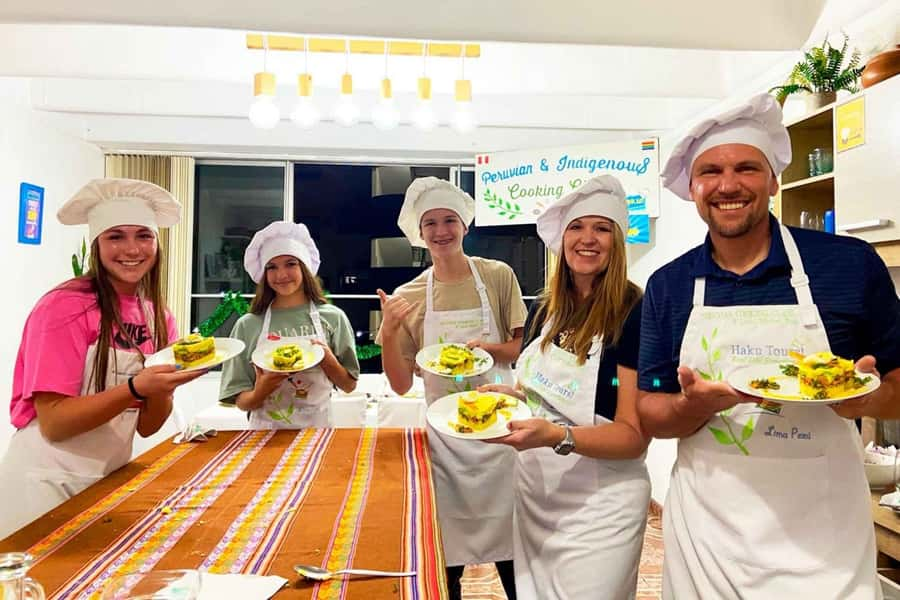
I would choose this for you if you like food, enjoy learning by doing, and want an activity with a clear meal at the end. It suits couples, families, and small groups of friends, though the group size is not specified.
It is also a smart pick for a rainy day or for a break from sightseeing. Cusco can fill your schedule with churches, ruins, and high-altitude walks. A kitchen session gives you a different way to connect with the region, especially if you take notes and plan to use the recipes later.
The class may be less suitable for a strict sightseeing schedule. The duration is unclear between two and approximately three hours, and the possible market visit could add time. It is also not a good match for someone who wants only a quick tasting, or for anyone with food allergies unless the provider confirms that the class can be made safe.
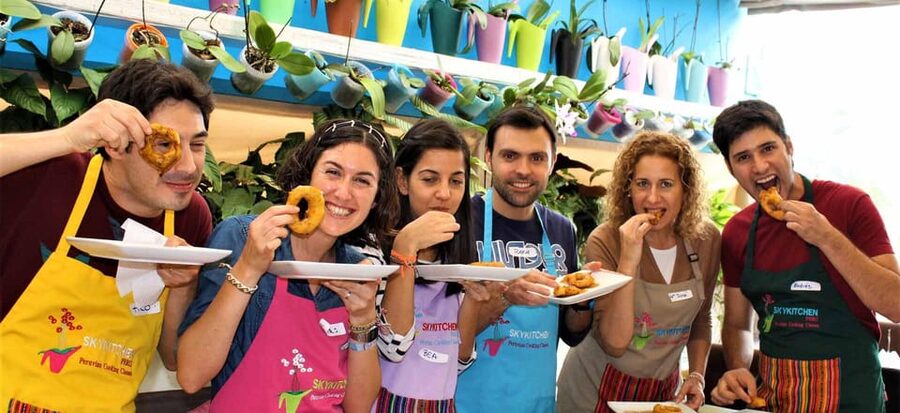
The strongest part of the experience is its hands-on character. You choose dishes, work with the chef, prepare the food, and eat lunch. A friendly chef and two assistants were part of one reported format, but staff arrangements may vary, so treat that as a possibility rather than a guarantee.
Should you book this cooking class?
Book it if you want to understand Peruvian food through your own hands, not just through a restaurant menu. The choice of three dishes, included lunch, pisco sour lesson, and recipe booklet make the $75 fee easier to justify.
Before booking, confirm three things: the real duration, whether a market visit is included, and how the chef handles your dietary needs. If the answers fit your schedule and you have no food allergy concerns, this is a practical, tasty way to spend part of your time in Cusco.
FAQ
How much does the Cusco Peruvian cooking class cost?
The price is $75 per person.
How long does the cooking class last?
The activity details list a duration of two hours, while the cooking description says the session may take approximately three hours. Confirm the exact timing when you book.
Which dishes can I prepare?
You can choose from quinoa with huancaína sauce, rocoto relleno, ceviche, and lomo saltado. The class also includes a pisco sour.
Is lunch included?
Yes. The ingredients needed during the class and the lunch you prepare are included.
Is the pisco sour included?
Yes. You receive a pisco sour tasting and learn how to make the drink.
Does hotel pickup come with the experience?
Pickup is available from hotels in Cusco’s historic center. If your hotel is farther away, a meeting point is arranged in advance.
Can I cancel for a full refund?
Yes. You can cancel up to 24 hours in advance for a full refund. Reserve now and pay later is also available.
New cooking classes around Peru
- Lima: Peruvian cooking class and tour of Surquillo market★ 5.0 · 2 reviews
- Lima: Market Tour, 35 Fruits Tasting & Cooking Class★ 5.0 · 3 reviews
- Lima: Market Tour and Cooking Class with Pisco Sour★ 5.0 · 3 reviews
- Lima : Cooking Class – A Peruvian Culinary exploration★ 5.0 · 2 reviews
- Lima: Cooking Workshop and Water Circuit Tour★ 5.0 · 16 reviews
- Lima: 4-Course Peruvian Cooking Class in Miraflores★ 5.0 · 4 reviews
- Lima: Demo Cooking Class with Lunch at Cala Restaurant★ 4.1 · 4 reviews
- Cusco: Peruvian Cooking Class & Market Tour★ 4.9 · 19 reviews
Peru Cooking Classes, side by side.
Cusco: Peruvian Cooking Class, Cocktails & Local Market Tour
Read our review →
Cooking class and market tour with a local chef
Read our review →
Market Tour, Tasting of 35 Fruits, and 4-Course Peruvian Cooking Class in Lima
Read our review →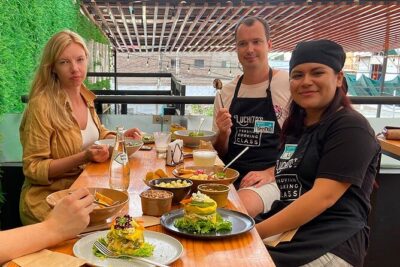
#1 Rated Cooking Classes with Local Market Tour & Pickup
Read our review →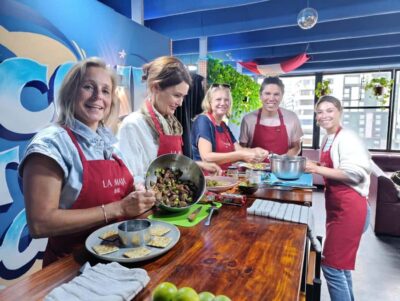
Miraflores: Amazing Peruvian Cooking Class Ceviche Seafood and Pisco Sour
Read our review →
Cook with Maido’s creative chef and chef de cuisine
Read our review →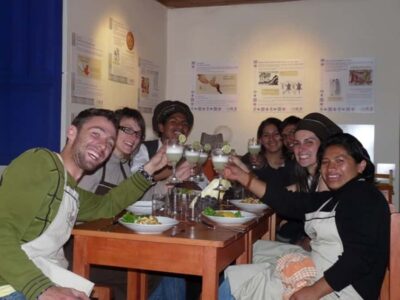
This kitchen also appears in