
Review · MARRAKECH
From Marrakech: High Atlas Berber Cooking Class
The best part of this day is not the recipe. It is the chance to cook in a Berber family home, then eat what you made while looking across a mountain valley. You get a real sense of daily life that a city cooking school cannot quite provide. I especially like the small groups, limited to six, and the family welcome, often paired with clear help from guides such as Taib, Abderrazak, Omar, or Yusuf.
I also like the contrast with Marrakech: cool mountain air, a short village walk, mint tea, and a homemade meal instead of another afternoon in the medina. The main thing to weigh is the road journey. Some drivers have been praised for handling the mountain roads, while a few passengers found the vehicle uncomfortable or the driving too fast. The cooking itself can also be fairly simple, so book this for the setting and cultural contact as much as for a formal lesson.
Key points to know before booking
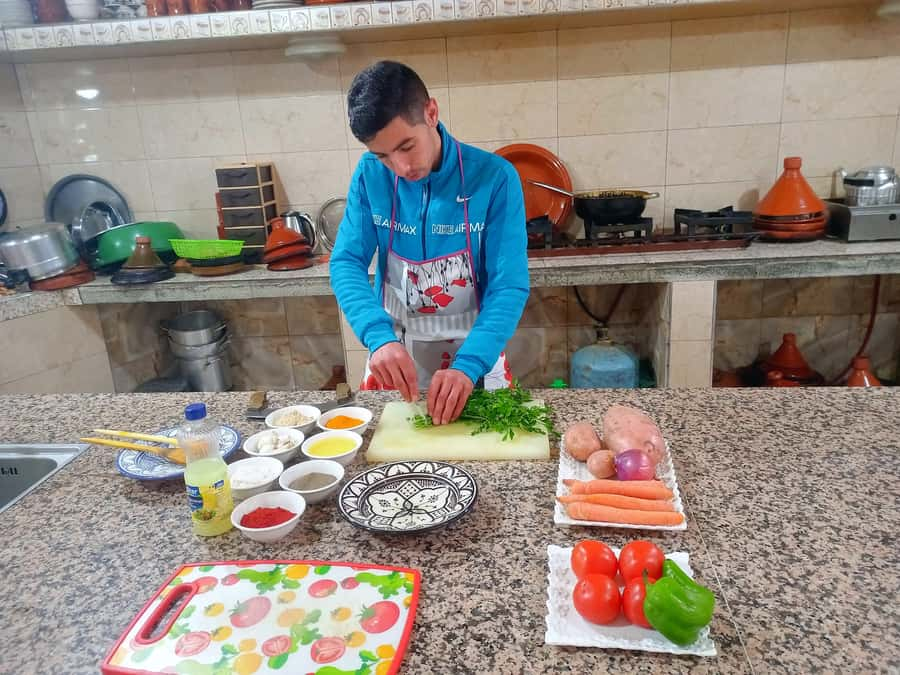
- Cook in a family home: Local hosts guide you through Moroccan dishes, often chicken tagine, salad, and mint tea.
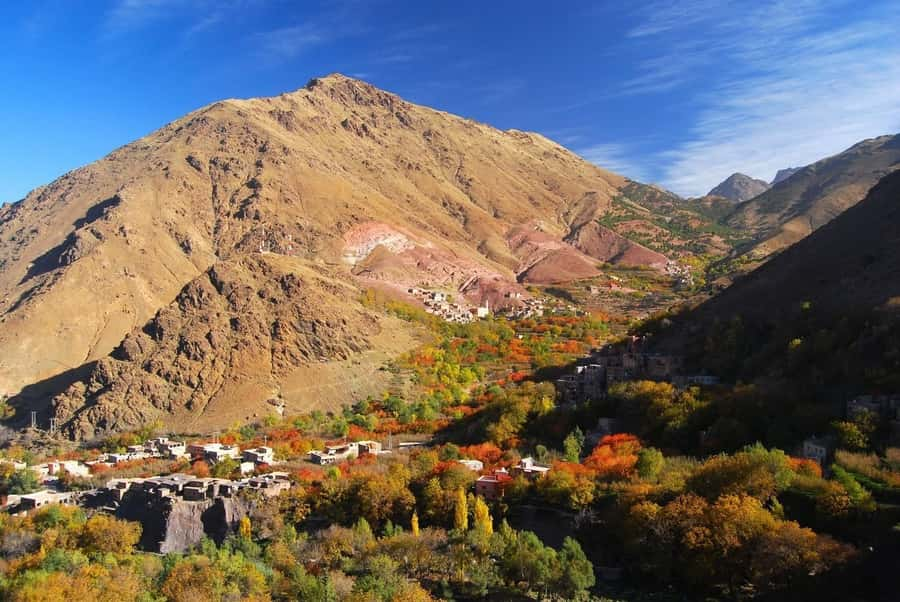
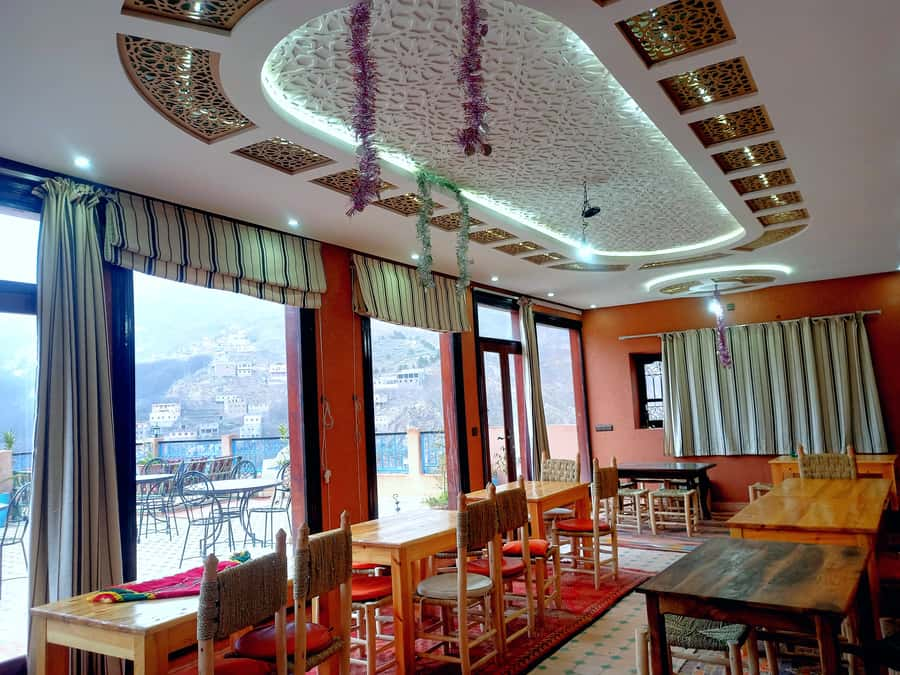
- Eat above an Atlas valley: Lunch may be served on a terrace with broad views, and in winter you might see snow on the high peaks.
- Small groups matter: The maximum group size is six, making it easier to ask questions and take part.
- The day can be longer than the cooking class: Mountain stops, village walks, an argan cooperative, or a camel ride may extend the outing toward a full day.
- Transport is included: Pickup and return to Marrakech come with an English-speaking guide and translator.
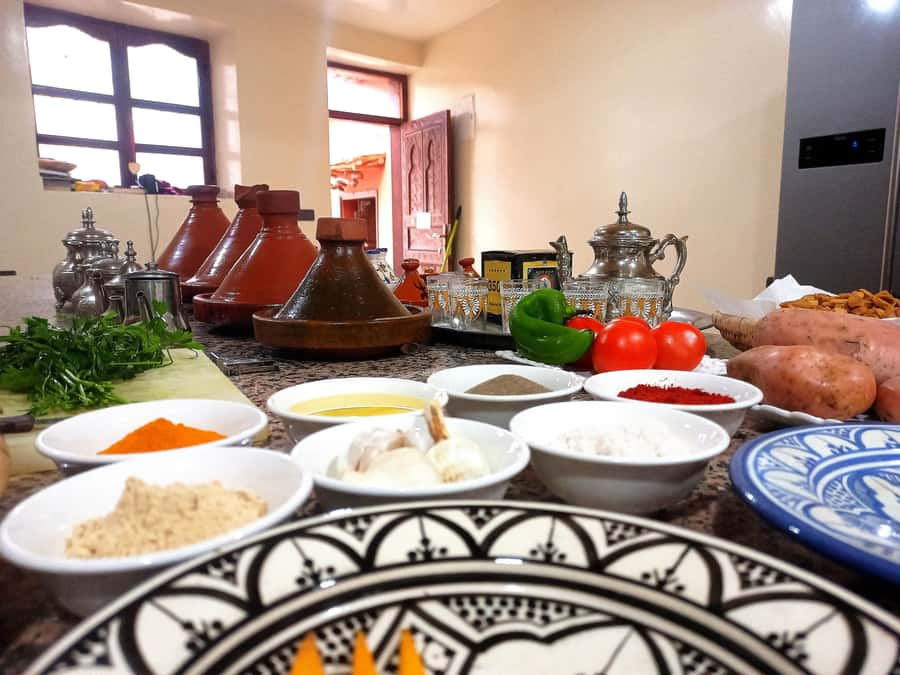
- Expect basic, hands-on cooking: You help wash and cut vegetables, add spices, and prepare the food, but this is not a professional chef school.
Leaving Marrakech for the Atlas Mountains
Pickup begins at your accommodation in Marrakech. If you stay inside the Medina, the vehicle cannot usually reach your door, so you will be collected from the closest point accessible to cars. That small detail matters. Ask for the exact meeting place before departure, especially if your riad is deep inside the pedestrian lanes.
The drive gives the day its shape. Marrakech can feel loud, crowded, and intense, while the road toward the Atlas Mountains opens into a quieter setting. Your guide is expected to explain what you are seeing and translate during the family visit. Past guides have included Taib, Abderrazak, Mustapha, Hassan, Omar, and Yusuf, with several praised for arriving on time, explaining local life, and keeping the day moving.
Do not expect a private car just for your party. This is a small-group outing, with up to six participants, and the quality of the vehicle can vary. Most of the feedback about transport is positive, but there have been complaints about a dirty or uncomfortable vehicle and one report of risky overtaking. If you are prone to motion sickness, sit where you can see the road, carry water, and bring any remedy you normally use.
The drive is part of the experience, not dead time. Your guide may talk about Berber life, mountain villages, and the region’s food traditions. Still, the road is winding, and the ride can take more energy than the cooking itself. Comfortable shoes and sunglasses are listed as useful items, and both make sense for the stops and village walking.
More cooking classes around Marrakesh:
- Marrakech: Moroccan Cooking Class with Pickup
★ 4.6 · 1,862 reviews - Marrakech: Traditional Moroccan Cooking Class & Market Visit
★ 4.8 · 1,861 reviews - Marrakesh: Moroccan Dishes Cooking Class with a Local Chef
★ 5.0 · 1,615 reviews
Stops before the cooking lesson
The exact order can vary, but many versions of the day include extra stops before or after the meal. An argan oil cooperative is one common pause. You can see local women working with argan products and learn how the oil is used in food and cosmetics. Purchases may be offered, but personal spending is not included, so you are under no obligation to buy.
Some outings also include a light breakfast snack and mint tea. That is useful, since lunch comes later and the mountain drive takes time. Treat these extras as part of the day’s changing rhythm rather than a fixed menu. The only meal formally included is lunch.
A short walk may lead from the vehicle to the house. In one version, the route crossed a valley toward the cooking venue. It was described as manageable, but you still need shoes with a decent grip. This is not a city kitchen with a lift, polished worktops, or a reception desk. You are visiting a home in a mountain village, and the walk is part of reaching it.
The day may include a stop in another village or a scenic route through the mountains. A camel ride has also appeared as an unexpected addition on some departures, along with tea. Because these extras are not listed among the official inclusions, do not book the tour solely because you want a camel ride or a particular sightseeing stop. Ask the operator what is planned for your date.
Cooking chicken tagine with a local family
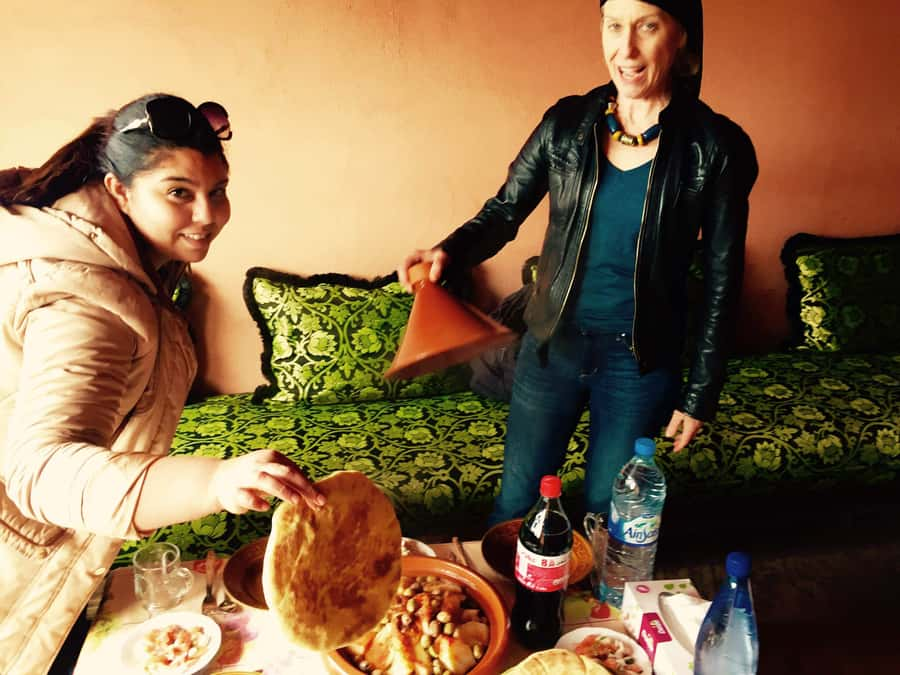
The heart of the outing is the time spent with the household. Hosts such as Bouchra, Bushra, Rashid, Idris, and Hassan have welcomed visitors into their homes and explained both the cooking and local customs. Your guide helps translate between Arabic, English, or French when needed.
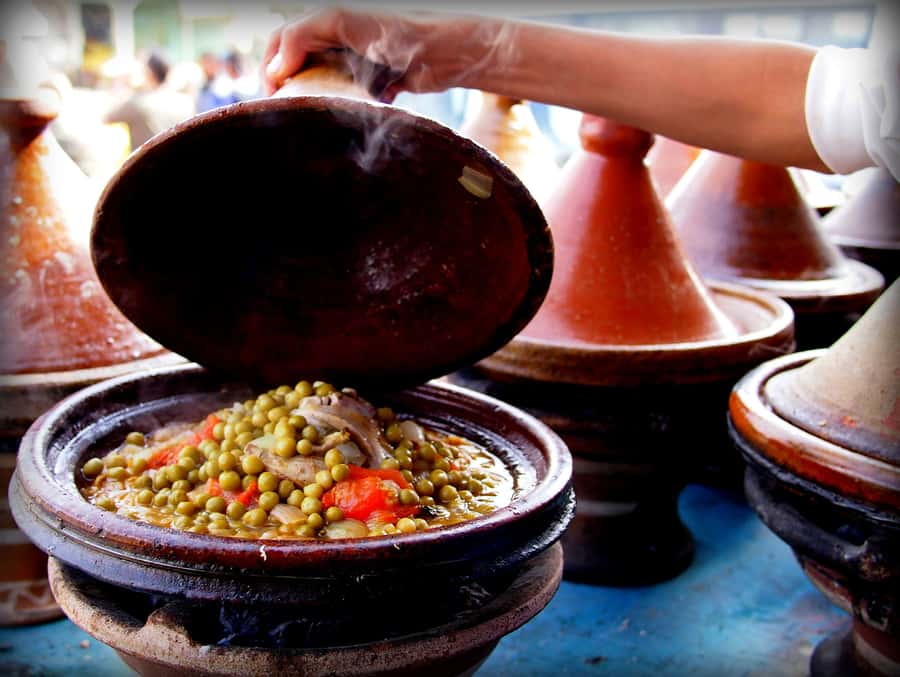
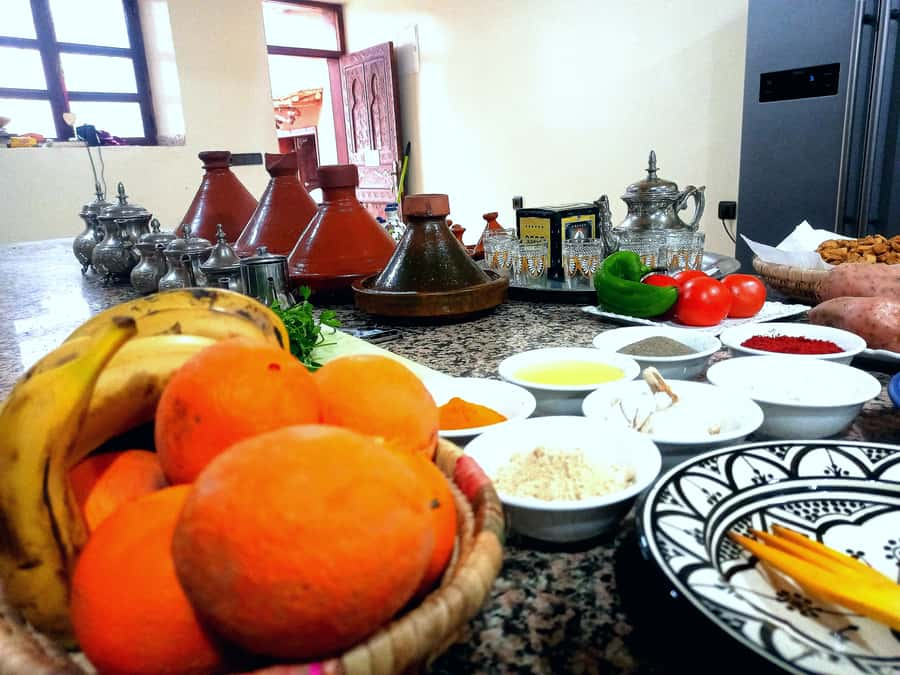
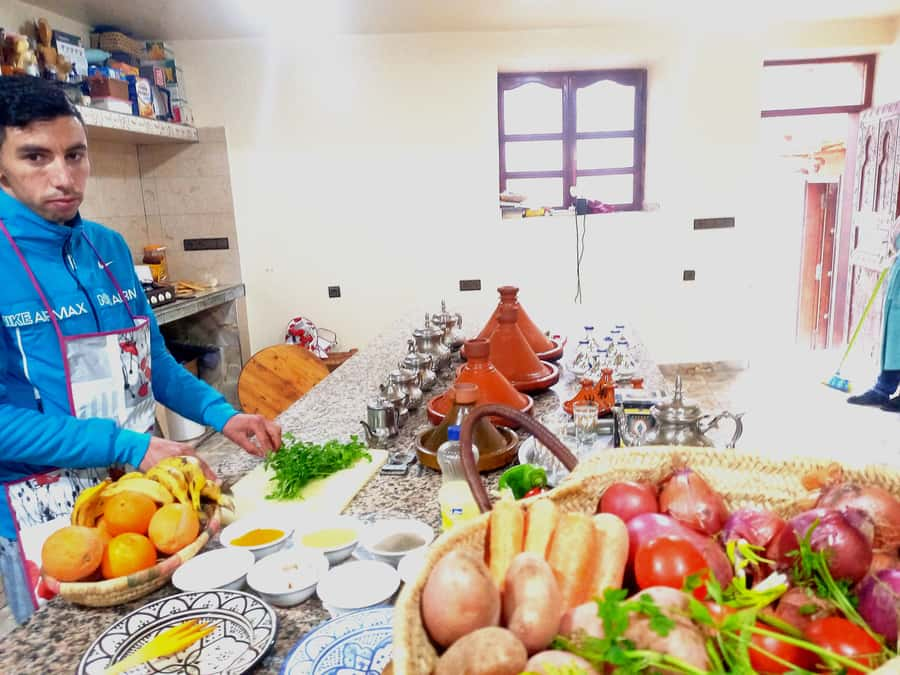
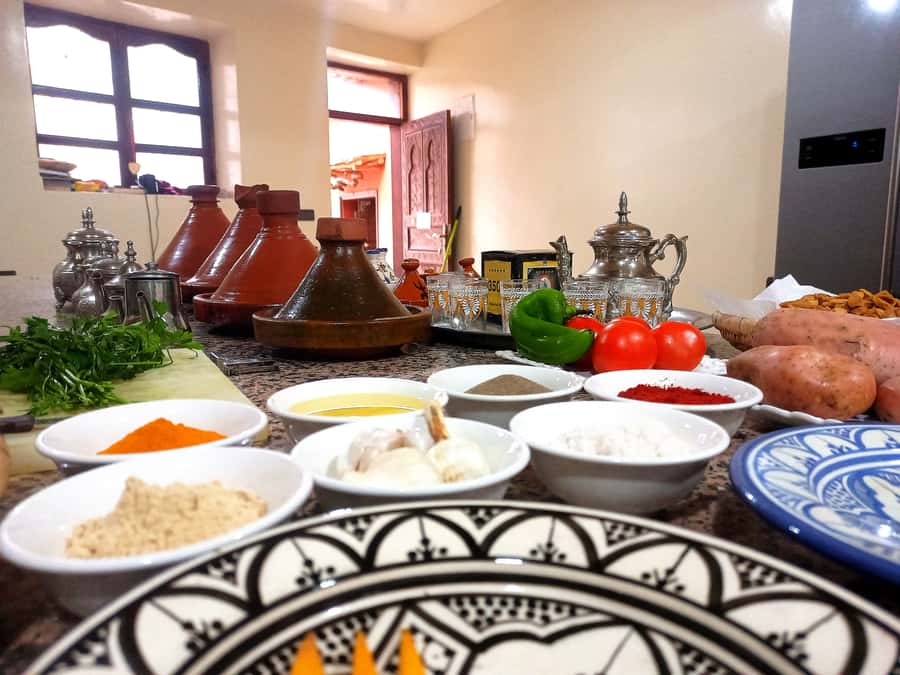
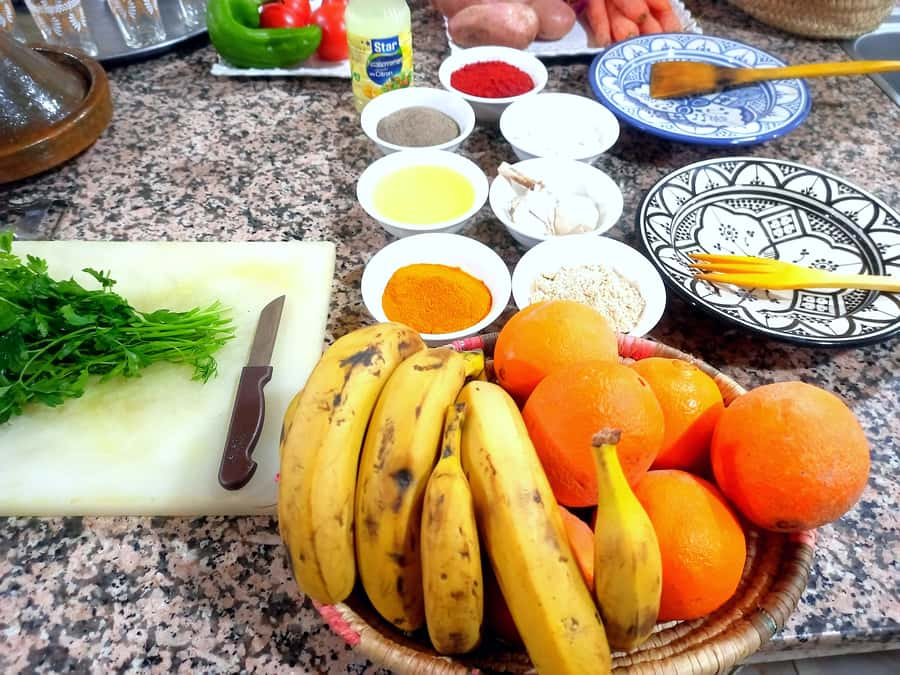
The cooking is hands-on but straightforward. You may wash and cut vegetables, add spices, and assemble a tagine while the family explains the method. Chicken tagine is the dish most often described, though the meal can also include a Moroccan salad and mint tea. The food is prepared for the group, then served as your lunch.
This is not a long technical course with printed recipes, separate workstations, or advanced knife instruction. One participant found the lesson basic, and another had hoped for more cooking time. That is a fair expectation to set. You are learning a traditional home method while sharing time with a family, not earning a cooking certificate.
For me, that simplicity is part of the appeal. The guide can explain why particular ingredients matter, while the host shows how the dish is prepared in an ordinary household setting. You also get a chance to ask about village life, family routines, and Berber culture, subjects that are harder to reach during a standard restaurant meal.
Language will shape the experience. The tour offers Arabic, English, and French, and the accompanying guide acts as translator. Some families may speak through the guide rather than directly with you, but the small group helps keep the exchange personal. If you have food allergies or dietary limits, contact the provider before booking. The available information does not promise substitutions.
Lunch with a view of the high peaks
Once the food is ready, you eat what the group has prepared. The meal may be served on a terrace overlooking the valley, and several accounts describe views of snow-capped mountains, including the area around Mount Toubkal. That setting is the tour’s big reward.
The food tastes better when you have helped prepare it, but the setting does real work too. You are not simply stopping for lunch at a roadside restaurant. You are eating in the same home where the meal was made, with the mountains beyond the terrace and the family nearby.
Bring sunglasses because the terrace can be bright, and bring a light layer if you are visiting during a cooler season. The information provided does not give a guaranteed altitude, terrace layout, or weather plan, so you should expect conditions to vary.
The pace after lunch may be quick. One account notes that the group had to leave soon after eating because transport was shared with another group. If you prefer a long, slow meal, ask how much time is planned at the house. The day is designed to combine several elements, and the vehicle may need to keep to a schedule.
Same kitchen, a different dish:
- Marrakech: Moroccan Cooking Class with a Local Family
★ 4.9 · 668 reviews - Marrakech: Moroccan Cuisine Cooking Class in Local Home
★ 4.8 · 508 reviews - Marrakech: Moroccan Cooking Workshop at La Maison Arabe
★ 5.0 · 446 reviews - Marrakech: Tajine Cooking Class in a Traditional Riad
★ 4.8 · 424 reviews
How much of the day is cooking?
The experience is described as a half-day cooking activity, but it is also sold with a duration of one day. That apparent mismatch is worth understanding before you book. The cooking and meal may take only part of your time, while transport, mountain stops, village walking, and possible extra activities fill out the rest.
Several accounts describe departures around 9 a.m. and returns around 5 p.m. That is a full day by practical standards, even if the lesson itself is shorter. Other versions may run differently, since starting times depend on availability and the route can change.
I would plan for a full day and avoid placing a fixed appointment too close to your expected return. One passenger used the tour before an airport departure and made it back in time, but that was a personal schedule and should not be treated as a guarantee. Mountain roads, group pickups, and shared transport can all affect the timing.
This is a good choice if you want several experiences in one outing: a scenic drive, a village visit, a cultural conversation, and lunch. If your main goal is a long, structured cooking course, a specialist class in Marrakech may suit you better.
What the $32 price really buys
At $32 per person, the value is strong if you want transport out of Marrakech and a cultural experience in the mountains. The price includes round-trip transportation, an English-speaking guide and translator, and lunch. You are also paying for access to a family home and for the coordination required to reach a rural village.
The price does not include personal expenses. That covers things such as purchases at an argan cooperative or other items you choose to buy. It is sensible to carry some money, but you do not need to spend anything at the stops.
The group limit improves the value. With six people or fewer, you should have a better chance to participate in cutting and seasoning, ask questions, and speak with the guide. A large coach tour could offer a lower headline price, but it would not give you the same access to the household.
The value depends partly on your expectations. If you judge it as a cooking school, the lesson may feel short and basic. If you judge it as a full-day Atlas outing with food at its center, the price is much easier to justify.
The practical drawbacks to consider
Transport is the biggest variable. Several guides and drivers have received strong praise for punctuality, care, and mountain-road skills. At the same time, a few accounts describe an uncomfortable vehicle, late pickup, poor communication with the driver, or driving that felt unsafe.
That does not mean your driver will be careless. It does mean you should not assume that every part of the day will feel polished. The tour is a local experience, and the family setting can be warmer than the transport arrangements.
The cooking can also feel light on instruction. You will take part, but the family may do much of the work, especially while the main dish cooks. The reward is the conversation, the meal, and the setting rather than a long list of techniques.
The route may include unannounced extras, such as a camel ride or a cooperative visit. That can be fun, but it can also make the day longer. If you want only the cooking class, confirm the plan before you go.
This activity is not suitable for pregnant women. It also involves vehicle travel and at least some walking, so tell the provider about concerns before booking.
Who will enjoy this Atlas cooking day?
You will probably like this outing if you want contact with a local family, enjoy food as a way to learn about culture, and have a full day available. It works particularly well for couples, solo participants comfortable in a small group, and friends who want a break from central Marrakech.
It is also a good fit for anyone who values scenery but does not want a demanding mountain trek. The walk described is short, though the exact route is not specified. You should still wear comfortable shoes.
Families with children may find the day less engaging if the children need constant activity. One account specifically suggested that the outing may offer less for kids, since the cooking lesson and cultural conversation are the main attractions.
You should choose another option if you need a tightly timed schedule, dislike winding roads, or want advanced culinary training. You should also ask about the planned route if motion sickness is a serious concern.
Should you book it?
I would book this experience for the family welcome, mountain setting, and meal you help prepare, not for a formal cooking curriculum. The terrace lunch, village contact, and guide-led translation give you a side of Morocco that is difficult to find in the medina.
Book it if $32 feels like a fair price for a full day that combines transport, scenery, culture, and lunch. Before paying, confirm the pickup point, expected return time, and whether your departure includes extra stops such as the argan cooperative or camel ride.
Skip it if you want a quiet, controlled kitchen lesson or if an uncomfortable mountain drive would spoil the day. For most people who can accept a simple lesson and a variable schedule, this is a memorable way to connect Moroccan food with the people and places that produce it.
FAQ
How much does the Berber cooking class cost?
The listed price is $32 per person.
How long does the experience last?
It is described as a half-day tour, but the activity is also listed as lasting one day. Some departures have run from roughly 9 a.m. to 5 p.m., especially when extra mountain stops are included.
What does the price include?
The price includes round-trip transportation from Marrakech, an English-speaking guide and translator, and lunch.
Is hotel pickup included?
Yes. Pickup from your accommodation in Marrakech is included. If you stay inside the Medina, pickup takes place at the nearest point that vehicles can reach.
How many people are in the group?
The group is limited to six participants.
Which languages are available?
Guiding and translation are available in Arabic, English, and French.
What food will I prepare?
The cooking commonly includes chicken tagine, and may also include Moroccan salad and mint tea. The exact dishes can vary.
Do I need to bring anything?
Comfortable shoes and sunglasses are recommended. You may also want money for personal purchases at stops such as an argan cooperative.
Is the activity suitable for pregnant women?
No. The activity is listed as unsuitable for pregnant women.
Can I cancel the booking?
You can cancel up to 24 hours in advance for a full refund. A reserve now and pay later option is also available.
New cooking classes around Marrakesh
- Moroccan Food Cooking Class with a Local Chef in Marrakech★ 4.7 · 90 reviews
- Marrakech: 3-Hour Open-Air Moroccan Cooking Course★ 4.9 · 74 reviews
- Moroccan cooking class in Marrakech with berber chef★ 5.0 · 16 reviews
- Edgy 8 Dish Private, Fusion Cooking Class, Menu Plan, Market★ 4.9 · 31 reviews
- Marrakesh: Private Cooking Class & Local Market Shopping★ 4.7 · 15 reviews
- Marrakech: Moroccan Cooking Class for vegetarians and vegan★ 4.9 · 156 reviews
- Marrakech: Moroccan Cooking Class with Amazing Local Chef!★ 4.9 · 100 reviews
- Marrakech: Moroccan Cooking Class with Local Chef★ 4.6 · 87 reviews
Marrakech Cooking Classes, side by side.
Marrakech: Moroccan Cooking Class with Pickup
Read our review →
Marrakech: Traditional Moroccan Cooking Class & Market Visit
Read our review →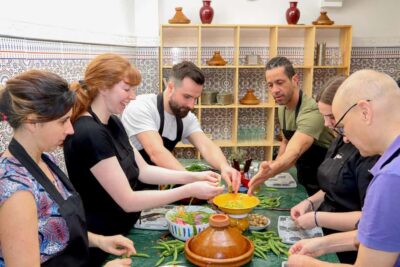
Marrakesh: Moroccan Dishes Cooking Class with a Local Chef
Read our review →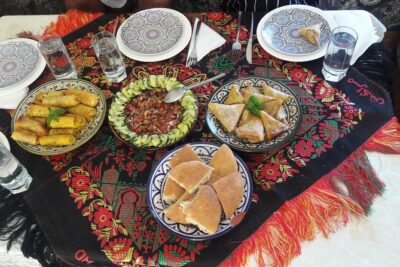
Moroccan Cooking Class & Marrakech Market Visit with Chef Khmisa
Read our review →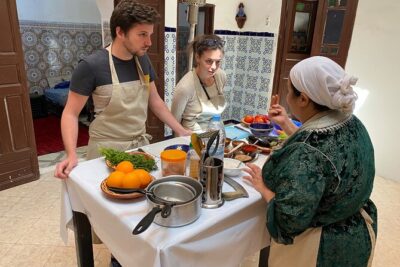
Half-Day Cooking Class with Local Chef Laila in Marrakech
Read our review →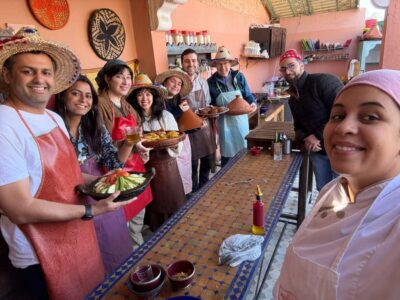
Marrakech: Moroccan Cooking Class with a Local Family
Read our review →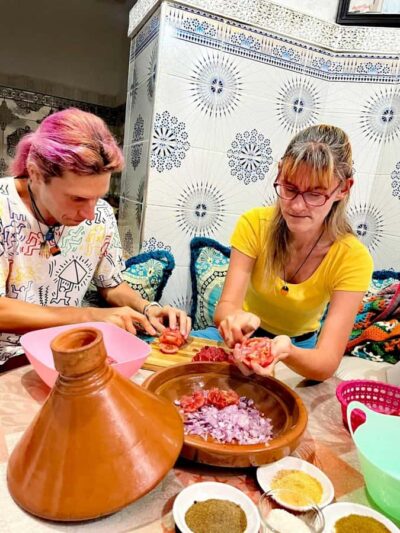
Marrakech: Moroccan Cuisine Cooking Class in Local Home
Read our review →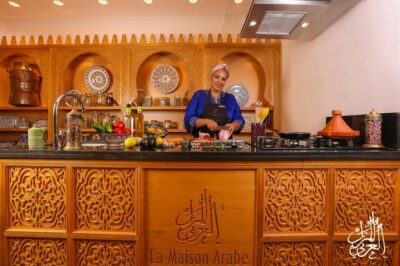
Marrakech: Moroccan Cooking Workshop at La Maison Arabe
Read our review →This kitchen also appears in