Review · MARRAKECH
Marrakesh: Private Cooking Class & Local Market Shopping
The best part of this Marrakesh experience is that the meal begins in the market. You choose the meat, vegetables, herbs, and spices before learning how they become a Moroccan tajine. I like the hands-on cooking and the chance to learn Arabic names for everyday ingredients. I also like that your lunch or dinner is the food you helped prepare, not a meal served with no connection to the work behind it.
The main thing to consider is timing. The activity is sold as four hours, while one participant found the actual experience closer to three to three and a half hours. The shopping can also feel less useful if an interpreter does most of the talking, so ask for explanations about quality, price, and ingredient choice as you go.
Key points at a glance
- Market first: Shop for fresh meat, vegetables, herbs, and spices in Marrakesh souks before cooking.
- Tajine from start to finish: Learn how to season and cook a classic Moroccan dish, then eat it yourself.
- Arabic food vocabulary: Pick up the local names for common ingredients and spices.
- Regional products: Hear about Taliouine saffron, Meknes mint and olives, and Fez oranges and lemons.
- Private format: Your group has a local guide and an English or French-speaking cooking team.
- Flexible booking: You can cancel up to 24 hours before the start for a full refund and reserve without paying immediately.
Meeting at Café France in Djemaa El-Fna
Your meeting point is outside Café France, a three-story café on the right side of Djemaa El-Fna as you enter through the square’s main entrance. This is a practical place to meet, but Djemaa El-Fna has several entrances and plenty of distractions, so arrive with enough time to locate the café.
The activity starts in one of Marrakesh’s best-known public spaces, then moves into the local streets and market area. You are not simply taken to a kitchen and handed a bowl of ingredients. The market visit gives you a first look at how Moroccan cooking begins with shopping, bargaining, and choosing produce.
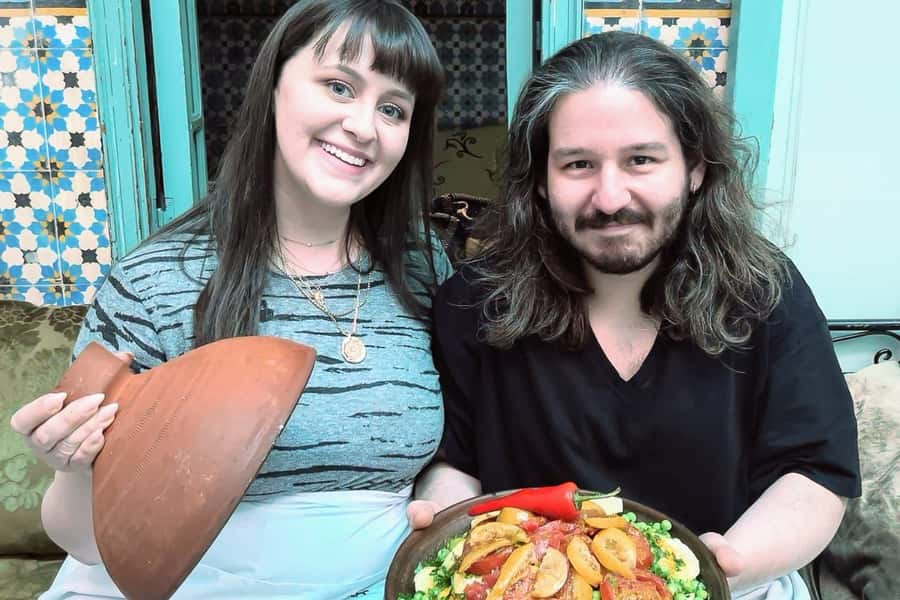
Your group is private, and the guide can speak Arabic, English, or French. The available information does not name the individual guide, but the cooking team has included a local host known as Mama Tutu. One particularly warm account described the host family and the welcome in their home kitchen. Other details describe the meal as taking place in a charming riad, so confirm the exact cooking venue when you book.
More Cooking Classes with a Market Tour in Morocco
- Marrakech: Traditional Moroccan Cooking Class & Market Visit
★ 4.8 · 1,861 reviews - Marrakech: Moroccan Cooking Class with Market Visit and Meal
★ 4.9 · 347 reviews - Edgy 8 Dish Private, Fusion Cooking Class, Menu Plan, Market
★ 4.9 · 31 reviews
Choosing ingredients in the Marrakesh souks
The shopping portion is meant to connect the finished dish with its raw ingredients. You may help select meat, vegetables, herbs, and spices for the tajine, with the guide explaining what each item is called in Arabic and how it is used in Moroccan cuisine.
This is where the experience can offer more than a standard cooking lesson. Moroccan food depends heavily on small choices: which herb is fresh, how much spice is needed, and which local products are worth buying. You learn about saffron from Taliouine, mint and olives from Meknes, and oranges and lemons associated with Fez. These examples show how ingredients from different parts of Morocco appear in everyday cooking.
I would treat the market visit as a learning opportunity rather than a full food tour. The supplied information does not promise tastings, a long spice lecture, or a set amount of shopping time. One participant found the shopping disappointing because an interpreter handled the communication and the cooking instructor did not explain what she was seeking in terms of type, quality, or price.
You can improve this part by asking direct questions:
- What makes this herb or vegetable a good choice?
- How can I tell if the ingredient is fresh?
- What is the Arabic name?
- Is this spice used in the tajine, the salad, or the bread?
- What is a fair price?
Those questions help you stay involved. They also make the market stop useful for your own cooking after you return home.
Learning tajine in a local kitchen
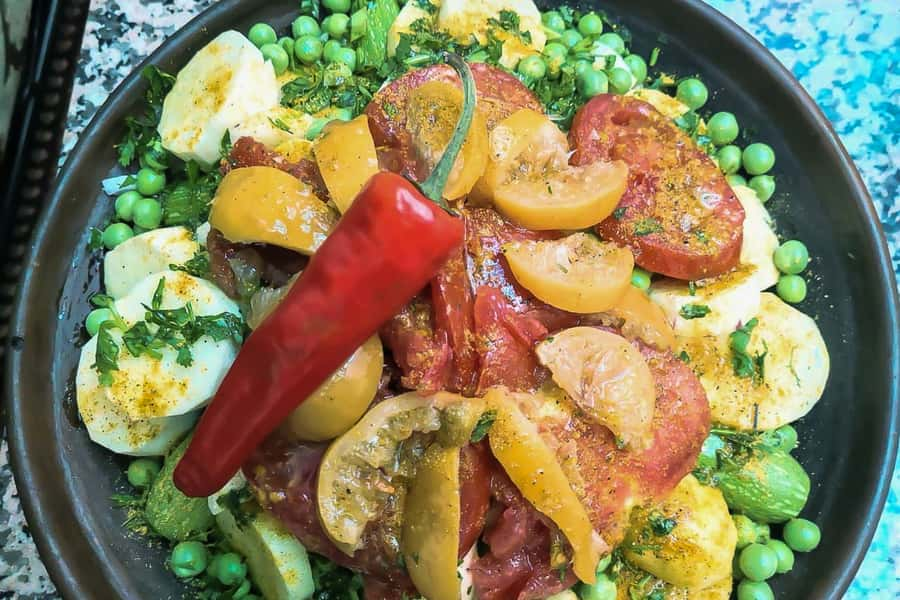
After shopping, you work with a professional chef and local cooking hosts to prepare a traditional Moroccan tajine. The class is practical, not just a demonstration. You should expect to handle ingredients and follow the stages of preparation, although one participant noted that not everyone could take part equally in every task.
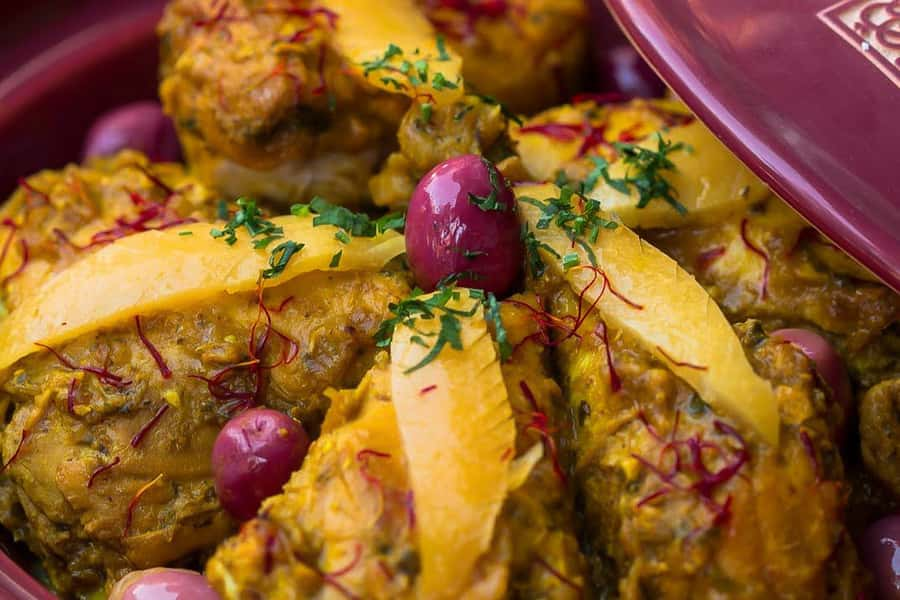
Tajine is both the name of the clay cooking vessel and the slow-cooked dish prepared in it. Here, the key lesson is seasoning and method. You learn how Moroccan cooks balance meat, vegetables, herbs, and spices, then allow the ingredients to cook together into a meal with concentrated flavor.
The class may also include Moroccan salad and bread. One participant specifically described learning how to bake bread, prepare a Moroccan salad, and season and cook a tajine. Those additions make the lesson more useful because they give you several techniques to take home, not just one recipe.
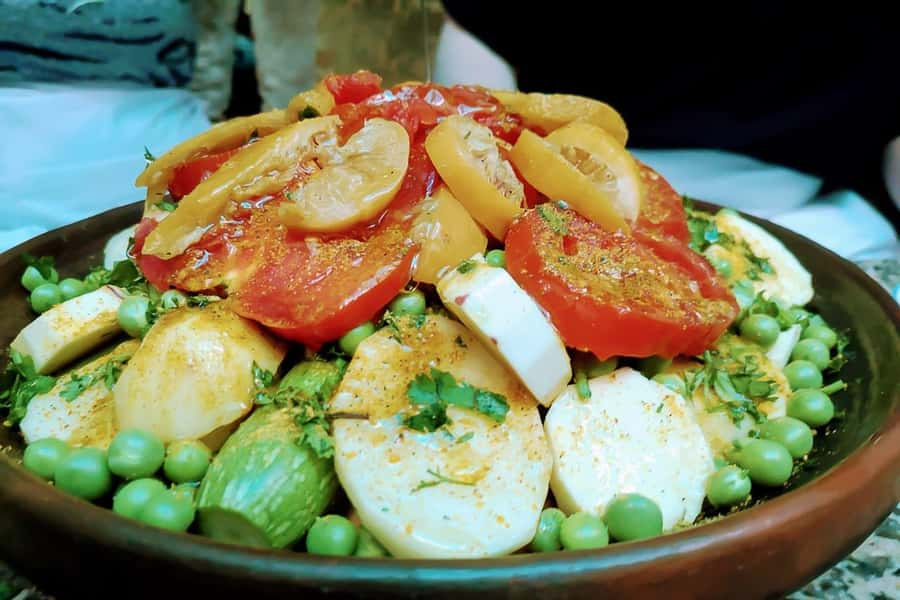
Vegetarian requests have been accommodated. If you do not eat meat, state that clearly when booking and again at the meeting point. The available information confirms that at least one vegetarian menu was arranged, but it does not list every possible dietary option.
The cooking setting is part of the appeal. Instead of a polished restaurant classroom, you may cook in a family kitchen or riad with local women and a host family nearby. One participant described the welcome as especially warm, with the whole family at home. Another praised the clean house, attentive owner, and friendly guide.
That setting can feel personal, but it also means the experience may not operate with the same strict division of roles as a formal school. During one visit, the local women cooked with the group for about three hours, then withdrew when the owner arrived for the meal. Another participant found the owner’s behavior during dinner intrusive. These are isolated details, but they point to a useful expectation: you are entering a local home-style setting, not a carefully staged culinary studio.
Eating the food you prepared
The reward comes at the table. After preparing the tajine, you eat your own meal for lunch or dinner in the riad or home setting. This simple step gives the class a satisfying shape: shop, prepare, cook, and eat.
I like this format because it shows you how the meal comes together. You can connect the spice you saw in the souk with the dish in front of you. You can also ask about the steps while they are still fresh in your mind.
The meal has earned especially strong praise for flavor. One participant who did not expect to enjoy tajine found it delicious, and another described the food as excellent and the cooking tips as useful. The class has also operated during Ramadan, with the hosts accommodating that schedule.
The social side may be just as important as the food. Several participants described the women and guide as kind, welcoming, and enthusiastic. A Dutch participant said the group spent about three hours with the cooking team and shared a great deal together. A French participant praised the attentive owner and guide. A Belgian participant called the experience a memorable moment and said it was worth repeating.
Still, dinner is the part where expectations matter most. In a private home, the atmosphere can change depending on who joins the meal. If you prefer a quiet, structured dinner with the same instructor from start to finish, ask how the meal is organized before booking.
More Private Cooking Classes in Morocco
- Tangier Food Cooking Class and Private City Tour
★ 5.0 · 73 reviews - Tangier Private Cooking Class With a Local Family
★ 4.5 · 49 reviews - Private Casablanca Market Tour and Cooking Class with Chamsi
★ 5.0 · 33 reviews - Private Market Tour & Cooking Class in Casablanca with Transfers
★ 5.0 · 20 reviews
Recipes, photographs, and what you take home
Recipes are sent after the workshop. That is important because a cooking class moves quickly, and you may not remember the precise amount of spice or the order of each step later.
Photography is included, so you can expect pictures from the activity. The exact number and delivery method are not specified, so ask if the photographs matter to you.
The most useful souvenir is likely to be the technique. You will have learned how to season a tajine, prepare a Moroccan salad, and possibly make bread. You also leave with Arabic names for common ingredients and a better sense of how herbs and spices fit into Moroccan cooking.
Do not expect a full culinary course covering every Moroccan dish. The main focus is tajine, with salad and bread appearing in at least one version of the experience. The listing also refers to couscous in a timing-related review, but the confirmed description centers on tajine. If couscous is important to you, ask specifically what dishes your session will cover.
How the four-hour schedule works
The advertised duration is four hours. That should give you time for the meeting, market shopping, ingredient preparation, cooking, and the meal, but the exact balance can vary.
One account describes the total time as closer to three to three and a half hours. Another comment asks for clearer information about whether the tajine or couscous session requires three or five hours. I would allow four hours in your day and avoid scheduling a tight activity immediately afterward.
The private format is helpful here. You are not trying to keep pace with a large group, and your guide can explain ingredients in Arabic, English, or French. At the same time, private does not always mean every person gets equal time with every ingredient. If several people are cooking, tell the guide that you want a specific role, such as chopping, seasoning, shaping bread, or working with the tajine.
Is $81 a fair price?
At $81 per person, this is not the cheapest way to eat in Marrakesh. It can be good value if you want several services in one experience: a local market visit, a private guide, a cooking lesson, a prepared meal, recipes, and photography.
The value rests on the personal setting. A restaurant meal gives you food. This experience gives you a meal plus the process behind it. You also get a direct look at household cooking and local shopping, which is harder to arrange on your own.
The price is less attractive if you mainly want a long market tour or a formal cooking school with equal hands-on time for every participant. The shopping may be brief or interpreter-led, and one participant felt the advertised duration overstated the time spent. Ask about the actual schedule and who will lead each stage before you commit.
For couples, families, or a small group that wants a shared activity, the private format can justify the price. It is also a good choice if you want a food experience that includes conversation and local contact, rather than a standard restaurant meal.
Who will enjoy this Marrakesh cooking class?
I would recommend it to you if you enjoy learning by doing. You should like markets, home-style meals, and asking questions about ingredients. The experience suits curious cooks who want to recreate Moroccan dishes later.
It also works well for people who want a gentler introduction to Moroccan food. You do not need to arrive with specialist cooking skills. The guide and chef explain the process, and the recipes give you a reference afterward.
Vegetarians can consider it, since a vegetarian menu has been arranged before. Make your needs clear in advance because the full range of dietary accommodations is not listed.
You may want another kind of activity if you want a highly polished class, exact timing, or a detailed lesson on spice grades and market prices. You should also be comfortable with some uncertainty in the social setting. The strongest part of the experience is its local, home-style feel, and that same informality can bring changes in who leads the meal or how much hands-on work each person gets.
The activity has an overall rating of 4.7 from 15 reviews, with especially strong praise for the welcoming cooking team, the guide’s enthusiasm, the authentic home setting, and the delicious tajine. The main cautions are the shorter-than-expected duration and uneven communication during shopping.
Should you book it?
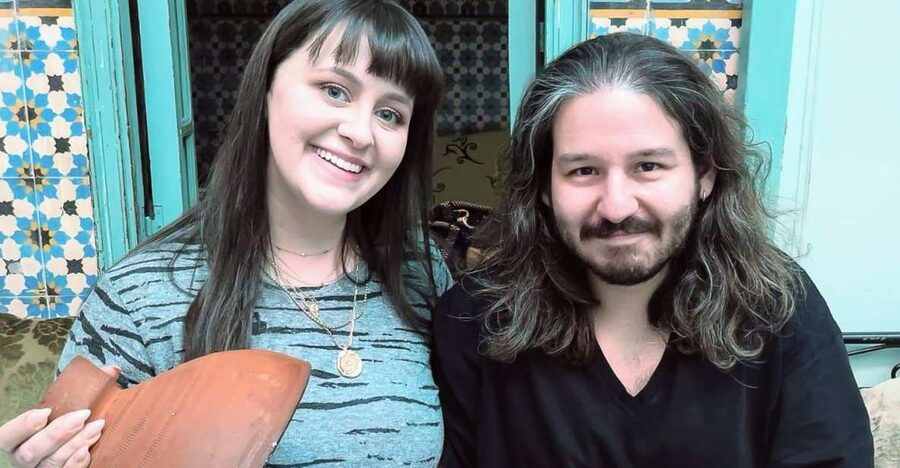
Book this Marrakesh cooking class if you want to shop, cook, and eat in one connected experience. The warm local welcome, Arabic food vocabulary, regional ingredient stories, and hands-on tajine lesson give it real value beyond lunch.
Before booking, confirm the exact duration, the dishes included, the cooking venue, and how much market communication will be translated. If those details suit you, the private format and home-style meal make this a strong choice for food lovers who prefer personal contact over a formal class.
FAQ
Where does the activity meet?
Meet outside Café France in Djemaa El-Fna. As you enter the square through the main entrance, Café France is the three-story café on the right.
How long does the cooking class last?
The stated duration is four hours. One participant experienced a total time of about three to three and a half hours, so allow four hours and confirm the schedule when booking.
What language does the guide speak?
The guide service is available in Arabic, English, and French. The local guide is described as English or French-speaking, with Arabic also listed among the available languages.
Is the activity private?
Yes. The group type is private, so the booking is for a private group rather than a shared general tour.
What food will I learn to cook?
The main dish is a traditional Moroccan tajine. The experience can also include Moroccan salad and bread. If you want to learn couscous, ask what your specific session includes because the confirmed description focuses on tajine.
Is lunch or dinner included?
Yes. You eat the meal you prepare, and lunch or dinner is included in the activity.
Can I cancel or pay later?
You can cancel up to 24 hours before the activity for a full refund. The reserve-now, pay-later option lets you book without paying immediately.
More Private Cooking Classes in Marrakesh
- PRIVATE Authentic Balinese Cooking Class in Ubud at Putu’s Home
★ 5.0 · 644 reviews - Rome: Pasta Making Class with Tiramisu & Wine PRIVATE OPTION
★ 4.8 · 404 reviews - Private Market Tour & Cooking Class in Puerto Vallarta with Manu
★ 5.0 · 241 reviews - Private Cooking Class with 5 dishes of your choice
★ 5.0 · 227 reviews
More Cooking Classes with a Market Tour in Marrakesh
- Marrakech: Cooking Class and Market Visit
★ 4.4 · 5 reviews - Hanoi Cooking Class: Culture, Local Market & Meaning CSR Impact
★ 5.0 · 5,147 reviews - 5 Traditional Dishes Hanoi Cooking Class with Market Trip
★ 5.0 · 4,890 reviews - Cooking Class and Lunch at a Tuscan Farmhouse with Local Market Tour from Florence
★ 5.0 · 4,831 reviews
New cooking classes around Marrakesh
- Moroccan Food Cooking Class with a Local Chef in Marrakech★ 4.7 · 90 reviews
- Marrakech: 3-Hour Open-Air Moroccan Cooking Course★ 4.9 · 74 reviews
- Moroccan cooking class in Marrakech with berber chef★ 5.0 · 16 reviews
- Edgy 8 Dish Private, Fusion Cooking Class, Menu Plan, Market★ 4.9 · 31 reviews
- Marrakech: Moroccan Cooking Class with Local Chef★ 4.6 · 87 reviews
- Marrakech: Moroccan Cooking Class for vegetarians and vegan★ 4.9 · 156 reviews
- Marrakech: Moroccan Cooking Class with Amazing Local Chef!★ 4.9 · 100 reviews
- Marrakech: Authentic Moroccan Cooking Class in a Farm★ 4.8 · 8 reviews
Marrakech Cooking Classes, side by side.

Marrakech: Moroccan Cooking Class with Pickup
Read our review →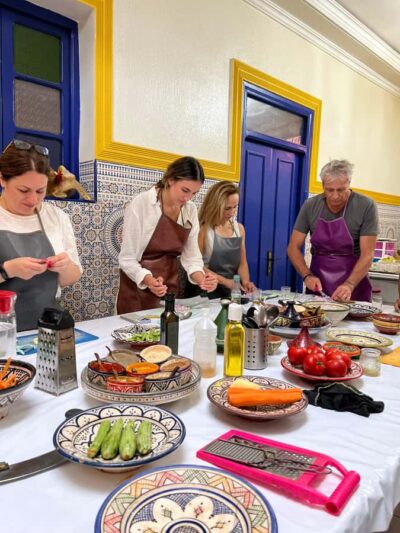
Marrakech: Traditional Moroccan Cooking Class & Market Visit
Read our review →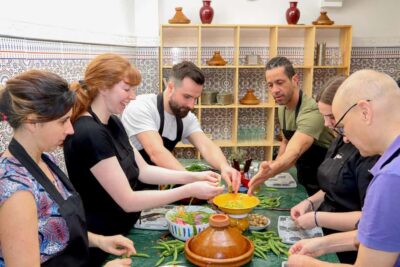
Marrakesh: Moroccan Dishes Cooking Class with a Local Chef
Read our review →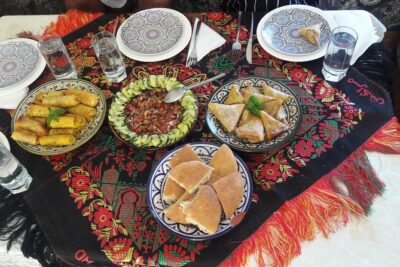
Moroccan Cooking Class & Marrakech Market Visit with Chef Khmisa
Read our review →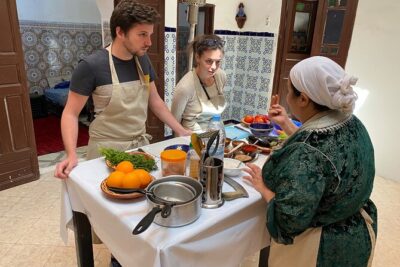
Half-Day Cooking Class with Local Chef Laila in Marrakech
Read our review →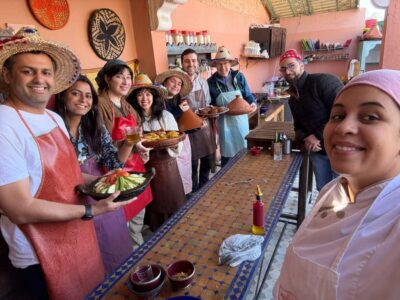
Marrakech: Moroccan Cooking Class with a Local Family
Read our review →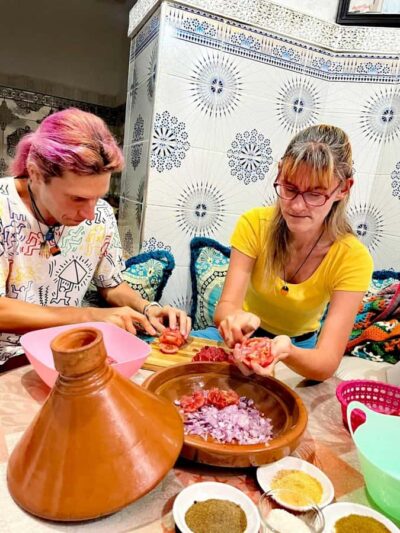
Marrakech: Moroccan Cuisine Cooking Class in Local Home
Read our review →