
Review · JODHPUR
Jodhpur Private Cooking Class With Family
The best part of this Jodhpur experience happens around a family kitchen table, not in a formal cooking school. Reena, Ram, and their daughters welcome you into their home, show you how their family prepares vegetarian North Indian food, and then sit down with you to eat it.
I like the small private setting, since your group gets direct help rather than watching from the back of a large class. I also like the useful menu: chai, papad, jeera rice, dal, vegetable dishes, paneer, and roti are recipes you can realistically make again at home.
The main consideration is that this may feel more like a family demonstration with hands-on cooking than a highly structured professional lesson. The session is also short at about 2 hours 15 minutes, so you will cover several dishes without spending hours on each one.
Key things to know before you book
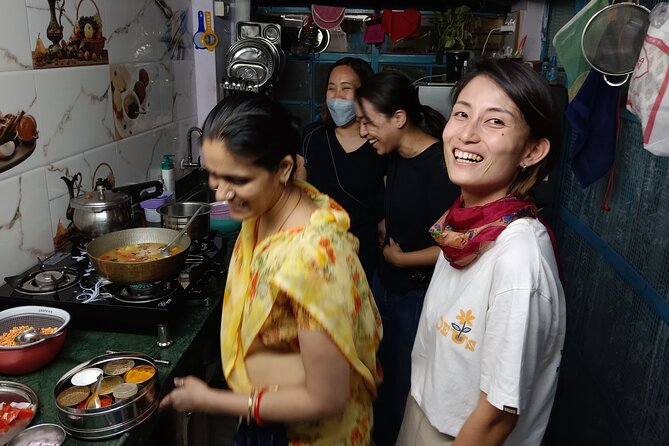
- You cook inside a local family home: Reena, Ram, and their daughters provide the personal setting.
- The menu is fully vegetarian: Expect dal, two vegetable dishes, Indian cheese, rice, bread, chai, and snacks.
- Jodhpuri jeera rice is part of the lesson: This gives the class a local touch beyond standard Indian cooking.
- Beginners are welcome: The hosts say you do not need previous cooking skills.
- You eat what you prepare: Lunch or dinner is included, along with tea or coffee and snacks.
- It is private: Only your own group participates, with the activity beginning and ending at the meeting point in Gulab Sagar.
Entering a Jodhpur family kitchen
This class gives you something a restaurant cannot: a look at how a local vegetarian family cooks at home. The setting is a home in the Khichiyon ka Nohra area near Bagar Chowk and Gulab Sagar, rather than a commercial kitchen built for tourists.
That difference matters. At a cooking school, the room may be easier to organize, but the food can feel separated from daily life. Here, the recipes come from Reena’s mother and grandmother. You are learning the family’s usual approach to ingredients, spices, bread, and tea.
The hosts aim to keep the cooking environment clean and hygienic. You can expect instruction suited to people who do not cook much. That makes this a good choice if you want more than a food demonstration but do not consider yourself a capable cook.
The family contact is also a major part of the experience. You are not simply given a recipe card and sent away. The time includes cooking, conversation, jokes, and a shared meal. If you enjoy meeting people through food, this is the heart of the class.
More Private Cooking Classes in India
- Private Guided Cooking Workshop Experience in Jodhphur
★ 5.0 · 158 reviews - Private Cooking Class in Jodhpur With Pick Up & Drop Off
★ 5.0 · 84 reviews - Private Cooking Class in Jodhpur With Pick Up & Drop Off
★ 5.0 · 37 reviews
Chai, papad, and the first practical lessons
The session includes Indian masala tea, one of the easiest recipes to carry home. Chai looks simple, but the balance of tea, milk, sugar, and spices affects the final cup. Learning it in a family kitchen gives you a chance to ask the small questions that written recipes often skip.
You also prepare roasted papad. It is a modest dish, but it is useful as part of a larger Indian meal. Papad adds a crisp texture and gives the class a quick early success before you move into rice, vegetables, lentils, and bread.
Coffee or tea and snacks are included. The exact pace can depend on your group and the family, but the menu is broad for a session lasting roughly two hours and fifteen minutes. You should expect a busy lesson rather than a long, slow examination of every spice.
Making Jodhpuri jeera rice
The rice recipe is called Jodhpuri jeera rice, a traditional style prepared with cumin. This is one of the most appealing local touches in the menu. Rice is familiar to many home cooks, yet the use of cumin and the Jodhpuri method can give you a simple way to change a basic side dish.
I like this part of the menu because it is practical. You do not need rare equipment or specialist ingredients to repeat the idea at home. The class is built around food you can cook again, rather than an elaborate restaurant dish that works only with professional tools.
The rice also helps turn the lesson into a complete meal. It can accompany the dal and vegetable dishes, while roti provides another way to scoop up the sauces. You leave with several parts of a meal instead of one isolated recipe.
Dal, vegetables, paneer, and family recipes
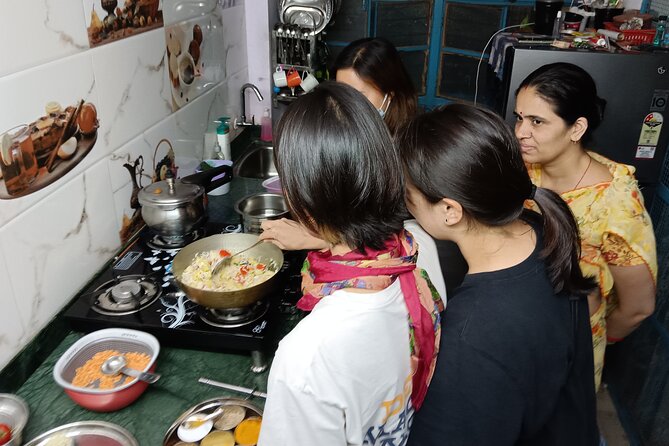
The main cooking covers lentils and two different vegetable dishes. The overview also includes paneer, the mild Indian cheese often cooked with spices or vegetables. This gives you a useful range: a lentil dish, vegetable preparations, dairy, rice, bread, and tea.
The exact recipes can vary with the family’s teaching plan, so do not book this expecting a fixed restaurant menu with precise dish names for every course. The clear promise is a vegetarian North Indian meal built from several traditional components.
The family says these recipes come from older generations. That is valuable because the lesson is not only about following measurements. You can learn how spices are layered, how the dishes fit together, and how a family thinks about a normal meal.
One account of the class describes learning the basics of chai along with more complex curries and the layering of spices. That is the kind of instruction I would value most here. A recipe tells you what to add, but watching the order and timing helps you understand why the dish works.
Same kitchen, a different dish:
- Pink City Cooking Class
★ 5.0 · 452 reviews - Five Course Cooking Class & Meal
★ 5.0 · 250 reviews - Indian Cooking Class in an Authentic Local Home – Learn 6 Dishes
★ 5.0 · 195 reviews - Jaipur Market Tour & Vegetarian Rajasthani Home Cooking Class
★ 5.0 · 113 reviews
Roti and the hands-on question
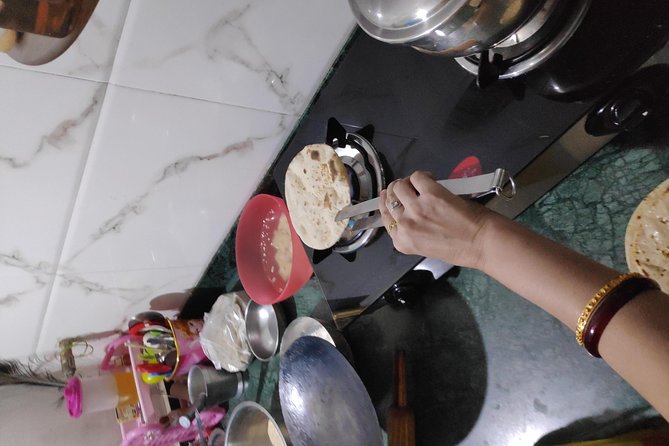
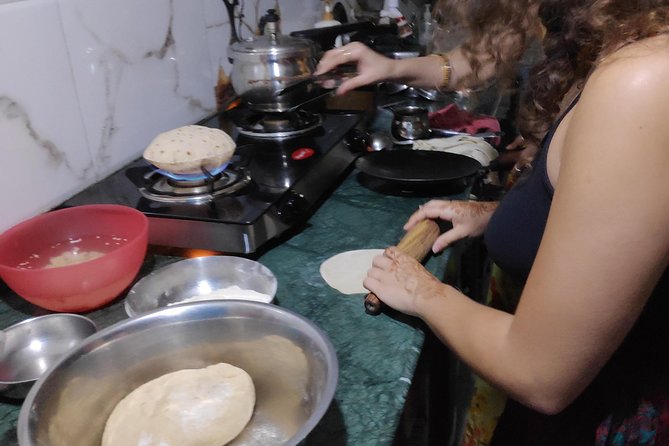
Indian roti, or chapati, is also included. Bread is often the part of an Indian cooking class that takes the most practice. Mixing dough is one thing; shaping it evenly and cooking it properly is another.
You should not expect to become an expert in one sitting. The useful goal is to learn the basic process and see how the family handles the dough. If your first roti is uneven, that is part of the fun, not a sign that the class has failed.
The activity description says beginners receive help, so you do not need strong cooking skills. Still, the session may not involve every person performing every step of every dish. Some parts may be shown by the host while you help with selected tasks. That is worth knowing if you want a full professional-style practical workshop.
The strongest fit is for people who want friendly instruction and a taste of household cooking. If you want a technical master class focused on knife skills, exact quantities, or advanced pastry work, this is probably not the right format.
Sitting down to eat what you made
After cooking, you sit down for the meal. Lunch or dinner is included, depending on the time of your booking, along with the prepared food. Dessert is also mentioned as part of the broader meal description, while the detailed cooking list focuses on chai, papad, rice, vegetables, and roti.
Eating together is more than a convenient ending. It lets you see how the separate dishes work as one meal. Rice, dal, vegetables, bread, and paneer each bring a different texture and flavor, while chai provides a familiar finish.
This shared table is where the private format earns its price. You have time to talk with Reena and Ram, ask about the food, and get a feel for the family behind the recipes. Several accounts describe the hosts as warm and welcoming, with the atmosphere becoming relaxed quickly.
That personal contact is also the main reason to choose this over a regular restaurant meal. You are not only consuming food. You are learning how it is made and spending part of an evening or afternoon with the people who prepared it.
What the private format means for you
Only your group participates. That is useful for couples, families, and small groups of friends who want to ask questions without holding up a room full of people.
A private booking can also make the class more comfortable for nervous beginners. You can say that you have never cooked Indian food, ask for a step to be repeated, or take extra time with the bread. The hosts specifically welcome people without cooking experience.
The tradeoff is that a private home setting is less standardized than a commercial school. The pace, amount of hands-on work, and conversation may vary. If you want a tightly timed class with a printed schedule and identical results each day, a formal school may suit you better.
For most people, though, the relaxed format is the point. You get family contact and flexible help in exchange for a little less structure.
Price, timing, and practical value
At $27.96 per person, this is a reasonable price for a private meal, several cooking lessons, tea, snacks, and time with a local family. The value is strongest if you plan to cook the recipes again after India. The class gives you a souvenir you can use, not just a photograph.
It is also a good way to fill part of an afternoon or evening in Jodhpur. The stated duration is about 2 hours and 15 minutes, so it will not take over your entire day. You still need to allow time to reach the meeting point at Khichiyon ka Nohra, Bagar Chowk, Gulab Sagar.
The meeting point is also the end point. No transport is listed as part of the activity, so you should plan your own way to and from the address. A mobile ticket is provided, and confirmation is received at booking.
The experience is commonly booked about 11 days ahead. That is not a booking rule, but it is a useful planning clue if your Jodhpur dates are fixed. Booking earlier makes sense for a private activity with a family host.
Cancellation is free if you cancel at least 24 hours before the start time. Inside that window, you do not receive a refund, and changes are not accepted. The activity also requires good weather, with a different date or full refund offered if poor weather causes cancellation.
Who should book this cooking class
I would choose this class if you want a personal meeting with a Jodhpur family and prefer vegetarian food. It is especially suitable for:
- Couples looking for a relaxed evening activity
- Families with children or adults who are new to Indian cooking
- Solo visitors who want a private setting rather than a large group
- Vegetarians seeking a full meal with several different dishes
- Home cooks who want repeatable recipes for chai, dal, rice, vegetables, and roti
It is less suitable if you want meat dishes, a long chef-led course, or a highly technical cooking school. The menu is vegetarian, and the short format means the class must move through several recipes at a steady pace.
The food itself is also a consideration for anyone with dietary restrictions. The supplied details identify the menu as vegetarian but do not give a full allergy or ingredient list. Ask about specific ingredients before booking if you have a serious food allergy.
Should you book the Jodhpur family cooking class?
Book it if you want family contact, vegetarian food, and recipes you can repeat at home. Reena and Ram’s home setting gives the experience a personal quality that a standard restaurant meal cannot match, and the private format keeps the instruction friendly and manageable.
The strongest reasons to go are the warmth of the hosts, the broad menu, and the chance to eat together after cooking. Just keep your expectations sensible: this is a short home-based workshop, not a professional chef certification course.
At $27.96 per person, it offers good value for a private activity that combines instruction, food, and conversation. If your Jodhpur plans allow the time and you are happy with a vegetarian menu, this is an easy experience to recommend.
FAQ
Where does the cooking class begin?
It begins at Cooking class in Jodhpur, Tour Operator and Travel Agent, Khichiyon ka Nohra, Bagar Chowk, Gulab Sagar, Jodhpur, Rajasthan 342001, India.
Where does the activity end?
The activity ends back at the meeting point.
How long does the cooking class last?
The class lasts approximately 2 hours and 15 minutes.
Is this a private activity?
Yes. Only your group participates in the activity.
What food will I learn to prepare?
The session includes masala chai, roasted papad, Jodhpuri jeera rice, two vegetable dishes, dal, and Indian roti or chapati. Paneer and dessert are also included in the broader meal description.
Do I need cooking experience?
No. The hosts state that beginners are welcome and that they will help people without cooking skills.
Are lunch and dinner included?
Yes. The inclusions list includes lunch and dinner, as well as coffee or tea and snacks.
What is the cancellation policy?
You can cancel at least 24 hours before the start time for a full refund. Cancellations or changes made less than 24 hours before the start time are not refunded or accepted.
New cooking classes around India
- Private Cooking Class In Jodhpur With Family★ 5.0 · 2 reviews
- New Delhi: Full-Day Cooking Class learn 8 dishes with Locals★ 5.0 · 7 reviews
- New Delhi: Indian Cooking Class in a Local Home★ 5.0 · 65 reviews
- New Delhi: 5-Hour Traditional Cooking Class with Local Chef★ 5.0 · 2 reviews
- Mumbai Coastal Cooking: From Fishing Net to Flavourful Plate★ 5.0 · 5 reviews
- Kerala: Cooking Class in Munnar★ 5.0 · 2 reviews
- Kerala Traditional village cooking class (Munnar)★ 4.8 · 15 reviews
- Jodhpur 11 Dishes Cooking Class With REKHA Pick Up & Drop OF★ 5.0 · 24 reviews
Jodhpur Cooking Classes, side by side.
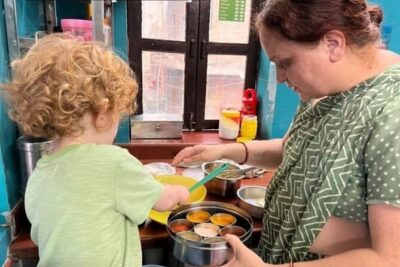
Private Guided Cooking Workshop Experience in Jodhphur
Read our review →
Private Cooking Class in Jodhpur With Pick Up & Drop Off
Read our review →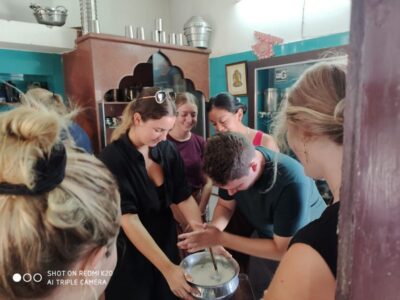
Jodhpur 9 Dishes Cooking Class Experience pickup and drop
Read our review →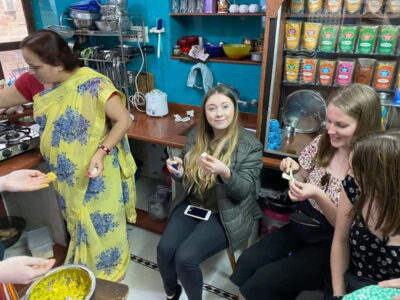
Jodhpur 11 Dishes Cooking Class With REKHA Pick Up & Drop OF
Read our review →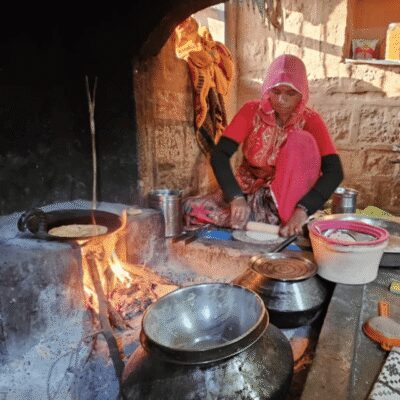
Jodhpur Desert Camel Safari With Cooking Class With Sumer
Read our review →
This kitchen also appears in