
Review · KANDY
Kandy: Village Cooking Class 12 Dishes with Market Tour
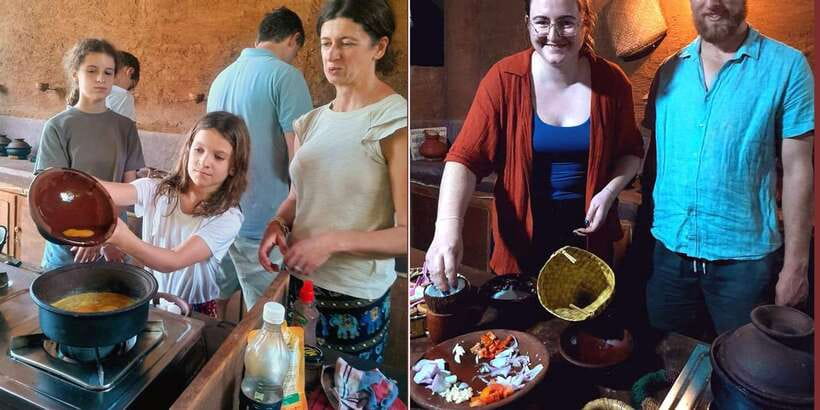
The best part of this Kandy experience is that you do not simply watch someone cook. You visit a local market, choose vegetables, then prepare a 12-dish Sri Lankan meal in a village home. I like the personal setting, and I like that the food reflects your choices and the produce available that day. A private group also means you can ask questions without competing with a large crowd.
I also like the chance to learn from a local housewife and her family in an outdoor kitchen near Kandy, rather than in a polished cooking school. The main consideration is the three-hour schedule: with a market visit, hands-on preparation, and a full meal, the class is about food and culture, not a quick demonstration.
Key points at a glance
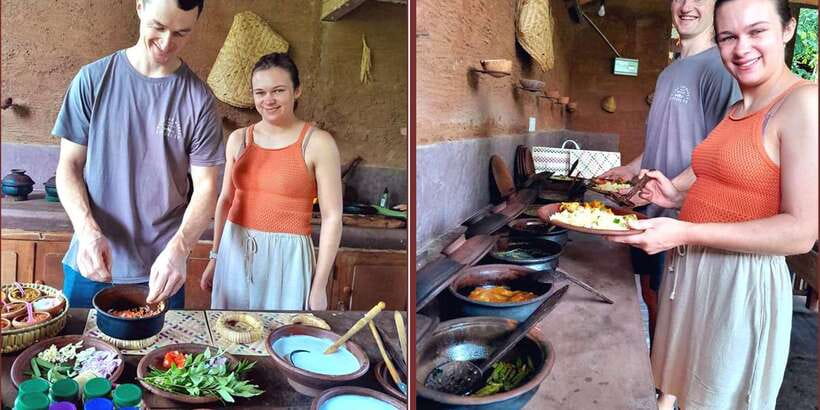
- Choose your vegetables at the local market: Your ingredients are not picked entirely in advance, so the menu can reflect your preferences and seasonal produce.
- Prepare 12 traditional dishes: This is a full cooking session, not a short lesson focused on one curry.
- Cook in a village home near Kandy: The setting offers a closer look at family life and local cooking habits.
- Eat the meal you prepare: Lunch or dinner is included, along with the ingredients used in class.
- Private, English-language experience: The format suits families, couples, and small groups who want time to ask questions.
- Recipe booklet included: You leave with a practical way to repeat the dishes at home.
From Kandy to the Pilawala village house
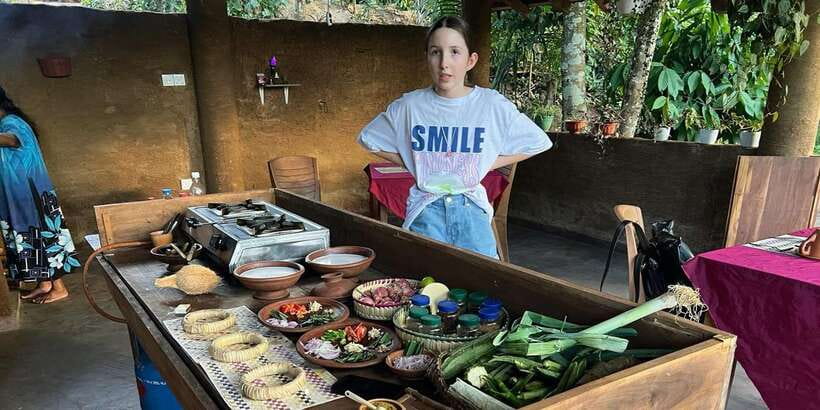
The meeting point is Kandy Village Cooking Class at No. 38, Pilawala, Kandy 20196. Hotel pickup and drop-off are not included, so you need to arrange your own way to the address. Check the route carefully before booking, especially if you are staying in central Kandy and have a tightly packed sightseeing schedule.
The class lasts three hours. Starting times vary, so check availability when you reserve. You can book without paying at once and cancel up to 24 hours before the activity for a full refund. Those policies are useful if your Sri Lankan itinerary is still shifting, but they do not replace the need to plan your transport.
Once you arrive, the tone is more home kitchen than formal culinary studio. A local village housewife leads the class with help from her family. That matters because the cooking is presented as part of daily life, not as a staged performance designed only for tourists.
The setting has also earned strong praise for its atmosphere. One couple described an outdoor kitchen surrounded by jungle near Kandy, which gives you a sense of the setting to expect. The exact layout can vary, but you should come ready for a village environment rather than a restaurant classroom.
More Cooking Classes with a Market Tour in Sri Lanka:
- Market Tour and Hands-On Cooking Class Colombo
★ 5.0 · 140 reviews - Galle: Cooking Class at a Local Home and Market Tour
★ 5.0 · 47 reviews - Colombo Cooking Experiance with Explore Market
★ 4.7 · 33 reviews
Start at the market and choose the vegetables
The market visit gives the class a useful beginning. Instead of receiving a fixed basket of ingredients, you help select fresh vegetables for the meal. This small choice changes the experience from a standard recipe lesson into a practical look at how food is bought and planned locally.
You can tell the host about your preferences while choosing the produce. Vegetarian options are available, but you should request them in advance. That is especially important here because the vegetables you select shape part of the meal.
The market stop also helps explain why Sri Lankan cooking has such a broad range of flavors. The meal is built around familiar island staples such as rice, coconut, and spices, with influences from India, Indonesia, and Dutch cooking traditions. You are not studying that food history in a lecture. You are seeing it through the ingredients and the methods used in the kitchen.
I would allow a little flexibility around this part of the schedule. Market visits are less predictable than a timed museum entry, and the class has several stages to fit into three hours. Wear shoes suitable for walking and clothing you do not mind cooking in.
The 12-dish kitchen session
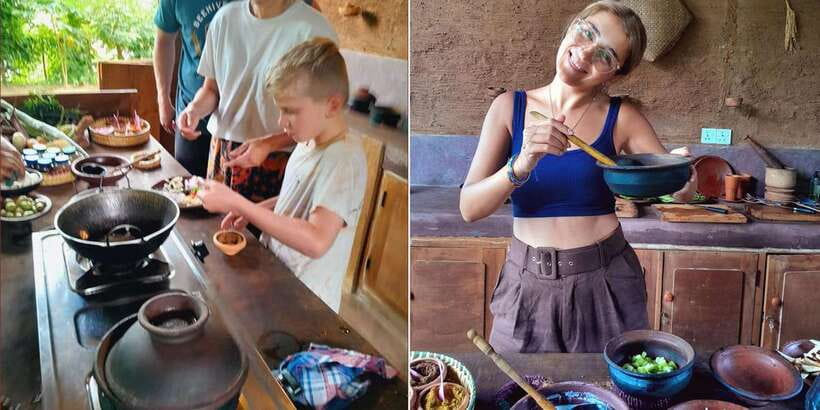
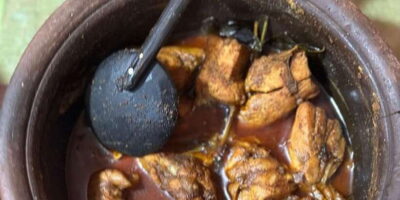
The central part of the experience is a hands-on class covering 12 dishes. That number makes this more ambitious than a lesson built around one curry and a side dish. You will work through several preparations and get a broader sense of how a Sri Lankan meal comes together.
The ingredients are included, so you do not need to shop for cooking supplies beyond the vegetables selected during the market visit. The value here is not only the finished food. You also get to see how rice, coconut, spices, and vegetables are combined across different dishes.
The class is conducted in English. The host is described as patient and welcoming, which should help if you are not an experienced cook. You can expect instruction in a friendly setting, but the available information does not specify the exact recipes, cooking equipment, or how much of each preparation you complete yourself. If those details matter to you, ask before booking.
The private-group format is a plus. You are not placed in a large class where everyone races to follow the same step. A private setting gives you more room to ask why a spice is used, how a dish should look, or how to adjust a recipe at home.
At the same time, 12 dishes in three hours means the class will have a steady pace. You should not expect a long, slow lesson on every spice or cooking technique. If you want an intensive culinary course with detailed instruction on each recipe, this may feel compact. If you want a generous sample of Sri Lankan home cooking, the format makes good sense.
A meal served from your own work
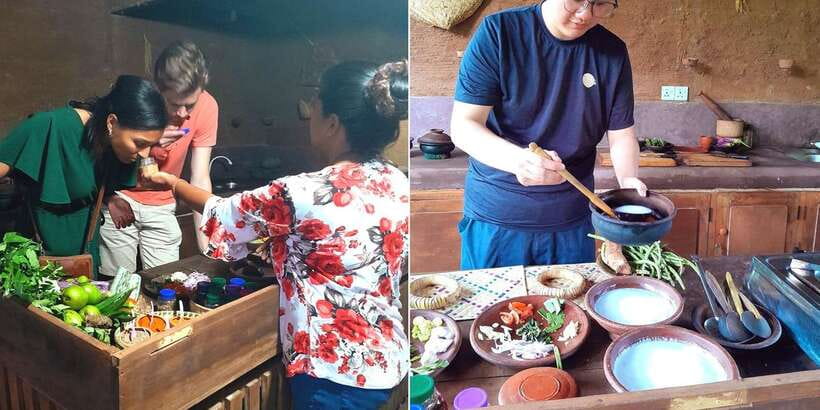
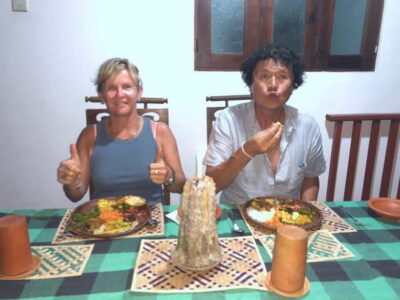
After the cooking, you sit down for lunch or dinner and eat the dishes prepared during the session. This is where the class pays off. You can taste the relationship between the ingredients you selected, the spices you handled, and the finished meal.
I particularly like this structure because the food is not an afterthought. The meal is part of the experience and gives you time to enjoy the family setting after the work is done. One couple who took the class in the evening found both the food and the lessons rewarding, while another couple booked it as a honeymoon surprise and found the care shown throughout the afternoon especially meaningful.
The menu is not fixed in every detail because you choose vegetables and vegetarian requests can be arranged. That flexibility is helpful for different diets and tastes. It also means you should avoid booking if you need a precise, guaranteed menu in advance.
A recipe booklet is included. It may be the most useful item to take home because it helps turn a pleasant afternoon into something you can repeat. Sri Lankan food often depends on balance rather than one single ingredient, so having the recipes in writing is better than relying on memory after a busy class.
More cooking classes around Sri Lanka:
- Ella: Traditional Sri Lankan Cooking Class
★ 4.9 · 788 reviews - Organic cooking class sigiriya (kumara & family)
★ 5.0 · 650 reviews - Sri Lanka Cooking Class with Granny
★ 5.0 · 587 reviews - Kandy Village Cooking Class
★ 5.0 · 536 reviews
What makes this different from a restaurant meal
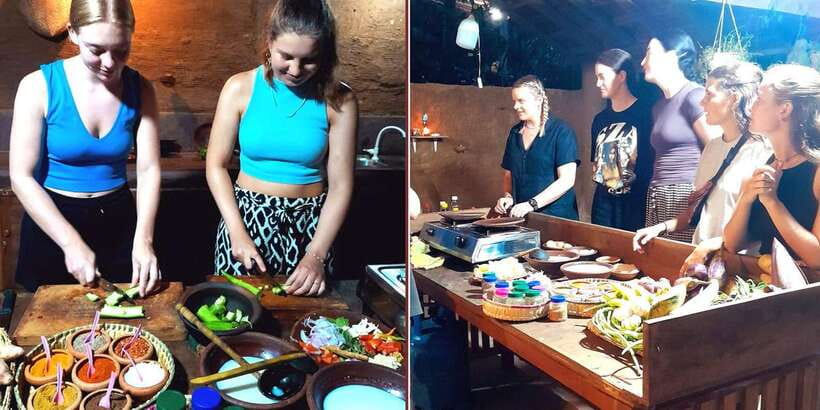
Kandy has plenty of places to eat, and a restaurant is easier if you only want to sample local dishes. This class earns its price through participation and access to a family setting. You see the market, handle the ingredients, learn the preparation, and share the finished food.
The experience also gives context that a restaurant menu cannot. You learn that Sri Lankan cooking is shaped by several outside influences while remaining rooted in local staples. The host’s home and family setting add a human side to the meal, with a closer look at village life than you would get from a standard dining room.
The tradeoff is comfort and predictability. A restaurant offers a set menu, fixed seating, and no need to arrive in cooking clothes. Here, you need to walk, cook, and keep up with the class. That is part of the appeal, but it is not the right choice for someone seeking a completely hands-off evening.
Price and value at $48 per person
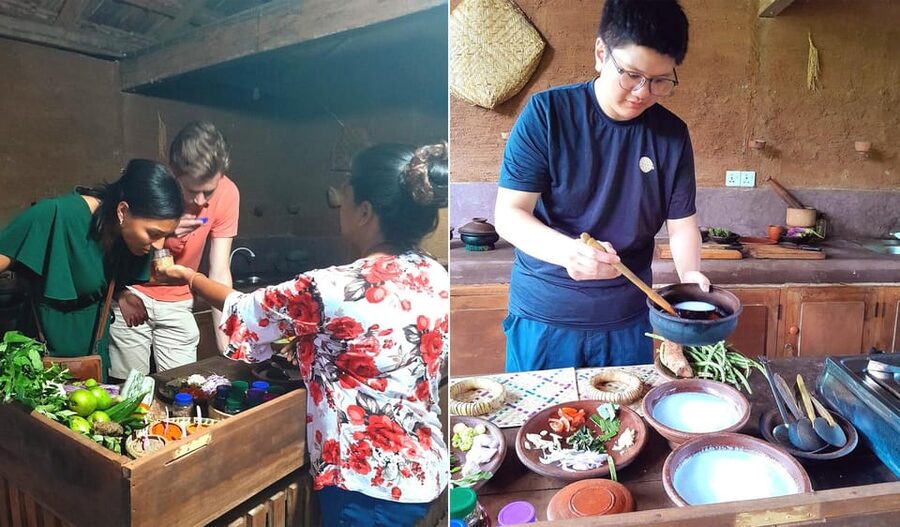
At $48 per person, this is not the cheapest way to eat in Sri Lanka. You can find a simple local meal for far less. The fair comparison, though, is not a restaurant bill. The fee includes a market tour, all cooking ingredients, a hands-on class, 12 dishes, a meal, and a recipe booklet.
The private-group format also adds value for couples and families. You are paying for time with a local host, not just for plates of food. If you are curious about cooking and want an experience you can remember and recreate, the price is reasonable.
The value is weaker if you are mainly hungry or short on time. The class takes three hours, and you must arrange your own transport. Anyone who dislikes cooking, market visits, or informal home settings may get more from a regular meal.
For a honeymoon, birthday, or small family outing, the personal setting makes the cost easier to justify. One couple chose it as a surprise during their honeymoon, and the private, caring atmosphere suited that occasion well.
Who should book this class
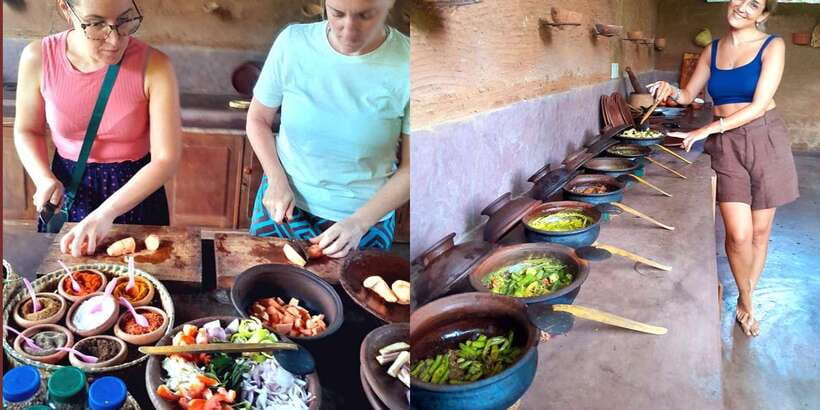
I would recommend it most strongly to:
- Couples who want a shared activity beyond sightseeing
- Families with children who enjoy practical activities
- Visitors interested in Sri Lankan food and household traditions
- Vegetarians who want to request suitable dishes ahead of time
- Small private groups that prefer questions and conversation
- Anyone who wants recipes to use after returning home
Children must be accompanied by an adult. The class is listed as wheelchair accessible, but you should still confirm that the route to the market and the specific cooking area suit your needs before booking.
This is less suited to someone who wants a polished cooking studio, a fixed menu, or a short demonstration. It is also not ideal if you have only a narrow gap between Kandy attractions. The class works best when you give it a full three hours and treat the market, cooking, and meal as one connected experience.
Practical details before you reserve
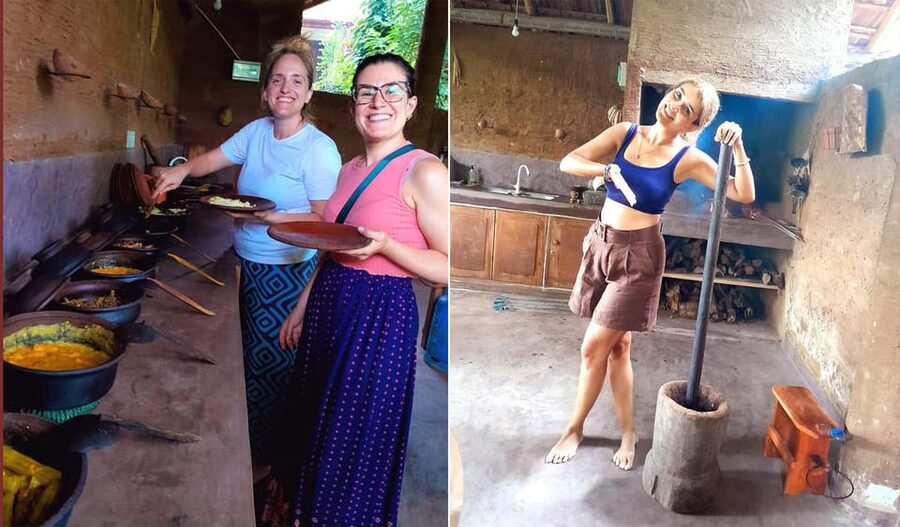
Wear comfortable clothing and shoes suitable for both cooking and walking. You do not need to bring the cooking ingredients, since they are included, but you should bring any personal items you normally need for a three-hour outing.
The class is in English, and the instructor is a local host rather than a named celebrity chef. That is part of its appeal. You are learning in a family environment, where the focus is on traditional home cooking and conversation.
Vegetarian food is available if requested in advance. No other dietary arrangements are specified, so contact the provider before booking if you have allergies or strict food requirements.
The experience is private, which makes it a good fit for people who want personal attention. It also means the price is per person rather than a low-cost walk-in group class. Since pickup and drop-off are not included, factor your transport cost into the final budget.
Should you book the Kandy cooking class?
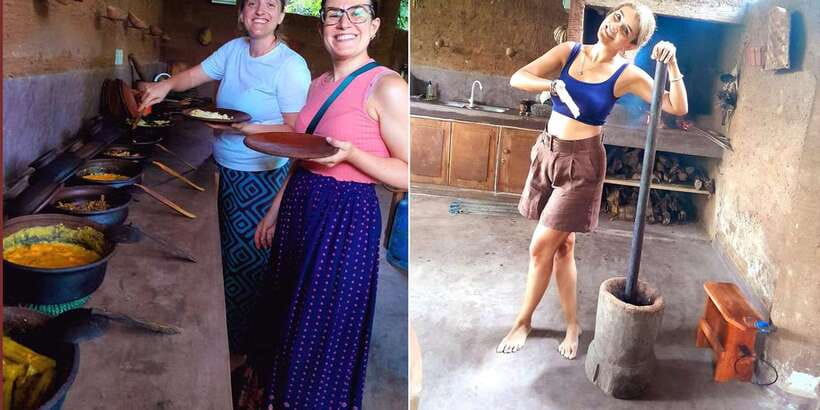
Book it if you want to do more than eat Sri Lankan food. The combination of a local market, a village home, 12 dishes, and a shared meal gives you a fuller picture of how food fits into daily life near Kandy.
I would especially choose it for a couple, family, or private group with three hours to spare. The setting, patient teaching, and finished meal have been the strongest parts of the experience, and the recipe booklet gives the afternoon a useful afterlife.
Skip it if you want a fixed menu, a quick class, or a centrally located activity with transport included. For everyone else, $48 buys a personal food experience rather than just another meal, and that makes it a solid choice in Kandy.
FAQ
How long does the Kandy cooking class last?
The class lasts three hours, including the market visit, cooking session, and lunch or dinner.
What is included in the price?
The price includes a 12-dish menu, hands-on cooking, the local market tour, all cooking ingredients, lunch or dinner, and a recipe booklet.
Is the class vegetarian-friendly?
Yes. Vegetarian options are available, but you need to inform the provider in advance.
Is the class taught in English?
Yes. The class is conducted in English.
Is hotel pickup included?
No. Hotel pickup and drop-off are not included. The meeting point is Kandy Village Cooking Class, No. 38, Pilawala, Kandy 20196, Sri Lanka.
Can children join the cooking class?
Yes, but children must be accompanied by an adult.
New cooking classes around Sri Lanka
- Private Traditional Sri Lankan Cooking Class in Kandy★ 5.0 · 7 reviews
- Private cooking class – Personalized classic menu★ 5.0 · 5 reviews
- Nilaveli: Sri Lankan Cooking Class with a Local Family★ 5.0 · 16 reviews
- Mirissa: Cooking Class with Beer and Meal★ 3.3 · 4 reviews
- Kandy Cooking Class with Granny★ 4.9 · 95 reviews
- Hands-On Cooking Class in Anuradhapura: Cook Like a Local★ 5.0 · 5 reviews
- Galle: Traditional Sri Lankan Cooking Class★ 5.0 · 21 reviews
- Galle: Sri Lankan Cuisine Cooking Experience★ 5.0 · 5 reviews
Kandy Cooking Classes, side by side.
Private Traditional Sri Lankan Cooking Class in Kandy with Hotel Transfers
Read our review →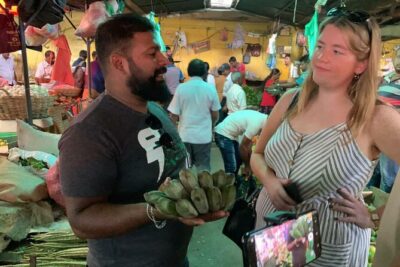
Authentic Sri Lankan Cooking Class in Kandy by Local Family
Read our review →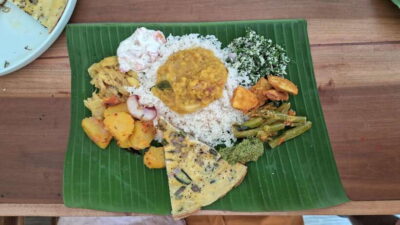
This kitchen also appears in