
Review · SRI LANKA
Nilaveli: Sri Lankan Cooking Class with a Local Family
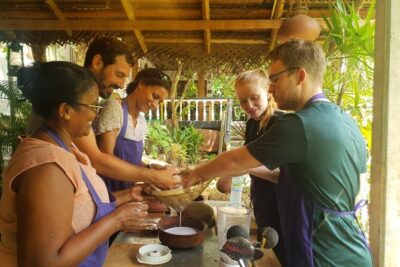
The best part of this Nilaveli experience is that you cook in a traditional family setting, not in a polished restaurant kitchen. Nimali Dinushika and her family show you how Sri Lankan food is made at home, from spice mixes and sambols to hoppers, pittu, rotti, and several kinds of curry. You finish by eating what you prepared together.
I like the chance to use firewood and wood stoves, since that gives the class a real connection to daily cooking traditions. I also like that you can discuss the menu in advance, with vegetarian, fish, or meat choices possible. The main consideration is the five-hour length and the extra cost for chicken, fish, or seafood, which is not included in the $22 base price.
Key details of the Nilaveli cooking class
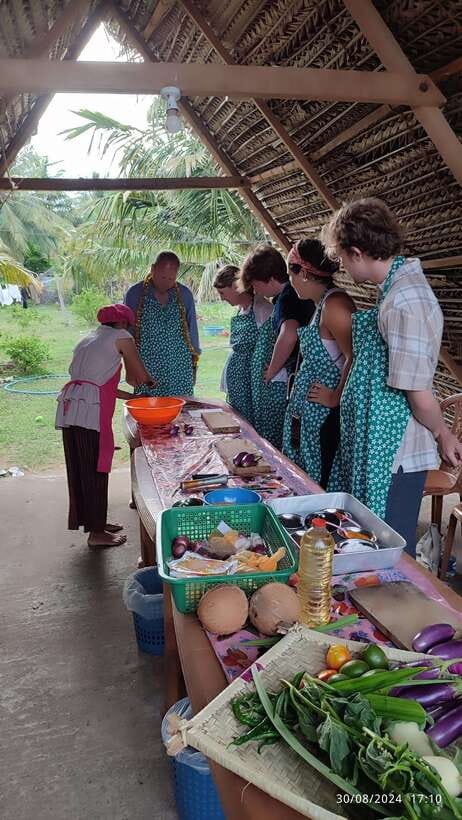
- Cook with Nimali Dinushika and her family in a traditional home setting near Nilaveli.
- Prepare a broad Sri Lankan menu, including rice and curry, hoppers, string hoppers, pittu, rotti, and milk rice.
- Use wood stoves and firewood rather than only modern kitchen equipment.
- Make curry powder, sambols, and sweets, giving you more than a single curry lesson.
- Eat your own meal afterward, with cooking taking about four hours and dining about one hour.
- Pay extra for meat or seafood, with fish or chicken listed at 2,000 LKR per person and seafood priced according to your request.
A home kitchen lesson, not a restaurant demonstration
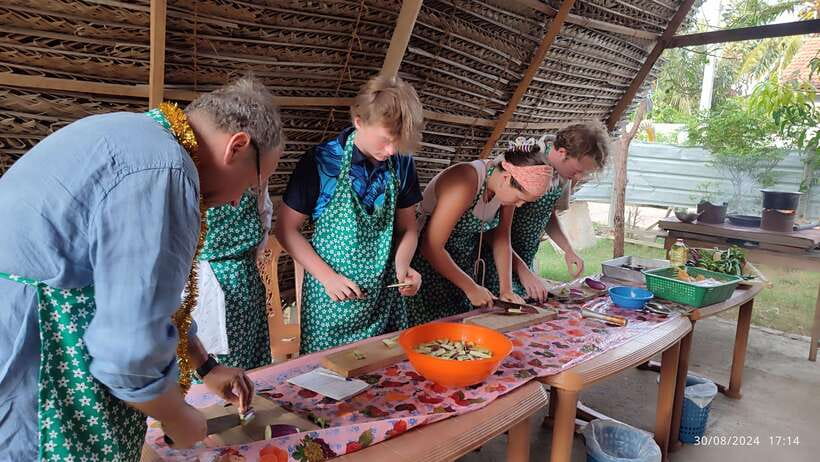
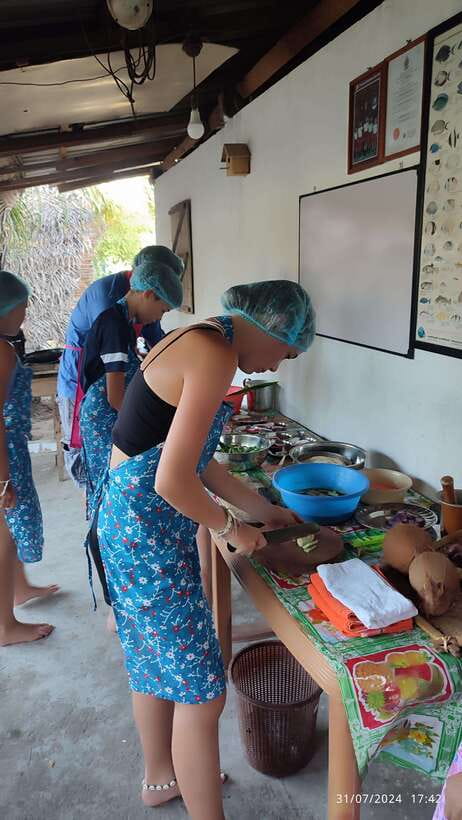
Many cooking classes show you a dish, then hand you a plate. This one is designed around participation. You meet Nimali, her husband, and her family, then work through a spread of Sri Lankan staples in and around their home.
That setting matters. You get to see how food connects with ordinary family life, rather than learning only the restaurant version of Sri Lankan cooking. The class also gives you room to ask about ingredients, spices, preparation methods, and the dishes your hosts cook themselves.
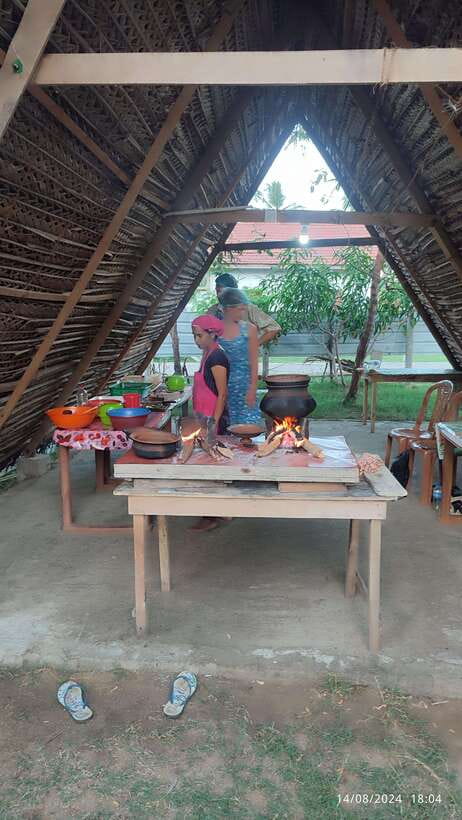
The experience may take place in the family garden beside the house, depending on the arrangement. That can make the class feel relaxed and informal, but it also means you should not expect the fixed workstations or air-conditioned comfort of a cooking school. Wear clothes that can handle heat, splashes, and a little smoke.
English and Sinhala are the listed languages. The class is conducted in English, so you should be able to follow spoken instructions and ask basic cooking questions in English. Nimali remains the central contact, and the family format is a major part of the appeal.
More Home Cooking Classes in Sri Lanka:
- Galle: Cooking Class at a Local Home and Market Tour
★ 5.0 · 47 reviews - Authentic Sri Lankan Cooking Class in Kandy by Local Family
★ 4.9 · 15 reviews - Khmer Cooking Class at a Local’s Home in Krong Siem Reap
★ 5.0 · 2,731 reviews
What you cook during the five hours
The menu is generous. The class may include rice and curry, string hoppers, hoppers, pittu, rotti, milk rice, sambols, sweets, and homemade curry powder. You should not assume every item appears in exactly the same form each time, since the menu can be shaped around your preferences and the ingredients selected for the session.
Rice and curry
Sri Lankan rice and curry is not one fixed recipe. It is a meal built from rice, several vegetable or meat dishes, sambols, and carefully balanced spices. This class gives you a useful look at that structure.
You can learn how spices are combined, how coconut is used, and how separate curries work together on one plate. That is more helpful than learning a single recipe because you leave with a better sense of how to build a Sri Lankan meal at home.
The base class includes cooking ingredients, but chicken and fish require an additional 2,000 LKR per person. If you want seafood, the extra charge depends on what you request. Confirm this before the class so there is no confusion over the final cost.
Hoppers and string hoppers
Hoppers are bowl-shaped pancakes, while string hoppers are delicate pressed rice-flour noodles. Both are common Sri Lankan foods, but they involve different techniques and textures.
Making them yourself helps you understand why they are harder than they look. Batter consistency, shaping, heat, and timing all matter. The class is especially useful if you have eaten these foods in Sri Lanka and want to reproduce them later.
String hoppers are often served with curries or sambols, while hoppers can work with savory or sweet accompaniments. Seeing how your hosts pair them with the rest of the meal adds context that a recipe alone cannot provide.
More cooking classes around Sri Lanka:
- Ella: Traditional Sri Lankan Cooking Class
★ 4.9 · 788 reviews - Organic cooking class sigiriya (kumara & family)
★ 5.0 · 650 reviews - Sri Lanka Cooking Class with Granny
★ 5.0 · 587 reviews - Kandy Village Cooking Class
★ 5.0 · 536 reviews
Pittu, rotti, and milk rice
Pittu combines flour and coconut in a crumbly, steamed preparation. Rotti offers a more direct lesson in dough, shaping, and cooking over heat. Milk rice is a familiar Sri Lankan dish with a softer texture and a special place in local home cooking.
These dishes widen the class beyond curry. You are not simply learning how to make one famous plate. You are handling rice flour, coconut, dough, and cooked rice in several different ways.
The variety is a strength, though it can also make the day feel busy. If you prefer a slow, focused lesson on one dish, this may be too broad. If you want a useful survey of Sri Lankan home food, the range is a good fit.
Sambols, sweets, and curry powder
The smaller elements may be the most practical part of the class. Sambols show how coconut, chili, onion, and other ingredients can change the balance of a meal. You also learn to prepare Sri Lankan sweets and make curry powder.
One particularly memorable activity can be opening a fresh coconut with a small axe, then drinking the coconut water and using the coconut in sambols. That kind of task gives the class a hands-on quality you will not get from simply watching a chef work.
The curry powder lesson is useful after your trip. You can take the method home and adjust the blend to your own taste. Since spice balance is central to Sri Lankan cooking, this is one of the more transferable parts of the experience.
Cooking over firewood adds flavor and context
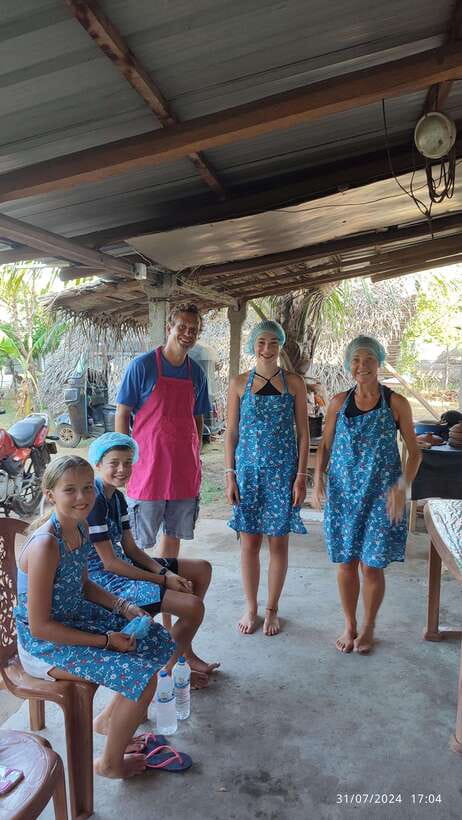
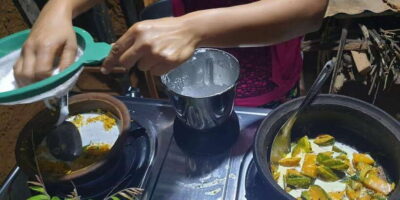
The use of traditional wood stoves is one of the class’s clearest differences from a standard cooking workshop. You learn to prepare food with the same basic heat source used in many Sri Lankan homes.
That also brings practical tradeoffs. Wood heat can be less predictable than a gas or electric burner, and smoke or heat may be part of the experience. Bring a hat, wear comfortable clothing, and avoid anything you would not want exposed to cooking odors.
I like this element because it links the food to the setting. The class is not only about measurements and recipes. It shows how cooking works when the stove, fuel, ingredients, and family meal all belong to the same daily routine.
Still, comfort is worth considering. If you are sensitive to heat, smoke, or long periods of standing, ask about the setup before booking. The experience is listed as wheelchair accessible, but a traditional home and wood-stove arrangement may require you to confirm exactly how the cooking area is organized.
A four-hour cooking session followed by lunch
The total duration is five hours. A useful guide is roughly four hours of cooking followed by one hour of eating and sharing the finished meal.
That is a substantial block of time, so plan it as a main activity rather than a quick stop between Nilaveli beach plans. You will have time to prepare several dishes, watch techniques, ask questions, and sit down without rushing.
The final meal is the payoff, but it is also part of the teaching. You can taste how the curries, rice, breads, sambols, and sweets work together. The included dining, water, and refreshments make the experience feel like a complete food-focused visit rather than a short lesson followed by a separate restaurant bill.
The food menu can be adjusted to some extent. Vegetarian preferences, fish, and meat choices can be discussed, but the stated price changes for chicken, fish, and seafood. Tell Nimali about dietary restrictions or allergies ahead of time.
There is an important warning here: the activity is listed as unsuitable for people with food allergies. Even if you have a mild allergy, do not rely on last-minute explanations in a busy home kitchen. Ask before booking and make sure the family can safely accommodate you.
Why the family connection matters
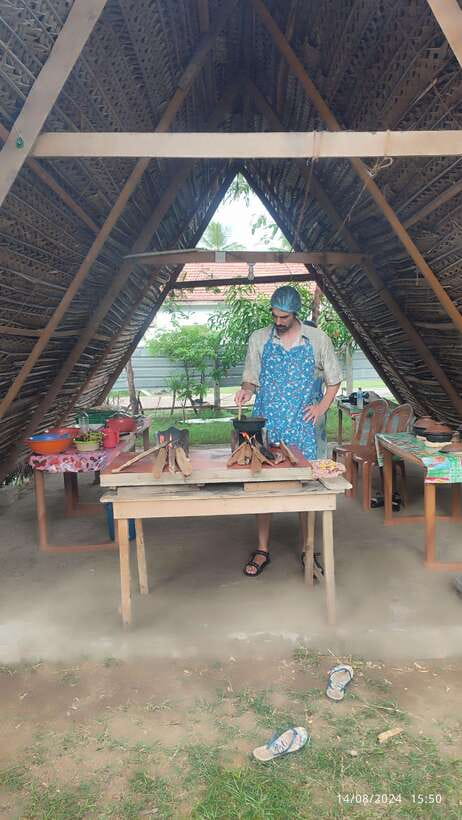
The strongest feature is the personal scale. You are not only learning how to grind spices or shape dough. You are meeting the people who prepare these foods in their own home and hearing about their lives.
That can make the experience feel more generous and human than a commercial class. It also gives you a better chance to ask why a dish is prepared in a particular way, when it is served, and how the family uses local ingredients.
Families with young children may find the hands-on format appealing. A child aged four or six was able to take part in one session, helping with the cooking alongside the adults. The activity is not suitable for children under two, and parents should remember that hot stoves, knives, and cooking tools require close supervision.
The family setting is not staged as a formal performance. You should come ready for an informal class with some flexibility. That is part of its charm, but it may not suit you if you want a strict timetable, printed measurements for every step, or a highly polished culinary presentation.
Price and what the $22 covers
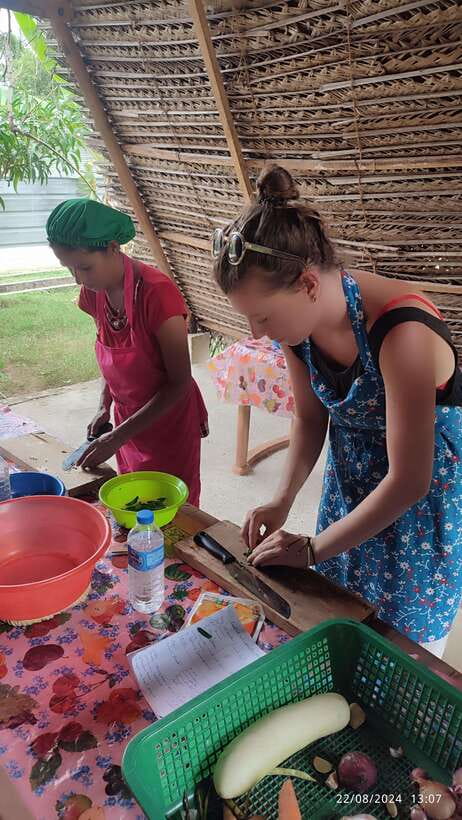
At $22 per person, the base price offers good value for a five-hour activity. You receive instruction, ingredients, cooking equipment, recipes, water, refreshments, and the meal you prepare.
The value is strongest if you care about learning techniques rather than only eating. A restaurant meal may cost less in some parts of Sri Lanka, but it will not teach you how to make string hoppers, curry powder, sambols, or milk rice. A shorter cooking lesson may also leave you with fewer dishes and less family contact.
Budget for add-ons. Chicken or fish costs an extra 2,000 LKR per person. Seafood carries a separate extra charge based on your request. If you are happy with a vegetarian menu, the advertised price is easier to assess.
Hotel pickup and drop-off are not included. Shopping tours are also not included, so you need to arrange your own way to the meeting point and should not expect a market visit as part of the class.
The meeting point is Pigeon Island Tours, at The Rice and Curry seafood restaurant and the shop listed at the same location. Check the exact meeting instructions before setting out, especially if you are arranging a tuk-tuk or other local transport.
Who will enjoy this Nilaveli food experience
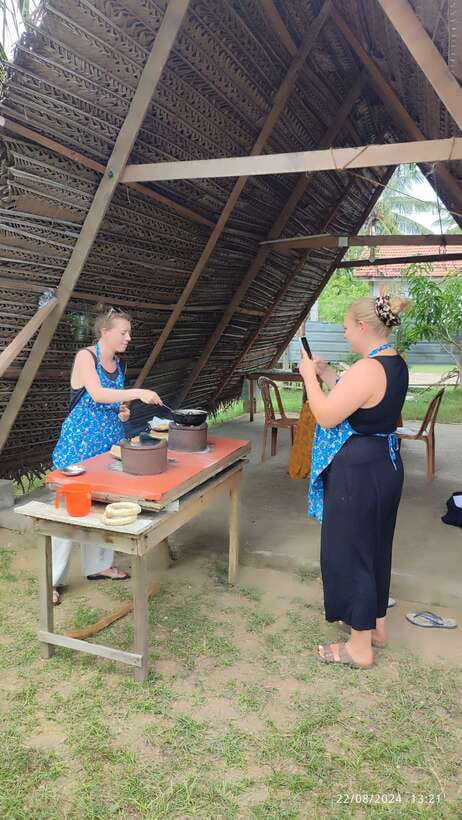
I would choose this class if you want local contact, a long hands-on activity, and a meal with a story behind it. It suits couples, families with older children, and anyone who likes to learn by doing.
It is also a good fit if you are staying in Nilaveli and want something beyond the beach. The class gives you a closer look at eastern Sri Lankan food and home life without requiring a full-day trip away from the area.
You may want to skip it if you dislike heat, smoke, long cooking sessions, or uncertain timing. It is not a quick demonstration. It is also a poor choice for anyone with food allergies unless the family confirms that safe preparation is possible before booking.
The language arrangement is simple: English and Sinhala are available, with English used for the activity. If you need interpretation in another language, no such service is listed.
Practical advice before you go
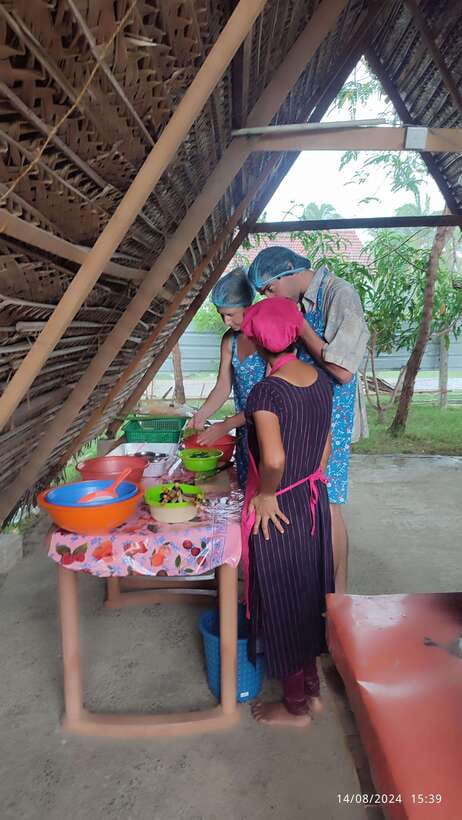
Wear comfortable clothes suitable for cooking. A hat and sunscreen are recommended, though sunscreen is more useful for the outdoor parts and the trip to the meeting point than for the kitchen itself.
Do not bring alcohol or drugs, and smoking is not allowed. Pets are also not permitted.
Tell Nimali what you want to eat before the session. This is especially important if you want chicken, fish, or seafood, since these items cost extra. It also gives the family a chance to discuss dietary needs and plan the ingredients.
Bring an appetite. Five hours is a long time to spend around food, but the meal comes at the end, after you have done the work. The final hour is not an afterthought. It is when you can taste the results, compare textures, and enjoy the social side of the visit.
The activity offers free cancellation up to 24 hours before the start for a full refund, and you can reserve now and pay later. That is useful if your Nilaveli plans depend on weather or changing beach arrangements.
Should you book the Nilaveli cooking class?
Book it if you want an unhurried, personal food experience rather than a quick cooking demonstration. The combination of Nimali’s family, wood-stove cooking, a wide menu, recipes, and a shared meal gives you real value for $22, especially if you choose the vegetarian option and do not need transport.
Think twice if you need a modern kitchen, a short activity, or strict control over ingredients. Confirm meat and seafood charges, discuss allergies in advance, and allow the full five hours. For most food-loving visitors based in Nilaveli, this is a worthwhile way to spend a day learning how Sri Lankan meals are actually made at home.
FAQ
Where does the Nilaveli cooking class take place?
The activity takes place in a traditional Sri Lankan home setting with Nimali Dinushika and her family. The meeting point is Pigeon Island Tours, at The Rice and Curry seafood restaurant and the shop listed at the same location.
How long does the cooking class last?
The experience lasts five hours. Cooking takes about four hours, followed by roughly one hour for dining.
What dishes can I learn to make?
The class can include rice and curry, string hoppers, hoppers, pittu, rotti, milk rice, Sri Lankan sweets, sambols, and curry powder.
Is the meal included?
Yes. Dining, cooking ingredients, water, and refreshments are included in the base experience.
Is chicken or fish included in the $22 price?
No. Chicken or fish costs an additional 2,000 LKR per person.
Can I request seafood?
Yes. Seafood can be requested, but it costs extra and the price depends on the dish you choose.
Is hotel pickup included?
No. Hotel pickup and drop-off are not included.
What languages are available?
The listed languages are English and Sinhala. The activity is conducted in English.
Is the activity suitable for children?
Children under two are not suitable for this activity. Older children may take part, but adults should supervise them around hot stoves, knives, and cooking equipment.
Can people with food allergies join?
The activity is listed as unsuitable for people with food allergies. You should still inform the host about dietary restrictions or allergies before booking.
New cooking classes around Sri Lanka
- Private Traditional Sri Lankan Cooking Class in Kandy★ 5.0 · 7 reviews
- Private cooking class – Personalized classic menu★ 5.0 · 5 reviews
- Mirissa: Cooking Class with Beer and Meal★ 3.3 · 4 reviews
- Kandy Cooking Class with Granny★ 4.9 · 95 reviews
- Kandy: Village Cooking Class 12 Dishes with Market Tour★ 5.0 · 6 reviews
- Hands-On Cooking Class in Anuradhapura: Cook Like a Local★ 5.0 · 5 reviews
- Galle: Traditional Sri Lankan Cooking Class★ 5.0 · 21 reviews
- Galle: Sri Lankan Cuisine Cooking Experience★ 5.0 · 5 reviews
Sri Lanka Cooking Classes, side by side.
Organic cooking class sigiriya (kumara & family)
Read our review →
Ella: Sri Lankan Cooking Class with Neranji at Homestay
Read our review →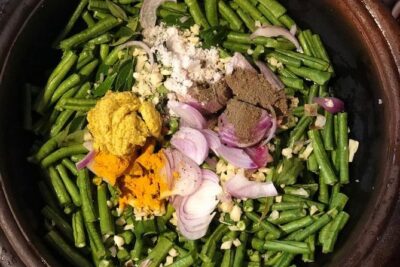
Ella : Cooking class with amazing Spice Garden Tour
Read our review →This kitchen also appears in