
Review · KANDY
Sri Lanka Cooking Class with Granny
Sri Lankan food is best understood at the stove, not just at the table. This private class takes you from Kandy to a family home in the hills, where Nandini teaches you to prepare several curries, sambol, coconut milk, and sometimes dessert in a traditional clay kitchen. I especially like the chance to choose your vegetables and the warm, family-style setting.
I also like that the class adapts to the day’s market produce and your tastes. You do the chopping and cooking yourself, rather than watching a demonstration from a distance. The main consideration is time: the advertised three and a half hours can stretch, especially when you add the market visit, and the meal may finish late for an evening class.
Key points to know before booking
- A hands-on Sri Lankan meal: Prepare several dishes, not just one curry, then eat everything at the end.
- A family home outside Kandy: The class takes place in a rural home with a covered outdoor kitchen and traditional clay cooking vessels.
- Fresh choices matter: Select vegetables and, where possible, dishes that suit your taste and dietary needs.
- Optional market visit: Add a visit with Sudesh to see the produce and spices before cooking.
- Hotel pickup is offered: Transport arrangements vary, so confirm what is included for your pickup and return.
- Good value at $25: Lunch or dinner, tea or coffee, bottled water, and the cooking lesson are included.
Why this class feels different from a standard cooking lesson
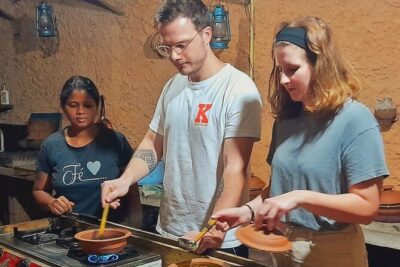
Many cooking classes give you a recipe, a workstation, and a polite goodbye. This one is built around a family home near Kandy. You travel into the hills, meet the women who prepare the food, and work in a covered outdoor kitchen that may include traditional clay pots and a wood-fired feel.
The class is hosted by local family members, with Nandini often leading the cooking. Sudesh may handle the market visit and transport arrangements, while Granny Nanti and Auntie Shanti are also named as hosts in the experience. The exact people involved can vary, but the pattern is clear: this is a small, personal class rather than a formal culinary school.
I like that distinction. You are not simply copying a chef’s movements. You are learning how Sri Lankan home cooking actually works: how vegetables are selected, how coconut milk is used in stages, how spices are combined, and how several small dishes become one large meal.
The setting also adds a slice of village life outside central Kandy. That makes the trip more than a food lesson, although you should be comfortable with a rustic environment and a tuk-tuk ride into the hills.
More cooking classes around Sri Lanka:
- Ella: Traditional Sri Lankan Cooking Class
★ 4.9 · 788 reviews - Organic cooking class sigiriya (kumara & family)
★ 5.0 · 650 reviews - Kandy Village Cooking Class
★ 5.0 · 536 reviews
Starting in Kandy with tea, spices, and a market option
The class begins with pickup offered from your hotel, with Kandy City Centre listed as the starting point. The details of transport deserve a quick check before you book. Some arrangements include pickup from Kandy, while a return tuk-tuk may be charged separately. Private transportation and an air-conditioned vehicle are not listed as standard inclusions.
If you choose the market upgrade, Sudesh takes you through a local market before the cooking begins. This is a useful addition if you want to understand the ingredients before they appear in a curry. You can look at fresh vegetables, fruit, spices, chicken, and other daily produce, then select items for the meal.
The market is not a staged food show. It is a working place where local people shop. Expect noise, color, narrow paths, and unfamiliar produce. It is a good place to ask questions about vegetables you have never cooked before.
The market visit is also the part I would treat as optional in spirit, even if you enjoy the added context. One class participant felt the cooking mattered more than the market. If you have limited time in Kandy, the cooking lesson is the core experience. If you want more contact with daily food shopping, the market makes the outing more complete.
Choosing vegetables and shaping your meal
After the market, or after arriving directly at the home, you receive tea or coffee and an introduction to Sri Lankan spices and vegetables. You are then invited to choose what you would like to cook. That flexibility is one of the best features of the class.
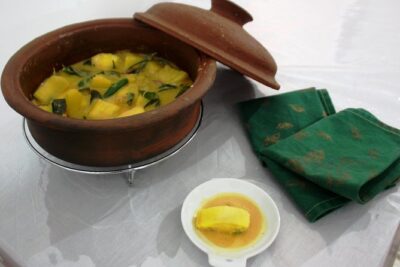
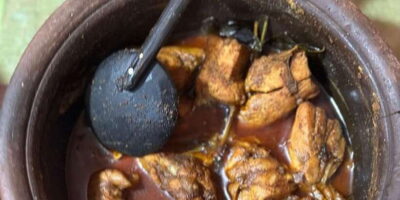
Possible dishes described in the experience include chicken curry, pumpkin curry, egg curry, dhal, long beans, okra, eggplant, tempered potatoes, mango chutney, papadums, and coconut sambol. The precise menu is not fixed. It changes with the market, the season, dietary needs, and your preferences.
In one especially full class, the group prepared chicken curry, pumpkin curry, long beans, egg curry, dhal, mango chutney, papadums, tempered potatoes, sambol, and an eggplant dish. Another class included coconut pancakes for dessert. You should not expect every item on that list every time, but it gives you a good idea of the range.
This is not a lesson built around one perfect restaurant dish. Sri Lankan meals usually bring several curries and side dishes together, each with a different texture and level of heat. The class helps you see how the balance works. A mild pumpkin curry can sit beside a sharper sambol, while dhal and rice soften the meal.
If you have dietary restrictions, state them when booking and again at the start. The class says dishes can be adjusted, but you should not assume every substitution is possible on the day.
Learning through chopping, grinding, and cooking
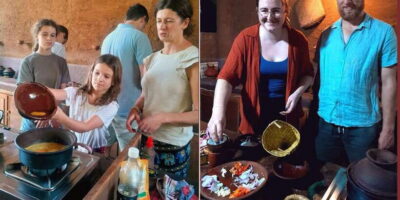
You take part in the practical work. You cut and chop vegetables, handle ingredients, and cook under instruction. The teaching is aimed at home cooks, so you do not need advanced skills.
The best lessons in this class appear to come from small details. Nandini explains the main spices and cooking methods, while the hosts offer tips on how to make curry at home. You may learn why coconut milk is added in different strengths, including the distinction between first milk and second milk, and how that changes the final taste.
Making coconut milk from a whole coconut is another memorable possibility. One class included breaking open the coconut, scraping it, and preparing the milk. This is useful context because coconut milk is not simply a carton ingredient in traditional cooking. It can be prepared in stages and used to control the body and flavor of a curry.
The lesson also gives you a chance to ask questions as you work. The tone appears relaxed, with humor and conversation mixed into the instruction. That can be a benefit if you want cultural contact as much as a recipe. It can be less appealing if you prefer a tightly timed class with exact measurements and a professional kitchen.
Recipes are sent afterward, which makes the experience more useful once you return home. You can try to recreate the dishes rather than relying on memory. Still, home results will depend on finding comparable spices, coconut, vegetables, and cooking equipment.
Same kitchen, a different dish:
- Sea waves sri lankan cooking class
★ 5.0 · 467 reviews - Ella: Sri Lankan Cooking Class with Neranji at Homestay
★ 5.0 · 276 reviews - Cook with Wasantha
★ 5.0 · 248 reviews - Ella : Cooking class with amazing Spice Garden Tour
★ 5.0 · 239 reviews
The traditional clay kitchen and family setting
The cooking takes place at a home in a village outside Kandy, often described as being up in the hills. The kitchen is covered and outdoors, with traditional clay cooking vessels. This is a real part of the experience, not just decoration.
A rustic kitchen brings texture and atmosphere, but it also means less control over conditions. You may be working in warm weather, around smoke, on uneven ground, or with simple equipment. The class is best for someone who wants to see how food is prepared in a Sri Lankan household, not someone expecting a polished studio kitchen.
The family setting is the strongest reason to book this class. Tea on arrival, shared preparation, conversation, and a meal at the same home give the experience a personal rhythm. Several hosts are described as patient, welcoming, and good-humored, with Nandini receiving particular praise for explaining the food and letting people do the work themselves.
The class can also suit families and couples. It is private for your group, though the number of participants can vary when a small group booking is combined. A small group usually means more chances to chop, stir, ask questions, and work directly with the instructor.
Sitting down to the curry you made
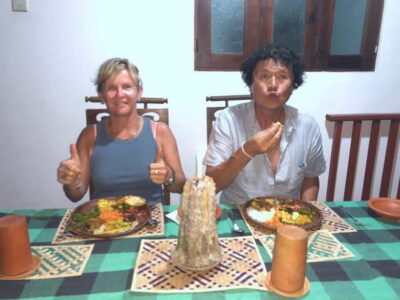
The reward comes at the end, when the cooking turns into lunch or dinner. You eat the meal you helped prepare, usually with rice and several curries and accompaniments. Because the food is cooked around your choices, the final spread can feel more personal than a fixed tasting menu.
Do not expect a single main course. The meal may include five, seven, eight, or even more separate dishes, depending on the menu and the group. That is one reason the $25 price is strong: lunch or dinner, tea or coffee, bottled water, instruction, ingredients, and the family setting are included.
The value is not only in the amount of food. You are paying for a lesson you can use later, a trip beyond central Kandy, and direct contact with local cooking customs. Compared with a restaurant meal, the class takes more time and effort. Compared with a formal cooking school, it gives you more of a home experience for a lower price.
The main warning is timing. The stated duration is about three and a half hours, but a market stop, several curries, conversation, and the final meal can push the outing closer to five or six hours. One afternoon group finished after roughly six hours including the market. Leave room in your schedule, especially if you have a train, temple visit, or evening transfer planned.
Morning or afternoon: choosing the right slot
Morning and afternoon options are offered, so choose based on the meal you want and your wider Kandy plans. A morning session works well if you want the prepared food as lunch and prefer to keep the evening free.
An afternoon class can lead into dinner and may give the outing a more relaxed feel. It can also run late, particularly if you add the market visit or the group takes its time preparing many dishes. I would avoid booking an afternoon class on a day when you need to reach a fixed evening appointment.
Pickup can make the timing easier, but do not assume that every hotel outside the main Kandy area is covered in the same way. Confirm the meeting point and return plan. Kandy City Centre is the listed start and end point, while individual arrangements may include a hotel pickup or a tuk-tuk connection.
Who will get the most from this experience
I would recommend this class to you if you want to:
- Learn several Sri Lankan dishes rather than one recipe
- Cook with fresh vegetables chosen for the day
- Visit a local market and ask about unfamiliar ingredients
- Spend time in a family home outside central Kandy
- Eat a generous meal after doing the preparation
- Take recipes home for later use
- Experience a simple, rural cooking space
It is especially suited to curious home cooks, food-focused couples, families, and people who prefer personal contact over a polished tourist setup. You do not need to be an experienced cook. The teaching is practical and participatory.
I would hesitate if you need a strict end time, dislike rustic kitchens, or want a fully air-conditioned cooking studio. I would also think twice if your main goal is to sample food without working for it. This class asks you to chop, prepare, and wait while several dishes cook.
Price, transport, and booking details
At $25 per person, the class offers very good value if the full meal and instruction are included as described. The price covers lunch or dinner, tea or coffee, and bottled water. Alcohol is not included.
Pickup is offered, but private transportation and an air-conditioned vehicle are not included in the standard details. Tuk-tuk arrangements may be made for you, and the return can involve an additional reasonable fee depending on the arrangement. Ask before the day begins so the transport cost does not surprise you.
The class is private for your group, and confirmation is provided at booking. You can cancel for a full refund up to 24 hours before the start time. Poor weather or too few bookings can also lead to a rescheduled experience or full refund.
The experience requires good weather, which makes sense for a trip to a home kitchen and hill area. Build a little flexibility into your Kandy plans rather than placing this on the only day you have for a major connection.
Should you book the Sri Lanka Cooking Class with Granny?
I would book it if you want a generous, hands-on meal in a real family setting and have enough time to let the afternoon or evening unfold. The combination of a market option, flexible vegetables, traditional cooking, recipes afterward, and a meal with the hosts gives you much more than a quick demonstration.
Choose the market upgrade if you want to understand the ingredients and see local shopping. Skip it if your schedule is tight or you mainly want the cooking. Most important, allow more than three and a half hours, confirm transport, and arrive ready to work.
This is not the right choice for a polished culinary studio or a tightly managed tour. It is a good choice for an informal, personal introduction to Sri Lankan home food, with plenty to eat and a fair price.
FAQ
Where does the cooking class start?
The listed starting point is Kandy City Centre in Kandy, Sri Lanka. Hotel pickup is also offered, so confirm your pickup details when booking.
Where does the class finish?
The activity ends back at the meeting point. Some transport arrangements may return you to your hotel for an additional fee.
How long does the experience last?
The stated duration is approximately three hours and 30 minutes. A market visit and a large menu can make the outing longer, with some sessions lasting about six hours including the market.
Is a market visit included?
A market visit is available as an upgrade. It is not part of every standard class.
What food will I cook?
The dishes depend on fresh market ingredients, your preferences, and dietary restrictions. Possible dishes include vegetable curries, chicken curry, egg curry, dhal, sambol, papadums, tempered potatoes, chutney, and dessert.
Can I choose the vegetables?
Yes. You can choose from fresh local vegetables and ingredients, with the final menu adjusted to what is available that day.
Is food included in the price?
Yes. Lunch or dinner, coffee or tea, and bottled water are included. Alcoholic drinks are not included.
Is this a private activity?
Yes. Only your group participates in the private activity, although the size of the group can vary depending on the booking.
What happens if I need to cancel?
You can receive a full refund if you cancel at least 24 hours before the local start time. Changes or cancellations made less than 24 hours before the start are not accepted for a refund.
New cooking classes around Sri Lanka
- Private Traditional Sri Lankan Cooking Class in Kandy★ 5.0 · 7 reviews
- Private cooking class – Personalized classic menu★ 5.0 · 5 reviews
- Nilaveli: Sri Lankan Cooking Class with a Local Family★ 5.0 · 16 reviews
- Mirissa: Cooking Class with Beer and Meal★ 3.3 · 4 reviews
- Kandy Cooking Class with Granny★ 4.9 · 95 reviews
- Kandy: Village Cooking Class 12 Dishes with Market Tour★ 5.0 · 6 reviews
- Hands-On Cooking Class in Anuradhapura: Cook Like a Local★ 5.0 · 5 reviews
- Galle: Traditional Sri Lankan Cooking Class★ 5.0 · 21 reviews
Kandy Cooking Classes, side by side.
Private Traditional Sri Lankan Cooking Class in Kandy with Hotel Transfers
Read our review →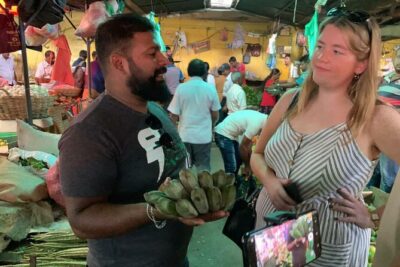
Authentic Sri Lankan Cooking Class in Kandy by Local Family
Read our review →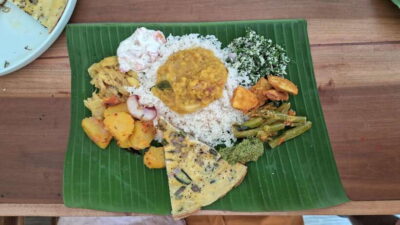
Kandy: Village Cooking Class 12 Dishes with Market Tour
Read our review →This kitchen also appears in