
Review · COOKING CLASSES WITH WINE TASTING
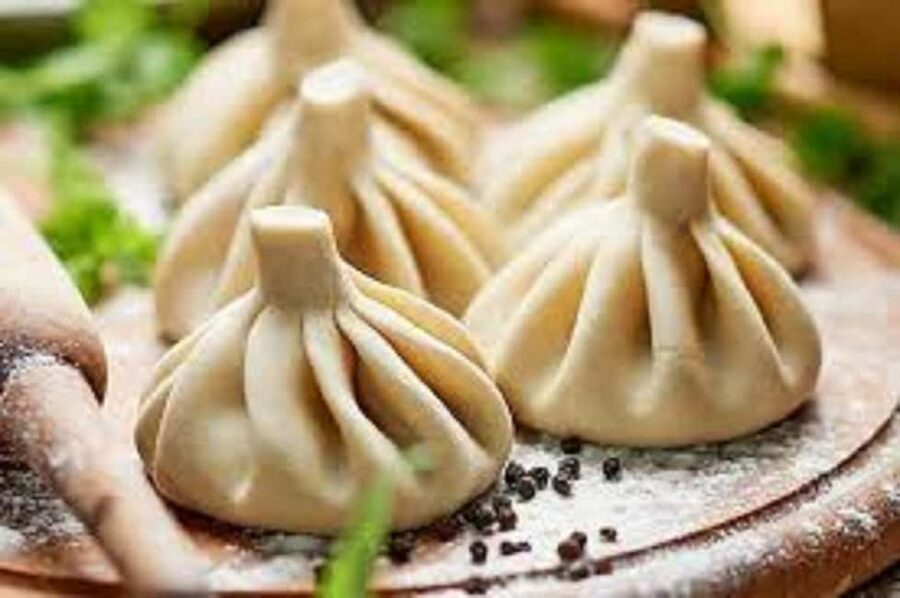
Khinkali & Khachapuri Cooking Classes with Wine Tasting
The best part of this Kutaisi experience is that you do not just sit down to eat Georgian food. You make khinkali and khachapuri yourself, then enjoy the results with natural wine from the host’s own winery. I like the small eight-person limit and the chance to hear Giorgi explain Georgian wine and culture while Nana leads the cooking.
I also like the easy meeting point across from the Chain Bridge, near the trail to Bagrati Cathedral. The main consideration is that the class lasts only 1.5 hours, so the cooking is focused rather than a long, leisurely kitchen lesson. One past participant also wished for more time personally folding the khinkali, so tell the hosts you want plenty of hands-on practice.
Key points to know before booking
- Khinkali from scratch: Learn the folding and filling technique for Georgia’s famous soup dumplings.
- Khachapuri included: Prepare the country’s beloved cheese bread using traditional recipes.
- Wine from the source: Taste natural homemade wine made in qvevri, along with traditional chacha.
- Giorgi and Nana host the class: Giorgi explains Georgian culture and winemaking, while Nana leads the cooking lesson.
- Small and accessible: The English-language group is limited to eight people and the class is wheelchair accessible.
- Good value at $22: Ingredients, cooking instruction, and wine are included in the 1.5-hour session.
Cooking Georgian classics beside the Chain Bridge
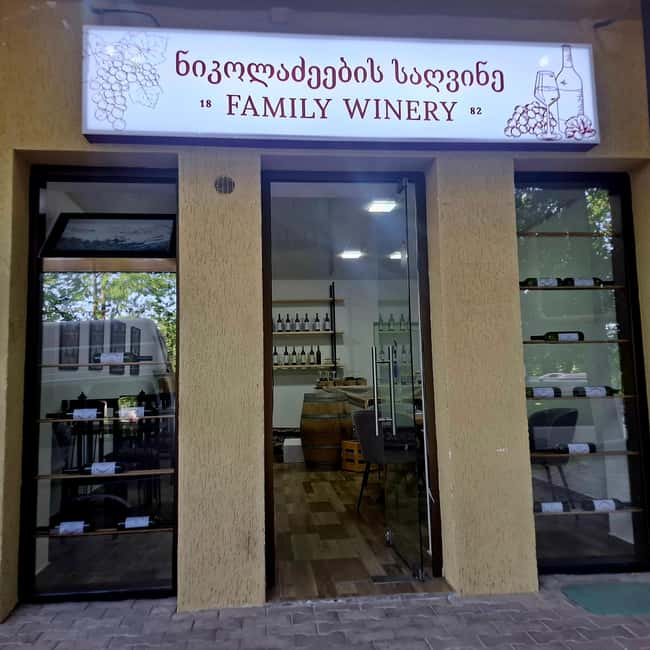
This class begins at a wine shop in Kutaisi, just across the street after you cross the Chain Bridge. The same spot marks the starting point of the trail leading up to Bagrati Cathedral, so it is easy to combine the class with sightseeing in the city.
That location gives the experience a useful sense of place. You are not being taken to an isolated cooking studio with no connection to your day in Kutaisi. You can reach the shop while walking around the center, and you can continue to Bagrati Cathedral afterward if your schedule allows.
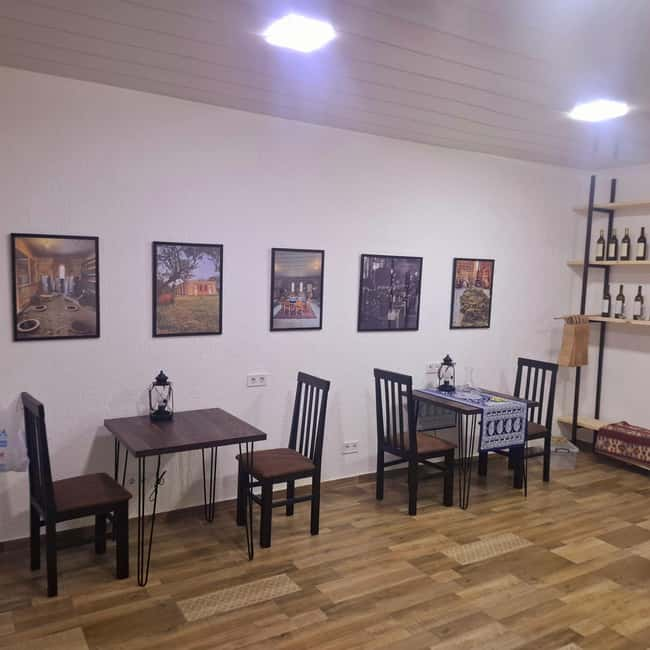
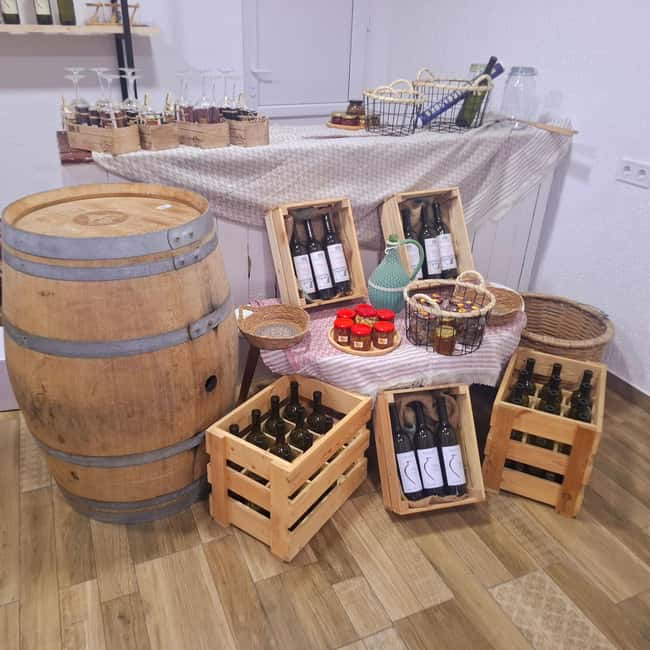
The setting is described as cozy and relaxed, with the cooking taking place around a local wine business. That matters because the meal and wine are tied together from the start. You learn about food in a place where Georgian wine is not just an extra drink poured at the table.
You should wear comfortable clothing that can get dirty. This is a working class, not a demonstration where you sit back and watch someone else do everything. The hosts expect you to participate, handle ingredients, repeat the techniques, and help prepare the meal.
More Cooking Classes with Wine Tasting in the world:
- Florence: Pasta Cooking Class with Unlimited Wine
★ 4.9 · 10,285 reviews - Florence: Pasta & Tiramisu Cooking Class with Unlimited Wine
★ 4.9 · 6,708 reviews - Florence: Pasta Cooking Class with Unlimited Wine
★ 5.0 · 6,413 reviews
Learning the folds of khinkali
Khinkali are Georgian dumplings filled with seasoned meat or other fillings, then cooked until the dough holds a hot, savory broth inside. The folding is the tricky part. You need to bring the dough together at the top and create a secure pleated shape without breaking the dumpling.
The class teaches the traditional technique, including the filling and the proper fold. That is useful even if your first few dumplings look less than perfect. Khinkali are easy to recognize on a plate, but making them well takes hand control and practice.
Nana leads the cooking lesson and explains the steps carefully. The class gives you the chance to repeat what she demonstrates, rather than treating the process as a performance. If you want more time at this stage, say so early. The session is short, and one participant felt the khinkali portion could have allowed more personal involvement.
That is the one area where expectations matter. You will get a hands-on introduction, but you should not expect an advanced dumpling workshop with hours of shaping practice. The goal is to learn the essential method, cook together, and sit down to eat within the allotted time.
The reward comes when the dumplings are cooked. Khinkali are best appreciated as a complete food experience: soft dough, rich filling, and hot juices inside. You will understand the dish better after handling the dough and seeing how careful folding protects the filling.
Preparing khachapuri with a local recipe
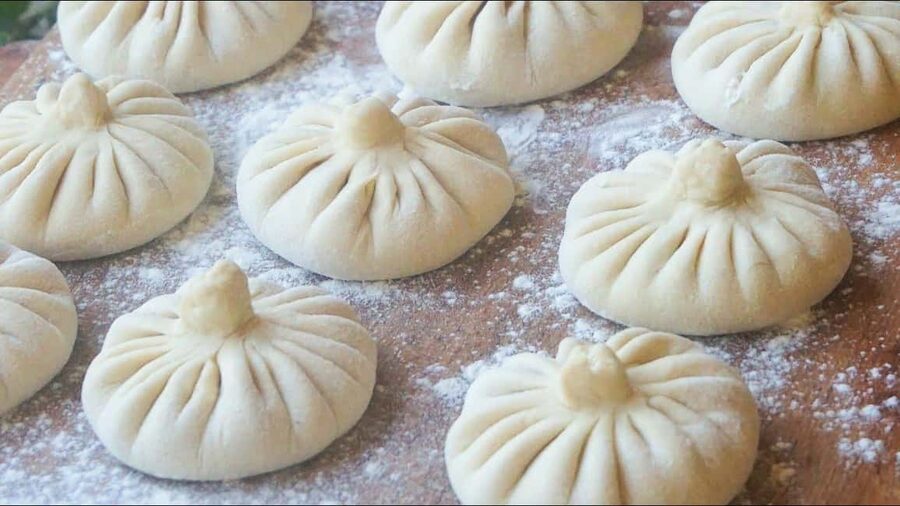
Khachapuri is Georgia’s famous cheese-filled bread, with many regional forms across the country. In this class, you prepare an authentic version using a time-honored Georgian recipe.
The lesson adds a useful contrast to the khinkali work. Khinkali require neat folding and attention to a sealed filling, while khachapuri is built around dough, cheese, and baking. In a short session, making both gives you a broad taste of Georgian home cooking instead of focusing on only one dish.
You cook alongside the host in a friendly setting, then eat what you have prepared. That shared meal is part of the lesson. You are not simply handed a plate at the end, so you can connect the ingredients, techniques, and finished food.
The class is especially well suited to people who want practical food knowledge they can use after returning home. The recipes are presented as family-style Georgian cooking, and the steps are explained carefully enough for you to try making both dishes again. Several participants specifically wanted to recreate the recipes at home.
Wine, qvevri traditions, and a glass while you wait
While the khinkali cook, you enjoy a glass of natural qvevri wine. Qvevri are large clay vessels traditionally used in Georgian winemaking, and the class uses the wine tasting to explain this old local tradition.
Giorgi takes time to discuss Georgian culture and wine production. The wine is made locally and described as natural, homemade, and produced by traditional methods at the family winery. That gives the tasting more context than a standard restaurant pour.
You also taste traditional chacha, Georgia’s grape spirit. It is stronger than wine, so pace yourself, particularly if you are attending during the day or plan to continue sightseeing afterward. The activity is intended for people of legal drinking age because wine and chacha are part of the experience.
I like the timing of the wine portion. You do not have to wait until the end to taste anything. A glass while the khinkali cook creates time for conversation and lets Giorgi explain why wine is such an important part of Georgian hospitality.
The tasting is not presented as a formal wine certification class. It is a cultural introduction tied to the food you are preparing. You can ask questions about the wine, the city, Georgian customs, and the cooking process. Giorgi’s warm, conversational approach is a large part of the experience.
More cooking classes around the world:
- Half-Day Thai Cooking Class at Organic Farm in Chiang Mai
★ 5.0 · 19,087 reviews - 3 in 1 Cooking Class near Navona: Fettuccine, Ravioli & Tiramisu
★ 5.0 · 7,376 reviews - Hanoi Cooking Class: Culture, Local Market & Meaning CSR Impact
★ 5.0 · 5,147 reviews - 5 Traditional Dishes Hanoi Cooking Class with Market Trip
★ 5.0 · 4,890 reviews
A meal that feels personal, not staged
Once the cooking is finished, you sit down and eat your khinkali and khachapuri. This is where the short class becomes a full food experience. You have worked with the ingredients, watched the cooking stages, and then share the finished meal with the people at the table.
The personal welcome is one of the strongest reasons to book. Giorgi is described as the owner and host, while Nana brings a warm, family-style presence to the cooking lesson. One participant compared Nana’s manner to memories of cooking with grandparents, which gives you a good sense of the tone: friendly, patient, and informal rather than polished for a large tour group.
You can also expect conversation beyond the dishes. The hosts discuss Georgian culture, Kutaisi, wine, and food traditions. For me, that makes the class more useful than a meal alone. You leave with a better idea of how the dishes fit into Georgian life.
The group limit of eight helps here. You are not in a crowded room trying to see a demonstration from the back. A small group also makes it easier to ask questions and take part, though the short duration means the instructor still needs to keep the class moving.
How much value do you get for $22?
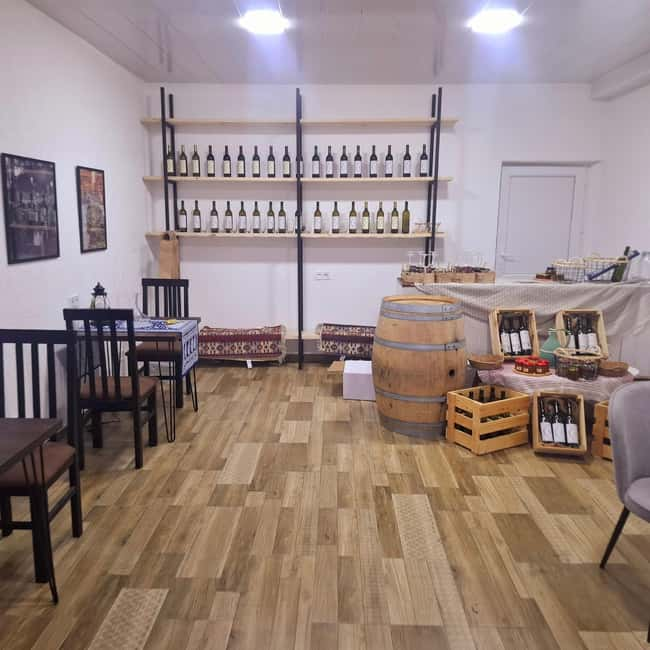
At $22 per person, this is a strong value if you want food, wine, and a cultural activity in one stop. The price includes all ingredients and wine, along with instruction and the meal you prepare.
A restaurant meal could give you khinkali and khachapuri for less or more, depending on where you eat. What you do not get in a restaurant is the chance to learn the folding technique, prepare the dough, hear about qvevri wine, and share the table with a local host.
The value is best for people who care about the process, not only the final plate. If you want a long cooking course with detailed recipe notes, many variations, and extensive practice, this 1.5-hour format may feel brief. If you want a compact activity that combines cooking and tasting without taking up half a day, the timing works well.
The included wine adds real value, especially because it comes from the host’s own winery and is part of the cultural discussion. Chacha is also included in the tasting, giving you another Georgian specialty to try.
Timing, access, and practical details
The class lasts 1.5 hours, with starting times based on availability. That makes it easy to place before or after other plans in Kutaisi. Since the meeting point is across from the Chain Bridge, you can also pair it with a walk toward Bagrati Cathedral.
The experience is offered in English with a live guide. It is wheelchair accessible, and the group is limited to eight participants. If you have particular mobility needs or want to confirm the cooking setup in advance, it is sensible to check the details when booking, even though the activity is listed as accessible.
You should wear clothes that can get dirty. Dough, flour, fillings, and cooking work can be messy, and comfortable clothing will let you take part without worrying about your outfit.
Free cancellation is available up to 24 hours before the activity for a full refund. You can also reserve now and pay later, which is helpful if your Kutaisi plans are still shifting.
Who will enjoy this Kutaisi cooking class?
This experience suits food-focused visitors, couples, small groups of friends, and anyone who wants an easy way to meet local people. It also works for wine enthusiasts who want more context around Georgian winemaking than they would get from a quick tasting at a bar.
Families and mixed-age groups should consider the wine element carefully, since participants need to be of legal drinking age for the tasting. The class is also a good choice for first-time visitors who want an activity tied directly to Georgian culture without committing to a full-day excursion.
You do not need to be a skilled cook. The point is to learn the basics, take part, and enjoy the result. Still, you should arrive ready to work. If you prefer to watch rather than handle dough and fillings, this is not the right format.
The class is also useful on a rainy day or when you want a break from churches, museums, and walking tours. It gives you a different view of Kutaisi through food and conversation.
Should you book it?
Book this class if you want to cook rather than simply order Georgian food, and if a small group, local host, natural wine, and a family-style meal appeal to you. The combination of khinkali, khachapuri, qvevri wine, and chacha offers a lot for $22.
Keep your expectations realistic. The 1.5-hour schedule leaves limited time for repeated practice, especially with khinkali folding. Tell Nana and Giorgi that you want as much hands-on work as possible, and you will get more from the session.
For a compact, social introduction to Georgian food and wine in central Kutaisi, this is an easy recommendation. You leave with a full meal, a few cooking skills, and a clearer sense of why Georgian hospitality is so closely linked to the table.
FAQ
Where does the cooking class take place?
The class takes place at a wine shop in Kutaisi. After crossing the Chain Bridge, you will find the shop across the street. It is also near the starting point of the trail to Bagrati Cathedral.
How long does the experience last?
The cooking class and tasting last 1.5 hours.
What dishes will I prepare?
You will prepare khinkali and khachapuri using traditional Georgian recipes and techniques.
Is wine included?
Yes. Wine is included, including natural locally produced wine made with traditional methods. The experience also includes a tasting of traditional chacha.
Is the class taught in English?
Yes. The activity includes a live English-speaking guide.
How many people are in the group?
The class is a small-group experience limited to eight participants.
What should I wear?
Wear comfortable clothes that can get dirty, since the class is hands-on and involves cooking.
New cooking classes around the world
- Shinjuku Tokyo: Authentic Japanese Home-Style Culinary Class★ 4.9 · 125 reviews
- Shibuya Tokyo: Onigiri & Tamagoyaki Cooking Class★ 5.0 · 4 reviews
- M.O.M COOKING CLASS★ 4.8 · 6 reviews
- Seville: Paella-Cooking Experience with Sangria & Full Meal★ 4.9 · 42 reviews
- Shanghai: Authentic Chinese Cooking Class with Master Chef★ 5.0 · 2 reviews
- Sestri Levante: Pesto & Cooking Classes, Wine Tasting★ 4.9 · 56 reviews
- Seville: Paella Cooking Class & 30-Min Local Expert Q&A★ 4.8 · 37 reviews
- Seoul: Korean Kimchi Cooking Class in the Heart of the City★ 5.0 · 3 reviews
Cooking Classes with Wine Tasting, side by side.
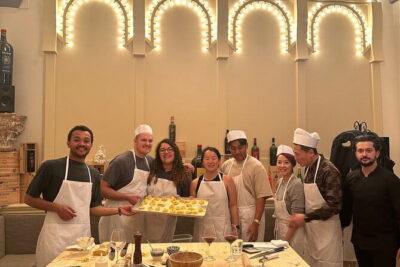
Florence: Pasta Cooking Class with Unlimited Wine
Read our review →
Rome: Pasta Making Class with Wine, Limoncello, and Dessert
Read our review →
Fettuccine & Tiramisù: Cooking Class with Wine & Limoncello
Read our review →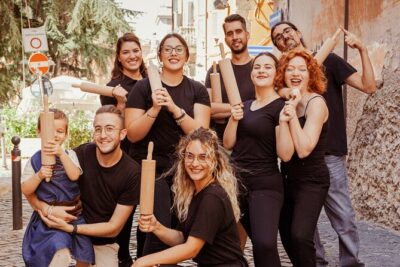
Pasta Making & Wine Tasting with Dinner in Frascati from Rome
Read our review →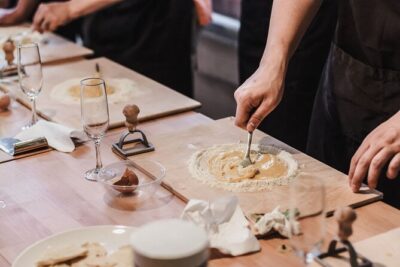
Rome Cooking Class: Make Pasta, Dine & Drink Wine With Local Chef
Read our review →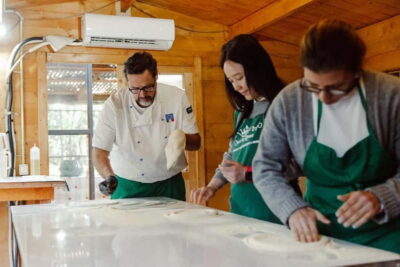
Rome: Combo Pizza and Pasta Cooking Class with Wine
Read our review →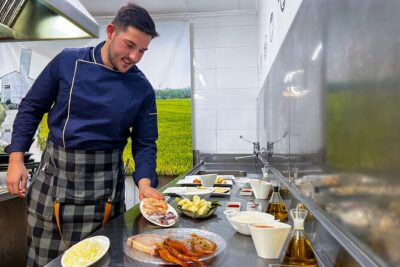
Paella Cooking Class, Wine Tasting & Central Market in Valencia
Read our review →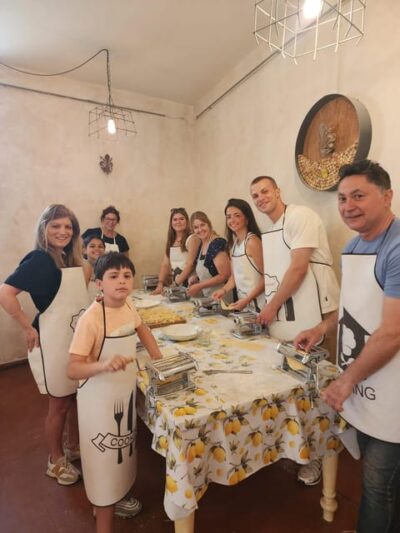
Milan: Pasta and Tiramisu Cooking Class with Wine
Read our review →This kitchen also appears in