
Review · COOKING CLASSES WITH A MARKET TOUR
Kuala Lumpur: Malaysian Cooking Class with Market Tour
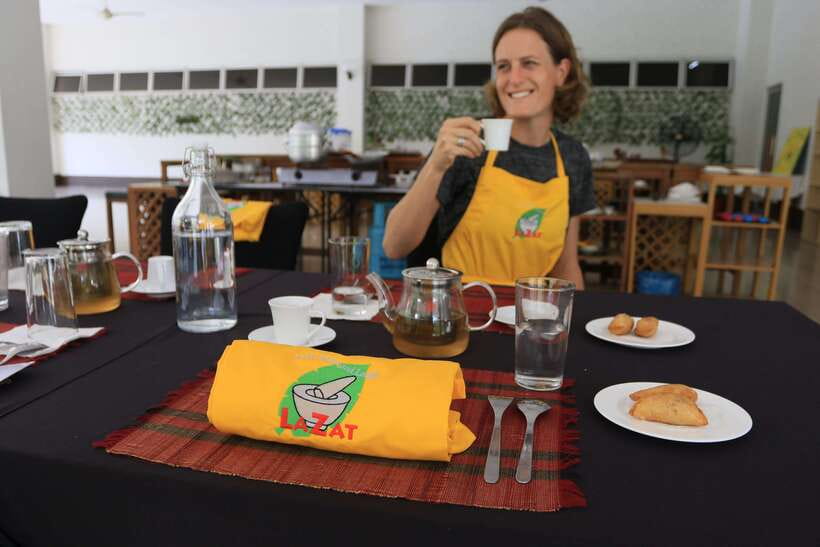
Kuala Lumpur’s food culture makes the most sense when you see the ingredients first. This experience begins at TTDI Wet Market, then moves to LaZat Cooking for a hands-on lunch built around traditional Malaysian recipes, not a quick demonstration where you only watch.
I like the market-to-table flow, and I like having your own burner, utensils, and mortar and pestle. You get to handle the food rather than hover behind a chef. The one drawback is the early start and the meeting point: you must make your own way to the market, and transport after class is not included.
The class also has a personal touch. Saadiah, who often teaches on Saturdays, has drawn particular praise for combining cooking instruction with stories about Malaysian life and culture. Menus change by day, so check the date before booking if you have your heart set on nasi lemak and chicken rendang.
Key points to know before booking
- The day starts at 8:30 AM at TTDI Wet Market, at the entrance facing Jalan Wan Kadir.
- You visit the market before cooking, learning about local ingredients and seeing how they are used.
- You prepare a full three-course lunch, with an appetizer, main course, and dessert.
- Each person gets individual cooking equipment, including a gas burner, utensils, traditional tools, and a mortar and pestle.
- The menu changes with the day, and the food reflects different Malaysian ethnic traditions.
- The class lasts 330 minutes, with market-to-school transport included but transport to the market and after class left to you.
From TTDI Wet Market to the cooking school
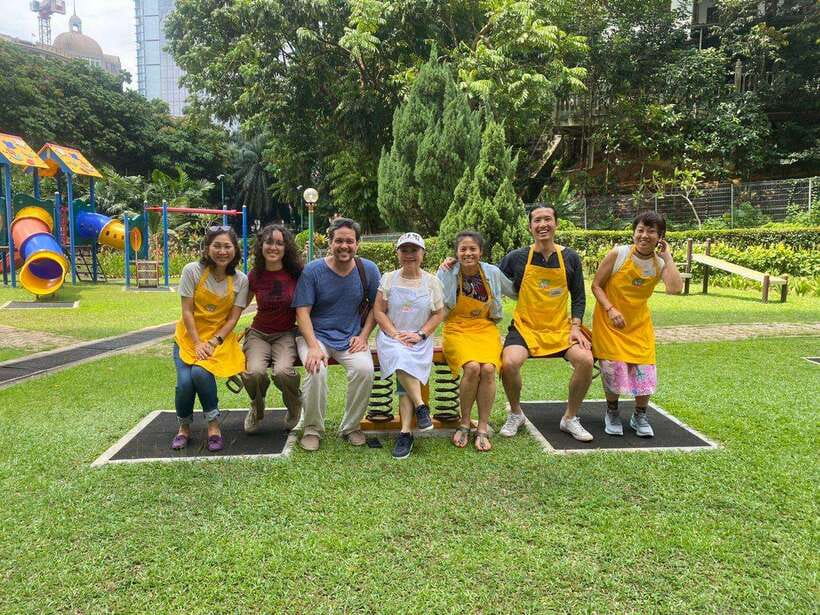
The market visit gives the class its best sense of place. Meet at 8:30 AM at TTDI Wet Market, with the representative waiting at the entrance facing Jalan Wan Kadir. This detail matters because wet markets can have several entrances, and arriving at the wrong side can turn a simple meeting into a morning hunt.
At the market, you learn about fresh local ingredients and the cooking methods connected to them. The point is not simply to look at produce. You begin to understand why Malaysian food depends so much on herbs, spices, and careful preparation. LaZat Cooking also uses herbs and spices from its garden and local farms, so the market visit connects naturally with what happens later in the kitchen.
I would arrive with enough time to find the correct entrance and get settled. The supplied details do not include transport to TTDI Wet Market, so you need to arrange that part yourself. The class does provide a transfer from the market to LaZat Cooking after the tour, which removes one awkward leg of the morning.
The market also offers a chance to eat before class if you wish. One especially useful detail from the experience is the mention of roti canai at the market. Saadiah’s favorite serving there has been singled out as a morning highlight, making it a good local food stop before you begin cooking. The class includes snacks, coffee, and tea, but the market gives you an extra taste of Kuala Lumpur food culture if you arrive hungry.
More Cooking Classes with a Market Tour in the world:
- Hanoi Cooking Class: Culture, Local Market & Meaning CSR Impact
★ 5.0 · 5,147 reviews - 5 Traditional Dishes Hanoi Cooking Class with Market Trip
★ 5.0 · 4,890 reviews - Cooking Class and Lunch at a Tuscan Farmhouse with Local Market Tour from Florence
★ 5.0 · 4,831 reviews
Why the market tour improves the cooking lesson
A cooking class can feel detached from the place where the food comes from. Here, the market helps solve that problem. You encounter ingredients in their everyday setting before using them in a recipe, which makes the later work more memorable and useful.
You also get a clearer sense of how much Malaysian cooking depends on fresh preparation. The school’s approach is built around family recipes, garden herbs, local produce, and traditional methods. Founder Ana’s guiding idea is to massage the ingredients and fill them with love. That is a warm phrase, but it also points to the practical side of the class: seasoning, pounding, mixing, and handling food properly are treated as part of the dish, not as minor chores.
The market portion is not a separate sightseeing stop to rush through. It prepares you for the kitchen. If you are interested in Malaysian food beyond eating it, this is the part that gives the day context.
Your own station and traditional tools
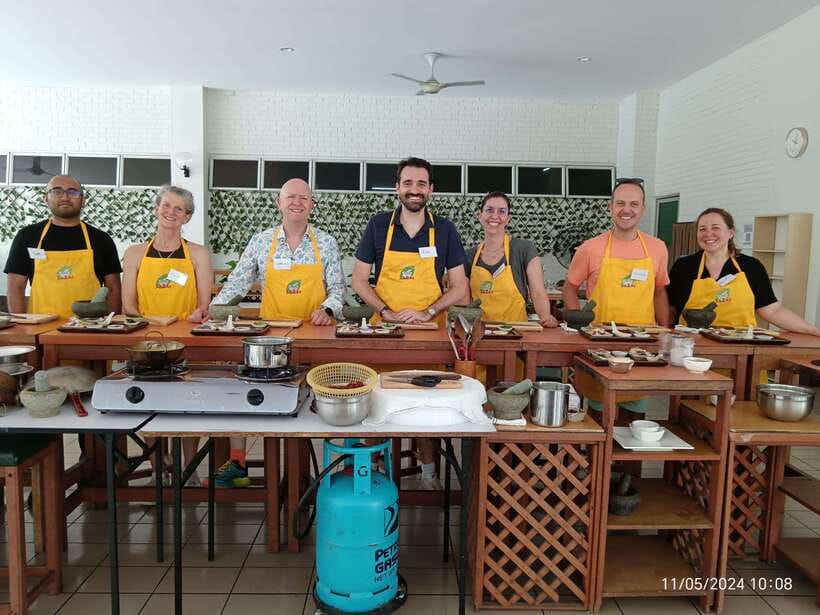
After the market, you transfer to LaZat Cooking School for the hands-on class. Each participant receives an individual equipment set, including a gas burner stove, countertop cooking utensils, traditional utensils, and a mortar and pestle.
That individual setup is a real advantage. In some cooking classes, one person chops while everyone else watches. Here, you have the tools to take part directly. A mortar and pestle also give the lesson a more traditional feel than simply pressing a button on a food processor.
The gas burner setup lets you work through the cooking process yourself, with the instructor guiding the group. You should expect to measure, pound, stir, and cook rather than simply copy a demonstration. The class is designed to be educational and practical, so it suits people who want to remember the method after returning home.
The school welcomes different dietary needs, according to the activity details. Still, you should communicate those needs when booking or before the class so the team can plan properly. The information does not promise that every dish can be adapted on the day without notice.
A three-course lunch with a changing Malaysian menu
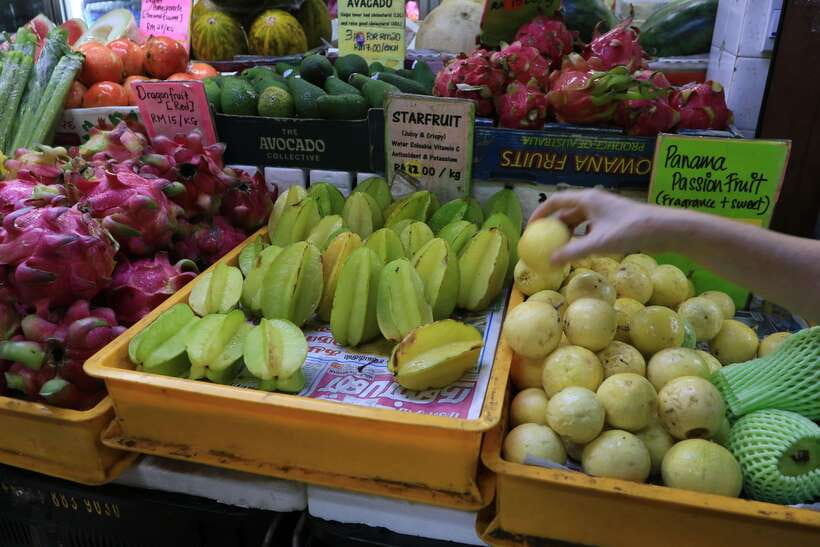
The main event is your own three-course lunch: an appetizer, a main course, and a dessert. The menu changes each day and highlights a different ethnic menu, so there is no single fixed meal that every booking receives.
That changing menu is good for repeat visitors and anyone planning around a particular date. It is less convenient if you want one exact dish. If nasi lemak and chicken rendang are your main goal, check the menu for your chosen day rather than assuming they are always included.
Those dishes have made a strong impression in the class. Nasi lemak is one of Malaysia’s most familiar national dishes, while chicken rendang shows how slow, spice-heavy cooking can turn a simple main ingredient into something far more layered. In this class, you do not just eat them at the end. You learn how the dish comes together and then sit down to enjoy the result.
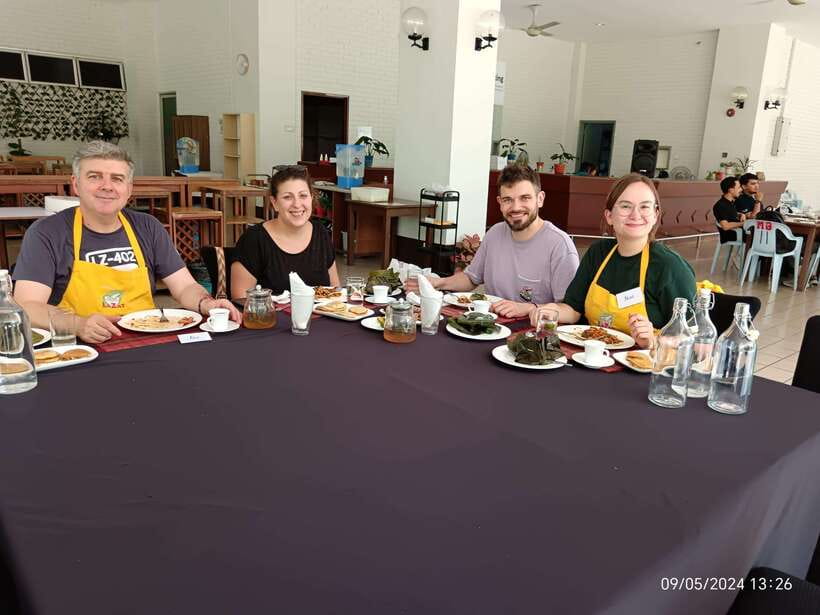
The meal is shared with the instructor and the rest of the small group. That shared lunch gives the class a social finish, but it also means you should be comfortable cooking in a group setting. The activity is friendly and hands-on rather than private or highly formal.
More cooking classes around the world:
- Half-Day Thai Cooking Class at Organic Farm in Chiang Mai
★ 5.0 · 19,087 reviews - Florence: Pasta Cooking Class with Unlimited Wine
★ 4.9 · 10,285 reviews - 3 in 1 Cooking Class near Navona: Fettuccine, Ravioli & Tiramisu
★ 5.0 · 7,376 reviews - Florence: Pasta & Tiramisu Cooking Class with Unlimited Wine
★ 4.9 · 6,708 reviews
The instructors add the human side
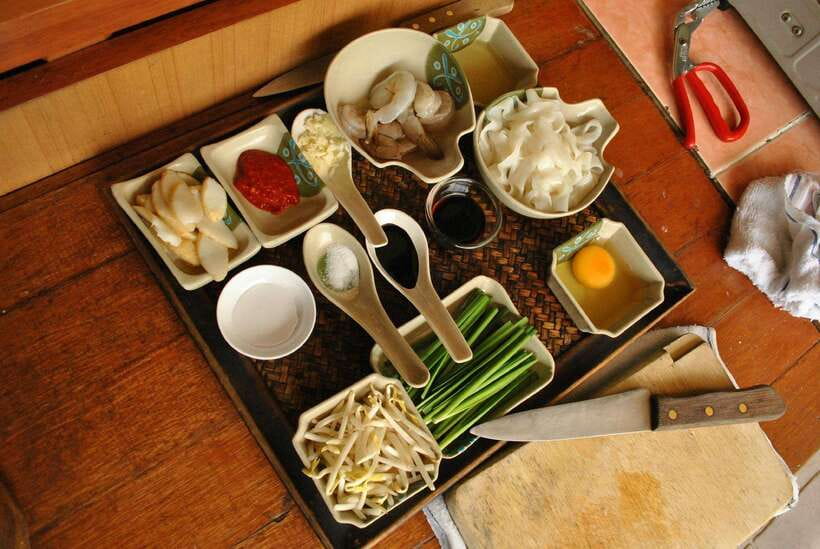
The food is the reason to book, but the instructor can shape the whole morning. Saadiah has received especially warm praise for her teaching, her help in the kitchen, and the way she connects recipes with her life, history, and culture. She usually teaches on Saturdays, so Saturday bookings may appeal if her style is important to you, though an individual instructor is not guaranteed by the supplied details.
The class is offered in English, Malay, and Chinese. That gives you useful flexibility, especially in a mixed-language group. English instruction is available, and the cooking guidance is intended to be clear for people who may have little experience with Malaysian food.
I would choose this experience for the chance to ask questions while working. The market guide also has a close relationship with the stallholders, which helps the first part feel more personal than a simple walk past food displays. You get practical explanations and local contact without needing to organize a separate food tour.
The tone appears warm rather than showy. The hosts pay attention to safety and enjoyment, and the class is built for both individuals and groups. That makes it a good choice if you are traveling alone and want a social activity, but it can also work for friends or family members who want to cook together.
Timing, cost, and what the price covers
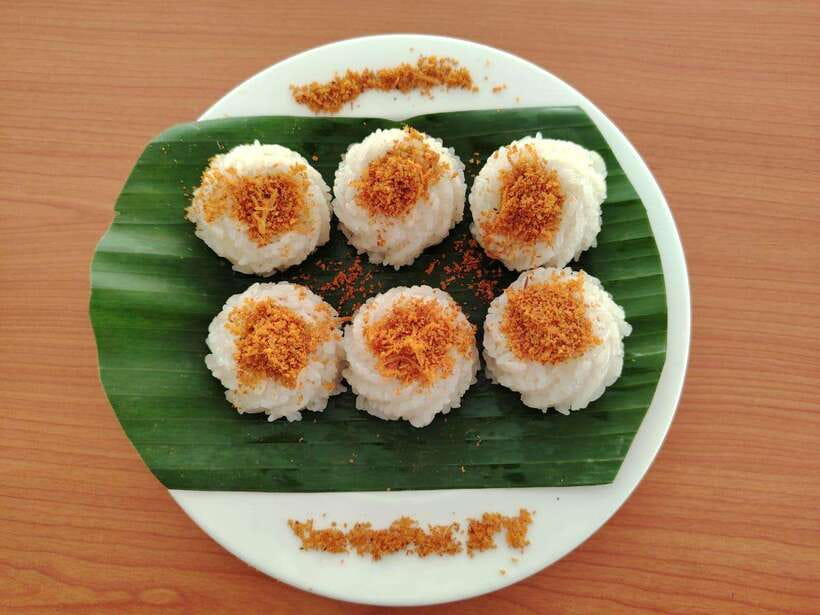
The class lasts 330 minutes, or five and a half hours. With an 8:30 AM market start, this takes up most of your morning and part of your afternoon. You should avoid scheduling a tight midday commitment afterward, especially since the activity has no included transport after class.
At $149 per person, this is not a cheap meal or a quick cooking demonstration. You are paying for a long, guided experience that combines a market tour, transport from the market to the school, snacks, coffee or tea, individual cooking equipment, instruction, and a three-course lunch.
I think the price makes the most sense if you value participation and cultural context. If you only want to taste Malaysian food, a food tour or restaurant meal will cost less. If you want to learn how the dishes are made, meet local instructors, shop through a market with guidance, and cook a full meal yourself, the half-day format gives the price a stronger case.
The included equipment also matters. You do not need to share one burner or wait for a turn with the main tools. You receive a complete station, including traditional utensils and a mortar and pestle, which makes the class more active and helps justify the cost.
The price does not include alcohol, transport to TTDI Wet Market, or transport after class. Coffee, tea, snacks, and the market-to-school transfer are included. Keep those separate transport costs in your morning budget.
Who will enjoy this class most
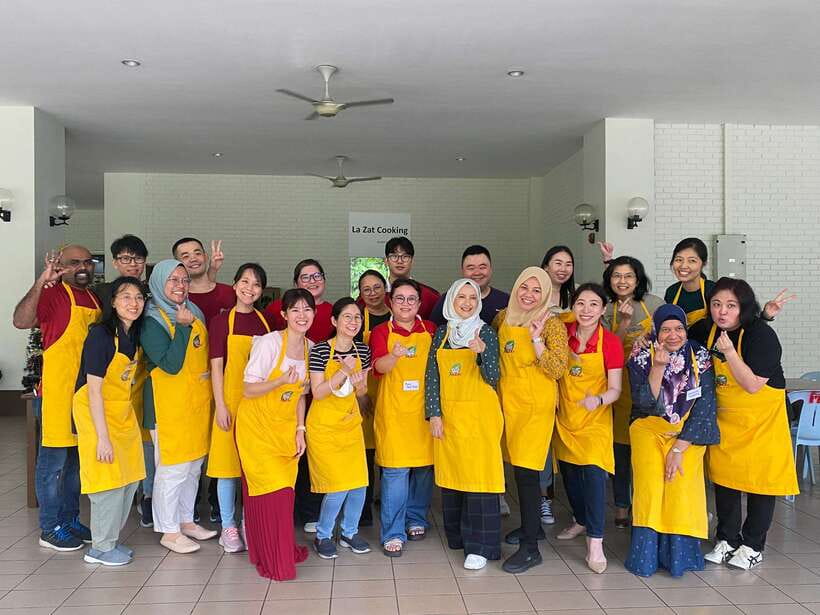
I would recommend this for people who plan trips around food, especially those who want more than a restaurant list. It suits beginners because the instructor leads the process, while the individual stations give confident home cooks enough to do.
It is also a good match for anyone curious about the connection between Malaysian food and family tradition. The recipes are presented as dishes with memories and stories behind them, not just items on a printed menu.
Solo visitors can benefit from the small-group setup and shared lunch. Couples and friends get a structured activity with plenty of time to work side by side. Families should consider the five-and-a-half-hour length and the early meeting time before booking.
I would be more cautious if you dislike morning activities, have a strict diet that requires advance planning, or want a private lesson. The experience welcomes dietary needs, but it is still a group class. The menu also changes, so it is not ideal for someone determined to cook one specific dish unless the date matches.
Practical details that can shape your morning
The meeting point is TTDI Wet Market, at the entrance facing Jalan Wan Kadir. Do not go directly to the cooking school at the start unless you have arranged to skip the market tour. The activity allows you to join later if you prefer, but you should confirm the timing and meeting instructions before setting out.
Wear something comfortable for a long morning of walking, standing, and cooking. The provided information does not specify a dress code or protective clothing, so I would avoid clothing that you would worry about around spices, oils, or cooking stains.
You can cancel up to 24 hours in advance for a full refund, and the booking option allows you to reserve now and pay later. Those policies help if your Kuala Lumpur plans are still moving around, but the key practical issue remains the early market meeting and your own transport arrangements.
The class is offered in English, Malay, and Chinese. Alcohol is not included. Snacks, coffee, and tea are included, along with the transfer from the wet market to LaZat Cooking after the market visit.
Should you book LaZat Cooking?
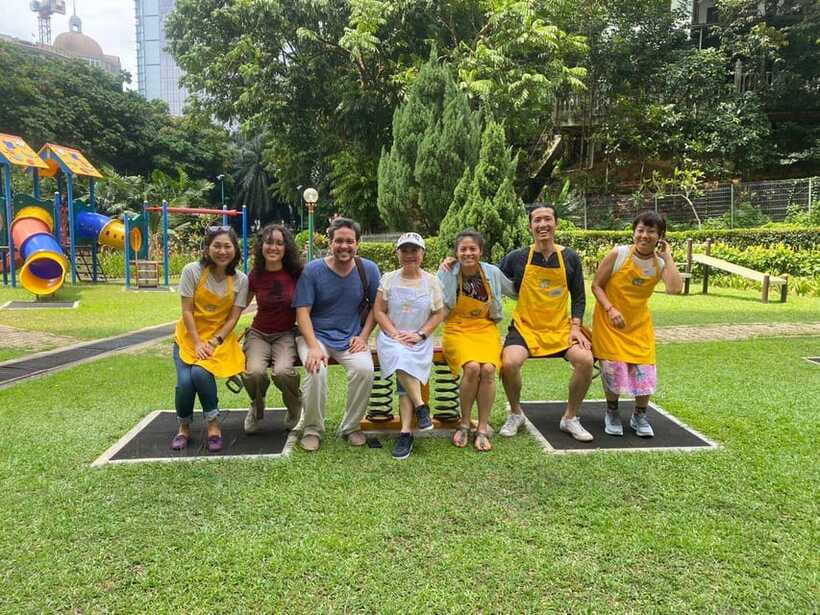
I would book this if you want a hands-on Malaysian food experience with a real market beginning and a full lunch at the end. The strongest reasons are the individual cooking stations, the changing ethnic menus, the traditional tools, and the chance to learn from instructors such as Saadiah, whose storytelling adds meaning to the recipes.
I would skip it if your schedule cannot handle a 8:30 AM start, if you want a short class, or if $149 feels too high for a food activity. Also check the menu before booking if nasi lemak or chicken rendang is your priority.
For the right person, this is a useful Kuala Lumpur morning: shop with guidance, cook with your own hands, and sit down to eat what you made. Just plan the transport carefully and leave the afternoon open.
FAQ
Where does the Malaysian cooking class begin?
The class begins at TTDI Wet Market, also called Pasar Besar TTDI. Meet the representative at the entrance facing Jalan Wan Kadir.
What time does the market tour start?
The market tour starts at 8:30 AM.
Is transport included?
Transport from the wet market to LaZat Cooking School after the market tour is included. Transport to TTDI Wet Market and transport after the class are not included.
What food will I cook?
You will prepare a three-course lunch with an appetizer, main course, and dessert. The menu changes each day and features a different ethnic menu. Nasi lemak and chicken rendang are included on some class days, but the available menu depends on your booking date.
What equipment is provided?
Each participant receives an individual gas burner stove, countertop cooking utensils, traditional utensils, and a mortar and pestle.
Can I cancel or pay later?
You can cancel up to 24 hours in advance for a full refund. You can also reserve your place and pay later, keeping your travel plans flexible.
New cooking classes around the world
- Shinjuku Tokyo: Authentic Japanese Home-Style Culinary Class★ 4.9 · 125 reviews
- Shibuya Tokyo: Onigiri & Tamagoyaki Cooking Class★ 5.0 · 4 reviews
- M.O.M COOKING CLASS★ 4.8 · 6 reviews
- Seville: Paella-Cooking Experience with Sangria & Full Meal★ 4.9 · 42 reviews
- Shanghai: Authentic Chinese Cooking Class with Master Chef★ 5.0 · 2 reviews
- Sestri Levante: Pesto & Cooking Classes, Wine Tasting★ 4.9 · 56 reviews
- Seville: Paella Cooking Class & 30-Min Local Expert Q&A★ 4.8 · 37 reviews
- Seoul: Korean Kimchi Cooking Class in the Heart of the City★ 5.0 · 3 reviews
Cooking Classes with a Market Tour, side by side.
Hanoi Cooking Class: Culture, Local Market & Meaning CSR Impact
Read our review →
5 Traditional Dishes Hanoi Cooking Class with Market Trip
Read our review →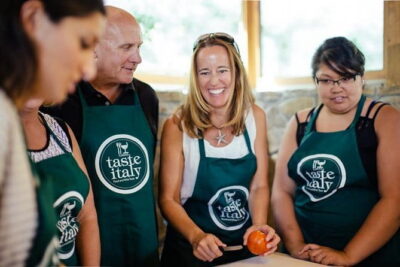
Cooking Class and Lunch at a Tuscan Farmhouse with Local Market Tour from Florence
Read our review →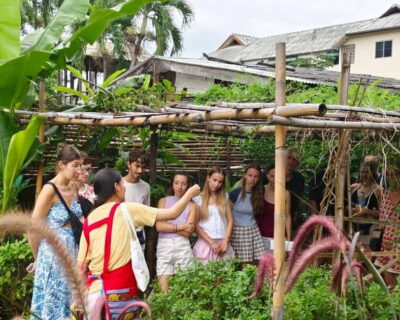
Chiang Mai: Cooking Class, Market & Thai Herbs Garden Tour
Read our review →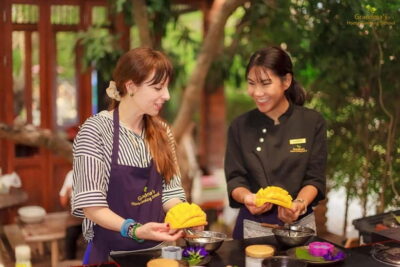
Chiang Mai: Authentic Cooking Class with Market & Farm Visit
Read our review →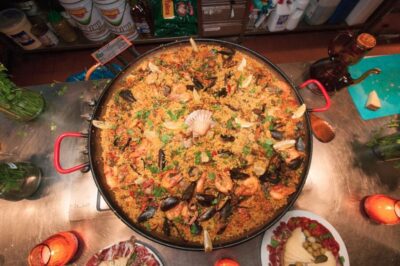
Barcelona: Paella Cooking Experience & Boqueria Market Tour
Read our review →
Cooking Class Hoi An:Local Market, Basket Boat, Fishing & Cooking
Read our review →
Hoi An Cooking Class(Market,BasketBoat Crabfishing&Cooking Class)
Read our review →This kitchen also appears in