
Review · COOKING CLASSES WITH A MARKET TOUR
Local Market Tour and Traditional Meal Cooking Class
The best part of this Nairobi experience is the change of setting: you start at a real local market, then carry your fresh purchases into a private home and cook them with your guide. I like the market-to-table format and the chance to use public transport like a local, if you choose. The group is limited to six, so the cooking should feel personal rather than staged.
I also like that the meal can suit vegetarian, vegan, pescatarian, and meat-eating diets. The main consideration is the apartment’s fourth-floor walk-up, with no lift, and hotel transport is not included. Plan your shoes and your legs accordingly.
Key points to know before you book
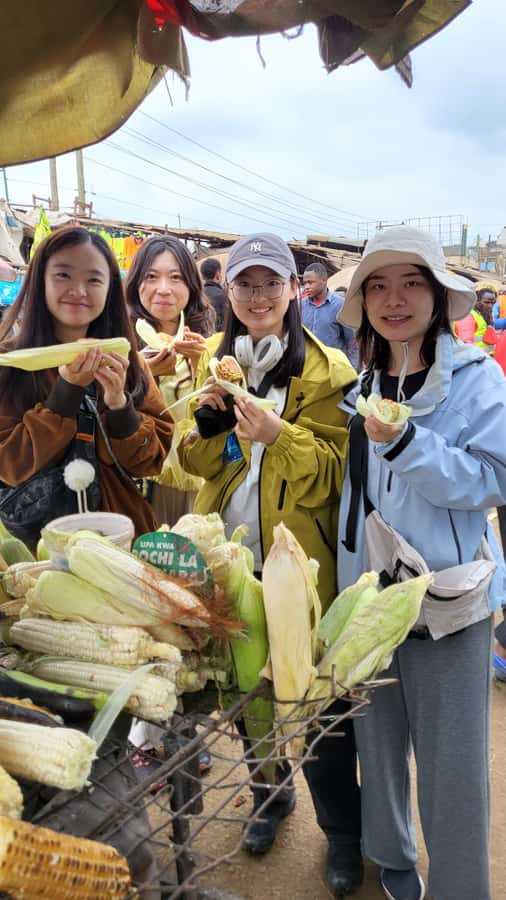
- Fresh shopping comes first: You visit a local farmers market and help choose the ingredients for the meal.
- A home kitchen replaces a tourist restaurant: The cooking takes place in the guide’s apartment, about 10 minutes from the market, depending on traffic.
- Matatu travel is optional: You can add a public transport experience for a closer look at daily Nairobi life.
- The meal fits several diets: Vegetarian, vegan, pescatarian, and meat-based requests can be accommodated.
- Small groups keep it personal: A maximum of six participants leaves room for conversation and hands-on work.
- The stairs matter: The apartment is on the fourth floor and the building has no lift.
Why the market is the heart of the experience

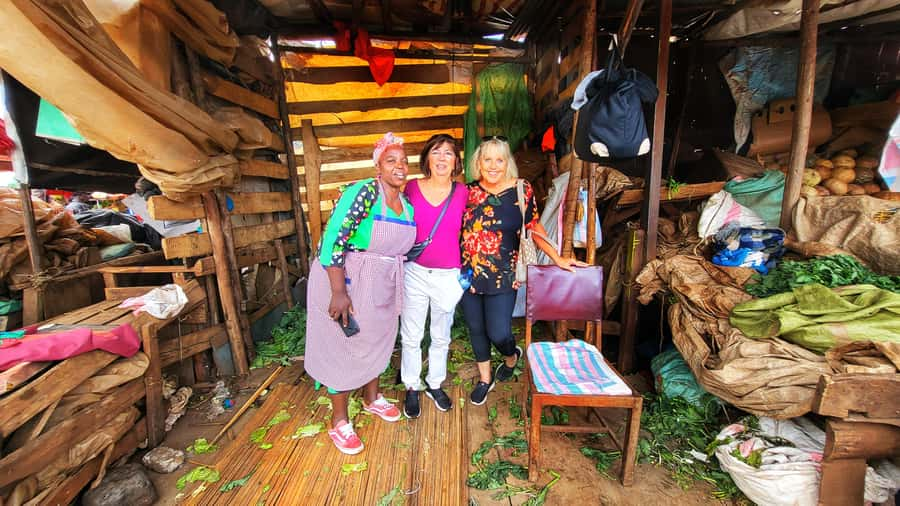
Many food tours show you a finished dish. This one begins before the cooking, when you walk through a Kenyan market and shop for fresh food with your guide. That small detail changes the feel of the day. You are not just sitting down to eat a meal prepared by someone else. You are seeing where the ingredients come from and helping decide what goes into the pot.
The market visit lasts about 30 minutes. That is enough time to see the produce, learn about common local foods, and make a few purchases without turning the experience into a long shopping trip. Your guide can explain how food is selected and used at home, while you get a closer look at ordinary Nairobi life.
I would not expect a polished market built for sightseeing. The appeal is the everyday setting. You may need to pay attention to your footing, keep your belongings secure, and stay close to the guide. Wear comfortable closed shoes, especially if rain has made the ground slippery.
The guide also helps you move from the market to the next part of the day. That makes the first stop useful even if you have little experience navigating Nairobi. You are learning about food, but also about how a local food shop fits into the rhythm of the city.
More Cooking Classes with a Market Tour in the world:
- Hanoi Cooking Class: Culture, Local Market & Meaning CSR Impact
★ 5.0 · 5,147 reviews - 5 Traditional Dishes Hanoi Cooking Class with Market Trip
★ 5.0 · 4,890 reviews - Cooking Class and Lunch at a Tuscan Farmhouse with Local Market Tour from Florence
★ 5.0 · 4,831 reviews
Starting at Westlands Square
The meeting point is Westlands Square, at the entrance near the Java cafe. The experience begins at either 11:30am or 5pm, depending on the departure you select. Arriving a little early is sensible, since you will want to find the cafe and meet the guide without rushing.
Westlands gives the experience an easy starting point for people staying in or near the area. There is no hotel pickup or drop-off, so you need to arrange your own way to the meeting point. At the end, the guide can help you request an Uber from the apartment, but the ride back is at your own cost.
The stated duration is three hours. That makes this a manageable addition to a Nairobi day rather than a full-day commitment. Still, traffic can affect the transfer from the market to the apartment, so do not schedule a tight airport transfer or another fixed appointment immediately afterward.
Riding a matatu, if you want the local version
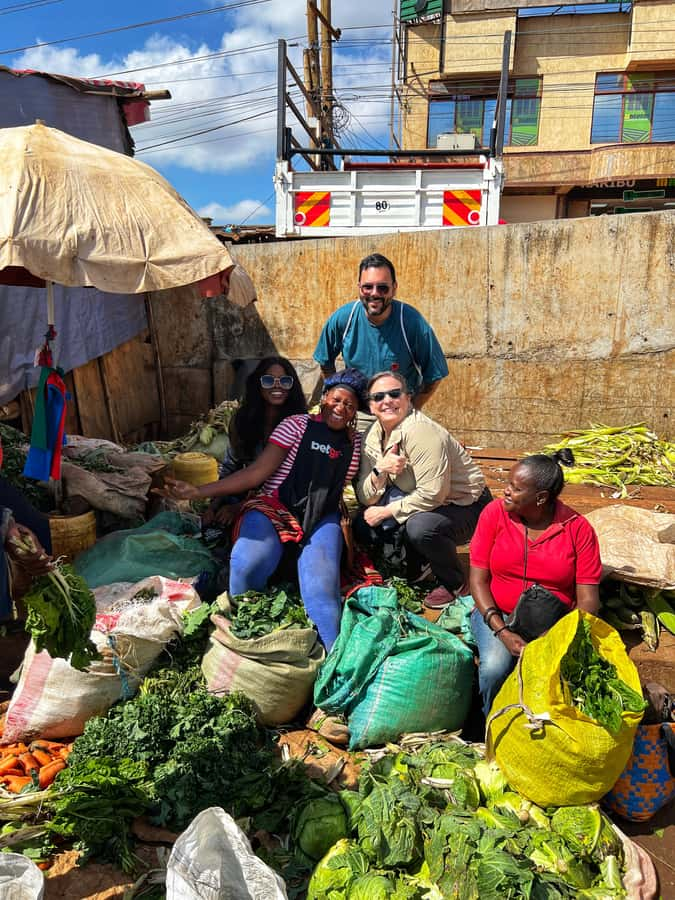
The public transport portion is optional, and that is a useful choice. A matatu is a common form of local transport in Kenya, so riding one can add a direct look at daily movement around Nairobi. You are not required to take it if you would rather keep the experience centered on the market and cooking.
For some people, the matatu ride will be one of the most memorable parts. It turns a simple transfer into a practical cultural lesson. You get to see how residents move around the city instead of viewing Nairobi only through a private vehicle.
For others, this may be the part to approach with care. Public transport can feel less predictable than a private car, and the experience is not designed around tourist comfort. Ask the guide how this portion will work when you meet. Since it is optional, you can make the call based on your energy, comfort, and plans for the rest of the day.
From market basket to home kitchen
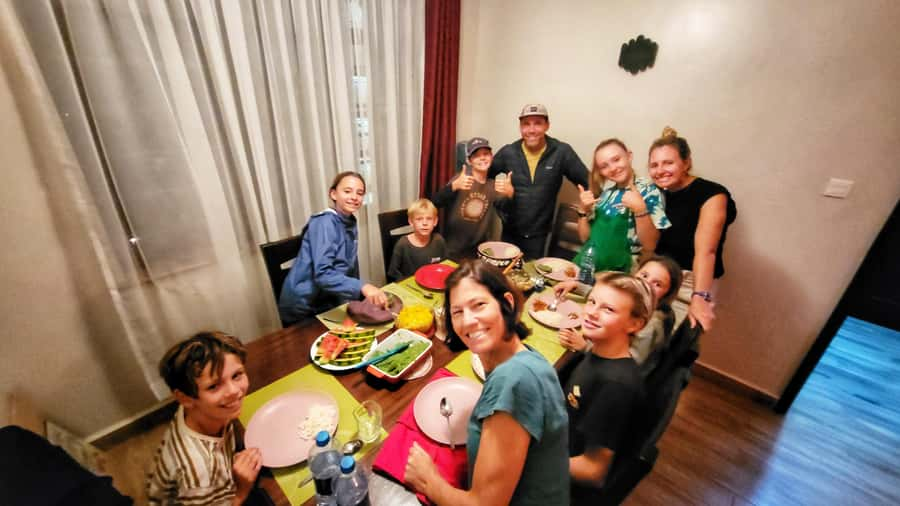
After shopping, you head to the guide’s home, around 10 minutes from the market when traffic allows. The apartment is on the fourth floor and there are stairs only. That is a simple but important fact. If you have mobility concerns, ask the provider for clarification before booking, since the activity is also described as wheelchair accessible.
Once you arrive, you can take a short break, use the washroom, connect to Wi-Fi, and have a refreshment before cooking begins. This pause helps the experience feel like a visit to someone’s home, not a rushed cooking demonstration.
The home setting is the main reason this tour feels different from a standard food class. You have a chance to talk with a local guide about food habits, family meals, and everyday life in Nairobi while working side by side. The setting is informal, though you should dress modestly. A trouser or long skirt is recommended, and crop tops and shorts are not suitable.
Expect to get your hands dirty. This is a practical class, so you will help prepare the food rather than simply watch the guide do everything. The exact dishes are not specified in advance, which gives the guide room to work with the market ingredients and your dietary needs. If you have a specific meal request, contact the provider before the experience.
More cooking classes around the world:
- Half-Day Thai Cooking Class at Organic Farm in Chiang Mai
★ 5.0 · 19,087 reviews - Florence: Pasta Cooking Class with Unlimited Wine
★ 4.9 · 10,285 reviews - 3 in 1 Cooking Class near Navona: Fettuccine, Ravioli & Tiramisu
★ 5.0 · 7,376 reviews - Florence: Pasta & Tiramisu Cooking Class with Unlimited Wine
★ 4.9 · 6,708 reviews
What you will cook and eat
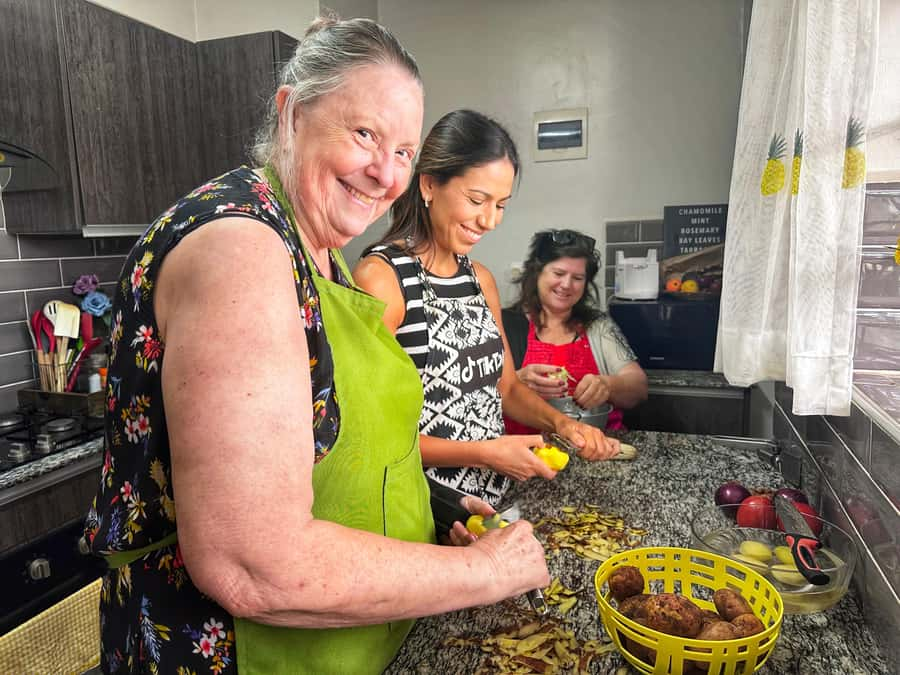
The meal is described as a loved Kenyan traditional and national meal, made with fresh local ingredients. The information does not name a fixed menu, so you should not book expecting one particular dish unless you have confirmed it ahead of time.
That flexibility can work in your favor. A vegetarian or vegan meal can be planned without treating it as an afterthought. Pescatarians and meat eaters can also be accommodated. Tell the guide about your preferences early, especially if you have allergies or need a particular type of meal.
The final part is shared eating and sampling. You get to taste what you helped prepare and ask questions while the meal is still fresh. This is where the market visit and cooking class come together. You can connect the ingredients you saw earlier with the finished food on your plate.
One point to note is the restriction for people with animal allergies. The activity is not recommended for them. If an allergy is a concern, ask the provider for details before paying, rather than relying only on a general dietary request.
What the small group changes
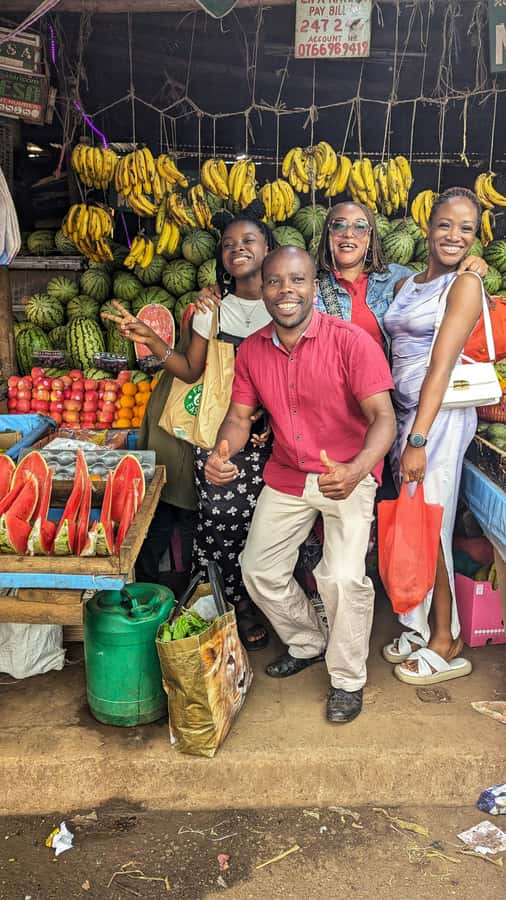
The group limit is six people. That number is small enough for direct conversation, which matters in a home kitchen. You should have a better chance to ask questions, take part in the preparation, and speak with the guide than you would in a large class.
The experience is offered in English and Swahili. English-speaking visitors should be able to follow the main activities, while the use of Swahili adds a natural local touch. If you are interested in language, ask your guide to teach you a few food-related words as you shop and cook.
The personal side of the experience has received the strongest praise. Uwe specifically valued Gladys’s care with security, meal preparation, cooking, and presentation. Another couple enjoyed the personal touch of taking a bus, shopping, and cooking in a home. Peta described Ninoh’s market visit as full of local insight and community connection, and called the cooking warm and hands-on.
Those details suggest that the guide is central to the experience. The names appearing in the feedback are Gladys and Ninoh, so confirm who will lead your departure when booking. The best version of this tour depends less on a set menu and more on the guide’s ability to make the market and kitchen understandable.
Is $64 a fair price?
At $64 per person, this is not the cheapest way to eat in Nairobi. But the fee covers several connected parts: a guided market visit, ingredient shopping, a cooking class, the meal, and the local cultural conversation around it. In a group of up to six, you are paying for access to a personal home setting as well as food.
The value is strongest if you want participation, not just a plate of Kenyan food. You are spending time with a local guide, learning how ingredients are bought, and helping prepare the meal. The optional matatu ride adds another useful layer at no separate cost, though your own taxi to and from the meeting points is not included.
The value is weaker if you prefer a fixed menu, a formal restaurant, or private door-to-door transport. You will need to reach Westlands Square yourself, and you will pay for the ride home. The apartment stairs may also be a drawback for some people.
Still, the price is reasonable for a small-group activity that includes food and a hands-on lesson. It is especially worthwhile if you are trying to understand daily life through cooking rather than simply sampling dishes in a restaurant.
Practical advice for a comfortable visit
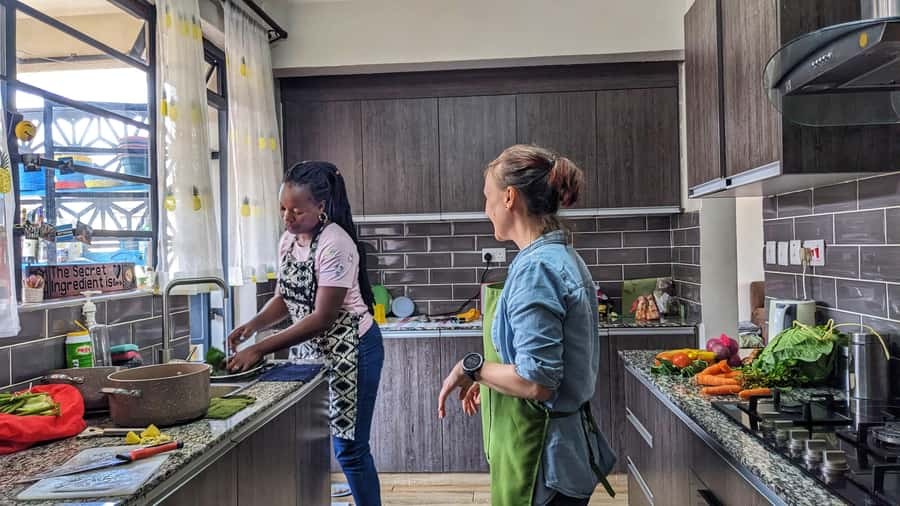
Wear flat, closed shoes or sport shoes. You will walk through the market, possibly use public transport, and climb four flights of stairs. Comfortable clothing is more important than dressing up.
Bring an umbrella or raincoat during the rainy season, plus a light jacket. Nairobi weather can change during the day, and the market portion takes place outdoors.
Dress decently, with trousers or a long skirt preferred. Crop tops and shorts are not suitable for the home visit. This is a modest, respectful choice and also practical for moving around the market.
Keep your schedule flexible after the class. The advertised duration is three hours, but road traffic can affect the transfer from the market. The activity finishes at Waiyaki Real Gardens on Waiyaki Way, and you should arrange your onward transport from there or ask the guide to help request an Uber from the apartment.
Cancellation is free up to 24 hours before the start time, and you can reserve now and pay later. Those terms are useful if your Nairobi plans may change, but they do not remove the need to check the departure time and meeting point carefully.
Who will enjoy this Nairobi food experience most?
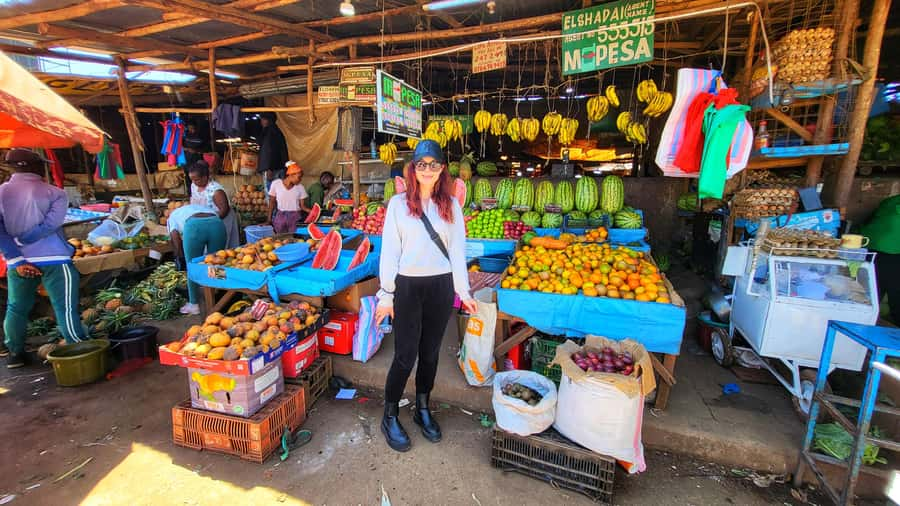
I would recommend it to you if you want a personal introduction to Kenyan food and ordinary city life. It suits curious eaters, solo visitors, couples, and small groups who enjoy asking questions and taking part in the work.
It is also a good choice for visitors who have already seen Nairobi’s main sights and want a more grounded activity. The market, matatu option, and home kitchen show a side of the city that a standard sightseeing route cannot provide.
Families and older visitors should think about the stairs and the three-hour schedule. The activity is marked wheelchair accessible, but the fourth-floor apartment without a lift creates a clear access concern. Contact the provider before booking if anyone in your group has mobility needs.
People with animal allergies should skip this experience, since it is specifically not recommended for them. Anyone with strict dietary requirements should also send a request in advance, even though several diet types can be accommodated.
Should you book the market and cooking class?
Book it if you want to shop, cook, talk, and eat in a local home. The market-to-kitchen route is the experience’s real strength, and the small group makes it easier to get personal attention from the guide. The strongest praise has centered on security, warm hosting, hands-on preparation, and the connection between the market and the meal.
Skip it if you need hotel pickup, a guaranteed menu, a polished restaurant setting, or a lift to the kitchen. Check the stairs, transport, dietary arrangements, and guide’s name before confirming. For most able-bodied visitors who want an active and personal taste of Nairobi, $64 buys more than lunch. It buys a useful look at how food, transport, and hospitality fit together in everyday Kenya.
FAQ
Where does the experience begin?
Meet the guide at Westlands Square, near the entrance to the Java cafe.
What time does the tour start?
The experience begins at either 11:30am or 5pm. Check availability for the exact departure time.
Is hotel pickup included?
No. Hotel pickup and drop-off are not included. You must reach Westlands Square yourself, and your return taxi or Uber is also at your own cost.
How many people can join?
The activity is a small-group experience limited to six participants.
Can the meal accommodate different diets?
Yes. The meal can accommodate vegetarian, vegan, pescatarian, and meat-eating diets. Contact the provider in advance for specific meal requests.
Is the apartment accessible by lift?
No. The apartment is on the fourth floor and the building has stairs only. Although the activity is described as wheelchair accessible, you should contact the provider before booking if you need step-free access.
New cooking classes around the world
- Shinjuku Tokyo: Authentic Japanese Home-Style Culinary Class★ 4.9 · 125 reviews
- M.O.M COOKING CLASS★ 4.8 · 6 reviews
- Shibuya Tokyo: Onigiri & Tamagoyaki Cooking Class★ 5.0 · 4 reviews
- Seville: Paella-Cooking Experience with Sangria & Full Meal★ 4.9 · 42 reviews
- Shanghai: Authentic Chinese Cooking Class with Master Chef★ 5.0 · 2 reviews
- Sestri Levante: Pesto & Cooking Classes, Wine Tasting★ 4.9 · 56 reviews
- Seville: Paella Cooking Class & 30-Min Local Expert Q&A★ 4.8 · 37 reviews
- Seoul: Korean Kimchi Cooking Class in the Heart of the City★ 5.0 · 3 reviews
Cooking Classes with a Market Tour, side by side.
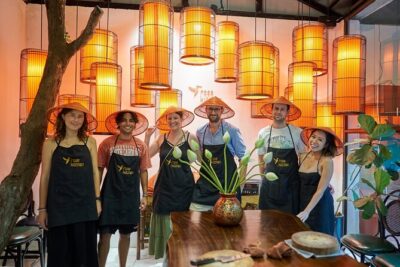
Hanoi Cooking Class: Culture, Local Market & Meaning CSR Impact
Read our review →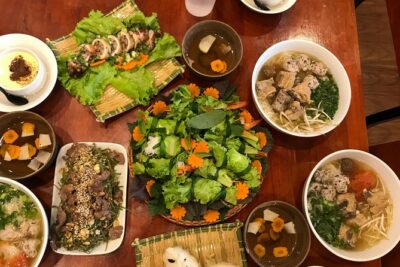
5 Traditional Dishes Hanoi Cooking Class with Market Trip
Read our review →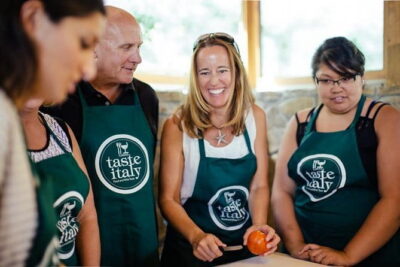
Cooking Class and Lunch at a Tuscan Farmhouse with Local Market Tour from Florence
Read our review →
Chiang Mai: Cooking Class, Market & Thai Herbs Garden Tour
Read our review →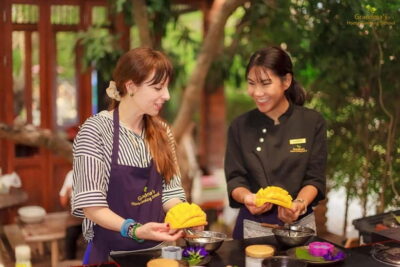
Chiang Mai: Authentic Cooking Class with Market & Farm Visit
Read our review →
Barcelona: Paella Cooking Experience & Boqueria Market Tour
Read our review →
Cooking Class Hoi An:Local Market, Basket Boat, Fishing & Cooking
Read our review →
Hoi An Cooking Class(Market,BasketBoat Crabfishing&Cooking Class)
Read our review →This kitchen also appears in