
Review · COOKING CLASSES WORLDWIDE
Makati: Hands on Manila Cooking Class
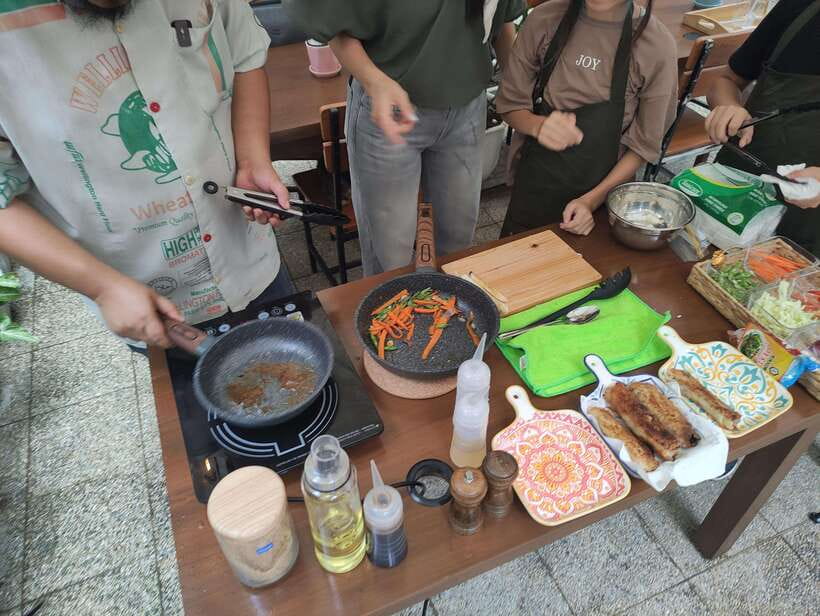
Filipino food comes into focus here through three dishes you can actually recreate at home: pancit noodles, lumpia spring rolls, and turon, a sweet banana treat. Chyl, the local instructor, guides you through each one while sharing family stories and food customs, so this is as much a cultural lesson as a cooking session.
I like the small groups of no more than four, which give you room to handle the ingredients and ask questions. I also like the generous meal at the end. The food is described as merienda, or a snack, but the combination of savory dishes and dessert can easily fill two meals.
The main consideration is the open-air setting. It can be pleasant in good weather, but rain has caused inconvenience in the past. The meeting point may also take some effort to find, so contact the organizer and allow time for traffic and a Grab ride.
Key details before you book
- Three practical Filipino recipes: Prepare pancit, lumpia, and turon from fresh ingredients.
- A personal teaching style: Chyl explains cooking steps, family traditions, and the place of food in Filipino life.
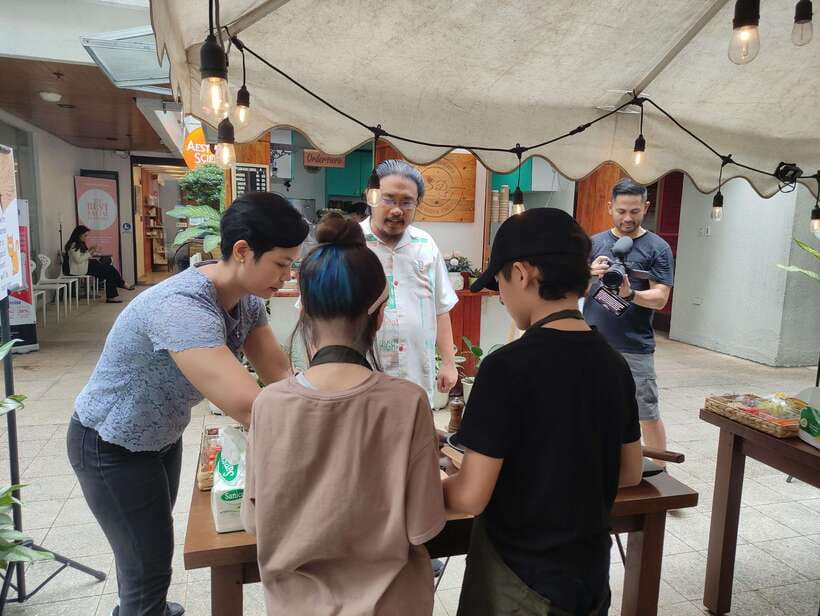
- Small group attention: The class is limited to four people, and it may proceed even if you are the only participant.
- A full meal for a snack price point: The portions can be large enough to leave you with food for later.
- Two hours in Makati: The class fits neatly into an afternoon near Greenbelt Mall and The Peninsula area.
- Good for beginners: Equipment, ingredients, and a nonalcoholic drink are included.
Filipino cooking through pancit, lumpia, and turon
This class works because it avoids trying to teach all of Philippine cuisine in one sitting. Instead, you make three familiar foods that show different sides of Filipino cooking.
Pancit gives you the noodle dish. Lumpia brings in the careful work of filling and wrapping spring rolls. Turon supplies the sweet finish, with banana wrapped and fried in a style many Filipino families know from home kitchens and everyday snack stalls.
You are not simply watching a chef work. The equipment and ingredients are set out for you, and you take part in preparing and cooking the food. That makes the class useful for home cooks who want more than a tasting.
The recipes also offer a sensible first step into Filipino food. You do not need a pantry full of rare products to understand the basic approach. The dishes use simple ingredients, yet the final results can be varied and satisfying. You learn the kind of food that can join your regular cooking routine instead of remaining a holiday memory.
More cooking classes around the world:
- Half-Day Thai Cooking Class at Organic Farm in Chiang Mai
★ 5.0 · 19,087 reviews - Florence: Pasta Cooking Class with Unlimited Wine
★ 4.9 · 10,285 reviews - 3 in 1 Cooking Class near Navona: Fettuccine, Ravioli & Tiramisu
★ 5.0 · 7,376 reviews
Meeting Chyl and learning through stories
Chyl is the central reason this class feels personal rather than mechanical. Her teaching style is calm, patient, and encouraging, which matters if you are new to cooking or unsure around a hotplate.
You can expect instructions on preparing ingredients, handling utensils, and cooking each dish. Chyl also explains food traditions, family life, and the role of Filipino snacks and celebrations. Her stories give context to dishes that might otherwise seem like a simple noodle plate, spring roll, or fried banana.
I especially like this balance of instruction and conversation. Filipino cuisine developed across more than 7,000 islands, with traditions shaped by both mountain and coastal communities. You will not cover that entire subject in two hours, but the class gives you a useful doorway into it.
The teaching also adapts to the group. If you are alone, you may receive nearly one-to-one attention. If you come with friends or family, you still have a small enough class for direct help. One participant arrived late after trouble finding a Grab, and Chyl waited patiently and still allowed the full cooking time. That suggests a forgiving approach, though you should not treat late arrival as part of the plan.
A closer look at the two-hour cooking session
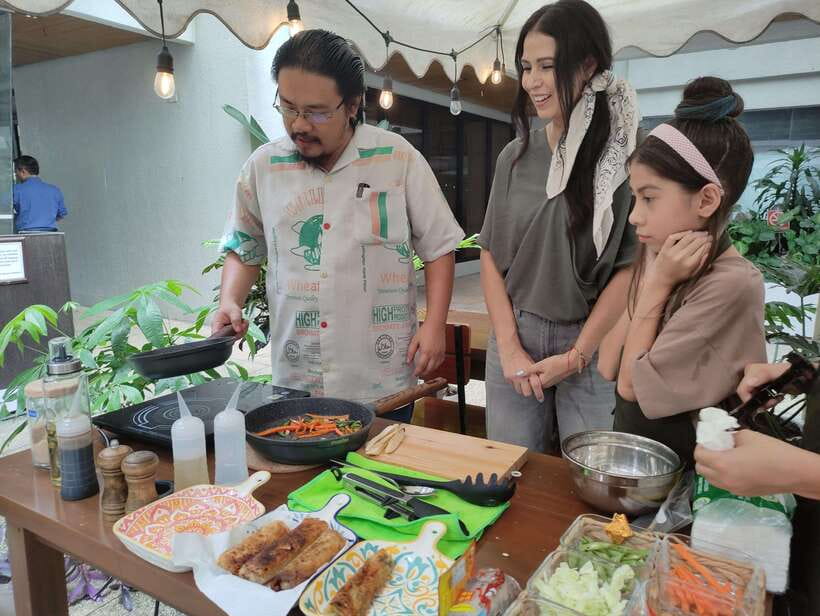
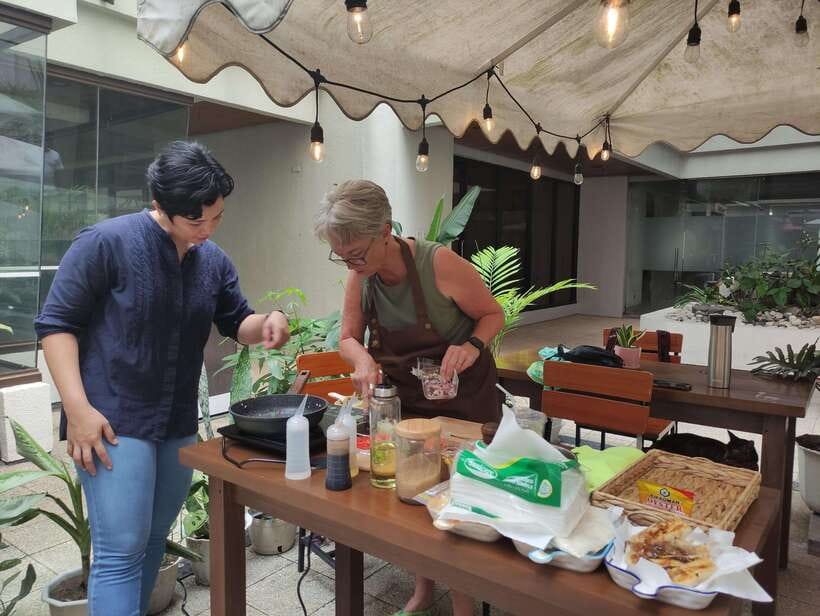
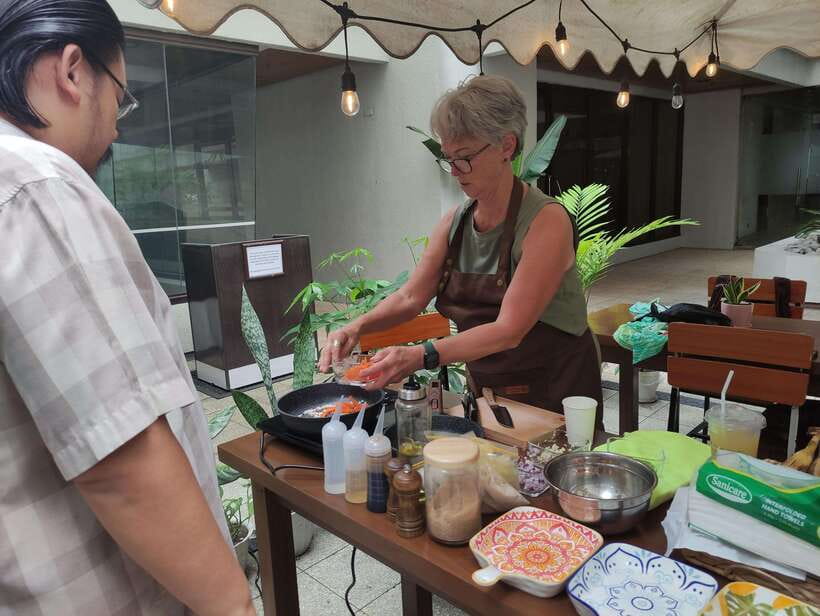
The class begins at an outdoor courtyard in front of a coffee kiosk. Look for your instructor there. The exact venue can be difficult to identify, so send a message to the organizer before the activity and use the local Grab app to reach the meeting point.
Once you arrive, you will find the cooking equipment and ingredients prepared. Each participant may have an individual table and cooking setup, which lets you work at your own pace while still following Chyl’s guidance.
The first part focuses on preparation. You handle the ingredients and learn how they come together before cooking begins. This is an important part of the class because Filipino cooking often depends on getting the cutting, wrapping, and mixing right before the heat is turned on.
Next comes the cooking. You operate the cooker and utensils rather than standing back. Chyl guides you through the process and can adjust her help to your skill level. Experienced cooks can ask about technique and local habits, while beginners have a clear series of tasks to follow.
The final stage is eating. You sit down with the dishes you made and enjoy them as a group. This gives you a chance to compare how the food turned out and ask last questions while the recipes are still fresh in your mind.
Two hours is a good length for this format. It is long enough to make three dishes without feeling rushed, but short enough to fit into a day of sightseeing in Makati. You should arrive hungry, since the food is more substantial than the word snack suggests.
Why the menu works for first-time visitors
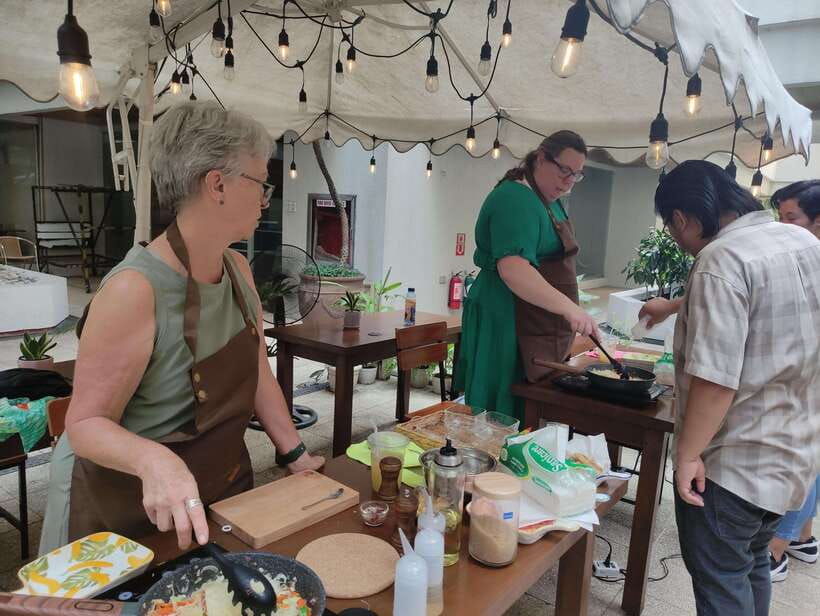
Pancit is a practical introduction because noodles are familiar to many cooks, but the Filipino preparation gives them a different character. You learn how a common, filling dish fits into home cooking and local food culture.
Lumpia requires more hands-on attention. Preparing and wrapping spring rolls gives you a clear task, and the final result feels rewarding because you can see the shape of the dish change from loose ingredients to something ready for cooking.
Turon provides the class with a memorable finish. The dish shows how a modest ingredient such as banana can become a much-loved sweet snack through a simple cooking method. Chyl also uses food stories to explain how everyday dishes can carry family memories and cultural meaning.
The menu is not designed as a survey of every major Filipino dish. You will not sample a broad range of stews, seafood, or regional specialties in this short class. If you want a wide tasting tour, a market visit or restaurant crawl may suit you better. If you want three approachable recipes that you can repeat at home, this menu is a strong choice.
Same kitchen, a different dish:
- Florence: Pasta & Tiramisu Cooking Class with Unlimited Wine
★ 4.9 · 6,708 reviews - Florence: Pasta Cooking Class with Unlimited Wine
★ 5.0 · 6,413 reviews - Hanoi Cooking Class: Culture, Local Market & Meaning CSR Impact
★ 5.0 · 5,147 reviews - 5 Traditional Dishes Hanoi Cooking Class with Market Trip
★ 5.0 · 4,890 reviews
The value of a $60 Makati class
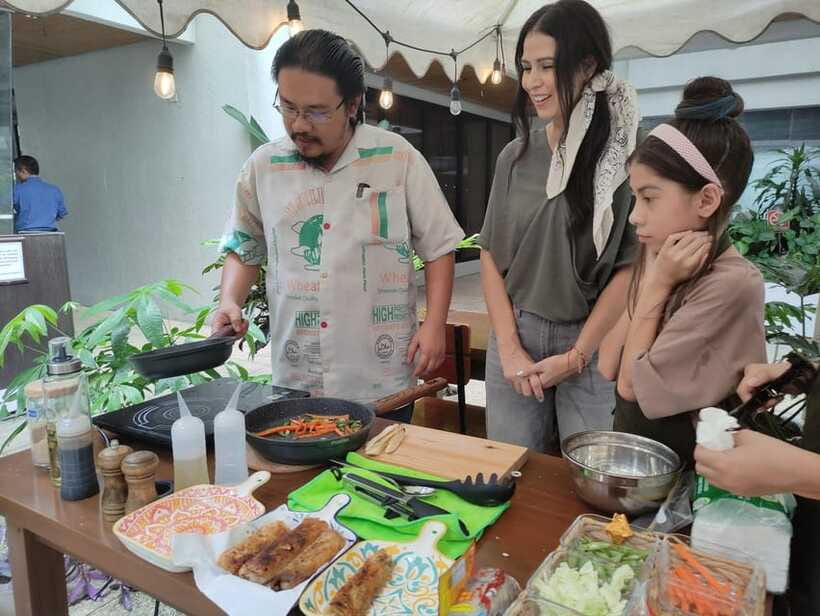
At $60 per person, this is not the cheapest way to eat Filipino food in Manila. You can find less expensive meals at local restaurants and food stalls. The value here comes from the instruction, equipment, ingredients, cultural background, and the meal you prepare yourself.
The class can also provide better value if you are traveling solo. A private or nearly private lesson at the same price gives you plenty of time to ask questions. One-on-one attention can be especially useful if you want to understand why a step matters rather than simply copy it.
For two people, the price buys an activity as well as lunch or merienda. For a family, the minimum age is nine, and the format can work well for children who enjoy practical tasks. Keep in mind that the food portions may be very generous, so you are paying for a filling meal as well as a lesson.
The class includes a nonalcoholic drink, all food ingredients, and cooking equipment. Hotel pickup and drop-off are not included. That is normal for a short city activity, but you should add the cost and time of getting to Makati when judging the total price.
The outdoor setting and practical drawbacks
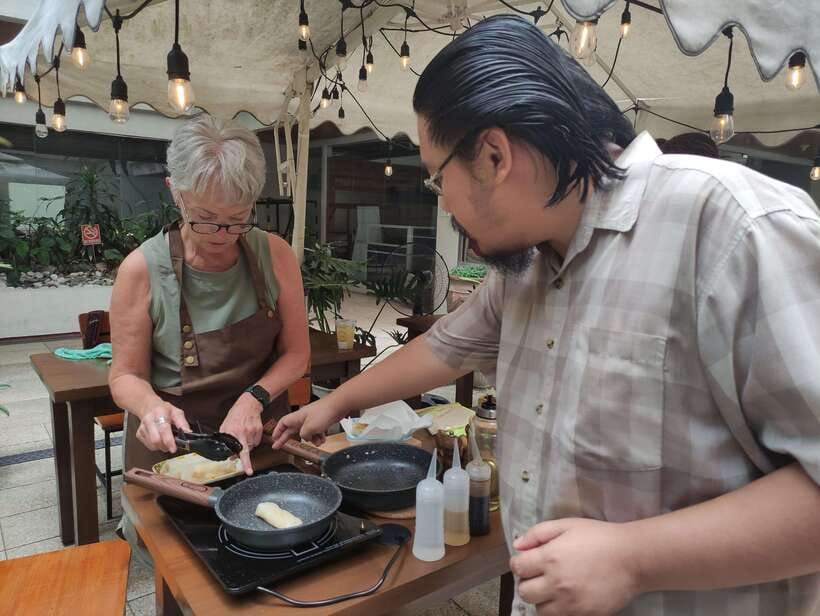
The outdoor courtyard can make the class feel relaxed and social. You may find it easier to talk with Chyl and the other participants than you would in a formal school kitchen. The setting is also convenient for people staying near Greenbelt Mall or The Peninsula area.
Weather is the main weakness. A previous session had to cope with rain, including rearranging and drying equipment. If the forecast looks poor, contact the organizer and confirm how the class will operate. A covered venue would make the experience more dependable.
The meeting point deserves attention. You are told to look for the instructor at the outdoor courtyard in front of the coffee kiosk, but the wider venue may not be obvious on arrival. Use the organizer’s contact details before the class, and install Grab before you need it. Manila traffic and delays finding a car can eat into a two-hour activity.
The information places the experience in Makati while also listing Nueva Vizcaya as the location. Since the meeting instructions and description point to Makati, confirm the exact address when booking. This is a small step, but it prevents a major mix-up.
Who will enjoy this most
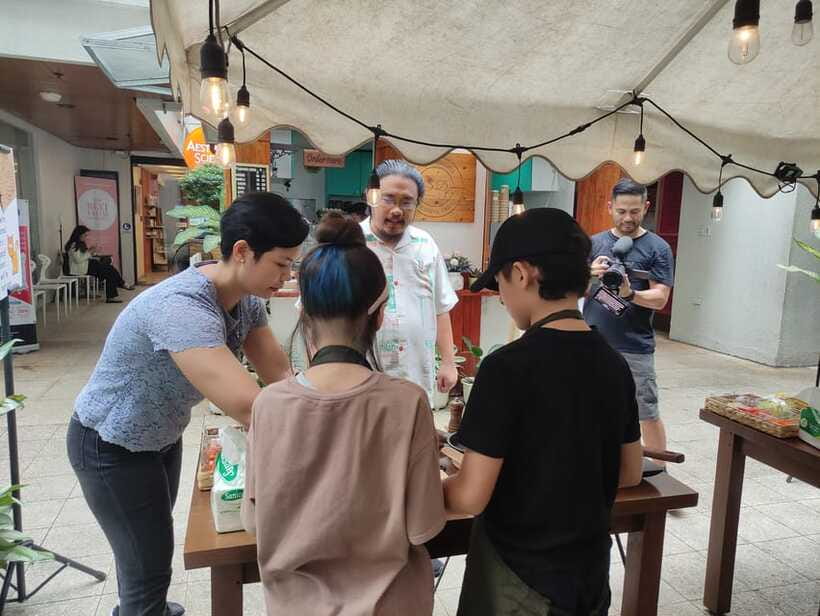
I would choose this class if you want a short, hands-on activity between sightseeing stops. It suits solo visitors, couples, friends, and families with children aged nine or older.
Beginners should feel comfortable. Chyl gives clear instructions and supports people through the preparation and cooking. You do not need advanced kitchen skills to take part.
Experienced cooks can enjoy the cultural side and use the small group setting to ask detailed questions. The class may not challenge an accomplished cook with complex techniques, but the personal conversation and Filipino context add value.
This is also a good choice for anyone who wants to bring home a useful memory. You can buy a cookbook or take photos of food, but making the dishes yourself gives you a better sense of how they fit into daily Filipino life.
The activity is not suitable for children under nine or for people with visual impairments. It is wheelchair accessible, but the outdoor setting and exact layout should be confirmed if you need specific accessibility arrangements.
What to bring and how to prepare
Wear comfortable clothes. You will be working with ingredients and cooking equipment, so clothes that allow easy movement make the session more pleasant.
Do not plan a large meal immediately beforehand. The class includes three dishes and portions can be surprisingly filling. You may have leftovers for later, depending on how much you eat during the final meal.
Download Grab before you leave your hotel. The app is described as the local version of Uber and is the easiest way to arrange a car to and from the class. Build in extra time for Manila traffic, and contact the organizer if you are delayed.
The cancellation policy is flexible: you can cancel up to 24 hours ahead for a full refund. You can also reserve now and pay later, which helps if your Makati plans are still shifting.
Should you book the Makati cooking class?
Book it if you want to cook rather than simply eat, and if you value a local host who connects recipes with family and culture. The strongest parts are Chyl’s patient teaching, the small group size, the practical menu, and the amount of food served.
Think twice if you want a fully covered kitchen, a broad regional survey, or the lowest possible price. The open-air venue needs a weather check, and the meeting point deserves confirmation.
For most visitors with two free hours in Makati, I consider this a worthwhile introduction to Filipino food. You leave with three recipes, a full meal, and a clearer sense of why Filipino people care so much about everyday food.
FAQ
Where does the cooking class take place?
The experience is offered in Makati, in an outdoor courtyard in front of a coffee kiosk. The provided information also lists Nueva Vizcaya as the location, so confirm the exact address with the organizer before attending.
How long does the class last?
The cooking class lasts two hours. Starting times vary, so check availability when booking.
What dishes will I make?
You will prepare pancit noodles, lumpia spring rolls, and turon, a sweet banana-based snack. The menu includes two savory dishes and one dessert.
Is the class taught in English?
Yes. The instructor language is English.
How many people can join?
The group is limited to four participants. The class may still proceed if you are the only person booked.
Are ingredients and cooking equipment included?
Yes. Cooking equipment, food ingredients, and one nonalcoholic drink are included. Hotel pickup and drop-off are not included.
Is the class suitable for children?
Children under nine are not permitted. Families with older children can consider the activity, and the two-hour format is suitable for a family-friendly outing.
New cooking classes around the world
- Shinjuku Tokyo: Authentic Japanese Home-Style Culinary Class★ 4.9 · 125 reviews
- Shibuya Tokyo: Onigiri & Tamagoyaki Cooking Class★ 5.0 · 4 reviews
- M.O.M COOKING CLASS★ 4.8 · 6 reviews
- Seville: Paella-Cooking Experience with Sangria & Full Meal★ 4.9 · 42 reviews
- Shanghai: Authentic Chinese Cooking Class with Master Chef★ 5.0 · 2 reviews
- Sestri Levante: Pesto & Cooking Classes, Wine Tasting★ 4.9 · 56 reviews
- Seville: Paella Cooking Class & 30-Min Local Expert Q&A★ 4.8 · 37 reviews
- Seoul: Korean Kimchi Cooking Class in the Heart of the City★ 5.0 · 3 reviews