
Review · COOKING CLASSES WORLDWIDE
Malindi : Kenyan Cooking Class with Campfire Meal
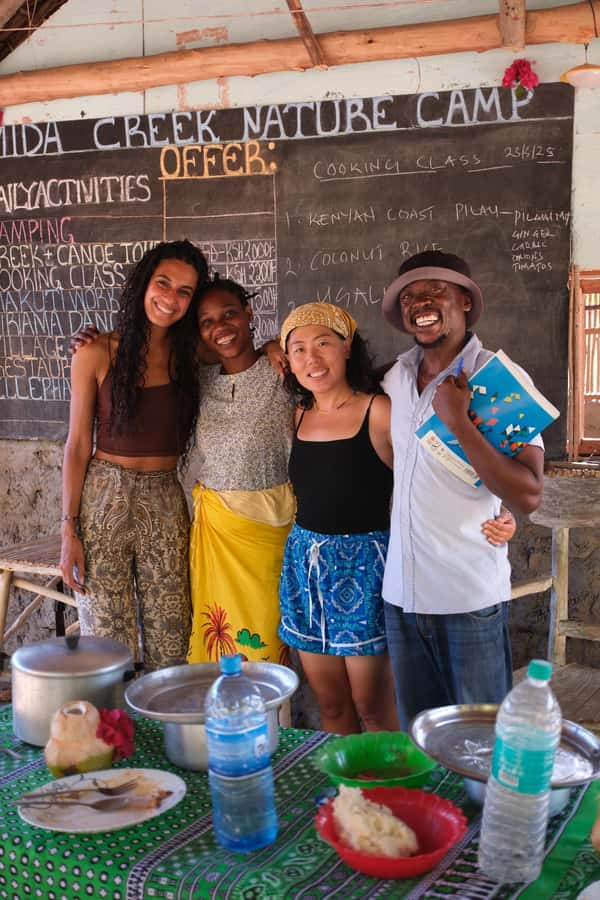
Cooking over a wood fire at Mida Creek Nature Camp gives this Kenyan cooking class a clear sense of place. You are not simply watching a chef work in a polished kitchen. You help prepare several local dishes, use traditional tools and methods, and sit down to eat food made in the same leafy camp setting.
I like the small group limit of 10, which leaves room for questions, and I like the chance to request dishes in advance. Harrison is described as patient, precise, and eager to share his culture. The main consideration is timing: two hours can feel brisk when the class prepares several dishes, and food allergies may make this activity unsuitable.
Key points at a glance
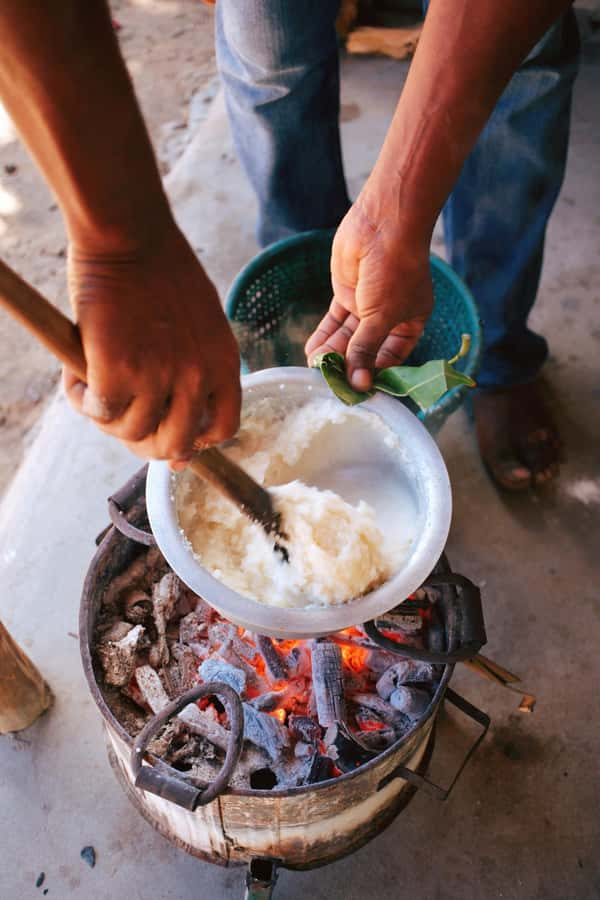
- Campfire cooking at Mida Creek: Prepare Kenyan food outdoors, using traditional techniques and a natural setting rather than a standard cooking studio.
- Harrison leads the class: Expect clear explanations, patient instruction, and a warm connection with his family and local community.
- Several dishes in one session: Recipes may include Kenyan pilau, ugali, wali wa nazi, sukuma wiki, githeri, stew, mandazi, or grilled maize.
- Lunch or dinner choice: Pick the meal time that fits your day, with the group arranging the start time around lunch or dinner.
- Small group format: The class is limited to 10 participants, making hands-on help more realistic.
- Strong value at $25: Ingredients, instruction, and the meal are included, making this a good-value cultural activity in the Malindi area.
Why this class feels different from a standard cooking lesson
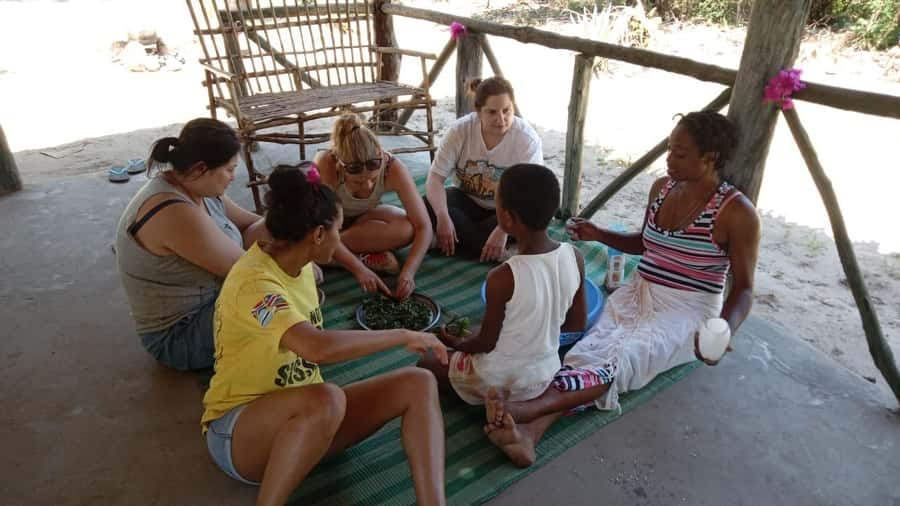
Many cooking classes put you in front of a cutting board and call it cultural exchange. This one puts you at Mida Creek Nature Camp, where the campfire, local ingredients, simple tools, and family setting all form part of the lesson.
That matters because Kenyan food is closely tied to everyday cooking methods. A recipe can taste different when it is prepared over a fire, and the act of cooking together gives you a better sense of how a meal comes together than a quick tasting ever could.
The camp is described as a leafy, sandy place just off the main road. That setting gives the activity a pleasant change of pace from Malindi’s streets and beaches. You cook in nature, but you still have a structured lesson and a host guiding the process.
The class is conducted in English. With a maximum of 10 people, you should have a better chance to handle ingredients, ask questions, and follow each stage. It is not a private lesson, though, so the exact pace will depend on the group.
More cooking classes around the world:
- Half-Day Thai Cooking Class at Organic Farm in Chiang Mai
★ 5.0 · 19,087 reviews - Florence: Pasta Cooking Class with Unlimited Wine
★ 4.9 · 10,285 reviews - 3 in 1 Cooking Class near Navona: Fettuccine, Ravioli & Tiramisu
★ 5.0 · 7,376 reviews
Meeting Harrison and settling into Mida Creek Nature Camp
The activity begins at Mida Creek Nature Camp, with directions available through Google Maps. The starting time is arranged for either lunch or dinner, and the group meets a couple of hours before eating so there is enough time to prepare the food.
Harrison is the key person to look for. He has been described as smiling, welcoming, precise in his explanations, and passionate about passing on his culture. That combination is useful in a cooking class. You want warmth, but you also need someone who can explain what you are doing and keep several dishes moving at once.
The camp also has a family connection. You are not arriving at a large commercial school with a fixed production line. The family helps create an informal setting, and the wider camp offers other activities and accommodation, including tents and treehouses. Those extras are not part of the cooking class, but they may make Mida Creek Nature Camp worth considering for a longer stay.
Wear comfortable clothes. Cooking by a fire is practical work, so this is not the place for an outfit that needs to stay spotless. Pets are not allowed.
What you may cook during the two-hour session
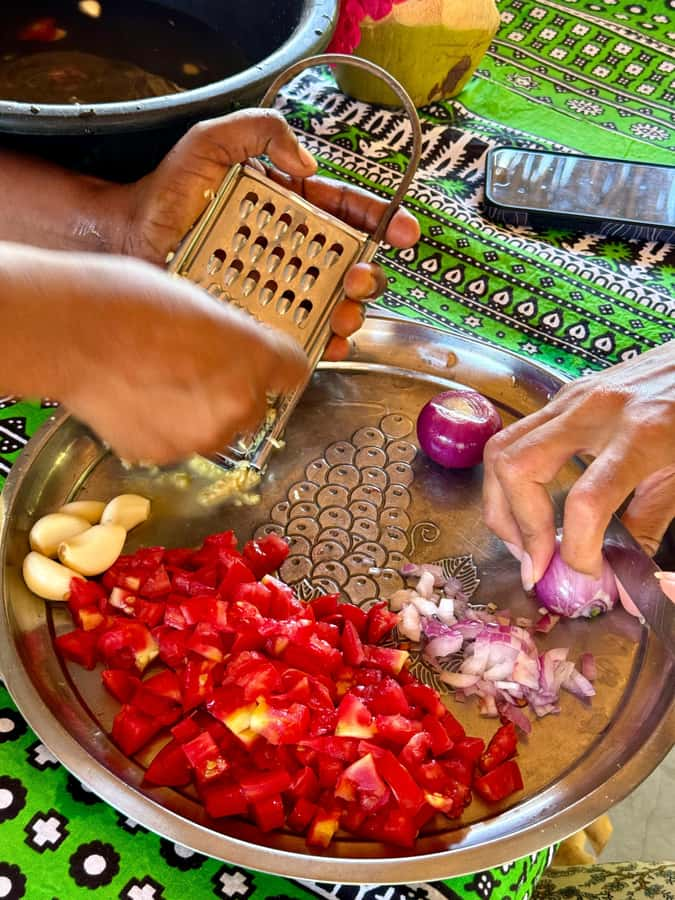
The menu changes, which is one of the better features of the class. You can request specific dishes ahead of time, while the final selection depends on what the lesson includes and what the group wants to prepare.
Possible dishes include:
- Kenyan pilau, a seasoned rice dish
- Wali wa nazi, rice prepared with coconut
- Ugali, a firm maize-based staple
- Githeri, a traditional mixture of maize and beans
- Sukuma wiki, a common leafy green vegetable dish
- Mchicha, another leafy vegetable preparation
- Kenyan stew
- Nyama choma, grilled meat
- Matoke, a dish made with green bananas
- Mandazi, a lightly sweet fried bread
- Grilled maize
This list shows the range of the lesson. You may work with rice, maize, beans, vegetables, meat, bananas, or sweet dough in one session. That variety is useful if you want more than a single signature recipe.
A previous class prepared seven dishes in less than two hours. That is impressive, but it also tells you something important: the pace may be lively. If you want to stop and take careful notes, ask lots of questions, or master every technique, you may need to accept that the class will not cover each recipe in great depth.
I would contact the provider before booking if you have a dish you especially want to learn. The activity is open to requests, but a request is best made early. You can also discuss allergies and food intolerances at that point.
The campfire is part of the lesson
Cooking over a campfire is not just a scenic touch. It changes the rhythm of the class. You need to pay attention to heat, timing, and the order in which food is prepared. Traditional tools and methods make the process feel connected to home cooking rather than restaurant service.
The fire also gives the class a social center. People gather around the work, help one another, and see the meal take shape. If you enjoy hands-on activities, this will likely be more satisfying than sitting through a demonstration.
There is a practical tradeoff. Outdoor cooking is less controlled than an indoor kitchen. Heat may not be perfectly even, and the work may feel more rustic. That is part of the appeal, but it means you should come ready for a real camp cooking experience rather than a polished culinary workshop.
The ingredients are intended to be homegrown when possible. If something is missing, the camp can supply it from a small shop on site. That approach supports the local, everyday character of the lesson and keeps the focus on simple ingredients.
Same kitchen, a different dish:
- Florence: Pasta & Tiramisu Cooking Class with Unlimited Wine
★ 4.9 · 6,708 reviews - Florence: Pasta Cooking Class with Unlimited Wine
★ 5.0 · 6,413 reviews - Hanoi Cooking Class: Culture, Local Market & Meaning CSR Impact
★ 5.0 · 5,147 reviews - 5 Traditional Dishes Hanoi Cooking Class with Market Trip
★ 5.0 · 4,890 reviews
Eating what you helped prepare
Once the cooking is finished, you can eat the meal with the group or take your creations home. I prefer the shared meal option because it completes the experience. You get to taste the dishes while they are fresh and compare notes with the people who helped make them.
The meal also gives you a chance to understand how the separate parts work together. Ugali may accompany a stew or greens. Coconut rice may bring a different texture and flavor to the table. Mandazi or grilled maize can add a simple finish or snack.
The choice to take the food home is useful if you have other plans, if you are staying nearby, or if you simply prefer to eat privately. Still, the meal is included, and leaving before the shared eating time would mean missing one of the most enjoyable parts.
One practical tip: allow more than the stated two hours if you want a relaxed meal afterward. The class itself is scheduled for two hours, but cooking several dishes and eating together can make the visit feel longer. The exact pace depends on the menu and the group.
Authentic food without a high price
At $25 per person, the value is strong. The price includes the cooking class, ingredients, and meal. You are paying for instruction as well as food, and the outdoor setting adds a cultural element that would be difficult to reproduce in an ordinary restaurant.
The value is especially clear if you compare it with a simple meal out. For roughly the cost of a modest restaurant visit, you receive a hands-on activity, a chance to ask questions, and several Kenyan dishes to taste.
The class may not suit someone seeking a formal culinary certificate or advanced technique. It is better understood as a practical cultural experience. You learn through participation, not through a long lecture or a detailed professional curriculum.
The small group size helps protect that value. Ten people is still a group, but it is small enough for the instructor to work with participants directly. A much larger class would make campfire cooking less personal and could leave you watching from the edge.
Lunch or dinner: choosing the better time
You can arrange the experience for lunch or dinner. Choose lunch if you want to keep your evening free or pair the class with other plans later in the day. Dinner may work better if you want the cooking session to become the main event of the evening.
Because the class meets a couple of hours before the meal, check the starting time carefully. The exact availability can vary, so do not assume that every day offers the same schedule.
The setting may be particularly enjoyable later in the day, when the campfire becomes part of the atmosphere. At the same time, lunch gives you more daylight for seeing the camp and its surrounding natural setting. The better choice depends on your schedule and what else you plan to do around Malindi.
Who will enjoy this activity most
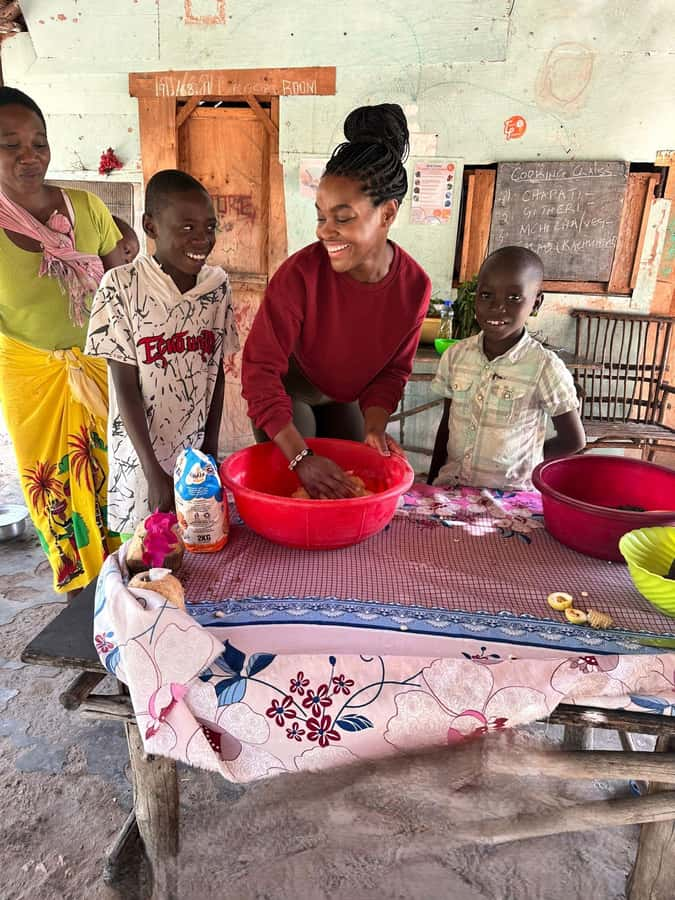
I would recommend the class to you if you like food, local culture, and practical activities. It works well for couples, friends, solo visitors who enjoy meeting people, and families with older children who can safely take part in cooking.
It is also a good fit if you want to get beyond restaurant menus. Preparing ugali, pilau, coconut rice, vegetables, or mandazi gives you useful context for dishes you may encounter elsewhere in Kenya.
You may want to choose another activity if you dislike outdoor cooking, want a private lesson, or need a tightly controlled kitchen environment. A two-hour class that prepares many dishes may also feel too fast if your main goal is detailed instruction in one recipe.
Food allergies require special care. The provider asks participants to make contact before the activity to discuss allergies and intolerances, but the experience is listed as unsuitable for people with food allergies. Do not rely on last-minute adjustments.
A useful addition to a Mida Creek visit
The cooking class can work as a stand-alone activity, but Mida Creek Nature Camp offers reasons to spend more time in the area. The camp rents tents and treehouses, and the family organizes small tours in the village, mangroves, and nearby areas.
A canoe trip to Green Island, with its mango groves, is also mentioned as a possible activity. These options are not included in the $25 cooking class, so ask separately about availability and cost. Still, the combination could turn a short cooking stop into a fuller visit focused on nature and local community life.
I like this possibility because the cooking lesson does not feel isolated from its setting. You can use the class to meet the family and get a sense of the camp, then decide if you want to return for another activity or an overnight stay.
Booking details worth knowing
The activity is available in English and is limited to 10 participants. The meeting point is Mida Creek Nature Camp, with directions provided through Google Maps.
You can cancel up to 24 hours in advance for a full refund, and the reserve-now, pay-later option keeps your plans flexible. Those terms are useful if your Malindi schedule may change, but you still need to confirm the starting time and contact the provider about food needs before arriving.
The main item to bring is comfortable clothing. Pets are not permitted.
Should you book the Mida Creek cooking class?
Book it if you want a small, affordable activity with real participation rather than a staged food demonstration. The strongest reasons are the campfire setting, the range of Kenyan dishes, Harrison’s patient teaching style, and the chance to eat with the group afterward.
I would be especially keen to book this if I had time to stay at Mida Creek or add another local activity. If your schedule is tight, remember that two hours may feel short for seven dishes and a relaxed meal. Ask in advance about the menu, your preferred lunch or dinner time, and any dietary concerns.
At $25, this is an easy recommendation for most people who enjoy cooking and local food. Just come in comfortable clothes, expect a rustic outdoor setup, and give the class enough time to unfold.
FAQ
Where is the Kenyan cooking class held?
The class takes place at Mida Creek Nature Camp in Kenya’s Coast Province. Use Google Maps for directions to the meeting point.
How long does the cooking class last?
The listed duration is two hours. Participants meet a couple of hours before lunch or dinner so there is time to prepare the meal.
How much does the experience cost?
The price is $25 per person. The cooking class, ingredients, and meal are included.
Can I choose lunch or dinner?
Yes. The experience can be arranged for lunch or dinner, depending on the group’s preference and available starting times.
What dishes might I prepare?
Possible recipes include ugali, githeri, Kenyan pilau, wali wa nazi, sukuma wiki, mchicha, Kenyan stew, nyama choma, matoke, mandazi, and grilled maize. The menu changes, and requests are possible.
Can I eat the food at the camp?
Yes. You can eat the meal with the group, or take your creations home instead.
Is the class suitable for someone with food allergies?
The activity is listed as unsuitable for people with food allergies. Contact the provider before the experience to discuss allergies or intolerances.
How many people can join the class?
The class is limited to 10 participants. Instruction is provided in English.
New cooking classes around the world
- Shinjuku Tokyo: Authentic Japanese Home-Style Culinary Class★ 4.9 · 125 reviews
- M.O.M COOKING CLASS★ 4.8 · 6 reviews
- Shibuya Tokyo: Onigiri & Tamagoyaki Cooking Class★ 5.0 · 4 reviews
- Seville: Paella-Cooking Experience with Sangria & Full Meal★ 4.9 · 42 reviews
- Shanghai: Authentic Chinese Cooking Class with Master Chef★ 5.0 · 2 reviews
- Sestri Levante: Pesto & Cooking Classes, Wine Tasting★ 4.9 · 56 reviews
- Seville: Paella Cooking Class & 30-Min Local Expert Q&A★ 4.8 · 37 reviews
- Seoul: Korean Kimchi Cooking Class in the Heart of the City★ 5.0 · 3 reviews