
Review · NEPAL
Nepalese Kitchen in Pokhara: Momos or Dal Bhat Cooking Class
Pokhara’s best food lesson may be the one held away from a restaurant. In Sarita’s home kitchen, you learn to make momos or dal bhat by doing the work yourself: chopping vegetables, mixing spices, shaping dumplings, and cooking the meal you will later eat. The setting is personal, practical, and tied to everyday Nepali life.
I like the small private format, which lets Sarita slow down and help with tricky steps, especially momo folding. I also like that fresh ingredients, spices, a full meal, and a take-home recipe are included. The one thing to consider is that three hours can feel longer than expected if you are making a large batch of momos, and the pickup taxi may not be the easiest part of the day.
Key points to know before booking
- Sarita leads the class: She teaches in English, Hindi, or Nepali and is known for patient, clear instruction.
- Choose your main dish: Book a lesson for steamed momos or the classic dal bhat meal.
- Cook in a real home kitchen: This is not a large restaurant workshop or staged demonstration.
- Expect plenty of food: Momo classes can produce 70 or more dumplings, so arrive hungry.
- Lakeside pickup is included: Round-trip transfer covers the Pokhara Lakeside area.
- You leave with a usable skill: A printed or digital recipe helps you repeat the dish at home.
What makes this Pokhara cooking class different
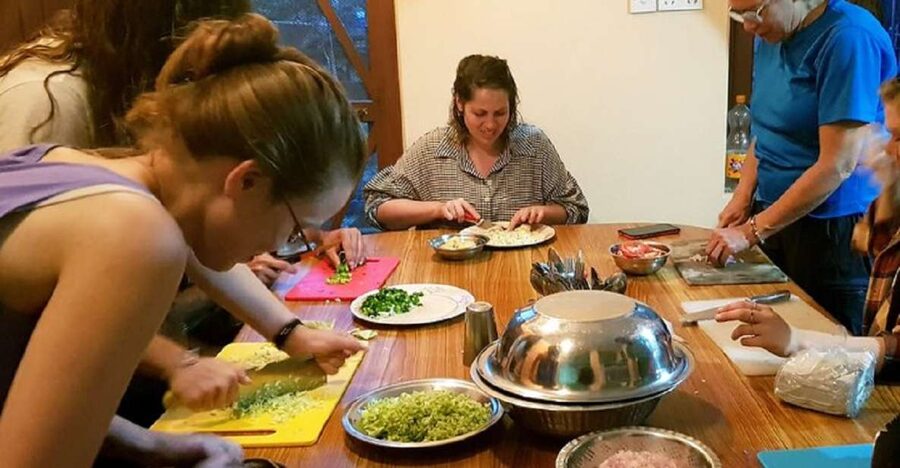
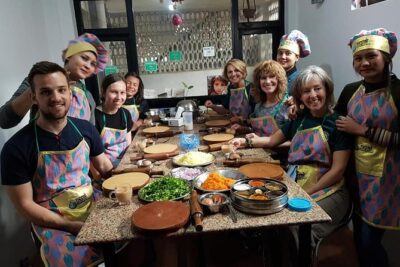
Many food activities show you a dish and then place it in front of you. This one asks you to take part from the start. You work beside Sarita in her family kitchen, where the class has the feel of being invited to an aunt’s house rather than joining a formal culinary school.
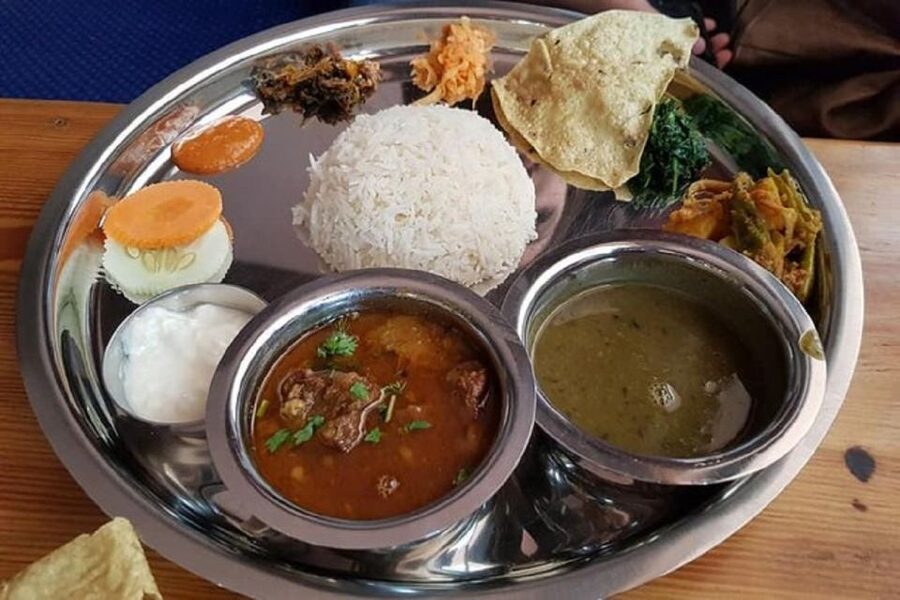
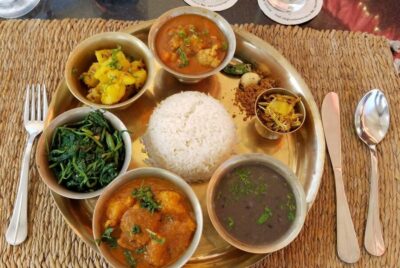
That matters in Nepal. Dal bhat is not simply a menu item. It is a daily meal built from rice, lentils, vegetables, spices, and several small preparations. Momos also look simple until you begin making the dough, preparing the filling, folding each dumpling, and keeping the shape tight enough for steaming.
The private format is a strong point. You can ask why a spice is added, how a filling should feel, or what changes when you use another vegetable. Sarita’s teaching style is patient and friendly, and her English is described as clear enough to make each stage easy to follow for people who know little Nepali.
You should not expect a polished studio kitchen with a fixed production line. The appeal is the home setting, personal attention, and chance to see how food is prepared in an ordinary Nepali household.
More cooking classes around Nepal:
- Half day cooking class in Thamel kathmandu
★ 5.0 · 607 reviews - Kathmandu: Local Women-Led Nepali Cooking & Momo Class
★ 4.9 · 360 reviews - Kathmandu: Local Lead Nepali Cooking & Momo-Making Class
★ 5.0 · 212 reviews
Starting in Lakeside and reaching the home kitchen
Pickup and drop-off are arranged from the Lakeside Road area in Lakeside-6, Pokhara. The experience lists two pickup options and two drop-off options in the same Lakeside area, with round-trip transfer included.
This is useful if you are staying near the main tourist center and do not want to find a private home on your own. The transfer also keeps the outing simple after a morning or afternoon of sightseeing. You should still carry your passport or an accepted copy, as requested for the activity.
The transport deserves one practical note. One person found that a taxi driver tried to push extra services after the ride. That does not cancel out the convenience of pickup, but I would confirm the transfer details before setting off and avoid agreeing to extra taxi arrangements unless you want them.
The exact class start time depends on availability. Plan on about three hours, though a detailed momo session has sometimes taken closer to four hours when the cooking moved at a relaxed pace. If you have a flight, trek departure, or timed bus afterward, leave a generous buffer.
Choosing between momos and dal bhat
Your main decision is the dish.
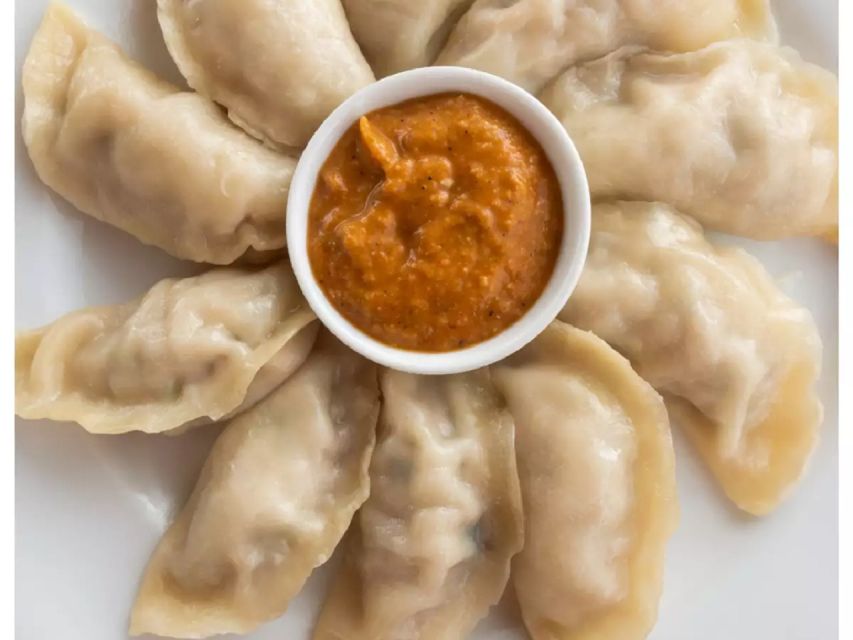
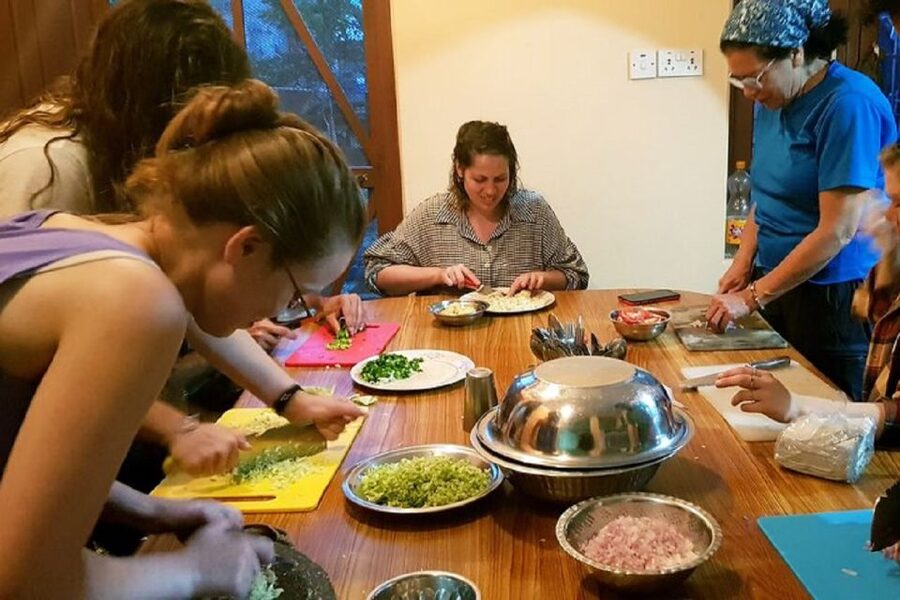
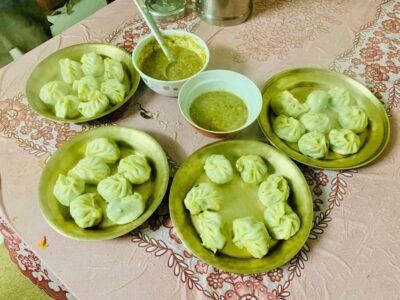
Momos are Nepali dumplings, usually made with dough, a seasoned filling, and a dipping sauce. The lesson focuses on hands-on work. You prepare the filling, learn how to portion the dough, and practice folding the dumplings. Shaping is often the hardest part, but it is also where Sarita can give direct help.
Momo classes can be surprisingly filling. One session produced more than 70 dumplings, while another included vegetable and cheese momos with dipping sauce. You may be eating a large number of dumplings by the end, so skip the heavy meal beforehand. A reusable takeaway container could be handy if you have one, although it is not listed as an included item.
The useful part of a momo lesson goes beyond one recipe. Once you understand the dough, filling, folding, and steaming, you can adapt the method to other dumplings at home. You can also ask about ingredient changes and different ways to use the same basic technique.
Dal bhat is the broader meal and may suit you if you want to understand everyday Nepali cooking. You work through multiple stages rather than one repeated folding task. Expect chopping, seasoning, cooking lentils, preparing vegetables, and putting the meal together with guidance.
The dish requires more steps, but that is exactly why the class is useful. You learn how separate ingredients become a balanced plate. Several people found the meal especially satisfying, and the class can include more than one preparation alongside the lentils and rice.
If you want a focused practical skill, choose momos. If you want a fuller look at a typical Nepali meal and its separate components, choose dal bhat.
Cooking with Sarita, not watching from the sidelines
Sarita’s role is more teacher than presenter. She explains what to do, then lets you chop, mix, season, shape, and cook. That hands-on approach is important because Nepali food depends on small judgments: how wet a filling should be, how much spice is enough, and when a mixture is ready.
The instruction is well suited to beginners. People who had never cooked Nepali food were able to follow along, and the lesson can be adjusted through slow, simple explanations. You do not need prior kitchen training, though a willingness to work with your hands helps.
Some of the most useful learning comes through questions. Ask why one spice is used, what fresh vegetables can replace another, or how to change the dish at home. Sarita has explained adaptations for different ingredients and other Nepali preparations, which gives the class value beyond the meal on the table.
The pace can be relaxed. That is good for learning but less ideal if you want a quick demonstration and an immediate lunch. Momo folding also takes repetition. Your first dumplings may look uneven, and that is part of the point. By the end, your shapes should improve with Sarita’s help.
Same kitchen, a different dish:
- Local Women Lead Nepali Cooking Class
★ 5.0 · 125 reviews - Kathmandu: Local Women-Lead Nepali Cooking & Momo Class
★ 4.9 · 45 reviews - Kathmandu: Local Lead Nepali Cooking & Momo Making Class
★ 4.9 · 40 reviews - MoMo or Dal Bhat Cooking Class at Aama Kitchen in Pokhara
★ 4.9 · 28 reviews
Fresh ingredients and the character of a family kitchen
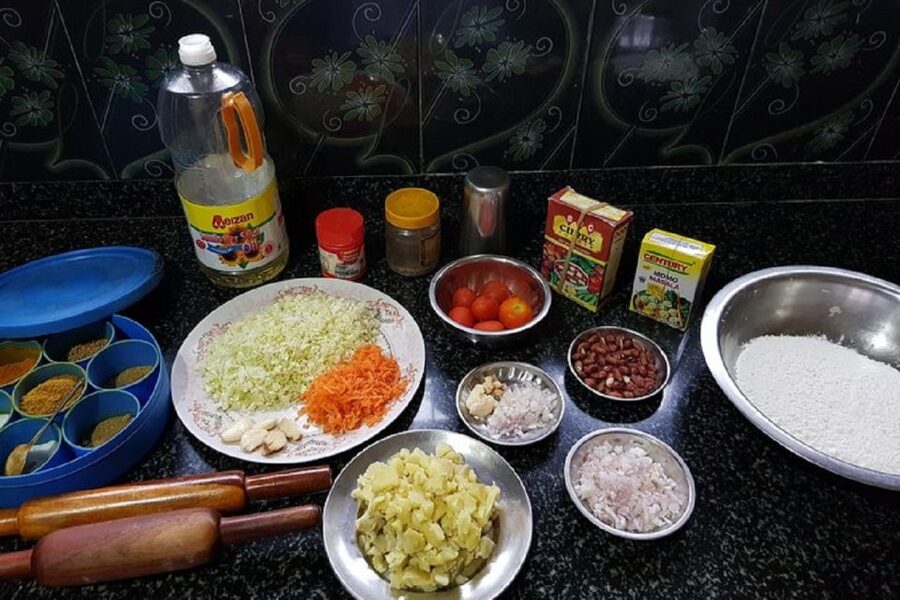
The ingredients and spices are supplied, so you do not need to shop before the class. The food is prepared with fresh produce, and some sessions have used homemade ingredients or vegetables from the family garden.
That detail gives the meal a stronger connection to place. You are not merely copying a restaurant dish from pre-measured packets. You are seeing how vegetables, spices, dough, lentils, and rice come together in a household kitchen.
The kitchen has been described as clean and well organized. Tea, snacks, and water may be offered during the visit, while drinking water is included as part of the experience. The main meal you prepare is included too, but extra food and drinks outside the class are not.
You may also meet members of Sarita’s family. The experience is designed as a visit to a home, so family interaction is part of its character, though the exact household activity will naturally vary from one session to another.
Eating what you cooked
After the work comes the best part: sitting down to eat. With momos, you taste the dumplings with the sauce you prepared. With dal bhat, you sit down to the completed meal and see how the separate cooking steps fit together.
I like this approach because it gives the class a clear purpose. You are not cooking a sample portion and then watching someone else handle lunch. Your meal is the result of your own chopping, folding, stirring, and seasoning.
The food is also a useful test of what you learned. If your momo filling is too wet or your spice balance is off, Sarita can explain why. If the dal bhat comes together well, you leave knowing the method is possible in your own kitchen.
Come hungry. Momo sessions can produce a generous number of dumplings, and dal bhat includes several parts. The class includes the food you make, but it does not promise additional meals or drinks beyond that.
Recipes and skills you can use at home
The printed or digital recipe is one of the strongest practical inclusions. It means you do not have to rely on memory after returning home, when the names of spices and order of preparation may blur together.
For momos, the recipe gives you a starting point for dough, filling, shaping, and cooking. You can use the same general idea for different fillings and adjust the ingredients to what you can buy at home.
For dal bhat, the recipe helps you reconstruct a meal with several parts. You may need to find substitutes for some local vegetables or spices, but Sarita’s explanations about variations make that easier.
One small improvement would be to receive the recipe before cooking. A participant found it easier to follow the many dal bhat preparations with a printed guide in hand. Still, the recipe supplied afterward gives you a useful record and is better than leaving with only photographs.
Price, private attention, and overall value
At $28 per person, this is a fair price for a three-hour private activity in Pokhara. The fee covers the instructor, ingredients and spices, your meal, drinking water, the recipe, and round-trip transfer from Lakeside.
The value is strongest if you care about personal instruction. A large group class might cost less per person, but it would not offer the same chance to ask questions or receive help with every momo fold and seasoning decision. Here, the private format can be especially worthwhile for couples, families, or anyone who learns best by doing.
It is less compelling if you simply want a cheap lunch. You are paying for time, teaching, transport, and the home visit, not just a plate of food. The activity also asks you to spend three hours cooking when you could eat momos or dal bhat at a restaurant in much less time.
The strong rating of 5 from 67 reviews supports the basic promise of the experience, especially the warmth of the host, the clean kitchen, the fresh food, and the personal teaching. I would still book it for the cultural contact and practical skill, not just for the score.
Who should book this experience
This class suits you if you:
- Want a quiet cultural activity between hikes and sightseeing
- Enjoy cooking or want an easy first lesson in Nepali food
- Prefer a private setting to a large group workshop
- Are curious about daily life inside a Pokhara home
- Want a recipe you can make for friends after returning home
- Like meeting a local host through food rather than a formal tour
It may not suit you if you dislike hands-on kitchen work, have a very tight schedule, or want to sample many different restaurant dishes in one sitting. The momo option can be repetitive because you make many pieces, while dal bhat involves several separate preparations.
The class is also a good choice for couples. Several sessions have worked well with two people, and the private setup lets both participants take part instead of watching from the back of a group.
Should you book the Pokhara momos or dal bhat class?
I would book this if you want a personal introduction to Nepali food rather than a quick restaurant meal. Sarita’s patient teaching, home kitchen, fresh ingredients, included transfer, and take-home recipe give the experience real substance.
Choose momos if you want a hands-on skill, enjoy shaping food, and do not mind making a large batch. Choose dal bhat if you want to understand a complete everyday Nepali meal and how its separate parts are cooked.
Confirm your pickup details, bring identification, and leave extra time if you have a later appointment. Arrive hungry, ask questions, and treat the class as a home visit with cooking at its center. For $28, it offers a useful skill and a direct connection to local food traditions, which is a better souvenir than another restaurant receipt.
FAQ
Where does the cooking class take place?
The class takes place in a Nepalese home kitchen in Pokhara. Pickup and drop-off are available from the Lakeside Road area in Lakeside-6.
How long does the experience last?
The scheduled duration is three hours. A detailed momo lesson may take longer, so leave extra time if you have another fixed appointment.
Can I choose between momos and dal bhat?
Yes. The experience offers a choice between a momo cooking class and a dal bhat cooking class.
Is transportation included?
Yes. Round-trip transfer from the Pokhara Lakeside area is included.
What languages does the guide speak?
The class is available with a live guide who speaks English, Hindi, or Nepali.
Is this a private group activity?
Yes. The activity is arranged for a private group rather than a large shared class.
What should I bring?
Bring a passport or an accepted copy of your passport or ID card. A takeaway container may also be useful for extra momos, but it is not listed as an included item.
New cooking classes around Nepal
- Kathmandu: 3-Hours of Cooking Class with Meals★ 5.0 · 10 reviews
- Pokhara: Nepali Cooking Class and Momo Making Workshop★ 5.0 · 6 reviews
- Pokhara: 3 Hour MoMo cooking class★ 4.5 · 10 reviews
- MoMo or Dal Bhat Cooking Class at Aama Kitchen in Pokhara★ 4.9 · 28 reviews
- Local Women Led Nepali Cooking Class★ 5.0 · 6 reviews
- Kathmandu: Nepali Cooking Class with Hotel Pickup★ 4.1 · 5 reviews
- Kathmandu: Women-Led Cooking Class & Momo Making-Local Taste★ 4.8 · 15 reviews
- Kathmandu: Local Women-Lead Nepali Cooking & Momo Class★ 4.9 · 45 reviews
Nepal Cooking Classes, side by side.
MoMo or Dal Bhat Cooking Class at Aama Kitchen in Pokhara
Read our review →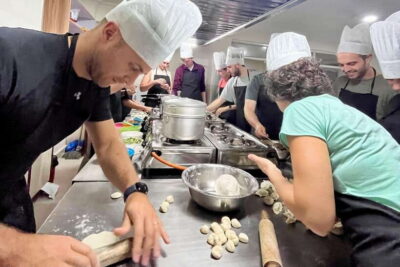
Kathmandu: Women-Led Cooking Class & Momo Making-Local Taste
Read our review →
This kitchen also appears in