
Review · NEPAL
Pokhara: 3 Hour MoMo cooking class
The best part of this Pokhara cooking class is that you do not simply watch someone make momos. You prepare the filling, knead the dough, shape the dumplings, mix the sauces, and eat the results. Three folding styles turn a simple lunch into a useful little skill session.
I like the choice of vegetarian, chicken, or meat fillings, and I like the small-group setup. In one reported session, only two people attended, which made the lesson very hands-on. The main consideration is that folding momos takes practice, so your first dumplings may look more like cheerful parcels than perfect restaurant crescents.
Key points at a glance
- Three hours from pickup to return: The class includes transport within Pokhara’s Lakeside area, so you do not need to arrange a taxi for this short activity.
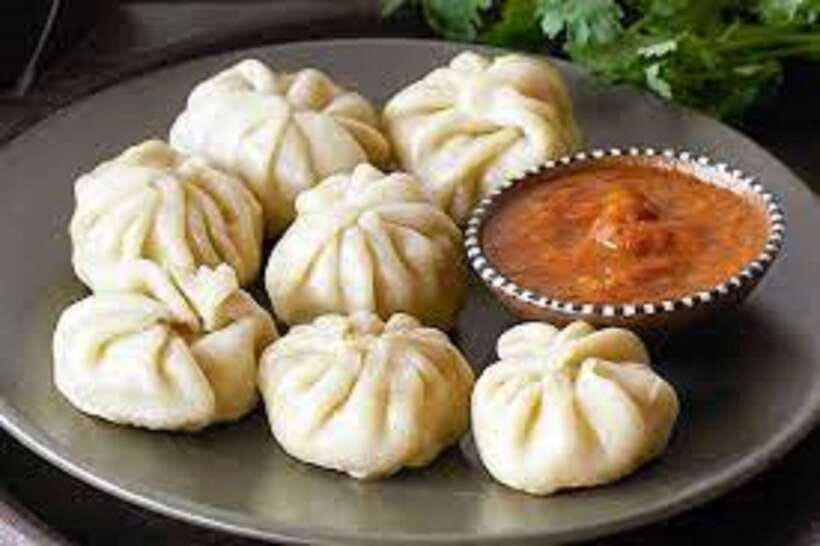
- Momos made from scratch: You prepare both the filling and dough rather than working with ready-made wrappers.
- Vegetarian, chicken, or meat options: You can choose the filling style used in your class.
- Three shaping techniques: The instructor demonstrates traditional pleats, crescent shapes, and another folding method.
- Sauces are part of the lesson: You prepare dipping sauces ranging from mild to spicy and soy-based.
- A private-group format: The class suits couples, families, or friends who want plenty of time at the worktable.
Why a momo class belongs in a Pokhara itinerary
Momos are one of Nepal’s most familiar foods, but eating a plate of them tells you only half the story. This class shows you how much work sits behind those neat little dumplings: the dough needs the right texture, the filling needs balance, and the wrapper must be thin enough to cook while still holding together.
The introduction lasts about 10 minutes. You meet the instructor, hear a short explanation of momos and their place in local food culture, and get familiar with the ingredients and equipment. That opening is brief, which is good. You are not paying $29 for a long lecture before lunch.
I especially like the practical shape of the lesson. You learn a technique, try it yourself, and then eat the result. If you are staying in Nepal for several days, this gives you something more useful than another restaurant meal: a recipe and a method you can try at home.
The class is conducted in English or Hindi. The supplied information does not give the instructor’s name, but previous sessions have been led by a cook or cooking team who explain each step and allow you to make decisions about the filling. That personal guidance matters most during folding, where a quick demonstration is worth more than a printed recipe.
More three-hour classes around Nepal:
- Kathmandu: About 3-hour Cooking Class Experience near Thamel
★ 5.0 · 3 reviews - Marrakech: 3-Hour Open-Air Moroccan Cooking Course
★ 4.9 · 74 reviews - 3-hour Tuscan Cooking Class with Wine & Oil Tasting
★ 4.5 · 36 reviews
Pickup from Lakeside and the café setting
Pickup and drop-off are included from hotels within Pokhara’s Lakeside area. That keeps the logistics simple, especially if you are booking this as a relaxed afternoon activity. You should confirm the exact pickup point when reserving, since the included area is limited to Lakeside.
From there, you go to a local café for the three-hour cooking and tasting session. One reported class took place at Cafe Nirvana, and the route from the pickup point included a short walk to the restaurant. The exact café may depend on the day or booking arrangement, so treat the venue name as useful context rather than a guaranteed detail.
A café is a sensible setting for this class. You get a working kitchen and a place to sit down with your finished food. You are not visiting a series of sights, so this activity works best when you want a break from Pokhara’s outdoor schedule.
Bring a passport or ID card. Leave large luggage and bulky bags behind. You need room to work, and this is not an activity designed for suitcases or big daypacks.
Choosing and preparing the momo filling
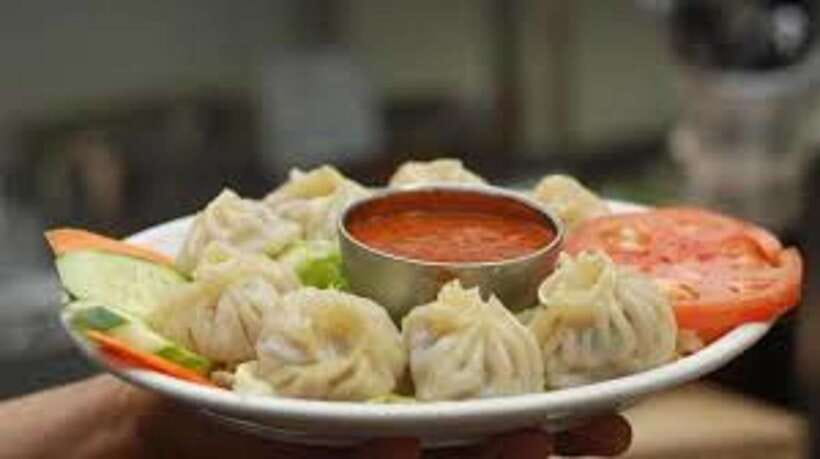
The filling section takes about 40 minutes, making it one of the longer hands-on parts of the class. You learn about the available options, then prepare your own mixture with the chosen ingredients.
You can select vegetarian, chicken, or meat filling. That choice gives the class wider appeal than a fixed menu, especially if you do not eat meat. It is still wise to state dietary needs clearly when booking, since the supplied details do not promise special menus beyond these listed choices.
The value here is not just the ingredient list. The instructor explains how the filling is put together and lets you do the work. You can see how a mixture needs to be moist enough to taste good but not so wet that it breaks the wrapper.
This is also a good point to ask questions. The class includes a question period at the end, but you will learn more by asking while you are chopping, mixing, and filling. If you want to recreate the dish at home, pay attention to the texture of the filling as much as the ingredients themselves.
Kneading dough and waiting for the texture
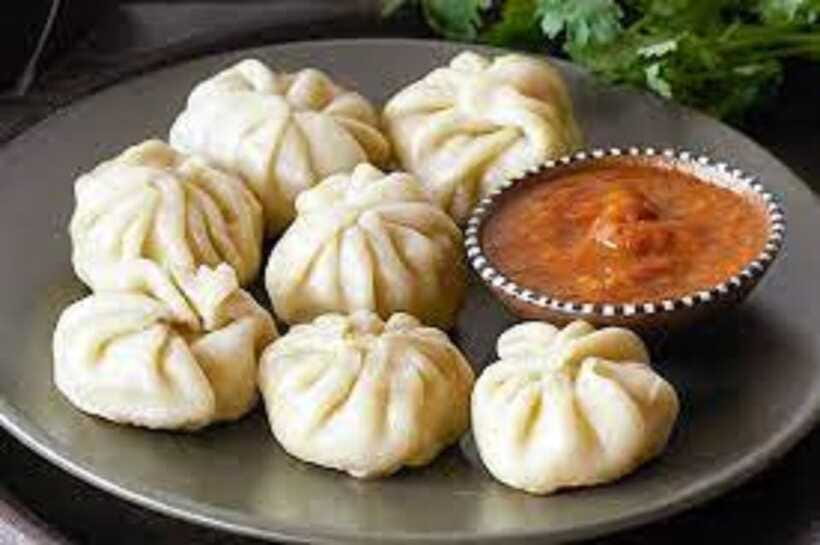
The dough lesson lasts about 30 minutes. You get an explanation of the ingredients, then follow the instructor through kneading and preparation before letting the dough rest briefly.
That short rest is easy to overlook, but it affects how workable the dough feels. The class gives you a chance to notice the difference between dough that is ready to roll and dough that still needs time. This is the sort of small kitchen lesson that helps when you later try momos without an instructor beside you.
You make your own dough rather than receiving a stack of premade wrappers. That adds work, but it also makes the experience more worthwhile. At $29, the price is easier to justify because you are learning the full process, not simply filling wrappers and calling it a cooking class.
Do not expect every wrapper to be perfectly round on the first attempt. The goal is to learn how thin to roll the dough and how much filling to use. A little unevenness is normal, and the final steaming stage is forgiving.
More cooking classes around Nepal:
- Half day cooking class in Thamel kathmandu
★ 5.0 · 607 reviews - Kathmandu: Local Women-Led Nepali Cooking & Momo Class
★ 4.9 · 360 reviews - Kathmandu: Local Lead Nepali Cooking & Momo-Making Class
★ 5.0 · 212 reviews - Local Women Lead Nepali Cooking Class
★ 5.0 · 125 reviews
Rolling wrappers and learning three folds
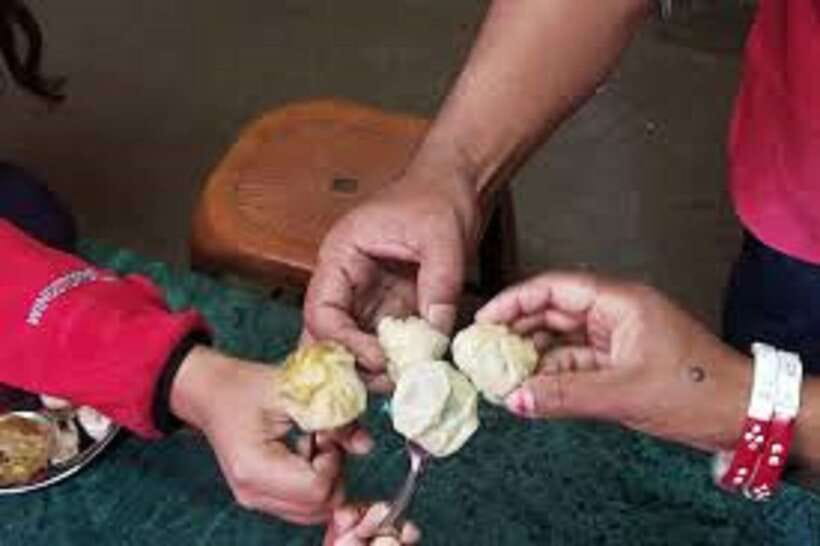
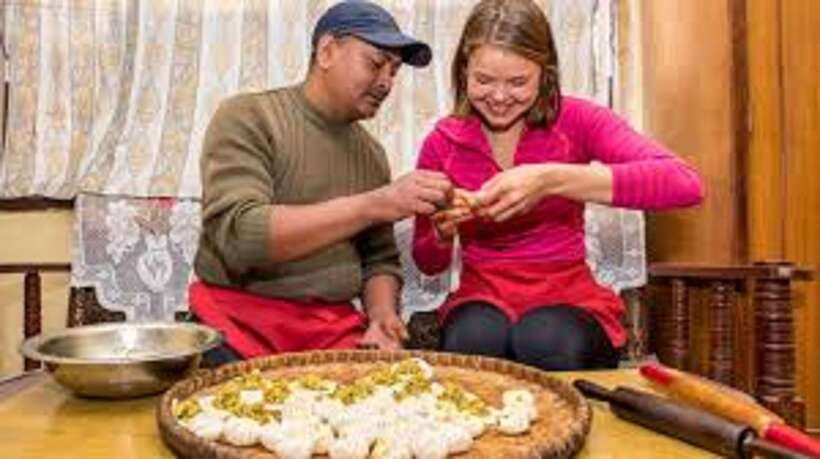
The rolling and shaping section lasts around 40 minutes. The instructor demonstrates how thin the wrappers should be, then shows several momo styles, including traditional pleats and a crescent moon shape.
This is where the class becomes playful. One session taught three folding techniques, giving participants more than one way to finish the dumplings. You can practice the style that feels easiest, then try a more detailed fold once your hands understand the basic movement.
I like this part because it turns food into a small craft without making the lesson too formal. Your first pleats may be uneven. That is not a problem. The important points are sealing the edges, keeping the filling inside, and avoiding a wrapper so thick that it stays doughy.
The private-group format should help here. A large class can leave you waiting while someone else gets a demonstration. With a private group, you have a better chance to ask for another example or get help when a fold refuses to cooperate.
Steaming, frying, and the final texture
The steaming section takes about 20 minutes. You learn how to set up the steamer, why steam cooks the momos gently, and how to tell when the dumplings are tender and cooked through.
Steaming is the standard method presented in the schedule, but one session also included fried momos. That means the exact cooking approach may vary. Ask at the start if you hope to try both versions, since the provided information does not guarantee frying in every class.
This part is useful because cooking time can change the result. Too little heat leaves the dough undercooked. Too much time can make the wrapper soft or heavy. You get to see the practical side of the process rather than receiving a plate that has already been prepared.
The class includes the materials needed for cooking. A cold drink is also included for each person. Food and drinks are otherwise listed as available for purchase, so clarify what additional refreshments or menu items might cost before ordering anything beyond the class meal.
Mixing the dipping sauces
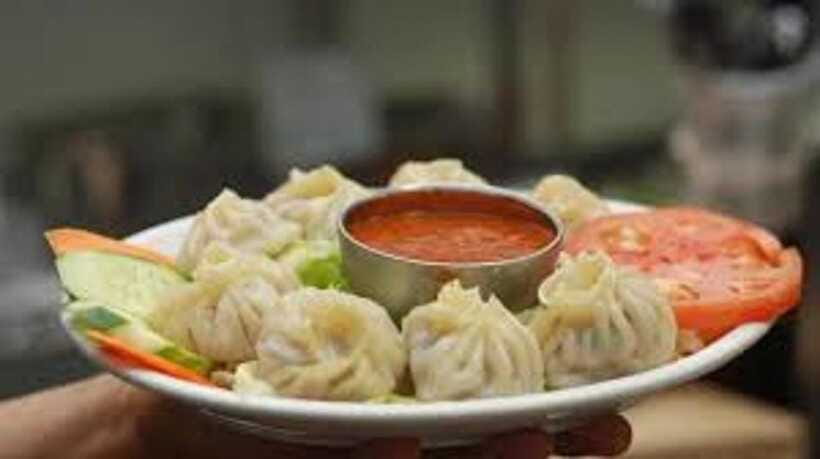
The sauce lesson takes about 15 minutes and adds welcome variety to the meal. You are introduced to several styles, including spicy, mild, and soy-based sauces, then prepare your own versions to serve with the momos.
This is a smart inclusion. A good momo can taste very different with a sharp spicy sauce, a gentler dip, or a salty soy-based mixture. It also gives you another recipe to remember, and sauces are often easier to recreate at home than the dumpling folds.
The sauce section breaks up the dough work nicely. By this point, you have spent a fair amount of time rolling and shaping, so mixing something with a different texture keeps the three-hour class moving.
Sitting down to eat what you made
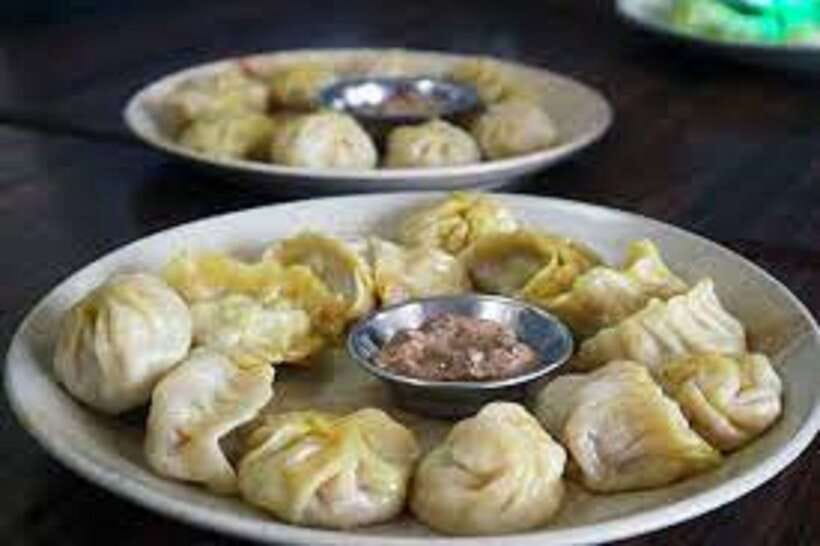
The tasting period lasts about 15 minutes. Everyone gathers to eat the momos with the sauces prepared during the class, and the instructor provides feedback and answers questions.
The food is the payoff, but the shared meal also lets you compare the different shapes and cooking methods. You can see which folds held their filling well and which ones need more practice. Even imperfect dumplings can taste very good once steamed or fried and served with sauce.
One session prepared vegetarian momos and found the finished food especially satisfying. The class also works with chicken or meat fillings, so the final meal depends on your choice and the available ingredients.
Fifteen minutes is not a long restaurant-style lunch. It is enough for tasting and conversation, but you should not book this expecting a leisurely afternoon feast. The emphasis is on making the food and enjoying a modest meal at the end.
What $29 gets you in Pokhara
At $29 per person, this class sits in the reasonable range for a three-hour private cooking activity with pickup and drop-off. The price covers the instruction, cooking materials, the ingredients used in the lesson, and a cold drink for each person.
The strongest value is the amount of participation. You make the filling, dough, wrappers, shapes, and sauces. If you only wanted to eat momos, a café meal would cost less. If you want a practical introduction to one of Nepal’s best-known foods, the class gives you more for the money.
The private-group format matters too. A couple or small family can get direct help rather than standing behind a crowd. One small session had just two participants, which made it particularly interactive.
Keep the price in perspective. This is not a market tour, a cultural performance, or a full-day food excursion. You are paying for a focused kitchen lesson in or near Lakeside. That makes it a good fit for a free morning or afternoon, not for someone seeking a broad introduction to Pokhara’s food scene.
Who should book this class
I would choose this activity if you enjoy hands-on food experiences and want a break from sightseeing. It suits couples, families, friends, and solo visitors who like learning by doing. The private format is especially useful if you want to ask questions or work at your own pace.
It is also a good choice for people who have already eaten momos and want to understand how they are made. The class covers the full process, so you leave with more than a general idea of the ingredients.
It may be less suitable if you have limited mobility. The experience is specifically not recommended for people with mobility impairments, and the class involves moving through pickup, the café, and the cooking area. Large luggage is not allowed, and you should bring only what you need, along with your passport or ID card.
The activity runs rain or shine. That is useful to know in Pokhara, where a change in weather can alter outdoor plans quickly. A cooking class gives you a dependable indoor option, though the pickup and short walk to the venue may still require some planning in wet weather.
You can cancel up to 24 hours in advance for a full refund, and the reserve-now, pay-later option keeps your plans flexible. Starting times vary, so check availability before choosing it around a flight, bus, or other fixed appointment.
Should you book the Pokhara momo class?
Book it if you want a friendly, practical food lesson rather than a passive tasting. The best reasons are the hands-on dough work, the choice of filling, the three folding methods, and the chance to make your own sauces. Hotel pickup within Lakeside also removes some of the usual short-tour hassle.
Think twice if you dislike kitchen work, need a fully accessible activity, or want a long meal with lots of food. The class moves through several short stages, and the tasting period is brief.
For most visitors staying in Lakeside, I see this as a useful half-day addition. You get a local dish, a new cooking skill, and a meal you helped create. At $29, that is a fair trade, especially for a small private group.
FAQ
How long does the momo cooking class last?
The class lasts three hours, including the cooking lesson, tasting, questions, and transportation from Pokhara’s Lakeside area.
Where does the activity take place?
Pickup is available within the Lakeside area of Pokhara, and the cooking lesson takes place at a local café.
Is hotel pickup included?
Yes. Hotel pickup and drop-off are included for locations within the Lakeside area.
Which languages does the instructor speak?
The instructor can conduct the class in English or Hindi.
What types of momo filling can I choose?
The available choices are vegetarian, chicken, or meat filling.
Do I make the momo dough myself?
Yes. The class includes instructions for kneading and preparing the dough, and you make your own dough before rolling it into wrappers.
Are cooking supplies included?
Yes. All momo cooking materials are included.
What should I bring to the class?
Bring a passport or ID card. Large bags and luggage are not allowed.
Can I cancel the booking?
You can cancel up to 24 hours in advance for a full refund. The reserve-now, pay-later option is also available.
New cooking classes around Nepal
- Kathmandu: 3-Hours of Cooking Class with Meals★ 5.0 · 10 reviews
- Pokhara: Nepali Cooking Class and Momo Making Workshop★ 5.0 · 6 reviews
- Nepalese Kitchen in Pokhara: Momos or Dal Bhat Cooking Class★ 5.0 · 67 reviews
- MoMo or Dal Bhat Cooking Class at Aama Kitchen in Pokhara★ 4.9 · 28 reviews
- Local Women Led Nepali Cooking Class★ 5.0 · 6 reviews
- Kathmandu: Nepali Cooking Class with Hotel Pickup★ 4.1 · 5 reviews
- Kathmandu: Women-Led Cooking Class & Momo Making-Local Taste★ 4.8 · 15 reviews
- Kathmandu: Local Women-Lead Nepali Cooking & Momo Class★ 4.9 · 45 reviews
Nepal Cooking Classes, side by side.
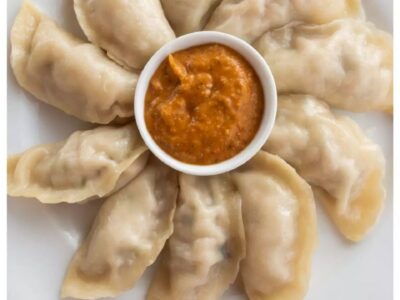
Nepalese Kitchen in Pokhara: Momos or Dal Bhat Cooking Class
Read our review →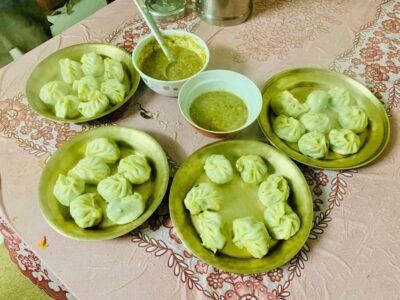
MoMo or Dal Bhat Cooking Class at Aama Kitchen in Pokhara
Read our review →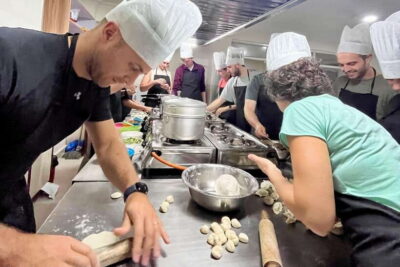
Kathmandu: Women-Led Cooking Class & Momo Making-Local Taste
Read our review →
This kitchen also appears in