
Review · OSAKA
Osaka Cooking Class: Okonomiyaki &Japanese cuisines experience
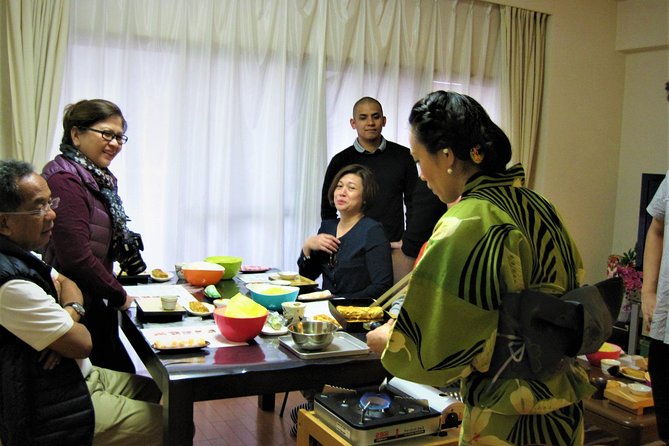
Osaka is famous for food you can eat while standing at a market stall, but this class takes you somewhere more personal: Yayo’s own home. Over about two and a half hours, you prepare okonomiyaki, takoyaki, miso soup, and taiyaki, then sit down to eat what you made.
I especially like the small size, capped at eight people, and the practical teaching. You do not just watch a demonstration. You mix, shape, cook, and learn tricks you can use back home. Yayo also explains the place of each dish in Japanese cooking, which gives the meal more meaning than a standard food stop.
The main thing to consider is the setting. This is a home-based class in a small cooking studio, not a large professional kitchen. That creates warmth and personal attention, but you must arrive on time and only confirmed participants can enter.
Key points to know before booking
- Cook in Yayo’s Osaka home: The class has a friendly, personal feel rather than a formal culinary-school atmosphere.
- Make several Japanese staples: You prepare okonomiyaki, takoyaki, and miso soup, with taiyaki and matcha to finish.
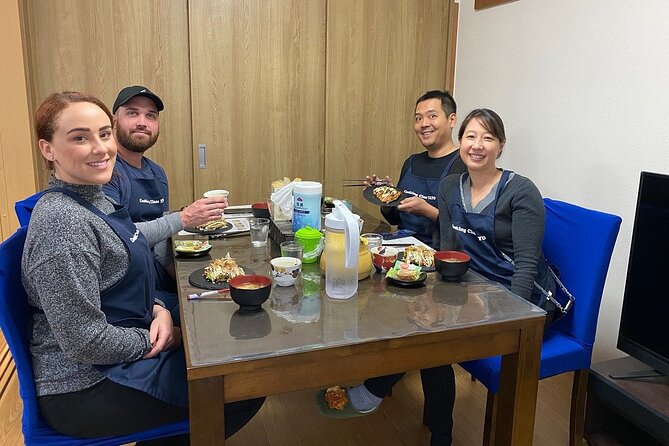
- Eat a very generous meal: The dishes you cook become lunch or dinner, and the portions may be more than you can finish.
- Small groups matter: With a maximum of eight people, you get direct help with batter, pans, fillings, and timing.
- Optional drinks add a local touch: Choose a sake and beer pairing if you want drinks with the meal.
- Plan carefully for Noda Station: The meeting point is outside Noda Station, and arrival more than 10 minutes late may mean losing your place without a refund.
Starting near Noda Station in Osaka
Your meeting point is outside Noda Station in Fukushima Ward, west of central Osaka. The activity ends back at the same meeting point, and hotel pickup is not included, so you need to make your own way there.
This location is useful if you are staying in Osaka and want a class away from the main shopping streets. The instructions identify the station and meeting point clearly, but give yourself extra time to get oriented. A cooking class has a fixed start, and this one is strict: participation is not guaranteed if you arrive more than 10 minutes late.
That rule makes sense in a home kitchen. The cooking begins as a group, and late arrivals can interrupt food preparation in a tight space. Still, it is important to treat the meeting time as firm, especially if you are coming from another part of the city.
The class lasts about two hours and 30 minutes. That is enough time for several dishes, instruction, eating, and the closing tea and dessert without making the session feel like a full-day commitment.
More cooking classes around Osaka:
- Sushi Making Osaka! Popular Sushi Class in Japan!
★ 5.0 · 500 reviews - Osaka: Ramen and Gyoza Cooking Class in Dotonbori
★ 5.0 · 378 reviews - Osaka: Roll and Authentic Sushi Making Class in Dotonbori
★ 4.9 · 239 reviews
A home kitchen with a personal host
The class takes place in Yayo’s home, which changes the tone from the start. You are not sitting in rows while an instructor performs every step at a distance. You work close to the cooking area and receive direct help as you go.
Yayo is the host and English-speaking instructor. Her teaching style combines instructions with conversation about Japanese food and daily life. She explains ingredients, cooking methods, and the cultural background of the dishes. Her English is described as quite strong, which matters when you are learning small details such as texture, heat, and timing.
The maximum group size is eight, though some sessions may be much smaller. A solo visitor may find the class nearly private, while a couple or family may share the kitchen with only a few other people. That small-group format is one of the strongest reasons to choose this experience over a larger cooking school.
The home setting also means you should not expect a polished restaurant dining room. The space is compact, and the atmosphere is informal. If you prefer a professional studio with several cooking stations and lots of room, this may feel close. If you value meeting a local in a real home, the setting is a major advantage.
Miso soup: simple ingredients, careful technique
The class begins with miso soup, a dish that looks simple but teaches useful Japanese cooking habits. Yayo shows you how small changes in preparation affect the finished flavor, including the role of dashi and the way miso is added.
This is a good first dish because it introduces a basic idea in Japanese cooking: subtle flavors depend on careful handling. You may already know miso soup from restaurants, but making it yourself helps you understand how the broth, miso, and other ingredients work together.
One especially useful lesson is that dashi need not feel mysterious. The class can make this foundation seem approachable, giving you something you can try at home rather than a technique that stays tied to the tour.
Vegetarian and pescatarian versions are available if requested at booking. You should state your needs in advance, since the cooking studio is small and the ingredients are planned before class.
Takoyaki and the fun of cooking in Osaka
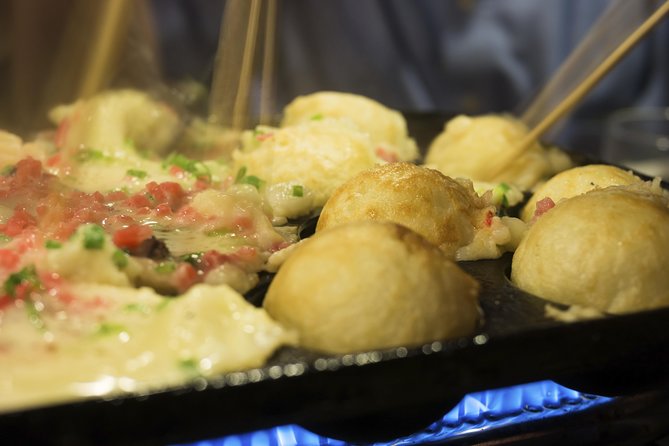
Takoyaki is one of Osaka’s signature foods: small balls of wheat-flour batter filled with octopus and cooked until browned outside. The technique is more active than simply stirring a pot. You need to work with the batter, filling, heat, and shape as the pieces cook.
That hands-on work gives the class a distinctly Osaka flavor. Takoyaki is closely linked with the city’s casual food culture, and learning to make it helps you understand why the dish is as much about the cooking process as the final bite.
You receive help from Yayo as you work, so you do not need advanced cooking skills. The class is designed to let you participate without setting you up for failure. That makes it suitable for beginners, families, and people who enjoy food but do not usually cook.
Still, do not expect every piece to look perfect. The fun is in learning how to handle the mixture and seeing it come together. The class works best when you treat the process as part of the meal, not as a test.
Same kitchen, a different dish:
- Osaka Sake Tasting with Takoyaki Cooking
★ 5.0 · 156 reviews - Osaka: Cooking Class Ramen & Gyoza Course in Nanba
★ 4.9 · 86 reviews - Osaka: Gluten-Free Ramen and Gyoza Cooking Class
★ 5.0 · 42 reviews - Osaka: Sashiko Japanese Craftsmanship Workshop
★ 5.0 · 31 reviews
Okonomiyaki, Osaka’s filling savory pancake
Okonomiyaki is the main event for many people. The name is often explained as cooking according to your preference, and the dish gives you a clear sense of Japanese home-style comfort food. The version prepared here includes egg, flour, cabbage, pork, and dried bonito flakes.
You learn how the ingredients combine into a thick, filling pancake and how toppings contribute to the final flavor. The dish is far more substantial than a small snack, which helps explain why Osaka is often associated with generous, satisfying food.
The class also shows you how to get Japanese cooking right at home. That is the real value here. You leave with methods rather than just memories, and several cooking experiences specifically include written instructions or recipes to take away. The teaching is practical enough that you can try making okonomiyaki again after returning home.
If you do not eat pork, ask about the available alternative when booking. The supplied information confirms vegetarian and pescatarian options, but it does not promise that every ingredient can be changed on the day.
Taiyaki, matcha, and a sweet finish
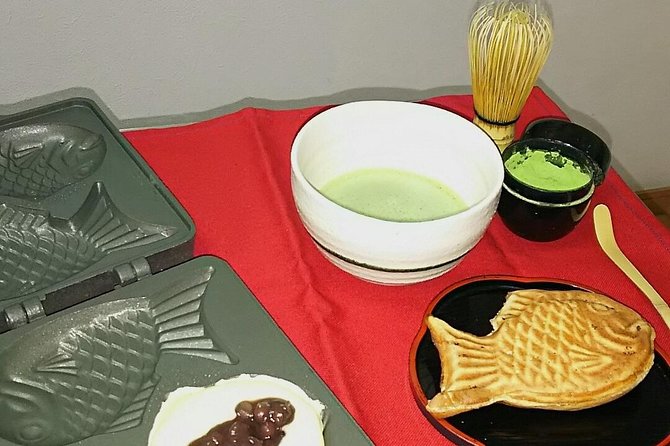
After the savory dishes, you try taiyaki, a fish-shaped cake, with matcha tea. Taiyaki is a playful ending to the class, and its shape makes it easy to remember. It also gives you a change of pace after the heavier okonomiyaki and takoyaki.
The matcha adds a traditional touch to the final course. You should not expect a formal tea ceremony. This is a simple closing drink paired with a sweet, but it helps round out the meal and keeps the class focused on a range of Japanese food rather than only Osaka’s savory specialties.
Some class experiences have also included rolled omelette, known as dashimaki tamago, along with the dishes listed above. The exact food sequence may vary, so you should focus on the core menu of miso soup, takoyaki, okonomiyaki, taiyaki, and matcha when deciding if the class suits you.
Optional sake and beer pairing
You can add a local sake and beer tasting to the meal. This is not required, and you can simply enjoy the food with the group if you do not drink.
The pairing makes sense for adults who want to connect the food with Japanese drinks, but it also raises the total cost. At $104.13 per person before any selected extras, the basic class is already a substantial activity price. The value depends on how much you want from the experience.
You are paying for more than ingredients. The price includes an English-speaking host, hands-on instruction, utensils, the meal you prepare, and the chance to cook in a local home. For a visitor who would otherwise pay separately for lunch or dinner, that makes the price easier to justify. The class also provides several dishes rather than one recipe.
If you are mainly seeking a cheap meal, this is not the best choice. If you want food, instruction, cultural background, and a small social setting in one booking, the cost is more reasonable. Group discounts may be available, which can help couples or families compare the total price.
Expect a generous amount of food
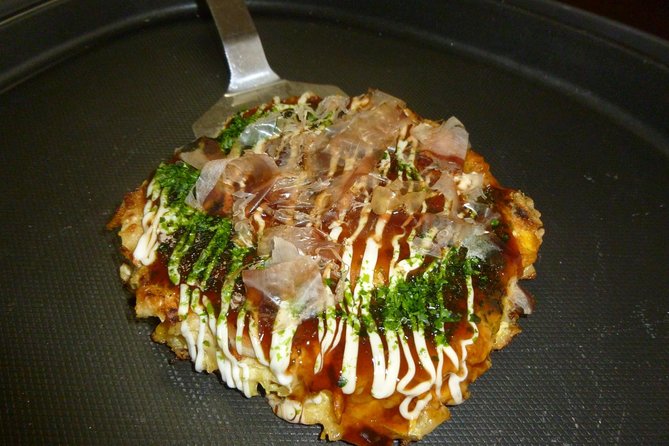
Come hungry. You prepare multiple dishes, then eat them as lunch or dinner, and the amount can be considerable. Some people may find there is too much to finish, with leftovers possible after the meal.
That is a pleasant problem, but it affects how you plan the rest of your day. Do not schedule a major food tour immediately afterward. The class is not a light snack stop, especially once okonomiyaki, takoyaki, miso soup, dessert, and drinks are included.
The meal also gives the class a natural rhythm. You cook, sit down, talk, and taste the results together. It is not simply a lesson followed by a quick sample. The food you make is the main meal, so the quality of the instruction directly affects what you eat.
What makes this class especially personal
Several details give the session more feeling than a standard group activity. Yayo may provide printed instructions in your native language, homemade treats, small gifts, chopsticks, or paper cranes made from the flags of participants’ home countries. These extras are not the main reason to book, and they may vary, but they show the care put into the hosting.
The class also gives you room to ask questions. You can learn about ingredients, regional differences, family cooking, and the background of each dish while preparing the food. That conversation is difficult to reproduce in a restaurant.
Solo visitors are likely to appreciate the small group most. Couples and families also fit well, especially if one person is not confident in the kitchen. You do not need professional skills, and the instructor helps you take part without pressure.
The experience is less suitable for anyone who dislikes eating unfamiliar ingredients, particularly octopus or pork. You can request vegetarian or pescatarian arrangements, but make that request when booking rather than assuming it can be fixed after arrival.
Practical details that affect your choice
The class is available with a mobile ticket, and confirmation is provided when you book. It is near public transportation, with the starting point outside Noda Station and the finish at the same place.
Adult pricing applies to all participants except children age two and under. The maximum is eight people, but the small home setting means the confirmed booking list is firm. Do not bring additional friends who have not booked.
Free cancellation is available up to 24 hours before the local start time for a full refund. Cancellations or changes made within 24 hours are not refunded or accepted, so check your Osaka schedule before committing.
The class is best placed on a morning or evening when you can give it your full attention. You will be cooking several foods, listening to instructions, and eating a large meal. Rushing from a distant attraction is not a good plan.
Who should book this Osaka cooking class?
I would choose this for you if you want a direct, friendly introduction to Japanese home cooking rather than a restaurant meal or a market tasting. It suits first-time visitors, solo visitors, couples, families, and anyone hoping to recreate dishes at home.
It is also a strong choice for people who enjoy cultural context. Yayo explains more than the basic steps, including the meaning and use of ingredients and the place of each dish in Japanese food culture.
I would think twice if you want a large, highly polished cooking school, a short tasting, or complete control over the menu. You may also find the meal too large if you have a packed food itinerary.
Should you book it?
Yes, if you value personal instruction, a local home setting, and enough food to count as lunch or dinner. The small group limit, clear English instruction, and practical recipes make the $104.13 price easier to understand, especially when you include the meal itself.
Book with a little care: arrive early at Noda Station, request vegetarian or pescatarian food in advance, and leave room in your appetite. Add the sake and beer pairing only if it fits your budget and interests. For a hands-on Osaka food experience that stays personal, this is a strong pick.
FAQ
Where does the Osaka cooking class meet?
The class meets outside Noda Station at 1 Chome-1 Ohiraki, Fukushima Ward, Osaka, 553-0007, Japan. The activity ends back at the meeting point.
How long does the experience last?
The cooking class lasts approximately two hours and 30 minutes.
What dishes will I prepare?
The core dishes are miso soup, takoyaki, and okonomiyaki. You also try taiyaki and matcha tea before leaving. Some sessions may include additional dishes such as rolled omelette.
Is the class suitable for vegetarians or pescatarians?
Yes. Vegetarian and pescatarian options are available, but you must request them when booking.
How many people can join the class?
The activity has a maximum of eight participants. Only people with confirmed bookings can join because the cooking studio is small.
What happens if I arrive late or need to cancel?
Participation is not guaranteed if you arrive more than 10 minutes late, and no refund is provided in that case. You can cancel for a full refund up to 24 hours before the local start time. Cancellations or changes made less than 24 hours before the start are not accepted.
New cooking classes around Osaka
- Okonomiyaki&Takoyaki for Families:Osaka Street Food Festival★ 5.0 · 4 reviews
- Osaka Sake Tasting with Takoyaki Cooking★ 5.0 · 156 reviews
- Osaka: Sashiko Japanese Craftsmanship Workshop★ 5.0 · 31 reviews
- Osaka: Japanese Cooking Class with Matcha Experience★ 5.0 · 4 reviews
- Osaka Okonomiyaki Cooking Experience for Families & Groups★ 4.9 · 8 reviews
- Osaka: Okonomiyaki Cooking Class with Beer or Soft Drink★ 4.9 · 9 reviews
- Osaka: Cooking Class Ramen & Gyoza Course in Nanba★ 4.9 · 86 reviews
- Osaka: Gluten-Free Ramen and Gyoza Cooking Class★ 5.0 · 42 reviews
Osaka Cooking Classes, side by side.

Sushi Making Osaka! Popular Sushi Class in Japan!
Read our review →
Osaka: Ramen and Gyoza Cooking Class in Dotonbori
Read our review →
Osaka: Roll and Authentic Sushi Making Class in Dotonbori
Read our review →
Osaka: Cooking Class Ramen & Gyoza Course in Nanba
Read our review →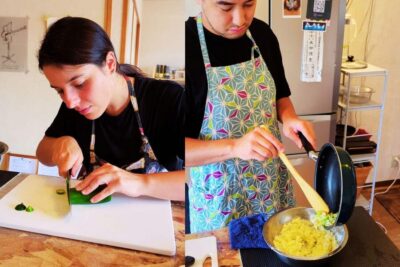
Osaka: Gluten-Free Ramen and Gyoza Cooking Class
Read our review →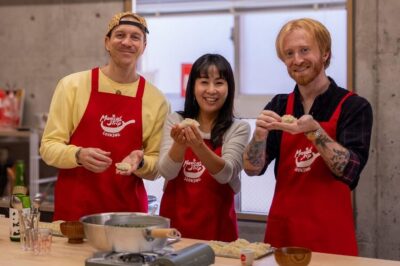
Osaka: Cooking Class & Sake Tasting with Local Market Visit
Read our review →
This kitchen also appears in