
Review · OSAKA
Osaka: Sashiko Japanese Craftsmanship Workshop
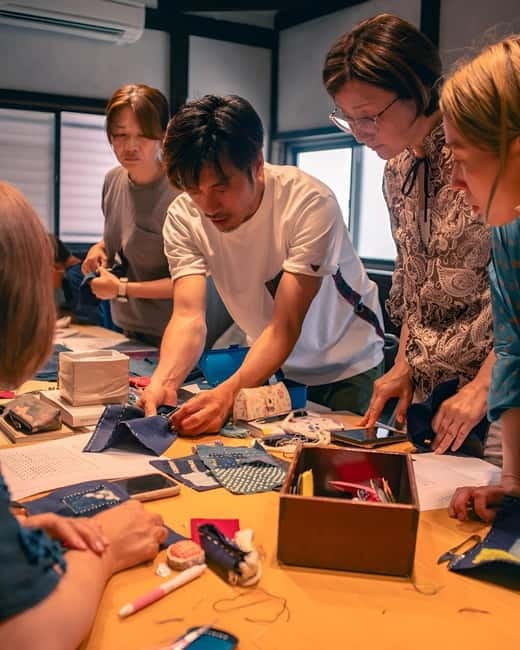
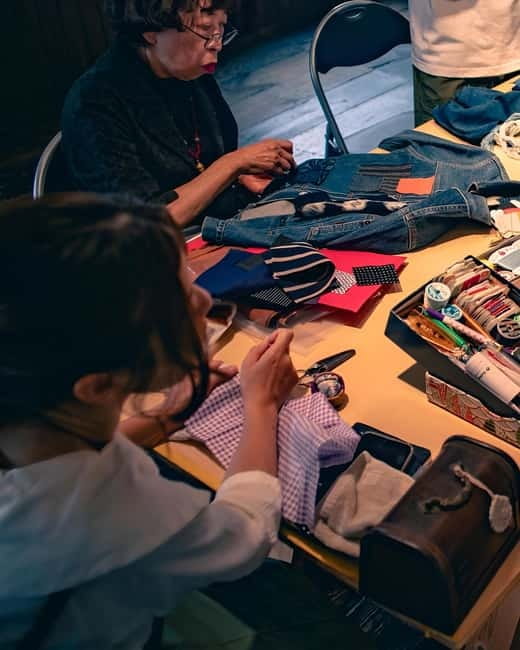
Sashiko turns simple running stitches into neat geometric art, and this Osaka workshop lets you try the craft rather than just admire it in a shop. You’ll learn the basics from Jun, make your own coasters, and leave with a useful handmade memento.
I like the small group of up to eight, which gives you room to ask for help. I also like the calm, old-house setting, with wooden stairs and visible framework adding a sense of place. The main consideration is time: two hours is enough for a first project, but not enough to master every pattern or technique.
Key points to know before booking

- Make your own Sashiko coasters: Practice geometric stitches on a small, manageable project.
- Learn with Jun: Instruction is offered in English and Japanese, with patient help for beginners.
- Connect craft with history: Discover how Sashiko began as a way to mend and strengthen clothing.
- Enjoy a small-group setting: The class is limited to eight people, so guidance should feel personal.
- Take home a practical souvenir: Your finished textile piece becomes a reminder of Osaka and your own handiwork.
- Browse JunAle goods afterward: The nearby shopping corner sells sewing kits, hand-dyed threads, clothing, and original goods.
Why Sashiko makes a good Osaka activity
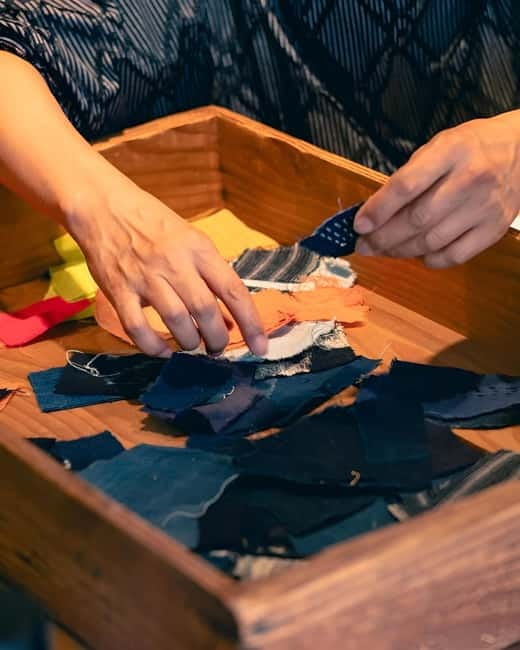
Osaka is known for food, shopping, and city energy. A Sashiko class gives you a slower change of pace. For two hours, the focus is fabric, thread, hand movement, and pattern.
Sashiko means little stabs, a plain description of the small stitches used to build larger designs. The technique developed during the Edo period, from 1603 to 1868, when rural families used stitching to repair clothing and make it warmer and stronger.
That practical beginning is part of the appeal. This was not originally a luxury pastime. Farmers and fishermen used what they had to extend the life of worn fabric. Over time, regional styles developed, and the repeated patterns became valued for their beauty as well as their usefulness.
You will hear about that change during the workshop. The class explains how Sashiko moved from necessary repair work to a respected Japanese art. That background helps you see the finished coaster as more than a decorative object. It is a small example of how careful work can turn wear, repair, and utility into design.
More aprons waiting around Osaka:
- Sushi Making Osaka! Popular Sushi Class in Japan!
★ 5.0 · 500 reviews - Osaka: Ramen and Gyoza Cooking Class in Dotonbori
★ 5.0 · 378 reviews - Osaka Cooking Class: Okonomiyaki &Japanese cuisines experience
★ 5.0 · 261 reviews
What happens during the two-hour class
The session begins with an introduction to Sashiko and its place in Japanese craft. You’ll learn why the stitches are arranged in regular geometric patterns and how different designs can carry cultural or symbolic meaning.
Jun then demonstrates the basic technique. You’ll see how to handle the needle, thread the fabric, and create evenly spaced stitches. You do not need previous embroidery or sewing experience. The class is designed to give a complete beginner a clear way into the craft.
After the demonstration, you practice on a small project. The main activity is making Sashiko coasters, which is a sensible choice for a short class. A coaster gives you enough surface area to understand the pattern without requiring the long concentration needed for a larger textile.
The work is repetitive in a good way. Once your hands settle into the motion, the stitching can feel calm and focused. You are not racing through a long list of stops or instructions. Instead, you spend time noticing spacing, tension, and the shape created by each row.
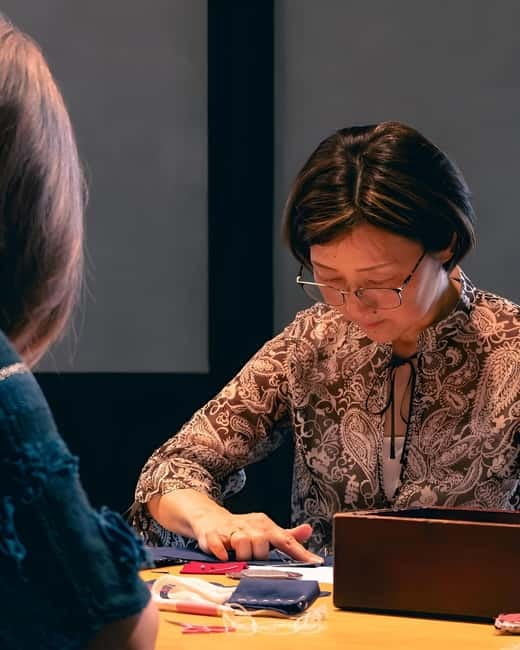
Jun offers help as you work. The small group size matters here. With no more than eight people, you can ask about a stitch or get help correcting a section before a small mistake spreads across the design.
If you already sew, the basic project may feel familiar rather quickly. That is not necessarily a problem. One participant who finished early was shown an additional stitch, so experienced crafters may have a chance to extend the lesson. Still, you should book this as an introduction rather than an advanced masterclass.
The old Osaka setting adds character
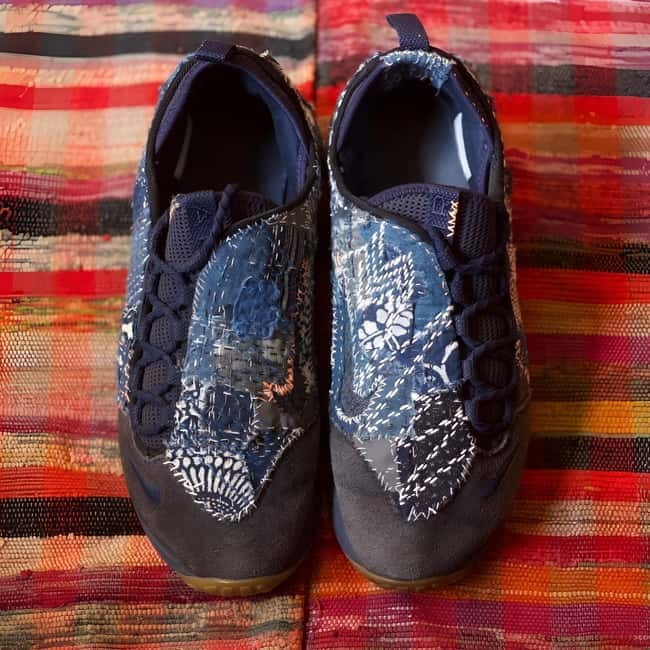
The workshop takes place in a space described as a historic old house, with wooden stairs and visible framework. The setting is not just a neutral classroom. It gives the craft a more fitting backdrop and adds a little atmosphere to the time you spend stitching.
You should keep expectations sensible. The main attraction is the hands-on work, not a formal house tour or a preserved museum interior. The old structure is a pleasant extra that makes the class feel connected to Japanese domestic craft traditions.
The venue is reachable by train, and advance notice allows you to arrange a meeting at Kyobashi Station. Transportation to the workshop is not included, so you need to make your own way there unless you have arranged the station meeting option.
Because the exact starting time depends on availability, check the schedule before planning nearby activities. Two hours is compact enough to fit into a full day in Osaka, but you should allow extra time for getting to the venue and finding the meeting point.
Why the small group matters
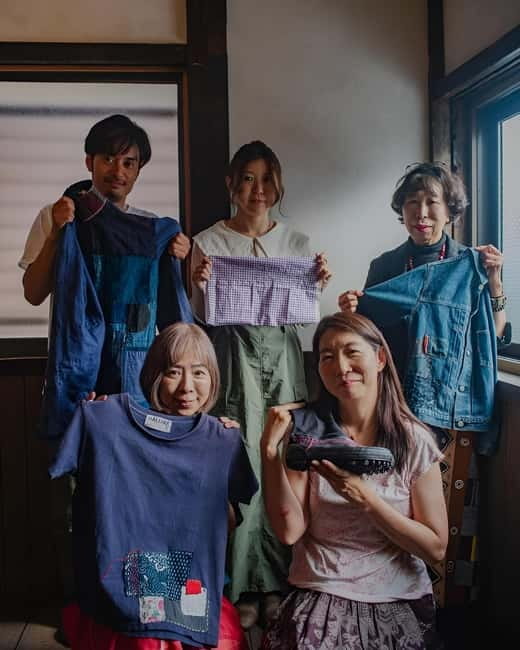
A craft lesson can be frustrating if the instructor has to rush from person to person. Here, the cap of eight participants gives the class a more personal feel than a large commercial demonstration.
You’ll work alongside other people who are learning the same basic stitches. That creates a relaxed group atmosphere without making the class feel crowded. The setting can work well for solo visitors, couples, families, and friends celebrating a special occasion.
The workshop also suits teenagers. One family joined with teens and enjoyed the class together, which points to the activity’s broad appeal. It is quiet, hands-on, and does not depend on prior knowledge of Japanese art.
English and Japanese instruction is available. The demonstrations and direct help are important because Sashiko is a visual skill. You can watch the movement of the needle and thread even when a technical explanation needs repeating.
The activity is wheelchair accessible, though transportation arrangements and the layout of the old house are still worth confirming when you book. The supplied information identifies the workshop as accessible, but it does not provide detailed measurements or information about every part of the route.
Same kitchen, a different dish:
- Osaka: Roll and Authentic Sushi Making Class in Dotonbori
★ 4.9 · 239 reviews - Osaka Sake Tasting with Takoyaki Cooking
★ 5.0 · 156 reviews - Osaka: Cooking Class Ramen & Gyoza Course in Nanba
★ 4.9 · 86 reviews - Osaka: Gluten-Free Ramen and Gyoza Cooking Class
★ 5.0 · 42 reviews
Materials are included, so you can focus on learning

The $67 price covers the fabric, thread, needles, and other Sashiko tools needed for the class. That makes budgeting easy. You do not need to arrive with sewing supplies or buy a kit before you begin.
You also take home the completed project. A handmade coaster is modest in size, but it is more personal than a mass-produced souvenir. The marks show where you learned, adjusted your tension, and worked through the design.
The value depends on what you want from a craft activity. If you are looking for the cheapest souvenir in Osaka, this is not the right comparison. If you want two hours of instruction, cultural context, a small-group setting, and materials included, the price is reasonable.
You are paying for time and guidance as much as for the fabric itself. The useful part is that you can continue the skill at home. Once you understand the basic stitch, you can apply it to future textile projects rather than leaving the technique behind with the coaster.
The shopping corner is useful, but optional
Next to the workshop is a small JunAle shopping area. It offers original JunAle goods, sewing kits, hand-dyed threads, and clothing. Cash discounts are available.
This is a helpful option if the lesson sparks a new hobby. Buying thread or a kit gives you a way to keep practicing after your holiday. You can also simply browse and leave without adding anything to the cost of the experience.
The shopping area should not be the main reason you book. The class itself is the core experience, and the shop is an optional extra. Still, it gives you access to materials connected with the workshop instead of sending you straight to a general souvenir shop.
What makes the finished piece worthwhile

The final coaster will not look exactly like a factory-made textile, and that is part of its value. You will see your own choices in the stitch spacing and pattern. A slightly uneven section is evidence that you made it by hand.
Sashiko rewards patience more than speed. You do not need perfect sewing skills to enjoy it, but you do need to accept that the process is the point. If you want an instant result, this class may feel slow. If you like focused handwork, the steady rhythm is likely to be one of the best parts.
The geometric designs also give the project a clear structure. You are not asked to create a completely free-form artwork from scratch. The pattern provides direction, while the stitching still gives you room to develop your own piece.
That balance makes the activity suitable for beginners. You receive enough guidance to get started, but the result still feels personal.
Who should book this Sashiko workshop
I would recommend this activity to anyone interested in Japanese craft, embroidery, sewing, or textile history. It is especially well suited to people who want a quieter cultural experience between visits to busy city sights.
It also works well for:
- Beginners who want a guided introduction to hand stitching
- Experienced sewers who would like to learn a specifically Japanese technique
- Families with older children or teenagers
- Couples and friends looking for a shared creative activity
- Solo visitors who prefer a small class with a clear project
- Shoppers who want to continue sewing with Japanese materials afterward
You should think twice if you dislike repetitive handwork or want a large finished item. The project is intentionally small, and two hours passes quickly once you begin stitching.
The experience has received a 5 out of 5 rating from 31 bookings, and the most consistent strengths are easy to identify: patient instruction, a friendly atmosphere, a calm pace, and the chance to continue creating at home. Those qualities matter more here than elaborate production or a packed schedule.
Practical details, including the solo booking rule
The workshop costs $67 per person and lasts two hours. Tools and materials are included, and the class is limited to eight participants.
You can cancel up to 24 hours before the activity for a full refund. A reserve-now, pay-later option is available, which helps if your Osaka schedule is still changing.
There is one important point for solo visitors. The operator aims not to charge extra, but the class requires at least two participants. If that minimum is not met, you may be offered another date, asked to pay a 3,000 yen solo supplement, or given a full refund.
That policy is fair to understand before booking. If you are traveling alone and your dates are fixed, the possibility of a changed date or supplement may matter. If your schedule is flexible, the small-group format is a strong reason to consider it.
Should you book it?
Book this workshop if you want to make something with your hands and understand the story behind a Japanese craft. The combination of a small group, an old-house setting, direct instruction from Jun, and a take-home coaster gives the experience a clear purpose.
It is not a full-day craft course, and advanced sewers may finish the basic project quickly. But the option to learn an additional stitch, browse JunAle materials, and continue the work at home adds value.
For most visitors, this is a good choice for a restful half day in Osaka. You leave with a practical object, a new skill, and a better sense of how necessity and beauty shaped Sashiko.
FAQ
How long does the Sashiko workshop last?
The workshop lasts two hours.
How much does the workshop cost?
The price is $67 per person.
What will I make during the class?
You will practice geometric Sashiko patterns and make your own Sashiko coasters.
Are materials and tools included?
Yes. Fabric, needles, thread, and other required Sashiko tools are provided.
Do I need previous sewing experience?
No. The workshop is designed for complete beginners as well as people with sewing experience.
Which languages are available?
Instruction is available in English and Japanese.
How many people can join the workshop?
The group is limited to eight participants.
Can solo visitors book this activity?
Yes, but at least two participants are normally required. If that minimum is not met, solo visitors may choose another date, pay a 3,000 yen supplement, or receive a full refund.
Is the workshop wheelchair accessible?
Yes, the activity is listed as wheelchair accessible. Transportation to the venue is not included, though advance notice allows you to arrange a meeting at Kyobashi Station.
New cooking classes around Osaka
- Okonomiyaki&Takoyaki for Families:Osaka Street Food Festival★ 5.0 · 4 reviews
- Osaka Sake Tasting with Takoyaki Cooking★ 5.0 · 156 reviews
- Osaka: Japanese Cooking Class with Matcha Experience★ 5.0 · 4 reviews
- Osaka Okonomiyaki Cooking Experience for Families & Groups★ 4.9 · 8 reviews
- Osaka: Okonomiyaki Cooking Class with Beer or Soft Drink★ 4.9 · 9 reviews
- Osaka: Cooking Class Ramen & Gyoza Course in Nanba★ 4.9 · 86 reviews
- Osaka: Gluten-Free Ramen and Gyoza Cooking Class★ 5.0 · 42 reviews
- Osaka : Exclusive Tea Ceremony & Wagashi Cooking★ 5.0 · 2 reviews
Osaka Cooking Classes, side by side.

Sushi Making Osaka! Popular Sushi Class in Japan!
Read our review →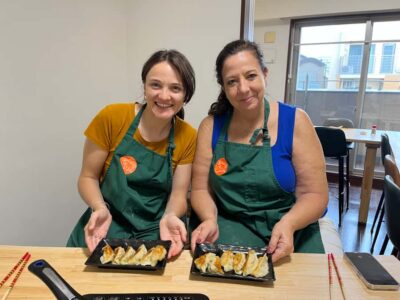
Osaka: Ramen and Gyoza Cooking Class in Dotonbori
Read our review →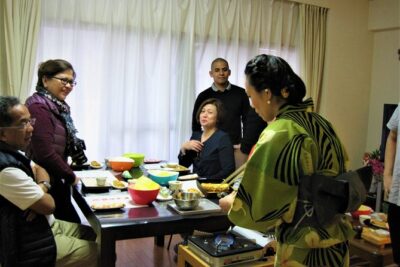
Osaka Cooking Class: Okonomiyaki &Japanese cuisines experience
Read our review →
Osaka: Roll and Authentic Sushi Making Class in Dotonbori
Read our review →
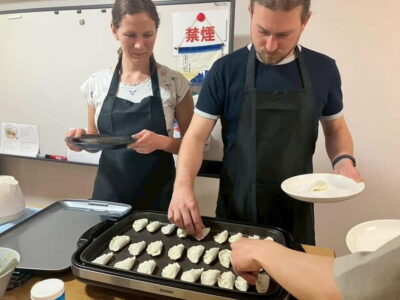
Osaka: Cooking Class Ramen & Gyoza Course in Nanba
Read our review →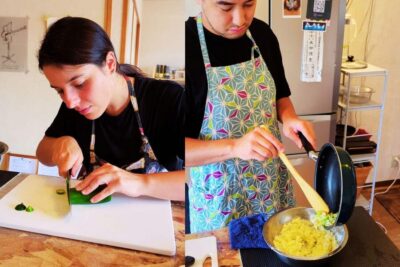
Osaka: Gluten-Free Ramen and Gyoza Cooking Class
Read our review →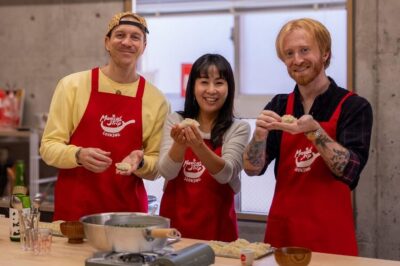
Osaka: Cooking Class & Sake Tasting with Local Market Visit
Read our review →This kitchen also appears in