
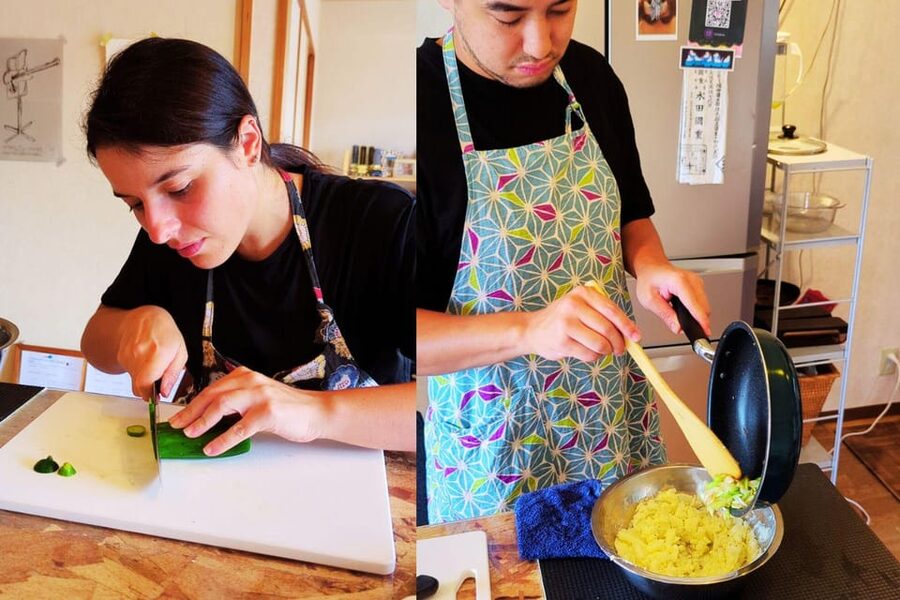
Review · OSAKA
Osaka: Gluten-Free Ramen and Gyoza Cooking Class
The rare treat here is gluten-free Japanese food made from scratch. In three hours, chef Yuki guides you through rice-flour ramen noodles, two ramen styles, handmade gyoza wrappers, dumpling filling, and the folding and frying that bring it all together. You finish by eating the meal in her cozy Japanese-style home.
I love the tiny four-person group, which gives Yuki time to explain each step and help you fix a noodle, wrapper, or fold that has gone slightly off track. I also like that the class sends you home with recipes and practical skills, not just a full stomach.
The main consideration is the price: $103 per person is more than a casual Osaka meal. You are paying for three hours of instruction, specialty gluten-free techniques, a complete meal, and personal attention, so the value is strongest if you want to cook rather than simply eat.
Key points at a glance
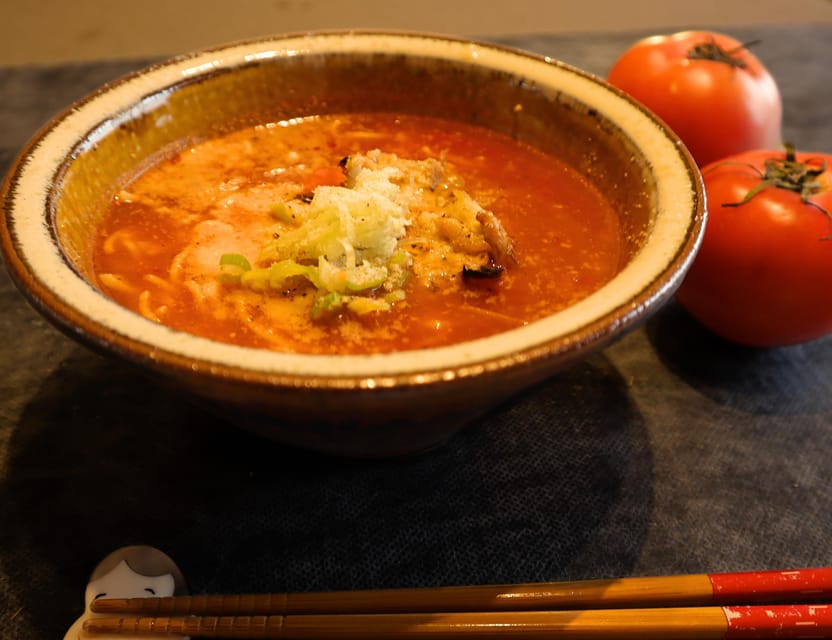
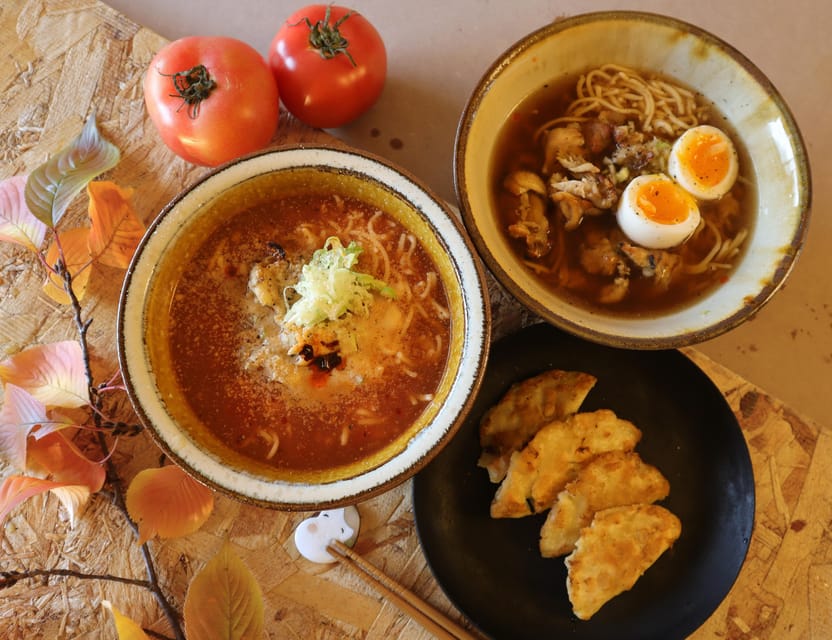
- Two ramen styles in one class: Make soy sauce ramen and the less common tomato ramen, both with handmade rice-flour noodles.
- Gyoza wrappers from rice flour: Learn a useful gluten-free technique that is usually harder to find in a Japanese cooking class.
- Only four participants: The small group keeps the lesson personal and makes it easier to ask questions.
- Chef Yuki teaches in English: She has more than 10 years of professional culinary experience and explains the process in clear steps.
- A meal you actually prepare: Your final table includes the ramen and gyoza you made, with an optional three-serving sake pairing.
- Easy station access: The home is at 4-19 Nukata-cho, about a five-minute walk from Nukata Station.
Why this Osaka class is unusual
Most Japanese cooking classes focus on dishes that naturally rely on wheat, such as standard ramen noodles or conventional gyoza wrappers. This class takes a more careful route, using rice flour to recreate both parts of the meal.
That makes it especially useful for you if gluten-free dining is a daily concern. You are not simply being handed a safe plate. You are shown how the texture is built, how the dough behaves, and how familiar Japanese flavors can work without wheat.
The class also has appeal beyond dietary needs. I would recommend it to anyone who wants a practical cooking lesson with a local host rather than a quick demonstration in a large studio. The recipes are built around food you can try to make again at home.
The setting matters, too. You meet Yuki in a quiet residential neighborhood, inside a Japanese-style home rather than a restaurant or commercial cooking school. That gives the afternoon a relaxed, personal feel, although you should expect a home kitchen atmosphere rather than a large professional teaching facility.
More Vegetarian and Vegan Cooking Classes in Osaka:
- Oaxacan Vegetarian Cooking Class
★ 5.0 · 235 reviews - Marrakech: Moroccan Cooking Class for vegetarians and vegan
★ 4.9 · 156 reviews - Hoi An: Vegetarian Cooking Class w Local Family and transfer
★ 4.9 · 145 reviews
Arriving at Yuki’s home near Nukata Station
The meeting point is 4-19 Nukata-cho in Osaka, around five minutes on foot from Nukata Station. The entrance has a welcoming sign, and detailed directions are sent after booking.
Allow yourself enough time to find the house without rushing. This is a residential area, not a major sightseeing landmark, so the station and address matter more than looking for a prominent storefront. You will want comfortable clothes suitable for cooking, and arriving hungry is sensible because the final meal is a central part of the class.
The three-hour length gives Yuki room to let you do the work. This is not a short lesson squeezed between sightseeing stops. You should plan your day around it and avoid scheduling a tight appointment immediately afterward.
Starting with rice-flour ramen noodles
Yuki begins with an introduction to the ingredients, tools, and Japanese cooking methods used during the class. She also explains how she developed recipes for dishes that are traditionally made with wheat.
The first major task is the ramen noodle dough. You work with rice flour and learn how to produce noodles with a chewy texture without using gluten. That texture is the technical challenge, and it is one of the most useful parts of the class if you want to repeat the recipe at home.
Do not expect this to be a passive demonstration. You take part in the preparation, with Yuki guiding you through the stages. Beginners are welcome, and the small group means you can ask for help instead of quietly guessing what went wrong.
This is also where the class earns some of its price. A bowl of ramen in Osaka may cost far less than $103, but a bowl does not teach you how to make the noodles. Here, the lesson is part of what you are buying.
Making soy sauce ramen from scratch
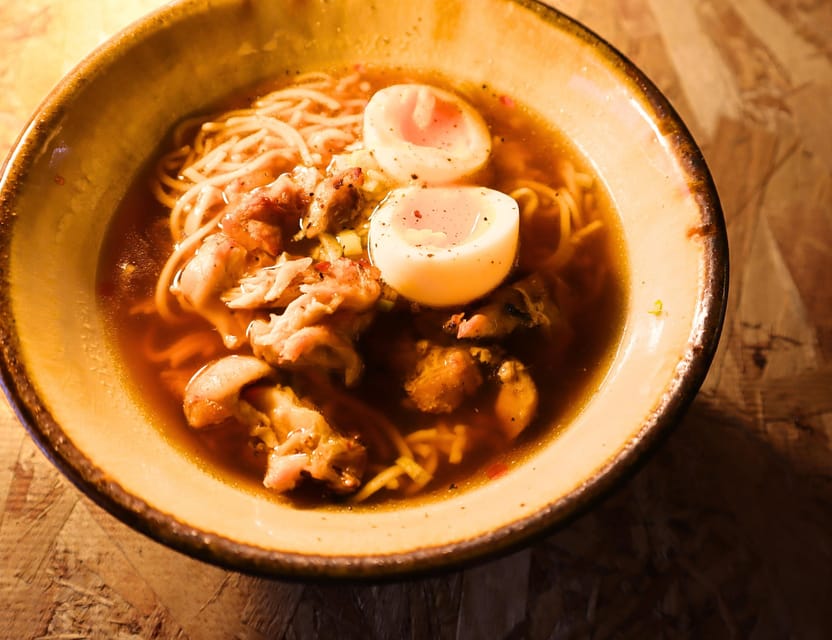
After the noodles, you prepare a savory soy-based broth. Soy sauce ramen is the more classic of the two styles, giving you a familiar reference point for the handmade noodles.
The value of making the broth yourself is that you can understand how the noodles and soup work together. A good bowl is not only about one ingredient. The broth needs enough flavor to support the noodles without burying their texture.
Yuki shares tips on Japanese seasoning and traditional flavoring as you work. Her teaching is available in English, and the experience is designed for international visitors, so you do not need prior cooking experience or Japanese language skills.
For a first-time cook, the pace should be manageable, but the class covers a lot. You are making noodles, broth, a second ramen style, and gyoza in the same session. If you enjoy learning several techniques in one visit, that is a strength. If you prefer one dish taught in extreme detail, this may feel busy.
More cooking classes around Osaka:
- Sushi Making Osaka! Popular Sushi Class in Japan!
★ 5.0 · 500 reviews - Osaka: Ramen and Gyoza Cooking Class in Dotonbori
★ 5.0 · 378 reviews - Osaka Cooking Class: Okonomiyaki &Japanese cuisines experience
★ 5.0 · 261 reviews - Osaka: Roll and Authentic Sushi Making Class in Dotonbori
★ 4.9 · 239 reviews
Trying the unusual tomato ramen
The second bowl is tomato ramen, a tangy variation that is still uncommon in Japan. It gives the class a modern edge without abandoning the basic ramen format.
I like this contrast. The soy broth shows you a classic Japanese direction, while the tomato version demonstrates how a familiar dish can change with a different flavor base. You can compare the two preparations during the final meal and see how the same handmade noodles behave with different broths.
This is also a helpful reminder that Japanese food is not a fixed set of old recipes. Yuki presents traditional methods alongside a creative variation, making the class more interesting than a simple lesson in reproducing one standard bowl.
You prepare both ramen styles during the session, so the meal is substantial. The tomato ramen may appeal to you if you enjoy brighter, more acidic flavors, while the soy version offers the deeper savory profile many people expect from ramen.
Rolling gluten-free gyoza wrappers
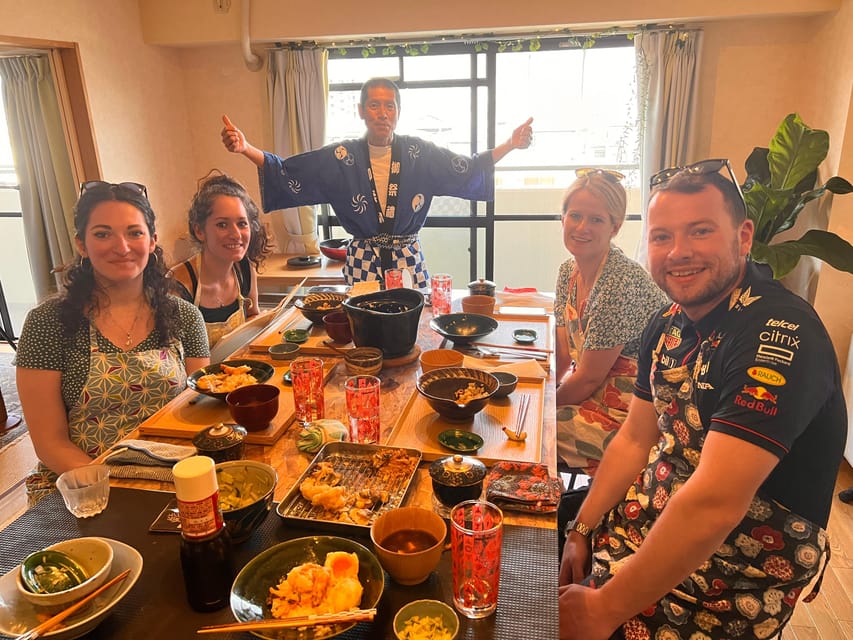
The class then moves to gyoza, beginning with wrappers made from rice flour. This is one of the most distinctive parts of the experience because gluten-free dumpling wrappers can be difficult to handle.
You learn the process directly instead of relying on ready-made wrappers. That gives you a better sense of the dough’s feel and limitations. Rice flour does not behave exactly like wheat flour, so the technique requires care, especially when shaping a wrapper thin enough to fold but strong enough to hold filling.
Yuki provides step-by-step guidance, which matters here. The wrapper stage could be frustrating for a beginner without help, but a four-person class lets her give close attention to each person’s progress.
If you have a severe allergy or need strict avoidance of cross-contact, contact the provider before booking and discuss the kitchen arrangements. The class is presented as gluten-free, but the supplied details do not spell out separate equipment or allergy protocols.
Filling, folding, and pan-frying the gyoza
Once the wrappers are ready, you prepare a savory filling and learn to form the dumplings. Folding gyoza looks simple until you try to make neat, even pleats while keeping the filling inside.
Yuki teaches the folding technique and helps you work toward the classic balance: a crisp, golden base with a tender top and juicy filling. The pan-frying stage is the satisfying finish, turning your handmade dumplings into the kind of food you want to eat immediately.
This hands-on work is a good fit for couples, friends, and solo visitors who like social activities. You have something to do with your hands, but there is still time for conversation and questions. The atmosphere is personal rather than formal, with Yuki serving as both instructor and host.
The result may not look identical to a professional chef’s first time. That is part of the fun. You leave with a repeatable folding method and a better understanding of how to improve your next batch.
Sitting down to eat what you made
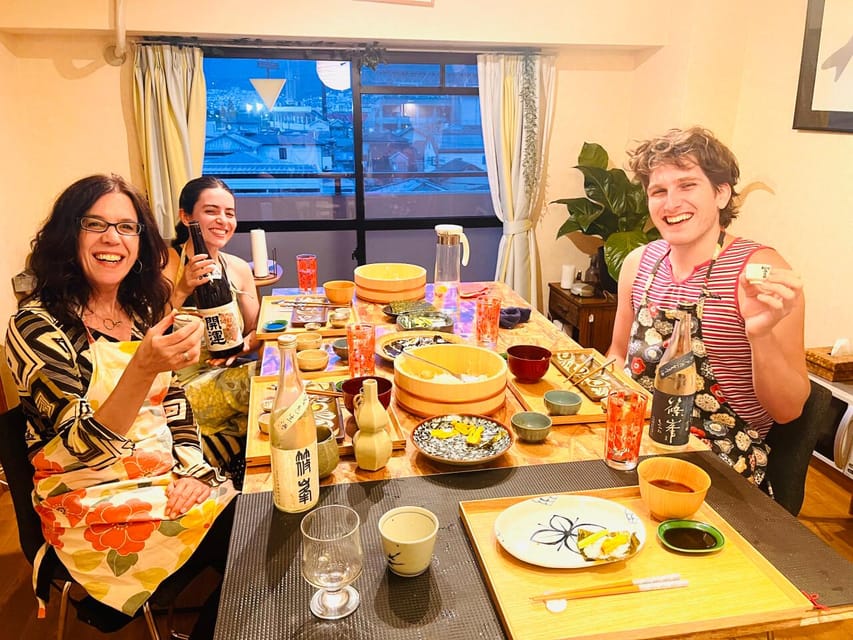
At the end, you gather in the dining area and eat the ramen and gyoza you prepared. This is more than a tasting session. The full meal gives you a chance to see how the separate tasks fit together.
You can compare the soy sauce and tomato ramen, judge the chew of the rice-flour noodles, and enjoy the contrast between tender dumpling filling and crisp pan-fried wrappers. Yuki also talks through the flavors and explains how the sake pairing works with the dishes.
The final meal is a strong reason to book this instead of a standard food demonstration. You have spent the session making each part, so the meal feels like a reward and a practical lesson at the same time.
Past participants have described the food as delicious and the class as a highlight of an Osaka visit. The most consistent praise centers on Yuki’s patience, clear explanations, warm hosting, and the fact that people could take the recipes home and try them again.
Adding the optional sake pairing
You can add a sake pairing with three 45-milliliter servings: one chilled Junmai, one chilled Junmai Ginjo, and one warm Junmai. Yuki selects the sake to match the ramen and gyoza, then explains how the different styles work with the meal.
The portions are small, which is appropriate for a cooking class and lets you compare the drinks without turning the session into a drinking event. If you are interested in Japanese dining customs, this adds another cultural layer to the meal.
The pairing is optional, so you can keep the focus on cooking if you do not drink alcohol. The supplied details do not state the additional cost, so check that when booking.
How much value do you get for $103?
At $103 per person, this is a premium food activity. You should not compare it only with the cost of a ramen lunch in Osaka. Compare it with a private or very small-group cooking lesson that includes several dishes, instruction in English, recipes, and the meal itself.
The four-person limit is important. A large class could offer a lower price, but you would likely receive less individual help with tricky dough and gyoza folds. Here, the personal attention is a major part of the value.
The price makes the most sense for you if you have gluten-free needs, enjoy cooking, or want a food experience that gives you a skill to carry home. It is less compelling if you simply want to sample ramen cheaply or have limited time in Osaka.
Free cancellation is available up to 24 hours before the activity for a full refund, and you can reserve now and pay later. Transportation is not included, but the venue is a short walk from Nukata Station.
Who should book this class?
I would choose this class for:
- People who need or prefer gluten-free food and want more than a restaurant meal
- Beginners who appreciate patient, step-by-step instruction
- Couples and friends looking for a relaxed activity with a meal included
- Cooks who want recipes they can recreate at home
- Visitors curious about both classic and newer Japanese flavors
- Anyone who prefers a small home setting to a large commercial class
It is also a good choice for a food-focused afternoon away from Osaka’s busiest sightseeing areas. The neighborhood setting gives you a different view of daily life, though the activity itself remains centered on cooking rather than touring.
The class is conducted in English and has no prior cooking requirement. The stated restriction is that it is not suitable for people over 95 years old.
Practical tips before you go
Wear clothes that are comfortable for kitchen work. You will be handling dough, fillings, noodles, and hot cookware, so this is not the place for your best sightseeing outfit.
Come hungry, but not so hungry that you cannot concentrate. The meal arrives after several stages of preparation, and the class works best when you enjoy both the process and the food.
Read the directions sent after booking and allow time to reach 4-19 Nukata-cho. The five-minute walk from Nukata Station is short, but a quiet residential address can take longer to identify than a restaurant sign on a main street.
If you have severe dietary restrictions, ask about kitchen practices before arrival. The recipes are gluten-free, but your own medical needs may require details not included in the general activity information.
Should you book the Osaka gluten-free ramen class?
Book it if you want to learn, cook, and eat in a small setting. The strongest reasons are Yuki’s patient teaching, the unusual chance to make both ramen noodles and gyoza wrappers with rice flour, and the practical recipes you can use after returning home.
Skip it if your priority is the lowest-cost meal, a fast activity, or a broad Osaka sightseeing tour. This is a focused three-hour cooking session, and its value depends on your interest in taking part.
For gluten-free visitors, it fills a real gap. For everyone else, it remains a worthwhile food lesson because the class combines two ramen styles, handmade dumplings, local hosting, and a meal you prepare yourself.
FAQ
How long does the Osaka gluten-free ramen and gyoza class last?
The class lasts three hours.
How much does the class cost?
The listed price is $103 per person.
Where does the cooking class take place?
It takes place at 4-19 Nukata-cho in Osaka, in a Japanese-style home about a five-minute walk from Nukata Station.
How many people can join?
The class is limited to four participants.
Is the class taught in English?
Yes. The instructor language is English, and chef Yuki provides the cooking guidance in English.
Do I need cooking experience?
No. The class is suitable for beginners, and no prior cooking experience is required.
What food will I make?
You will make gluten-free ramen noodles from rice flour, soy sauce ramen, tomato ramen, gyoza wrappers, gyoza filling, and pan-fried gyoza dumplings.
Is sake included?
An optional pairing is available with three 45-milliliter servings: two chilled sakes, one Junmai and one Junmai Ginjo, plus one warm Junmai. The supplied information does not state its additional price.
New cooking classes around Osaka
- Okonomiyaki&Takoyaki for Families:Osaka Street Food Festival★ 5.0 · 4 reviews
- Osaka Sake Tasting with Takoyaki Cooking★ 5.0 · 156 reviews
- Osaka: Sashiko Japanese Craftsmanship Workshop★ 5.0 · 31 reviews
- Osaka: Japanese Cooking Class with Matcha Experience★ 5.0 · 4 reviews
- Osaka Okonomiyaki Cooking Experience for Families & Groups★ 4.9 · 8 reviews
- Osaka: Okonomiyaki Cooking Class with Beer or Soft Drink★ 4.9 · 9 reviews
- Osaka: Cooking Class Ramen & Gyoza Course in Nanba★ 4.9 · 86 reviews
- Osaka : Exclusive Tea Ceremony & Wagashi Cooking★ 5.0 · 2 reviews
Osaka Cooking Classes, side by side.

Sushi Making Osaka! Popular Sushi Class in Japan!
Read our review →
Osaka: Ramen and Gyoza Cooking Class in Dotonbori
Read our review →
Osaka Cooking Class: Okonomiyaki &Japanese cuisines experience
Read our review →
Osaka: Roll and Authentic Sushi Making Class in Dotonbori
Read our review →
Osaka: Cooking Class Ramen & Gyoza Course in Nanba
Read our review →
Osaka: Cooking Class & Sake Tasting with Local Market Visit
Read our review →
This kitchen also appears in