
Review · OSAKA
Sushi Making Osaka! Popular Sushi Class in Japan!
Making sushi is more satisfying than simply ordering it. In this 90-minute Osaka class, you learn the basic shapes, hear a little about sushi’s past, and then eat the food you have made yourself. It is a hands-on introduction to Japanese food, not a formal chef’s course.
I like the small groups of up to 10 and the clear English instruction. I also like the generous meal: you make nigiri and maki, then eat your results, so the $35.75 price covers both an activity and a filling lunch or light dinner.
The main thing to consider is the location. It is in the popular Higashishinsaibashi area, close to public transportation, but one family found the exact entrance tricky to locate. Give yourself extra time, especially if you are new to Osaka.
Key points before you book
- Two sushi styles: Learn both nigiri, the hand-shaped sushi topped with an ingredient, and maki, the rolled style familiar around the world.
- A small, social class: The maximum group size is 10, which leaves room for questions and hands-on help.
- A meal is included: You eat the sushi you prepare, and the portion can be enough for a full meal.
- English instruction: Staff explain each step clearly, with games, trivia, and a short introduction to sushi history.
- Dietary choices need advance notice: Standard, gluten-free, vegan, vegetarian, halal, and allergy menus are available, but changes cannot be made on the day.
- Good central base: The class meets at 1-chōme-16-20 Higashishinsaibashi, near shopping and Osaka subway connections.
What happens during the 90-minute sushi class
This is a compact class, so expect a steady pace rather than a slow culinary workshop. The first half covers sushi history and technique. The second half is for making and eating.
You begin with an introduction to sushi and its place in Japanese food culture. The class uses simple explanations, games, and trivia to keep the history section lively. You will not receive a university lecture on fermentation or fish handling, but you will get enough context to understand why nigiri and maki became such familiar forms.
That short introduction matters. Sushi is not just raw fish placed on rice. Shape, rice, seasoning, texture, and presentation all play a part. Even a quick lesson helps you notice those details the next time you visit a sushi restaurant.
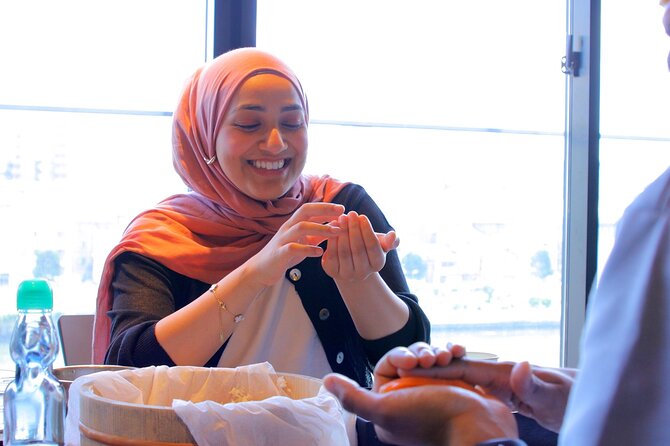
The instructors then demonstrate the basic movements. You practice nigiri sushi, the classic form made by shaping rice by hand and placing an ingredient on top. It looks simple when an experienced sushi maker does it. Your first pieces may be less tidy, which is exactly why the class is useful.
Next comes maki sushi, or roll sushi. Here you work with rice, fillings, and seaweed, then roll the ingredients into a neat cylinder before cutting it into pieces. Maki is often the easier style for beginners to recognize, but getting an even roll still takes a little care.
You can make as many pieces as the class allows during the activity. The exact ingredients are not specified in advance, but the class provides the cooking materials and food. One useful detail from the experience is that you should arrive hungry. The amount you prepare can add up to a proper meal.
More Sushi Making Classes around Osaka:
- Osaka: Roll and Authentic Sushi Making Class in Dotonbori
★ 4.9 · 239 reviews - Tokyo Tsukiji Fish Market Tour and Sushi Making Lesson
★ 5.0 · 390 reviews - Ramen and Sushi Cooking Class with Sake Pairing Set in Tokyo
★ 5.0 · 291 reviews
Nigiri and maki teach different sushi skills
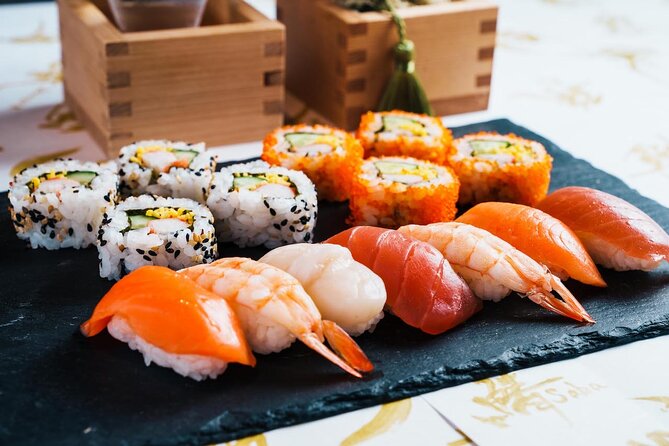
The two sushi styles give the class a good balance.
Nigiri is about restraint. You need enough rice to hold together, but not so much that it overwhelms the topping. The shape should be compact without being hard. This gives you a quick lesson in the feel of sushi rice and the importance of gentle handling.
Maki is more forgiving. The seaweed and rolling process hold the ingredients together, so beginners can often produce attractive results fairly quickly. It also gives you a better idea of how rice, filling, and nori work as a single bite.
Learning both styles makes the class more useful than a session focused only on decorative rolls. You leave with a clearer sense of the difference between everyday maki and the more precise form of nigiri.
The class is designed for first-timers. You do not need previous cooking experience, and the instructors show the steps instead of assuming you already know them. Hayato is associated with the Osaka class, and Takara has also been praised for patient, easy-to-follow instruction. The teaching style is meant to be encouraging rather than strict.
Do not expect to become a professional sushi chef in an hour and a half. You will learn the foundations and gain enough confidence to try simple sushi at home. That is a fair goal for a short activity in the middle of a sightseeing day.
Friendly teaching makes this work for mixed-age groups
The atmosphere is one of the strongest reasons to choose this class. The staff use humor and enthusiasm, but the activity still has a clear structure. You get instruction, practice, help, and time to eat.
That balance works well for couples, families, and groups with different ages. A teenager can enjoy the hands-on task, while grandparents or less confident cooks can follow at their own pace. The class is also a good choice for solo visitors who want a social activity without committing to a long tour.
English is used throughout the class. The instruction is intended to be clear, and the small group size means you can ask for help as you work. That is important with sushi, since the right amount of pressure is easier to understand when someone can correct your technique in person.
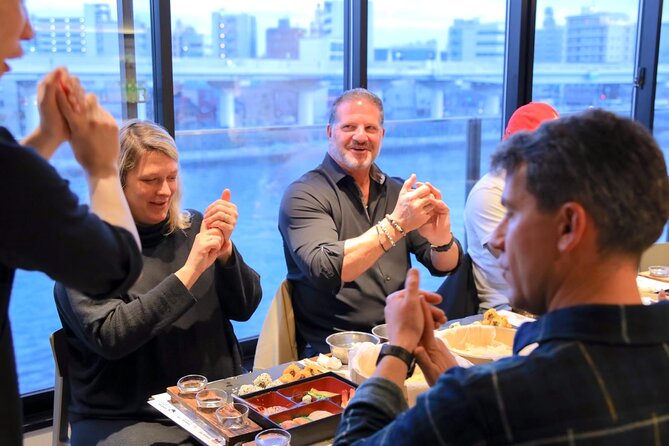
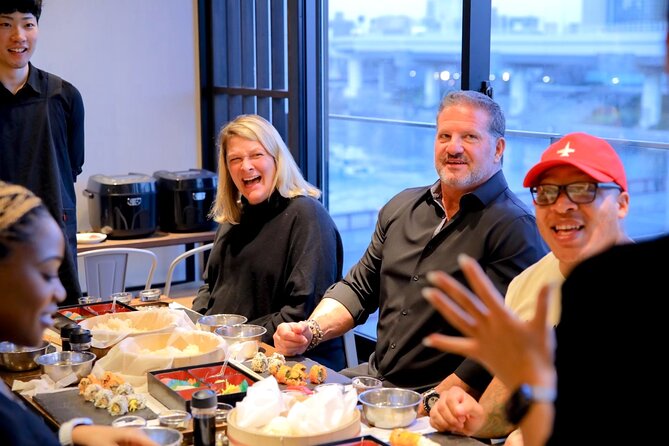
There is also a practical social benefit. You sit at a shared table with other participants, so the class naturally creates conversation. It does not feel like a large demonstration where you watch from the back of the room. You are handling the ingredients and comparing your finished pieces with the people beside you.
The tone is light, but the food remains the focus. The best part comes when you eat the sushi you have made. Your pieces may not look perfect, but they taste better because you handled every step.
Fresh ingredients and a filling finish
The class includes the ingredients and the meal, so there are no extra food costs during the activity. The food is described as fresh, and the ingredients are prepared for the class rather than left for you to source or measure.
The final meal is more substantial than a small sample. Some people find it enough for a full meal, so plan your day accordingly. You may want only a snack before class, particularly if you have plans for Osaka food afterward.
This also helps with the price. At $35.75 per person, you are paying for instruction, ingredients, a social activity, and food. That is good value if you want more than a restaurant meal. A sushi dinner might give you better control over the exact fish and number of pieces, but it will not teach you how to prepare them.
The class is not aimed at serious culinary students. It does not promise advanced knife skills, detailed fish preparation, or professional restaurant training. Its value is in the combination of culture, participation, and lunch-sized portions.
You should also know that the menu cannot be customized ingredient by ingredient. The class offers menu categories, but it does not accept individual ingredient specifications. If you have a serious allergy or a strict diet, contact the provider when booking.
More cooking classes around Osaka:
- Osaka: Ramen and Gyoza Cooking Class in Dotonbori
★ 5.0 · 378 reviews - Osaka Cooking Class: Okonomiyaki &Japanese cuisines experience
★ 5.0 · 261 reviews - Osaka Sake Tasting with Takoyaki Cooking
★ 5.0 · 156 reviews - Osaka: Cooking Class Ramen & Gyoza Course in Nanba
★ 4.9 · 86 reviews
Dietary options require planning before the day
Several menu formats are available:
- Standard
- Gluten-free
- Vegan
- Vegetarian
- Halal
- Allergy menu
For the allergy option, the stated exclusions include meat, nuts, fruit, and dairy. This is useful, but it does not mean every personal request can be met. The provider specifically says it cannot respond to menu changes on the day and does not accept ingredient-by-ingredient specifications.
That makes early communication essential. Select the correct menu when you reserve, then contact the class if you need a dietary change. Do not wait until you arrive.
The standard menu is the straightforward choice if you have no restrictions. Vegan, vegetarian, halal, and gluten-free participants have a clear way to request an alternative, but the available ingredients and final sushi selection may differ from the standard version.
Higashishinsaibashi puts the class near Osaka shopping

The meeting point is Sushi Making Osaka, 1-chōme-16-20 Higashishinsaibashi, Chuo Ward, Osaka, 542-0083, Japan. The activity begins and ends there, with no hotel pickup or drop-off.
Higashishinsaibashi is a practical area for a food class because it is in central Osaka and close to shopping and public transportation. You can combine the class with time around Shinsaibashi, or use it as a break between other city sights.
The location also gives you options after the meal. The area is close to some of Osaka’s most popular city stops, and the class staff can offer local food suggestions. One especially useful recommendation associated with the class is Hanahana for okonomiyaki, a classic Osaka dish.
The drawback is the address itself. A street number can be less helpful than a clear landmark when you are looking for a small cooking venue in a busy commercial district. Check the meeting point carefully and arrive early. This is not the activity to approach with only a few minutes to spare.
A mobile ticket makes the booking simple. Keep the confirmation available on your phone, and remember that the class starts and ends at the same location.
Who will enjoy this class most
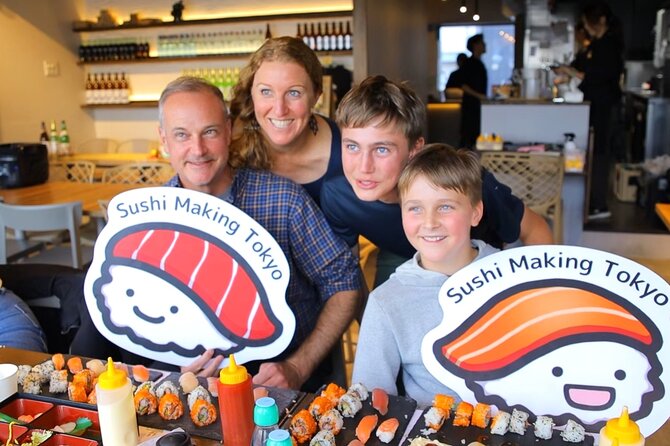
I would choose this for you if you want a short food activity with plenty of participation. It suits first-time sushi makers, families, couples, friends, and solo visitors who enjoy meeting people around a shared table.
It is especially good for:
- People who want a meal and activity in one booking
- Visitors looking for an introduction to Japanese food culture
- Beginners who prefer clear, guided instruction
- Families with mixed ages
- Anyone staying near central Osaka
- People who want to try making sushi before attempting it at home
It may not suit you if you want an advanced sushi lesson, a quiet private meal, or a highly customized menu. The group can include up to 10 people, so the setting is friendly and shared rather than exclusive.
You should also avoid booking it as your only major food experience in Osaka. The class teaches two sushi forms, but it does not replace visiting a sushi restaurant, trying okonomiyaki, or exploring Osaka’s wider food scene. Think of it as a practical starting point.
Booking details and cancellation
The class runs for about 1 hour and 30 minutes. It is commonly booked around 26 days ahead, so reserving early is sensible if your Osaka dates are fixed.
Free cancellation is available up to 24 hours before the start time for a full refund. Cancellations or changes made less than 24 hours before the class are not accepted for a refund, and the cut-off uses Osaka local time.
Service animals are allowed, and the venue is near public transportation. The class has a maximum of 10 participants, which keeps the instruction more personal than a large cooking demonstration.
Is Sushi Making Osaka worth booking?
Yes, if you want a friendly, affordable activity that combines Japanese food, simple cultural context, and a full serving of what you make. The two-style format is a smart choice: nigiri teaches careful shaping, while maki gives beginners a more relaxed rolling task.
The strongest reasons to book are the clear English instruction, the small group, the fresh ingredients, and the fact that you eat your finished sushi. At $35.75, the class offers solid value for a central Osaka activity.
Book with two cautions in mind. Find the venue before your start time, and arrange any dietary menu in advance. If you want advanced chef training or private instruction, choose something more specialized. For most visitors who want to learn, laugh a little, and leave with a full stomach, this is a very good fit.
FAQ
How long does the sushi class last?
The activity lasts approximately 1 hour and 30 minutes.
Where does the class meet?
It meets at Sushi Making Osaka, 1-chōme-16-20 Higashishinsaibashi, Chuo Ward, Osaka, 542-0083, Japan.
Where does the activity end?
The class ends back at the meeting point.
What types of sushi will I learn to make?
You will learn to make nigiri sushi and maki sushi, also called roll sushi.
Is food included in the price?
Yes. The ingredients used in the cooking class and the sushi meal are included.
Is an English-speaking instructor provided?
Yes. An English-speaking instructor is included, and the class uses clear English instruction.
How many people can join the class?
The activity has a maximum of 10 participants.
Are dietary menus available?
Yes. Standard, gluten-free, vegan, vegetarian, halal, and allergy menus are available. You must request a menu change when booking because changes cannot be made on the day.
Can I cancel for a full refund?
Yes. You can receive a full refund if you cancel at least 24 hours before the experience start time. Cancellations or changes made less than 24 hours ahead are not accepted.
New cooking classes around Osaka
- Okonomiyaki&Takoyaki for Families:Osaka Street Food Festival★ 5.0 · 4 reviews
- Osaka Sake Tasting with Takoyaki Cooking★ 5.0 · 156 reviews
- Osaka: Sashiko Japanese Craftsmanship Workshop★ 5.0 · 31 reviews
- Osaka: Japanese Cooking Class with Matcha Experience★ 5.0 · 4 reviews
- Osaka Okonomiyaki Cooking Experience for Families & Groups★ 4.9 · 8 reviews
- Osaka: Okonomiyaki Cooking Class with Beer or Soft Drink★ 4.9 · 9 reviews
- Osaka : Exclusive Tea Ceremony & Wagashi Cooking★ 5.0 · 2 reviews
- Osaka: Cooking Class Ramen & Gyoza Course in Nanba★ 4.9 · 86 reviews
Osaka Cooking Classes, side by side.
Osaka: Ramen and Gyoza Cooking Class in Dotonbori
Read our review →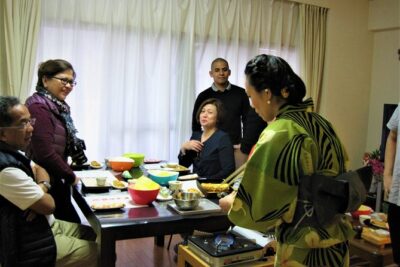
Osaka Cooking Class: Okonomiyaki &Japanese cuisines experience
Read our review →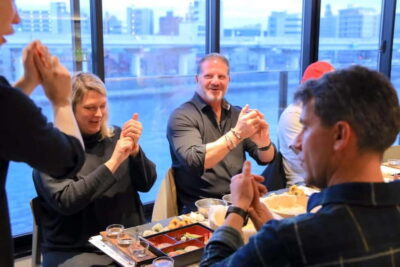
Osaka: Roll and Authentic Sushi Making Class in Dotonbori
Read our review →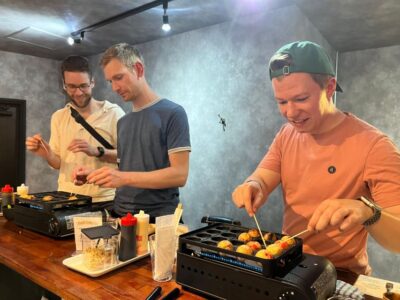
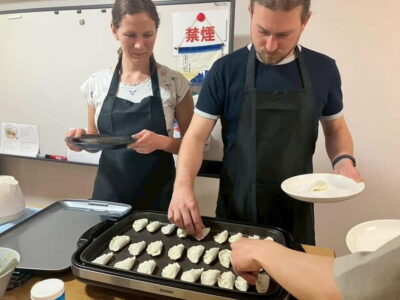
Osaka: Cooking Class Ramen & Gyoza Course in Nanba
Read our review →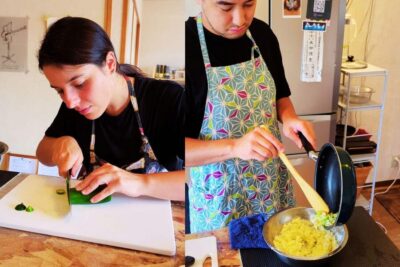
Osaka: Gluten-Free Ramen and Gyoza Cooking Class
Read our review →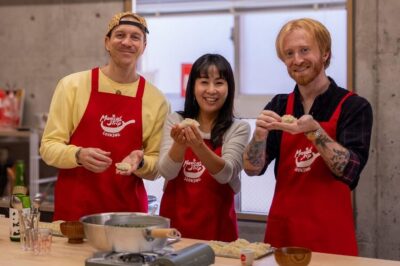
Osaka: Cooking Class & Sake Tasting with Local Market Visit
Read our review →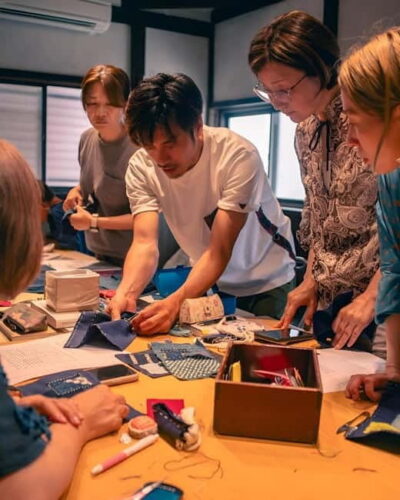
This kitchen also appears in