Review · PARIS
Paris: Macaron Baking Class in Central Paris
The best part of this central Paris class is that you do not just watch a pastry chef work. You make the shells, pipe the batter, prepare the fillings, and learn why tiny changes in mixing or oven heat can make or break a macaron. Chef Leo and Maria keep the lesson clear, lively, and hands-on.
I like the small group, which gives you room to ask questions and practice under guidance. I also like the useful take-home value: you leave with a recipe, new baking skills, and a generous batch of macarons to share. The main drawback is that the class uses nuts and is not suitable for vegans, people with nut allergies, or children under 12.
Key points to know before booking
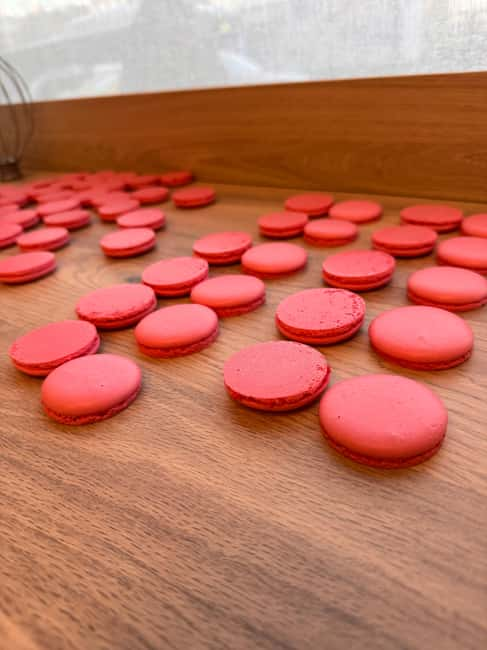
- You make the macarons from start to finish: Practice the shells, piping, fillings, and baking rather than simply watching a demonstration.
- The class is limited to 10 people: Past sessions have often had eight or nine participants, a comfortable size for questions and personal help.
- Chef Leo is a major part of the experience: He is known for clear explanations, humor, practical baking tips, and Paris food recommendations.
- You can take home a real batch: Many sessions produce about 15 macarons per person, with some pairs leaving with around 30.
- The recipe is included: You can try again at home, with advice on adjusting the method for the weather in your own country.
- Plan for a focused two and a half hours: Wear comfortable clothes and shoes, and allow a little time to find the grey storefront on the main road.
Making French macarons in central Paris
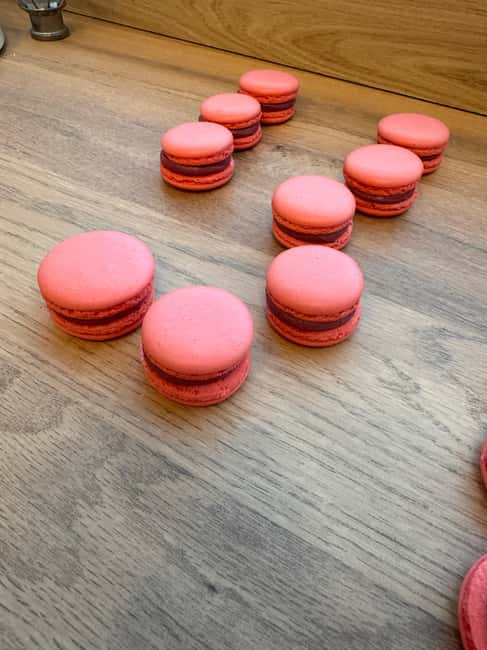
Macarons look simple. Two smooth, colorful shells with a neat filling in the middle. The work behind that tidy appearance is another matter. Egg whites, almond flour, sugar, mixing, piping, resting, and oven temperature all have to cooperate.
That is why this class works better than a quick pastry demonstration. You are asked to do the important parts yourself, but you are not left to guess. The instructor explains the method, watches your technique, and points out the small errors that can lead to cracked shells, hollow centers, or uneven shapes.
The class takes place at Studio Pâtisserie in central Paris. Look for the grey-colored storefront on the main road. The meeting-point description is brief, so I would save the address and allow a few extra minutes rather than arrive hurried and distracted.
The session is taught in English. Chef Leo leads many classes, while Maria also receives strong praise for her warmth, humor, and clear instruction. The style is friendly rather than formal, so you can ask questions without feeling that you are slowing down the group.
More Baking and Bread Classes in France
- Paris Croissant Small-Group Baking Class with a Chef
★ 5.0 · 910 reviews - Paris: French Croissant Baking Class with a Chef
★ 4.9 · 712 reviews - Paris Macarons Small-Group Baking Class with a Chef
★ 5.0 · 316 reviews
The first minutes: pastry, Paris, and the macaron
After you arrive, you settle in, meet the other bakers, and get ready for the lesson. The opening includes an introduction to the origin and cultural importance of macarons, along with an explanation of the ingredients.
That short introduction gives the pastry some context. Macarons are not just a pretty souvenir from a Paris shop. They are a precise French confection, and their polished appearance depends on technique more than luck.
I appreciate that the class focuses on the reason behind each step. You learn why the batter must be mixed to a particular consistency, why piping needs control, and why baking conditions matter. This is especially useful if you have tried macarons at home and found that the results were unpredictable.
The instructors also explain the science of the process. That may sound serious for a holiday activity, but it is exactly what makes the lesson useful. You begin to see that a macaron is not a pastry you can make by casually adding ingredients and hoping for the best.
Mixing and piping the macaron shells
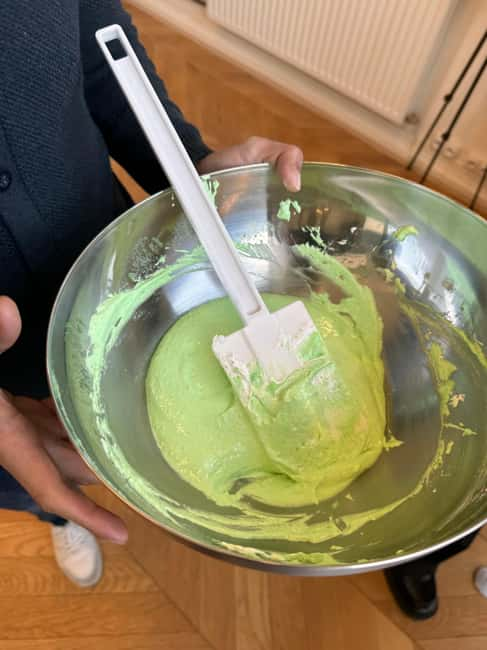
The hands-on section is the heart of the experience. You work on the macaron shells and fillings while the instructor demonstrates the correct movements and checks your progress.
Piping is one of the moments where the class earns its price. The shells need to be similar in size so they bake evenly and pair neatly later. Your first attempts may not look perfect, but you have an instructor nearby to help you correct your grip, pressure, or spacing.
Past sessions have produced about 15 macarons per person, though the exact amount can vary with the group and the pace of the class. That is enough to make the activity feel like real pastry work, not a token sample.
The kitchen is described as clean, organized, and well prepared. Ingredients and equipment are ready before the class begins, which lets you focus on technique rather than measuring every item from scratch. You still do the meaningful work, but the preparation keeps the two-and-a-half-hour session moving.
The space is arranged so participants are not crowded together. In a group of up to 10, you should have a better chance to see demonstrations and receive help than in a large cooking school class. Several sessions have had eight or nine people, which is an especially comfortable size for interaction.
Filling, baking, and the science of the perfect bite
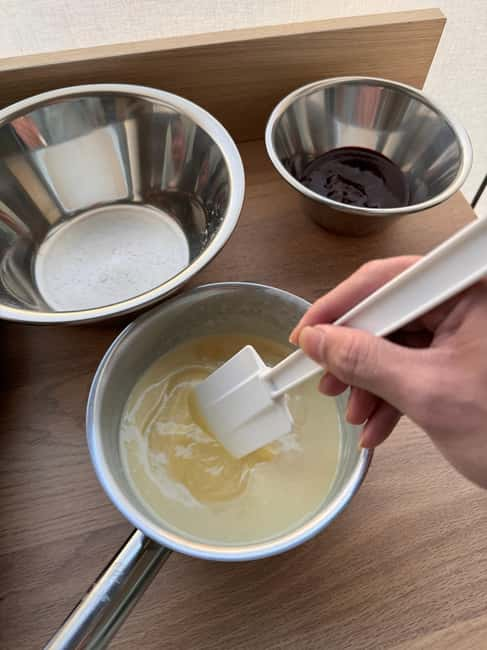
Macaron shells are only half the job. The filling gives the finished pastry its flavor and helps create the soft, chewy center between the delicate shells.
The class covers both shells and fillings, then moves into baking. While the macarons are in the oven, the instructor can explain common problems and how to avoid them at home. This is where you start to understand why macarons can behave differently from one kitchen to another.
Weather matters. Humidity, temperature, and the conditions in your home country can affect the batter and the finished shells. Chef Leo has offered advice on adapting the recipe for different climates, a useful detail if you plan to repeat the process after returning home.
The planned flavors have included chocolate, black currant, and passionfruit. These are more distinctive than the familiar vanilla or pistachio flavors found in many pastry shops. If you prefer classic flavors, this is worth knowing before you book. Flavor choices are made by the chef, and one past session included a participant who would have preferred options such as vanilla, lemon, or pistachio.
That is a minor limitation, but it matters to some people. You may be able to exchange flavors with other participants, yet you should not assume a custom flavor menu. The focus is on learning the method and producing a good batch, not designing an individual box.
More Tiramisu and Dessert Classes in France
- Paris Cooking Class: Learn How to Make Macarons
★ 5.0 · 634 reviews - Paris: French Macaron Culinary Class with a Chef
★ 4.9 · 591 reviews - Paris: Macaron Baking Class for Families and Kids
★ 4.7 · 270 reviews - Paris: Macarons Cooking Class with Pâtisserie Chef Noémie
★ 4.8 · 179 reviews
Tasting what you made
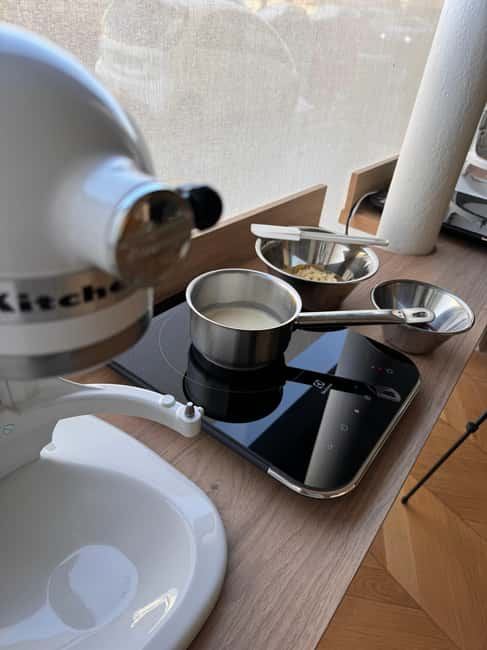
Once the macarons are baked and assembled, you get to taste the results. This is the satisfying part, especially if you began the class unsure that you could produce a smooth, professional-looking pastry.
The finished macarons have been described as delicious, with a good texture and strong flavor. You should expect a sense of accomplishment, but also a useful lesson: small details really do show up in the final bite.
The class is not only about taking attractive photographs. You handle the batter, work on your piping, and see how the finished product reflects those choices. If your shells are not identical, that is part of the learning process. The instructor helps you understand what happened instead of quietly replacing your work with a prepared version.
Some sessions include a refreshing drink while the macarons bake. The main included tasting is the macarons themselves, and the amount you take home can be generous. Past participants have left with around 15 each, while one couple took home about 30 handmade macarons between them.
Treat them carefully on the way back to your hotel. They are delicate pastries, and the take-home box is best handled as food rather than stuffed into an overfilled day bag.
Why the instructor matters
A baking class can be technically correct and still feel dull. Here, the instructor’s personality is a major part of the value.
Chef Leo is known for being patient, cheerful, funny, and easy to follow. He explains each step, answers questions, and shares practical tips rather than rushing through a fixed speech. He has also given useful recommendations for places to eat and visit in Paris, so booking this class early in your stay could help you shape the rest of your trip.
Maria brings a similar sense of fun and encouragement. She is described as clear, welcoming, and good at helping people feel comfortable, including those who arrive with little baking experience.
The teaching style suits beginners. You do not need to be an experienced baker, and you do not need to arrive knowing pastry terms. You do need to listen carefully. The method has several precise stages, and the class moves at a useful pace rather than stopping for long breaks.
The small-group setting helps here. With no more than 10 people, the instructor can watch technique and answer questions. It is still a group activity, so you should not expect a private lesson, but it offers more contact than a large demonstration.
What the $122 price gets you
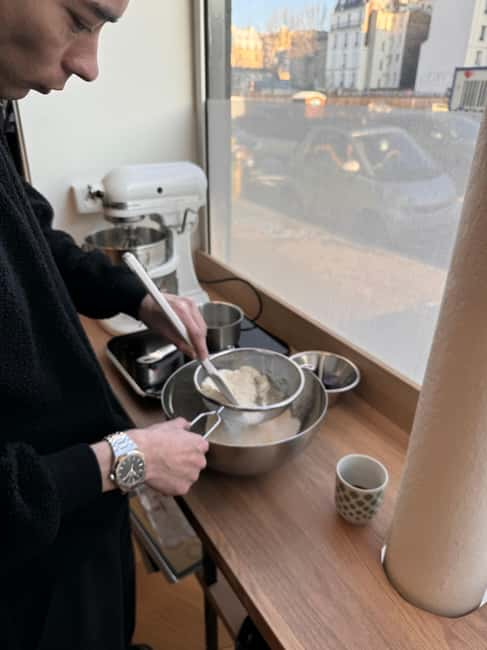
At $122 per person, this is not the cheapest food activity in Paris. The value depends on what you want from a cooking class.
You are paying for 150 minutes of instruction, an English-speaking pastry chef, ingredients, equipment, hands-on practice, tasting, and a recipe to use later. You also take home the macarons you make. If the usual yield of about 15 per person applies, the edible result adds real value.
The bigger benefit is the technique. A box of macarons from a shop may cost less than this class, but it will not teach you how to make them. You are buying an activity and a skill, not just dessert.
I think the price makes the most sense for couples, parent and teenage child pairs, solo visitors who enjoy meeting people, and families with children aged 12 or older. It is also a good choice for anyone who wants a break from museums and monuments without giving up a strong connection to French food.
For a budget-conscious visitor, the cost may feel high if you mainly want to sample pastries. In that case, visit a pâtisserie instead. Choose this class when you want to understand the work behind the pastry and leave with something you made yourself.
Who should book, and who should skip it
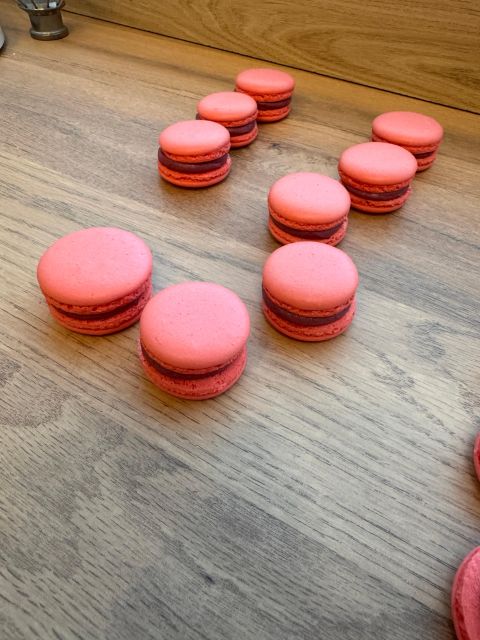
This is a strong pick for first-time macaron makers. The class is challenging enough to feel worthwhile but structured enough that you are not left alone with a bowl of difficult batter.
It suits couples celebrating a birthday, parents with teenagers, friends, and solo visitors. One participant attended alone in a group of nine and found the format comfortable. The shared work gives you an easy way to talk with the other bakers without needing to force conversation.
It is also a smart choice for people who plan to bake at home. The recipe and the instructor’s troubleshooting advice give you a better chance of repeating the result. You may not produce perfect macarons on your first independent attempt, but you will understand what to watch for.
Skip it if you have a nut allergy. Almond flour is central to traditional macarons, and the activity is specifically listed as unsuitable for people with nut allergies. It is also not suitable for vegans.
Children under 12 cannot take part. Teenagers aged 13 and 15 have enjoyed the class, so older children can be a good match if they are interested in food and able to follow precise instructions.
Timing, clothing, and simple planning advice
The class lasts 150 minutes, or two and a half hours. Check the available start times when booking, then avoid scheduling a major attraction immediately afterward. Baking involves waiting for stages to finish, and you will enjoy it more if you are not watching the clock.
Wear comfortable shoes and comfortable clothes. You are taking part in a practical kitchen session, not attending a formal pastry demonstration.
The class includes free cancellation up to 24 hours before the start time for a full refund. You can also reserve now and pay later, which helps if your Paris schedule is still changing.
I would book this early in your stay if you want restaurant and neighborhood suggestions from the chef. If your schedule is fixed, choose the time that gives you the calmest afternoon rather than trying to squeeze it between several major sights.
Is this Paris macaron class worth booking?
Book it if you want more than a taste of French pastry. The class gives you a real task, a useful recipe, close guidance, and a batch of macarons to enjoy afterward. Chef Leo and Maria add warmth and humor, while the small group keeps the lesson personal.
Think twice if you dislike precise cooking, cannot eat nuts, or would rather spend $122 on several pastry-shop visits. Also keep the set flavor choices in mind if you are committed to classic vanilla, pistachio, or lemon.
For most people who enjoy food and hands-on activities, I would book this class. You leave with more than a box of sweets. You leave knowing why macarons are difficult, how to improve your technique, and how to give the recipe another try at home.
FAQ
How long does the macaron baking class last?
The class lasts 150 minutes, or two and a half hours.
Where does the class meet?
The class takes place at Studio Pâtisserie in central Paris. Look for a grey-colored storefront on the main road.
What language is the class taught in?
The class is taught in English.
How many people can join the class?
The group is limited to 10 participants. Past sessions have often had eight or nine people.
Are ingredients and equipment included?
Yes. The baking class includes the instructor, the baking session, tasting, and the equipment and ingredients needed for the activity.
Do I get to eat the macarons I make?
Yes. Tasting the finished macarons is included, and you can take your handmade macarons home.
Do I receive a recipe?
Yes. A recipe is provided for you to take home and use after the class.
Is the class suitable for children?
The class is not suitable for children under 12. Older children can attend, and teenagers have taken part in the class.
Can vegans or people with nut allergies join?
No. The class is not suitable for vegans or people with nut allergies.
More Baking and Bread Classes in Paris
- Paris: Croissant Baking Class with a Chef
★ 5.0 · 201 reviews - Paris: Millefeuille baking class with a chef
★ 5.0 · 5 reviews - Paris: Lemon Tart Baking Class with a Pastry Chef
★ 5.0 · 4 reviews - Eclair Baking Class with A Pastry Chef
★ 5.0 · 3 reviews
More Tiramisu and Dessert Classes in Paris
- Paris: 2.5-Hour French Pastry Cooking Class
★ 4.9 · 71 reviews - Paris: French Macarons Baking Class with a Parisian Chef
★ 4.7 · 65 reviews - Paris: Macaron Baking Class
★ 4.4 · 26 reviews - Paris Cooking Class: French Desserts Class
★ 4.9 · 13 reviews
New cooking classes around Paris
- Paris: The Soufflé Baking Class with Chef★ 4.5 · 2 reviews
- Paris: Traditional Croissant Cooking Class With Local Baker★ 5.0 · 2 reviews
- Paris: Macaron Baking Class★ 4.4 · 26 reviews
- Paris: Macarons Cooking Class with Pâtisserie Chef Noémie★ 4.8 · 179 reviews
- Paris: Millefeuille baking class with a chef★ 5.0 · 5 reviews
- Paris: Evening Cooking Class with Optional Market Visit★ 4.8 · 19 reviews
- Paris: Hands-On Small Group Cooking Class★ 4.9 · 19 reviews
- Paris: Lemon Tart Baking Class with a Pastry Chef★ 5.0 · 4 reviews
Paris Cooking Classes, side by side.
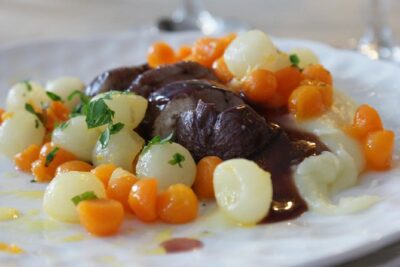
Paris Cooking Class and Lunch with Wine plus Market Visit Option
Read our review →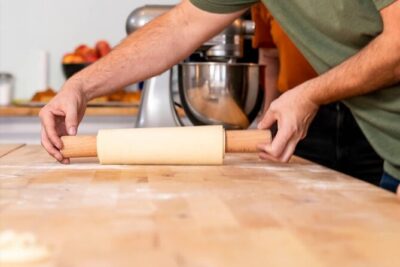
Paris Croissant Small-Group Baking Class with a Chef
Read our review →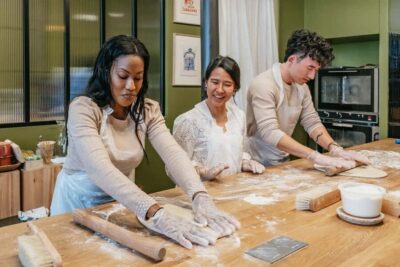
Paris: French Croissant Baking Class with a Chef
Read our review →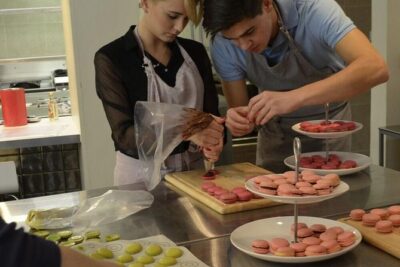
Paris Cooking Class: Learn How to Make Macarons
Read our review →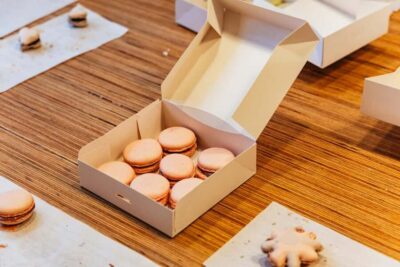
Paris Evening Cooking Class French Dinner and Market Visit Option
Read our review →
Paris French Cuisine Small Group Cooking Class with Lunch
Read our review →