
Review · PARIS
Paris: Traditional Croissant Cooking Class With Local Baker
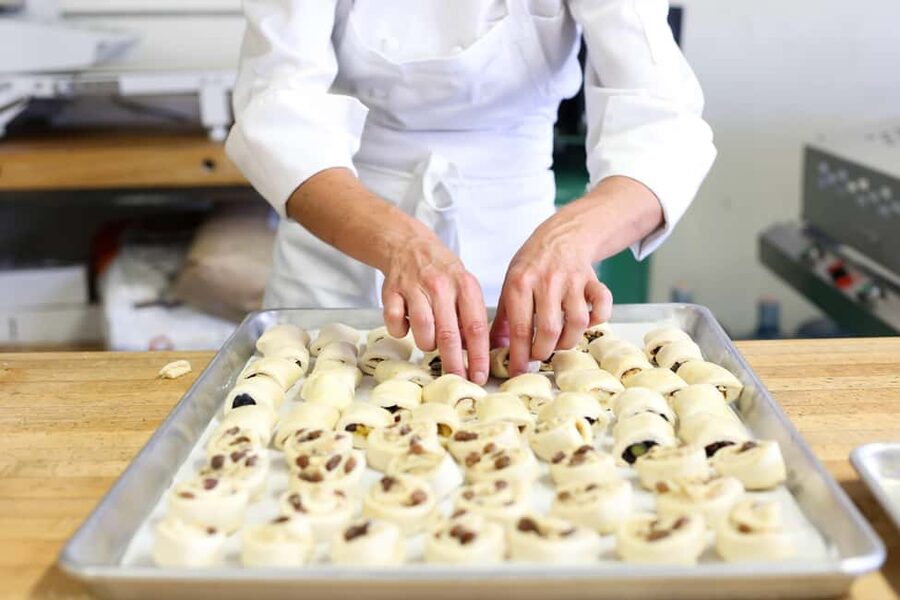
The best part of this Paris class is that you do not simply eat a croissant, you learn why its dough works. With Chef Fanny, you make pastry from scratch, then shape bicolor croissants, chocolate-filled pains au chocolat, and raisin rolls with vanilla pastry cream.
I like the small limit of six people, which gives you room to follow each step and ask questions. I also like the practical menu: these are familiar French bakery favorites, but the fillings and two-tone dough give the lesson extra interest.
The main drawback is the price, $181 per person for three hours. That is a serious pastry-class budget, and the class is for adults only under the stated rules. You should also arrive ready to work, not just sample finished pastries.
Key points at a glance
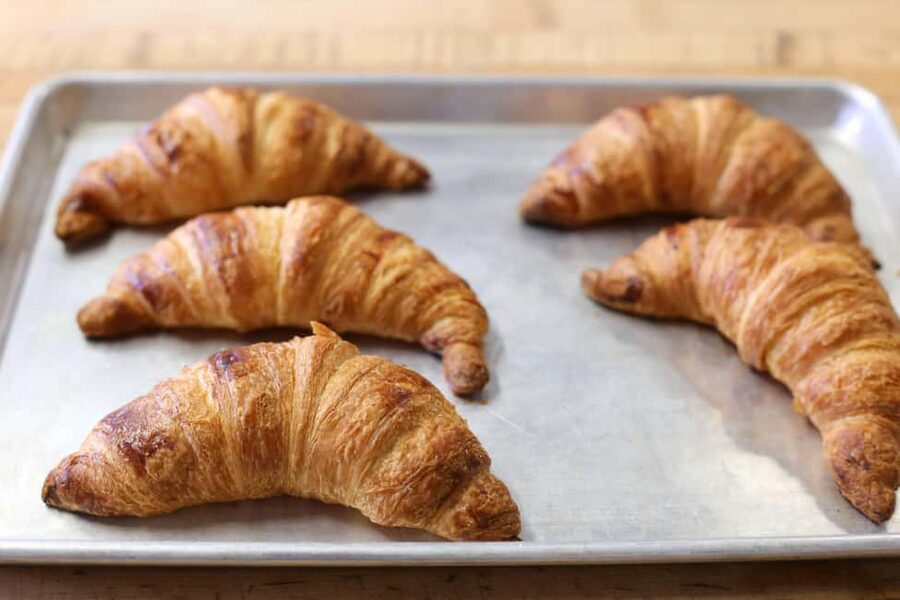
- Three classic pastries: Make bicolor croissants, pains au chocolat with chocolate filling, and raisin rolls with vanilla pastry cream and raisins.
- Chef Fanny leads the class: Instruction is in English, with hands-on guidance from start to finish.
- Small group setting: The class is limited to six participants, so you can expect a more personal lesson than at a large cooking school.
- Everything is supplied: Ingredients, baking equipment, and step-by-step instruction are included.
- Bring your own drink: You may bring beverages to enjoy during the class.
- Plan for adults only: The stated rule excludes children under 18, even though one past booking included a 13-year-old, so confirm the current policy before booking for a minor.
Making French pastry instead of merely buying it
Paris is full of excellent bakeries, and you can eat a fine croissant for a few euros. This class offers something different: three hours to understand the work behind that crisp, layered pastry.
You begin with croissant dough made from basic ingredients such as flour, milk, eggs, sugar, and fresh yeast. That matters because you see how a few ordinary items become a dough that can be shaped into several pastries.
The lesson is not limited to one standard croissant. You work with bicolor dough, which gives the finished pastries a two-tone appearance. It adds a visual challenge without changing the familiar French bakery theme.
Chef Fanny also explains local culinary culture and the place these pastries hold in Paris. I would not book this class expecting a full history lecture, but the cultural details add useful context as you mix, shape, and fill the dough.
More Baking and Bread Classes in France
- Paris Croissant Small-Group Baking Class with a Chef
★ 5.0 · 910 reviews - Paris: French Croissant Baking Class with a Chef
★ 4.9 · 712 reviews - Paris Macarons Small-Group Baking Class with a Chef
★ 5.0 · 316 reviews
Chef Fanny’s three-pastry lesson
The menu gives you a good range of techniques without scattering your attention across too many dishes.
Bicolor croissants
The croissants are made with flour, eggs, sugar, fresh yeast, and milk. You learn to prepare the dough from scratch, then shape it into the familiar curved pastry.
The bicolor approach makes this more interesting than a basic beginner lesson. You are not only trying to form a recognizable croissant. You are also learning how to handle dough in a way that creates a contrasting finish.
Croissant dough can seem intimidating at first. One participant described the process as easier than expected after Chef Fanny broke it into simple steps. That is useful to keep in mind: the class aims to make a technical pastry feel manageable, while still showing you why the finished shape takes care.
Pains au chocolat
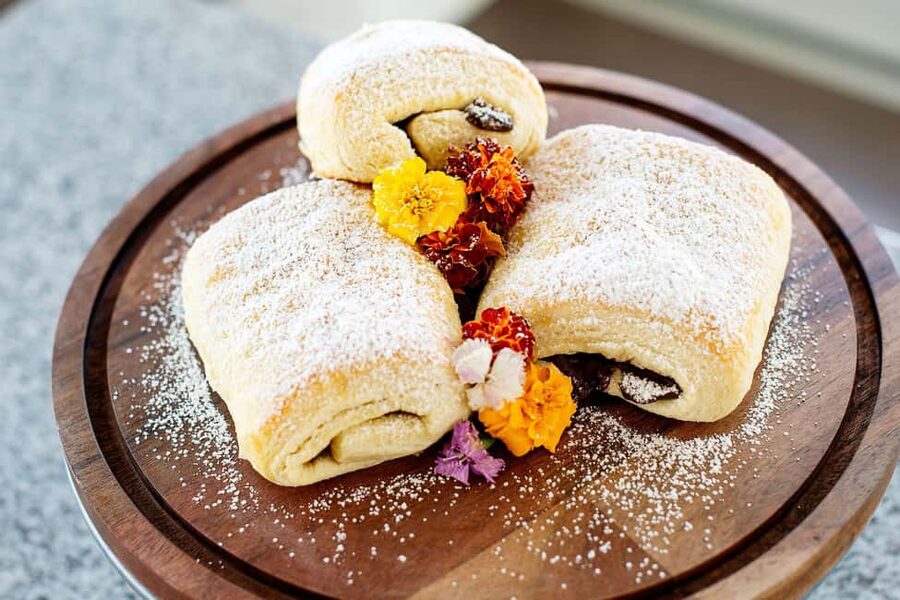
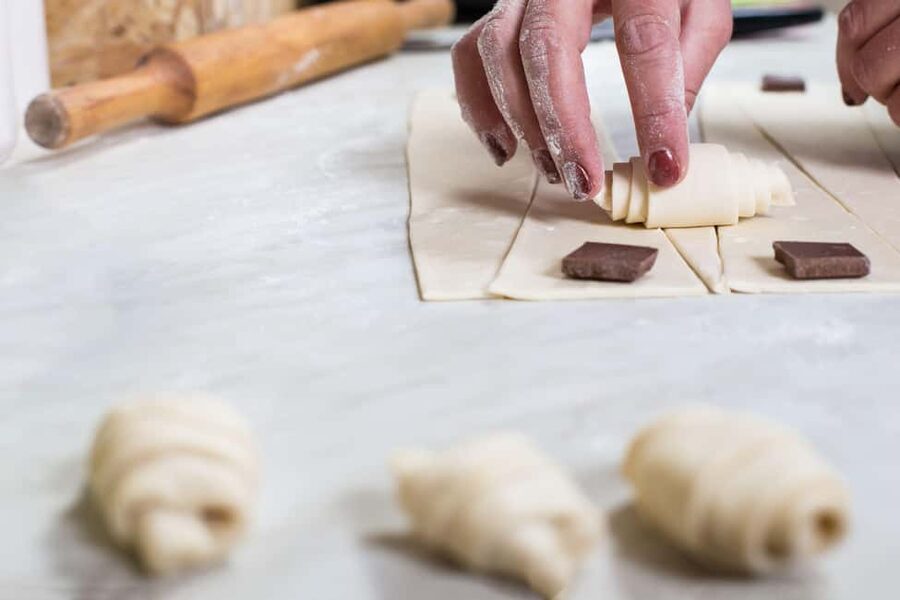
Next comes the classic pain au chocolat, prepared with a rich chocolate filling. This is a familiar bakery treat, but filling and shaping it correctly requires care.
You will benefit most if you pay close attention to how Chef Fanny handles the dough around the chocolate. The pastry must look neat before baking, and small shaping choices affect how the final roll opens and holds its filling.
This part is especially useful for anyone who wants to repeat the class at home. You are working with a recipe that is easy to recognize and share, but the lesson gives you a better feel for proportion and form than a printed recipe alone.
More Baking and Bread Classes in Paris:
- Paris: Macaron Baking Class for Families and Kids
★ 4.7 · 270 reviews - Paris: Macaron Baking Class in Central Paris
★ 5.0 · 208 reviews - Paris: Croissant Baking Class with a Chef
★ 5.0 · 201 reviews - Paris: French Macarons Baking Class with a Parisian Chef
★ 4.7 · 65 reviews
Raisin rolls
The raisin rolls bring a different texture and flavor to the class. They use vanilla pastry cream and raisins, so you work with both a creamy filling and dried fruit.
I like this inclusion because it shows how one pastry dough can become more than a croissant or chocolate roll. The pastry cream also adds a separate skill, and the vanilla flavor gives the finished roll a softer, sweeter character.
Together, the three pastries give you a useful introduction to French viennoiserie. You are not making three unrelated desserts. You are seeing how a shared dough can be shaped and filled in different ways.
What three hours feels like
Three hours is enough time for a real lesson, but it is not so long that the class takes over your entire day in Paris. You should still plan your schedule around it, since baking requires attention and you will want to arrive early rather than rush in from another sight.
The experience is designed as a step-by-step class. Expect to work through the dough, shaping, and filling under instruction rather than simply watching Chef Fanny demonstrate everything.
That hands-on format is important. If you want only a tasting, this is the wrong choice. If you like learning by doing, the three-hour length gives you time to make mistakes, ask questions, and improve your technique.
The venue is called Aux Fourneaux mais pas trop! The supplied information does not give a detailed description of the room, its exact neighborhood, or baking facilities, so I would not promise a particular view or setting. Use the venue name when checking your meeting instructions, and arrive 10 minutes early for check-in.
Why the six-person limit matters
A maximum of six participants is one of the strongest features here. In a large cooking class, you can end up watching from the back while the instructor handles the important steps. With six people, you have a better chance to see the dough work clearly and get direct help when shaping becomes awkward.
Small groups also suit pastry lessons because the work is precise. A quick correction from Chef Fanny can save a misshapen croissant or a poorly sealed chocolate roll.
The group size does not guarantee that every minute is one-on-one instruction. You are still sharing the class with other people, and the amount of personal help may depend on the group. Still, six is a sensible limit for this kind of practical lesson.
The English-language instruction makes the class accessible if you do not speak French. Chef Fanny’s teaching style, as described in the supplied information, includes confidence-building tips and simple explanations. That is helpful for a recipe that can look more complex than it really is.
A class with a personal teaching style
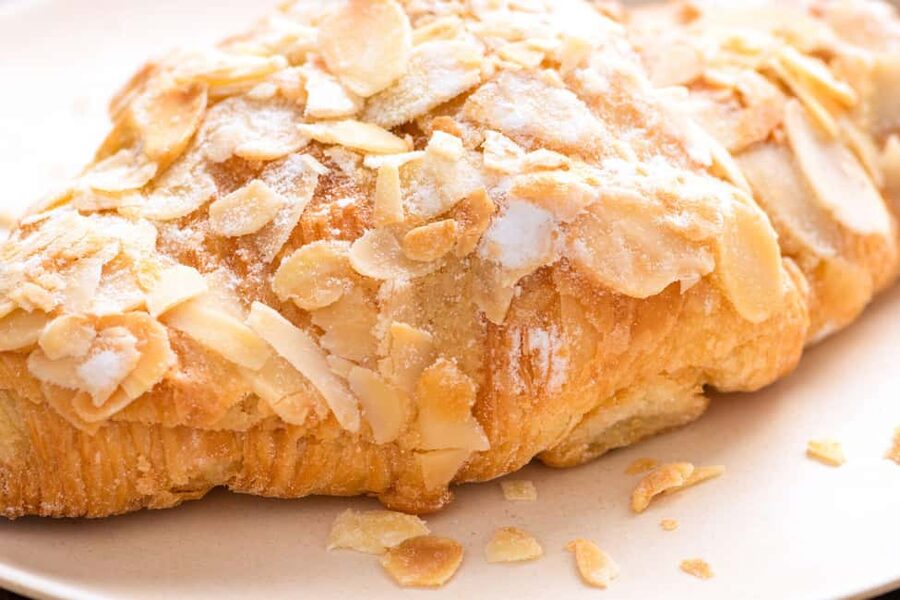
Chef Fanny is central to the experience. The class is not presented as a generic kitchen session with an unnamed instructor. You learn directly from her while she discusses baking and Paris food culture.
The most useful quality for a teacher here is clarity. Croissant making has several points where you can lose track of what to do next. A teacher who breaks the work into easy steps can make the difference between leaving with confidence and leaving with a list of doubts.
The supplied comments also describe Chef Fanny as positive and charming, with a strong passion for baking. That matters, but I would focus less on personality alone and more on what it means for your class: you can expect encouragement, practical tips, and help turning a technical recipe into a repeatable process.
You may not reproduce the exact result at home. Your kitchen, ingredients, equipment, and timing will differ. Still, learning how the dough should look and feel is often more valuable than taking home a recipe card.
What the $181 price includes
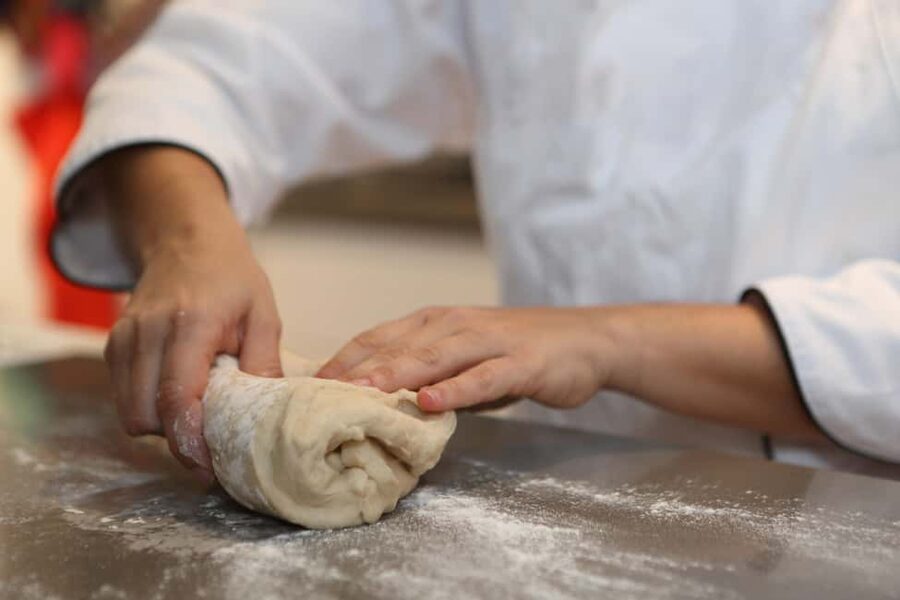
At $181 per person, this is not a budget activity. The cost makes the most sense if you place a high value on personal instruction, a very small group, and the chance to make several French pastries in one sitting.
The price includes all ingredients, all equipment, and step-by-step instruction. You do not need to buy flour, yeast, chocolate, raisins, or pastry cream ingredients for the class, and you do not need to pack baking tools.
That included equipment helps, but it does not make the activity automatically good value for everyone. If your main goal is to eat French pastries cheaply, a bakery visit wins easily. If you want a skill-based activity that becomes part of your Paris memory, the price is easier to justify.
I would compare it with the cost of other paid cooking classes in Paris, but no comparison prices are provided here. The clearest value comes from the small group and the three different pastries, not from the ingredients themselves.
You may bring beverages to enjoy during the class. Transportation is not included, so you are responsible for reaching Aux Fourneaux mais pas trop! Make sure you allow enough time to find the venue and arrive 10 minutes before the start.
Who should book this Paris baking class?
I would recommend it most strongly for adults who enjoy food, want a hands-on activity, and like bringing home a skill rather than another souvenir.
It works well for:
- Couples seeking a shared Paris activity beyond museums and monuments
- Friends who enjoy cooking together
- Solo visitors who prefer a small group and an instructor-led experience
- Home bakers who want to improve their croissant technique
- Food-focused visitors who want context about French baking traditions
You should think twice if you dislike working with dough, need a child-friendly activity, or want a relaxed tasting with little practical work. The class requires participation, and the stated age rule excludes children under 18.
There is one point worth clarifying before you pay. A past booking included a 13-year-old, but the current activity information says it is not suitable for children under 18. I would follow the current rule and ask the provider directly if you are planning to bring a minor.
Useful planning details before you go
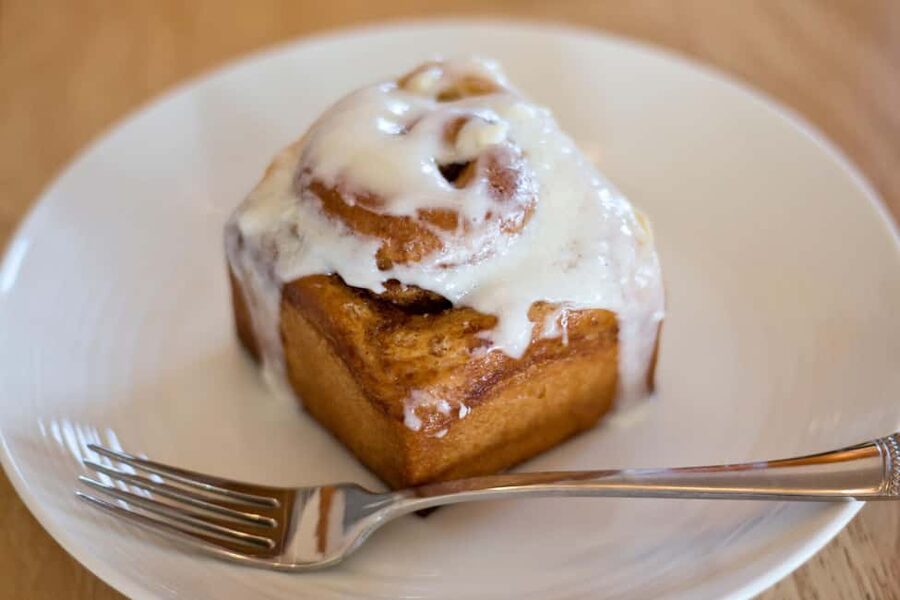
Wear comfortable clothes suitable for baking. You do not need to bring ingredients or equipment, but practical clothing will make it easier to work at the counter.
Arrive 10 minutes before the scheduled start. This is not just a polite suggestion. A three-hour lesson has several linked steps, and missing the opening explanation could make the rest harder to follow.
The class runs at different starting times depending on availability. Check the date and time before booking, then keep the rest of your Paris plans flexible enough to allow for the full three hours.
Cancellation is free up to 24 hours in advance for a full refund. You can also reserve now and pay later, which helps if your sightseeing schedule is still changing.
The experience is operated by Classpop, Inc. The listed instructor language is English, and the group type is small.
What you take away from the experience
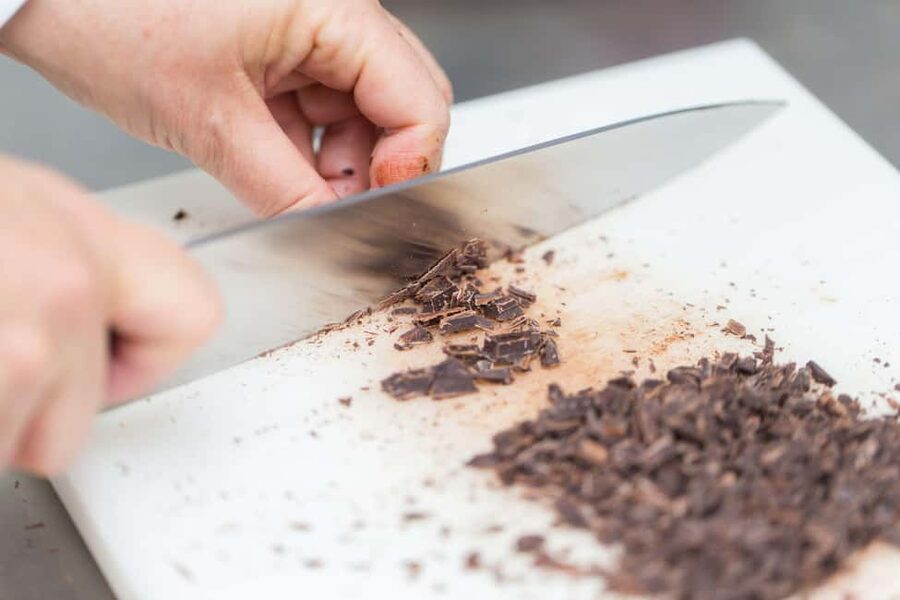
The obvious reward is pastry. You make bicolor croissants, chocolate-filled pains au chocolat, and raisin rolls with vanilla pastry cream and raisins.
The more lasting reward is confidence. Croissant dough often has a reputation for being difficult, and the class gives you a guided way to see each stage. You may still need practice at home, but you leave with a better sense of how the process fits together.
I also like that the class connects food with place. You are not learning an abstract pastry recipe in a generic setting. You are working on French bakery staples while Chef Fanny talks about Paris culture and culinary history.
Do not expect the class to turn you into a professional pastry chef in one afternoon or evening. Three hours can introduce the method, show you the key points, and help you avoid common mistakes. Repetition at home will still matter.
Should you book it?
Book this class if you want a small, adult-focused Paris activity with real participation and you are willing to pay for personal instruction. The six-person limit, English teaching, and three-pastry menu make it a stronger choice for serious food lovers than for casual sightseers.
Skip it if $181 feels too high for a baking lesson, if you prefer a simple bakery stop, or if your group includes children under 18. For the right person, the class offers something a pastry shop cannot: the pleasure of understanding how a French favorite is made, then trying the technique yourself.
FAQ
How long is the Paris baking class?
The class lasts three hours.
Where does the class take place?
The meeting venue is called Aux Fourneaux mais pas trop!
Who teaches the baking class?
Chef Fanny teaches the class.
Is the instruction in English?
Yes. The listed instructor language is English.
How many people can join the class?
The class is limited to six participants.
What pastries will I make?
You will make bicolor croissants, bicolor pains au chocolat with chocolate filling, and bicolor raisin rolls with vanilla pastry cream and raisins.
Are ingredients included?
Yes. All ingredients are included.
Is baking equipment included?
Yes. All equipment is included.
Can I bring a drink?
Yes. You are welcome to bring beverages to enjoy during the class.
Is transportation included?
No. Transportation is not included.
Can children attend the class?
The activity is listed as not suitable for children under 18.
How early should I arrive?
You should arrive 10 minutes before the class starts for check-in.
Can I cancel for a refund?
Yes. You can cancel up to 24 hours in advance for a full refund.
Do I have to pay when I reserve?
The activity offers reserve now and pay later, so you can book your spot without paying immediately.
New cooking classes around Paris
- Paris: The Soufflé Baking Class with Chef★ 4.5 · 2 reviews
- Paris: Macaron Baking Class★ 4.4 · 26 reviews
- Paris: Macarons Cooking Class with Pâtisserie Chef Noémie★ 4.8 · 179 reviews
- Paris: Millefeuille baking class with a chef★ 5.0 · 5 reviews
- Paris: Evening Cooking Class with Optional Market Visit★ 4.8 · 19 reviews
- Paris: Hands-On Small Group Cooking Class★ 4.9 · 19 reviews
- Paris: Lemon Tart Baking Class with a Pastry Chef★ 5.0 · 4 reviews
- Paris: Cooking Class with Ferrandi at Galeries Lafayette★ 4.9 · 15 reviews
Paris Cooking Classes, side by side.
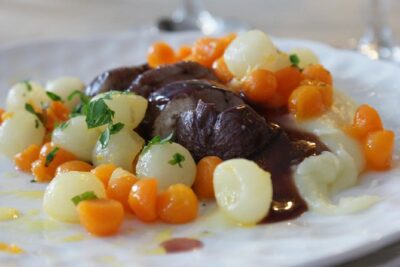
Paris Cooking Class and Lunch with Wine plus Market Visit Option
Read our review →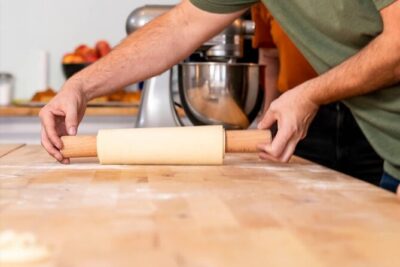
Paris Croissant Small-Group Baking Class with a Chef
Read our review →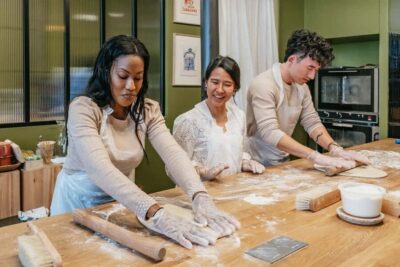
Paris: French Croissant Baking Class with a Chef
Read our review →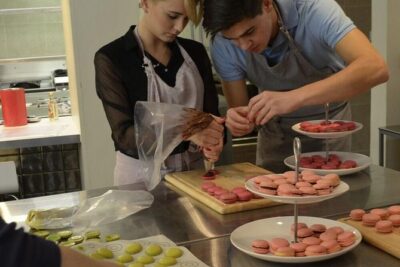
Paris Cooking Class: Learn How to Make Macarons
Read our review →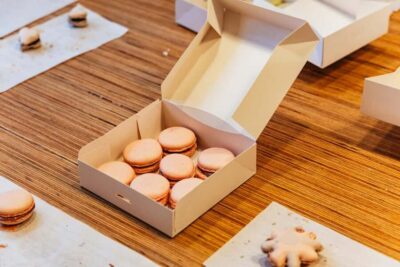
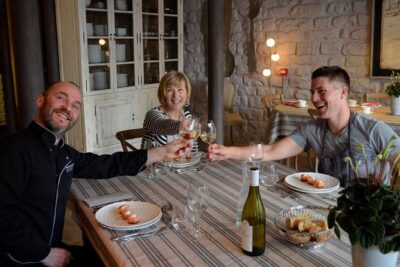
Paris Evening Cooking Class French Dinner and Market Visit Option
Read our review →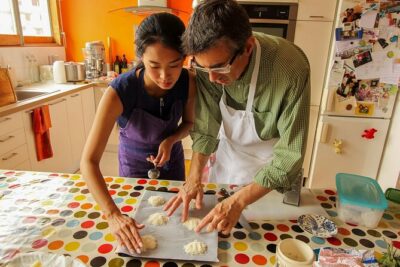
Paris French Cuisine Small Group Cooking Class with Lunch
Read our review →
Paris: Macaron Baking Class for Families and Kids
Read our review →This kitchen also appears in