
Review · COOKING CLASSES WITH A MARKET TOUR
Pierogi Cooking Class with Market Shopping and Local Snacks
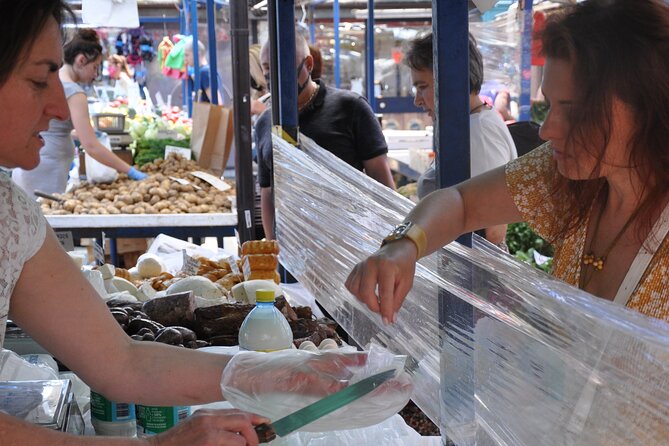
Krakow’s most memorable food lesson may happen not in a polished cooking school, but in Olga’s apartment kitchen, after a stroll through the city’s oldest marketplace. You shop for cheese and other ingredients, sample Polish snacks, then make pierogi from dough to dinner.
I like the small group of six or fewer and the fact that you do every step yourself. I also like the cultural side: Olga shares tips on Krakow, Polish food customs, and what to try next. The main drawback is simple: you’ll be in a private apartment, so this suits you best if you enjoy a personal, social setting rather than a formal culinary studio.
Key details before you book
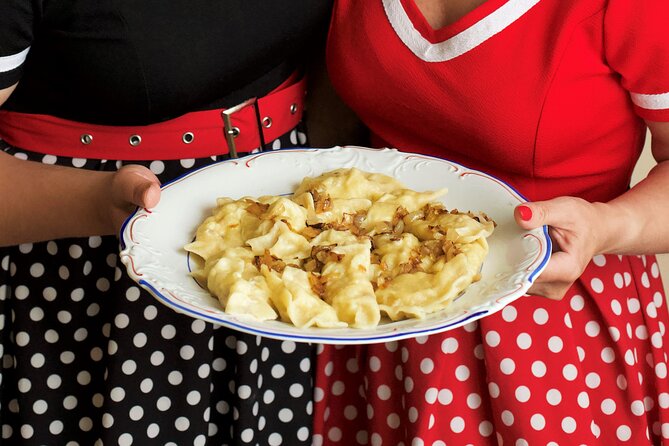
- You shop before you cook: The class begins at the Grunwald Monument and heads to a local market for ingredients and tastes.
- The menu is classic Polish comfort food: You make pierogi filled with cottage cheese, potatoes, and caramelized onions.
- You eat more than dumplings: Expect seasonal cheese, sausage, pickles, sauerkraut, or other Polish snacks, plus regional alcohol.
- The class is genuinely hands-on: You knead dough, prepare the filling, roll the pastry, fold the dumplings, boil them, and eat them.
- The group stays small: The maximum is six people, which gives you room to ask questions and work at the kitchen table.
- Sundays are different: The food market visit is not included on Sunday sessions.
Why this pierogi class feels more personal than a standard food tour
Pierogi are simple in appearance, but making good ones takes a bit of practice. The dough must be soft without becoming sticky, the filling needs the right texture, and each dumpling must be sealed well enough to survive boiling. This class lets you see all of that up close.
That makes the setting important. In a large cooking school, you might watch an instructor demonstrate while several people work at once. Here, Olga teaches in her own apartment, where the pace feels more like being shown a family recipe than attending a staged demonstration.
You will still get instruction, but you will also get conversation. Olga talks about Polish food traditions, the story of pierogi in Poland, and practical places to eat and visit in Krakow. If this is your first day or two in the city, that advice can help you plan the rest of your stay.
The group limit of six matters. Dumpling making involves small tasks that are easy to miss if you are standing at the back of a room. In this class, you have a better chance to see how the dough should feel, ask about the filling, and get help with folding.
One small point to check before booking: Olga is the host named throughout the experience details, though one account refers to Isabella. If having a particular host matters to you, confirm the current host when you book.
More Cooking Classes with a Market Tour in the world:
- Hanoi Cooking Class: Culture, Local Market & Meaning CSR Impact
★ 5.0 · 5,147 reviews - 5 Traditional Dishes Hanoi Cooking Class with Market Trip
★ 5.0 · 4,890 reviews - Cooking Class and Lunch at a Tuscan Farmhouse with Local Market Tour from Florence
★ 5.0 · 4,831 reviews
Meet at the Grunwald Monument, then follow the food
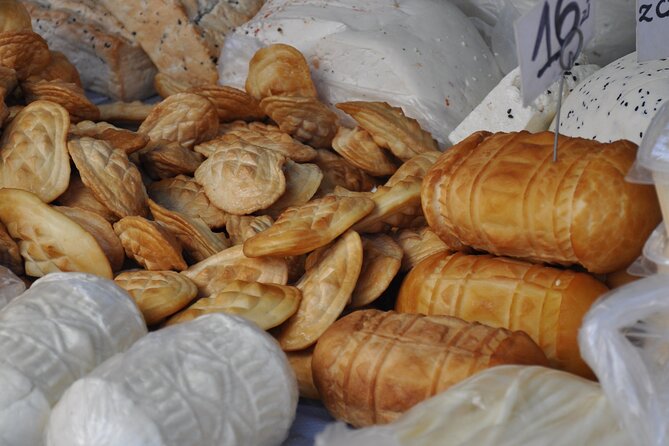
The meeting point is the Grunwald Monument at plac Jana Matejki, near Krakow’s central area and public transportation. This is a useful starting place because it is easy to find and puts you near the market portion of the outing.
The activity lasts about three hours. The timing is long enough to include shopping, snacks, preparation, cooking, and the meal without turning the class into a rushed race to the table.
From the meeting point, you walk to the marketplace described as the oldest in town. This is not just a stop to collect potatoes and cheese. Olga uses the market to explain Polish ingredients, point out products worth trying later, and help you see how everyday shopping works in Krakow.
The market visit also adds a useful layer to the class. You are not simply handed premeasured ingredients. You see the cheese, vegetables, smoked products, and other foods before they reach the kitchen. In particular, the cottage cheese used for the filling receives attention, since the type and quality affect the finished pierogi.
You may taste items as you shop. Depending on the season, these can include fresh or smoked cheeses, Polish sausage, sour cucumbers, sour cabbage, mushrooms, or other local produce. The exact selection changes, so you should treat the snack portion as seasonal rather than a fixed menu.
Sunday visitors need to take note. The class still includes cooking and food, but the market stop is left out on Sundays. If the market is a major reason for booking, choose another day.
The market is part of the lesson, not just a shopping errand
I like this part because it gives you a practical way to remember Polish food after the class. You learn what local cheese looks like, how Polish pickles and sauerkraut are served, and which items you might want to buy later for a picnic or a meal at your accommodation.
It also gives Olga a natural way to explain regional habits. One stop might lead to a talk about cheese, another to Polish sausage, and another to the variety of mushrooms and vegetables sold in the market. The result is less like a checklist of sights and more like a guided introduction to the foods on Polish tables.
After shopping, you walk to Olga’s apartment. The walk is reported as short, around ten minutes, though the exact route can vary. Wear comfortable shoes, especially if you have already spent the morning on Krakow’s historic streets.
The apartment setting has a clear advantage: it feels relaxed and personal. Several class accounts describe a clean, welcoming home with enough room for a small group. One family even prepared and ate the dumplings in a garden when the weather allowed, though you should not assume an outdoor meal is part of every session.
The limitation is just as clear. This is not a large commercial kitchen with restaurant equipment or a formal dining room. You are entering someone’s home, so you should be comfortable with a more intimate style of hosting.
Start with Polish snacks and regional drinks
Before the main cooking begins, Olga serves snacks bought at the market or selected for the session. The sample menu includes fresh and smoked cheeses, Polish sausage, sour cucumbers, and sour cabbage.
A particularly Polish combination mentioned during the experience is bread spread with lard and topped with a pickle. It may sound heavy, but it is exactly the sort of everyday local taste that a restaurant menu might not explain well.
The drink portion includes regional alcohol. Depending on the session, this can mean homemade liquor or a selection of Polish spirits served with the meal. Bison grass infused vodka, sometimes called bison vodka, is one unusual example. One account describes it being served from a fish-shaped vessel.
You do not need to treat the drinks as the main event. The food and instruction carry the class, but the alcohol helps create the informal table setting that makes this feel like a visit to a local home.
If you do not drink alcohol, the supplied details do not specify a nonalcoholic pairing. Ask ahead if that matters to you. Also remember that the class includes a substantial amount of food, so I would not schedule a large dinner soon afterward.
More cooking classes around the world:
- Half-Day Thai Cooking Class at Organic Farm in Chiang Mai
★ 5.0 · 19,087 reviews - Florence: Pasta Cooking Class with Unlimited Wine
★ 4.9 · 10,285 reviews - 3 in 1 Cooking Class near Navona: Fettuccine, Ravioli & Tiramisu
★ 5.0 · 7,376 reviews - Florence: Pasta & Tiramisu Cooking Class with Unlimited Wine
★ 4.9 · 6,708 reviews
Making the dough is the real skill
The class takes you through the complete process, beginning with the dough. Olga explains how to knead it and what to look for in the texture. This is the part where hands-on teaching helps most, since written recipes rarely tell you exactly how soft the dough should feel.
You then roll the dough and cut or shape it for filling. The proper thickness matters. Too thick, and the dumpling feels heavy. Too thin, and it may split when you add the filling or boil it.
The filling is the traditional vegetarian mixture of cottage cheese, potatoes, and caramelized onions. The potatoes need to be cooked and handled correctly before they are combined, and Olga explains how their texture affects the finished filling.
This is a good choice for mixed groups because it avoids meat in the main dish while still offering plenty of flavor. The snacks may include sausage and lard, but the pierogi themselves use the classic cheese and potato combination.
You fill each round of dough and seal the edges. Folding looks easy until you try it. The first few may be uneven, but that is part of the point. Olga shows you how to press the edges together and create the familiar shape. Some sessions may include special shapes, and the small class size gives you a better chance to correct mistakes before the dumplings go into the pot.
Families should find this section especially workable. Children as young as seven have taken part, with adults and older children sharing the tasks. The work is tactile and easy to understand, though young children will need supervision around hot water and kitchen tools.
Boiling, topping, and eating a mountain of pierogi
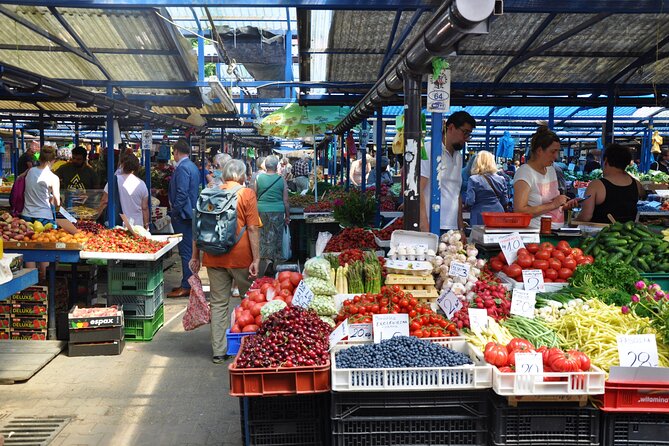
Once the dumplings are made, they are boiled and served with toppings. Sour cream is one pairing mentioned, and the final table can include a very generous amount of food. One group produced more than 100 pierogi, which gives you a sense of how quickly a small table can fill when everyone keeps folding.
The meal is not simply a tasting plate. You eat the dumplings you made, along with the market snacks and drinks. That gives the three-hour class a satisfying finish: you understand the method, then sit down to the result.
You might also have extra pierogi to take home, depending on the session and how many are prepared. This is not guaranteed in the formal details, so think of it as a possible bonus rather than something to count on.
The class also gives you a recipe you can repeat. The cheese and potato filling is familiar enough to make again, while the dough and folding method are the parts that require the most memory. Back home, you can adapt the approach for fruit pierogi or other fillings. A participant even bought a pierogi mold at the market after Olga suggested it for summer fruit dumplings.
What you are really paying for at $83.48
At $83.48 per person, this is not the cheapest way to eat pierogi in Krakow. You can order the finished dish for far less at a local restaurant.
That comparison misses the point, though. The price covers about three hours, a market visit on most days, snacks, drinks, instruction, a full meal, and the chance to learn a recipe you can use again. You also receive local orientation from a host who can suggest restaurants and places to visit.
I consider the value good if you want participation rather than just food. It is less compelling if your only aim is to sample pierogi or if you prefer a quick market tour with no kitchen time.
The group size improves the value. With no more than six people, you are not paying for a seat in a crowded demonstration. You get access to the host, the ingredients, and the work surface. For a couple, family, or small group of friends, that personal attention can justify the cost.
The experience is booked an average of 46 days ahead, so popular dates may disappear early. The booking is confirmed within 48 hours, subject to availability. Free cancellation is available until 24 hours before the start time. If the minimum number of participants is not met and the class is canceled, you are offered another date or experience, or a full refund.
Who should book this Krakow cooking class
I would choose this for you if you enjoy food, conversation, and practical cultural experiences. It works particularly well for:
- Couples looking for a shared activity beyond sightseeing
- Families with children who enjoy making things by hand
- First-time visitors who want food tips for the rest of their stay
- Solo visitors who like meeting a small group
- Anyone who wants a traditional vegetarian Polish dish
- Visitors who prefer a local home to a formal cooking school
It is less suitable if you dislike entering private homes, do not want alcohol around the meal, or prefer a quiet, independent food experience. It also may not fit a tight schedule, since the market, walk, cooking, and meal all take place within one three-hour session.
Service animals are allowed, and the meeting point is near public transportation. The supplied details do not specify dietary substitutions, allergies, or full accessibility information, so contact the host before booking if you need changes to the menu or have mobility concerns.
Should you book it?
Yes, if you want to learn a Polish dish rather than simply order one. The strongest parts are the small group, the market connection, the patient step-by-step instruction, and the relaxed meal in Olga’s home.
Book on a non-Sunday if the market matters to you, and leave room in your day for a serious amount of food. I would also reserve early, especially for a preferred date, since the class is often booked well ahead.
Skip it if you are looking for a quick, low-cost tasting or a professional kitchen setup. For everyone else, this is a warm, useful way to spend three hours in Krakow, with a recipe, new food knowledge, and a better sense of how Polish hospitality works.
FAQ
How long does the pierogi cooking class last?
The experience lasts approximately three hours, including the market visit, walk to the apartment, snacks, cooking, and meal.
Where does the activity begin?
You meet at the Grunwald Monument at plac Jana Matejki, 30-001 Krakow, Poland.
Where does the activity end?
The activity ends back at the meeting point.
Is the market visit included every day?
No. The experience takes place without a food market visit on Sundays.
What kind of pierogi will I make?
You will make pierogi with the traditional filling of cottage cheese, potatoes, and caramelized onions.
How many people can join the class?
The maximum group size is six travelers.
Is alcohol included?
Regional alcohol is part of the sample menu. This can include homemade liquor or a selection of regional alcohol served with the meal.
Can I cancel for a full refund?
Yes. You can cancel at least 24 hours before the start time for a full refund. Cancellations or changes made less than 24 hours before the start time are not accepted for a refund.
New cooking classes around the world
- Shinjuku Tokyo: Authentic Japanese Home-Style Culinary Class★ 4.9 · 125 reviews
- Shibuya Tokyo: Onigiri & Tamagoyaki Cooking Class★ 5.0 · 4 reviews
- M.O.M COOKING CLASS★ 4.8 · 6 reviews
- Seville: Paella-Cooking Experience with Sangria & Full Meal★ 4.9 · 42 reviews
- Shanghai: Authentic Chinese Cooking Class with Master Chef★ 5.0 · 2 reviews
- Sestri Levante: Pesto & Cooking Classes, Wine Tasting★ 4.9 · 56 reviews
- Seville: Paella Cooking Class & 30-Min Local Expert Q&A★ 4.8 · 37 reviews
- Seoul: Korean Kimchi Cooking Class in the Heart of the City★ 5.0 · 3 reviews
Cooking Classes with a Market Tour, side by side.
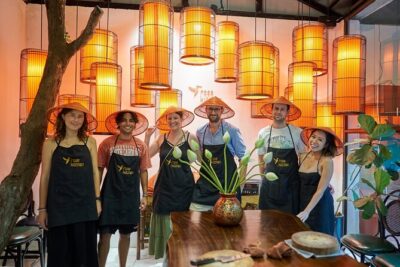
Hanoi Cooking Class: Culture, Local Market & Meaning CSR Impact
Read our review →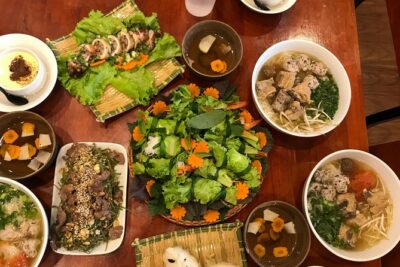
5 Traditional Dishes Hanoi Cooking Class with Market Trip
Read our review →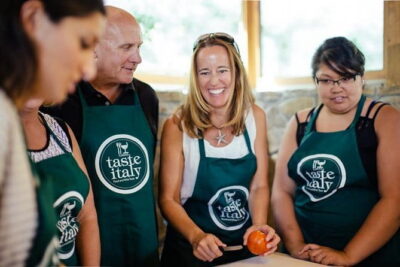
Cooking Class and Lunch at a Tuscan Farmhouse with Local Market Tour from Florence
Read our review →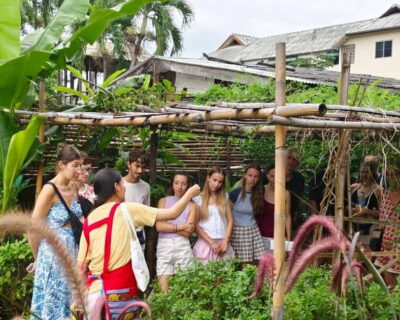
Chiang Mai: Cooking Class, Market & Thai Herbs Garden Tour
Read our review →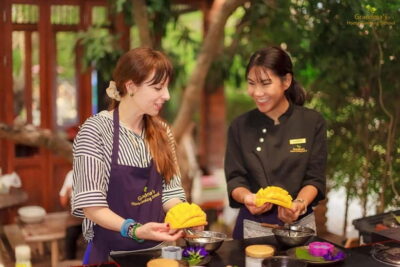
Chiang Mai: Authentic Cooking Class with Market & Farm Visit
Read our review →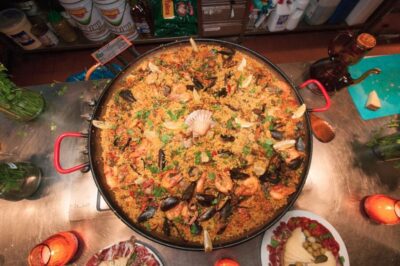
Barcelona: Paella Cooking Experience & Boqueria Market Tour
Read our review →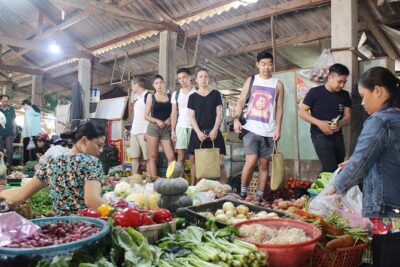
Cooking Class Hoi An:Local Market, Basket Boat, Fishing & Cooking
Read our review →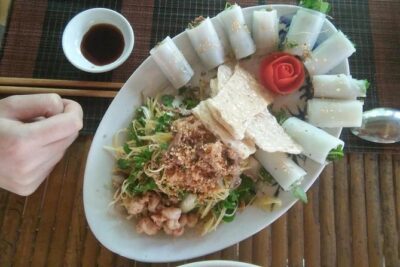
Hoi An Cooking Class(Market,BasketBoat Crabfishing&Cooking Class)
Read our review →This kitchen also appears in