
Review · PORTUGAL
Porto: Pastel de Nata Cooking Class from Scratch
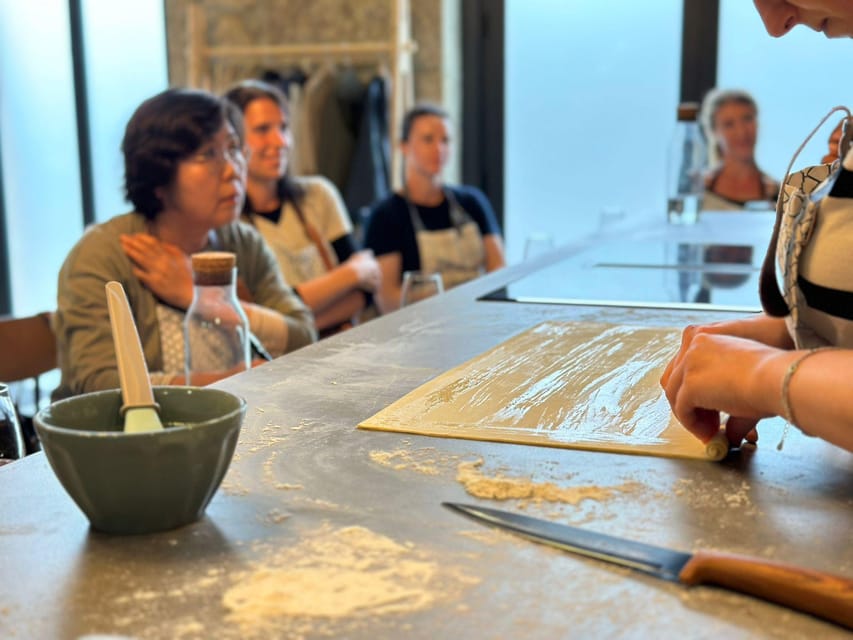
The best part of this Porto class is that you make the pastry dough from scratch, not just spoon custard into ready-made shells. That extra step takes the experience beyond a quick dessert demonstration and gives you a real chance to understand why a good pastel de nata is crisp, layered, and delicate.
I like the friendly, social format, with hosts such as Ana, Clara, Mariah, Vanessa, and Maria keeping the group involved. I also like that the finished pastries come out warm, and that the recipe is provided digitally so you can try again at home. The main consideration is that this is a shared group bake, so not everyone will handle every step for long. Children under 15 and anyone with gluten or lactose intolerance should choose another activity.
Key points to know before booking
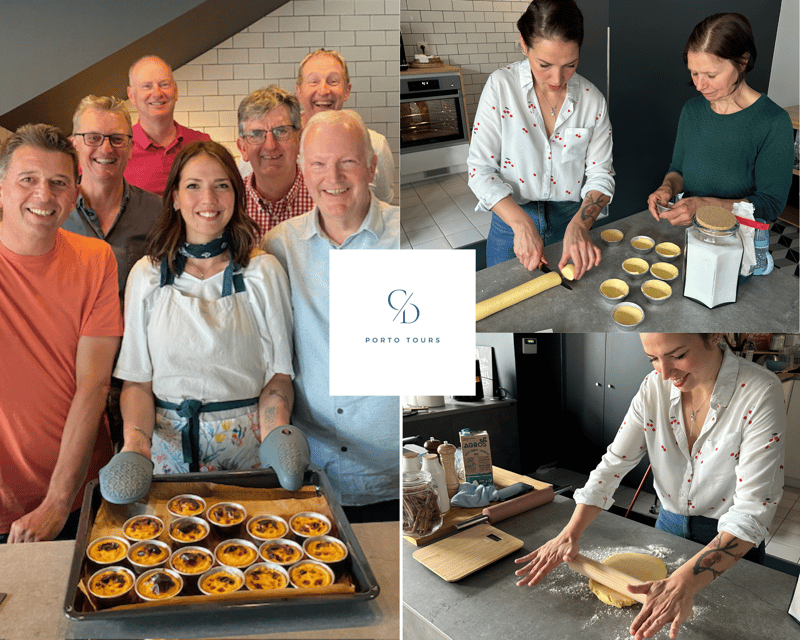
- You make the dough, custard, and pastry shells: This is more hands-on than classes that begin with prepared pastry.
- The 2.5-hour pace leaves room for stories: Expect Portuguese food culture, pastry history, wine, and time for the dough and custard to come together.
- Hands-on work rotates through the group: Usually two to four people take part in each stage while others watch, then the next step changes hands.
- The warm pastries are the payoff: You eat the fresh results in the studio, with some sessions providing extra pastries to take home.
- The atmosphere is social rather than intensely technical: A host such as Mariah or Clara may learn names, draw people into the conversation, and keep the mood light.
- Arrive early: The door closes at the scheduled start, and late entry is not allowed.
Making pastel de nata from the dough up
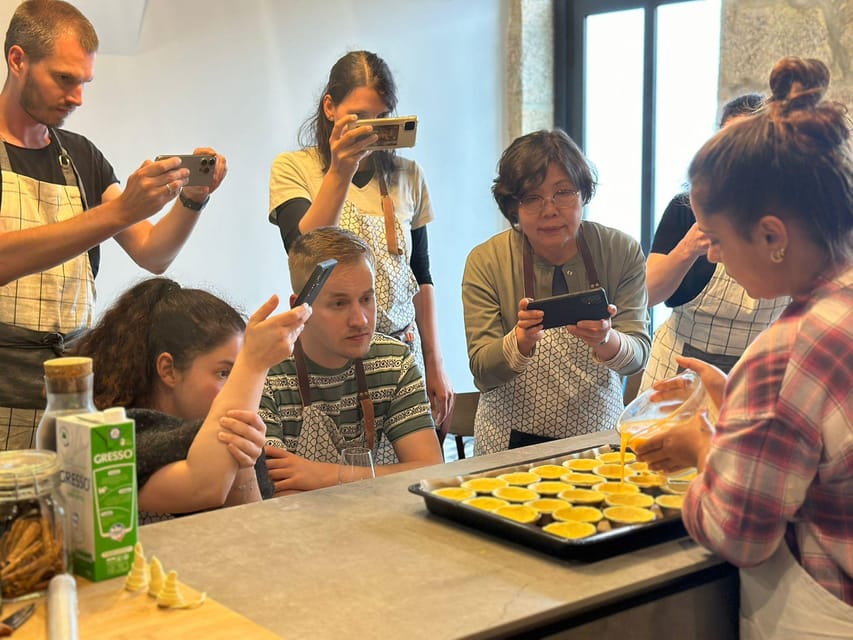
Pastel de nata looks simple in a bakery case: a small pastry cup, a soft yellow center, and a browned top. The skill is hidden in the details. The pastry needs the right texture, the dough must be shaped properly, and the custard has to bake without losing its smoothness.
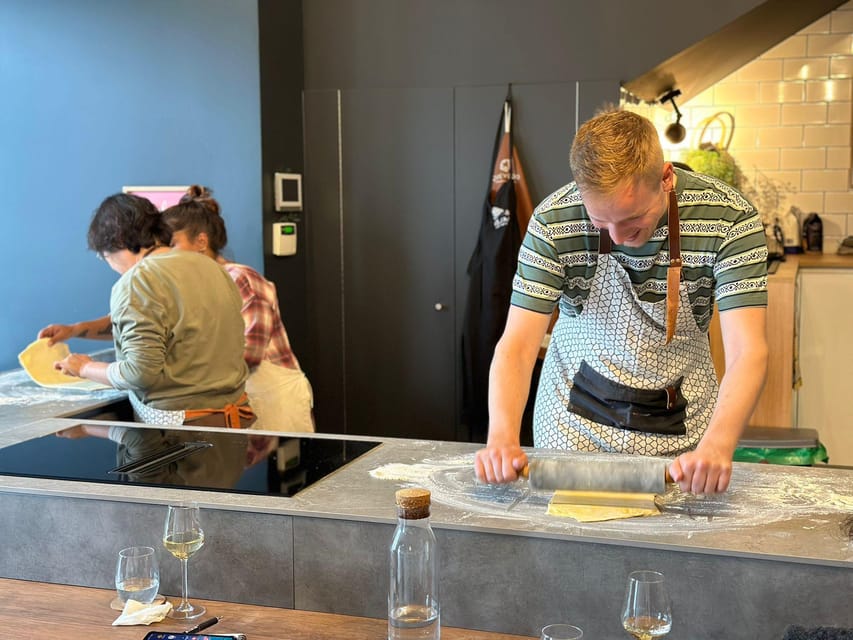
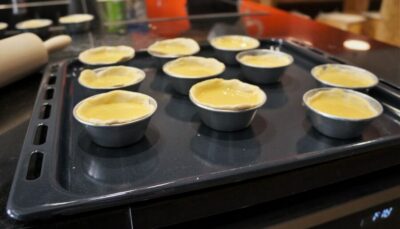
This class takes you through the full process. You help prepare the dough, work with the filling, shape the pastry, and bake the final natas. That matters if you want to recreate them at home. A class that starts with bought pastry can show you the general idea, but it skips the most difficult and useful part.
You do not need to be an experienced baker. The work is broken into manageable stages, and the instructor explains what to do before the group tackles each task. Thomas, one participant, described the process as a series of straightforward steps rather than an intimidating technical lesson. That is a good way to think about the class.
The recipe is also sent digitally, reportedly through a QR code. You should still pay close attention to the demonstrations, because pastry technique is not always obvious from written instructions. One participant felt the recipe was useful but wished for a video showing the host’s methods. That is fair advice: note how the dough is handled, not just how much of each ingredient goes in.
More Tiramisu and Dessert Classes in Portugal:
- Lisbon: Pastel de Nata Baking Class
★ 4.9 · 2,106 reviews - Porto: Pastel de Nata Cooking Class with Grandma’s Recipe
★ 5.0 · 1,565 reviews - Porto: Pastel de Nata Cooking Class with Port Wine – Sé
★ 4.8 · 888 reviews
What the 2.5-hour class feels like
The session lasts about two and a half hours. That gives the class enough time to feel like a proper food activity rather than a quick tourist stop, but it is still easy to fit into a Porto day.
The exact meeting point can vary with the option you book, so check your confirmation carefully. There is no hotel pickup or drop-off. This is a workshop appointment, not a moving tour, and the scheduled start is strict. The door closes at the starting time, with no late admission, so give yourself extra time to find the studio.
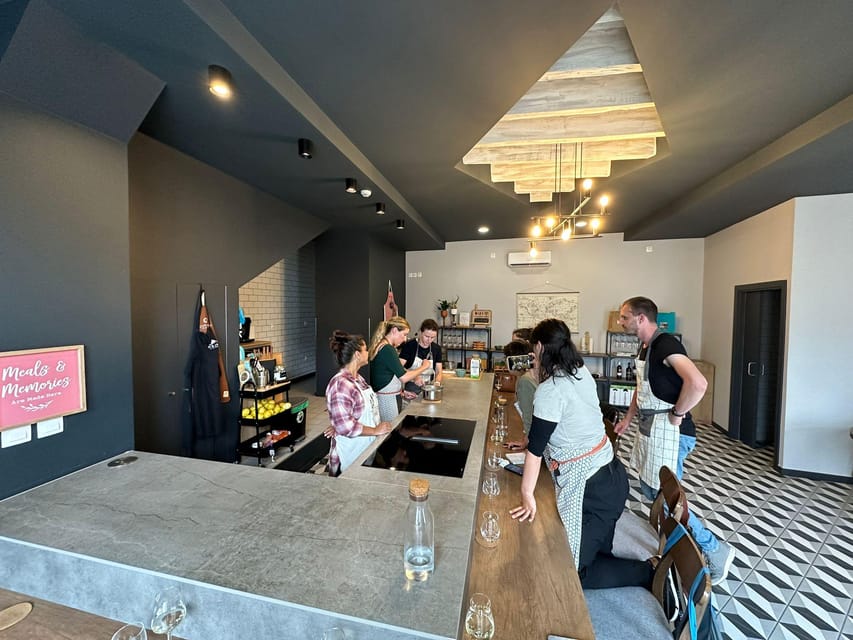
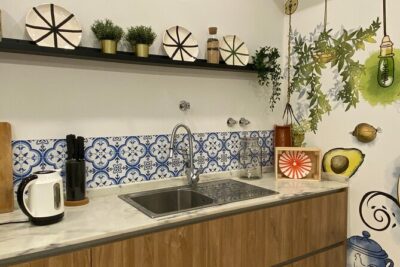
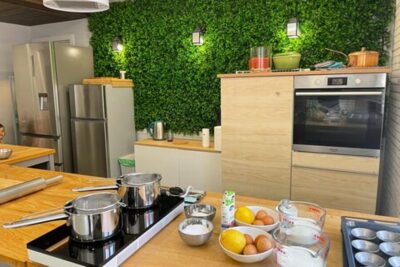
Once inside, you can expect a modern show kitchen or cooking studio with a large shared table. The group can reach 12 people, although some sessions are smaller. One class had only four participants, which made the instruction feel especially personal. With a full group, the experience will be more social and less individually focused.
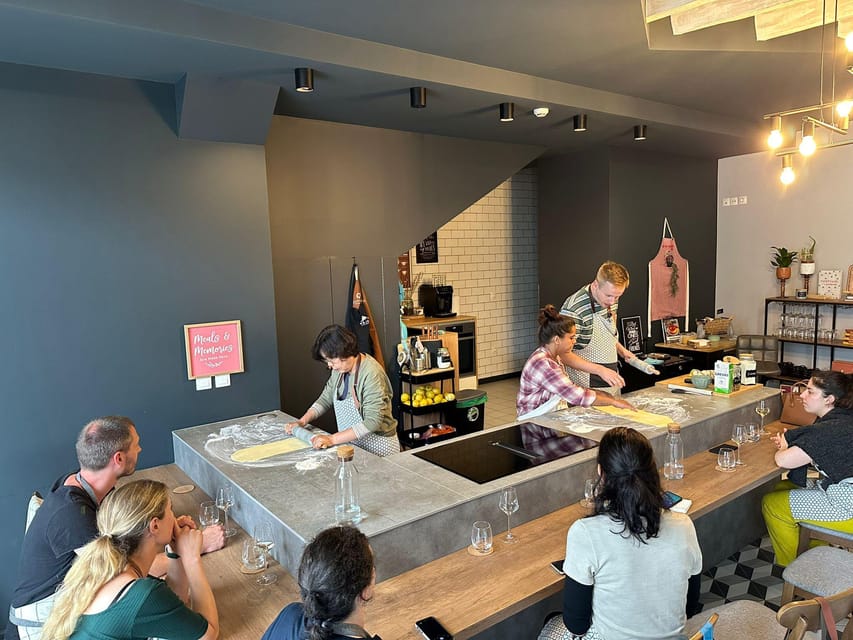
The class follows a rotating format. Two to four people may carry out a particular step while the rest of the group watches, then other participants take over. This keeps the shared batch moving and prevents 12 separate attempts from slowing the class to a crawl.
There is a tradeoff. You will be included, but you may not personally perform every part of the recipe from beginning to end. If your main goal is intensive individual practice, a private class would be a better fit. If you want to cook, meet people, and enjoy a relaxed food activity, the group method works well.
The dough is the real lesson
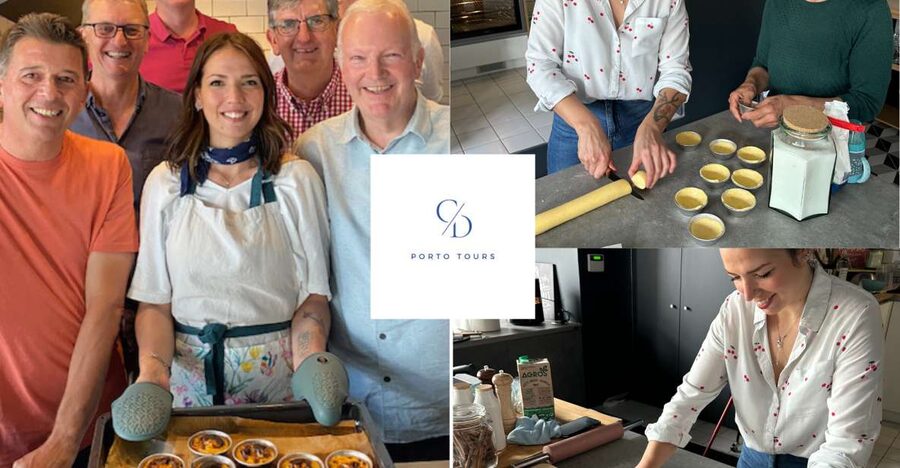
The most useful feature here is the pastry itself. Making the dough is more demanding than preparing a custard filling, and it is where this class earns much of its appeal.
Your host explains how the dough is prepared and shaped for the little pastry cups. Watch closely during this stage. The final result depends on technique as much as ingredients, and the written recipe cannot show every movement. Ask questions as the host works, especially if you hope to repeat the process in your own kitchen.
The class is designed so beginners can follow along. You work as a group, and the instructor takes the pressure off by breaking the recipe into small jobs. Hosts named in the feedback include Ana, Clara, Mariah, Vanessa, Maria, and Klara. The names may vary by session, but the pattern is consistent: a lively English-speaking host leads the work and explains the reasons behind each step.
I particularly like that the class does not treat baking as a race. One session was praised for its slower pace, useful tips, and time for the group to settle into the activity. That makes a difference when you are handling unfamiliar dough.
Custard, culture, and a glass of wine
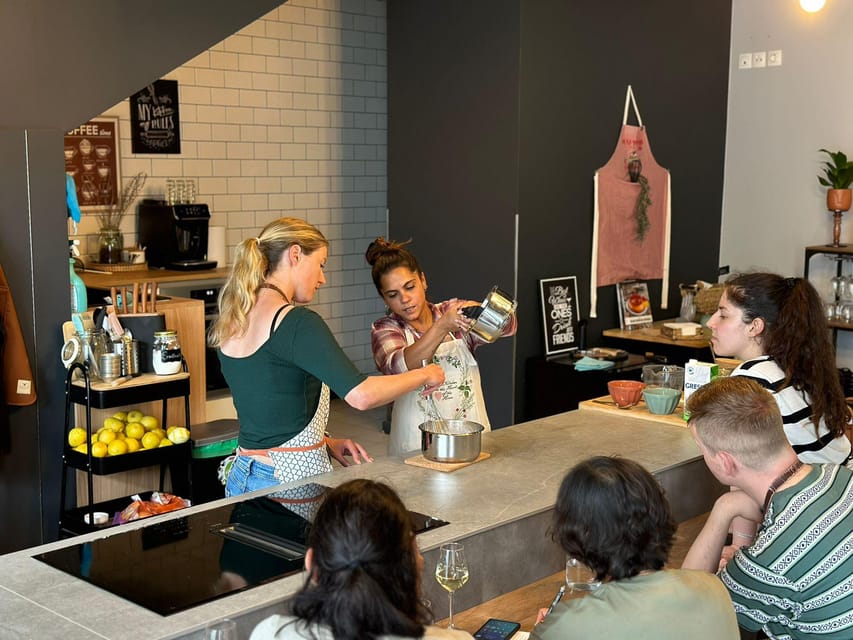
While the pastry is being prepared, the class also explains the story and place of pastel de nata in Portuguese food culture. The host talks through the traditional pastry and adds food history to the cooking process.
This conversation gives the class a local angle. You are not just following a recipe in an anonymous kitchen. You are learning why this small tart matters in Portugal and how it fits into the country’s pastry traditions.
A glass of regional wine is included. It is served as part of the social side of the workshop, not as a separate tasting course. Some sessions also included coffee or iced tea, but the stated inclusion is a glass of wine, so do not book this expecting a full wine tour.
The wine can be a pleasant break while the pastries bake. It also helps people talk to one another, especially in a group made up of visitors from several countries. The atmosphere is intentionally easygoing, with jokes, food stories, and plenty of conversation.
Alcohol is for adults only. The legal drinking age in Portugal is 18, and anyone who is intoxicated cannot take part. Smoking indoors, pets, and unaccompanied minors are not allowed.
More cooking classes around Portugal:
- Lisbon: Traditional Portuguese Cooking Class
★ 4.9 · 592 reviews - Lisbon: 2-Hour Pastel de Nata Cooking Class
★ 4.8 · 461 reviews - Lisbon Portuguese Cooking Class with 3-Course Dinner
★ 5.0 · 445 reviews - Porto: Pastel de Nata Cooking Class with Porto Wine (Sé do Porto)
★ 5.0 · 340 reviews
Warm pastries at the end
The final stage is the reason most people book. Once the natas come out of the oven, you get to eat them warm.
Freshness changes the pastry. The shell is at its crispest, and the custard is still soft and fragrant. You can judge the result immediately, which makes the class feel satisfying even if your own baking skills are modest.
The number of pastries can vary by session, but the shared batch is made to provide plenty for the group. Several participants received one or two to take home, while another session produced about three per person. The included pastries are part of the package, and the exact amount may depend on the group and production.
You also leave with a recipe, which adds real value. At $50 per person, this is not the cheapest way to eat a pastel de nata in Porto. Bakeries sell the finished pastry for much less. The price makes more sense if you value the instruction, the warm tasting, the wine, the social setting, and the chance to learn the dough well enough to try it at home.
The hosts shape the experience
The pastry is important, but the instructor can make or break a group class. This format depends on someone who can teach clearly while keeping 12 people involved.
The hosts praised most often include Mariah for her humor and ability to learn names, Clara for patient explanations, Ana for her energy, and Vanessa for making sure people took part. Other sessions were led by Maria or Klara. The host assigned to your time may be different, but the teaching style is built around participation and conversation.
A good host also keeps the waiting periods from feeling empty. While the pastry bakes, the group hears food stories, drinks wine, and talks with one another. That is why the activity works well on a rainy afternoon or as a break from Porto’s hills and crowded streets.
Solo visitors can fit in comfortably here. The shared table encourages conversation, and the host helps people from different backgrounds mix. Couples and friends will also find the format easy, though you should expect to share the work rather than cook privately as a pair.
Who should book, and who should skip it
This class suits adults who want a relaxed food activity with a useful takeaway. It is a good choice if you enjoy learning by doing, like meeting other people, or want a break from sightseeing.
It is especially suitable for:
- First-time bakers who prefer clear, guided steps
- Couples looking for an activity beyond restaurants and wine bars
- Solo visitors who enjoy a social class
- Adults visiting Porto in wet weather
- Anyone who wants to recreate pastel de nata at home
- People curious about Portuguese food culture
It is not suitable for children under 15 in the shared workshops. Families with younger children need to request a private workshop instead. Minors must be accompanied by an adult.
You should also skip this activity if you have gluten intolerance or lactose intolerance. The class centers on wheat pastry and dairy-based custard, and no suitable alternative is described.
Timing, group size, and practical value
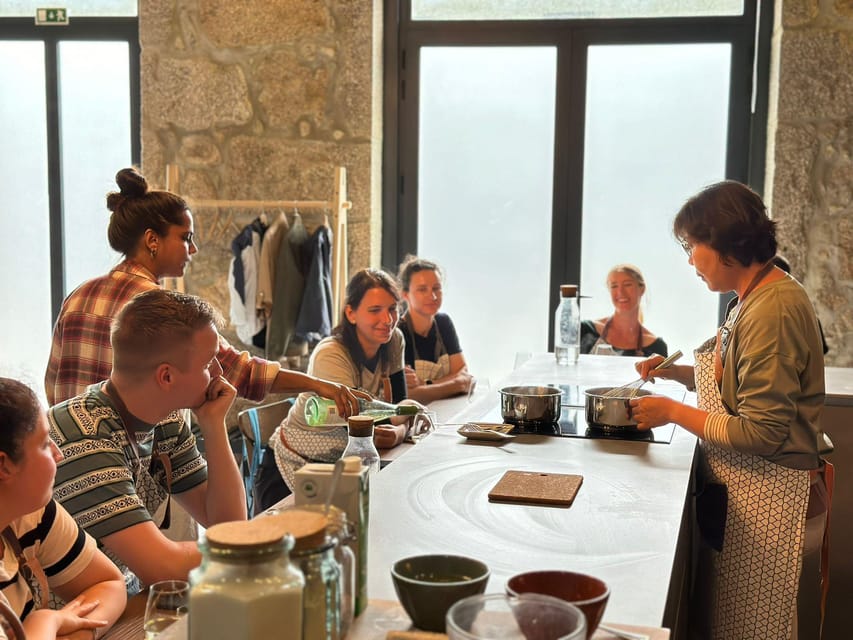
The maximum group size is 12, with a small-group option available. A small group gives you more chances to handle the ingredients and ask questions. A full group may mean more observation and less time at the counter, although the rotation keeps everyone involved.
Plan your day around the fixed start time. You cannot arrive late and enter after the workshop begins. Since the meeting point may vary depending on the booking option, do not rely on finding it at the last minute.
The activity is conducted in English. If you are comfortable following an English-speaking cooking lesson, the recipe and demonstrations should be accessible. The host also uses conversation and humor, so strong listening skills help you get the most from the cultural side.
Free cancellation is available up to 24 hours before the class for a full refund. You can also reserve now and pay later, which helps if your Porto plans are still shifting. These policies do not change the need to arrive on time.
How this fits into a Porto itinerary
A morning session can work as an unusual start to the day, especially if you want breakfast with a bit more substance than simply ordering a pastry at a café. An afternoon class gives you a break from walking and sightseeing, while an evening session turns dessert into the main event.
I would avoid placing it immediately before another appointment. The class lasts 2.5 hours, and the strict entry rule leaves no room for a late start. Give yourself enough time to reach the meeting point and settle in.
The activity also gives you a different view of Porto. You are still learning about the city through food, but you are doing it around a kitchen table rather than from a church, lookout, or museum. That change of pace is part of the value.
Should you book the pastel de nata class?
Book it if you want to understand how the pastry is made, not just eat one. The dough-from-scratch lesson, warm tasting, digital recipe, wine, and friendly English-speaking hosts make this a strong choice at $50, especially for adults who enjoy a social class.
Think twice if you want private instruction, dislike group activities, or need every participant to perform every step. The rotating format means you may watch some stages rather than lead them.
For most adults visiting Porto, I would choose this as a rainy-day plan, a last-day activity, or a welcome break from sightseeing. Arrive early, listen closely during the dough demonstration, and you should leave with both warm pastries and a realistic chance of making them again.
FAQ
How long does the Porto pastel de nata class last?
The class lasts 2.5 hours.
What is included in the price?
The price includes the pastry class, an instructor, pastries, and a glass of wine.
Is the class taught in English?
Yes. The live tour guide and workshop instruction are in English.
Can children join the group workshop?
Children under 15 cannot join the group workshop. Families with younger children need to request a private workshop.
Do I need baking experience?
No. The recipe is broken into simple stages, and the instructor guides the group through each part.
Do I make the pastry dough myself?
Yes. The class includes making the dough from scratch, along with preparing the filling and shaping the pastries.
What happens if I arrive late?
Late entry is not allowed. The door closes at the scheduled start time, with no exceptions.
Is wine included for everyone?
A glass of regional wine is included. Alcohol may only be consumed by people aged 18 or older in Portugal.
Can I cancel the booking?
You can cancel up to 24 hours in advance for a full refund. Reserve now and pay later is also available.
New cooking classes around Portugal
- Porto: Portuguese Cooking Class on the Terrace★ 5.0 · 2 reviews
- Porto: Cooking Class with Local Market Visit★ 5.0 · 15 reviews
- Porto: Local Market Tour & Cooking Class/Showcooking★ 4.9 · 32 reviews
- Porto: Coastal Villages Market & Seafood Cooking Tour★ 5.0 · 2 reviews
- Lagos: Market Tour and Cataplana Cooking Class★ 5.0 · 9 reviews
- Lisbon: Setúbal Market and Wine tour with Cooking class★ 5.0 · 4 reviews
- Lisbon: Traditional Portuguese Cooking Class★ 5.0 · 41 reviews
- Lisbon: Portuguese Cooking Class with Wine Tasting★ 5.0 · 4 reviews
Portugal Cooking Classes, side by side.
Porto: Pastel de Nata Cooking Class with Grandma’s Recipe
Read our review →
Porto: Pastel de Nata Cooking Class with Port Wine – Sé
Read our review →
Lisbon Portuguese Cooking Class with 3-Course Dinner
Read our review →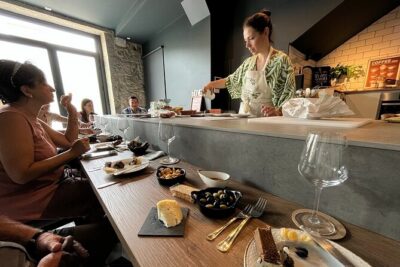
This kitchen also appears in