
Review · CHENNAI
Private South Indian Tamil Cooking Class in Chennai with Srividya
The best part of this Chennai experience is not just the food. It is the chance to sit in Srividya’s home kitchen, talk about Tamil cooking, and finish with a family-style meal at her dining table. I like the private setting and the choice between a lunch or dinner visit. I also like the chance to eat food served on a banana leaf, including homemade pickle and seasonal dishes.
One point to keep in mind: this may be closer to a cooking demonstration with some participation than a full hands-on class. If you want to prepare every dish yourself or leave with printed recipes, clarify that before booking. The price is $46 per person, and the experience lasts about three hours.
Key Points Before You Book
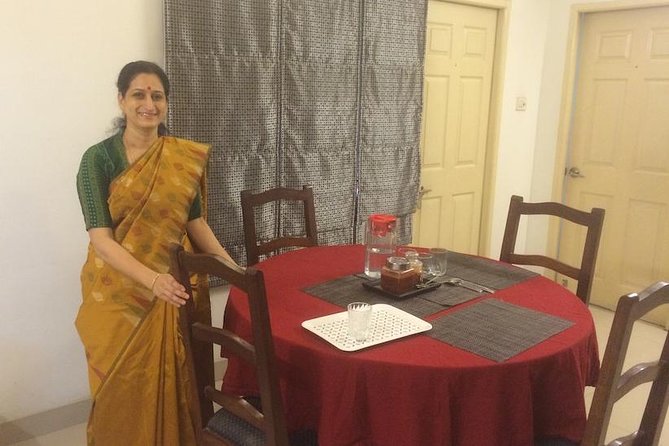
- Cook in Srividya’s Chennai home: This is a personal home visit, not a large culinary school class.
- Prepare two or three South Indian dishes: Possible foods include dosas, idli, vegetable curry, rice dishes, and dumplings.
- Learn Tamil cooking traditions: Srividya explains spices, methods, nutrition, and differences between Tamilian and Mudaliar food.
- Share the finished meal: Lunch or dinner is served at home, sometimes on a large banana leaf.
- Expect a flexible menu: Seasonal vegetables, tamarind rice, curd rice, chutney, pickle, and even fish curry may appear.
- Plan your transport: Hotel pickup and drop-off are not included, and the meeting point is in T. Nagar.
A Home Kitchen in T. Nagar
The experience begins at Arcus, Appaswamy Real Estates Ltd, at New No. 21, 9, Giri Road, Satyamurthy Nagar, T. Nagar, Chennai. You meet there and finish back at the same meeting point after the home visit.
This matters because you are not being collected from your hotel. You need to arrange your own way to the meeting point, and the activity is near public transportation. Give yourself enough time to find the address, especially if you are unfamiliar with Chennai’s streets.
Once you meet Srividya, the tone shifts from organized tour to personal invitation. You enter her home kitchen and begin with conversation, food, and an introduction to what you will prepare. One menu may include lime juice on arrival, followed by a discussion of taste, ingredients, and the role food plays in family life.
The home setting is the main attraction. You see where the cooking happens and eat in the same place, rather than moving through a staged restaurant kitchen. For me, that makes the three hours feel connected: ingredients, cooking, conversation, and meal all happen in one household.
The class is private, so only your group participates. That gives you room to ask questions about spice levels, ingredients, cooking habits, and regional differences without having to compete with a large class.
More Private Cooking Classes in India
- Private Guided Cooking Workshop Experience in Jodhphur
★ 5.0 · 158 reviews - Private Cooking Class in Jodhpur With Pick Up & Drop Off
★ 5.0 · 84 reviews - Jodhpur Private Cooking Class With Family
★ 5.0 · 68 reviews
Preparing Two or Three Tamil Dishes
The central lesson focuses on two or three vegetarian South Indian dishes prepared from scratch. The exact menu depends on the season and the arrangements made for your visit.
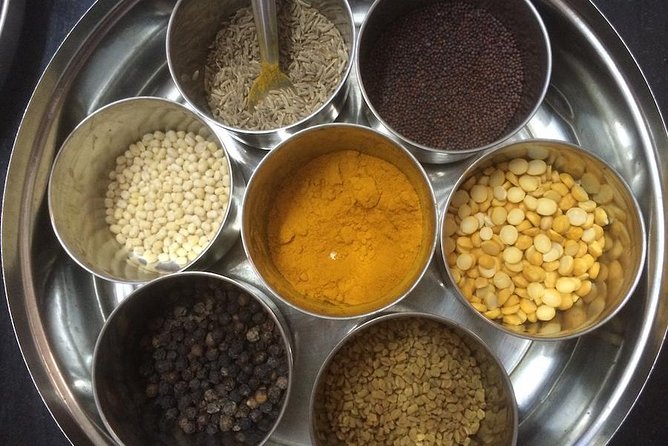
You might work with vegetables, rice, coconut, mustard seeds, and black pepper. These ingredients are simple, but the technique matters. Mustard seeds are often used to give a dish a sharp, toasted note. Coconut adds sweetness and texture. Black pepper brings a different kind of heat than red chili.
Possible dishes include vegetable curries, dosas, idli, chutneys, kozhukattai, tamarind rice, and curd rice. Dosas are thin, crisp crepes, while idli are soft, savory cakes. Kozhukattai are dumplings made from different types of flour. Tamarind rice has a sour, spiced flavor, while curd rice is cool and mild.
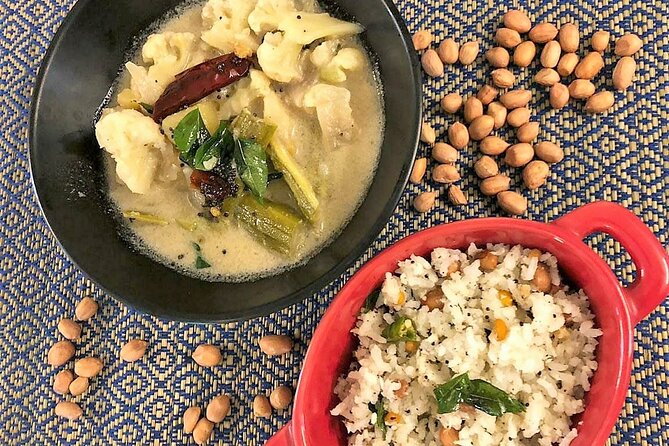
You may also encounter homemade mango pickle. That small side dish can tell you plenty about South Indian eating habits, where a meal often balances sour, salty, spicy, creamy, crisp, and soft elements on the same plate.
The class is useful even if you already know Indian food from restaurants. Restaurant menus often flatten regional cooking into a few familiar names. Here, you can ask how Tamilian Brahmin cooking differs from Mudaliar cooking, or how home dishes change with the season and the family preparing them.
Be aware of the distinction between preparing and watching. One account of the experience describes it as less hands-on than expected, while another notes that the host accommodated many specific requests. The safest approach is to tell Srividya what you hope to do. If you want to grind, mix, shape, temper, or cook each item, say so when you book or before the class begins.
The Meal on a Banana Leaf
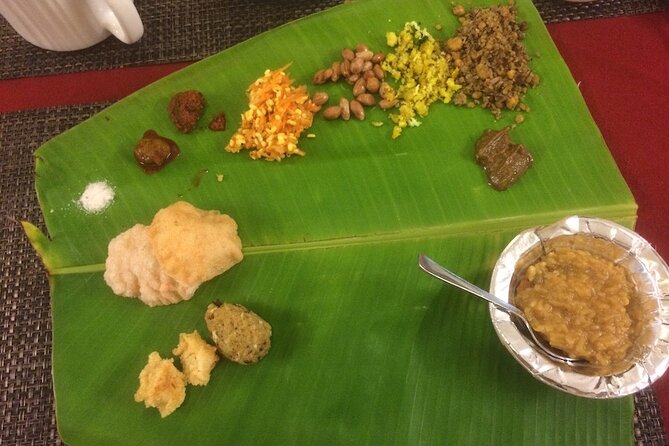
After the cooking, you sit down to eat what you helped prepare. Depending on the menu, your meal may include several vegetable dishes, rice, chutney, pickle, or other seasonal foods. Some meals are served on a large banana leaf, a traditional presentation that makes the table feel distinctly South Indian.
The banana leaf is not just a decoration. It gives the meal a clear sense of place and encourages you to taste the dishes together rather than treating each one as a separate course. A spoon may be available, but the meal also connects with the South Indian practice of eating rice and sauces by hand.
You share the meal with Srividya, and the experience can include her family. This is where the activity gains its strongest personal quality. You are not simply learning a recipe. You are talking across the table about food traditions, daily cooking, ingredients, and life in Chennai.
I particularly like this part because the meal gives context to the lesson. A dosa or curry makes more sense after you have seen the ingredients and heard why a particular spice is used. The meal also lets you slow down. Three hours is generous for a cooking activity, but it gives the food and conversation time to develop.
The meal is generally vegetarian in the class description, but the possible menu includes fish curry among the seasonal dishes Srividya might serve. If you are vegetarian, vegan, allergic to an ingredient, or follow a strict religious diet, give those details at booking. The activity specifically asks you to share dietary requirements in advance.
What You Learn About South Indian Cooking
This is not a generic Indian food lesson. The focus is South Indian Tamil cooking, with attention to the home traditions of Chennai and nearby food cultures.
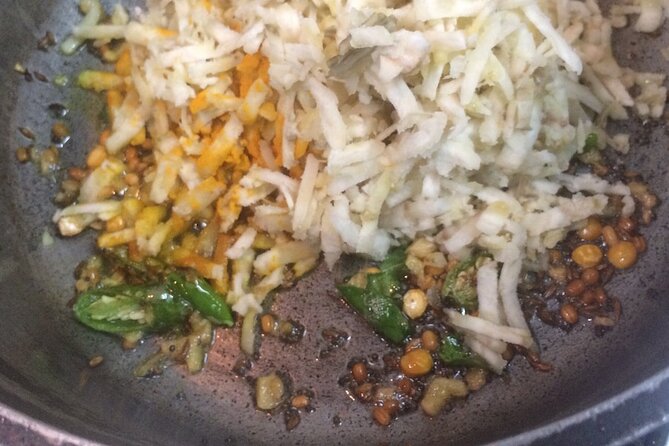
You learn through ingredients and conversation. Srividya can explain how mustard seeds, coconut, black pepper, tamarind, yogurt, rice, and flour work in different dishes. You can also ask about nutrition, cooking shortcuts, family recipes, and practical kitchen methods.
The class is especially useful for anyone who wants to understand how South Indian food works as a complete meal. A typical plate may have rice, curry, pickle, a cooling side, and several textures. The food is not built around one rich main dish. It is a group of smaller elements that work together.
The menu may also show the range between Tamilian Brahmin and Mudaliar cooking. You should not expect a lecture on every regional tradition, but the setting gives you a natural way to ask about those differences.
Srividya’s strength appears to be her ability to explain both the food and the background behind it. She can talk about cooking methods, traditions, healthy ingredients, and useful kitchen tricks while preparing the meal. If you like asking questions, this is likely to be a better fit than a tightly scripted demonstration.
More Indian Cooking Classes around India:
- Indian Cooking Class in an Authentic Local Home – Learn 6 Dishes
★ 5.0 · 195 reviews - Jaipur Market Tour & Vegetarian Rajasthani Home Cooking Class
★ 5.0 · 113 reviews - New Delhi: Indian Cooking Class in a Local Home
★ 5.0 · 65 reviews - Mumbai: Indian Cooking Class & Cultural Delights
★ 5.0 · 38 reviews
How Much Hands-On Cooking to Expect
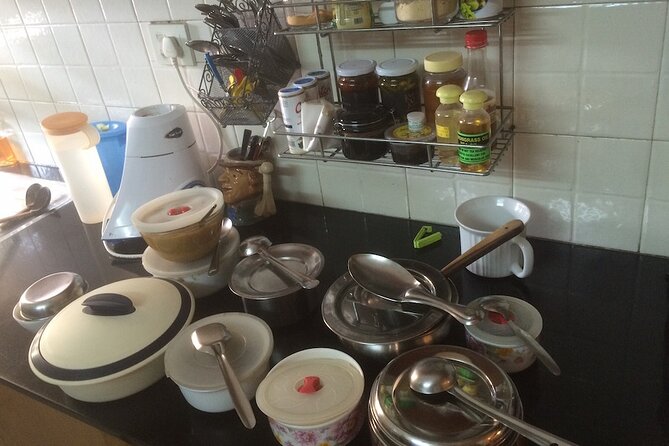
The word cooking class can mean different things. In some classes, you chop ingredients, stir pots, shape dough, and cook most of the dishes yourself. In others, the host demonstrates while you help with selected tasks.
This Chennai experience may lean toward the second format. You will learn to make dishes from scratch, but the amount of direct work can vary. Some participants have found the demonstration and conversation excellent but wanted more time making the food firsthand.
That is not necessarily a flaw. A demonstration lets you watch the timing and texture closely, which can be hard when several people are working at once. It also means Srividya can keep the meal moving and serve dishes at their best.
Still, if your main goal is skill practice, ask for a hands-on role. Tell the host which dishes interest you. You might request more involvement with dosa batter, idli preparation, chutney, or seasoning a curry. Also ask if recipes or written notes will be provided. A recipe to take home is not guaranteed.
For a first introduction to Tamil food, the format works well. For an advanced cooking student seeking a structured lesson plan and exact measurements, it may feel informal.
Price, Timing, and Overall Value
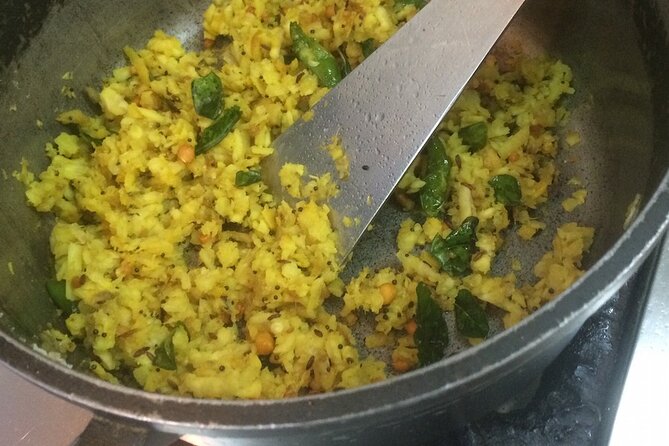
The cost is $46 per person for about three hours, including the private cooking lesson and home-cooked meal. That is a fair price if you value the personal setting, the meal, and the chance to talk directly with a local cook.
You are paying for more than a plate of food. The price includes the host’s preparation, the cooking instruction, the ingredients, and the time spent sharing her home and family traditions. Since the activity is private, the cost can be easier to justify for couples, families, or small groups who want a more personal outing.
There are no hotel transfers included, so add local transportation to your budget. The meeting point is near public transportation, but the supplied information does not specify a particular bus, train, or taxi route. The tour ends where it starts.
You can choose a time that ends with lunch or dinner. That makes the class easier to fit around a day of sightseeing. A lunch slot can be useful if you want a substantial midday meal before continuing around Chennai. A dinner slot gives you a relaxed evening activity and removes the need to find a restaurant afterward.
The experience is often booked well ahead, with an average booking time of about 38 days in advance. If your dates are fixed, it makes sense to reserve early.
Who Will Enjoy This Chennai Food Experience
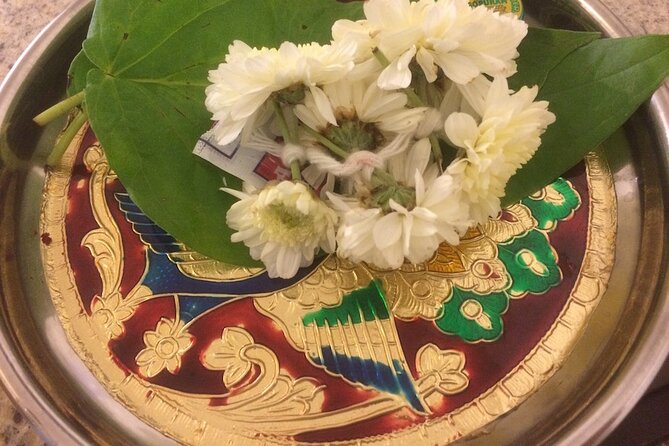
I would recommend this for you if you want food tied to a real household setting. It suits curious eaters, couples, families, small private groups, and anyone who prefers conversation to a formal classroom.
It is also a good choice if you are new to South Indian food. Dosas and idli may be familiar names, but the class can show you how they fit into a larger Tamil meal. You may also encounter foods that are less common outside South India, such as kozhukattai or regional rice preparations.
Vegetarians and vegans should find the format appealing, but they should still state their requirements clearly. The cooking description centers on vegetarian dishes, while the possible seasonal menu is broader.
This may not be the best choice if you want a large professional kitchen, a fixed menu, restaurant-style service, or a fully hands-on lesson from start to finish. It is also not ideal if you need hotel pickup or have only a short gap in your schedule.
Practical Details to Know
You receive booking confirmation at the time of reservation. The activity is private, and only your group takes part.
The experience has free cancellation if you cancel at least 24 hours before the local start time. Cancellations or changes made less than 24 hours before the experience are not refunded or accepted.
Tell the operator about dietary needs when you book. This is especially important because the menu can change with the season, and the possible dishes include both vegetarian foods and fish curry.
The tour is offered through Traveling Spoon. The listed rating is 4.9 from 24 ratings, with 100 percent recommending it. The strongest praise centers on Srividya’s warm hosting, clear explanations, tasty food, cultural conversation, and willingness to accommodate requests.
Should You Book It?
Book this if you want to eat in a Chennai home, learn the logic behind Tamil cooking, and spend time with a host who can explain food traditions as she cooks. The banana-leaf meal, homemade pickle, seasonal menu, and family conversation give the outing a personal feel that a restaurant cannot match.
Before booking, decide how much hands-on work you need. Ask for active participation and recipe information if those points matter to you. If you are happy with a host-led demonstration followed by a generous home meal, $46 is a solid value. If you want a formal cooking school lesson, choose another format.
FAQ
How long does the Chennai cooking class last?
The experience lasts approximately three hours.
Who hosts the cooking class?
Srividya hosts the private cooking class in her home in Chennai.
What food will I prepare?
You will prepare two or three South Indian dishes. Possible foods include vegetable curries, dosas, idli, kozhukattai, tamarind rice, curd rice, and chutney. The menu can change with the season.
Is the meal vegetarian?
The class description focuses on two or three vegetarian dishes. The possible seasonal menu also includes fish curry, so tell the host your dietary requirements when booking.
Is hotel pickup included?
No. Hotel pickup and drop-off are not included. You meet at Arcus, Appaswamy Real Estates Ltd, New No. 21, 9, Giri Road, Satyamurthy Nagar, T. Nagar, Chennai.
Can I cancel for a full refund?
Yes, if you cancel at least 24 hours before the experience’s local start time. Cancellations or changes made less than 24 hours before the start time are not refunded or accepted.
New cooking classes around India
- Private Cooking Class In Jodhpur With Family★ 5.0 · 2 reviews
- New Delhi: Indian Cooking Class in a Local Home★ 5.0 · 65 reviews
- New Delhi: Full-Day Cooking Class learn 8 dishes with Locals★ 5.0 · 7 reviews
- New Delhi: 5-Hour Traditional Cooking Class with Local Chef★ 5.0 · 2 reviews
- Mumbai Coastal Cooking: From Fishing Net to Flavourful Plate★ 5.0 · 5 reviews
- Kerala Traditional village cooking class (Munnar)★ 4.8 · 15 reviews
- Kerala: Cooking Class in Munnar★ 5.0 · 2 reviews
- Jodhpur 11 Dishes Cooking Class With REKHA Pick Up & Drop OF★ 5.0 · 24 reviews
Chennai Cooking Classes, side by side.
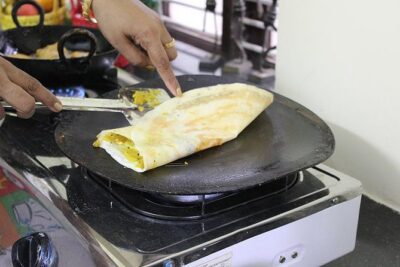
Traditional Cooking Class in Chennai in a Local Home with Sundari
Read our review →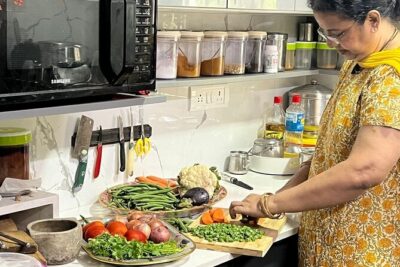
South Indian Vegetarian Cooking Class in Chennai with Meena
Read our review →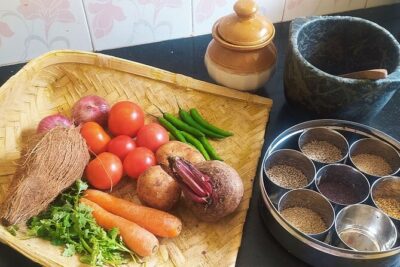
Traditional Vegetarian Cooking Class in Chennai with Gayathri
Read our review →This kitchen also appears in