Review · ROME
Rome: Traditional Pasta Making Class with Wine & Gelato
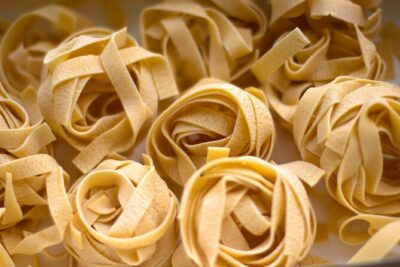
Fresh pasta is the heart of this three-hour class in Rome’s Trastevere neighborhood. You’ll start with prosecco, cured meats, and cheese, then work beside an English-speaking chef to make fettuccine and ravioli from scratch. The food is both the lesson and the reward, since you sit down to eat what you have made with wine and homemade gelato.
I especially like the chance to learn real Roman sauces, including cacio e pepe, gricia, amatriciana, and puttanesca, rather than simply shaping pasta for a photo. I also like the warm, social format. Chefs such as Luca, Elisa, Stefano, Manuela, and Federica are praised for clear instruction, humor, and useful advice about Roman food and restaurants. The main drawback is that celiacs cannot be accommodated, and the kitchen is not suitable for wheelchairs or strollers.
Key points to know before booking
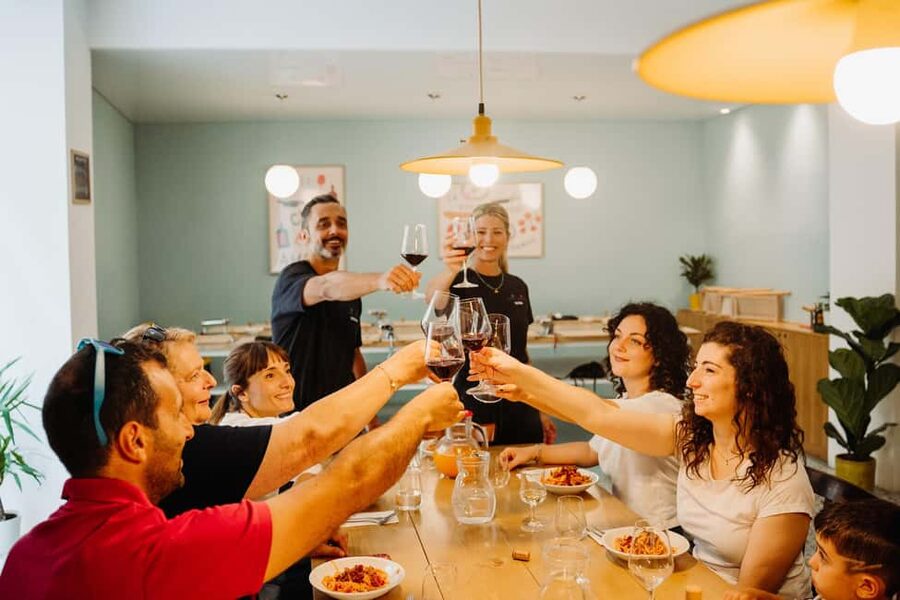
- The class begins with an Italian aperitivo: Prosecco, cured meats, and cheese give you a relaxed start before the cooking begins.
- You make two kinds of fresh pasta: The lesson covers fettuccine and ravioli, along with two sauces selected around seasonal ingredients.
- Roman sauces are part of the lesson: You may work with cacio e pepe, gricia, amatriciana, or puttanesca.
- Your meal is included: Eat the pasta you prepare with wine, then finish with homemade gelato.
- The setting is a cooking school in Trastevere: The space is reserved for your group, with private and small-group options available.
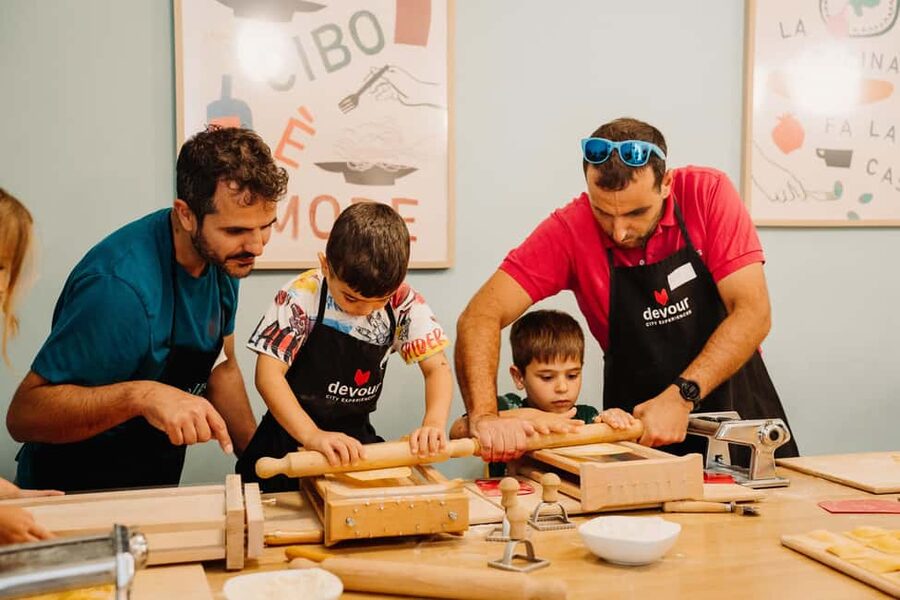
- The class suits families and solo visitors: Children, teenagers, couples, and solo participants can all take part, though the format is hands-on and not suited to every mobility level.
A Roman pasta class in the heart of Trastevere
This class gives you more than a plate of pasta. It shows you how an ordinary Roman meal comes together, from the first drink and small bites to the final spoonful of gelato.
You meet at Piazza di San Giovanni della Malva, in front of the San Giovanni della Malva church. Arrive 15 minutes early and look for the guide carrying a red bag or a Devour Tours sign. The cooking school is nearby in the heart of Trastevere, and the activity ends back at the same meeting point.
That location matters. Trastevere is one of Rome’s most atmospheric neighborhoods, and the class fits naturally into a walk through its lanes, piazzas, and restaurant-filled streets. You do not need to arrange transport, and there is no hotel pickup to coordinate. Plan to reach the meeting point on your own.
The class can be private or shared, depending on the option you choose. A shared class gives you the chance to meet other people and work in a social setting. A private class gives your own group more space for questions and conversation. The exact group size is not stated, so check the option carefully before paying.
More Cooking Classes with Wine Tasting in Italy
- Rome: Pasta Making Class with Wine, Limoncello, and Dessert
★ 4.9 · 3,177 reviews - Fettuccine & Tiramisù: Cooking Class with Wine & Limoncello
★ 4.9 · 2,103 reviews - Pasta Making & Wine Tasting with Dinner in Frascati from Rome
★ 5.0 · 1,326 reviews
Prosecco, cured meats, and the Roman aperitivo
The evening or afternoon starts with a glass of prosecco and an aperitivo of cured meats and cheese. This is not just filler before the main lesson. Aperitivo is a useful part of Italian food culture, a relaxed pause that opens the appetite without becoming a full meal.
I like this beginning because it eases you into the class. You can meet the chef, settle into the kitchen, and get to know the other people in a shared session before handling flour and pasta dough. It also gives the chef a natural chance to talk about Roman eating habits and local ingredients.
Do not expect a large buffet. The included food is an appetizer, followed later by the pasta you make, wine, and gelato. If you want more food or drinks after the class, those are available at an additional cost.
The aperitivo also makes this a good choice for a special occasion. One family used the class as a tenth anniversary activity, while another group included children aged 9 and 11. A six-year-old also took part with a parent. The format has enough structure for children, but adults should still expect them to work with ingredients and follow kitchen instructions.
Making fettuccine and ravioli by hand
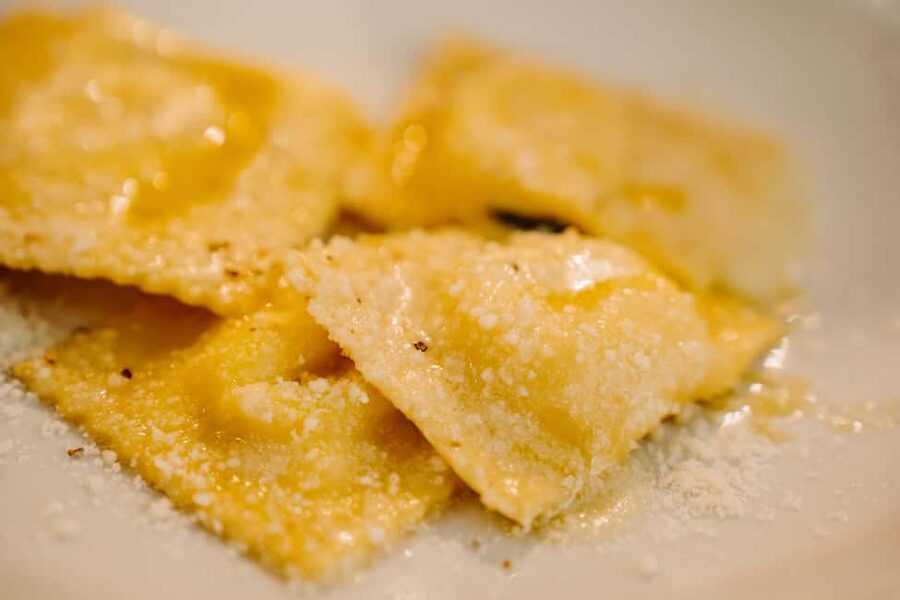
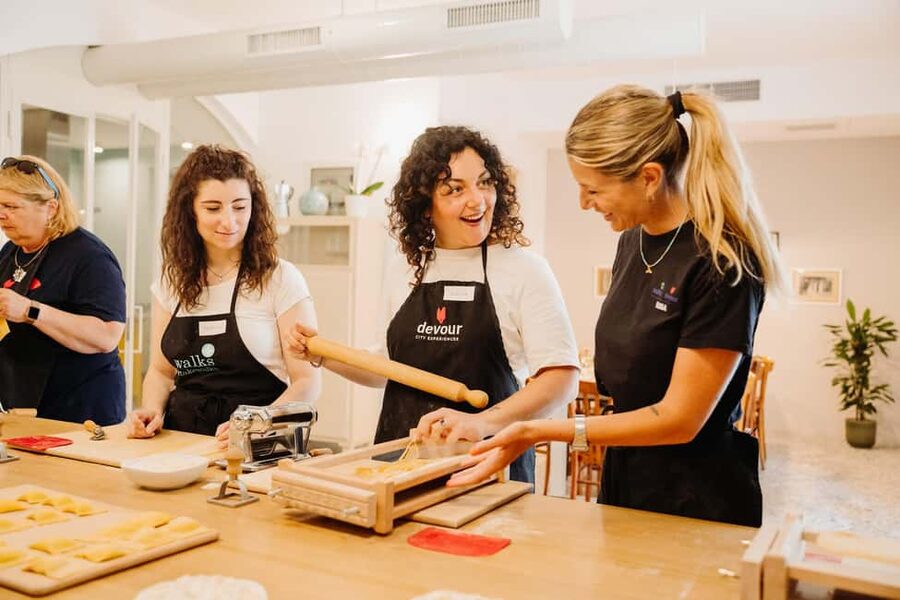
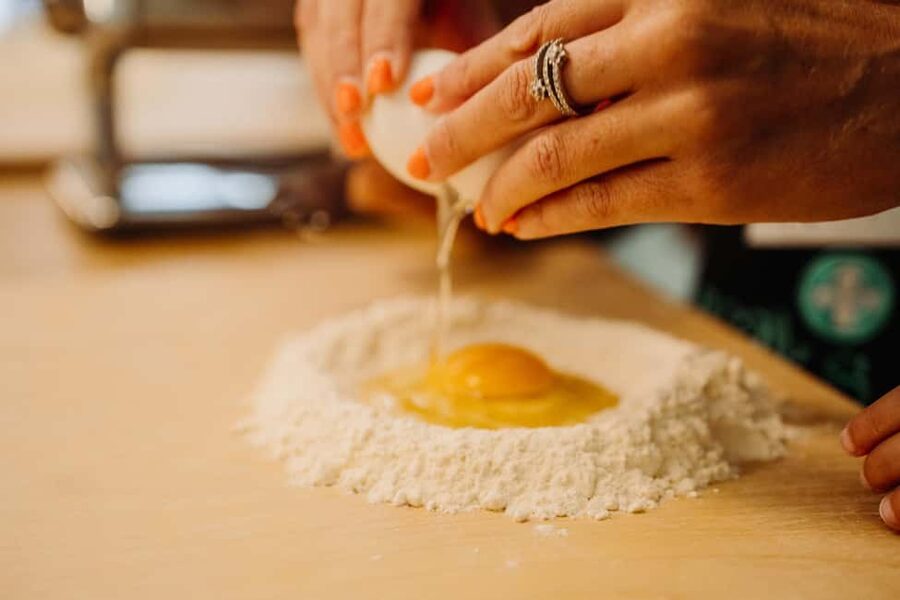
The main lesson covers two fresh pastas: fettuccine and ravioli. You work with the dough yourself rather than watching the chef prepare everything. That hands-on approach is the reason to choose this class over a standard food tasting.
The chef guides you through the basic process and explains why each step matters. You may leave with more than a recipe. The instruction can include general cooking advice, how to handle the dough, and how to prepare the accompanying sauce. One of the most useful elements is that you are shown the sauce as well as the pasta.
Fettuccine gives you the chance to work with a long, flat pasta. Ravioli adds another skill, since you must fill and shape individual pieces. The class is therefore more varied than a lesson focused on one pasta form.
You do not need to arrive with pasta-making experience. Several chefs, including Fernanda, Elisa, Manuela, Luca, and Federica, are praised for making the steps easy to follow and for allowing time to ask questions. That patience matters if you have never made fresh pasta before.
The activity is still practical work, not a demonstration where you sit back. You will handle dough, shape pasta, and help prepare the meal. Wear something comfortable and come ready to participate. The supplied information does not specify clothing or equipment, so do not assume that special tools or take-home ingredients are provided.
Four Roman sauces, chosen with the season
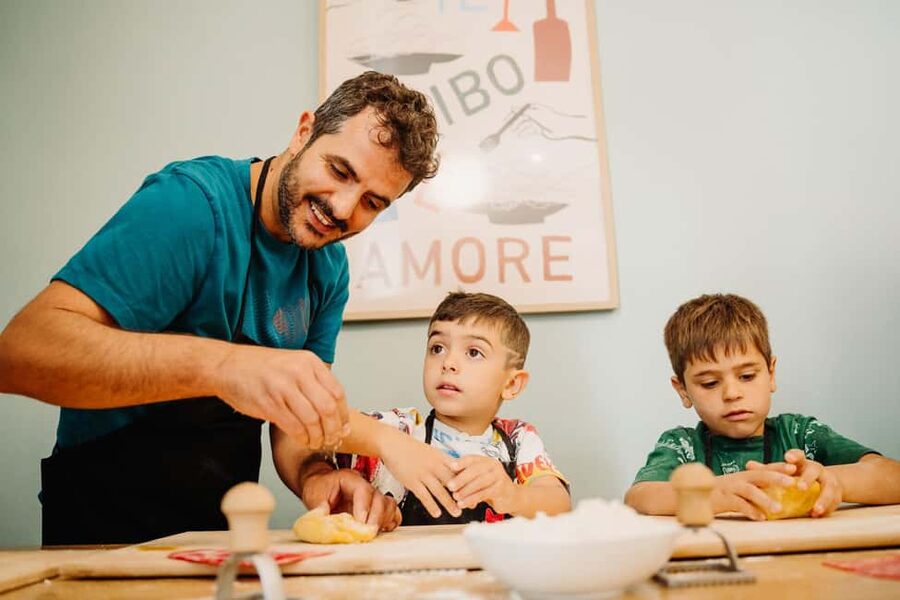
The sauce lesson gives the class its Roman character. Depending on seasonal ingredients and the chef’s choice, you may prepare amatriciana, puttanesca, gricia, or cacio e pepe. These are not random pasta toppings. They are classic Roman combinations with different methods and flavors.
Cacio e pepe is built around cheese and pepper. Gricia is another Roman staple, centered on cured pork and cheese. Amatriciana adds tomato, while puttanesca brings a stronger mix of savory ingredients. Learning several possibilities helps you understand why Roman pasta can taste so different even when the ingredients look simple.
The seasonal approach is worth noting. You are not guaranteed one named sauce every time, since the chef chooses based on what is available at local markets. That is a small tradeoff for a more flexible, local-style lesson. If you have your heart set on cacio e pepe or amatriciana, ask ahead, but do not book this class expecting a fixed menu.
The emphasis on why a sauce works is one of the strongest parts of the class. Chef Federica, for example, is praised for explaining the reasons behind her methods and for answering questions beyond the recipe at hand. That kind of instruction helps you recreate the dish at home instead of merely copying a list of steps.
One point deserves a fair warning. A single meal may not suit every taste, and the recipe can change with the session. One participant found the ravioli less flavorful than expected and had hoped for a cheese and spinach filling. The menu description does not promise that filling, so contact the provider before booking if a particular ravioli style matters to you.
More Cooking Classes with Wine Tasting in Rome
- Rome Cooking Class: Make Pasta, Dine & Drink Wine With Local Chef
★ 5.0 · 1,263 reviews - Rome: Combo Pizza and Pasta Cooking Class with Wine
★ 4.6 · 1,180 reviews - Rome: Pasta Making with Wine Tasting and Dinner in Frascati
★ 4.9 · 979 reviews - Super Fun Pasta & Gelato Class by Vatican with Wine + Oil Tasting
★ 5.0 · 726 reviews
Sitting down to eat what you made
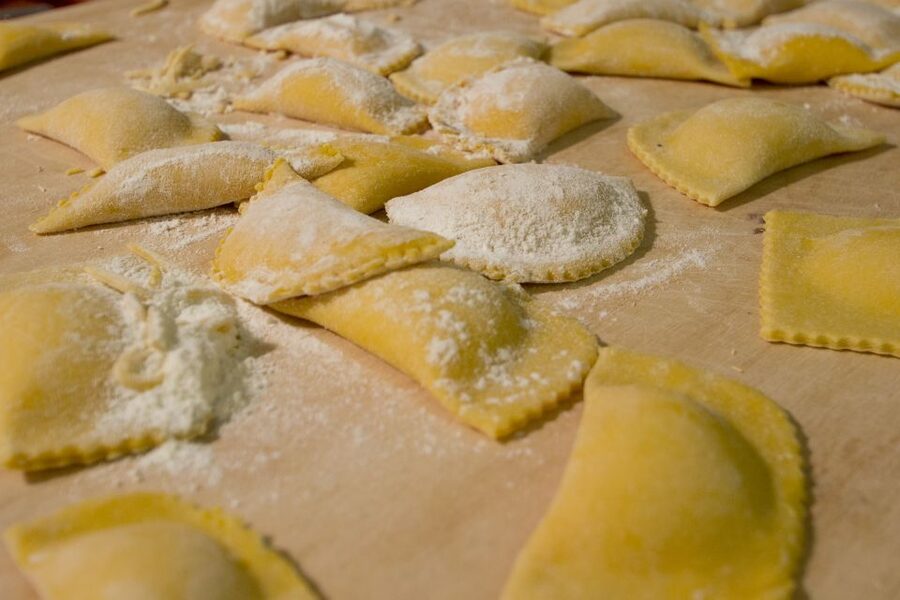
After the cooking, you sit down to eat both homemade pastas with wine. This is where the class pays off. You have seen the dough take shape, helped prepare the sauces, and can now connect each step with the finished dish.
The meal is included in the listed price of $66.84 per person. For three hours of instruction, appetizers, ingredients, two pasta dishes, wine, and dessert, that is a reasonable package for Rome, especially if you value a meal and an activity in the same booking. The real value depends on your priorities. If you want the cheapest plate of pasta in Rome, a restaurant will cost less. If you want a practical lesson, conversation with a chef, and dinner included, the price makes more sense.
Wine is included with the meal, along with the opening prosecco. Extra food and drinks after the class cost more. There is no need to plan another dinner immediately afterward, since the class is designed to end with a full meal, though appetites vary.
Homemade gelato finishes the class. It is a small but important final course, especially for children and anyone who prefers dessert to a second glass of wine. The chef prepares it, so you get one more taste of the kitchen’s work before returning to Piazza di San Giovanni della Malva.
The chefs make the difference
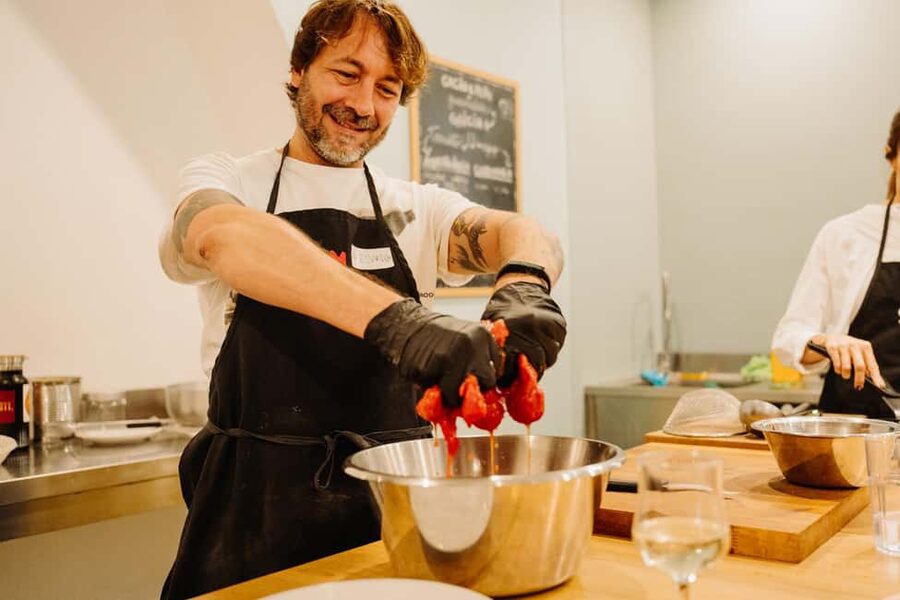
The cooking itself is only half the appeal. The chef sets the pace, explains unfamiliar techniques, and shapes the mood of the room.
The available sessions feature different chefs, so you should not expect a specific person unless the booking details confirm it. Names associated with the class include Luca, Federica, Stefano, Gianmaria, Elisa, Manuela, Asia, Alessandro, Giulia, Jamila, Jeanmarie, and Fernanda.
The strongest teaching style combines clear steps with plenty of conversation. Stefano and Luca are praised for keeping the class energetic and making solo participants feel comfortable. Manuela and Luca are praised for patience and encouragement. Elisa is remembered as kind and fun with families. Jamila is noted for explaining the major Roman sauces, not just the pasta itself.
You can also use the cooking time to ask about Rome. Several chefs share restaurant suggestions and advice on finding a good gelateria. That can be more useful than a generic list of places because the conversation happens while you are discussing local food.
The class is conducted in English. If you need another language, this is not the right booking. The listed instructor language is English, and no other language is promised.
Who will enjoy this class most
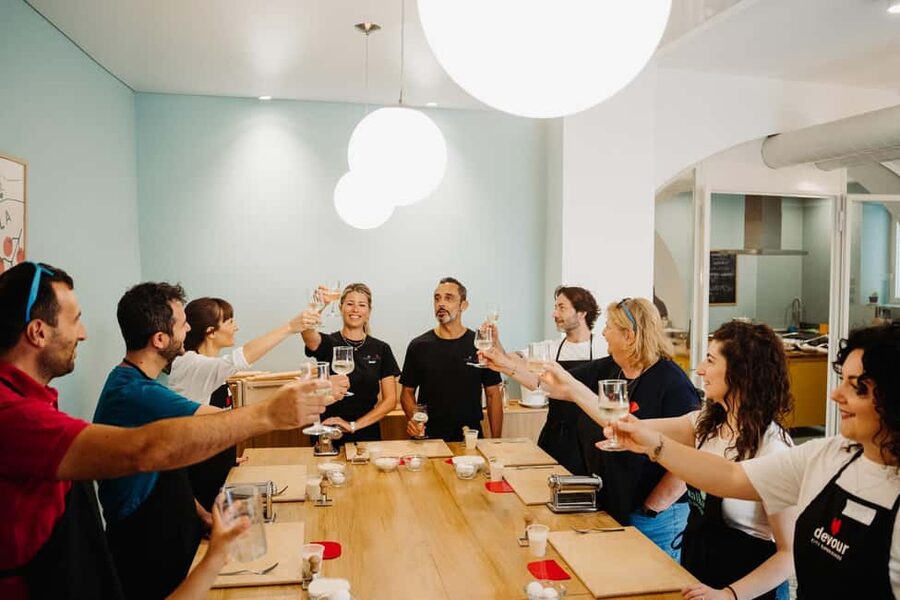
I would recommend this activity to anyone who wants a meal with a practical side. It works especially well for:
- Couples looking for a relaxed food activity
- Families with children or teenagers who like to make things
- Solo visitors who enjoy meeting people in a small group
- First-time pasta makers
- Anyone interested in Roman sauces and food customs
- People who want restaurant advice from local chefs
The class is also a good break from Rome’s churches, museums, and ancient sites. Three hours in a kitchen gives you a different way to understand the city. You still learn about Rome, but through ingredients, meals, and daily habits rather than monuments.
It may not suit someone who wants a quiet meal, a fixed menu, or a fully guided demonstration. It is also not suitable for wheelchair users, and strollers are not allowed because of the nature of the kitchen. The activity can adapt to most dietary needs, but not celiac requirements. If you have dietary restrictions, contact the provider before joining so the food can be arranged.
Practical details that affect your day
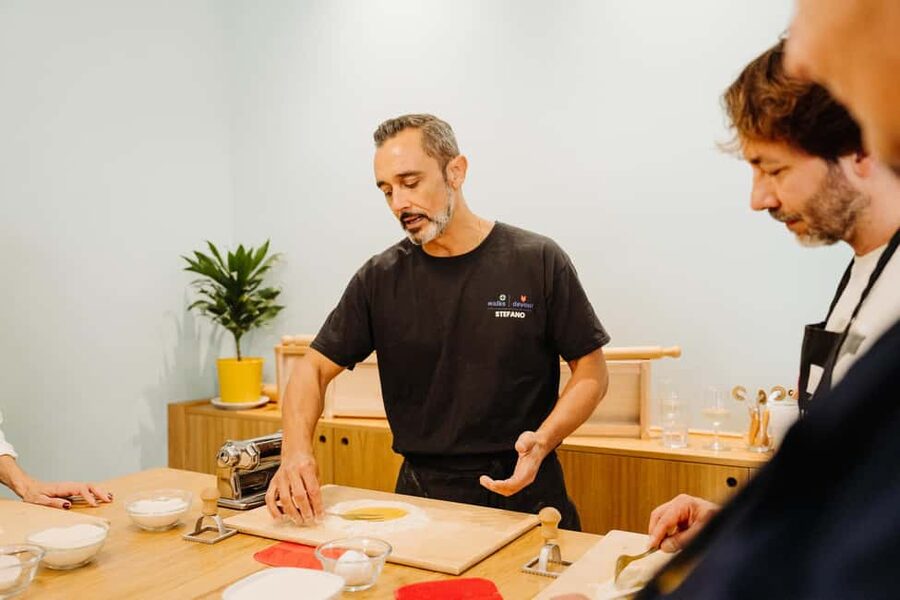
The class lasts three hours, with starting times shown when you check availability. Since it includes eating, allow enough time afterward for the class to finish without rushing to another reservation.
The meeting point is Piazza di San Giovanni della Malva, 00153 Roma RM, in front of the church of the same name. The guide carries a red bag or Devour Tours sign. The activity ends at the starting point, so you can continue exploring Trastevere afterward.
The cooking school is described as a charming space reserved for your group. Some sessions use a modern, clean, spacious, and comfortable venue. That matters when several people are working with dough and sauces at once, especially in a shared class.
Cancellation is free up to 24 hours before the start time for a full refund. You can also reserve now and pay later, which helps if your Rome schedule is still changing. These terms can change, so confirm them when booking.
Should you book the Trastevere pasta class?
Book it if you want to learn a skill, eat a proper meal, and spend time with a chef rather than simply stop for a quick tasting. The combination of aperitivo, fresh fettuccine, ravioli, Roman sauces, wine, and gelato gives you a full three-hour outing for $66.84.
I would choose the private option for a family or special occasion when personal attention matters most. Choose the shared option if you like meeting people and want a livelier room. Ask about dietary needs before booking, and remember that the exact sauce and ravioli filling may vary.
This is one of the better Rome activities for people who want to bring something home besides photographs. You leave with cooking ideas, Roman food context, and a meal you helped make. For most food-minded visitors, that is a fair exchange for an afternoon or evening in Trastevere.
FAQ
How long does the pasta-making class last?
The class lasts three hours.
Where does the activity begin?
It begins at Piazza di San Giovanni della Malva, 00153 Roma RM, in the square in front of the San Giovanni della Malva church.
Where does the class end?
The activity ends back at the meeting point.
How early should I arrive?
Arrive 15 minutes before the scheduled start time. Look for a guide carrying a red bag or Devour Tours sign.
Is the class taught in English?
Yes. The listed instructor language is English.
Is the class private or shared?
Both options are available. You can select a private or shared cooking class when booking, depending on availability.
What pasta will I make?
You will make fettuccine and ravioli from scratch.
Which sauces are included?
The chef may prepare amatriciana, puttanesca, gricia, or cacio e pepe. The choice depends on seasonal ingredients and local market availability.
Are food and drinks included?
The class includes appetizers, prosecco, wine, two homemade pastas with sauces, gelato, and all ingredients for the meal. Additional food and drinks after the class cost extra.
Can the class accommodate dietary restrictions?
The class can adapt to dietary needs except for celiac requirements. Contact the provider before joining if you have dietary restrictions.
Is the activity suitable for wheelchair users or strollers?
No. The activity is not suitable for wheelchair users, people with mobility impairments, or strollers.
More Tiramisu and Dessert Classes in Rome
- Rome: Pasta & Tiramisu Cooking Class near the Spanish Steps
★ 4.8 · 1,395 reviews - Cooking Class in the Heart of Rome: Pizza and Tiramisu Making
★ 5.0 · 1,330 reviews - 2-in-1 Pasta and Tiramisu Cooking Masterclass in Rome
★ 5.0 · 832 reviews - Rome Cooking Class: Make Pizza and Pasta with Wine & Dessert
★ 4.5 · 651 reviews
More Pasta Making Classes in Rome
- 3 in 1 Cooking Class near Navona: Fettuccine, Ravioli & Tiramisu
★ 5.0 · 7,376 reviews - Rome Cooking Class: Make Pasta and 3 Spritz Cocktails
★ 5.0 · 2,937 reviews - Rome: 3-in-1 Fettuccine, Ravioli, and Tiramisu Cooking Class
★ 4.9 · 2,704 reviews - Rome: Fettuccine Pasta Cooking Class in Rome’s City Center
★ 4.8 · 2,414 reviews
New cooking classes around Rome
- ROME:Hands-On Lasagna & Marsala Tiramisu Cooking Experience”★ 5.0 · 3 reviews
- Rome: Vatican Food Tours, Cooking classes & Free Tours★ 4.9 · 11 reviews
- Rome: Traditional Pasta, Spritz & Tiramisu Cooking Class★ 4.9 · 279 reviews
- Rome: Trastevere Pasta Making Class★ 4.9 · 33 reviews
- Rome: Traditional Pasta and Tiramisu Cooking Class★ 5.0 · 4 reviews
- Rome: Small Group Pasta cooking class near Piazza Navona★ 4.9 · 8 reviews
- Rome: Traditional Cooking Class in the Jewish Ghetto★ 4.9 · 75 reviews
- Rome: “Rooftop Pasta and Cocktails Cooking Class”★ 5.0 · 12 reviews
Rome Cooking Classes, side by side.

3 in 1 Cooking Class near Navona: Fettuccine, Ravioli & Tiramisu
Read our review →
Rome: Pasta Making Class with Wine, Limoncello, and Dessert
Read our review →
Rome Cooking Class: Make Pasta and 3 Spritz Cocktails
Read our review →
Rome: 3-in-1 Fettuccine, Ravioli, and Tiramisu Cooking Class
Read our review →
Rome: Fettuccine Pasta Cooking Class in Rome’s City Center
Read our review →
Fettuccine & Tiramisù: Cooking Class with Wine & Limoncello
Read our review →
Pasta Cooking Class Near the Colosseum with 3 Spritz Cocktails
Read our review →