Review · TOURS
Samarkand: Village Tour with Plov Cooking Class & Home Visit
The best part of this Samarkand day trip is not simply eating plov. It is being welcomed into a rural Uzbek home, helping prepare food over a live fire, and seeing how daily life continues beyond the city’s grand monuments. The meal becomes a doorway into family customs, farming, architecture, and village life.
I especially like the market stop, where you help gather ingredients before cooking, and the unhurried time around the family table. Guides such as Asrorbek, Javokhir, and Bekjon add useful cultural context without turning the day into a lecture. The main consideration is that this is a relaxed, social outing, not a packed sightseeing tour, and much of the day involves sitting, walking, and eating.
Key points at a glance
- Shop before you cook: Visit a local bazaar and help choose ingredients for plov, snacks, bread, and salads.
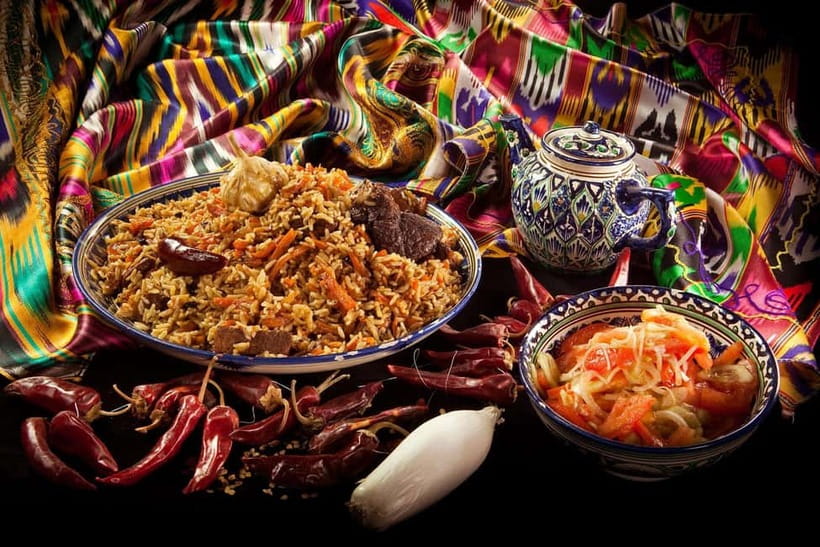
- Cook over a live fire: Learn how osh, the Uzbek name for plov, is prepared in the traditional village manner.
- Meet a real village family: Spend time in a home, talk about customs and daily routines, and share a generous meal.
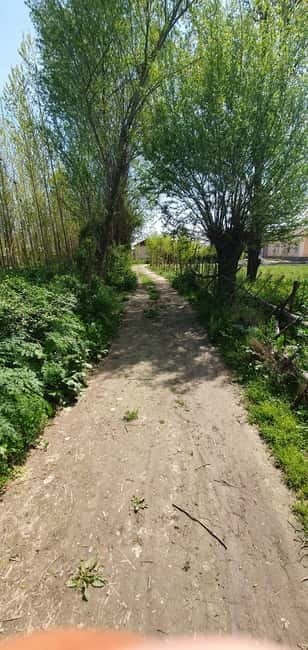
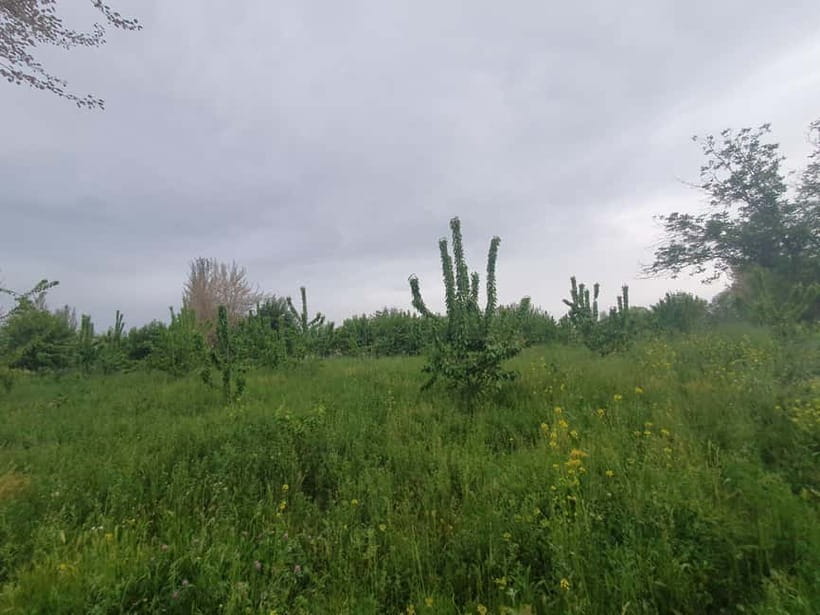
- See rural life close up: Walk around homes, gardens, farmland, cotton fields, and livestock areas when conditions allow.
- Expect a slow and social pace: The eight-hour schedule leaves room for conversation, cultural exchange, and an optional folk performance.
- Plan for practical limits: Comfortable shoes and sun protection matter, while the mixed accessibility information deserves confirmation before booking.
Why this is more than a plov lesson
Samarkand is famous for blue-tiled monuments, grand squares, and the legacy of the Silk Road. Those sights deserve your time. But they show only one side of Uzbekistan. This excursion takes you into the Samarqand Region, where the focus shifts from imperial buildings to kitchens, fields, courtyards, markets, and family life.
You are not just shown a prepared dish. You take part in buying and preparing the ingredients, then sit down with the people who made the meal possible. That makes the food easier to understand. Plov is not merely rice with meat and vegetables. It is a dish tied to hospitality, family gatherings, celebrations, and local pride.
The day also gives you a chance to ask ordinary questions. How is a traditional house arranged? What crops are grown nearby? How do families mark weddings? What does a typical rural routine look like? The guide helps connect those details to wider Uzbek culture, while the hosts provide the most personal part of the experience.
More cooking classes around the world:
- Half-Day Thai Cooking Class at Organic Farm in Chiang Mai
★ 5.0 · 19,087 reviews - Florence: Pasta Cooking Class with Unlimited Wine
★ 4.9 · 10,285 reviews - 3 in 1 Cooking Class near Navona: Fettuccine, Ravioli & Tiramisu
★ 5.0 · 7,376 reviews
Leaving Samarkand for the countryside
Hotel pickup in Samarkand is included in the activity details. The drive to the village generally takes about 40 to 60 minutes, depending on the destination and the day’s route. That ride is part of the experience rather than dead time. You may see people working, homes and fields passing by, and the gradual change from city streets to rural communities.
The exact pickup arrangement can change for larger groups. If more than five people book, you may be asked to go to a meeting point instead of receiving a direct hotel pickup, so check the final instructions carefully.
English is the stated tour language. Guides named in the experience include Asrorbek, Javokhir, Bekjon, and Eshkuvatov. Their role goes beyond driving you from one stop to the next. You can expect explanations about local customs, village history, house design, farming, and daily life. The strongest guides also keep the conversation moving during the longer drives and help bridge differences between Uzbek and Western family traditions.
Group size can make a difference. One booking had only two participants, which allowed plenty of questions and personal conversation. Larger groups may feel less intimate, but the home visit and shared meal still provide a social setting.
The bazaar: buying the meal before eating it
A local market stop often comes before the village visit. Here, you may help buy ingredients for plov and pick up snacks for the road. This small part of the day is important because it shows the food as a normal part of local life, not a staged cooking demonstration with ingredients already measured and waiting.
You may see the practical side of the meal: rice, vegetables, meat, bread, and other items selected for the group. The market also gives your guide a natural chance to explain what goes into Uzbek cooking and how food is bought for family meals.
Do not expect a long market tour with a detailed history of every stall. The stop can be brief, and its value comes from its connection to lunch. You are buying what you will soon prepare and eat.
Some visitors have also stopped for a few minutes to take photographs or look around the local shops. Keep your camera ready, but remember that the main event is still ahead in the village.
Entering a village home
At the family home, you are welcomed with snacks before the main cooking begins. The tone is informal and personal. You may sit with the hosts, ask questions, and learn about the customs and routines that shape rural life.
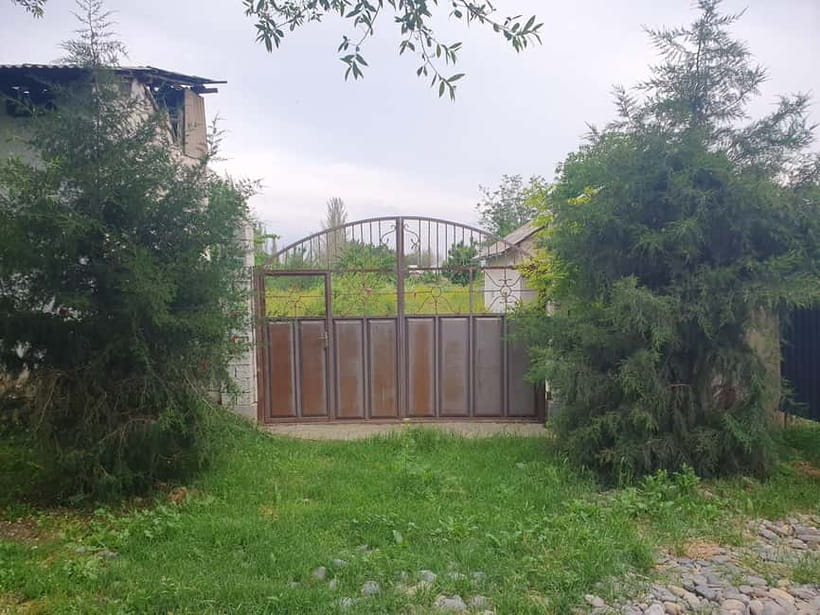
The home visit is the heart of the excursion. Monument visits can explain Uzbekistan’s past, but a family home helps you understand its present. You may learn how traditional houses are built, what materials and layouts are used, and how domestic space connects with gardens, animals, and outdoor cooking areas.
The hosts described in the experience include warm and engaging women who teach the cooking process, including Oysara and an older host referred to as a grandmother by visitors. Children may also be around and curious about new arrivals. The setting is not a formal restaurant, so the rhythm can be relaxed and the conversation can move in unexpected directions.
That openness is one of the day’s strengths. One group was invited to take part in a pre-wedding gathering, while another happened to encounter a local wedding. These events are not guaranteed and should not be treated as scheduled attractions. They show, however, how a village visit can create room for an unscripted cultural exchange.
Same kitchen, a different dish:
- Florence: Pasta & Tiramisu Cooking Class with Unlimited Wine
★ 4.9 · 6,708 reviews - Florence: Pasta Cooking Class with Unlimited Wine
★ 5.0 · 6,413 reviews - Hanoi Cooking Class: Culture, Local Market & Meaning CSR Impact
★ 5.0 · 5,147 reviews - 5 Traditional Dishes Hanoi Cooking Class with Market Trip
★ 5.0 · 4,890 reviews
Cooking plov, non bread, and salads
The cooking class centers on Samarkand-style plov, also called osh. You will see how the ingredients are prepared and cooked, often over a live fire in a barn or outdoor cooking area. The fire, large cooking vessel, and slow preparation give the lesson a clear sense of place.
You may help with parts of the process rather than simply watch. The precise tasks can vary, but the focus is on learning the traditional method and understanding the balance of ingredients and timing. The hosts share techniques passed down through generations, including what gives the rice dish its full flavor.
Bread is part of the lesson too. Non is the round Uzbek bread served with meals, and making it adds another useful layer to the experience. Fresh salads and other staples may also be prepared. This is a hands-on introduction to a meal rather than a single-dish demonstration.
Expect the cooking to take time. That is good news if you like food and conversation, but less appealing if you want constant activity. The day does not rush from one attraction to the next. You watch, help, ask questions, and wait for the fire to do its work.
Lunch around a family table
Once the plov is ready, you eat together in a communal setting. Portions are described as generous, and the meal may include the freshly prepared plov, non bread, salads, snacks, and other local foods.
This is where the visit feels most natural. Conversation continues over lunch, and you can compare eating habits, family life, celebrations, and daily routines. The guide often helps translate or explain, but the meal itself creates the connection.
You should arrive ready for a substantial lunch. If you have dietary restrictions, allergies, or strong food preferences, ask about them before booking because the available information does not specify alternative menus. Alcohol is not part of the permitted indoor setting, and smoking indoors is not allowed.
The food is a major reason to choose this outing, but it is not the only one. If you only want to taste plov, you can find it in Samarkand. If you want to understand how the dish fits into Uzbek hospitality, this setting is far more useful.
Walking through farms, gardens, and village streets
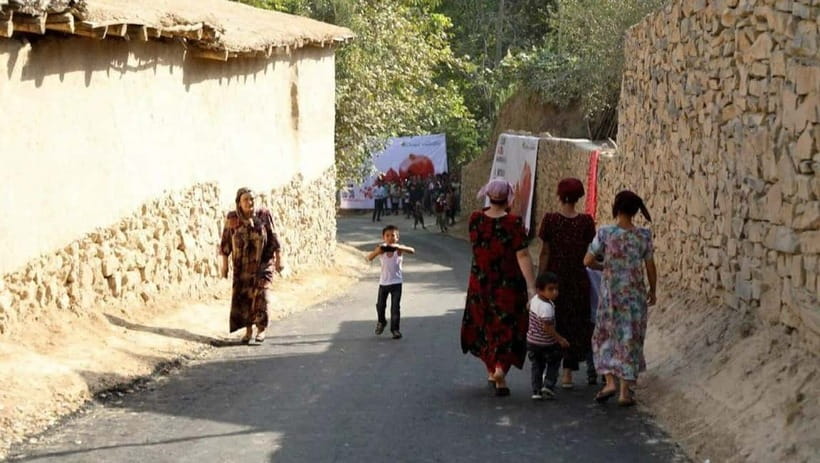
After lunch, the group may walk through the village and nearby farmland. One outing included a walk of about 30 minutes, while other visits included views toward distant mountains, cotton fields, gardens, livestock, and traditional houses.
The walking portion helps you see what the meal is connected to. Rural food does not appear by magic. It grows in fields, comes through local markets, and is prepared with tools and methods suited to family life.
Depending on the season, you might see cotton growing or learn about its planting and harvest. You might also encounter livestock or have the chance to milk a cow, although these details are not promised on every departure. The route and activities can change with weather, season, household routines, and local events.
Wear shoes you can walk in comfortably. The experience is not suitable for people with mobility impairments according to the activity information, even though the same information also labels it wheelchair accessible. That is a clear inconsistency. If you use a wheelchair or have difficulty with uneven ground, long walks, steps, or outdoor surfaces, contact the provider before paying.
Music, games, crafts, and the value of an open schedule
A short folk performance may be added near the end of the visit. Local musicians can play traditional Uzbek instruments, giving the day a final cultural note without turning it into a large stage show.
You may also have time for traditional crafts, local games, or a walk through the gardens. These are optional additions rather than fixed promises. Think of them as ways the day can unfold if the hosts and schedule allow.
That flexibility is a benefit for some people. It leaves room for real conversation and chance encounters. It also means you should not book this tour expecting a tightly timed list of guaranteed demonstrations.
The slow pace suits anyone who has spent several days moving between monuments and cities. One of the best uses of the excursion is simply to sit, eat, listen, and let the setting reveal itself. If you need frequent activity, dramatic sights, or a firm timetable, you may find the middle of the day too quiet.
Is $59 a fair price?
At $59 per person, the value is strong if you want several experiences in one day. The price covers the guided village tour, home visit, cooking class, shared traditional meal, and transportation connected with the excursion. It also gives you access to a local setting that can be difficult to arrange independently without language help or a personal connection.
The cost is especially reasonable for solo visitors and couples who would otherwise need to organize a taxi, find a suitable village, locate a willing host, buy ingredients, and arrange translation. The meal itself is only part of what you are paying for. You are also paying for the guide’s coordination and the chance to enter a family setting respectfully.
The value is less obvious if you want a standard sightseeing tour. You are not paying for a long list of monuments or polished attractions. The reward is time with people, food preparation, and a closer look at rural routines.
Transportation information should be checked before booking because the details contain a contradiction. Pickup from your Samarkand hotel is stated as included, while another section says transportation to the village is not included. Confirm exactly what the $59 covers, especially if you are staying outside central Samarkand.
Free cancellation is available up to 24 hours before departure, and you can reserve now and pay later. Starting times depend on availability, so confirm the schedule before building your other Samarkand plans around it.
What to bring and how to prepare
Bring comfortable walking shoes, a sun hat, sunscreen, and a camera. Water is provided, though you can carry extra water if you prefer.
Dress for a warm outdoor day and for sitting in a family home. Modest, comfortable clothing is a sensible choice when visiting a private household, although no specific dress code is given.
Smoking indoors is not allowed, and alcohol and drugs are prohibited. If you have food allergies or mobility concerns, raise them before departure rather than waiting until you arrive.
The day lasts about eight hours. That includes driving, the market stop, the home visit, cooking, lunch, walking, and the return to Samarkand. Keep your evening schedule light, since the pace may vary and village hospitality can stretch a meal into a long conversation.
Who should book this experience?
I would choose this tour if you want to meet local people, enjoy a generous meal, and see more than Samarkand’s historic center. It is a particularly good fit for couples, solo visitors, families, and anyone who values conversation over a packed sightseeing checklist.
It also works well after several intense days of museums and monuments. The day is calmer, more personal, and grounded in ordinary life. Solo visitors may appreciate having an English-speaking guide and a structured way to meet a family rather than trying to arrange a village visit alone.
You should think twice if you dislike long meals, rural roads, outdoor cooking, or flexible schedules. The day includes walking and may involve uneven surfaces. It is not the right choice for someone seeking a high-energy adventure or a precise sequence of timed attractions.
Should you book the Samarkand village and plov tour?
Book it if the part of Uzbekistan you most want to understand is the part that does not fit inside a monument. The market, live-fire cooking, family table, village walk, and possible folk music give you a useful view of Uzbek life beyond Samarkand’s famous buildings.
The strongest reason to go is the home visit. Plov is delicious, but you can eat it elsewhere. The chance to prepare it with a village family, learn about non bread, talk across cultures, and see gardens and fields makes the $59 worthwhile.
Before booking, confirm pickup details, group arrangements, food needs, and accessibility. If those points work for you, this is a thoughtful, relaxed addition to a Samarkand itinerary.
FAQ
How long does the village tour take?
The full experience lasts about eight hours, including transportation between Samarkand and the village.
Is hotel pickup in Samarkand included?
Pickup from your hotel in Samarkand is included in the activity information. For groups of more than five people, you may instead be asked to go to a meeting point, so check the final instructions.
What language does the guide speak?
The tour is offered with a live English-speaking guide. Guides named for this experience include Asrorbek, Javokhir, Bekjon, and Eshkuvatov.
What food will I prepare?
The main dish is Samarkand-style plov, also called osh. You may also help prepare non bread and salads.
Is the meal included?
Yes. The experience includes sharing a traditional meal with the host family after the cooking session.
How much does the experience cost?
The stated price is $59 per person.
Can I cancel for a full refund?
You can cancel up to 24 hours in advance for a full refund. Reserve now and pay later is also available.
Is the tour suitable for wheelchair users?
The activity information gives conflicting accessibility details. It says wheelchair accessible in one place but also says the experience is not suitable for wheelchair users or people with mobility impairments. Contact the provider before booking to confirm the actual route and home access.
New cooking classes around the world
- Shinjuku Tokyo: Authentic Japanese Home-Style Culinary Class★ 4.9 · 125 reviews
- Shibuya Tokyo: Onigiri & Tamagoyaki Cooking Class★ 5.0 · 4 reviews
- M.O.M COOKING CLASS★ 4.8 · 6 reviews
- Seville: Paella-Cooking Experience with Sangria & Full Meal★ 4.9 · 42 reviews
- Shanghai: Authentic Chinese Cooking Class with Master Chef★ 5.0 · 2 reviews
- Sestri Levante: Pesto & Cooking Classes, Wine Tasting★ 4.9 · 56 reviews
- Seville: Paella Cooking Class & 30-Min Local Expert Q&A★ 4.8 · 37 reviews
- Seoul: Korean Kimchi Cooking Class in the Heart of the City★ 5.0 · 3 reviews
Tours, side by side.
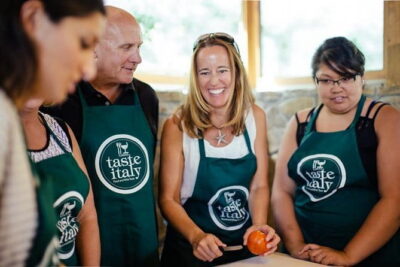
Cooking Class and Lunch at a Tuscan Farmhouse with Local Market Tour from Florence
Read our review →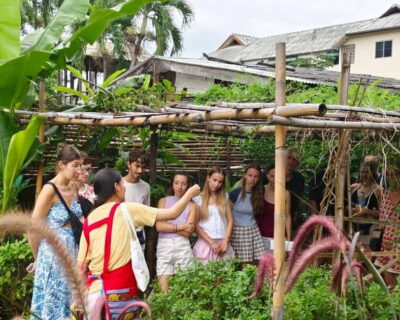
Chiang Mai: Cooking Class, Market & Thai Herbs Garden Tour
Read our review →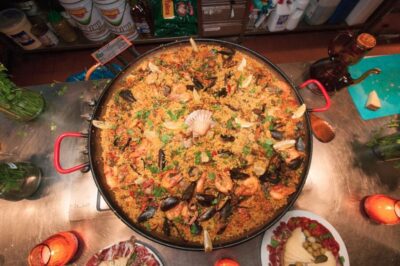
Barcelona: Paella Cooking Experience & Boqueria Market Tour
Read our review →
Phuket Thai Cooking Class with Market Tour Option
Read our review →
From Hoi An: Market Tour, Basket Boat Ride and Cooking Class
Read our review →
Cai Be Mekong Delta Tour: Cooking Class, Cycling & Craft Villages
Read our review →
Bangkok: Hands-on Thai Cooking Class and Market Tour
Read our review →