
Review · CROATIA
Traditional Dalmatian Cooking Class from Dubrovnik
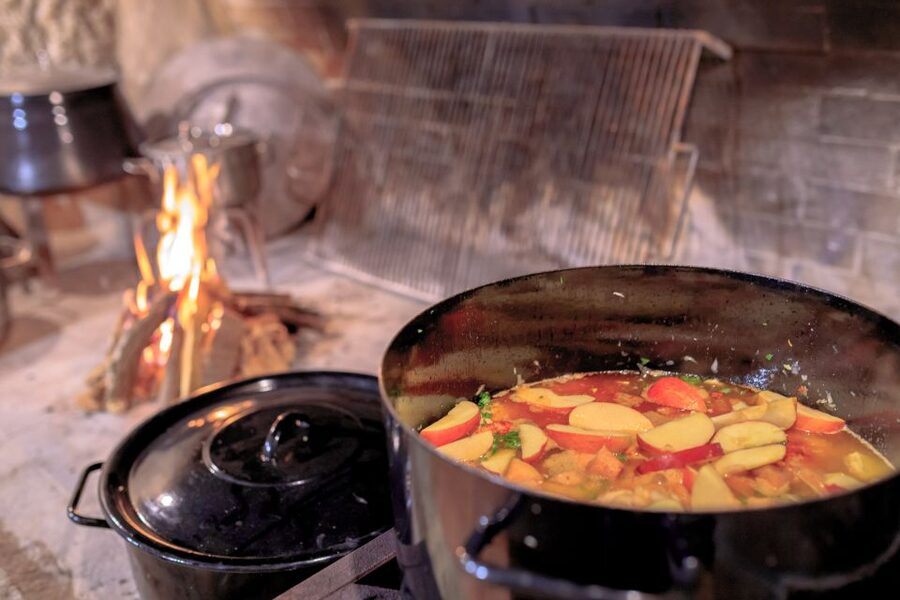
The best part of this Dubrovnik day trip is that the cooking starts well before you reach the table. You may pick vegetables from the garden, taste wild herbs, work your fingers into bread dough, milk a goat, and help prepare food over an open fire at a rural family home. This is farm-to-table cooking with a real household behind it, not a polished kitchen demonstration.
I like the personal welcome and the food itself. Families share recipes passed down by word of mouth, while dishes such as peka, cabbage and potato stew, rustic bread, fresh cheese, and meat cooked on bay-leaf branches give you a true taste of Dalmatia. The main consideration is that this is not ideal for vegans, wheelchair users, or people with mobility impairments, and the day may feel more like a family food experience than a formal, step-by-step cooking school.
What makes this cooking day special
- Cooking in a family home: Spend time at a country estate outside Dubrovnik, with local hosts who explain their food, farm, and family life.
- A meal you help create: Prepare a seasonal four-course menu, which may include peka, stews, skewers, bread, vegetables, cheese, and dessert.
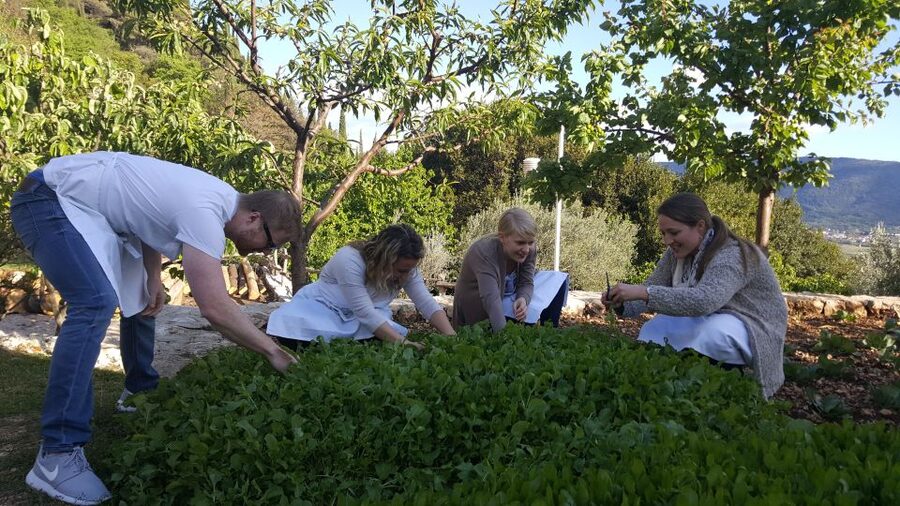
- Garden-to-table work: Pick fresh produce, handle ingredients yourself, and see how rural Croatian meals begin.
- More than a kitchen class: Depending on the day, you may milk a goat, visit an old olive mill, taste homemade drinks, and learn about local agriculture.
- A generous drinks menu: Wine, brandy, liquor, juice, and water are included with the meal.
- A highly personal guide experience: Guides named Marija, Oliver, and Miho have helped explain the route, local culture, food, and countryside along the way.
Leaving Dubrovnik for a family kitchen
Dubrovnik is a spectacular city, but its old streets can feel crowded and restaurant menus can make it easy to remain in the visitor zone. This experience takes you into rural Dalmatia, where food is tied to gardens, livestock, open fires, olive trees, and family routines.
Transport is provided in an air-conditioned vehicle, so you do not need to arrange a rental car or find a country estate on your own. The drive also gives your guide a chance to point out places along the route and explain local food traditions. Marija has been praised for combining practical hosting with background on Croatia, while Oliver has helped make the ride informative and easygoing.
The exact route and stops can vary. Some days may include a visit to an old olive mill before continuing to the family property. That is useful context because olive oil is not simply a restaurant garnish in Dalmatia. It is part of the cooking, farming, and household economy you are about to see.
You receive a welcome drink on arrival, then get the tools and instructions needed for the cooking session. Expect a relaxed start rather than a hurried restaurant-style lesson. The hosts bring you into the work gradually, showing you ingredients and explaining what the family normally cooks with what is available.
More cooking classes around the world:
- Half-Day Thai Cooking Class at Organic Farm in Chiang Mai
★ 5.0 · 19,087 reviews - Florence: Pasta Cooking Class with Unlimited Wine
★ 4.9 · 10,285 reviews - 3 in 1 Cooking Class near Navona: Fettuccine, Ravioli & Tiramisu
★ 5.0 · 7,376 reviews
Picking ingredients from the garden
One of the strongest parts of this experience is the chance to handle ingredients before they reach the cooking pot. You may walk through the garden, choose seasonal vegetables, and collect fruit directly from the property. That small act changes how you taste the meal later. A tomato, cabbage, herb, or pepper is no longer an anonymous item from a market. You have seen where it grows and helped bring it to the table.
The menu depends on the season and the household garden. That means you should not book this expecting one fixed recipe list. You might prepare a hearty menestra, a cabbage and potato stew, or work on a chicken dish, meat skewers, bread, dumplings, or dessert.
This seasonal approach is a strength for anyone interested in how people actually eat in the countryside. It is less useful if you want to master one exact recipe and reproduce it immediately at home. The cooking is guided, but the lesson is also about local habits, available produce, and making good food without fuss.
The hosts encourage you to get involved. You may taste wild spices, mix bread with your hands, shape ingredients, and help with several stages of the meal. Wear clothes you can work in. This is a hands-on kitchen, not a demonstration where you sit safely at the edge of the room.
Learning the open-fire way with peka
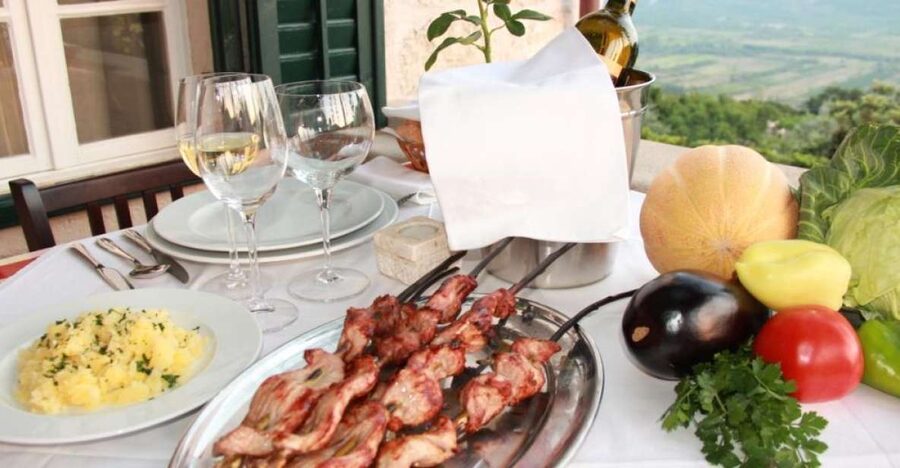
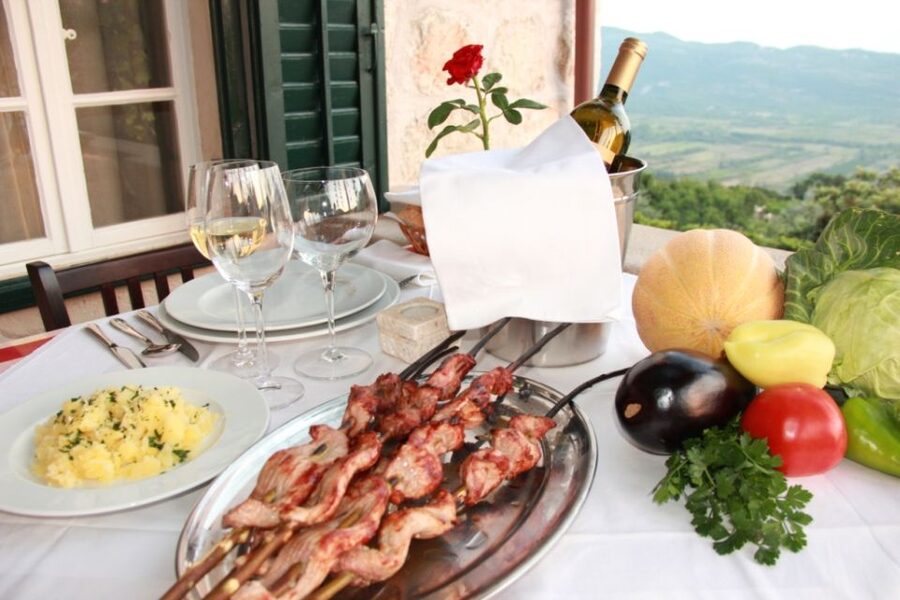
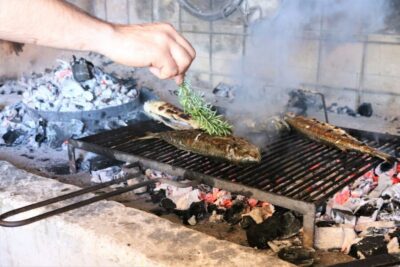
The star dish may be Dalmatian peka, in which lamb or veal cooks beneath a heavy iron bell. Other menus can include meat skewers, chicken stew, or meat cooked outdoors over an open fire. In one especially memorable preparation, pork was skewered on bay-leaf branches before being cooked.
This style of cooking offers something a standard cooking class often misses: patience. The food develops over heat and time, and you get to see how a rural household turns basic ingredients into a substantial meal. You may not receive a precise professional recipe with exact weights and timings, but you gain a better sense of the method and the flavors.
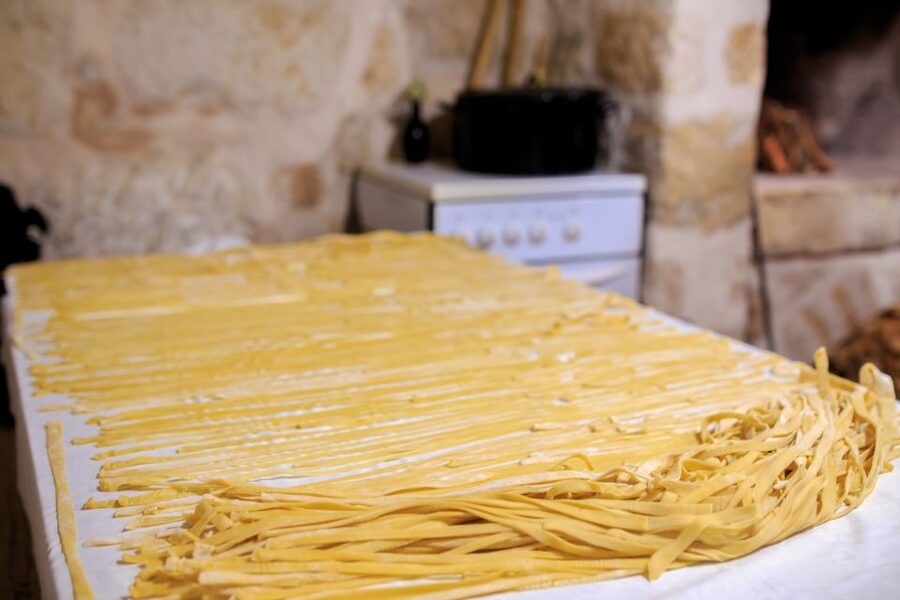
Bread is another hands-on element. You may work a rustic mixture with your fingers, then see it become part of the meal. Dumpling soup, fresh cheese, garden vegetables, and homemade sweets may also appear, depending on what is being prepared that day.
A family matriarch known as Ba Ba has guided some cooking sessions, sharing the older household methods in the kitchen. That kind of instruction is the heart of the experience. You are not only learning what goes into a dish. You are seeing who traditionally made it, how the work was divided, and why the recipe survived.
Goat milking, fresh cheese, and rural life
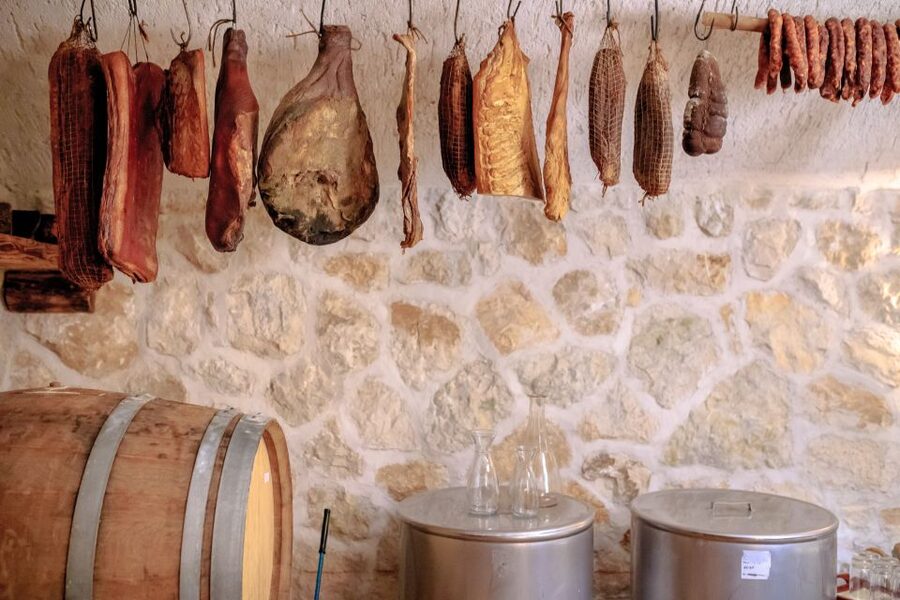
The estate experience can extend beyond cooking. You may learn how to milk a goat and taste fresh cheese made on the farm. For many people, this will be more memorable than another museum stop because it connects the meal to the animals and work behind it.
You may also hear about the family property, its past, and the way the household operates. The setting is part of the lesson. You are spending time at a working country home, not simply entering a themed restaurant dressed up as a farm.
This is where the tour feels most personal. The family hosts explain their lifestyle and heritage while including you in ordinary tasks. Their warmth is a major part of the day, but keep your expectations sensible. The experience is intimate and informal, and the rhythm depends on the people hosting you and the food being prepared.
If you prefer a tightly timed schedule with a professional chef, individual workstations, printed recipes, and a predictable menu, this may feel loose. If you want to understand how food fits into family life, that looseness is part of the appeal.
Same kitchen, a different dish:
- Florence: Pasta & Tiramisu Cooking Class with Unlimited Wine
★ 4.9 · 6,708 reviews - Florence: Pasta Cooking Class with Unlimited Wine
★ 5.0 · 6,413 reviews - Hanoi Cooking Class: Culture, Local Market & Meaning CSR Impact
★ 5.0 · 5,147 reviews - 5 Traditional Dishes Hanoi Cooking Class with Market Trip
★ 5.0 · 4,890 reviews
Sitting down to a four-course Dalmatian meal
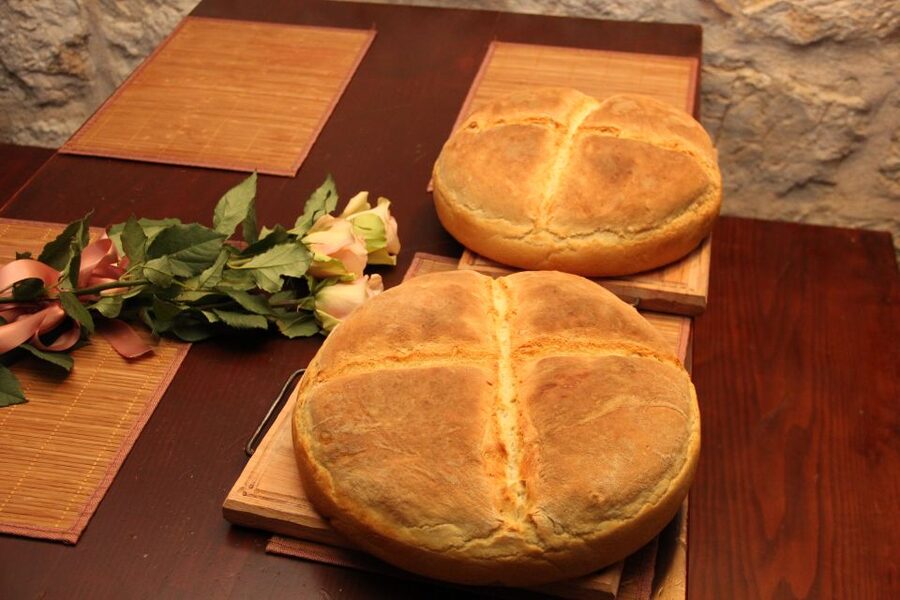
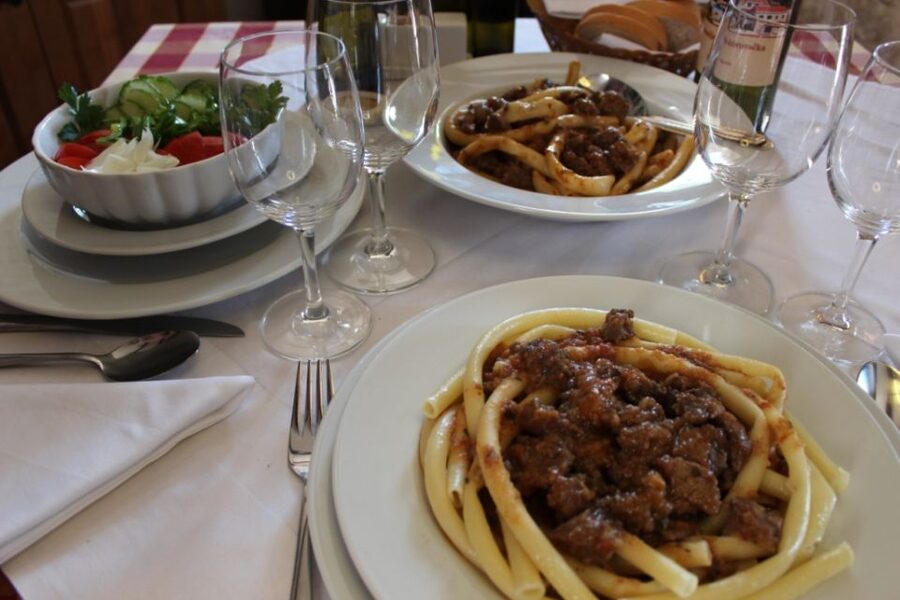
Once the cooking is complete, you sit down to eat what you helped make. The included menu is a seasonal four-course meal, with wine, liquor, brandy, juice, and water. Food is described as plentiful, so arrive ready for a long meal rather than a small tasting.
Possible dishes include soup, garden vegetables, fresh cheese, bread, stews, meat, skewers, and dessert. Homemade wine and brandy may accompany the meal. One dessert that has made an impression is a plate of pancakes, so it is worth saving room if sweets are offered.
The meal is valuable because you understand it differently after doing the work. You have picked some ingredients, handled the dough, watched the fire, and learned the family connections behind the food. Even a simple vegetable dish can carry more meaning after that process.
The food also provides a useful comparison with Dubrovnik’s restaurants. The city has plenty of good places to eat, but a country estate gives you dishes and hospitality that are harder to find in the old town. One local family meal was considered more satisfying than a costly restaurant dinner, not because it was fancier, but because it was generous, personal, and connected to place.
What the guides add to the day
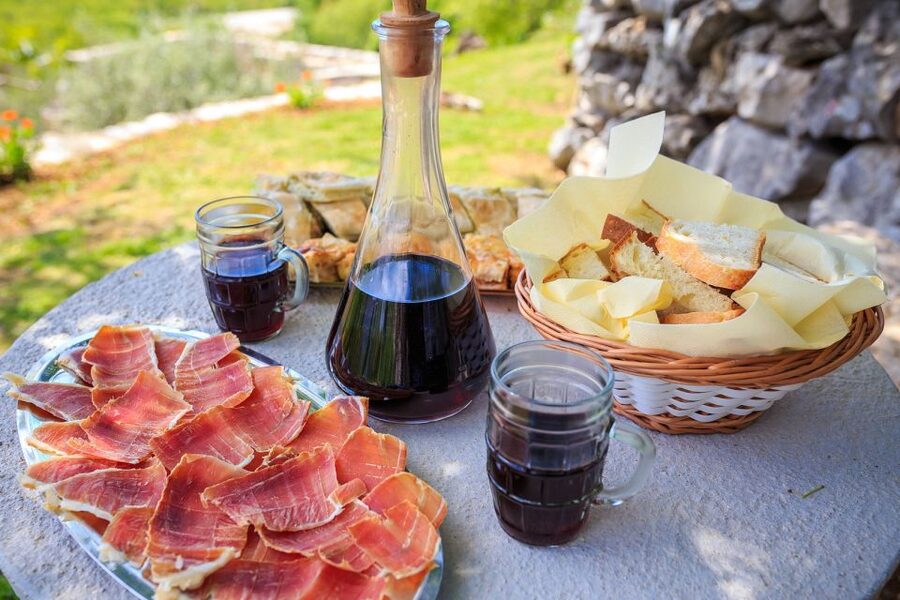
The guide is important because the drive and the estate work together as one experience. Marija has been described as an engaging host who explains Croatian history and culture along the way. Oliver has offered useful points of interest during the drive and kept the return trip interesting. Miho has helped explain food and wine.
You may not have the same guide on every departure, so treat those names as examples rather than a guarantee. The guide’s job is to connect the cooking to the wider region, answer questions, handle transport, and help the day run smoothly.
The family hosts then take over much of the food instruction. Nike has led hands-on sessions and explained the family estate, while other members of the household may help with the kitchen, garden, and meal. This shared role gives the day a family feel rather than making it depend on one instructor.
Communication is in English. The hosts have been praised for making people feel included, so you should expect to participate rather than simply watch. Still, this is a social experience. Your enjoyment will depend partly on being willing to ask questions, try unfamiliar tasks, and eat at an unhurried pace.
Is $235 a fair price?
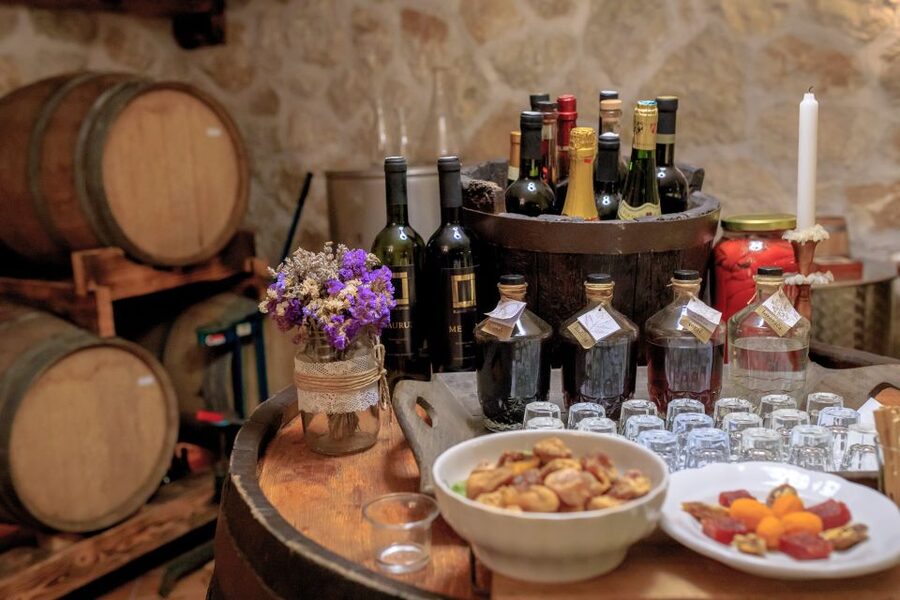
At $235 per person, this is a costly day trip compared with a basic cooking lesson in Dubrovnik. The price needs to be judged as a full countryside outing, not just a plate of food and a recipe.
Your price includes transport in an air-conditioned vehicle, a licensed guide, cooking equipment, the seasonal four-course meal, and a broad selection of drinks. It also covers access to a private family setting, garden activities, local hosting, and the time involved in preparing a substantial meal.
I think the value is strongest for people who would otherwise pay separately for a Dubrovnik restaurant, a rural excursion, and a cultural activity. Here, those parts are combined. The value is weaker if you mainly want technical cooking instruction or a cheap meal.
Souvenirs and food or drink products bought separately are not included. If the family sells olive oil, brandy, wine, or other goods, plan to pay for those on your own. The tour gives you the chance to taste local products, but it does not cover personal purchases.
Who should book this experience?
This suits food lovers, couples, families, and small groups who want a break from Dubrovnik’s old town. It is especially good for anyone who enjoys gardens, family stories, rural work, and long meals with local drinks.
You do not need to be an expert cook. The point is to participate, and the hosts guide you through the tasks. Comfortable shoes and relaxed clothing matter more than kitchen skill. High heels are not allowed, and practical footwear is the sensible choice on a country property.
The experience is not recommended for vegans because the menu may include meat, dairy, cheese, and other animal products. It is also not suitable for wheelchair users or people with mobility impairments. The garden, outdoor cooking areas, and farm activities may require movement across uneven ground, though the supplied information does not specify the exact terrain.
Book with an appetite and an open schedule. The day is designed around shared cooking and eating, not quick stops. You may also reserve now and pay later, and cancellation is allowed up to 24 hours before the experience for a full refund.
Should you book this Dalmatian cooking class?
Book it if you want to understand Dubrovnik through food rather than only admire its walls and sea views. The strongest reasons are the family setting, the garden-to-table work, the chance to help with peka and bread, and the generous meal served with local wine and spirits.
Skip it if you need a formal culinary course, a guaranteed menu, a vegan meal, or fully accessible facilities. For everyone else, $235 buys much more than four courses. It buys a day of rural Croatian life, with the useful reminder that the best food lessons often happen around a family table.
FAQ
Where does the cooking class take place?
The experience takes place at a country estate in rural Dalmatia, on the outskirts of Dubrovnik, with a local family.
How do I reach the estate?
Transportation is provided in an air-conditioned vehicle from Dubrovnik.
What food might I prepare?
The seasonal menu may include Dalmatian peka, cabbage and potato stew, meat skewers, chicken stew, rustic bread, dumplings, fresh cheese, vegetables, and desserts.
Is the meal included?
Yes. A seasonal four-course meal is included, along with wine, liquor, brandy, juice, and water.
Is this suitable for vegans?
No. The experience is not recommended for vegans.
Is the cooking class taught in English?
Yes. English is the listed language for the experience.
Do I need cooking experience?
No specific cooking experience is required. You receive cooking equipment and instructions, and the hosts involve you in preparing the meal.
What should I wear?
Wear comfortable clothes and comfortable shoes. High-heeled shoes are not allowed.
Is the experience accessible for wheelchair users?
No. It is not suitable for wheelchair users or people with mobility impairments.
New cooking classes around the world
- Shinjuku Tokyo: Authentic Japanese Home-Style Culinary Class★ 4.9 · 125 reviews
- Shibuya Tokyo: Onigiri & Tamagoyaki Cooking Class★ 5.0 · 4 reviews
- M.O.M COOKING CLASS★ 4.8 · 6 reviews
- Seville: Paella-Cooking Experience with Sangria & Full Meal★ 4.9 · 42 reviews
- Shanghai: Authentic Chinese Cooking Class with Master Chef★ 5.0 · 2 reviews
- Sestri Levante: Pesto & Cooking Classes, Wine Tasting★ 4.9 · 56 reviews
- Seville: Paella Cooking Class & 30-Min Local Expert Q&A★ 4.8 · 37 reviews
- Seoul: Korean Kimchi Cooking Class in the Heart of the City★ 5.0 · 3 reviews
Croatia Cooking Classes, side by side.
Traditional Cooking Class in Dubrovnik Countryside
Read our review →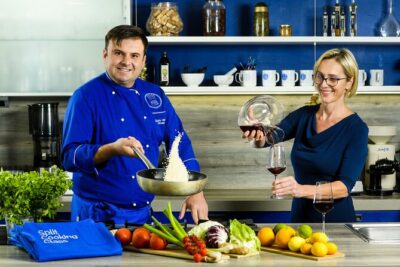
This kitchen also appears in