
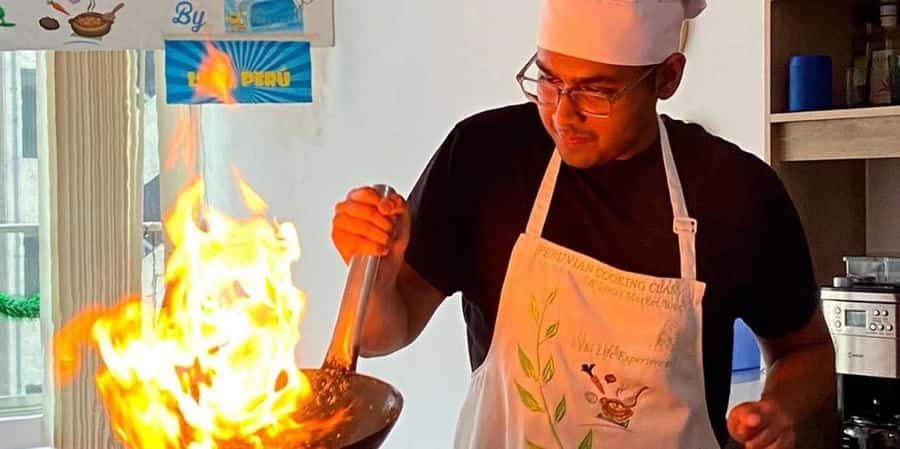
Review · LIMA
Lima : Cooking Class – A Peruvian Culinary exploration
Peru’s best culinary lesson here is not a lecture. It is a plate of Lomo Saltado cooked by you, with beef, onions, tomatoes, chilies, fries, and rice all sharing the same meal. You also prepare Causa Limeña, a cool potato dish layered with filling and avocado, then sip Chicha Morada made from purple corn.
I like the small group of up to eight, which gives the chef room to guide each person. I also like the use of ceramic pots inspired by Inka cooking, plus the practical format: you handle the food instead of standing behind a crowd watching a demonstration. The main consideration is the price, $119 per person, which is fair for a meal, instruction, transport, drinks, and recipes, but high if you only want a quick lunch.
Key points at a glance
- Two Peruvian classics: Prepare Causa Limeña and Lomo Saltado from start to finish.
- Cooking, not just watching: The class keeps you working at the counter throughout the session.
- Traditional ceramic cookware: Inka-style pots are used to help preserve the natural flavor of the ingredients.
- A full meal and national drink: Eat your own dishes and try Chicha Morada with purple corn, pineapple, lemon, cinnamon, and cloves.
- Small and bilingual: The class is limited to eight people and conducted in English and Spanish.
- Useful for home cooks: Recipes are provided, making it easier to repeat the dishes after your trip.
Why this three-hour Lima class is worth your lunch break
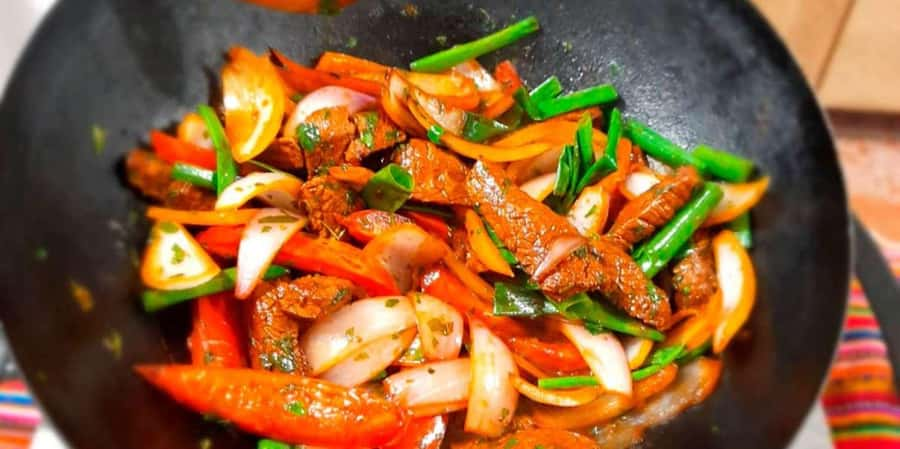
This experience is built around a simple idea: the best way to understand Peruvian food is to cook it. You meet at Av. José Larco 724 in Miraflores, ride by bus or coach for about 30 minutes, and then spend three hours on cooking, tasting, and lunch.
The small size matters. With no more than eight participants, you are not lost at the back of a large group. You can ask questions, follow each step, and get help when the sauce, potato mixture, or timing needs attention.
The chef also brings more than basic instructions. One French participant described the session as a cultural lesson as well as a cooking class, with stories about the ingredients and the background behind each dish. That is an important distinction. You are not simply collecting two recipes. You are learning why these foods matter in Peru.
The class is conducted in English and Spanish. The supplied details do not name the chef, so you should not expect a specific named guide. What is clear is that a professional chef leads the class, with assistance from staff, and the teaching is designed to be patient and practical.
More cooking classes around Peru:
- Cusco: Peruvian Cooking Class, Cocktails & Local Market Tour
★ 4.9 · 512 reviews - Cooking class and market tour with a local chef
★ 5.0 · 186 reviews - Market Tour, Tasting of 35 Fruits, and 4-Course Peruvian Cooking Class in Lima
★ 5.0 · 86 reviews
Getting from Miraflores to the cooking table
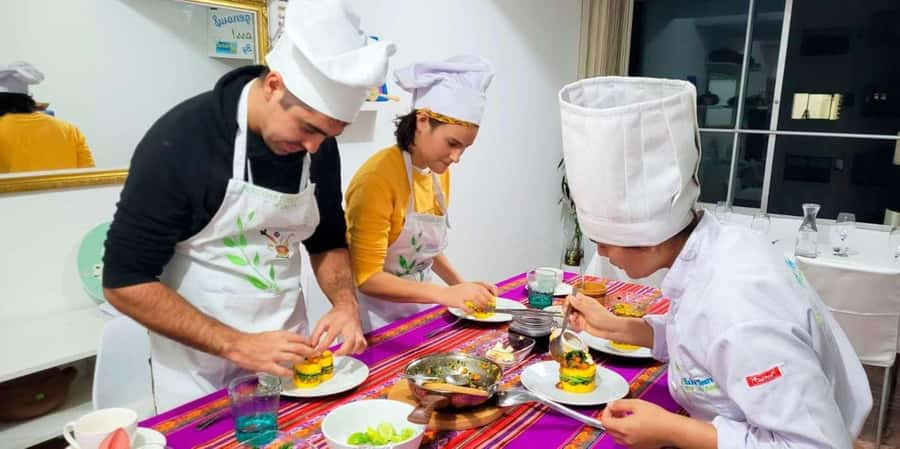
The starting point is convenient if you are staying in Miraflores: Av. José Larco 724. From there, a 30-minute bus or coach ride takes you to the cooking location.
That transfer is useful because it keeps the meeting point easy to find in a familiar part of Lima. It also means the class is not simply a restaurant lesson in central Miraflores. You should allow extra time beyond the three-hour class itself, since the listed schedule includes the ride out and the return to the same meeting point.
The return is also to Av. José Larco 724. That makes the experience easier to fit into a day of sightseeing. Still, I would avoid scheduling a museum visit, airport transfer, or timed reservation immediately afterward. Cooking times can vary, and a relaxed meal should not end with you watching the clock.
The activity includes an express security check, though the supplied information does not explain how or where that applies. Treat it as a small convenience rather than the reason to book.
Causa Limeña, Peru’s cool potato classic
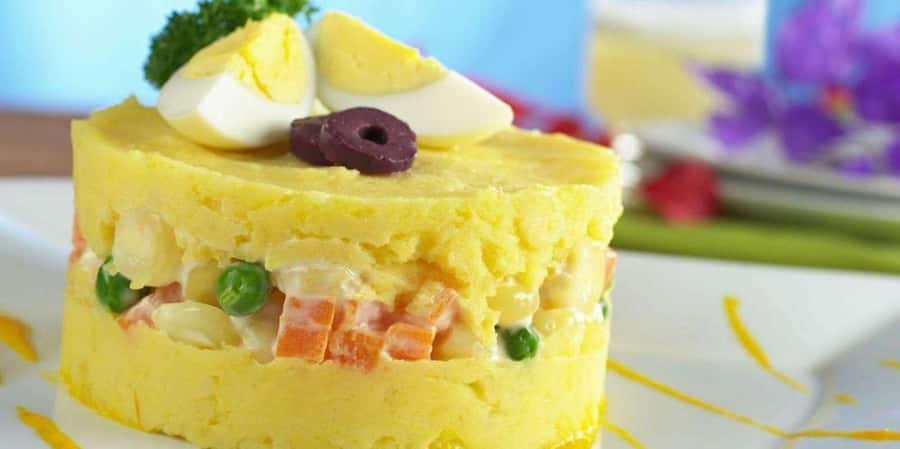
Causa Limeña is a good first dish because it shows a side of Peruvian food that is easy to miss if you only order grilled meat or seafood. Its base is yellow potato mixed with yellow pepper and lemon, giving the dish a bright color and a fresh, slightly sharp flavor.
The filling can vary. The class description lists chicken, tuna, or seafood as possible choices, with avocado used as decoration. The exact filling for your session is not specified, so ask when you arrive if you have a preference or dietary concern.
Causa is also a lesson in texture. The potato mixture must hold together while staying soft, and the lemon and yellow pepper need to be balanced rather than allowed to overpower the dish. You get to work through those steps yourself, which makes the final serving more useful than a restaurant version. You can taste the mixture as it develops and remember what you would change at home.
This is a particularly good dish for home cooks because it does not depend on restaurant equipment. The recipe, ingredients, and method can be repeated in an ordinary kitchen, provided you can find the right yellow potatoes and pepper.
If you have allergies or avoid meat, contact the provider when booking. Dietary restrictions are accepted in advance, but the available substitutions are not specified. Do not wait until the class begins and expect the menu to be changed without warning.
Lomo Saltado brings the heat and motion
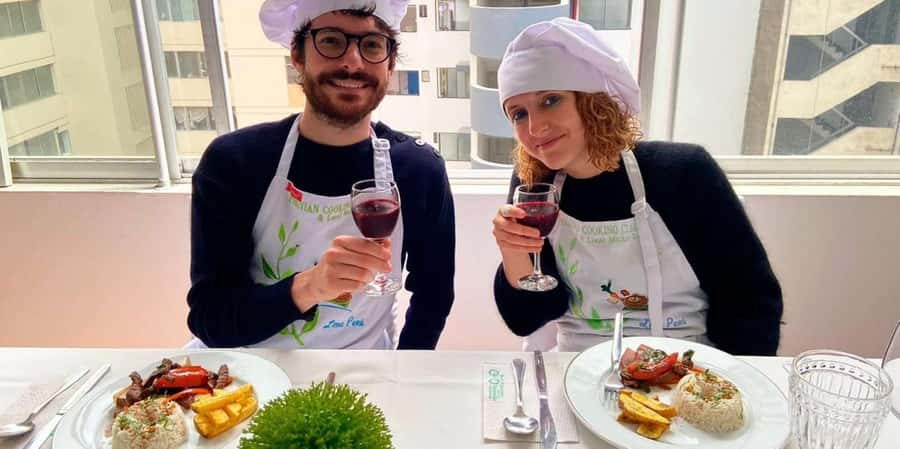
Lomo Saltado is the more dramatic dish. You prepare beef with onions, tomatoes, and chili peppers, then serve the stir-fry over French fries with rice on the side.
It is a dish of contrasts: hot and cool, soft and crisp, savory and slightly acidic. The fries absorb some of the sauce, while the rice gives the meal a plain base. The combination may sound excessive on paper, but that is part of its appeal. Peruvian cooking often makes room for several influences on one plate, and Lomo Saltado is a clear example.
Because you cook it yourself, you get a better sense of timing. Beef, onions, tomatoes, and chilies do not all need the same treatment. The class gives you a chance to see how the ingredients come together instead of receiving the finished dish from a kitchen pass.
The cooking is likely to feel more active than the causa preparation. You should expect chopping, mixing, and attention to the pan or pot. That makes the class fun for people who want to participate, but less suitable for anyone hoping for a quiet food tasting with little work.
The dish is also practical after the trip. Lomo Saltado uses ingredients that are easier to locate than some specialist Peruvian products. You may need to adapt the chili or potato, but the overall method is approachable.
Same kitchen, a different dish:
- #1 Rated Cooking Classes with Local Market Tour & Pickup
★ 5.0 · 69 reviews - Miraflores: Amazing Peruvian Cooking Class Ceviche Seafood and Pisco Sour
★ 4.9 · 57 reviews - Cook with Maido’s creative chef and chef de cuisine
★ 5.0 · 53 reviews - Cusco: Peruvian Cooking Class & Market Tour
★ 4.9 · 19 reviews
Ceramic pots connect the meal to Inka traditions
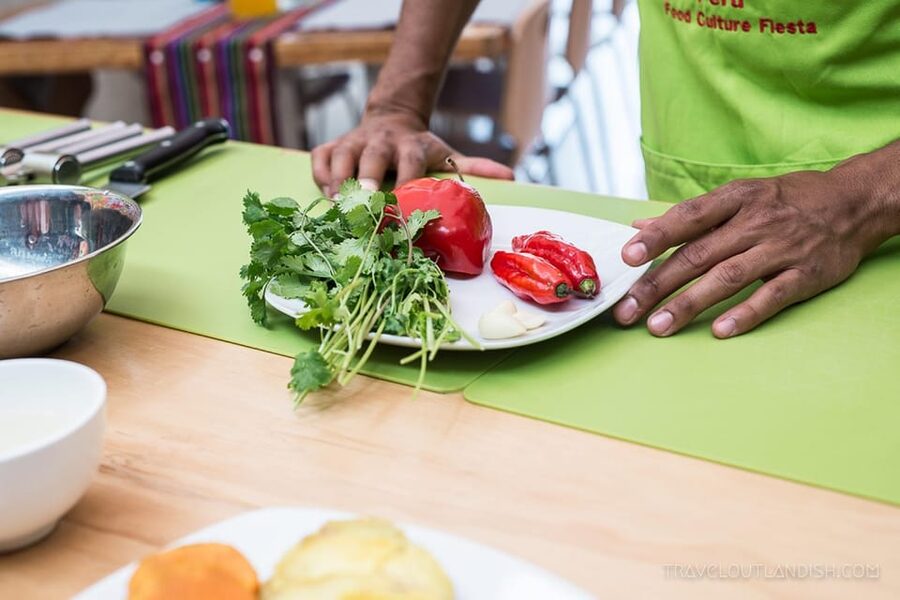
One detail gives this class a stronger sense of place: the use of ceramic pots modeled on traditional Inka cookware. The purpose is not merely decorative. The class uses them to help preserve the natural flavor of the ingredients.
You should keep your expectations sensible. This is not a museum demonstration or an archaeological lesson. The ceramic pots are part of the cooking method, not a separate historical presentation. Their value is that they connect a modern Lima meal with older Andean cooking practices.
For me, this is one of the best details in the experience. Many cooking classes could be held anywhere. Using traditional-style cookware gives this one a clear Peruvian identity, even while you prepare dishes that are common on modern menus.
The class does not claim that every step follows an ancient recipe. Lomo Saltado itself reflects later culinary influences, while Causa has developed through many stages of Peruvian food history. The useful point is that the session lets you see tradition as something still used and adapted, not merely displayed.
Chicha Morada rounds out the meal
Chicha Morada is Peru’s national drink, and it gives the class a welcome nonalcoholic element. It is made with purple corn, pineapple, lemon juice, cinnamon, and cloves.
The drink should appeal to you if you like fruit-forward beverages with spice. It is also a helpful counterpoint to Lomo Saltado. The corn gives it body and color, while pineapple and lemon add freshness. Cinnamon and cloves bring a gentle aromatic note.
The class includes Chicha Morada, so you are not paying extra for the listed drink. The information does not specify additional cocktails, alcohol, or other beverages. One piece of feedback described the session as including a look at Peruvian cocktails, but the confirmed menu names Chicha Morada only. I would plan on that drink and ask the provider about anything else.
Chicha Morada is easy to overlook when a menu is full of famous dishes. That would be a mistake. Food culture is not just about the main plate. A national drink can tell you about local ingredients and everyday tastes just as clearly as a complicated entrée.
A relaxed class with real instruction
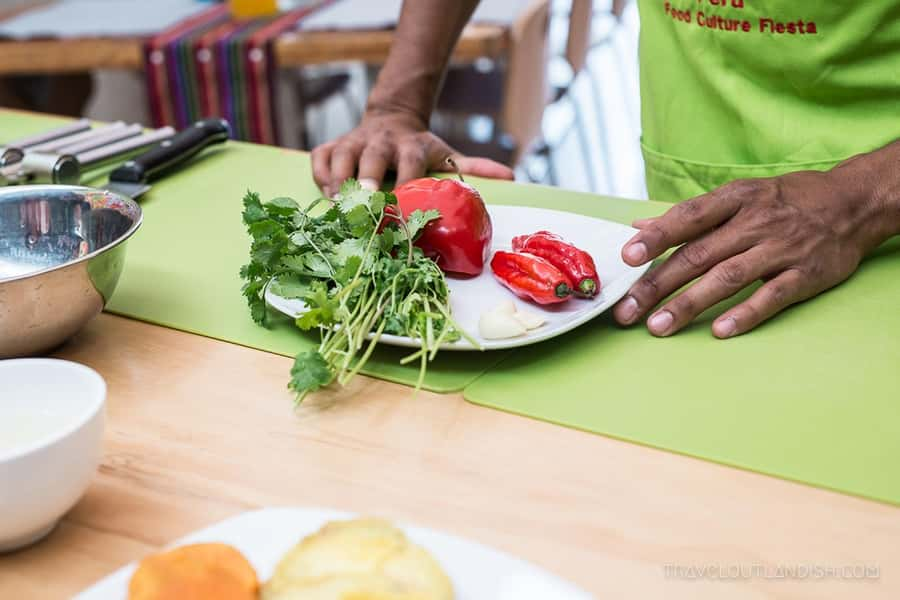
The tone is meant to be laid-back. You are not expected to sit through a long demonstration before being allowed near the ingredients. The structure puts you to work, with the chef guiding you step by step.
That format suits you if you learn by doing. You can see the texture of the causa mixture, handle the ingredients for the stir-fry, and taste the balance as you go. It also gives the chef a chance to correct small mistakes before they affect the final dish.
The English- and Spanish-speaking guide is useful for clear instruction. If you are not comfortable with culinary Spanish, you should still be able to follow the process in English. The class is small enough that language questions should be easier to address than in a large group.
The strongest praise focuses on the chef’s patience and attention. Another participant specifically appreciated the hygiene standards and the help from the assisting staff. Those are practical strengths, especially in a cooking class where several people are handling food at once.
You should not expect a formal school kitchen or an advanced chef-training session. The class is designed for curious food lovers, not professionals. That is a benefit if you want a friendly cultural activity, but it may feel basic if you already cook Peruvian dishes regularly.
What the $119 price really covers
At $119 per person, this is not a bargain lunch. It is a compact cultural activity that combines transport, professional instruction, ingredients, lunch, a national drink, and recipes.
The value improves if you would otherwise book a food tour and a separate meal. Here you prepare the food, eat it, and learn enough to try it again. The recipes are especially useful because they turn a one-time activity into something you can bring home.
The value is weaker if you are mainly interested in eating. A good Lima restaurant can give you Lomo Saltado without requiring three hours of preparation. You are paying for participation and instruction, not just the quantity of food.
The included ingredients also remove a common worry. You do not need to shop before arriving or bring cooking supplies. Food and drinks not specified are excluded, so do not assume that extra dishes, cocktails, or personal purchases are part of the price.
The cancellation terms are traveler-friendly. You can cancel up to 24 hours in advance for a full refund, and you can reserve now while paying later. That is helpful when your Lima schedule is still moving around.
Who will enjoy this class most
I would recommend this experience to you if you like food, want a small group, and prefer active cultural activities to passive sightseeing. It suits couples, friends, solo visitors who enjoy meeting a few people, and families with older children who can safely take part in food preparation.
It is also a strong choice for anyone who wants to recreate Peruvian dishes at home. Causa is adaptable, Lomo Saltado is practical, and Chicha Morada uses a clear list of ingredients. The recipes make the lesson useful after your holiday ends.
You may want to choose another activity if you have limited time in Lima and only want to eat. The 30-minute transfer each way adds planning time, and the class itself lasts three hours. It is also not ideal if your dietary restrictions are complex and you have not arranged them in advance.
Bring an appetite, but not a huge breakfast. The guidance specifically warns you not to eat much beforehand because you will try several foods, snacks, and drinks. That is sensible advice: this is a meal-sized experience, not a quick cooking demonstration.
Should you book the Lima Peruvian cooking class?
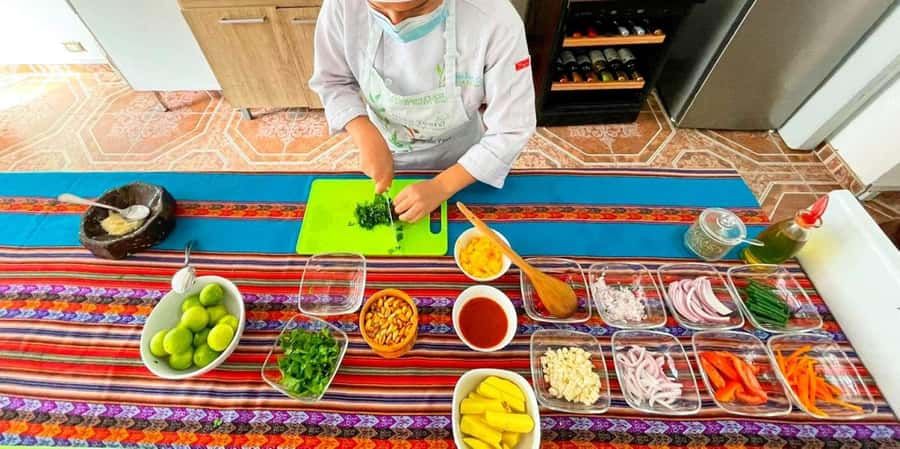
Book it if you want to understand Peruvian food with your hands, not just your fork. The small group, bilingual guidance, ceramic cookware, recipes, and full meal give the $119 price a reasonable basis.
I would especially choose it early in a Lima stay. After cooking Causa Limeña and Lomo Saltado, you will recognize those flavors on restaurant menus and have a better sense of what to order. Just allow for the bus ride, tell the provider about dietary needs when booking, and arrive hungry.
Skip it if you dislike cooking, have only a narrow window between other plans, or consider $119 too much for lunch. For everyone else, this is a focused way to connect Peruvian ingredients, cooking methods, and daily food traditions in one afternoon.
FAQ
Where does the cooking class meet?
The meeting point is at Av. José Larco 724 in Miraflores, Lima.
How long does the experience last?
The cooking class, lunch, food tasting, and workshop last three hours. A 30-minute bus or coach ride is also included in the itinerary, with a return to the Miraflores meeting point.
What dishes will I prepare?
You will prepare Causa Limeña and Lomo Saltado. Causa uses yellow potato, yellow pepper, lemon, and a filling such as chicken, tuna, or seafood. Lomo Saltado includes beef, onions, tomatoes, and chili peppers, served with French fries and rice.
Is a drink included?
Yes. Chicha Morada is included. It is made with purple corn, pineapple, lemon juice, cinnamon, and cloves.
Is the class taught in English?
Yes. The experience includes an English- and Spanish-speaking guide.
How large is the group?
The class is limited to eight participants.
Are ingredients included?
Yes. All ingredients needed for the listed dishes are included, along with a professional chef and the specified food and drink. Food and drinks not listed are not included.
Can I cancel or pay later?
You can cancel up to 24 hours before the experience for a full refund. You can also reserve now and pay later, subject to the booking terms.
New cooking classes around Peru
- Lima: Peruvian cooking class and tour of Surquillo market★ 5.0 · 2 reviews
- Lima: Market Tour, 35 Fruits Tasting & Cooking Class★ 5.0 · 3 reviews
- Lima: Market Tour and Cooking Class with Pisco Sour★ 5.0 · 3 reviews
- Lima: 4-Course Peruvian Cooking Class in Miraflores★ 5.0 · 4 reviews
- Lima: Cooking Workshop and Water Circuit Tour★ 5.0 · 16 reviews
- Lima: Demo Cooking Class with Lunch at Cala Restaurant★ 4.1 · 4 reviews
- Cusco: Peruvian Cooking Class & Market Tour★ 4.9 · 19 reviews
- Cusco: Peruvian Cooking Class★ 5.0 · 2 reviews
Lima Cooking Classes, side by side.
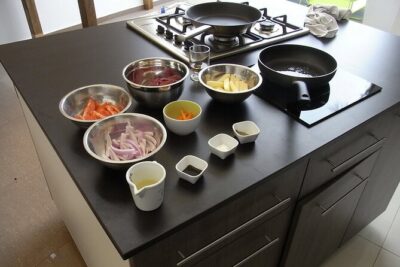
Market Tour, Tasting of 35 Fruits, and 4-Course Peruvian Cooking Class in Lima
Read our review →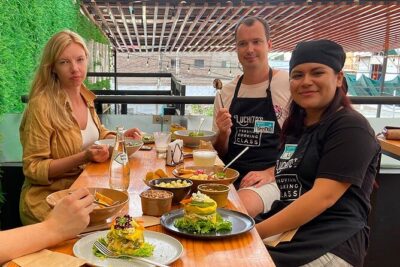
#1 Rated Cooking Classes with Local Market Tour & Pickup
Read our review →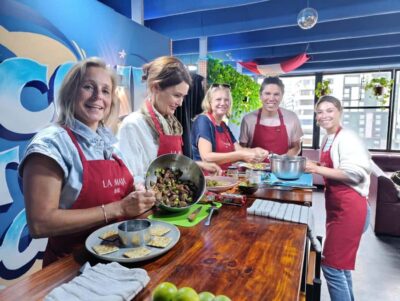
Miraflores: Amazing Peruvian Cooking Class Ceviche Seafood and Pisco Sour
Read our review →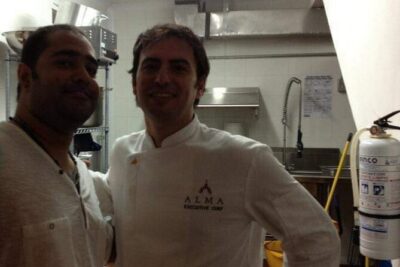
Cook with Maido’s creative chef and chef de cuisine
Read our review →
Lima: Demo Cooking Class with Lunch at Cala Restaurant
Read our review →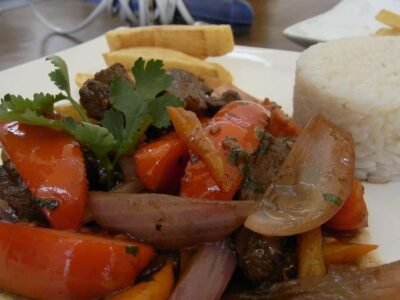
Lima: 4-Course Peruvian Cooking Class in Miraflores
Read our review →
Lima: Market Tour and Cooking Class with Pisco Sour
Read our review →This kitchen also appears in