
Review · LIMA
Lima: Market Tour and Cooking Class with Pisco Sour
Lima’s best food lesson starts before you reach the kitchen. At Surquillo Market, you’ll taste four carefully chosen fruits, meet vendors, and see the everyday ingredients behind Peruvian cooking. I especially like the market-to-table format and the small group, capped at 10 people. You get local context, not just a recipe sheet.
I also like that you prepare three recognizable Peruvian favorites, then sit down to eat them with a pisco sour and dessert. Guide Shayla has been praised for her warm welcome and clear translating. The main drawback is practical: you’ll be standing for much of the class, and the experience is not suitable for wheelchair users, pregnant women, or people with food allergies.
Key points at a glance
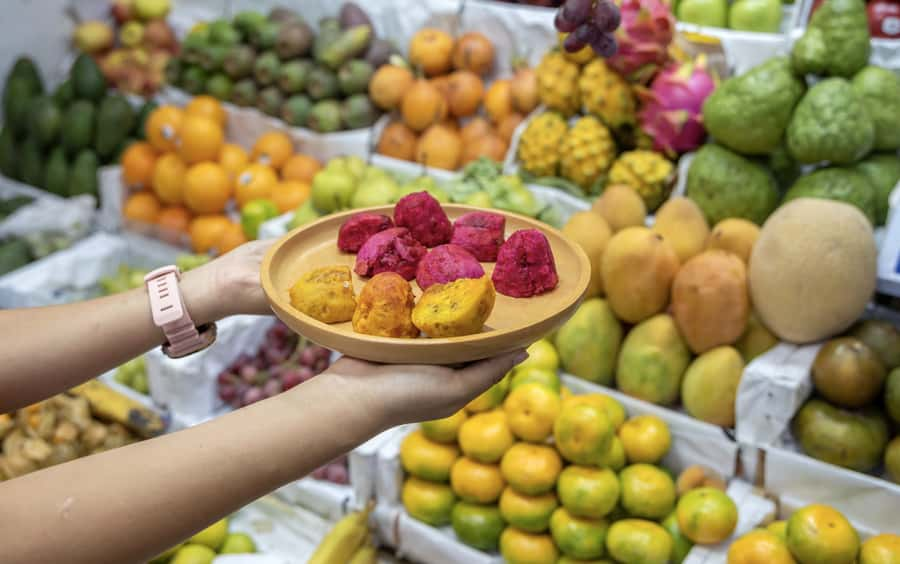
- Four fruit tastings at Surquillo Market: Your guide selects fruits for their unusual flavors and cultural importance.
- Three Peruvian classics: Prepare ceviche, causa rellena, and a pisco sour with help from a local chef and bartender.
- A small group of up to 10: The size gives you a better chance to ask questions and follow the cooking.
- Shayla’s language support: Her English and translation skills are especially useful during the kitchen portion.
- A complete meal, including dessert: You eat the dishes you make, then finish with arroz con leche or picarones.
- A convenient Miraflores meeting point: Meet outside the Holiday Inn Lima Miraflores, not at its Ricardo Palma Avenue entrance.
Why the market comes first
The Surquillo Market visit gives the cooking class a useful beginning. Instead of meeting at a restaurant and jumping straight into recipes, you first see the produce that shapes daily Peruvian meals.
Your guide leads you through stalls filled with fruits, vegetables, potatoes, corn, spices, and other local ingredients. The market is a working food hub, so expect movement, noise, and close quarters rather than a polished museum setting. Comfortable shoes matter.
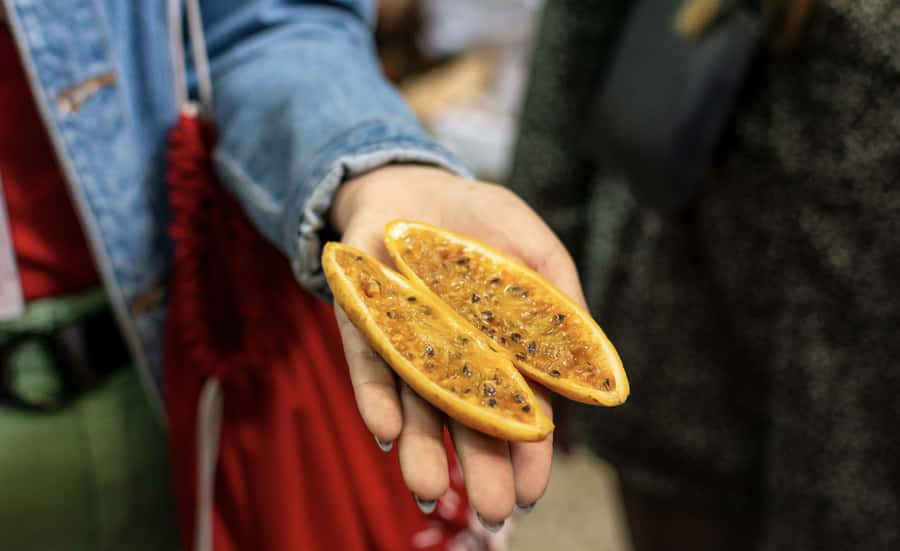
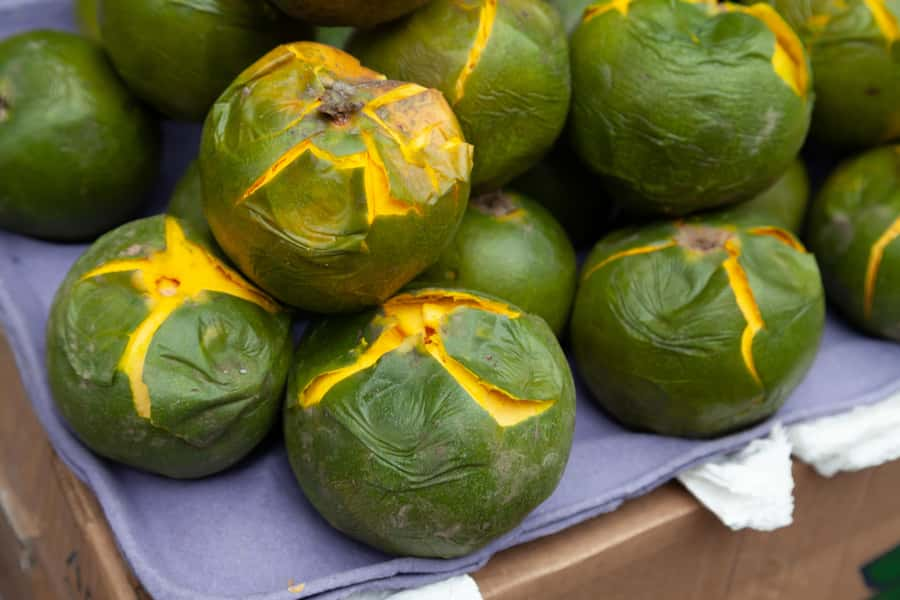
The fruit tasting is one of the more distinctive parts of the experience. You sample four fruits selected by the guide, with an explanation of where they come from and why they matter in Peru. Exact fruit choices are not fixed in the details provided, which is useful: your tasting may reflect what is available at the market that day.
This is also your chance to ask about ingredients you may have seen on restaurant menus without recognizing them. Corn and potatoes are central examples, but the market also introduces less familiar products. I like this approach because it helps you understand the food before you handle it.
The vendor encounters add a human side to the stop. You’ll have the chance to engage with sellers and hear stories about their origins. The experience does not promise a long shopping session or a cooking demonstration at every stall, so think of this as a guided introduction to Peruvian food culture, not a private market tour.
More Cooking Classes with a Market Tour in Peru:
- Cusco: Peruvian Cooking Class, Cocktails & Local Market Tour
★ 4.9 · 512 reviews - Cooking class and market tour with a local chef
★ 5.0 · 186 reviews - Market Tour, Tasting of 35 Fruits, and 4-Course Peruvian Cooking Class in Lima
★ 5.0 · 86 reviews
Finding the correct meeting point
The meeting point is just outside the entrance of the Holiday Inn Lima Miraflores at Calle Alfonso Ugarte 117. This detail deserves attention because the hotel has another entrance on Ricardo Palma Avenue, and that is not the right one.
Look for the guide wearing a red lanyard with the Exquisito Peru logo. The tour does not include hotel pickup or drop-off, so you need to make your own way to the meeting point.
The location works well if you are staying in Miraflores or already spending time in that part of Lima. It also makes the start simple: you are not waiting for a transfer or trying to find a restaurant deep inside the market area.
The tour lasts 150 minutes, or two and a half hours. Check the available starting times when you book, since the exact schedule is not fixed in the information provided. Plan to arrive ready to walk and stand from the start.
Making ceviche with a local chef
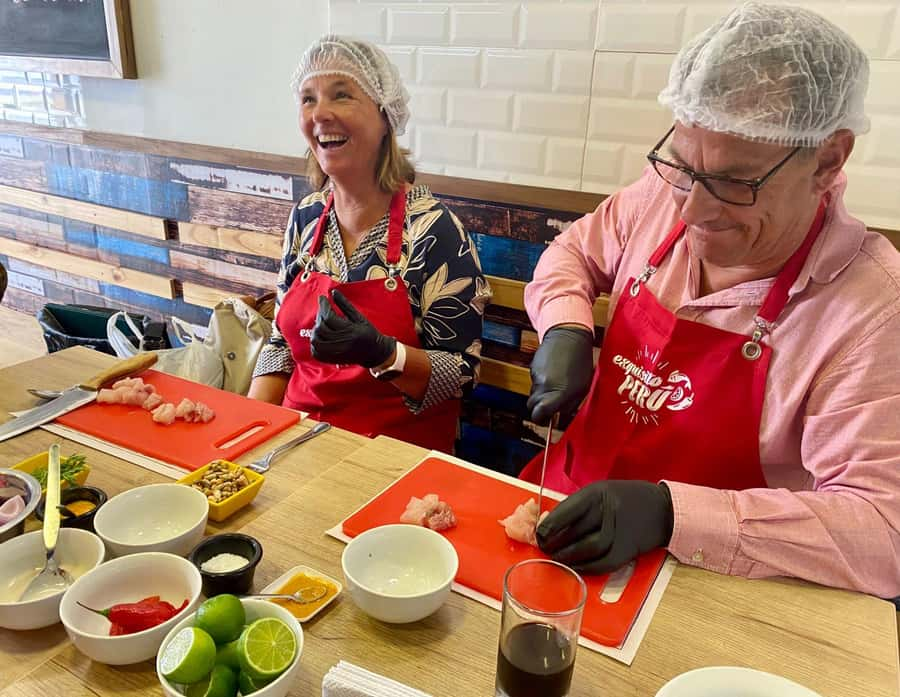
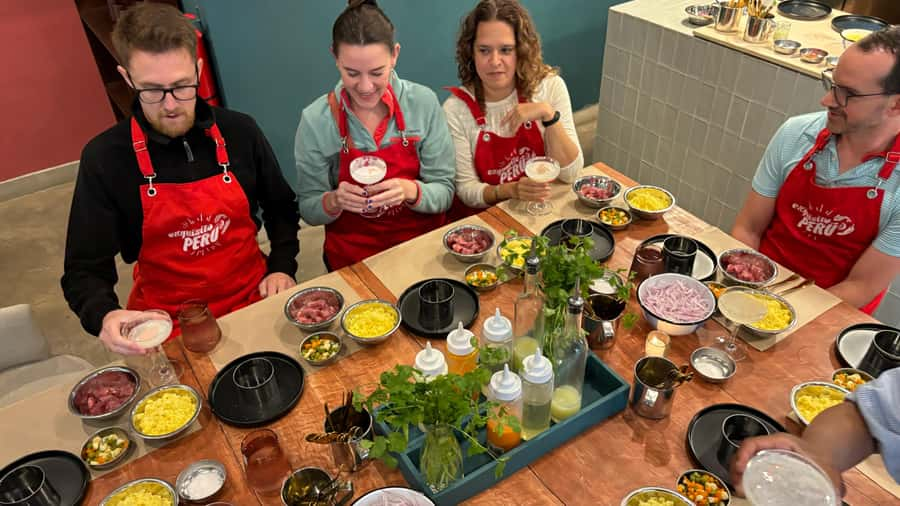
After the market, you head to a nearby restaurant for the cooking class. The restaurant setting gives you access to a proper kitchen and a place to sit down for the meal afterward.
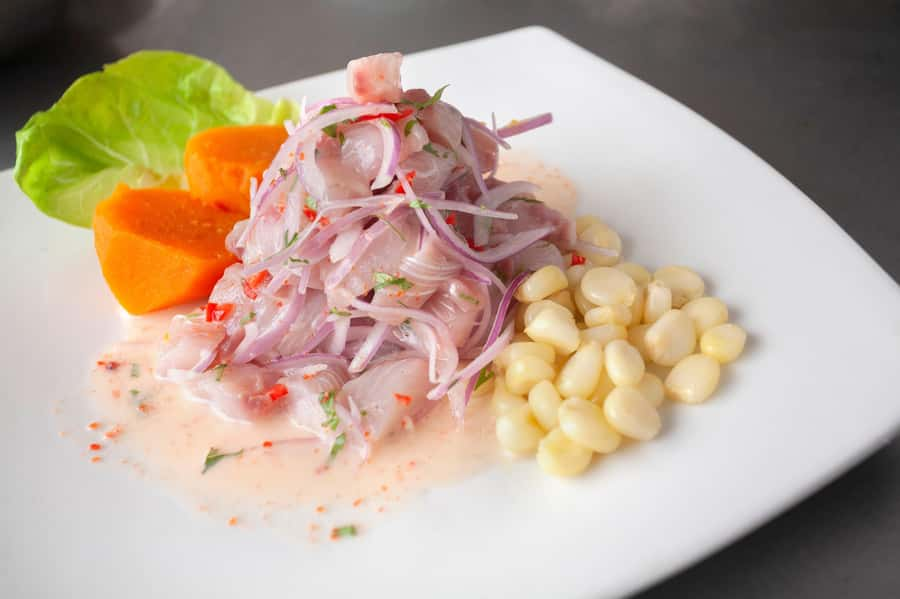
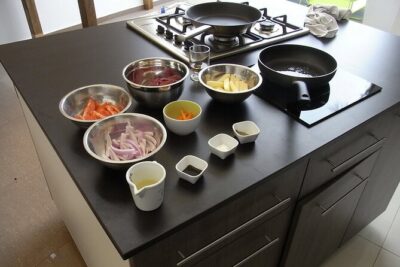
Ceviche is the natural centerpiece. You prepare fresh fish with citrus juice, Peruvian seasoning, red onion, and crisp garnishes such as sweet potato. The appeal here is the hands-on work. You are not simply served a finished plate and told what it contains.
The chef guides you through the preparation, so you do not need previous cooking experience. You should still expect to pay attention and take part. The class is designed for people who want to make the dishes, not only watch someone else do it.
Ceviche is also a useful window into Peru’s coastal food traditions. Its appeal comes from balance: fresh fish, sharp citrus, seasoning, onion, and a sweet or starchy counterpoint. The class gives you a practical sense of how those elements work together.
Exact fish and seasoning details can vary, so do not book this expecting a fixed recipe with every measurement listed in advance. The value is learning the method and understanding the parts of the dish you can repeat later.
Layering causa rellena
The second dish is causa rellena, a Peruvian preparation built around seasoned mashed potatoes. You work with layers of potato, avocado, and a filling of chicken or seafood.
This dish brings a different kind of technique from ceviche. Ceviche is about freshness and balance, while causa is about texture, assembly, and presentation. The soft potato, creamy avocado, and savory filling need to hold together without becoming heavy.
The filling is described as chicken or seafood, so the exact option may depend on the class. If you have dietary restrictions or allergies, tell the operator in advance. The activity specifically advises people with food allergies not to participate, which is an important limitation rather than a minor footnote.
I like having causa beside ceviche because the two dishes show different sides of Peruvian food. One is bright and citrusy; the other is soft, layered, and filling. You also leave with a dish that can be useful at home because it does not depend on restaurant equipment.
More cooking classes around Peru:
- #1 Rated Cooking Classes with Local Market Tour & Pickup
★ 5.0 · 69 reviews - Miraflores: Amazing Peruvian Cooking Class Ceviche Seafood and Pisco Sour
★ 4.9 · 57 reviews - Cook with Maido’s creative chef and chef de cuisine
★ 5.0 · 53 reviews - Cusco: Peruvian Cooking Class & Market Tour
★ 4.9 · 19 reviews
Mixing a proper pisco sour
The pisco sour adds a drink lesson to the food preparation. You mix pisco, fresh lime, egg white, and a dash of Angostura bitters, then shake it into the familiar frothy cocktail.
A bartender helps with this part, alongside the chef. The class gives you more than a taste of Peru’s national drink. You learn how the spirit, citrus, foam, and bitters fit together, then enjoy the drink with the food you prepared.
The egg white means this is not a suitable activity for everyone. The provided restrictions specifically list pregnancy and food allergies, and anyone with concerns should notify the operator in advance. The activity also includes alcohol, so keep that in mind when deciding if this format suits your group.
The drink is served as part of the meal, not as a separate bar crawl. That keeps the experience focused and makes good use of the limited two-and-a-half-hour schedule.
Sitting down to eat what you made
Once the ceviche, causa rellena, and pisco sour are ready, you sit down and enjoy them. This final meal is important because it turns the class from a demonstration into a complete food experience.
You can compare the dishes while the preparation is still fresh in your mind. The meal also gives you a chance to ask follow-up questions about ingredients, methods, and Peruvian food traditions.
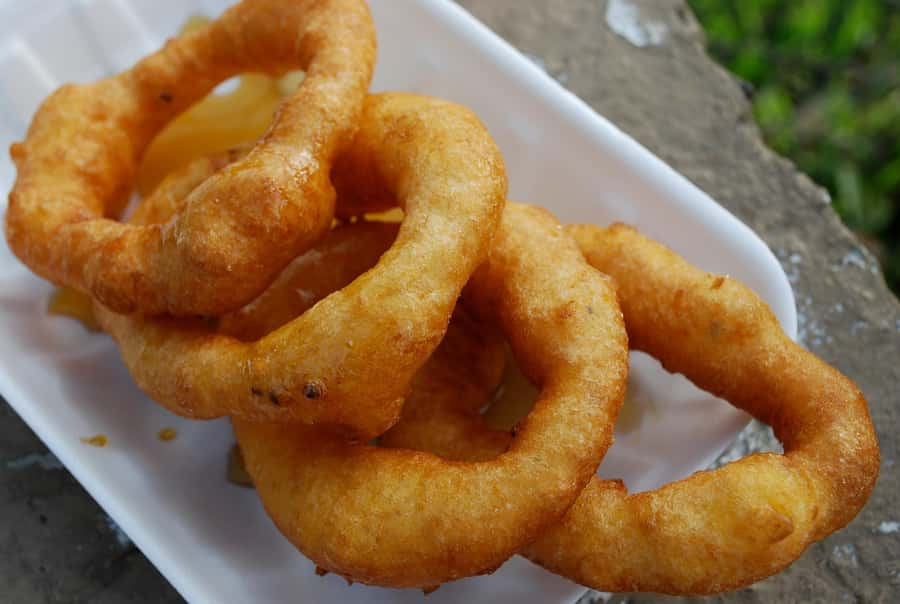
A traditional dessert is included. Depending on the offering, you might receive arroz con leche, a creamy rice pudding, or picarones, fried sweet rings served with chancaca syrup. The exact dessert is not guaranteed, but both options provide a distinctly Peruvian finish.
The meal should not be confused with a broad tasting menu. The food is centered on the dishes you prepare, with fruit at the market and dessert at the end. That focus is a strength if you want to learn by doing, though less ideal if your main goal is sampling many restaurant dishes.
What the small group changes
The group is limited to 10 people. That is a useful size for a cooking class because the chef can demonstrate while participants work at their own stations or shared preparation areas, depending on the setup.
A small group also helps during the market walk. You can stay near the guide, hear the explanations, and ask about ingredients without the stop turning into a crowded procession.
Guide Shayla has received particular praise for her warmth, Peruvian facts, and translation during the class. That last point matters. Cooking instructions can move quickly, and clear language support helps you understand not only what to do but why you are doing it.
The activity is offered in English. If you want a private class or a larger social event, this is not that type of outing. Its appeal is the more personal scale and direct contact with the guide, chef, and bartender.
Price, timing, and practical value
At $59 per person, the experience combines a market tour, four fruit tastings, a cooking class, three prepared items, a pisco sour, a main meal, and dessert. You also receive live English guidance in a group of no more than 10.
I consider that a fair price for a short, food-focused activity in Lima, especially if you value instruction rather than simply eating. The price covers several separate elements that would otherwise require planning: finding Surquillo Market, choosing safe and interesting fruit samples, arranging a chef-led class, and locating a restaurant that can serve the completed dishes.
The value is lower if you dislike cooking, cannot drink alcohol, or want a long market visit. The 150-minute schedule moves at a steady pace, so there is not much room for lingering at stalls or taking a relaxed restaurant meal.
Free cancellation is available up to 24 hours before the activity for a full refund, and you can reserve while postponing payment. Those options help if your Lima schedule is still shifting.
Clothing, access, and food restrictions
Wear comfortable clothes and shoes suitable for walking and cooking. Bring water, sunscreen, a hat, and a camera. The class involves standing, so avoid footwear that becomes uncomfortable after a market walk.
You should also be comfortable working around food preparation areas. No prior cooking skills are needed, but the experience is active. It is not designed for someone who wants to sit and watch.
The activity is not suitable for wheelchair users, pregnant women, or people with food allergies. Dietary restrictions and allergies should be reported in advance, but the stated allergy restriction means anyone with a serious food allergy should treat this as a poor fit.
The class includes seafood in the ceviche and possibly in the causa filling, as well as egg white in the pisco sour. Ask about the available ingredients before booking if those foods are a concern.
Who will get the most from this class
This is a good choice for a first visit to Lima if you want a quick introduction to Peruvian cooking. You see ingredients in their market setting, hear about their place in local food, and then use them in a guided class.
It also suits couples, families with older children who can stand and take part, and solo visitors who prefer a small group to a large food tour. The shared meal gives the activity a social rhythm without making it a full-day commitment.
Food lovers who already know Peruvian cuisine may still appreciate the preparation lessons, especially for ceviche and causa. If you mainly want to photograph the market, shop for ingredients, or eat dishes prepared by someone else, choose a different format.
The class is also a sensible rainy-day or midday plan, though the market portion means you should still dress for walking conditions. No weather policy is provided, so check the current booking details if conditions look poor.
Should you book it?
Book this experience if you want to understand Lima through its food in a compact, hands-on format. The strongest reasons are the market introduction, the small group, the chance to cook three Peruvian staples, and the help of an English-speaking guide such as Shayla.
Skip it if you need wheelchair access, have a serious food allergy, are pregnant, or prefer a quiet seated tasting. Also skip it if you want extensive market shopping or a long list of restaurant courses.
For most able-bodied visitors who enjoy cooking, $59 buys a useful mix of context, instruction, food, and drink. Meet at the correct Holiday Inn entrance, wear shoes you can stand in, and arrive ready to work. You’ll leave with a better sense of how Lima’s ingredients become the food on your plate.
FAQ
How long does the Lima market and cooking class last?
The experience lasts 150 minutes, or two and a half hours.
Where is the meeting point?
Meet just outside the Holiday Inn Lima Miraflores at Calle Alfonso Ugarte 117. Do not use the hotel entrance on Ricardo Palma Avenue.
How will I recognize the guide?
The guide will be wearing a red lanyard with the Exquisito Peru logo.
Is the tour offered in English?
Yes. The activity includes a live English-speaking guide.
What food and drinks are included?
You prepare ceviche, causa rellena, and a pisco sour. The experience also includes four fruit tastings at the market and a traditional Peruvian dessert.
Is previous cooking experience required?
No. The class is suitable for people without prior cooking skills.
What should I bring and wear?
Bring comfortable shoes, a hat, sunscreen, water, and a camera. Wear comfortable clothing suitable for cooking and expect to stand for the duration of the class.
New cooking classes around Peru
- Lima: Peruvian cooking class and tour of Surquillo market★ 5.0 · 2 reviews
- Lima: Market Tour, 35 Fruits Tasting & Cooking Class★ 5.0 · 3 reviews
- Lima: Cooking Workshop and Water Circuit Tour★ 5.0 · 16 reviews
- Lima: 4-Course Peruvian Cooking Class in Miraflores★ 5.0 · 4 reviews
- Lima : Cooking Class – A Peruvian Culinary exploration★ 5.0 · 2 reviews
- Lima: Demo Cooking Class with Lunch at Cala Restaurant★ 4.1 · 4 reviews
- Cusco: Peruvian Cooking Class & Market Tour★ 4.9 · 19 reviews
- Cusco: Peruvian Cooking Class★ 5.0 · 2 reviews
Lima Cooking Classes, side by side.
Market Tour, Tasting of 35 Fruits, and 4-Course Peruvian Cooking Class in Lima
Read our review →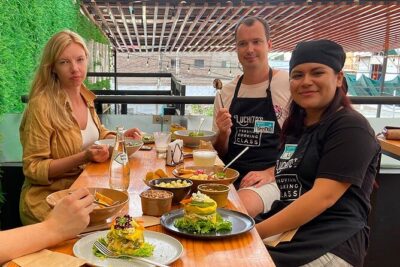
#1 Rated Cooking Classes with Local Market Tour & Pickup
Read our review →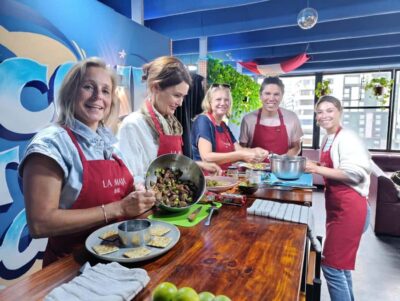
Miraflores: Amazing Peruvian Cooking Class Ceviche Seafood and Pisco Sour
Read our review →
Cook with Maido’s creative chef and chef de cuisine
Read our review →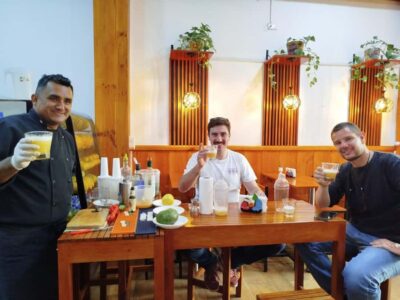
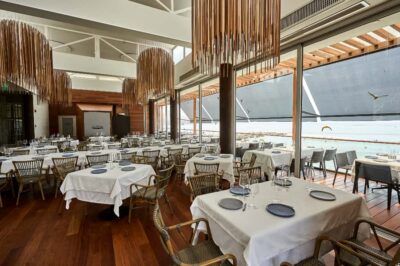
Lima: Demo Cooking Class with Lunch at Cala Restaurant
Read our review →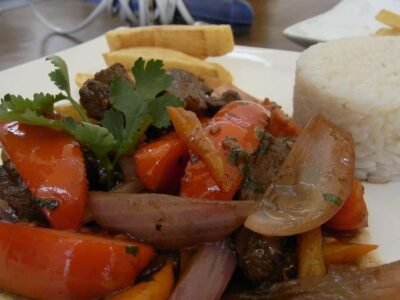
Lima: 4-Course Peruvian Cooking Class in Miraflores
Read our review →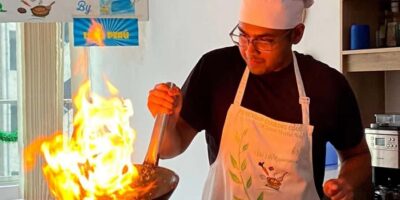
Lima : Cooking Class – A Peruvian Culinary exploration
Read our review →This kitchen also appears in