Review · MARRAKECH
Marrakech: Moroccan Cooking Class with Market Visit and Meal
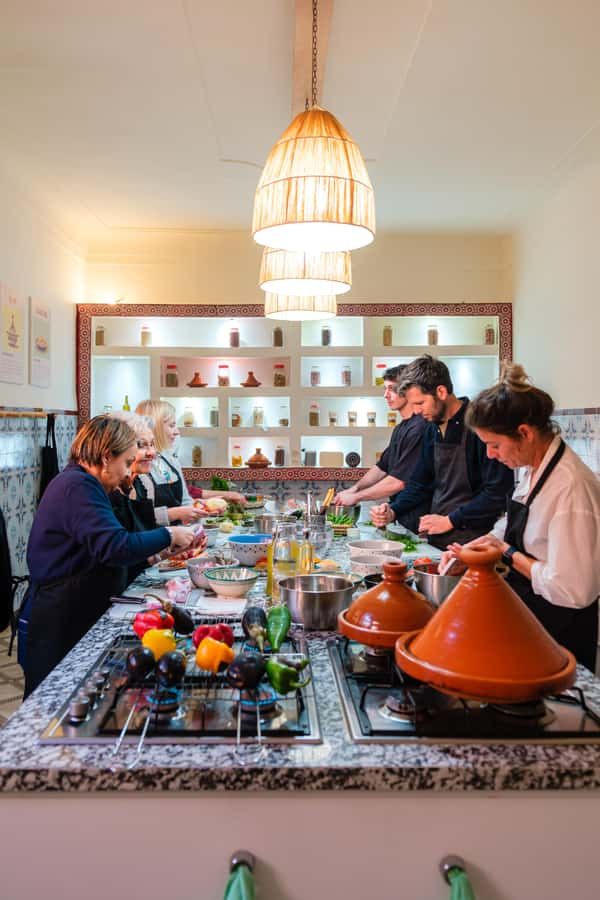
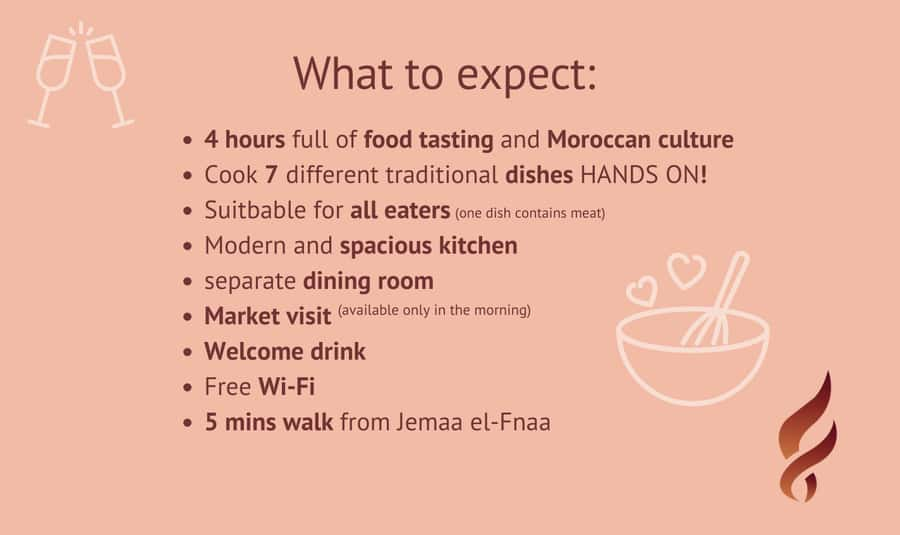
The best part of this Marrakech cooking class happens before the chopping starts. In the morning, you walk to a local market with your guide, choose vegetables and herbs, and see the food that will become your lunch. Back at Flavors of Marrakech, local cooks such as Kaoutar, Leyla, Fatiha, and Bouchra lead you through tagines, salads, dessert, and tea.
I like the market-to-table format, which gives the meal a clear connection to daily life in the Medina. I also like the small groups of up to 10, since you get real time at the worktables rather than watching a chef from the back of a room. The main consideration is simple: the market visit is offered only with the 10:30 am class, not the 4:30 pm session.
Key points to know before booking
- Morning market visit: Choose produce, herbs, chicken, and other ingredients with your guide in a nearby market.
- A full Moroccan meal: The class can include two tagines, salads, starters, dessert, tea, and coffee.
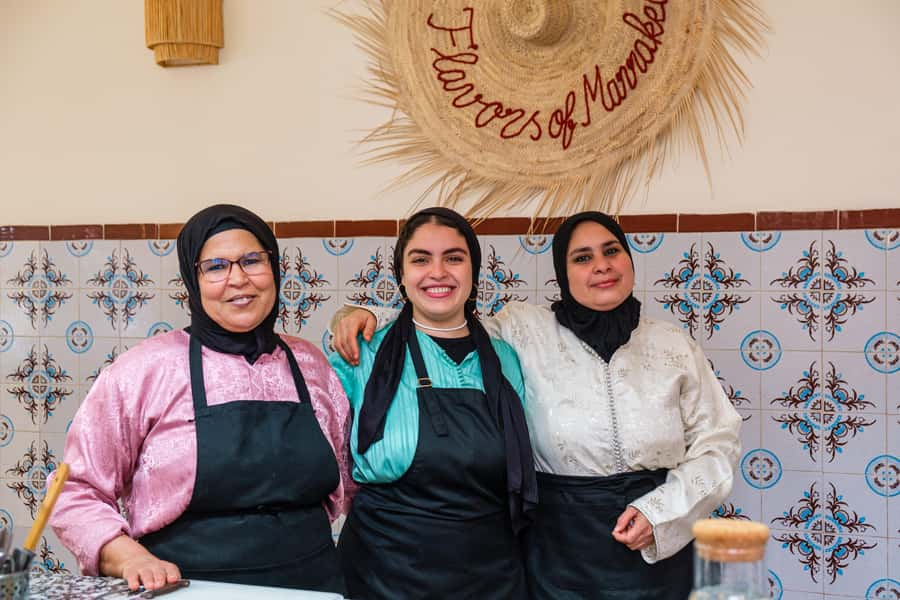
- Local instruction: Guides and cooks including Kaoutar, Leyla, Fatiha, Bouchra, and Fatima explain food customs as well as cooking methods.
- Small-group setting: Groups are limited to 10, with enough room for questions and hands-on preparation.
- Central meeting point: Find Flavors of Marrakech beside the BIM store, within a short walk of Jemaa el-Fnaa.
- Recipes to take home: A PDF of the dishes prepared in class is sent by email after the experience.
Why this class offers more than a recipe lesson
Moroccan food is easy to eat and harder to understand from a restaurant table. A tagine may arrive looking simple, but its flavor depends on when the spices go in, how the vegetables are cut, and how slowly everything cooks. This class gives you that missing context.
For $57 per person, you receive four hours of instruction, ingredients, cooking tools, drinks, and a full meal. That is not the cheapest activity in Marrakech, but it is a fair price for an experience that combines a market outing, cultural explanations, practical cooking, and lunch or dinner.
I especially like that you do not simply watch a demonstration. You chop, season, prepare side dishes, and help assemble the tagines. The cooks guide the work closely, so you do not need much kitchen experience. Several participants have joined as complete beginners, while others already cook and use the class to learn Moroccan methods.
The tone is friendly and social. Music, tea breaks, conversation, and a shared table make this feel closer to cooking with a welcoming local family than attending a formal culinary school. That warmth is a major part of the value.
More Cooking Classes with a Market Tour in Morocco
- Marrakech: Traditional Moroccan Cooking Class & Market Visit
★ 4.8 · 1,861 reviews - Edgy 8 Dish Private, Fusion Cooking Class, Menu Plan, Market
★ 4.9 · 31 reviews - Marrakesh: Private Cooking Class & Local Market Shopping
★ 4.7 · 15 reviews
Choosing between the 10:30 am and 4:30 pm classes
The morning session begins at 10:30 am and includes the local market visit. If you want the most complete version of the experience, this is the one to book.
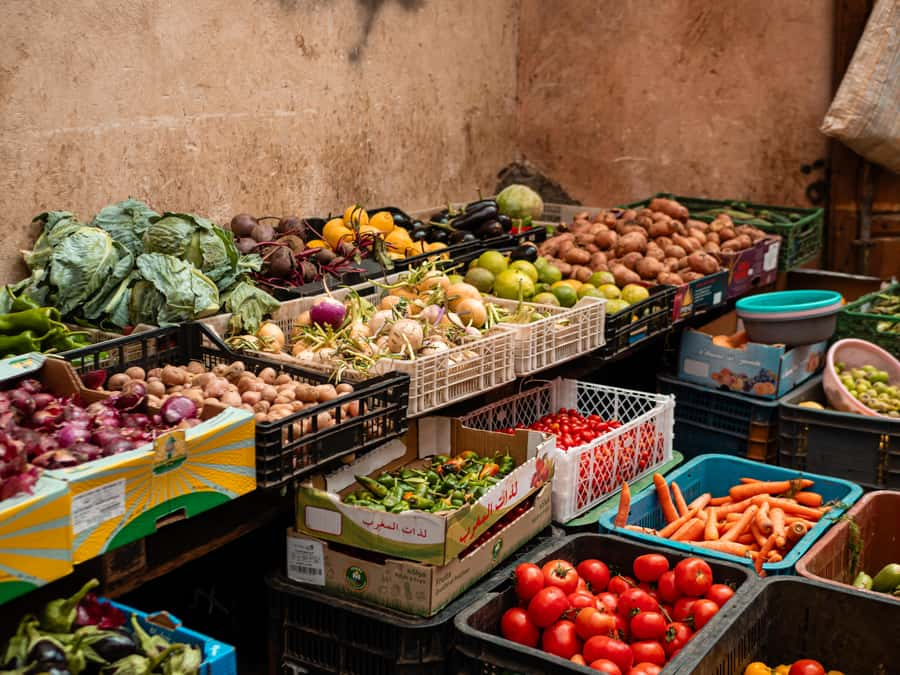
The market is not just a shopping stop. You help select some of the ingredients that will appear on your plate. Depending on the menu, this can include vegetables, herbs, chicken, and fresh filo dough for dessert. Guides also explain food preparation traditions, spice use, and halal butchering. You can learn from the explanation without taking part in anything you find uncomfortable.
After shopping, you return to the kitchen for tea and preparation. The timing works well because the tagines need time on the stove while you make salads, starters, and dessert.
The 4:30 pm class skips the market but still includes the hands-on cooking lesson and dinner. This may suit you better if you prefer a slower morning, have already spent time in the souks, or want a cooking activity after sightseeing. Just do not book the afternoon time expecting the market portion.
Both sessions last about four hours. The morning class ends with lunch, and the afternoon class ends with dinner.
Finding Flavors of Marrakech in the Medina
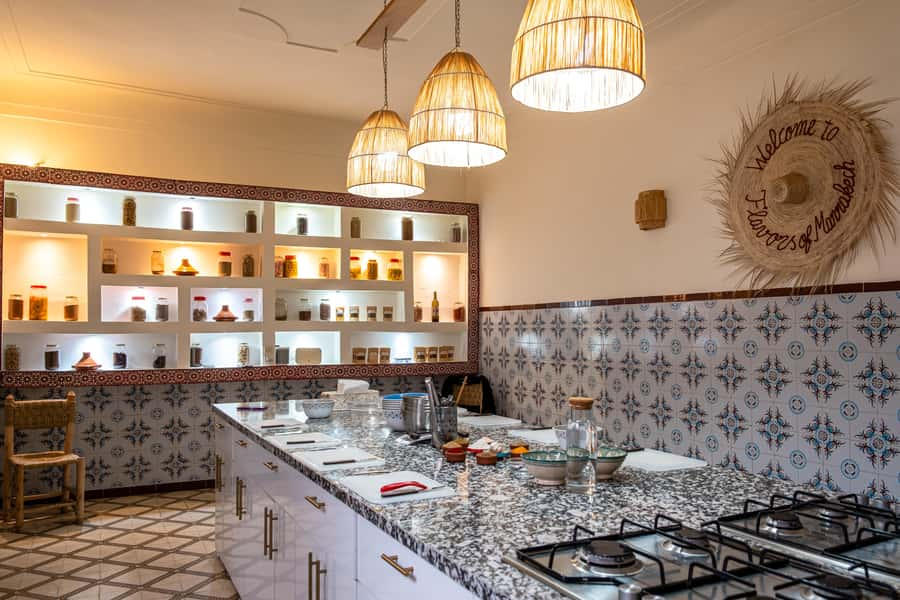
The meeting point is Flavors of Marrakech, next to the BIM store. Look for the sign and go inside to meet the staff.
The location is central, and it is described as a short walk from Jemaa el-Fnaa. Since the activity does not include transportation, plan your own route to the meeting point. A map app, hotel directions, or help from your riad will be useful if you are staying in the Medina, where street signs can be less obvious than the main landmarks.
Wear comfortable clothes. You will be walking through the market during the morning session and working in the kitchen afterward. Bring a camera if you want pictures of the market, ingredients, or dining room, but keep it out of the way during food preparation.
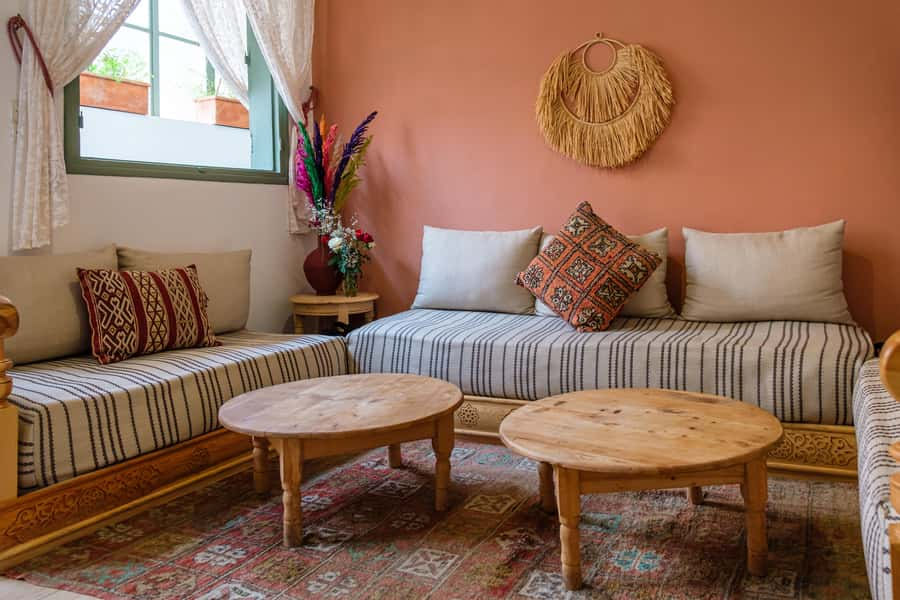
The kitchen is described as spacious, bright, clean, and well equipped. It has Moroccan touches without feeling difficult to use. A separate salon or dining area is set with tea and food, giving the final meal a proper sense of occasion.
The market visit: ingredients with a story
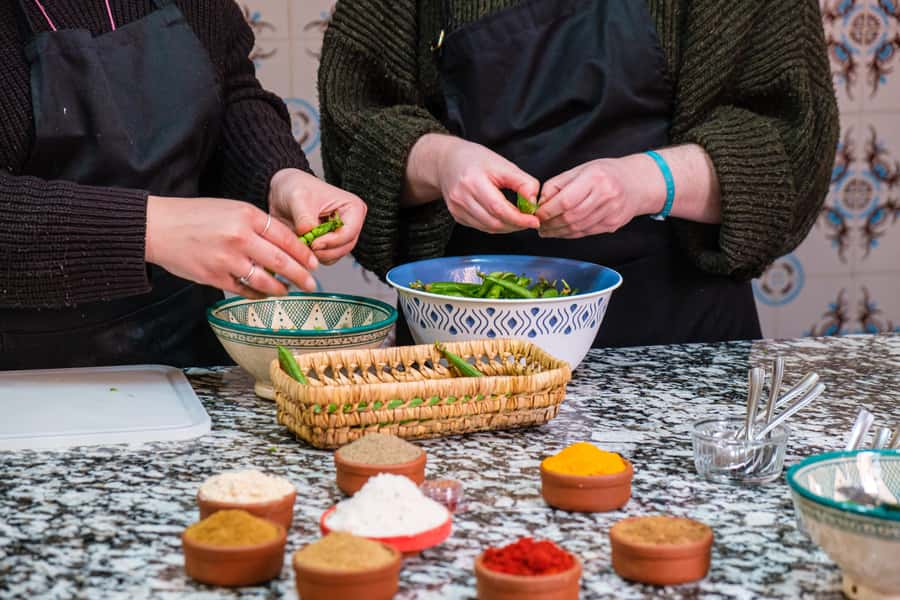
The morning market walk is the part that gives the class its strongest local character. Instead of receiving premeasured ingredients, you see the shopping process first.
You may help choose vegetables and herbs, then visit the chicken seller and other food stalls. One class had participants carry baskets containing assigned produce. This small detail makes the outing more active and helps you notice the volume and freshness of the ingredients used in Moroccan home cooking.
The guides also use the market to explain food customs. Kaoutar, known by the nickname Cookie, has discussed halal slaughter and the way ingredients are handled. That subject may not be comfortable for everyone, but the explanation is useful if you want a clearer picture of local food traditions. You are not required to watch anything you would rather avoid.
The market is also where you begin to see why Moroccan cooking uses such strong seasoning. Fresh herbs, preserved lemon, cumin, paprika, saffron, and Ras El Hanout each play a different role. The class connects those ingredients to the dishes rather than treating spices as a generic mixture.
You should expect a real market rather than a polished food attraction. That means activity, unfamiliar sights, and a more direct look at ordinary food shopping. If you prefer a quiet, carefully staged outing, this part may feel intense. If you want contact with everyday Marrakech, it is one of the most useful elements.
More Moroccan Cooking Classes around Marrakesh:
- Marrakech: Moroccan Cooking Class with Pickup
★ 4.6 · 1,862 reviews - Marrakesh: Moroccan Dishes Cooking Class with a Local Chef
★ 5.0 · 1,615 reviews - Marrakech: Moroccan Cooking Class with a Local Family
★ 4.9 · 668 reviews - Marrakech: Moroccan Cuisine Cooking Class in Local Home
★ 4.8 · 508 reviews
Preparing tagines, salads, and dessert
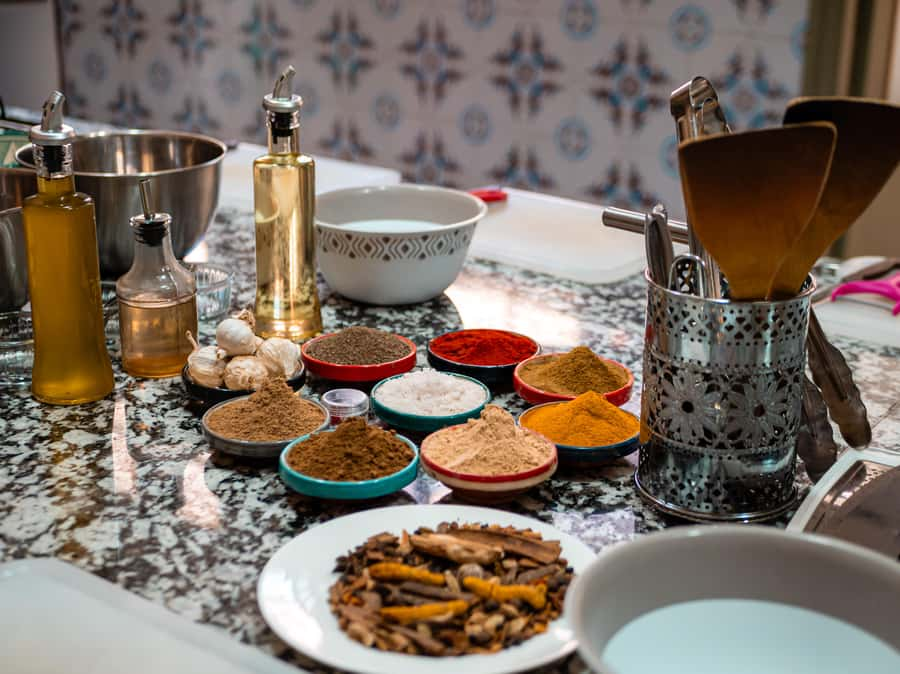
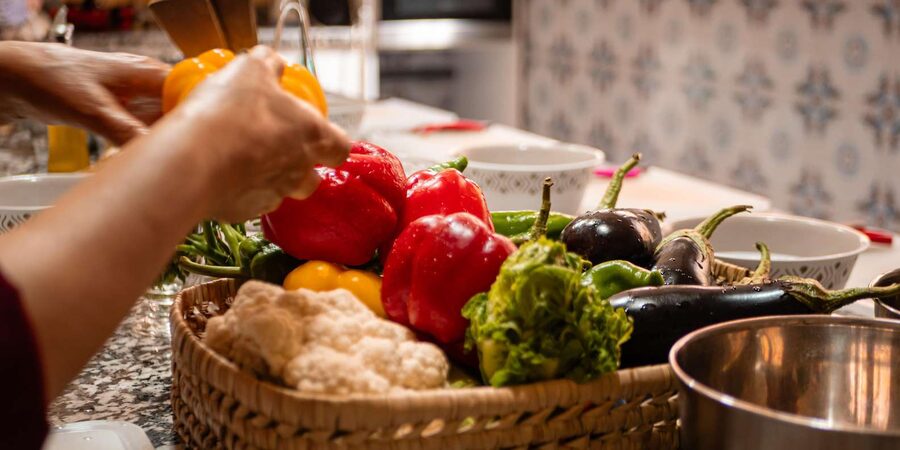
Back at the kitchen, the cooking begins with preparation. The instructors show you how to wash, cut, season, and arrange the ingredients. The recipes vary, but the menus described include two tagines, a Moroccan salad, zaalouk, taktouka, and an almond filo dessert.
The tagines may include lemon chicken and vegetables. You help prepare the ingredients, then place the tagines on the stove while working on the other courses. This lets you see how Moroccan meals are built in stages rather than rushed into one pan.
Zaalouk and taktouka give you a useful lesson in texture and seasoning. They are not simply side dishes added for color. They show how cooked vegetables, herbs, garlic, paprika, cumin, and other seasonings can produce very different results from similar ingredients.
Dessert preparation can include fresh filo dough and almonds. If you have a nut allergy, tell the staff before cooking begins. One participant was given a nut-free dessert, which shows that adjustments may be possible, though you should still confirm your needs in advance rather than assume every menu can be changed.
Tea is part of the experience, not an afterthought. Tea breaks help divide the market visit from the cooking and give you time to talk with the instructors and other people in the group. Coffee, tea, and bottled mineral water are included.
The instructors make the difference
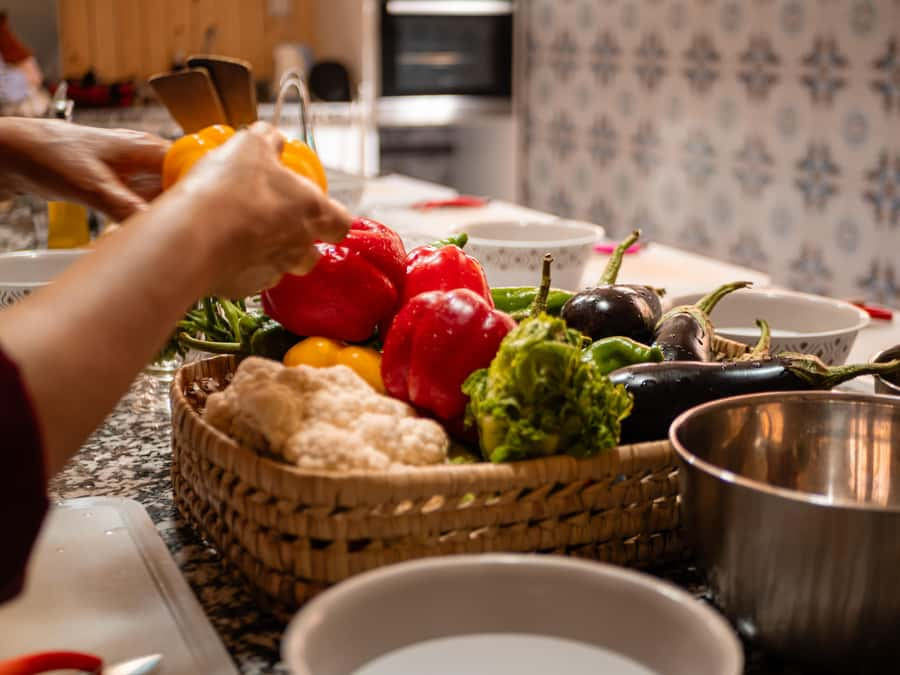
The class is led in English and Arabic. Names that appear in the teaching team include Leyla, Kaoutar, Fatiha, Bouchra, Fatima, and other women who help in the kitchen. The exact guide may vary by session.
The strongest feature of the instruction is patience. The staff prepare the kitchen, explain each step, and work around the group while still letting you do much of the preparation. That balance matters. Too much help turns a cooking class into a demonstration, while too little leaves beginners guessing.
Kaoutar, also called Cookie, has been praised for her clear explanations, lively personality, and ability to connect cooking with Moroccan culture. Fatiha has led classes with her family members and assistants, sharing recipes described as passed from mother to daughter. Leyla has been noted for explaining food, culture, and traditions in an engaging way.
You may also find the class lively rather than strictly formal. Music, dancing, jokes, and conversation are part of the atmosphere in some sessions. If you want a quiet technical lesson with exact measurements and no interruptions, this may not be your ideal format. If you like learning through conversation, the relaxed style works well.
The staff also make an effort to include different ages and skill levels. A nine-year-old took part with a parent, and the small group allowed plenty of questions. The class is suitable for couples, families, solo visitors, and friends who want an activity they can share.
Sitting down to eat what you prepared
The final meal takes place in a carefully set salon. This is the payoff, but it is also useful as a learning moment. You can taste how the ingredients, spice choices, cooking time, and preparation methods came together.
The menu can amount to a large meal. Past sessions have included two tagines, several starters or salads, dessert, and tea. That makes the $57 price easier to assess, since you are not paying for a short lesson followed by a small tasting. You receive a substantial lunch or dinner as part of the four-hour activity.
The shared table also changes the mood. A group of strangers works together, then sits down to eat the same food. For solo visitors, this can be a pleasant way to meet people without booking a separate social event.
Do not expect restaurant-style precision. Different people chop and season slightly differently, and the point is to learn a method rather than produce identical plates. That is part of the charm, though anyone seeking a polished chef-led dinner should book a restaurant instead.
What you take home after class
The practical benefit continues after the meal. You receive a PDF containing the recipes used in class by email, so you can try the dishes at home.
This is especially useful because Moroccan cooking can be difficult to reproduce from memory. The class covers several dishes, and the spice combinations may be unfamiliar. Having the recipe list means you can start with the tagine or salad you liked best and build confidence from there.
There has been at least one reported delay in receiving the recipe file because of internet problems. That appears to be an occasional technical issue, not part of the planned experience, but it is sensible to check your email after the class and contact the provider if the PDF does not arrive.
Group size, language, and pace
The maximum group size is 10 people. Groups described in past sessions have included six or seven people, while a full group can reach 10. The size is small enough for hands-on work and questions, though your exact amount of chopping time will depend on the group and menu.
English and Arabic are the stated languages. The instructors have also been described as able to include people from different backgrounds, but you should book with the listed languages in mind if detailed English instruction is important to you.
The pace is active but not rushed. The market visit, tea, food preparation, cooking time, dessert, and meal fill four hours. You will spend much of that time standing or working, so comfortable clothing and shoes make sense.
Free Wi-Fi is included, though it is not a reason to book the class. The useful inclusions are the ingredients, equipment, meal, drinks, instruction, market visit with the morning option, and recipe PDF.
Who will enjoy this most
I would recommend this class to you if food is one of the main ways you connect with a place. It suits people who want more than a restaurant meal and who like asking questions while they work.
It is also a strong choice for:
- First-time visitors who want an introduction to Moroccan flavors
- Couples looking for a shared activity
- Families with older children who can take part in food preparation
- Solo visitors who enjoy a social setting
- Cooks who want practical tagine and spice tips
- People who want a central activity without arranged transport
You may want to choose another experience if you dislike group activities, have serious dietary restrictions that require a fixed menu, or want the market visit but can only attend in the afternoon. The provider offers a small group, but it is still a group class, not a private lesson.
Cancellation is flexible up to 24 hours before the start time for a full refund, and you can reserve now and pay later. Those policies help if your Marrakech schedule is still moving around.
Should you book the Flavors of Marrakech class?
Yes, if you want a practical food lesson tied to local shopping and culture. The morning class is the best value, since it adds the market visit without changing the $57 price. You will see the ingredients, help choose them, prepare a full menu, and then eat the results.
The afternoon class still makes sense if dinner suits your schedule or you do not need another market visit. Just remember that it goes straight to the kitchen.
Book this for the friendly instruction, generous menu, central location, and chance to leave with recipes you can use at home. Skip it only if you prefer private instruction, need a guaranteed specialized diet, or find market food customs uncomfortable. For most food-minded visitors, it is a memorable and useful way to spend four hours in Marrakech.
FAQ
How long does the Marrakech cooking class last?
The activity lasts four hours.
How much does the cooking class cost?
The listed price is $57 per person.
Does the class include a market visit?
Yes, the morning session includes a visit to a local market. The afternoon session does not include the market visit.
What time does the morning class begin?
The morning session begins at 10:30 am.
What time does the afternoon class begin?
The afternoon session begins at 4:30 pm.
What food will I prepare?
Menus can include two tagines, Moroccan salad, zaalouk, taktouka, dessert, and tea. The exact dishes may vary.
Is the meal included?
Yes. The morning session includes lunch, and the afternoon session includes dinner.
Are ingredients and cooking equipment included?
Yes. Ingredients and cooking tools are included in the price.
Will I receive the recipes?
Yes. A PDF of the recipes used during class is sent by email.
Where do I meet the cooking class?
Meet at Flavors of Marrakech next to the BIM store. Go inside and meet the staff.
What languages are spoken?
The listed guide languages are English and Arabic.
How many people are in the group?
The small group is limited to 10 participants.
Is transportation included?
No. You need to make your own way to and from the activity.
Can I cancel for a refund?
You can cancel up to 24 hours in advance for a full refund.
More Cooking Classes with a Market Tour in Marrakesh
- Marrakech: Cooking Class and Market Visit
★ 4.4 · 5 reviews - Hanoi Cooking Class: Culture, Local Market & Meaning CSR Impact
★ 5.0 · 5,147 reviews - 5 Traditional Dishes Hanoi Cooking Class with Market Trip
★ 5.0 · 4,890 reviews - Cooking Class and Lunch at a Tuscan Farmhouse with Local Market Tour from Florence
★ 5.0 · 4,831 reviews
New cooking classes around Marrakesh
- Moroccan Food Cooking Class with a Local Chef in Marrakech★ 4.7 · 90 reviews
- Marrakech: 3-Hour Open-Air Moroccan Cooking Course★ 4.9 · 74 reviews
- Moroccan cooking class in Marrakech with berber chef★ 5.0 · 16 reviews
- Edgy 8 Dish Private, Fusion Cooking Class, Menu Plan, Market★ 4.9 · 31 reviews
- Marrakesh: Private Cooking Class & Local Market Shopping★ 4.7 · 15 reviews
- Marrakech: Moroccan Cooking Class for vegetarians and vegan★ 4.9 · 156 reviews
- Marrakech: Moroccan Cooking Class with Amazing Local Chef!★ 4.9 · 100 reviews
- Marrakech: Moroccan Cooking Class with Local Chef★ 4.6 · 87 reviews
Marrakech Cooking Classes, side by side.

Marrakech: Moroccan Cooking Class with Pickup
Read our review →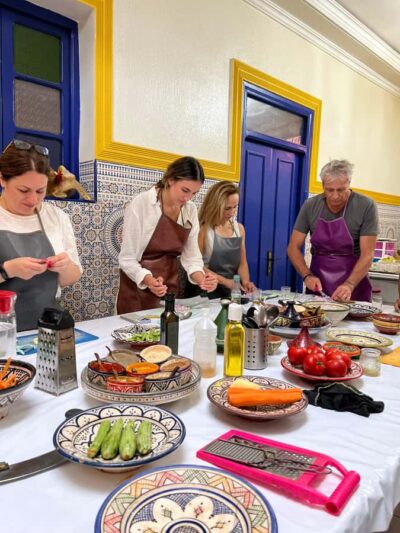
Marrakech: Traditional Moroccan Cooking Class & Market Visit
Read our review →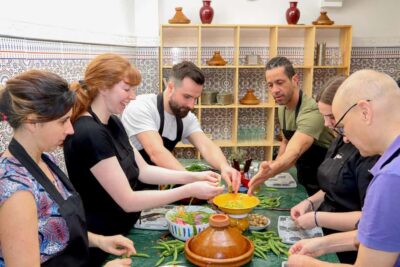
Marrakesh: Moroccan Dishes Cooking Class with a Local Chef
Read our review →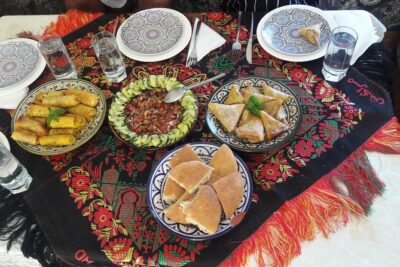
Moroccan Cooking Class & Marrakech Market Visit with Chef Khmisa
Read our review →
Half-Day Cooking Class with Local Chef Laila in Marrakech
Read our review →
Marrakech: Moroccan Cooking Class with a Local Family
Read our review →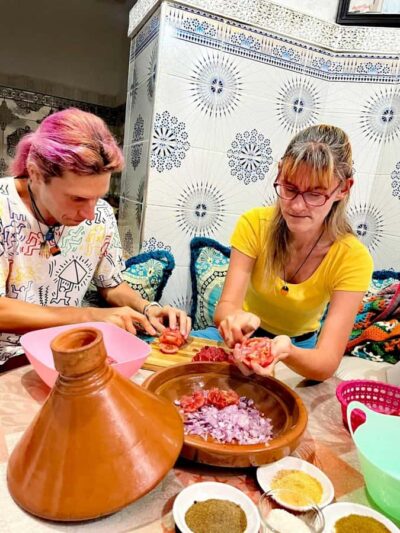
Marrakech: Moroccan Cuisine Cooking Class in Local Home
Read our review →