
Review · NEPAL
MoMo or Dal Bhat Cooking Class at Aama Kitchen in Pokhara
The best part of this Pokhara cooking class is the setting: you cook in a real family apartment with Aama, the household’s head cook, rather than in a polished school built for tourists. You can choose between folding momos from scratch or preparing Nepal’s daily staple, dal bhat.
I like two things here. First, the class is genuinely hands-on, so you do more than watch a demonstration. Second, the family setting makes room for conversation about spices, vegetables, festivals, and ordinary Nepali life. The main consideration is that this is a home kitchen, not a formal culinary studio, and it is not suitable for people with food allergies.
Key points at a glance
- Choose your main dish: Select momos or dal bhat when booking and learn one meal in detail.
- Cook in a family home: The class takes place in Aama’s apartment, about 25 minutes from Pokhara’s Lakeside area.
- Expect patient instruction: Hosts such as Shanta and Sadaha have been praised for kind, careful teaching, including help with tricky momo folds.
- Make the full meal: Dal bhat includes more than rice and lentils, with attention to vegetables, spices, curries, and preparation.
- Private and practical: Your three-hour session includes hotel pickup, ingredients, equipment, cooking, eating, and the return ride.
- Good value for food lovers: At $28 per person, the price covers transport and a meal as well as personal instruction.
Why a family kitchen changes the class
Momos and dal bhat are easy to find in Pokhara. Learning how to make them in a restaurant kitchen is a different matter. At Aama Kitchen, you enter a household setting where the cooking has a daily purpose. The point is not simply to produce a plate that looks good in photographs. You get a closer look at how a Nepali family prepares familiar food.
That setting can feel more personal than a standard group lesson. You have time to ask questions, watch the cook work, and take notes. One person who attended alone said she never felt lonely and felt part of the family. That is an important clue about the tone of the experience: the class is built around conversation as much as instruction.
The atmosphere also means you should set your expectations correctly. This is a cooking class in a family apartment, not a restaurant, hotel kitchen, or professional training facility. If you enjoy neat demonstrations, commercial equipment, and a formal schedule, the informal style may feel basic. If you want a glimpse of everyday home cooking, it is a strong fit.
More cooking classes around Nepal:
- Half day cooking class in Thamel kathmandu
★ 5.0 · 607 reviews - Kathmandu: Local Women-Led Nepali Cooking & Momo Class
★ 4.9 · 360 reviews - Kathmandu: Local Lead Nepali Cooking & Momo-Making Class
★ 5.0 · 212 reviews
Your 25-minute ride from Lakeside to Aama’s home
The experience begins with pickup from your hotel within Pokhara’s Lakeside area. You should wait in the lobby about 10 minutes before your scheduled pickup time. The drive to the family home takes roughly 25 minutes, then you return to Lakeside after the class.
The included transport adds real value. You do not need to arrange a taxi to an unfamiliar neighborhood or find your way back after a filling meal. It also turns the class into a tidy half-day activity, with a clear beginning and end.
Pickup is limited to hotels within the Lakeside area, so confirm that your accommodation qualifies before booking. Large bags and luggage are not allowed, and comfortable clothes and shoes are sensible choices. Cooking can be messy, and you will want freedom of movement.
The transfer received a 93 percent perfect score for transport. That is useful reassurance, but allow some flexibility around the pickup time since local traffic and road conditions can affect a 25-minute drive.
Choosing between momos and dal bhat
You choose one of two dishes: momos or dal bhat. The choice matters because each teaches a different side of Nepali food.
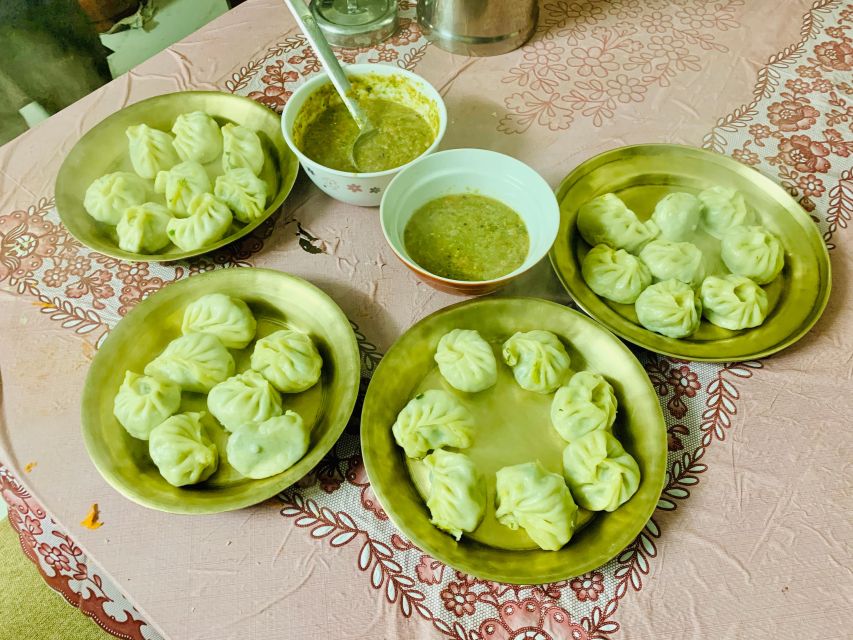
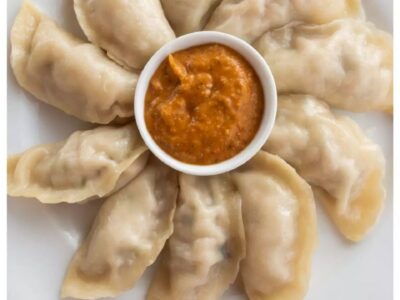
Momos are the more immediately playful option. You work with the filling, shape the dumplings, and learn the folding technique. The folding looks simple until you try it. One participant said she was absolutely horrible at first, but found the teacher patient and encouraging. That is good news if your dumplings come out lopsided. The class is about learning, not passing a pastry exam.
Momos also suit families and first-time cooks. The process is easy to understand, the shapes give you something to practice, and you get to eat the results soon afterward. A family with children enjoyed the chance to learn how to make a dish they had already been eating in Nepal.
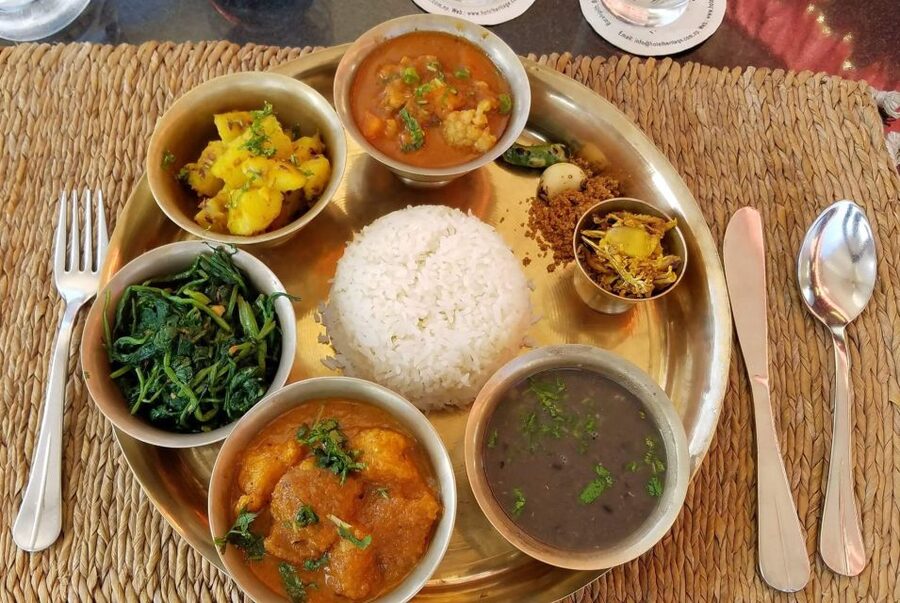
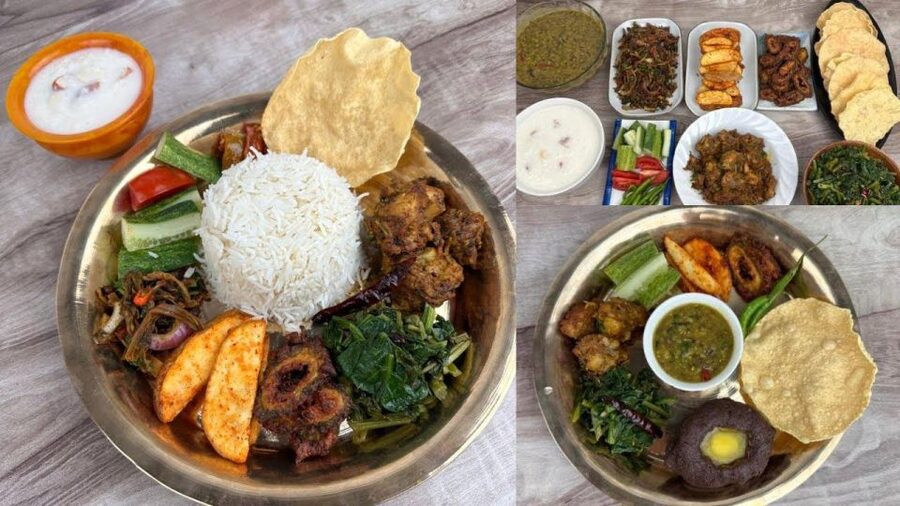
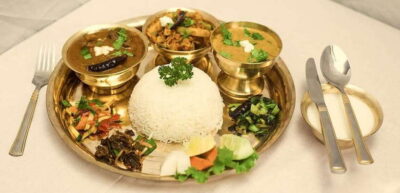
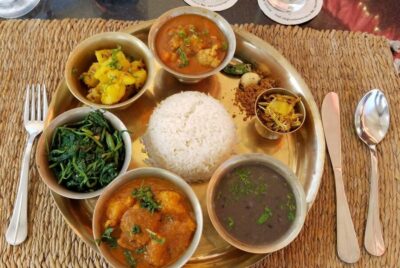
Dal bhat offers a broader picture of Nepali home food. It is not just a bowl of rice and lentils. The preparation can include vegetables, spices, and curries, and you learn how these parts fit together. One class participant came away with notes on spices, vegetables, their origins, and harvest times in Nepal.
Choose dal bhat if you want the more complete lesson in everyday cooking. Choose momos if you prefer a focused activity with a clear technique and a satisfying meal at the end. You can do the other class on a separate visit, but the supplied details only promise one selected dish per booking.
What the three-hour schedule feels like
The class lasts about three hours, including the transfer arrangement and cooking experience. The exact starting time depends on availability, so check the schedule before you commit to another activity on the same day.
After arriving, you meet the family and settle into the kitchen. The instruction is step by step, with the host explaining what to do rather than leaving you to copy from a distance. English and Hindi are available, which makes the lesson accessible to many international visitors and Indian guests.
You then prepare your chosen dish with the ingredients and equipment supplied. The hands-on format is the central value here. You are not simply handed a recipe after a demonstration. You help craft the food, cook it, and eat what you have made.
The cooking itself creates natural time for questions. Ask about a spice, a cooking method, or the role of a dish in Nepali life. A Q&A session is included, and the class has been used to talk about Nepalese culture as well as food.
At the end, you sit down to enjoy the meal. The final tasting is not an extra restaurant stop. It is the payoff for the work you have just done, and it gives you a chance to judge the balance of flavors while the instructions are still fresh.
You then receive the return transfer to your Lakeside hotel. The total experience is private, so you are not placed into a large class with strangers.
Same kitchen, a different dish:
- Local Women Lead Nepali Cooking Class
★ 5.0 · 125 reviews - Nepalese Kitchen in Pokhara: Momos or Dal Bhat Cooking Class
★ 5.0 · 67 reviews - Kathmandu: Local Women-Lead Nepali Cooking & Momo Class
★ 4.9 · 45 reviews - Kathmandu: Local Lead Nepali Cooking & Momo Making Class
★ 4.9 · 40 reviews
Learning from Shanta, Sadaha, and Aama’s family
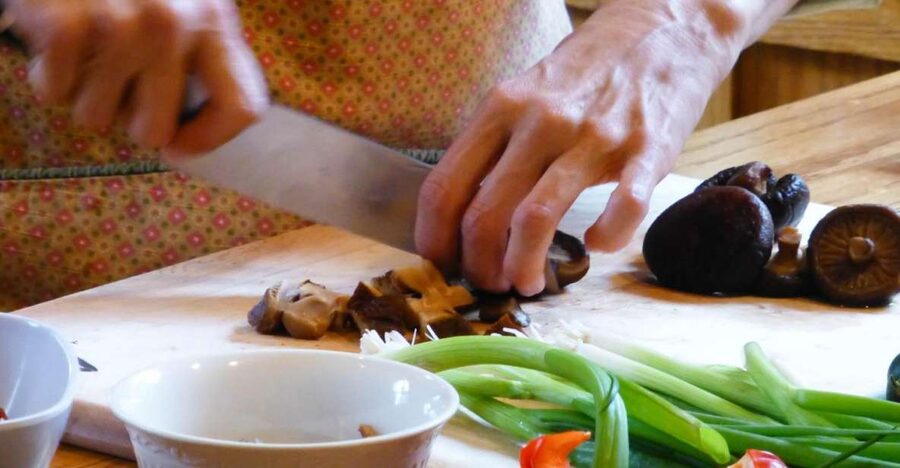
The experience is presented around Aama, the family head and an experienced Nepali house cook. Individual sessions may involve family members such as Shanta or Sadaha, names that appear in the feedback from previous bookings.
Shanta is described as an excellent cook, with especially high praise for the finished food. Sadaha led a dal bhat session that left one participant eager to recreate the meal at home. The names matter because this is not an anonymous demonstration. You are meeting people in their own home and learning directly from the family.
The teaching style seems especially forgiving for beginners. Momo folding can frustrate a first-timer, but the class makes room for repeated attempts. That patience is valuable because a recipe alone cannot show you how the dough should feel or how tightly to shape each dumpling.
The instruction also reaches beyond measurements. You can ask why a certain spice is used, how vegetables fit into the meal, and how food connects with Nepali customs. During one festival-period class, the food lesson included a tika and a small Hindu ceremony. That kind of cultural moment cannot be guaranteed, but it shows how a home visit may include more than cooking.
What makes the food lesson worthwhile
A recipe you can repeat at home is one of the best souvenirs from a cooking class. The hosts provide the ingredients, equipment, and instruction during the session, and you can take the recipe home afterward.
For momos, the lasting skill is the method: preparing the filling, working with the wrapper, and folding the dumplings. The shapes may not look perfect on your first attempt, but the practice helps you understand the process.
For dal bhat, the lesson gives you a useful framework for recreating a Nepali meal. You learn how the rice, lentils, vegetables, and curries work together rather than treating each part as an isolated recipe. That makes it more useful for home cooks who want to serve a complete meal.
The class is also a good way to understand why Nepali food is not simply Indian food with a different name. The session focuses on Nepalese dishes, local ingredients, spice use, and family cooking habits. You get context alongside the instructions.
Price, group size, and overall value
The price is $28 per person. For three hours of private instruction, ingredients, cooking equipment, the meal you prepare, and round-trip pickup within Lakeside, that is a fair price.
The value is strongest if you use the class as a cultural activity rather than comparing it only with the cost of a plate of momos. You can eat momos or dal bhat cheaply in Pokhara. What you are paying for here is access to a family kitchen, personal teaching, transport, and the chance to ask questions.
Private group status is another advantage. You get a more direct lesson and do not need to match the pace of a large class. It may also suit couples, families, or solo participants who want a quieter setting.
There are limits. The activity may not suit you if your main aim is professional chef training, advanced knife work, or a broad menu of several dishes. You choose one main option, and the kitchen is homely rather than built for culinary instruction.
The booking terms are flexible: you can reserve and pay later, and cancellation is free up to 24 hours before the start for a full refund. That helps if your Pokhara plans depend on weather or changing trekking schedules.
Who should book this Pokhara cooking class
I would recommend this class to anyone who enjoys food and wants a personal connection with Nepali life. It is particularly suited to:
- Solo visitors who want a social, welcoming activity
- Couples seeking a private cultural experience
- Families who enjoy hands-on lessons
- First-time cooks who appreciate patient instruction
- People who want a recipe they can make after returning home
- Visitors staying in Lakeside who value included transport
It is also a good choice for someone who has already eaten plenty of momos or dal bhat and wants to understand what goes into them. The class turns a familiar restaurant dish into something more meaningful.
I would hesitate if you have food allergies, since the activity is specifically listed as unsuitable for people with allergies. I would also think twice if you dislike informal home settings, cooking participation, or spending several hours around food preparation.
Wheelchair access is available, but because the class takes place in a family apartment, you may want to confirm the practical details for your particular needs before booking.
Simple tips for a better session
Choose your dish when you book, using the comment field to request momos or dal bhat. If you are torn, pick momos for folding practice and a lighter, more focused activity. Pick dal bhat for a wider lesson about spices, vegetables, and the structure of a Nepali meal.
Arrive in comfortable clothes and shoes. Leave large bags and luggage at your hotel, since they are not allowed during the activity.
Keep your schedule open around the three-hour class and the two transfers. Wait in your hotel lobby 10 minutes before pickup, and make sure your hotel is within Lakeside.
Bring a phone or small notebook if you want to record the recipe and spice notes. Several participants found the instructions useful enough to recreate the meal at home, and writing down details will help you remember them.
Should you book Aama Kitchen?
Book it if you want more than a meal. The strongest reasons are the real family setting, patient instruction, private format, and included transport. The cooking is active, the food is eaten fresh, and the conversation can lead into Nepali customs and daily life.
Choose dal bhat for the broadest look at home cooking, especially if you care about spices, vegetables, and complete meals. Choose momos if you want a fun technique to practice and a dish that is easy to share with family at home.
Skip it if you have food allergies or want a formal culinary school with advanced equipment. For everyone else, $28 buys a personal three-hour activity that connects the plate in front of you with the people and habits behind it.
FAQ
Where does the cooking class take place?
The class takes place in Aama’s family home in the Pokhara area, about 25 minutes by car from Lakeside.
Is hotel pickup included?
Yes. Round-trip transfer is included for hotels within the Lakeside area of Pokhara.
How early should I wait for pickup?
You should wait in your hotel lobby 10 minutes before your scheduled pickup time.
How long does the experience last?
The activity lasts three hours. Check availability for the specific starting times.
Can I choose between momos and dal bhat?
Yes. You choose momos or dal bhat when booking and should include your choice in the booking comments.
What languages are available?
Instruction is available in English and Hindi.
Is this a private class?
Yes. The activity is offered as a private group experience.
Is the class suitable for wheelchair users?
The activity is listed as wheelchair accessible. Since it takes place in a family apartment, confirm any specific access needs before booking.
What should I bring?
Wear comfortable clothes and comfortable shoes. Large bags and luggage are not allowed.
Can I cancel for a refund?
Yes. You can cancel up to 24 hours in advance for a full refund. You can also reserve now and pay later.
New cooking classes around Nepal
- Kathmandu: 3-Hours of Cooking Class with Meals★ 5.0 · 10 reviews
- Pokhara: Nepali Cooking Class and Momo Making Workshop★ 5.0 · 6 reviews
- Pokhara: 3 Hour MoMo cooking class★ 4.5 · 10 reviews
- Nepalese Kitchen in Pokhara: Momos or Dal Bhat Cooking Class★ 5.0 · 67 reviews
- Local Women Led Nepali Cooking Class★ 5.0 · 6 reviews
- Kathmandu: Nepali Cooking Class with Hotel Pickup★ 4.1 · 5 reviews
- Kathmandu: Women-Led Cooking Class & Momo Making-Local Taste★ 4.8 · 15 reviews
- Kathmandu: Local Women-Lead Nepali Cooking & Momo Class★ 4.9 · 45 reviews
Nepal Cooking Classes, side by side.
Nepalese Kitchen in Pokhara: Momos or Dal Bhat Cooking Class
Read our review →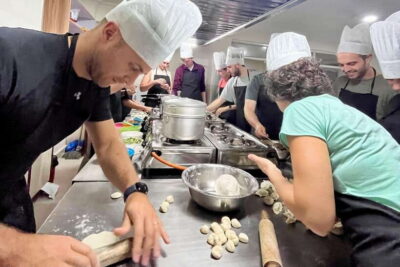
Kathmandu: Women-Led Cooking Class & Momo Making-Local Taste
Read our review →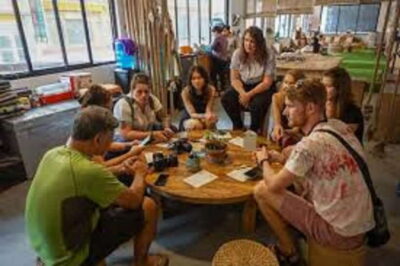
This kitchen also appears in