
Review · NEW DELHI
New Delhi: 5-Hour Traditional Cooking Class with Local Chef
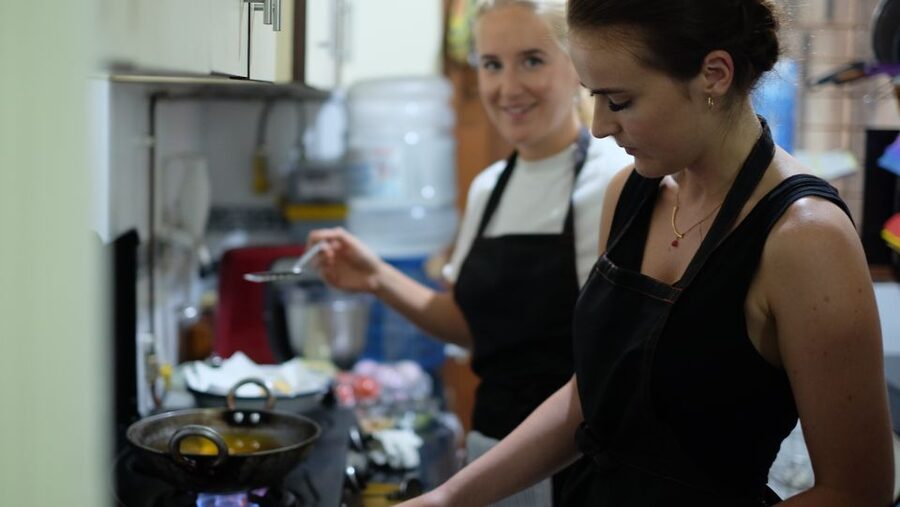
Indian cooking makes the most sense when you learn it at the stove, not from a recipe card. In this five-hour class at a local chef’s home, you’ll work through spices, tempering, dough, lentils, chutney, dessert, and masala chai, then eat what you made. It is a hands-on look at everyday vegetarian food in India.
I like the small group of six or fewer, which gives you a better chance to ask questions and handle the ingredients yourself. I also like the useful spice gift pack, since it lets you try some of the techniques again at home. The main drawback is the location: the meeting point is by Dwarka Sector 22 Metro station, and one past participant found the taxi ride from central Delhi longer than expected.
Key points to know before booking
- Five hours in a local chef’s home: This is a cooking lesson and shared meal, not a quick demonstration.
- A full vegetarian menu: Expect pakoda, chutney, roti, parantha or puri, daal, vegetables, dessert, and masala chai.
- Small groups up to six: You get a more personal lesson than you would in a large culinary class.
- Practical spice instruction: The chef explains how spices work, how tempering changes flavor, and how ingredients affect one another.
- Food, snacks, drinks, and spices included: You eat during the class and take home a small spice gift pack.
- Dwarka location matters: Meet in front of Dwarka Sector 22 Metro station. Hotel pickup and drop-off are not included.
What this New Delhi cooking class is really about
This experience is less about mastering a single signature dish and more about learning the building blocks of Indian home cooking. You’ll explore how spices are used, what happens when they are heated, and how ingredients change the taste and texture of a dish.
The class focuses on vegetarian food from several Indian cuisines. That makes sense for a five-hour introduction, since lentils, vegetables, flatbreads, chutneys, and sweets offer a wide range of techniques without turning the session into a race through too many recipes.
You should expect to cook rather than simply watch. The class is described as interactive, so you’ll likely take part in preparing the food, handling dough, mixing chutney, working with lentils, and following the stages of a full meal.
The chef also explains the social and health role of certain foods. That extra context is useful because Indian cooking is not just a list of spices. Food choices can relate to daily habits, regional traditions, family meals, and the way dishes are served together.
More cooking classes around India:
- Pink City Cooking Class
★ 5.0 · 452 reviews - Five Course Cooking Class & Meal
★ 5.0 · 250 reviews - Indian Cooking Class in an Authentic Local Home – Learn 6 Dishes
★ 5.0 · 195 reviews
Meeting the chef near Dwarka Sector 22
Your meeting point is in front of Dwarka Sector 22 Metro station. From there, you’ll go to the chef’s home for the lesson.
This location is one of the practical details to take seriously. Dwarka is in the western part of New Delhi, and the ride may take longer than you expect if you are staying in another part of the city. One participant specifically found the taxi ride from the hotel farther than expected, though the class was considered worth the trip.
I would build extra time into your schedule and avoid placing this class right before another fixed appointment. Hotel pickup and drop-off are not included, so you are responsible for reaching the meeting point and returning afterward.
The home setting is an important part of the experience. You are not cooking in a commercial restaurant kitchen designed for public demonstrations. You are being welcomed into a local setting, where the lesson can focus on everyday food and the habits behind it.
The instructor speaks Hindi and English. If Shikha leads your session, expect a host who is warm, clear, and willing to explain the details behind each stage of cooking. The exact chef may depend on the booking, but the format remains centered on a local chef teaching in a home.
The first lesson: spices, tempering, and chutney
The class begins with the basic logic of Indian seasoning. You’ll learn that spices are not all added at the same moment, and that heating them in oil can change their aroma and effect.
Tempering is one of the most useful skills covered here. It means heating spices in oil or another cooking fat so they release flavor before being added to a dish. The timing matters. Too little heat and the spices may remain dull. Too much and they can burn.
This kind of instruction is more useful than simply being handed a printed recipe. You learn to pay attention to smell, color, and timing. Those signals help you cook even when you do not have the exact ingredient or measurement later.
Chutney provides an early, approachable dish. It brings together texture, sharpness, heat, and freshness, and it works well with pakoda and other snacks. You’ll see how a small side dish can change the character of the whole plate.
The spice gift pack is a practical bonus here. You can take home some essential spices and attempt the dishes again. It will not turn you into an Indian home cook overnight, but it gives you a useful starting point and helps connect the lesson to your own kitchen.
Pakoda, breads, and the feel of an Indian meal
Pakoda is listed as part of the sample menu, served with chutney. These are the sort of snacks that make a cooking class feel social rather than purely technical. You prepare something, taste it, and then adjust your understanding of seasoning and texture.
The bread section gives you a chance to see how Indian flatbreads differ. Depending on the final menu, you may prepare roti, parantha, or puri. The class may include several types of bread, each showing a different approach to dough, shaping, and cooking.
Roti is a simple flatbread, but simple does not mean effortless. Dough consistency and cooking temperature matter. Parantha adds more texture and often more fat, while puri is prepared differently and has its own cooking method.
The exact bread selection may vary, so do not book this expecting a fixed menu down to every item. The listed choices are better understood as a guide to the kinds of food you may prepare.
I like this part of the class because bread gives you a physical sense of Indian cooking. You are not only measuring ingredients. You are feeling dough, shaping it, and watching it change on the cooking surface.
Same kitchen, a different dish:
- Private Guided Cooking Workshop Experience in Jodhphur
★ 5.0 · 158 reviews - Jaipur Market Tour & Vegetarian Rajasthani Home Cooking Class
★ 5.0 · 113 reviews - Cooking Class in Jaipur – Family Experience with Meal & Transport
★ 5.0 · 101 reviews - Interactive Cooking Class with a Local Family in Jaipur
★ 5.0 · 90 reviews
Daal and vegetable dishes make the class feel complete
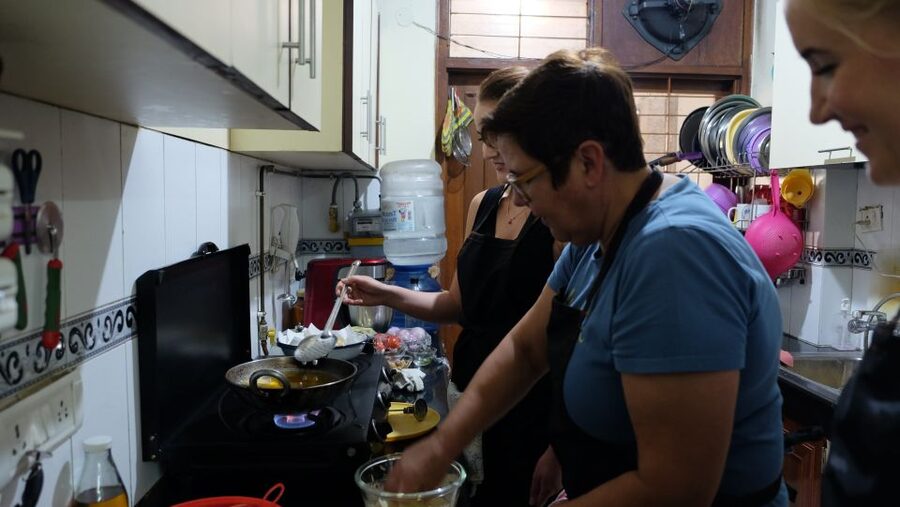
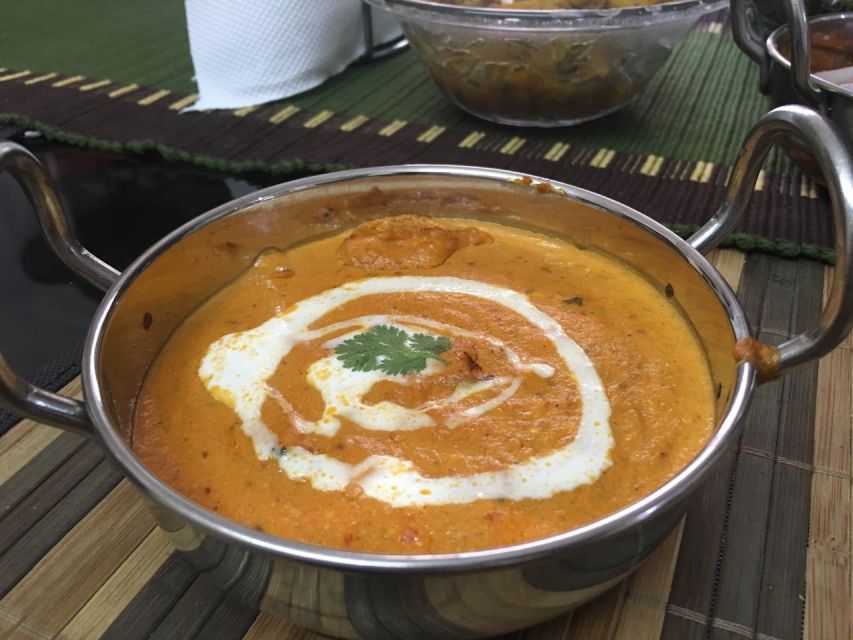
The menu includes one or two daals, along with one or two vegetarian dishes. Lentils are central to many Indian meals, and learning to cook them gives you a useful everyday skill.
A daal lesson can cover more than simmering lentils. You may learn how spices are added, how the texture is adjusted, and how a final tempering changes the taste. These details matter because daal can be mild and comforting or bold and aromatic, depending on the seasoning.
The vegetable dishes add another layer. Indian vegetarian food is not one single style. Different combinations of spices, cooking times, and textures can make vegetables feel entirely different from one dish to the next.
This portion of the class also shows why the chef discusses ingredient effects. A spice may add aroma, heat, color, or depth. An ingredient may be used early to build flavor or later to keep its character. Those are the choices that separate a thoughtful dish from vegetables simply cooked with curry powder.
You’ll have at least one meal, plus snacks and non-alcoholic drinks. Since the food is prepared during the session, the meal is part of the lesson rather than an unrelated restaurant course.
Dessert and masala chai finish the menu
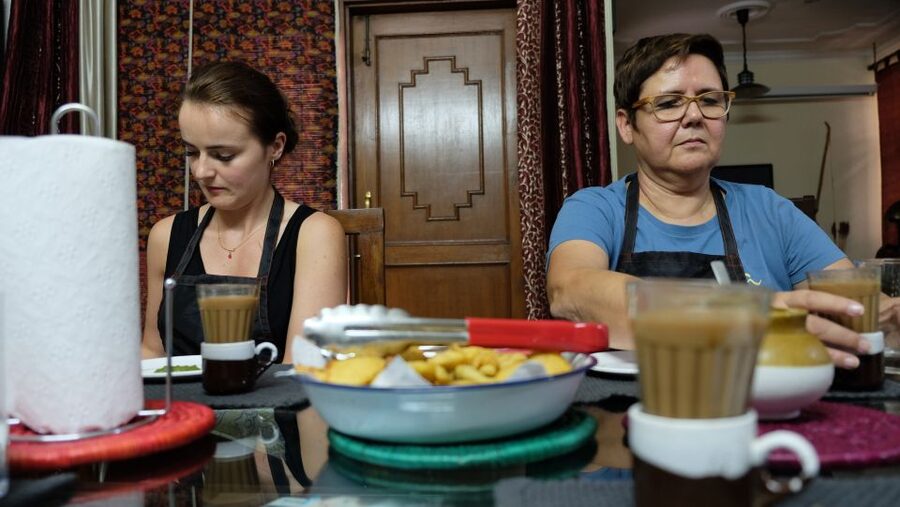
Masala chai is included, and it gives the class a pleasant way to finish the savory cooking. You’ll learn how tea, milk, spices, and sweetness work together. The exact spice blend can vary, so the lesson may also help you understand how to adjust the drink to your taste.
Dessert may be kheer or halwa, with one or two local sweets listed for the sample menu. Kheer and halwa use different methods and textures, so this final section adds useful contrast to the breads and lentils.
Dessert also shows how Indian meals can move from sharp, salty, and spicy flavors toward something sweet and comforting. By this point, you’ll have worked through several kinds of cooking: frying, simmering, bread making, seasoning, and sweet preparation.
The full meal gives the five hours a clear shape. You learn a technique, help prepare a dish, and then taste it as part of a larger spread. That rhythm is more satisfying than spending the entire session watching the chef cook.
Why the small group changes the experience
The class is limited to six participants. That is a strong size for a hands-on lesson because you should have more room to ask questions and take part in the preparation.
Small groups also make a home setting feel more natural. A large crowd would make a private kitchen awkward and could turn the class into a demonstration. With fewer people, the chef can spend more time explaining spice use, tempering, and the reasons behind each step.
Do not assume a small group guarantees one-on-one instruction at every moment. You are still sharing the kitchen and the meal with other participants. But six people or fewer is a reasonable setup for an interactive class.
The chef’s teaching style matters as much as the menu. The strongest part of this experience is the explanation behind the food. You should expect careful guidance rather than being rushed from one recipe to the next.
What is included, and what is not
The $60 price includes the five-hour class, the local chef instructor, at least one meal, snacks, non-alcoholic drinks, and a gift pack of spices. For a cooking activity that occupies half a day and includes substantial food, that is a fair package.
The value improves if you want more than a meal. You are paying for instruction, access to a local home setting, hands-on cooking, cultural context, and ingredients used during the class. The spice pack gives you something tangible to use after returning home.
Alcohol is not included. Meat dishes are also not included in the standard class, which focuses on vegetarian Indian food. Meat dishes may be added if requested in advance, so ask about that before booking rather than assuming it will be available on the day.
A full-day cooking class is offered as an option. It includes more dishes and may suit serious food fans, but the five-hour version already covers a broad range of food. For most visitors, half a day is enough to learn several core techniques without turning the experience into an all-day commitment.
Who will enjoy this class most
I would recommend this experience to anyone who likes to understand food by making it. It is especially useful if you want to learn how Indian spices are handled instead of simply eating Indian food at restaurants.
Vegetarians should find the standard menu especially appealing. So should families, couples, and solo visitors who prefer a small group and a relaxed home setting.
It also suits cooks at different skill levels. Beginners can learn the basics of dough, lentils, chutney, and spice use. More experienced cooks can focus on tempering, regional differences, and the relationship between ingredients.
You may want to choose another activity if you are looking for a quick class near central Delhi, a restaurant-style cooking school, or a menu centered on meat. The Dwarka location requires planning, and the standard menu is vegetarian.
The class is wheelchair accessible, which makes it available to a wider range of visitors. You should still confirm any specific access needs when booking, since a private home may have details that are not described in the activity information.
Booking details that matter
The activity lasts five hours, but the available starting time depends on the date you choose. Check the schedule carefully before committing, especially if you have airport plans, sightseeing, or a train to catch afterward.
You can cancel up to 24 hours in advance for a full refund. You can also reserve now and pay later, which helps if your New Delhi plans are still changing.
Since hotel transport is not provided, plan your route to the Dwarka Sector 22 Metro station. The metro meeting point is clear, but allow time for the journey from your accommodation and for finding the exact meeting spot.
The class is offered in Hindi and English. That makes the lesson workable for English-speaking visitors, while the home setting keeps the experience tied to local food culture rather than presenting a generic international cooking course.
Should you book this New Delhi cooking class?
Book it if you want a practical introduction to Indian vegetarian food and do not mind traveling to Dwarka. The combination of hands-on cooking, careful spice instruction, a shared meal, and a take-home spice pack gives you useful value for five hours.
The best reason to choose it is the range of skills. You are not learning only one curry. You may work with pakoda, chutney, several breads, daal, vegetables, masala chai, and dessert, while also learning why spices are tempered and how food fits into Indian daily life.
Skip it if you need hotel pickup, want a central Delhi location, or expect meat dishes as part of the standard menu. For everyone else, this is a friendly, food-focused way to spend half a day, especially if you want to return home with more than photographs and restaurant memories.
FAQ
Where does the cooking class meet?
The meeting point is in front of Dwarka Sector 22 Metro station in New Delhi.
How long does the experience last?
The cooking class lasts five hours.
What food will I learn to prepare?
The sample menu includes pakoda with chutney, roti, parantha or puri, one or two daals, one or two vegetarian dishes, masala chai, and kheer or halwa. The exact menu may vary.
Is the class vegetarian?
Yes. The standard class focuses on vegetarian Indian food. Meat dishes may be added if requested in advance.
Is food included?
Yes. The experience includes at least one meal, snacks, and non-alcoholic drinks.
Do I receive anything to take home?
Yes. A gift pack containing essential spices is included.
Is hotel transportation included?
No. Hotel pickup and drop-off are not included. You need to reach the meeting point at Dwarka Sector 22 Metro station yourself.
New cooking classes around India
- Private Cooking Class In Jodhpur With Family★ 5.0 · 2 reviews
- New Delhi: Indian Cooking Class in a Local Home★ 5.0 · 65 reviews
- New Delhi: Full-Day Cooking Class learn 8 dishes with Locals★ 5.0 · 7 reviews
- Mumbai Coastal Cooking: From Fishing Net to Flavourful Plate★ 5.0 · 5 reviews
- Kerala Traditional village cooking class (Munnar)★ 4.8 · 15 reviews
- Kerala: Cooking Class in Munnar★ 5.0 · 2 reviews
- Jodhpur 11 Dishes Cooking Class With REKHA Pick Up & Drop OF★ 5.0 · 24 reviews
- Jodhpur Desert Camel Safari With Cooking Class With Sumer★ 5.0 · 5 reviews
New Delhi Cooking Classes, side by side.
Indian Cooking Class in an Authentic Local Home – Learn 6 Dishes
Read our review →
Delhi: AI Cooking Class and Much More in a Local Family Home
Read our review →
Spice Knight (Cooking Class -> Meal -> Local Market walk)
Read our review →
New Delhi: Traditional Indian Cooking Class & Market Visit
Read our review →
New Delhi: Full-Day Cooking Class learn 8 dishes with Locals
Read our review →This kitchen also appears in