
Review · PARIS
Paris: French Macaron Culinary Class with a Chef
French macarons look delicate, but the class makes their tricky parts manageable. You’ll work through the meringue, mix the batter, prepare ganache, and learn how to produce the crisp shell and soft center that make this pastry special. The six-person limit is a real advantage: the chef can watch your technique instead of shouting instructions across a crowded room.
I especially like the hands-on format and the family-friendly teaching. Children as young as five and six have taken part successfully, while adults with failed batches at home have gained the confidence to try again. The main consideration is timing: although the advertised length is 150 minutes, one class finished in about 1 hour 45 minutes, and the meeting door can be easy to miss.
Key Points
- Small class of up to six: You get direct help with piping, mixing, and shaping.
- A real pastry lesson: The focus is on meringue, ganache, shells, texture, colors, and flavors.
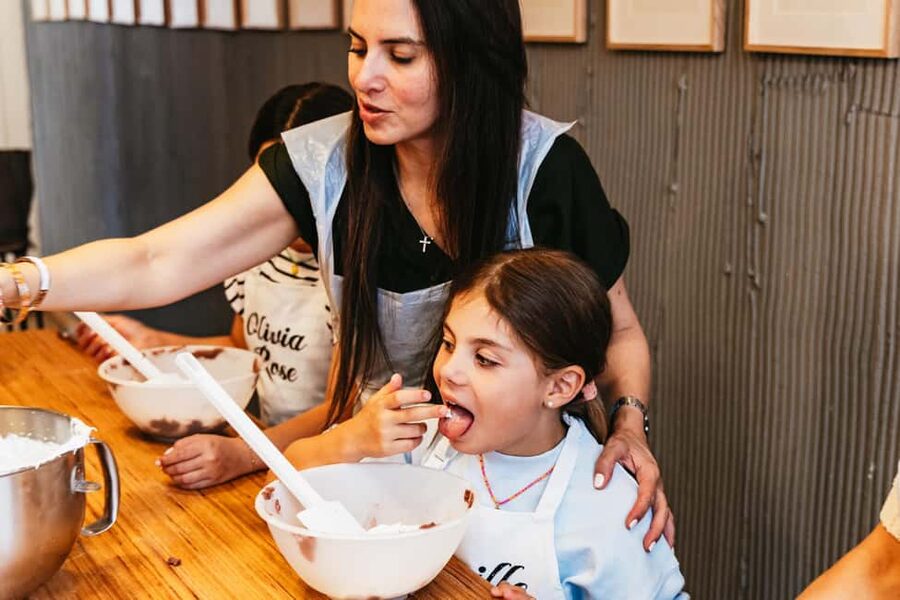
- Good for families: Children and teenagers can take an active role rather than simply watch.
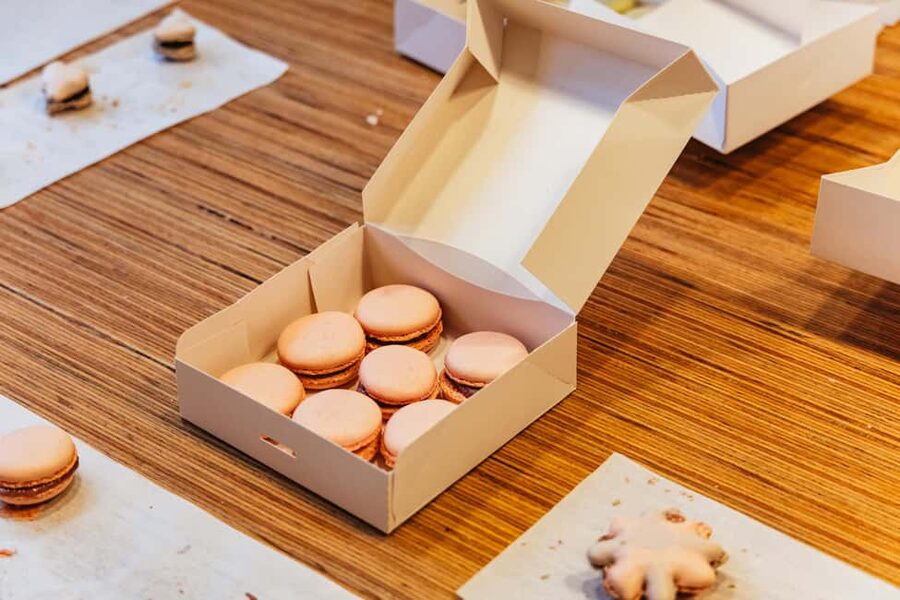
- Take-home box included: Your finished macarons become both a snack and a souvenir.
- English instruction: Chefs such as Alice, Delphine, Amélie, Matthieu, and Christian have led sessions.
- Central Paris setting: Meet at Maison Fleuret School, in front of the grey door, with no hotel pickup.
Why Macarons Are Worth Two and a Half Hours
A macaron class gives you a different view of French food. You are not simply buying a pretty box from a pastry shop. You are learning why the pastry behaves as it does, and you get to eat the results soon after making them.
The key challenge is the meringue. The chef shows you how to handle it, then explains how that mixture becomes the smooth batter used for the shells. Small changes matter. Mix too little and the batter can remain thick. Mix too much and it can lose the body needed to hold its shape.
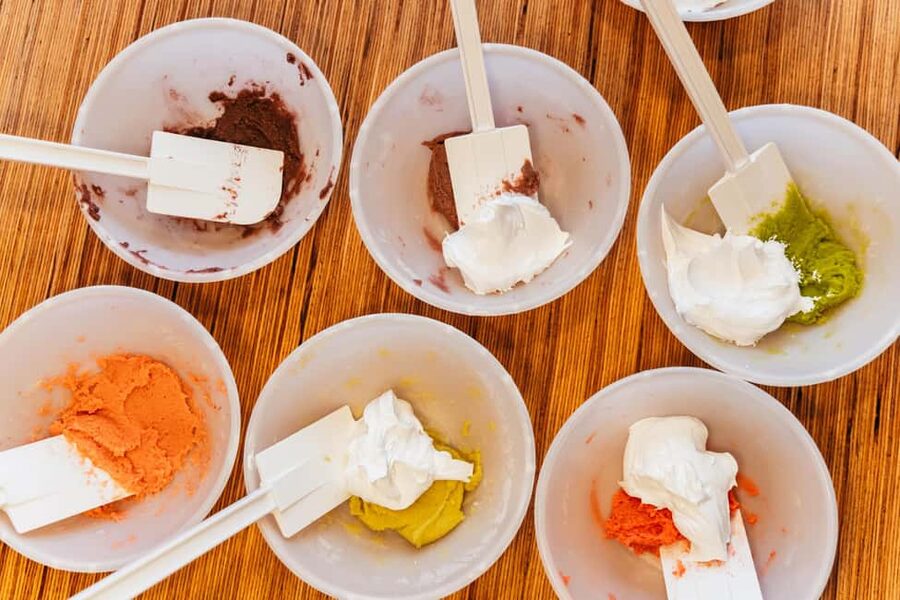
The ganache brings a second lesson. You learn how the filling is made and how it should sit between two shells. The aim is a crisp outside with a soft, flavorful center. That contrast is the whole point of a good macaron, and the class keeps returning to it.
The listed duration is 150 minutes, which gives the lesson enough room for instruction, preparation, baking, filling, and packing. Still, allow some flexibility. One participant reported finishing after 1 hour 45 minutes, so the actual pace may depend on the group and the work already prepared by the kitchen.
More Tiramisu and Dessert Classes in France
- Paris Cooking Class: Learn How to Make Macarons
★ 5.0 · 634 reviews - Paris Macarons Small-Group Baking Class with a Chef
★ 5.0 · 316 reviews - Paris: Macaron Baking Class for Families and Kids
★ 4.7 · 270 reviews
Arriving at Maison Fleuret School
The meeting point is in front of a grey door at Maison Fleuret School. There is no hotel pickup or drop-off, so you need to make your own way there and arrive at the reserved time.
The lack of clear signage deserves attention. One participant found the entrance less obvious than expected, and the instruction to meet at the grey door is useful for a reason. Save the address and allow a few extra minutes to find the entrance, especially if you are fitting the class between museum visits or meals.
The location has been described as central and the school operates in a proper kitchen setting. Other pastry sessions, including croissant and lemon tart classes, may be taking place nearby. That helps create the feel of a working pastry school rather than a staged demonstration.
A location or time change is possible, so check your messages before setting out. When changes have occurred, the provider has sent updates in advance. That is reassuring, but it still pays to check the latest information on the day.
A Small Group Makes the Difference
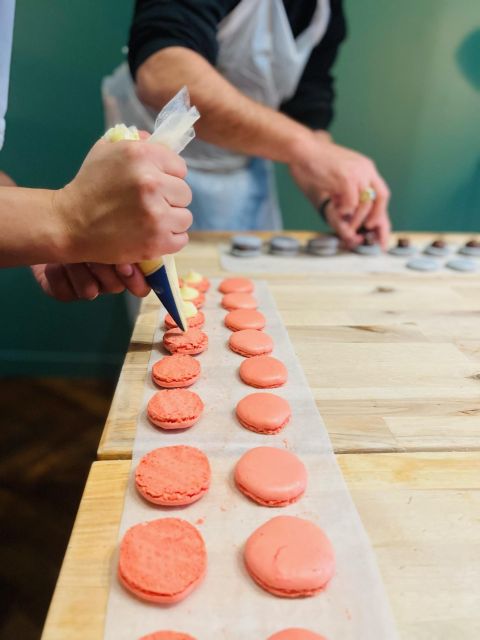
The class is limited to six participants. That number is small enough for the chef to move around the work area, watch each person, and correct a technique before a mistake spreads through the batch.
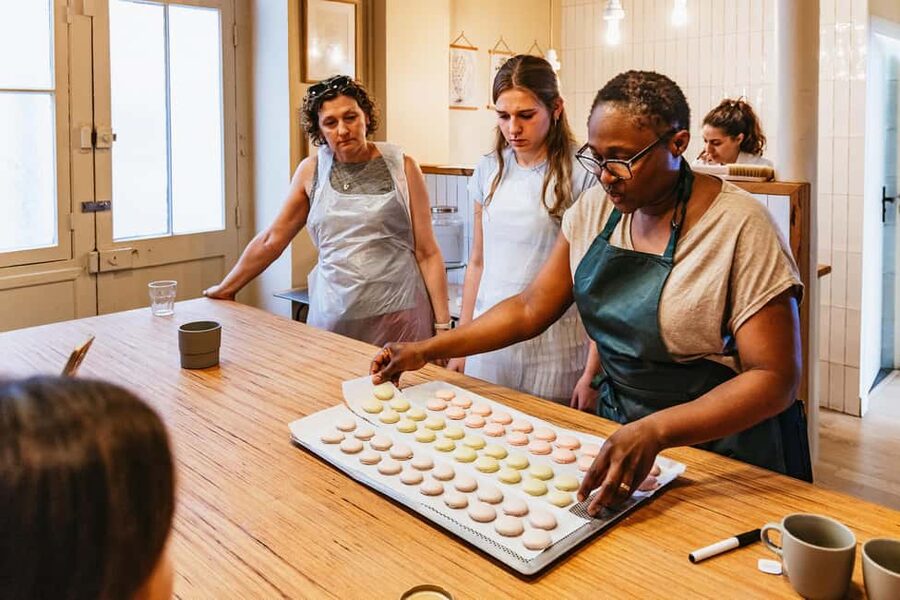
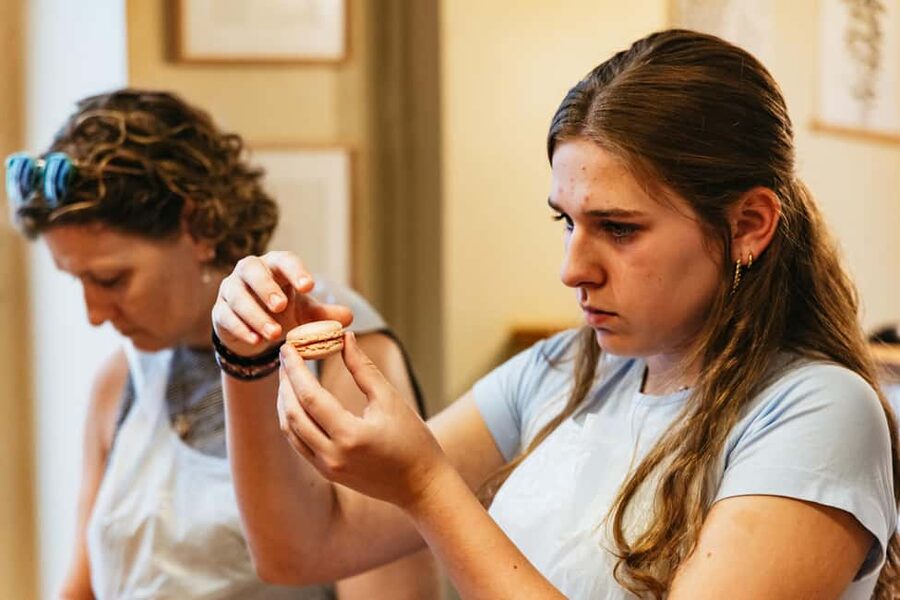
This matters most when you are piping the shells. Macaron batter has a mind of its own, and the right shape takes practice. A chef who can look at your work individually can help you adjust pressure, spacing, or consistency. You are not left trying to copy a demonstration from the far end of a large room.
The group also affects the social side of the class. You work alongside people who may be making croissants or macarons for the first time, and the shared task gives everyone an easy way to talk. It is a friendly activity without the forced feeling of a formal group tour.
A small class does not mean private instruction. You still share the chef’s attention with the other participants. For a first attempt, though, six is a useful compromise between personal help and a chance to meet other people.
Working Through Meringue, Ganache, and Shells
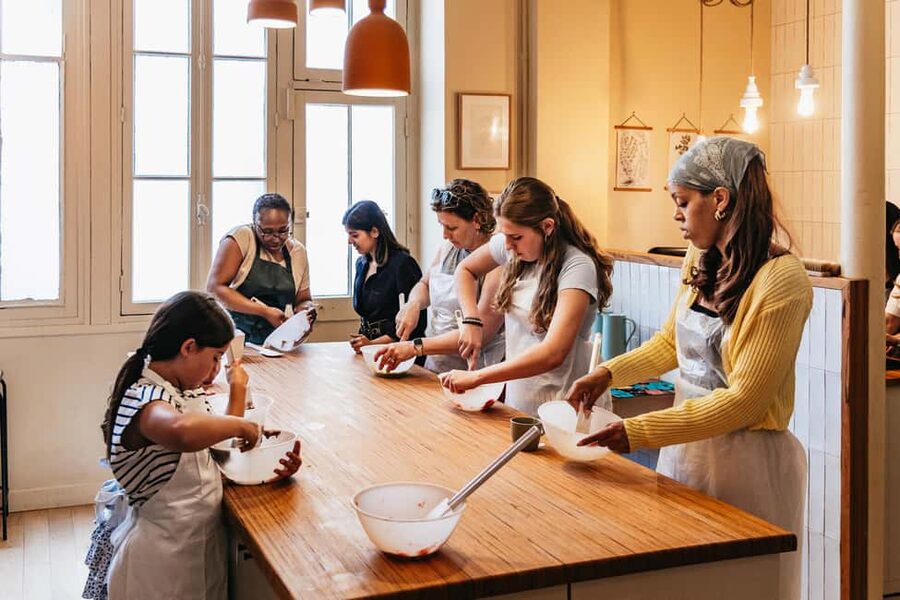
The chef begins with an explanation of the process and then demonstrates each stage. The lesson covers the meringue first, followed by the more demanding job of making the ganache.
You can expect to take part in the main steps rather than watch from the sidelines. The class is designed to help you understand how the ingredients change as you work with them. That is what makes the experience useful after you leave Paris.
The macaron shells require care. You learn how to reach a smooth surface and a crisp outer layer, while keeping the center soft. The chef also explains how to make the finished pastry look even and polished. Some sessions include a choice of colors and flavors, and one family learned how to make multicolored macarons.
The ingredients are measured for you in at least some sessions. That keeps the lesson moving and lets you focus on technique. It also means the class may not cover every detail of weighing and scaling ingredients from the beginning. If you want advanced pastry theory or a professional production lesson, this may feel introductory.
That is not a weakness for most people booking a Paris activity. Macarons are notorious for going wrong at home, and a clear demonstration of the critical steps is more useful than an overloaded technical lecture.
More Tiramisu and Dessert Classes in Paris:
- Paris: Macaron Baking Class in Central Paris
★ 5.0 · 208 reviews - Paris: Macarons Cooking Class with Pâtisserie Chef Noémie
★ 4.8 · 179 reviews - Paris: 2.5-Hour French Pastry Cooking Class
★ 4.9 · 71 reviews - Paris: French Macarons Baking Class with a Parisian Chef
★ 4.7 · 65 reviews
The Chefs Set the Tone
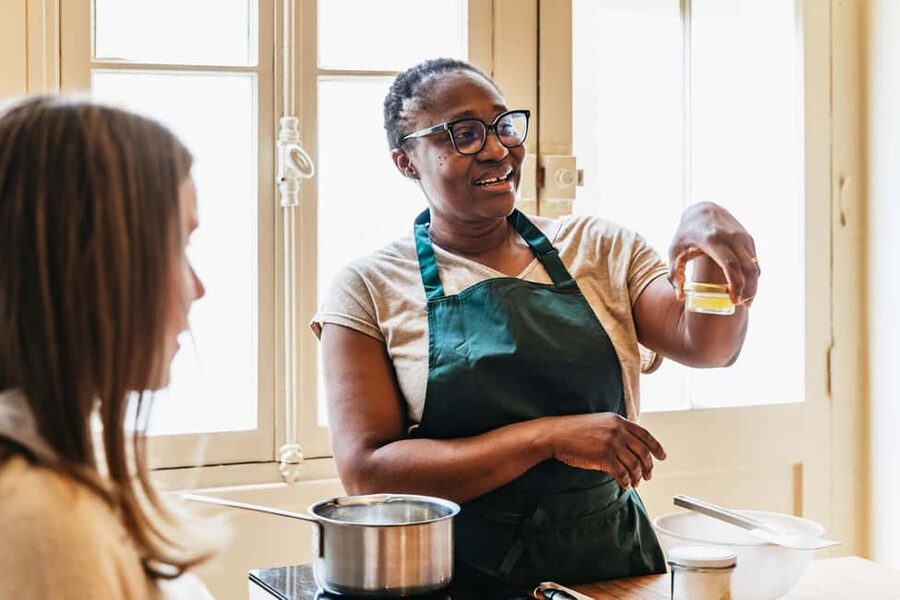
The instructor can make or break a practical class, and this experience has featured a long list of well-liked chefs. Alice has been described as upbeat and helpful. Delphine has taught in both French and English and explained how to repeat the recipes at home. Amélie has been praised for her humor, patience, and relaxed manner.
Matthieu has guided participants through each step while helping individuals correct their work. Christian has been noted for his patience and careful approach. Other sessions have been led by Felix, William, Matteo, Pauline, Julie, Eric, and Alyssa.
The names change, so you cannot book a specific chef based on the information provided. You can expect an English-language lesson, though Delphine has also used French when helpful. The teaching style appears suited to beginners, with chefs making the process feel possible instead of intimidating.
That beginner-friendly approach also works for children. A five-year-old and an eight-year-old were given enough help to take part, while children aged seven and nine produced macarons alongside their parents. Teenagers have also enjoyed the session, particularly when they are allowed to choose colors and flavors and handle the work themselves.
A Strong Family Activity in Paris
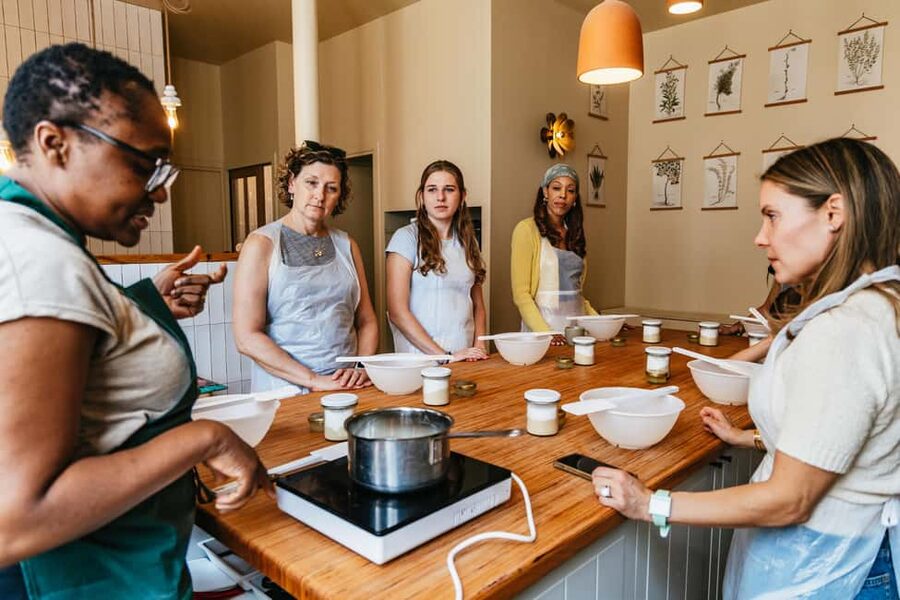
This is one of the better food activities for a family with children. You are doing something together, and the result is immediate. Children can see the mixture change, shape their pastries, and take home the finished box.
The class has worked well for families with children from about five through the teenage years, based on the specific ages described by participants. That does not guarantee every child will enjoy every stage. There can be waiting while the chef explains a technique or while the pastries are prepared, and younger children may need close help.
Still, the task is accessible. You do not need previous baking experience, and the system is structured enough that young participants can produce attractive macarons. One family was particularly pleased that the six-year-old’s results looked as good as the adults’ work.
For adults, the class can also be a pleasant break from churches, museums, and long walks. It gives you something tactile to do and leaves you with a box of pastries for later. I would choose it for a family afternoon, a parent-and-child outing, or a couple who enjoys cooking more than simply sampling food.
What You Take Home
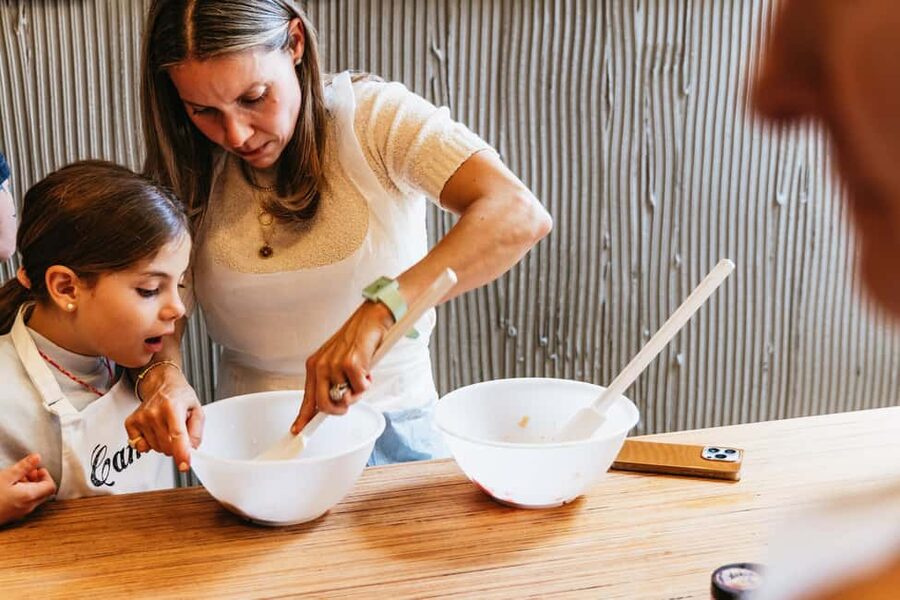
The included box of macarons is an important part of the value. You do not finish with only a recipe and a quick taste. You leave with enough pastries to share with friends or family, and some participants had macarons for several days afterward.
The exact quantity can vary, but one participant reported making a dozen or more per person. That gives you a satisfying result for the time spent in the kitchen. It also turns the box into a practical Paris souvenir, provided you handle it carefully.
Macarons are fragile. One person managed to take a box back to the United Kingdom without the container collapsing or the pastries melting in the heat. That is possible, but do not treat the box like a sturdy gift shop purchase. Keep it level, avoid heat, and do not pack it under heavy luggage.
The best part is that your box carries a story. You can point to the pastries and explain that you made the shells, prepared the filling, and learned the technique in Paris. That is more personal than bringing home another standard souvenir.
Value, Timing, and Practical Details
No price is provided here, so I cannot judge the exact cost against other Paris cooking classes. To assess value, look at what is included: 150 minutes of instruction, a chef, hands-on work, a small group capped at six, and a box of macarons.
That package is most worthwhile if you want to learn a skill rather than simply eat a pastry. If your main goal is a cheap snack, a pastry shop will cost less and take far less time. If you want a structured activity with a take-home result, the class offers more.
The session is taught in English. It is wheelchair accessible, and the small format should make it easier to receive help, though the supplied information does not describe the exact kitchen layout or any specific access arrangements. If accessibility is important for you, confirm details before booking.
Cancellation is free up to 24 hours before the scheduled time, and you can reserve now and pay later. Those terms are useful when your Paris schedule is still changing, but they do not remove the need to arrive at the correct grey door at the correct time.
A Few Drawbacks to Consider
The class is aimed mainly at beginners. You will learn the essentials of meringue, ganache, shells, and texture, but an experienced home baker may want more advanced information. One participant found the lesson too basic for that reason.
The class can also become loud toward the end, particularly when several people are working and talking at once. That is a minor point, but it matters if you prefer a quiet, highly technical workshop.
The exact duration may be shorter than the stated 150 minutes. For most people, that is not a problem, but do not plan your next appointment too tightly based on the advertised time alone. And because the entrance may have little signage, arriving early is sensible.
These limits are easy to weigh against the strengths. You get direct help, a cheerful setting, and a reliable chance to produce something that looks and tastes good. You are not signing up for a pastry-school qualification, and the class works best when you understand that from the start.
Who Should Book This Macaron Class?
I would recommend it to first-time bakers, families, couples, teenagers, and anyone who wants a food activity with a clear result. It is also a good choice if you have tried making macarons before and failed. The chef’s corrections can help you understand where your earlier batch went wrong.
Choose it if you value a small group and want to participate in every stage. The experience suits people who enjoy meeting others and do not mind a little kitchen noise.
I would be more cautious if you are an advanced pastry maker seeking professional-level detail. The class may repeat basics you already know, and the prepared measurements may leave less room for a full lesson in recipe scaling.
Should You Book It?
Book this French macaron class if you want a hands-on Paris memory, not just another tasting. The small group, patient chefs, family-friendly format, and take-home box give it strong practical value.
Before booking, make sure the timing works, check the latest meeting instructions, and remember that the class is introductory rather than advanced. If those points suit you, this is an easy way to spend part of a Paris afternoon and leave with both a new skill and a box of homemade macarons.
FAQ
How long does the French macaron class last?
The stated duration is 150 minutes. One session finished in about 1 hour 45 minutes, so the actual timing can vary.
Where does the macaron class meet?
Meet at Maison Fleuret School, in front of the grey door, at the time on your reservation. The entrance may not have obvious signage.
Is the class taught in English?
Yes. The instructor language is English. Some chefs may also use French, as Delphine has done during lessons.
How many people are in the class?
The class is limited to six participants.
What is included in the booking?
The booking includes the macaron cooking class, a chef instructor, and a box of macarons made during the lesson. Hotel pickup and drop-off are not included.
Is the class wheelchair accessible?
Yes, the activity is listed as wheelchair accessible. The available information does not provide further details about the kitchen layout.
New cooking classes around Paris
- Paris: The Soufflé Baking Class with Chef★ 4.5 · 2 reviews
- Paris: Traditional Croissant Cooking Class With Local Baker★ 5.0 · 2 reviews
- Paris: Macaron Baking Class★ 4.4 · 26 reviews
- Paris: Macarons Cooking Class with Pâtisserie Chef Noémie★ 4.8 · 179 reviews
- Paris: Millefeuille baking class with a chef★ 5.0 · 5 reviews
- Paris: Evening Cooking Class with Optional Market Visit★ 4.8 · 19 reviews
- Paris: Hands-On Small Group Cooking Class★ 4.9 · 19 reviews
- Paris: Lemon Tart Baking Class with a Pastry Chef★ 5.0 · 4 reviews
Paris Cooking Classes, side by side.
Paris Cooking Class and Lunch with Wine plus Market Visit Option
Read our review →
Paris Croissant Small-Group Baking Class with a Chef
Read our review →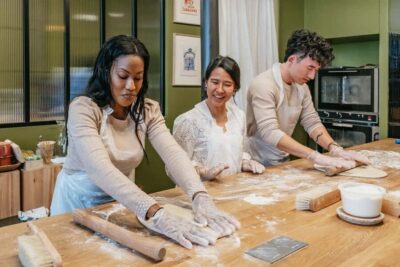
Paris: French Croissant Baking Class with a Chef
Read our review →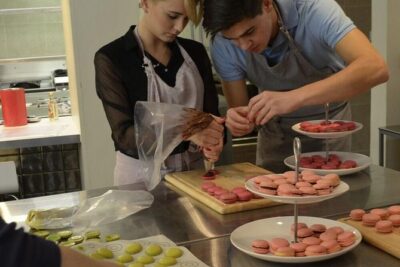
Paris Cooking Class: Learn How to Make Macarons
Read our review →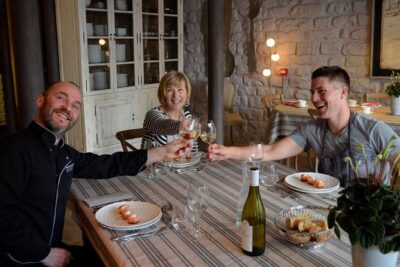
Paris Evening Cooking Class French Dinner and Market Visit Option
Read our review →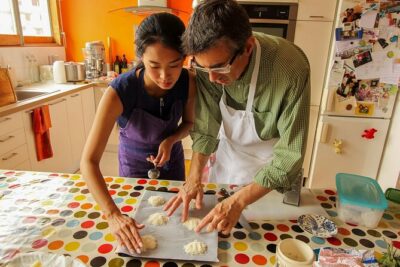
Paris French Cuisine Small Group Cooking Class with Lunch
Read our review →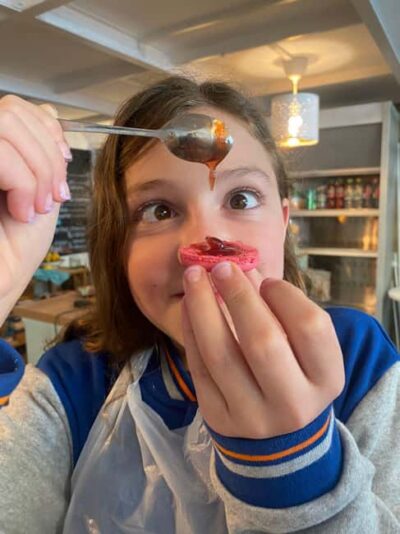
Paris: Macaron Baking Class for Families and Kids
Read our review →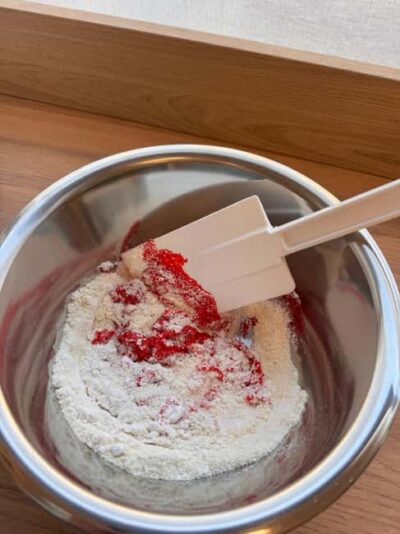
This kitchen also appears in