Review · ROME
Rome: Pasta Making Class with Wine, Limoncello, and Dessert
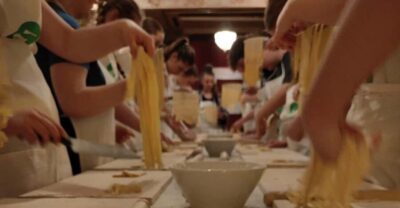
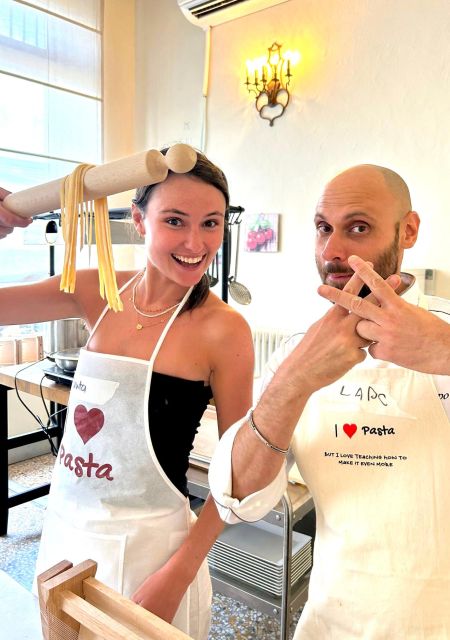
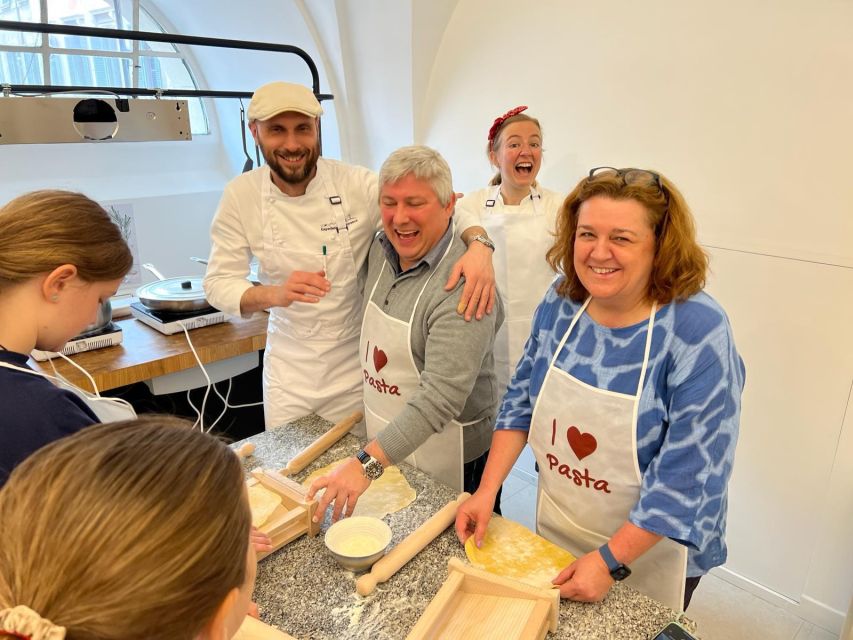
The best part of this Rome pasta class is simple: you make three kinds of pasta, then eat what you made. In a small group of up to 10, a chef guides you through ravioli, tortelli, and fettuccine, from flour and eggs to shaping and cooking.
I like the sociable format, with a communal meal and organic Tuscan wine from the school’s own farm. I also like the practical finish: you leave with English recipe booklets, not just a full stomach. The main catch is dietary. This class cannot accommodate vegans, gluten intolerance, lactose intolerance, or nut allergies.
Key points at a glance
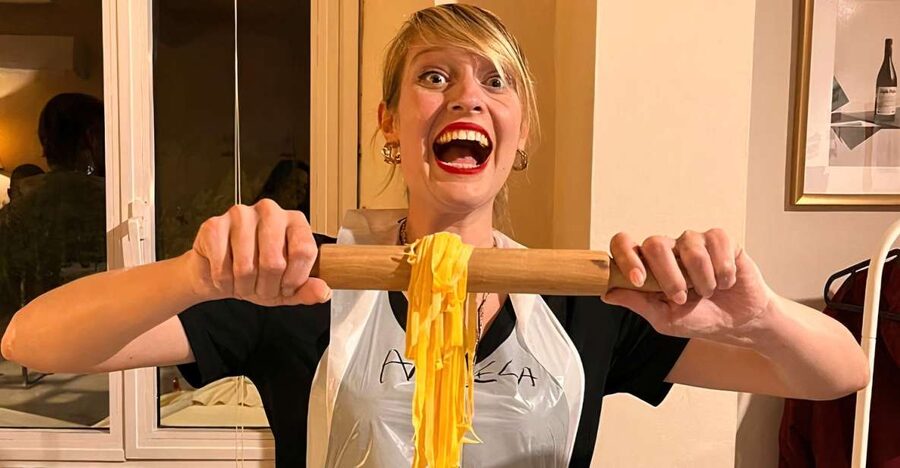
- Three pasta shapes in one class: Make ravioli, tortelli, and fettuccine by hand, then eat them.
- Central Rome setting: The school is on Via della Gatta, a short walk from the Pantheon and Piazza Venezia.
- Small class size: Groups are limited to 10, allowing the chef to check each person’s dough and shaping.
- A full three-hour outing: The schedule includes instruction, cooking, a shared meal, wine, dessert, and limoncello.
- Friendly, lively teaching: Chefs including Giorgio, Olga, Fabrizio, Christian, Marco, and Martina are praised for patience, humor, and clear instruction.
- Good value at $48: You get a hands-on class plus a meal, wine, dessert, and a recipe booklet.
Making pasta inside Palazzo Grazioli
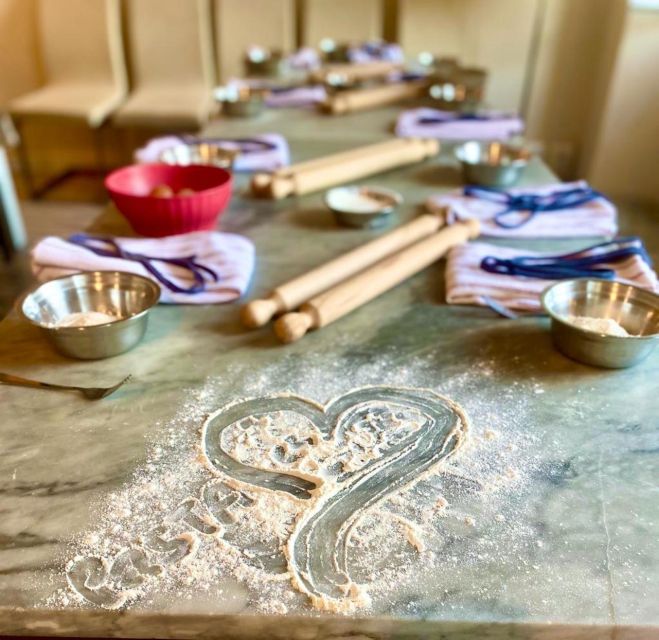
The class takes place at Pastamania, inside historic Palazzo Grazioli on Via della Gatta 14. This puts you in one of Rome’s most convenient central areas, with the Pantheon and Piazza Venezia only a few minutes away on foot.
The entrance is at the back corner of the palazzo. Look for the marble cat statue that gives Via della Gatta its name, then ring the bell marked Pastamania. It is a small detail, but it helps you find the school without wandering around the block looking for a large street-front restaurant.
The setting gives the class a pleasant Roman backdrop, but this is not a sightseeing tour. You come here to work at a table, not to tour the palazzo. Plan to arrive ready to cook and wear comfortable clothes that can handle a little flour.
The group limit of 10 matters. Pasta-making is a hands-on skill, and you need room to roll dough, cut shapes, and ask questions. A large demonstration-only class would be cheaper in spirit but less useful in practice. Here, the chef can move around the table and correct your technique before your dough becomes too thin or your filling escapes.
More Cooking Classes with Wine Tasting in Italy
- Fettuccine & Tiramisù: Cooking Class with Wine & Limoncello
★ 4.9 · 2,103 reviews - Pasta Making & Wine Tasting with Dinner in Frascati from Rome
★ 5.0 · 1,326 reviews - Rome Cooking Class: Make Pasta, Dine & Drink Wine With Local Chef
★ 5.0 · 1,263 reviews
Eggs, flour, and the first sheet of pasta
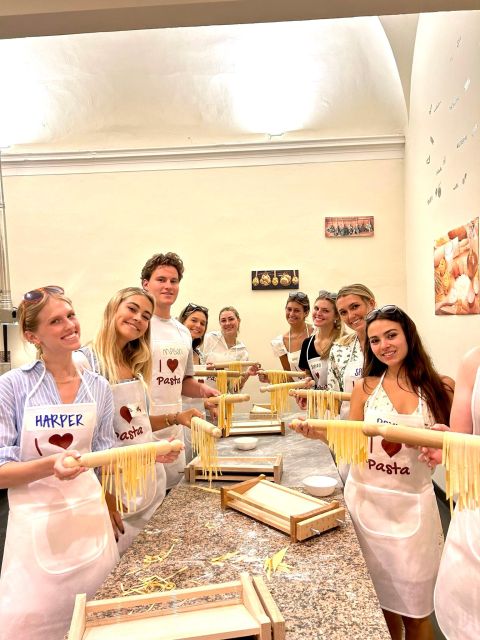
The class begins with an introduction to the basics of fresh pasta. You work with eggs and flour, kneading the dough by hand before using a rolling pin to make smooth sheets.
This is the part where the class earns its keep. Dried pasta is easy to buy in Rome, but fresh pasta teaches you something about texture, timing, and proportion. You can feel when the dough is too dry, too sticky, or ready to roll. Those are useful lessons if you want to repeat the experience at home.
The chefs keep the tone relaxed and practical. Giorgio is frequently singled out for his humor and patience, while Olga is praised for explaining each stage clearly. Fabrizio is known for giving individual help around the table, and Christian brings an energetic style that keeps the group involved. The instructor can vary, so you should not book expecting one particular chef unless the provider confirms it.
You do not need previous cooking experience. The class is designed for beginners, and the chef demonstrates each stage before you try it. At the same time, experienced home cooks should still find useful tips in the way the dough is rolled, filled, cut, and cooked.
Ravioli, tortelli, and fettuccine
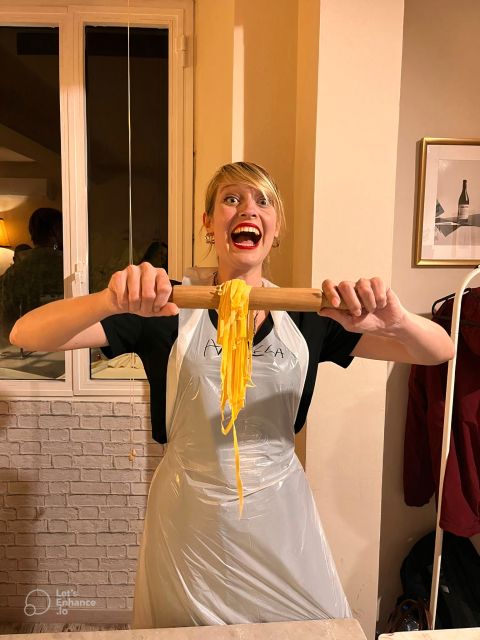
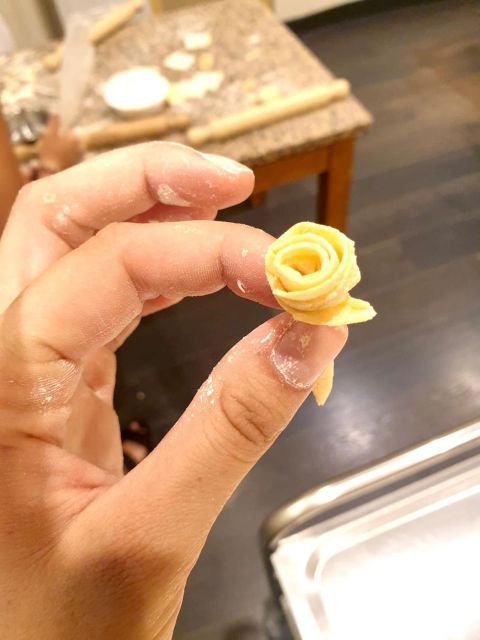
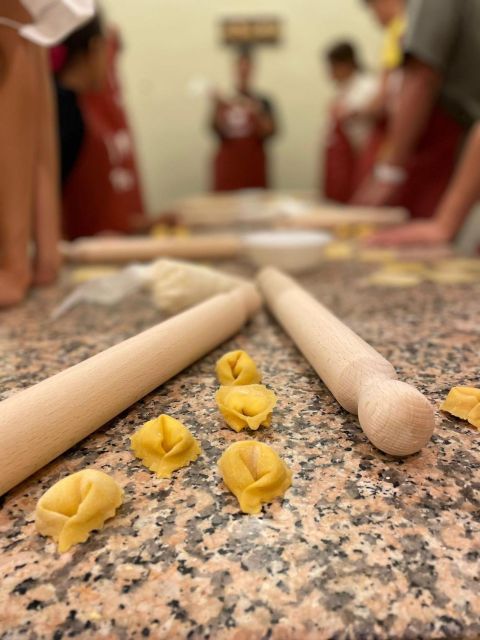
You make three pasta types during the session: ravioli, tortelli, and fettuccine. Two are filled pastas, giving you practice with both delicate shapes and long noodles.
Filled pasta is the more demanding part. You need to place enough filling inside without overloading the sheet, press out air, and seal the edges firmly. It is a good lesson in care and timing. A little patience here prevents the filling from opening in the cooking water later.
Fettuccine gives you a different task. Once the dough is rolled, you cut it into long ribbons and learn how thickness affects the finished pasta. That contrast makes the class more useful than one focused only on a single shape.
Each participant prepares their own pasta. The cooking is then done together in the same pot, which keeps the meal social and reflects the home-style spirit of the experience. You are not sent away with a small sample of your own portion while the chef prepares something separate. The pasta you work on becomes the meal you share.
The class is not a private lesson. You will work alongside people from other countries, and part of the appeal is chatting at the table while the pasta is prepared. If you prefer quiet, individual instruction, the social format may feel busy. If you enjoy meeting people over food, it works well.
Two sauces and the meal you made yourself
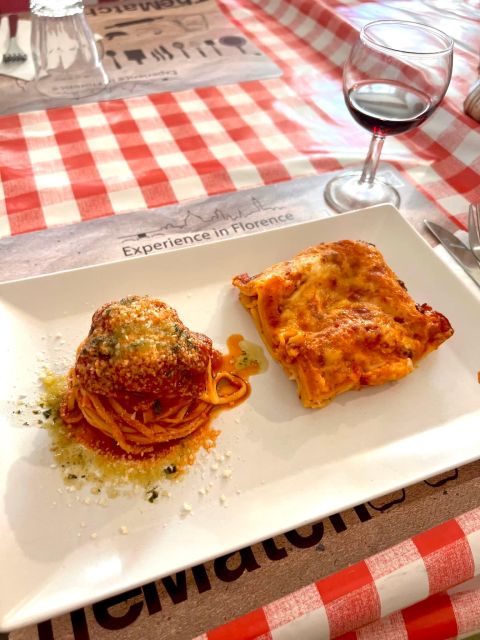
The pasta is served with two sauces. A signature tomato sauce simmers in advance, giving it time to develop flavor before the class begins. The chef prepares a butter and sage sauce for the ravioli and tortelli while you watch.
That split is useful because it shows two different approaches. The tomato sauce represents a slower, prepared sauce, while butter and sage is a quick pairing that lets the fresh pasta remain the focus. You get to see how sauce choice changes the character of the same basic dough.
The meal is part of the class, not an extra charge at the end. The finished dishes are cooked for the group and brought to the table, where you can eat and talk about the work you just completed.
Come hungry. Three pasta shapes, sauces, wine, dessert, and limoncello make this a substantial three-hour activity. One participant specifically noted that the food was plentiful, and that is worth keeping in mind when planning your dinner afterward. You may not need another full meal that evening.
The cooking itself is handled by the chef after you shape the pasta. That is sensible, since fresh pasta needs careful timing. It also means you can sit down and enjoy the food instead of worrying about boiling water while trying to join the conversation.
More Cooking Classes with Wine Tasting in Rome
- Rome: Combo Pizza and Pasta Cooking Class with Wine
★ 4.6 · 1,180 reviews - Rome: Pasta Making with Wine Tasting and Dinner in Frascati
★ 4.9 · 979 reviews - Super Fun Pasta & Gelato Class by Vatican with Wine + Oil Tasting
★ 5.0 · 726 reviews - Rome: Traditional Pasta Making Class with Wine & Gelato
★ 4.9 · 677 reviews
Tuscan wine, limoncello, and dessert
The class includes organic Tuscan wine from Dalle Nostre Mani, a farm connected with the school. The wine adds a regional touch beyond Rome and fits naturally with the communal meal.
Wine is served as part of the experience, but only participants of legal drinking age may have it. Nonalcoholic alternatives are available, according to the activity information, so you can still take part if you do not drink. Additional food and drinks are not included.
Dessert and a shot of limoncello finish the class. The dessert varies in the details, but past sessions have included cake and chocolate salami. The limoncello gives the evening a distinctly Italian close, though it is not mandatory for anyone who does not drink alcohol.
This final table time is more than a sweet extra. It gives the group a chance to slow down after the practical work. You can compare shapes, ask the chef last-minute questions, and swap Rome tips with the people beside you. Several participants have used the relaxed setting to pick up restaurant or gelato suggestions, though those recommendations are informal rather than part of the official program.
Why the $48 price works
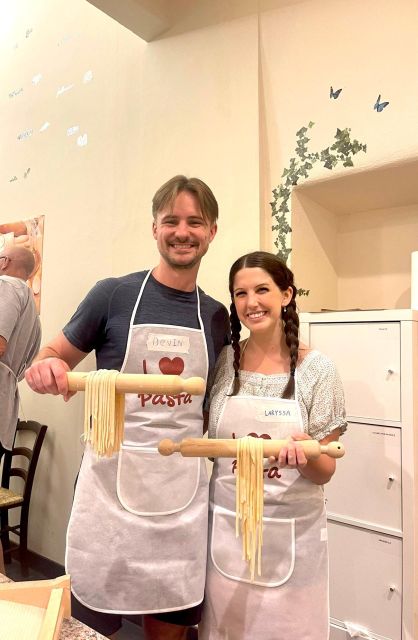
At $48 per person, the class is priced competitively for central Rome. You are paying for three hours of instruction, a small group, a complete meal, Tuscan wine, dessert, limoncello, and a recipe booklet.
The value is strongest if you treat the class as both a meal and an activity. A standard dinner might cost a large portion of this price in the center, but it would not give you the hands-on lesson or the recipes to take home. A short demonstration could cost less, but it would not offer the same amount of practical work.
The class also saves you from arranging separate transport. There is no hotel pickup, but the meeting point is central and easy to combine with a visit to the Pantheon, Piazza Venezia, or nearby streets.
The recipe booklet is a useful touch. You may not reproduce every movement perfectly on your first attempt, but written instructions give you a better chance of making the dough and sauces again. If you want a souvenir that is more useful than another small trinket, this is a good one.
The perfect rating of 4.9 from 3,177 ratings points to strong consistency, especially in the teaching and overall atmosphere. Still, no class is identical. Your instructor may be Giorgio, Olga, Fabrizio, Christian, Marco, Martina, Roberto, or another member of the team, and the group dynamic will change from one session to the next.
Who will enjoy this class most
This experience fits couples, families, solo visitors, groups of friends, students, and corporate teams. It also works for families with older children, since the minimum age is 8. The class has welcomed participants ranging from young adults to people in their seventies, making it suitable for a mixed-age family outing.
You should book it if you want an activity that gives you something to do with your hands. It is a good break from churches, ruins, and museums, especially on a longer Rome visit when you want a different pace.
It is also a strong choice for first-time cooks. The chefs are used to guiding beginners, and the small group makes it easier to ask for help. You do not need to arrive knowing the difference between ravioli and tortelli.
You may want to skip it if you have limited mobility. The class is not suitable for wheelchair users or people with mobility impairments. The cooking format also requires you to work at a table and handle dough for much of the session.
Diet deserves careful attention. Vegetarian options are available, but the class cannot accommodate vegan diets, gluten intolerance, lactose intolerance, or nut allergies. Tell the provider about dietary needs when booking, and do not assume that a request can be handled on the day.
Timing, booking, and practical details
The experience lasts three hours, with starting times based on availability. An afternoon or evening session can fit well between sightseeing and dinner, although the included meal may serve as your dinner.
You book at the activity provider’s school on Via della Gatta 14, 00186 Rome. There is no hotel transfer, so allow time to reach the central meeting point and find the Pastamania bell at the back corner of Palazzo Grazioli.
The class is conducted in English. Cancel up to 24 hours in advance for a full refund, and reserve now while paying later if you want to keep your plans flexible. A minimum number of participants is required, and the provider will contact you if a session cannot run, offering another time, another date, or a refund.
Smoking is not allowed. Wear comfortable clothing suitable for cooking, and remember that flour and sauce are part of the evening’s work.
Should you book the Rome pasta class?
I would book this class if you want a friendly, practical food experience in central Rome, especially at $48. The combination of three pasta shapes, a full meal, wine, dessert, limoncello, and recipes makes it stronger value than a simple cooking demonstration.
Book it for the shared table, patient instruction, and the chance to learn a skill you can repeat at home. Choose another activity if you need wheelchair access, follow a vegan or gluten-free diet, or want a quiet private lesson.
For most visitors who can eat the ingredients and enjoy a social class, this is a smart way to spend three hours. You leave with a full meal, a few new kitchen skills, and a better understanding of why fresh pasta takes time.
FAQ
Where is the Rome pasta-making class held?
The class is held at Pastamania, Via della Gatta 14, 00186 Rome, inside Palazzo Grazioli. Ring the bell marked Pastamania at the back corner of the building.
How long does the pasta class last?
The experience lasts three hours, including instruction, pasta preparation, cooking, the shared meal, wine, dessert, and limoncello.
Which kinds of pasta will I make?
You will make three types of fresh pasta: ravioli, tortelli, and fettuccine. The ravioli and tortelli are filled pastas.
Is the class taught in English?
Yes. The instructor language is English.
How many people are in the class?
The group is limited to 10 participants.
Is food included in the price?
Yes. The pasta you make is cooked and served as a meal, with sauces, Tuscan wine, dessert, and a shot of limoncello included.
Can vegetarians join the class?
Yes, vegetarian options are available. You should tell the provider about dietary needs when booking.
Can vegans or people with food intolerances participate?
The class cannot accommodate vegan diets, gluten intolerance, lactose intolerance, or nut allergies.
What is the minimum age?
Participants must be at least 8 years old. Wine is served only to participants of legal drinking age.
More Tiramisu and Dessert Classes in Rome
- Rome: Pasta & Tiramisu Cooking Class near the Spanish Steps
★ 4.8 · 1,395 reviews - Cooking Class in the Heart of Rome: Pizza and Tiramisu Making
★ 5.0 · 1,330 reviews - 2-in-1 Pasta and Tiramisu Cooking Masterclass in Rome
★ 5.0 · 832 reviews - Rome Cooking Class: Make Pizza and Pasta with Wine & Dessert
★ 4.5 · 651 reviews
More Pasta Making Classes in Rome
- 3 in 1 Cooking Class near Navona: Fettuccine, Ravioli & Tiramisu
★ 5.0 · 7,376 reviews - Rome Cooking Class: Make Pasta and 3 Spritz Cocktails
★ 5.0 · 2,937 reviews - Rome: 3-in-1 Fettuccine, Ravioli, and Tiramisu Cooking Class
★ 4.9 · 2,704 reviews - Rome: Fettuccine Pasta Cooking Class in Rome’s City Center
★ 4.8 · 2,414 reviews
New cooking classes around Rome
- ROME:Hands-On Lasagna & Marsala Tiramisu Cooking Experience”★ 5.0 · 3 reviews
- Rome: Vatican Food Tours, Cooking classes & Free Tours★ 4.9 · 11 reviews
- Rome: Traditional Pasta, Spritz & Tiramisu Cooking Class★ 4.9 · 279 reviews
- Rome: Trastevere Pasta Making Class★ 4.9 · 33 reviews
- Rome: Traditional Pasta and Tiramisu Cooking Class★ 5.0 · 4 reviews
- Rome: Small Group Pasta cooking class near Piazza Navona★ 4.9 · 8 reviews
- Rome: Traditional Cooking Class in the Jewish Ghetto★ 4.9 · 75 reviews
- Rome: “Rooftop Pasta and Cocktails Cooking Class”★ 5.0 · 12 reviews
Rome Cooking Classes, side by side.

3 in 1 Cooking Class near Navona: Fettuccine, Ravioli & Tiramisu
Read our review →
Rome Cooking Class: Make Pasta and 3 Spritz Cocktails
Read our review →
Rome: 3-in-1 Fettuccine, Ravioli, and Tiramisu Cooking Class
Read our review →
Rome: Fettuccine Pasta Cooking Class in Rome’s City Center
Read our review →
Fettuccine & Tiramisù: Cooking Class with Wine & Limoncello
Read our review →
Pasta Cooking Class Near the Colosseum with 3 Spritz Cocktails
Read our review →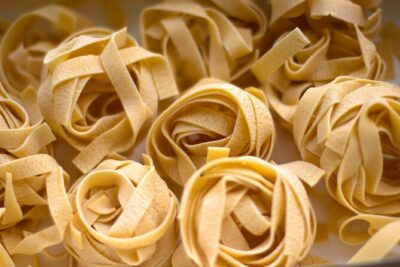
Enjoy Spritz and Pasta Making in Piazza Navona
Read our review →