
Review · NEPAL
Pokhara: Nepali Cooking Class and Momo Making Workshop
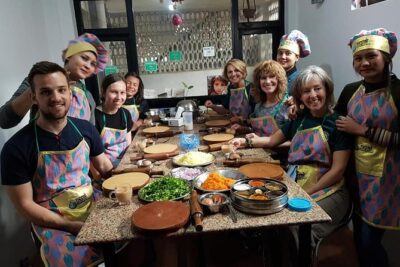
Pokhara’s best food lesson may happen away from a restaurant table. In this small-group class, a local Aama chef welcomes you into a Nepali home kitchen, where you learn to shape momos or prepare dal bhat, then sit down to eat what you cooked.
I like the hands-on format, with step-by-step help instead of a cooking demonstration you simply watch. I also like the personal touches: masala tea, hotel pickup, family hospitality, and, for some participants, a printed certificate, tika on the forehead, or a traditional scarf.
The main consideration is that this is a home-style experience, not a polished cooking school. If you have food allergies, this class is not suitable, and you should report dietary restrictions before booking.
Key points to know before booking
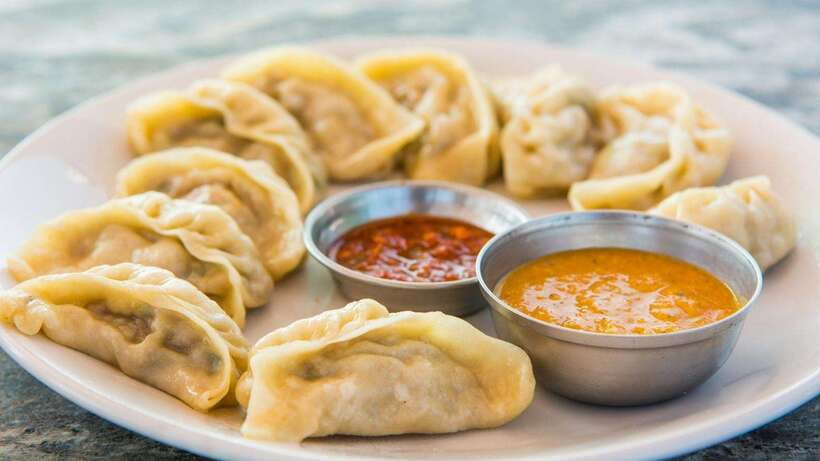
- Choose your main dish: Make chicken or vegetarian momos, or switch to dal bhat for a more complete Nepali meal.
- Cook with a local Aama: Your English-speaking host teaches techniques and explains the place of each dish in Nepali food culture.
- Expect a family welcome: The cooking may involve the host family, including parents and children, rather than only one instructor.
- Your meal is included: You prepare the food, then eat the momos, dal bhat, curry, pickle, and other dishes made during class.
- Pickup makes it easy: Hotel pickup and return transport in Pokhara are included, with groups capped at eight people.
- Allow three hours: The class is long enough for shopping, preparation, cooking, tea, and a proper meal without taking up your whole day.
Why a Pokhara kitchen beats another restaurant meal
Pokhara is full of places serving momos and dal bhat. They are easy to find, often inexpensive, and useful when you need a quick meal between sightseeing stops. But eating the finished dish tells you only part of the story.
This class lets you see how Nepali food comes together. You handle ingredients, learn how the fillings are prepared, and get a feel for the work behind the meal. That makes the food easier to understand when you order it later in Nepal.
The host is described as a local Aama, a warm Nepali term for mother or older woman. Here, Aama is also the head of the home kitchen and your instructor. The family setting matters. You are not only learning a recipe. You are entering a household where food, welcome, and family life are tied together.
The class is taught in English, and the group limit is eight. That is small enough for individual help, though you should still expect a shared lesson rather than a private chef’s session. Beginners are welcome, and experienced cooks can still pick up useful shaping, seasoning, and cooking methods.
More cooking classes around Nepal:
- Half day cooking class in Thamel kathmandu
★ 5.0 · 607 reviews - Kathmandu: Local Women-Led Nepali Cooking & Momo Class
★ 4.9 · 360 reviews - Kathmandu: Local Lead Nepali Cooking & Momo-Making Class
★ 5.0 · 212 reviews
Hotel pickup and the trip to the family kitchen
Your pickup begins in Pokhara, with a name card used to identify you at your hotel. Hotel transport is included both ways, which is useful if you are staying outside the main Lakeside area or are not sure how to reach the home kitchen.
The exact pickup time depends on availability, so check the schedule when you book. The total activity lasts about three hours, not counting any delays caused by traffic or pickup coordination.
This arrangement keeps the day simple. You do not need to arrange a taxi to an unfamiliar address, and you can focus on the class rather than local directions. If you are staying near Lakeside, the cooking location may also work well as a stop before or after a walk by the lake.
One practical tip: wear clothes and shoes you do not mind cooking in. Nepali kitchens can be active, hands-on places, and you will be working with ingredients rather than sitting at a table for the whole session.
Shopping for vegetables, spices, and meat
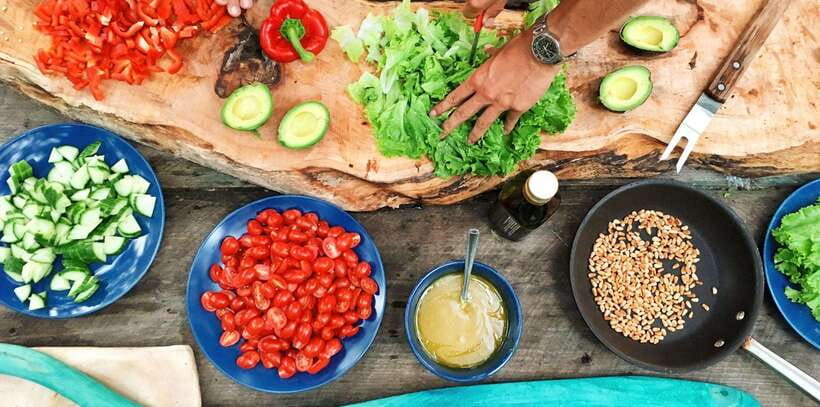
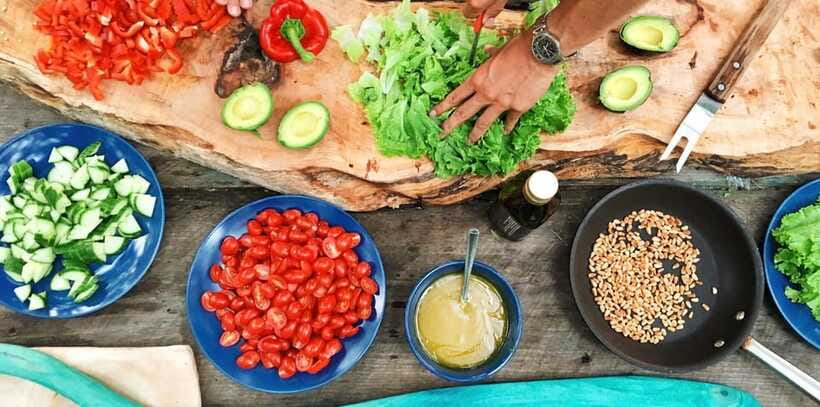
The experience includes choosing ingredients for the meal, with local market shopping described as part of the cooking journey. This is one of the most useful parts for anyone interested in how Nepali food is made.
You can see the starting point of the dish before it becomes a plate of food. Vegetables, spices, meat, and other ingredients are selected for the class, giving you a better sense of the raw materials used in a Nepali home kitchen.
The shopping portion may not be a long guided market tour. Treat it as a practical introduction to the ingredients needed for cooking, not as a separate sightseeing stop. The exact amount of time spent shopping can vary with the day’s plan and the chosen menu.
If you have dietary restrictions, tell the provider in advance. The class offers chicken or vegetarian momo options, but the available substitutions are not specified. Since the experience is not suitable for people with food allergies, anyone with a serious allergy should choose a different activity.
Making momos from filling to folded dumpling
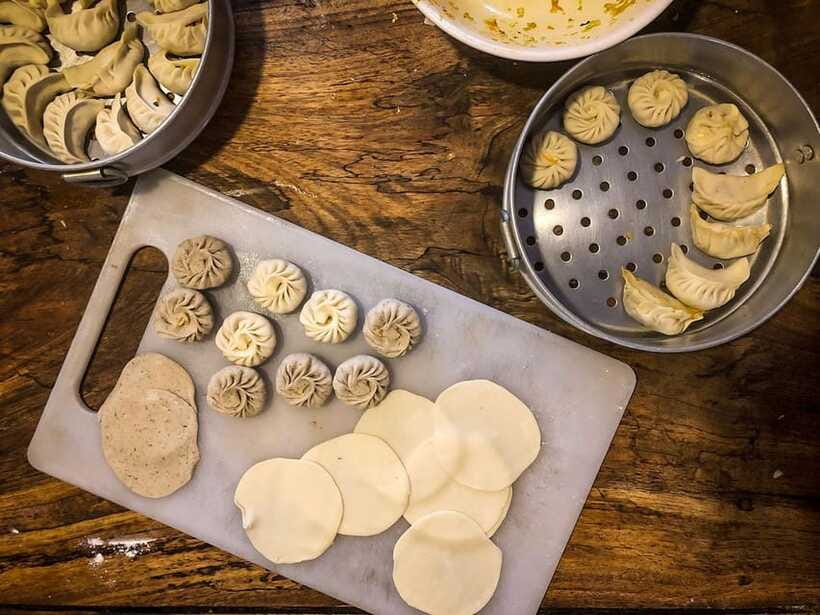
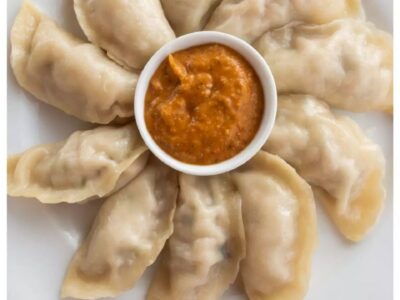
Momos are the star choice for many people, and for good reason. These dumplings are familiar enough to tempt first-time cooks, but the folding technique gives the class a real skill to teach.
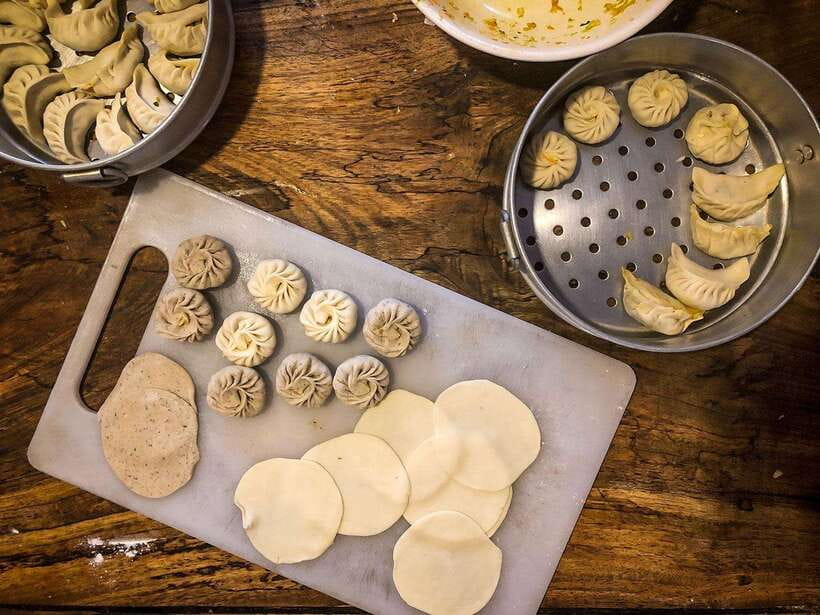
You can choose chicken or vegetarian filling. The class takes you through the process step by step, from working with the ingredients to shaping the dumplings. This is the sort of task where an instructor’s patience matters. A poorly folded momo may open during cooking, while a well-shaped one holds its filling and looks the part.
The family’s approach is hands-on. You are not expected to know how to fold a momo before arriving, and the lesson suits both beginners and people who already cook at home. If you enjoy practical activities, this is likely the most engaging part of the class.
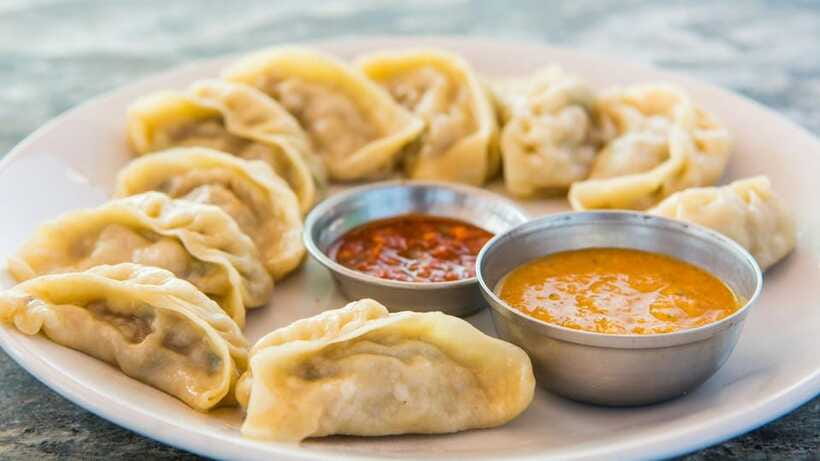
The final plate may also include pickle. That sharp, seasoned accompaniment is important because it cuts through the softness of the dumpling and gives the meal more contrast. You will get a better sense of that balance when you prepare and eat the food yourself.
Do not expect restaurant-perfect dumplings on your first try. The point is to learn the method and enjoy the process. You may leave with a few uneven shapes, but you will also leave knowing how momos are put together.
Same kitchen, a different dish:
- Local Women Lead Nepali Cooking Class
★ 5.0 · 125 reviews - Nepalese Kitchen in Pokhara: Momos or Dal Bhat Cooking Class
★ 5.0 · 67 reviews - Kathmandu: Local Women-Lead Nepali Cooking & Momo Class
★ 4.9 · 45 reviews - Kathmandu: Local Lead Nepali Cooking & Momo Making Class
★ 4.9 · 40 reviews
Choosing dal bhat for a fuller Nepali meal
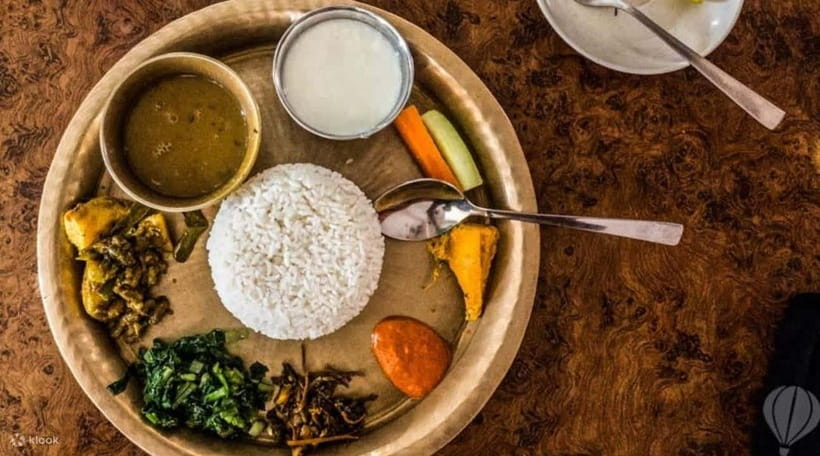
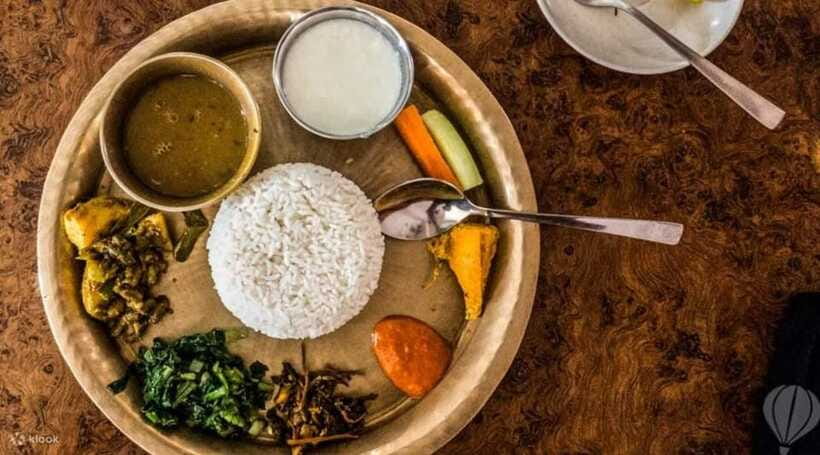
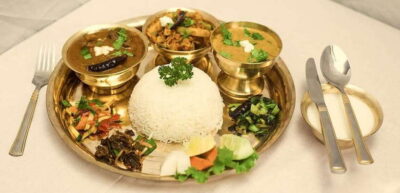
If you want the dish most closely tied to everyday Nepali dining, choose dal bhat. It combines rice and lentil soup with curry and accompanying dishes, creating the filling, balanced meal that many people associate with Nepal.
Dal bhat is a good choice if you want more than a dumpling lesson. It introduces several parts of a meal rather than focusing on one item. You can learn how rice, lentils, spices, and curry work together, then eat the complete combination at the end.
One participant changed plans and switched to the dal bhat class after booking. That flexibility is useful if you arrive in Pokhara thinking you want momos but decide you would rather learn a more traditional meal.
The class also gives you cultural context for the food. Dal bhat is not simply rice with a side of lentils. It is a meal structure, with different textures and flavors served together. The instructor can explain the cooking methods and meaning of the dishes as you work.
If you are choosing between the two options, pick momos for a focused, social, hands-on activity. Pick dal bhat if you want a broader lesson in Nepali home cooking.
Masala tea, family warmth, and small personal touches
Nepali masala tea is served during the lesson. This gives you a short pause between cooking tasks and adds another taste of local food culture. It also helps make the class feel like time spent in a home, rather than a rapid series of instructions.
The family welcome is a major part of the experience. The host household may include the Aama chef, her husband, and children. The teaching style is described as patient and accommodating, which is especially helpful if you have never folded dumplings or cooked Nepali dishes before.
Some of the personal extras can be memorable. A completion certificate may be printed for you, and one family has also given participants a scarf and placed tika on their foreheads. These touches are not the reason to book the class, and they may not be guaranteed for every session, but they show the warm, personal character of the welcome.
One useful detail is the family’s English communication. The Aama chef is described as speaking English well, so you can ask questions while you work. That matters in a cooking class, where a small point about texture, heat, or folding can make the difference between understanding a technique and merely copying it.
Eating the meal you prepared
The best moment comes at the end, when the cooking becomes lunch or dinner. Your prepared dishes are included, along with the meal itself. Depending on your selected menu, this can include momos or dal bhat, curry, pickle, rice, and other dishes prepared during the class.
I like this approach because it gives the activity a clear payoff. You are not preparing a sample portion and leaving hungry. You sit down to eat the result, which also lets you judge the seasoning and texture with the instructor nearby.
The food is home cooked, not designed as a formal tasting menu. That is part of its appeal, but it also means you should keep your expectations in the right place. The experience is about learning and sharing a Nepali meal, not dining in a high-end restaurant.
Alcohol is not included. The focus stays on the food, tea, and family setting. If you want a drink afterward, plan to do that separately in Pokhara.
Location, timing, and value at $42
At $42 per person, this is not the cheapest meal you can buy in Pokhara. It is also more than a simple market snack or plate of momos. The price covers hotel pickup and return, a three-hour lesson, the English-speaking Aama instructor, ingredients, equipment, tea, the cooking session, and the meal you prepare.
That makes the value fairly strong if you care about the activity as much as the food. You are paying for access to a local home kitchen, personal instruction, transport, and a cultural exchange. If you only want to eat dal bhat or momos, a restaurant will cost less.
The group size helps justify the price. With no more than eight participants, the instructor has a reasonable chance to watch your technique and correct you. A private class would offer more attention, but this format should feel more social and still remain manageable.
The experience also has practical value after the class. You can take the momo-folding method or dal bhat techniques home with you. A certificate is sometimes provided, but the real souvenir is the ability to recognize ingredients, understand the meal, and try the recipe again.
Free cancellation is available up to 24 hours before the activity, and you can reserve now and pay later. Wheelchair access is also listed. Since cooking spaces differ, you should confirm any specific access needs before booking.
Who should book this cooking class
I would recommend this to you if you want a slower, more personal activity in Pokhara. It suits solo visitors, couples, families, and small groups who enjoy eating as much as sightseeing.
It is especially good for:
- First-time cooks who want clear instruction
- Food lovers curious about Nepali household meals
- People choosing between momos and dal bhat
- Visitors staying in Pokhara who want hotel pickup
- Families who enjoy a welcoming, participatory activity
- Anyone who wants a cultural experience that does not require a full day
It may be less suitable if you dislike hands-on activities or want a formal culinary school setting. It is also not suitable for people with food allergies. Smoking indoors is not allowed, and you should notify the provider about dietary restrictions before the class.
Bring a camera if you want photos of the cooking, the family setting, or any certificate and cultural touches offered at the end. Keep the camera out of the way while handling ingredients, and wear comfortable clothing and shoes.
Should you book it?
Book this class if you want to understand Nepali food through the people who cook it at home. The strongest reasons are the small group, patient English instruction, included meal, and warm family setting.
Choose momos for a fun, focused lesson with a clear skill to practice. Choose dal bhat for a fuller introduction to Nepali dining. At $42, the class is worthwhile when you value pickup, instruction, ingredients, tea, and a meal as part of the experience.
Skip it if you only want a cheap meal, have a serious food allergy, or prefer a polished professional kitchen. For most visitors who enjoy cooking and conversation, this is a friendly three-hour way to spend time in Pokhara and take a useful taste of Nepal home with you.
FAQ
How long does the Pokhara cooking class last?
The cooking class lasts three hours. Check availability for the specific starting time.
What dishes can I learn to cook?
You can choose between momos and dal bhat. Momos are available with chicken or vegetarian filling. Dal bhat includes rice, lentil soup, and curry-style accompaniments.
Is hotel pickup included?
Yes. Pickup and drop-off from your hotel in Pokhara are included. The provider uses a name card for pickup.
Is the class taught in English?
Yes. The instructor language is English, and the local Aama chef provides step-by-step instruction.
Is the cooking class suitable for beginners?
Yes. The class is suitable for beginners and experienced cooks. You receive hands-on guidance and use the ingredients and equipment provided.
Are dietary restrictions and allergies accommodated?
You should tell the provider about dietary restrictions in advance. The experience is not suitable for people with food allergies.
New cooking classes around Nepal
- Kathmandu: 3-Hours of Cooking Class with Meals★ 5.0 · 10 reviews
- Pokhara: 3 Hour MoMo cooking class★ 4.5 · 10 reviews
- Nepalese Kitchen in Pokhara: Momos or Dal Bhat Cooking Class★ 5.0 · 67 reviews
- MoMo or Dal Bhat Cooking Class at Aama Kitchen in Pokhara★ 4.9 · 28 reviews
- Local Women Led Nepali Cooking Class★ 5.0 · 6 reviews
- Kathmandu: Nepali Cooking Class with Hotel Pickup★ 4.1 · 5 reviews
- Kathmandu: Women-Led Cooking Class & Momo Making-Local Taste★ 4.8 · 15 reviews
- Kathmandu: Local Women-Lead Nepali Cooking & Momo Class★ 4.9 · 45 reviews
Nepal Cooking Classes, side by side.
Nepalese Kitchen in Pokhara: Momos or Dal Bhat Cooking Class
Read our review →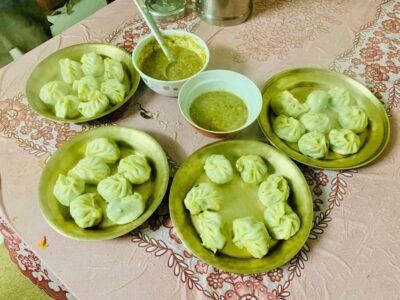
MoMo or Dal Bhat Cooking Class at Aama Kitchen in Pokhara
Read our review →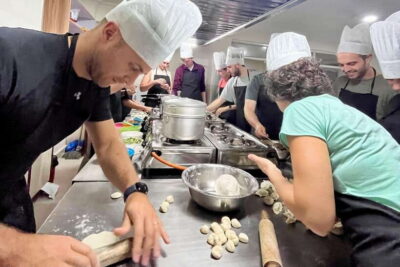
Kathmandu: Women-Led Cooking Class & Momo Making-Local Taste
Read our review →
This kitchen also appears in