
Review · KANDY
Private Traditional Sri Lankan Cooking Class in Kandy
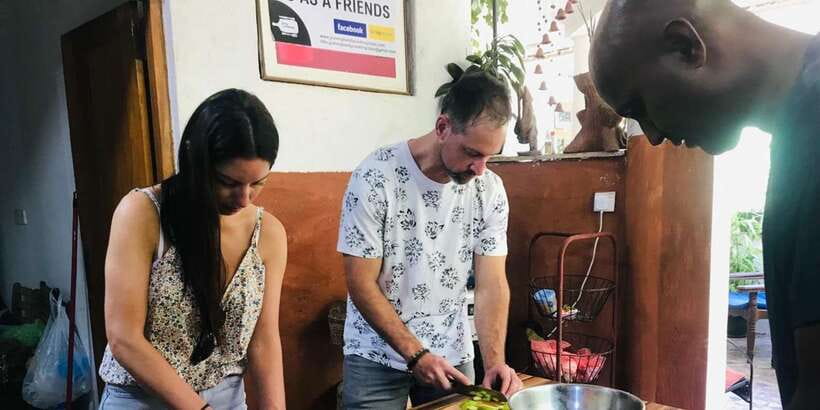
Sri Lankan food becomes much easier to understand when you are standing at the stove, grinding spices, cutting vegetables, and watching a curry change by the minute. This three-hour Kandy cooking class keeps the group to four people, so you can ask questions and get hands-on help rather than watch from the edge of a crowded kitchen.
I like the chance to cook every dish from start to finish, including jackfruit curry, lentils, chutney, and several vegetable dishes. I also like the practical touch of hotel pickup and drop-off, plus recipe instructions after class. The main point to check is the instructor name: the experience is presented as led by Chitra, while recent booking details describe Ranees and his wife. Confirm who will host your session when you book.
Key points to know
- Small group of up to four: You get more stove time and personal instruction than in a large demonstration class.
- Cooking from scratch: The class can include preparing each dish from the beginning, with no pre-prepared food for the cooking itself.
- A meal you helped make: Lunch is included, with coffee or tea and bottled water.
- Flexible menus: Vegan, vegetarian, and gluten-free meals can be arranged according to your dietary needs.
- Hotel pickup in Kandy: You meet at your hotel concierge desk and return by tuk tuk or van.
- Recipe instructions afterward: You receive recipes for the dishes prepared during the class, useful if you want to repeat the meal at home.
Why a Kandy cooking class is worth three hours
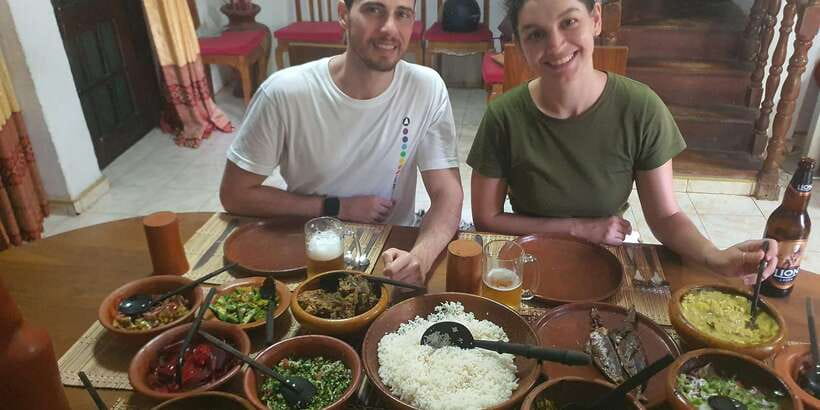
Kandy has plenty to see, but a cooking class gives you a different kind of local contact. Instead of simply ordering rice and curry, you learn how the meal comes together and why a dish can taste so different from one kitchen to the next.
The class costs $40 per person. That price includes instruction, kitchen equipment, lunch, drinks, hotel transportation, and the food you prepare. For a three-hour activity, it is fair value, especially if your group is small and you make several dishes rather than only one.
I would not book this class only for a quick recipe demonstration. Its appeal is the full process: selecting or handling produce, learning cooking methods, preparing several dishes, and sitting down to eat them. If you want a quiet sightseeing morning, this may feel too active. If you want a useful skill and a proper meal, it makes good sense.
More Private Cooking Classes in Sri Lanka:
- Private Traditional Sri Lankan Cooking Class in Kandy with Hotel Transfers
★ 5.0 · 115 reviews - Private cooking class – Personalized classic menu
★ 5.0 · 5 reviews - PRIVATE Authentic Balinese Cooking Class in Ubud at Putu’s Home
★ 5.0 · 644 reviews
Meeting at your hotel and getting to the kitchen
Pickup is arranged at the concierge desk of your hotel in Kandy. You return to the same hotel after the class, using either a tuk tuk or a van depending on the number of people.
That transfer is more than a convenience. Kandy hotels can sit away from the center, and arranging a local ride on your own can take time. A tuk tuk ride also gives you a small taste of everyday transport before the cooking begins.
The exact starting time depends on availability, so you need to check the schedule rather than assume it is always a morning class. The total activity lasts three hours, not counting any uncertainty that can come with local traffic.
One practical point deserves attention: the supplied information names Chitra as the expert instructor, while the most detailed recent accounts describe Ranees and his wife as the hosts. Ranees is described as a cook with restaurant and catering experience. Since the teaching style and setting may depend on who is hosting, I would confirm the instructor before paying if that matters to you.
A possible market visit before cooking
Some sessions include a visit to the market to choose produce for the class. This is a fine addition because it gives you a chance to see the ingredients before they have been washed, cut, and placed beside a pot.
You may learn about vegetables you have not used before, including how to prepare them and what health benefits are associated with them. The market portion also helps explain the range of a Sri Lankan meal. A curry is rarely the whole story. Several vegetables, lentils, chutney, and rice or other accompaniments create the balance.
The market visit is not listed as a guaranteed part of every session, so you should treat it as a possible feature rather than a promise. If seeing the market is important to you, ask when you book.
Learning the building blocks of Sri Lankan cooking
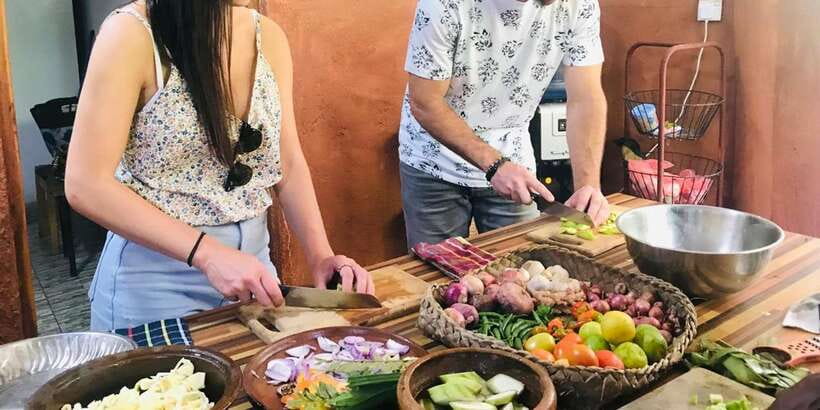
The class focuses on dishes such as lentils and jackfruit curry, with additional vegetable dishes, mango chutney, and possibly chicken curry depending on your selected menu.
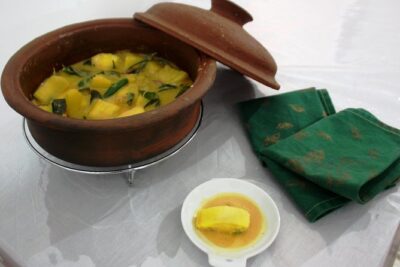
Jackfruit curry is a particularly useful dish to learn. The fruit has a firm texture that can work well in a curry, and it gives a vegan menu more substance than a simple side dish. If you have never cooked jackfruit before, the preparation and seasoning are likely to be among the most useful parts of the class.
Lentils show another side of Sri Lankan home cooking. They are inexpensive, filling, and easy to adapt, but the taste depends on how the spices, aromatics, and cooking liquid are handled. Learning the basic method gives you something you can make often at home, not just a dish tied to a special occasion.
The class also gives you a look at spice blends and cooking methods. You can ask why one ingredient goes into the pot early and another later, or how the cook builds flavor without relying on meat. That kind of explanation is more valuable than simply copying a list of ingredients.
More cooking classes around Sri Lanka:
- Ella: Traditional Sri Lankan Cooking Class
★ 4.9 · 788 reviews - Organic cooking class sigiriya (kumara & family)
★ 5.0 · 650 reviews - Sri Lanka Cooking Class with Granny
★ 5.0 · 587 reviews - Kandy Village Cooking Class
★ 5.0 · 536 reviews
Hands-on work instead of a staged demonstration
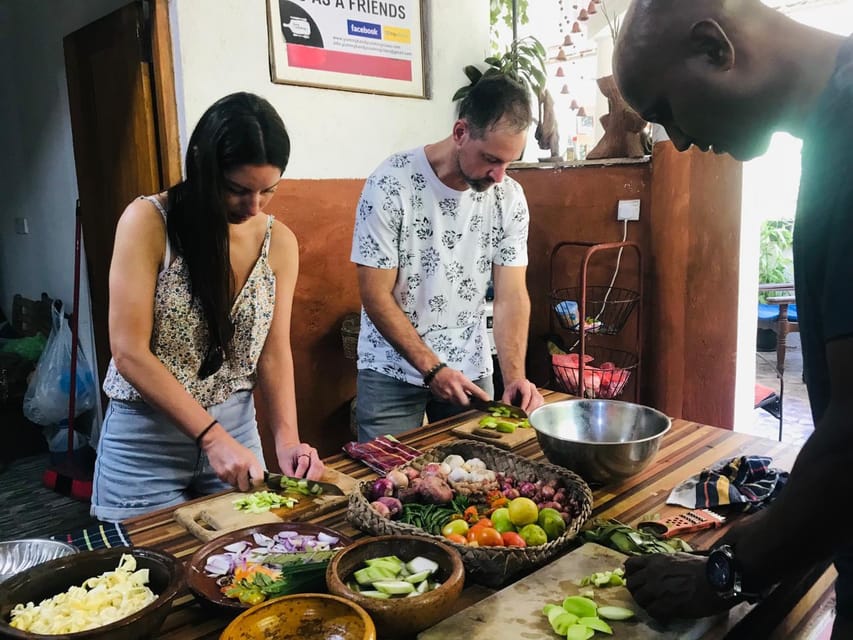
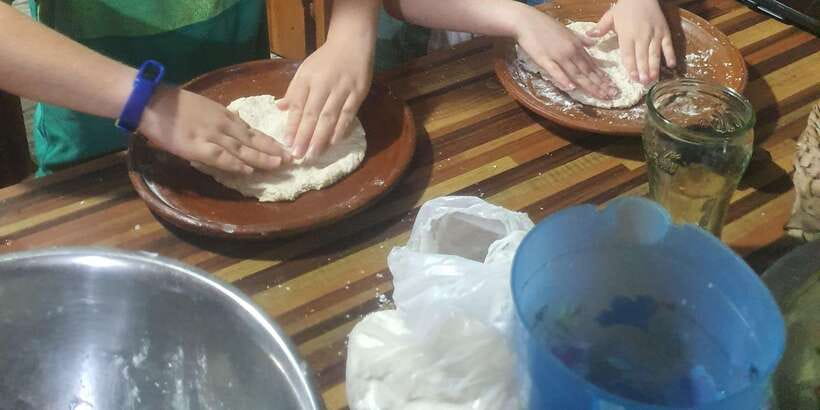
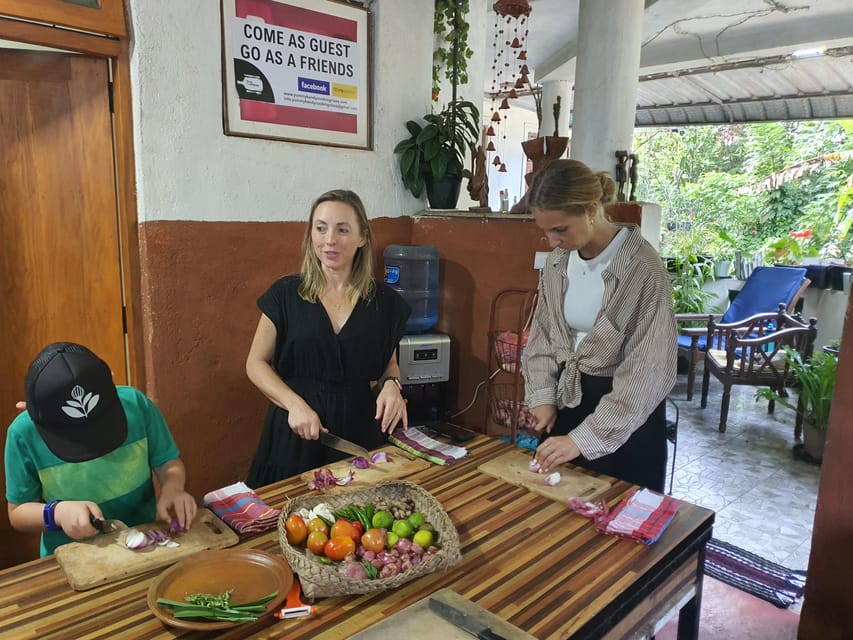
The strongest reason to choose this class is the chance to make each dish yourself. The session is designed around participation, with Chitra providing personal instruction in a small setting.
If Ranees and his wife host your class, the format may include instruction from both of them. The available details describe the cooking as starting with raw ingredients rather than relying on food prepared in advance. That matters because you learn the full sequence, including preparation, seasoning, cooking, and serving.
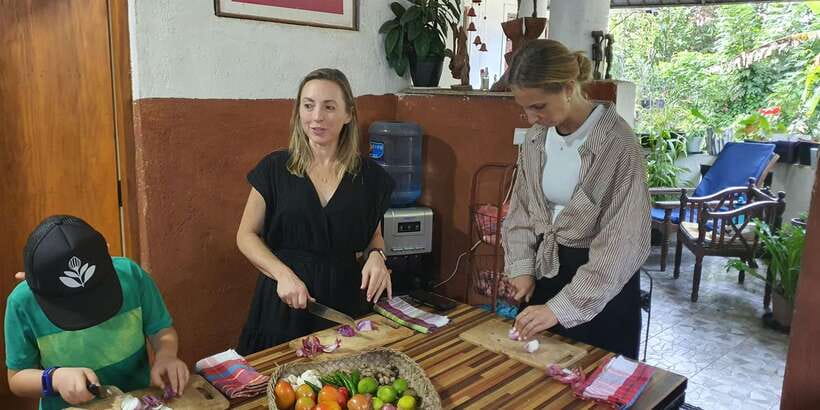
A small group of no more than four participants should make it easier to take part. You can watch a technique closely, repeat it yourself, and ask for help without waiting behind a dozen other people.
The class suits beginners, but experienced home cooks should still find useful details in the way the dishes are seasoned and cooked. Do not expect a formal culinary school lesson with technical terminology. Expect practical guidance you can use in your own kitchen.
What you may cook and eat
The menu is flexible, so no single list applies to every booking. Possible dishes include:
- Jackfruit curry
- Lentil curry
- Mango chutney
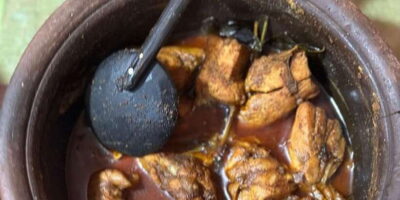
- Chicken curry
- Several vegetable dishes
- Other meals based on dietary preferences
The most complete menus described include a mix of curries, vegetables, and accompaniments. That variety is important because Sri Lankan meals are often about contrast: soft lentils beside firmer vegetables, spicy curry with cooling elements, and sweet or sharp chutney alongside savory food.
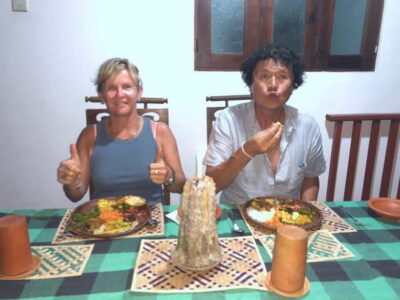
You eat lunch after the cooking session. This is not a separate restaurant meal added on top. It is the food you have just prepared, served so you can taste the results while the techniques are still fresh in your mind.
You may not finish every dish. The portions described in one account were generous enough that the full meal could be difficult to eat in one sitting. That is a pleasant problem, but it is worth knowing if you prefer a short tasting menu rather than a substantial lunch.
Vegan, vegetarian, and gluten-free choices
The class is well suited to people who need a meat-free or gluten-free menu. Vegan, vegetarian, and gluten-free meals are available, and you should state your needs when booking or as early as possible before the class.
A vegan menu can include jackfruit curry, lentils, chutney, and vegetable dishes. That is more satisfying than simply removing meat from a standard menu. You still learn several complete dishes with varied textures and seasoning.
The supplied details also mention meals based on your dietary preferences, but they do not provide a fixed allergen policy. If you have a serious allergy, explain it clearly in advance and ask how ingredients and kitchen surfaces are handled. Gluten-free is offered, but that does not automatically answer every cross-contact question.
The menu may change depending on what is available and the group’s choices. That flexibility is useful, though anyone hoping to cook one exact dish should confirm it ahead of time.
Eating with the hosts after the lesson
The meal is also a social part of the experience. You sit down with the instructor and the other participants after cooking, rather than leaving as soon as the last pot is taken off the heat.
That shared table helps connect the food with Sri Lankan hospitality. You can ask follow-up questions while eating, compare the flavors, and learn which dishes you prefer. The setting is described as beautiful, though the exact location is not specified, so I would not book this expecting a particular view or named venue.
The strongest praise has centered on the taste of the finished food and the warmth of the hosts. The cooking is not treated as a technical exercise followed by a token snack. Lunch is a central part of the experience.
Coffee or tea and bottled water are included. These are small details, but welcome ones after working around a hot stove.
Recipes you can use after returning home
You receive recipes and instructions for the dishes prepared during the class. This makes the $40 price more useful because the experience does not end when you leave Kandy.
Take notes during the lesson anyway. A written recipe can tell you what to add, but it may not tell you exactly what the correct texture looks like or how a spice mixture should smell before the next ingredient goes in.
If you are cooking at home outside Sri Lanka, some ingredients may be harder to find. The lentil dishes and vegetable curries should be easier to repeat than a recipe that depends on one particular local produce item. Ask about substitutions while you have the cook in front of you.
The recipe handout is especially valuable for anyone who has enjoyed Sri Lankan food but has never known where to begin. You can use one dish as a starting point, then build a full rice-and-curry meal over time.
Transport, timing, and accessibility
The experience lasts three hours and is conducted in English. Pickup and return are included from your Kandy hotel, with transport by tuk tuk or van.
The activity is listed as wheelchair accessible. Since no further details are provided about vehicle type, kitchen layout, or steps, you should confirm the arrangements for your specific needs before booking.
Babies under one year are not suitable for the class. The small-group format is best for adults and older children who can take part safely around cooking equipment, though no specific child age policy is provided beyond that restriction.
Free cancellation is available up to 24 hours in advance for a full refund. You can also reserve now and pay later, which helps if your Kandy schedule is still changing.
Who will get the most from this class
I would choose this experience if you want more than a meal and like learning by doing. It is a strong fit for solo visitors, couples, and small groups who value personal instruction and do not want a large class.
It also suits people with dietary needs. A vegan or gluten-free menu can be planned rather than improvised at the table, which makes the class more useful for anyone who often has to skip local dishes.
Families with babies should choose another activity, and people who dislike handling ingredients or spending several hours cooking may find it slow. This is also not the right pick if you want a polished restaurant lunch with no work involved.
The uncertain instructor detail is the one thing I would clarify. Chitra is presented as the culinary teacher, while Ranees and his wife are named in the detailed accounts. That does not make the experience a poor choice, but it is a sensible question to ask before booking.
Should you book the Kandy cooking class?
Yes, if you want a friendly, small-scale introduction to Sri Lankan food and you care about learning dishes you can repeat at home. The combination of hotel pickup, a group limited to four, hands-on preparation, lunch, drinks, and recipes gives the $40 price solid value.
I would book it as a food-focused half day, not as a quick activity between major sights. Ask in advance about the instructor, market visit, exact menu, and dietary arrangements. If those details suit your plans, this is one of the more useful ways to spend a few hours in Kandy.
FAQ
How long does the Sri Lankan cooking class last?
The class lasts three hours.
How much does the experience cost?
The listed price is $40 per person.
Where does pickup take place?
You meet at the concierge desk of your Kandy hotel.
How do I return to my hotel afterward?
Drop-off is included. Transport is by tuk tuk or van, depending on the number of participants.
How many people can join the class?
The group is limited to four participants.
Is the class taught in English?
Yes, English is the listed instruction language.
What food might I prepare?
Possible dishes include lentils, jackfruit curry, mango chutney, chicken curry, and several vegetable dishes. The exact menu can depend on dietary preferences.
Can I request vegan or gluten-free food?
Yes. Vegan, vegetarian, and gluten-free meals are available according to your dietary needs.
Are drinks and lunch included?
Yes. Lunch, coffee or tea, and bottled water are included.
Can I cancel for a full refund?
Yes. You can cancel up to 24 hours before the experience for a full refund.
New cooking classes around Sri Lanka
- Private cooking class – Personalized classic menu★ 5.0 · 5 reviews
- Nilaveli: Sri Lankan Cooking Class with a Local Family★ 5.0 · 16 reviews
- Mirissa: Cooking Class with Beer and Meal★ 3.3 · 4 reviews
- Kandy Cooking Class with Granny★ 4.9 · 95 reviews
- Kandy: Village Cooking Class 12 Dishes with Market Tour★ 5.0 · 6 reviews
- Hands-On Cooking Class in Anuradhapura: Cook Like a Local★ 5.0 · 5 reviews
- Galle: Traditional Sri Lankan Cooking Class★ 5.0 · 21 reviews
- Galle: Sri Lankan Cuisine Cooking Experience★ 5.0 · 5 reviews
Kandy Cooking Classes, side by side.
Private Traditional Sri Lankan Cooking Class in Kandy with Hotel Transfers
Read our review →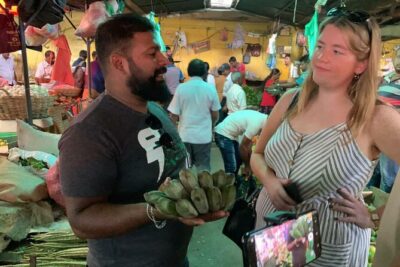
Authentic Sri Lankan Cooking Class in Kandy by Local Family
Read our review →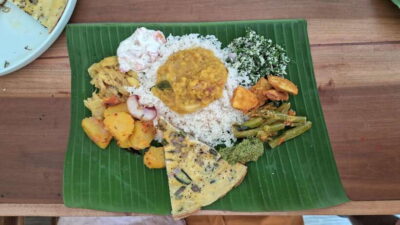
Kandy: Village Cooking Class 12 Dishes with Market Tour
Read our review →This kitchen also appears in