
Review · COOKING CLASSES WORLDWIDE
Barossa Valley: Interactive Cooking Class
You do not just watch a dish come together here. You sit close to the action, hear how Maggie Beer built her farm and food business, then taste several seasonal dishes prepared in the studio kitchen. In one compact hour, the session gives you a friendly introduction to the Barossa Valley’s food culture without taking half a day from your wine plans.
I like the small-group format, which makes it easier to follow the cooking and ask questions. I also like the practical side: you taste products from Maggie Beer’s range and leave with hints, recipes, and ideas for using them at home. The main limitation is time. At $42 per person, this is good value for a focused food stop, but one hour passes quickly and it is not a full hands-on cooking course.
Key Points at a Glance
- A one-hour food stop: The class fits neatly between winery visits and other Barossa Valley plans.
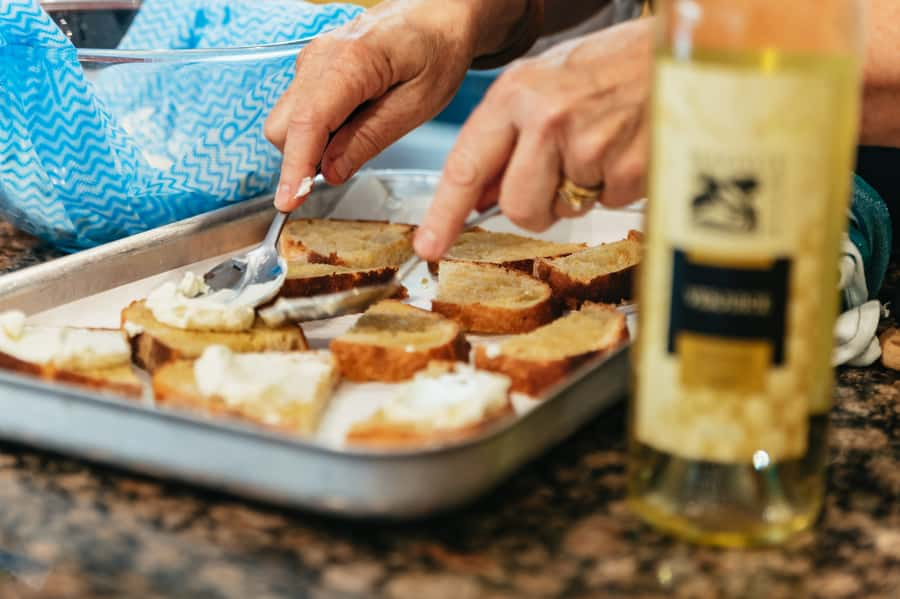
- Four dishes may appear: One session prepared four dishes in an hour, followed by a shared tasting.
- Hosts make the difference: Linda and Drew have both led sessions praised for their warm stories and clear demonstrations.
- A welcome drink starts the visit: You receive a non-alcoholic sparkling drink from Maggie Beer’s range.
- Seasonal cooking keeps it local: The food changes with available produce and uses products from the Farmshop range.
- You can eat before arriving, but lightly: The tasting is part of the class, and one past participant specifically advised not eating beforehand.
Entering Maggie Beer’s Farmshop
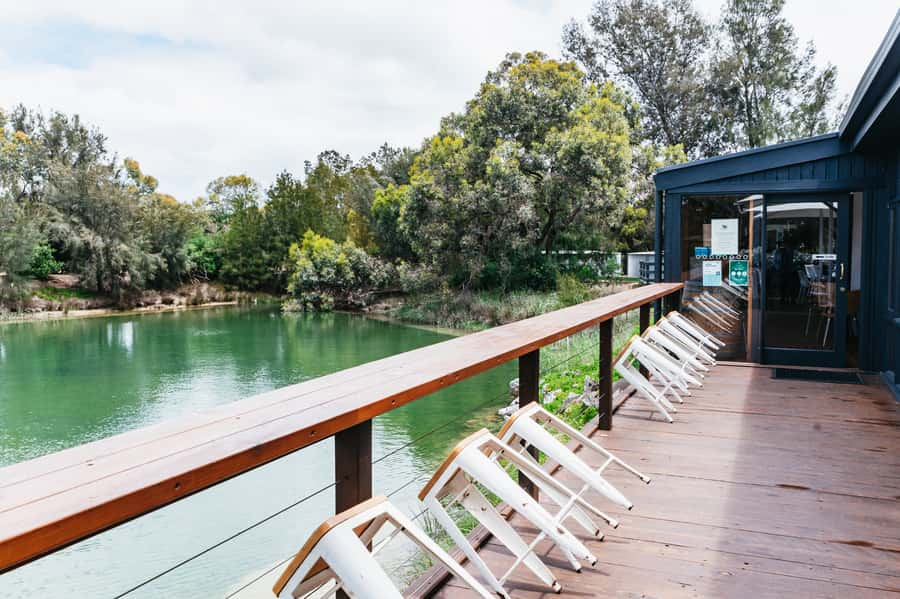
The setting gives this short activity its sense of place. You meet at Maggie Beer’s Farmshop, not in a generic cooking school, and the session includes an introduction to the farm and to Maggie Beer herself. That background matters because the food demonstration is tied to a real South Australian producer and a working retail range.
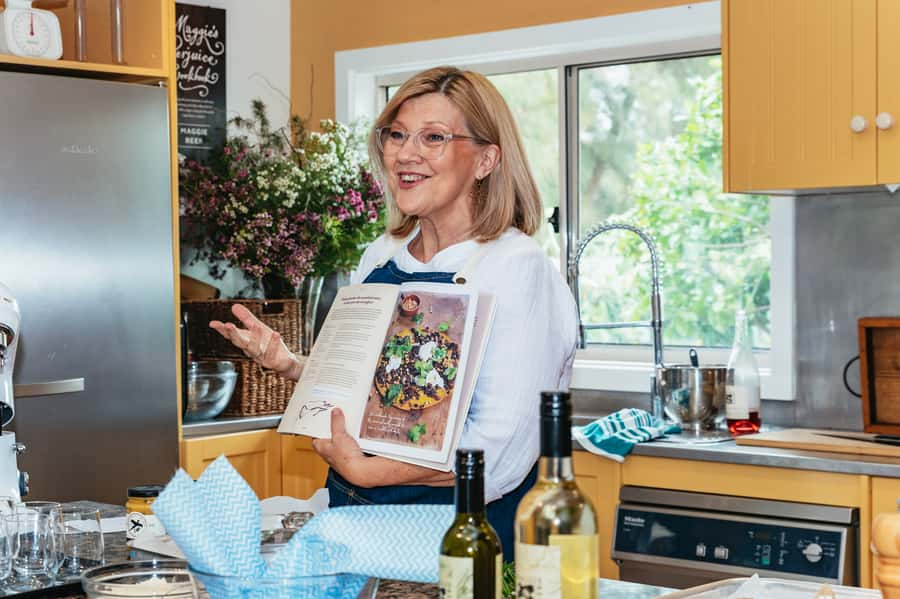
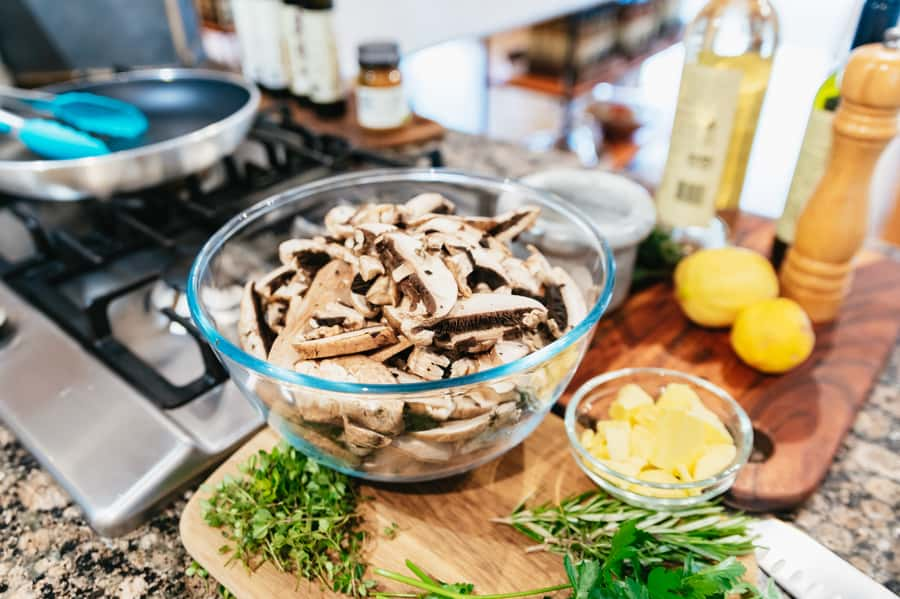
The class takes place in the studio kitchen of The Cook and the Chef. You see the kitchen where the demonstration happens, then watch the host turn fresh produce and Maggie Beer products into dishes you can taste at the end.
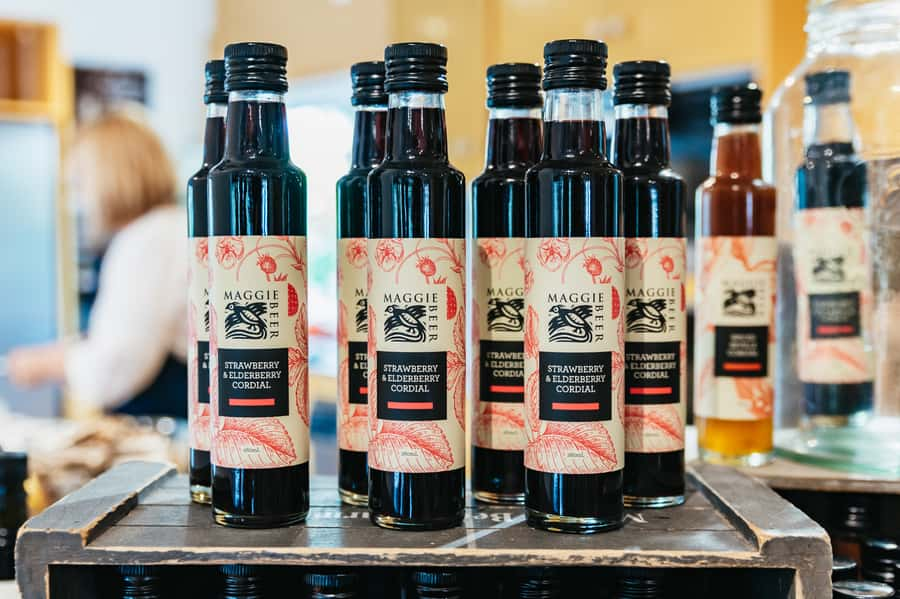
The welcome drink is a non-alcoholic sparkling product from Maggie’s range. It is a small touch, but it sets the tone well. You get something to sip while the host gathers the group and begins the introduction, and it keeps the opening relaxed without adding wine tasting to an already busy Barossa day.
You should not expect Maggie Beer to personally conduct the class. The Farmshop team delivers the session. That is worth knowing before you book, especially if you are choosing it mainly to meet the well-known cook. The appeal is the setting, the food, and the staff-led demonstration rather than a personal appearance by Maggie.
More cooking classes around the world:
- Half-Day Thai Cooking Class at Organic Farm in Chiang Mai
★ 5.0 · 19,087 reviews - Florence: Pasta Cooking Class with Unlimited Wine
★ 4.9 · 10,285 reviews - 3 in 1 Cooking Class near Navona: Fettuccine, Ravioli & Tiramisu
★ 5.0 · 7,376 reviews
The Farm Story Comes Before the First Dish
The opening explanation covers the history of the farm and Maggie Beer’s work. It gives you context for the ingredients and products displayed in the Farmshop, rather than sending you straight into a recipe with no connection to the place.
I find this useful because it helps explain why the session focuses on seasonal produce and Maggie’s own range. You are not simply watching someone cook four unrelated dishes. You are seeing how a local food business presents its ingredients, flavors, and kitchen ideas to visitors.
The amount of background will depend on the host and the pace of the session. Linda has been praised for being enthusiastic, entertaining, and informative. Drew has also received thanks for the demonstration and the stories behind it. Those names suggest that the host is an important part of the experience, though you should not assume which person will lead your booking.
This is a good activity for anyone who likes food with a story attached to it. If you only want to shop, you can visit the Farmshop without booking a class. If you want to understand how the products can be used, the demonstration adds useful context.
Watching Seasonal Dishes Take Shape
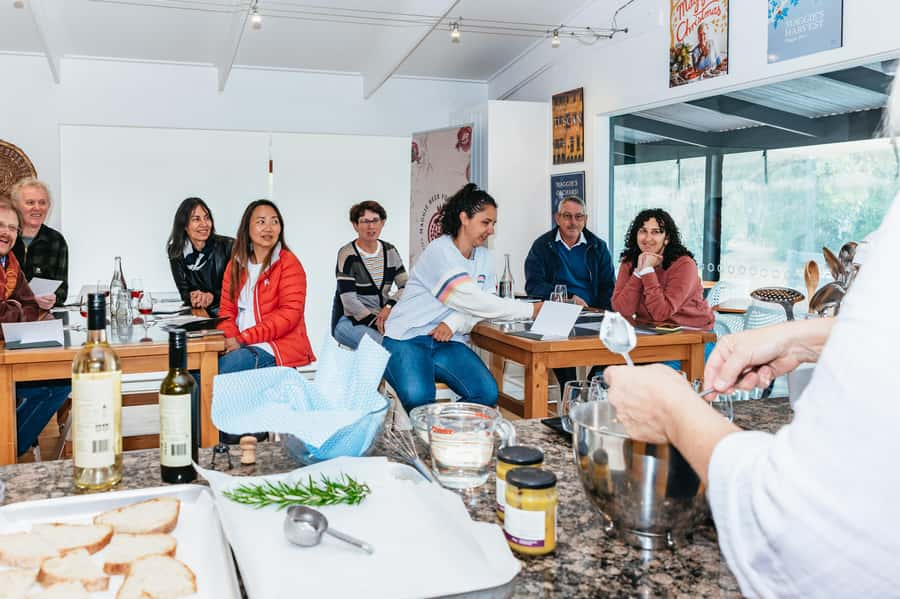
The cooking section is interactive, but the supplied details point to a demonstration rather than a full cook-your-own lesson. You follow the host’s preparation, learn techniques and receive suggestions for using the products at home. At least one session involved a participant helping with the cooking, so some audience participation may be included.
The strongest practical feature is the use of seasonal food. The exact menu is not fixed in the information provided, and that is part of the point. You may see dishes built around what is fresh and available rather than a rigid menu repeated all year.
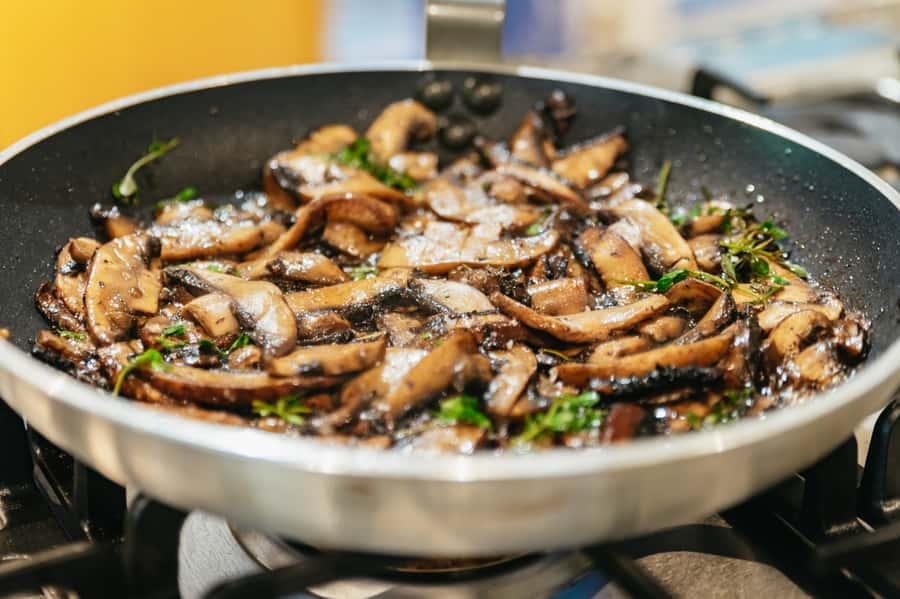
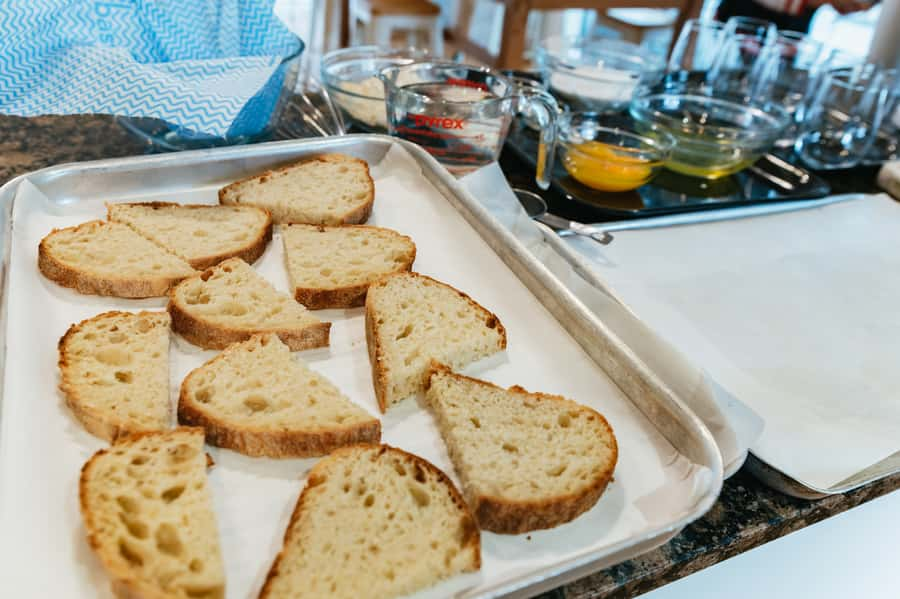
One class prepared four dishes in an hour. That is an efficient pace, and it explains why the activity feels full without becoming a long workshop. You get several tastes and ideas in a short period, but you will not have time for long pauses at every stage.
The host also shares hints for using Maggie Beer’s products at home. This is where the class earns more than a simple tasting. You can ask how to use an ingredient, learn an easy preparation method, and take away recipes that are intended to be repeated in your own kitchen.
The word interactive should be understood in a sensible way. You are part of the demonstration and may have the chance to help, but the class is not advertised as a complete practical cooking course where every person prepares a dish from start to finish. If that is what you want, this one-hour format may feel too brief.
The Tasting Is the Payoff
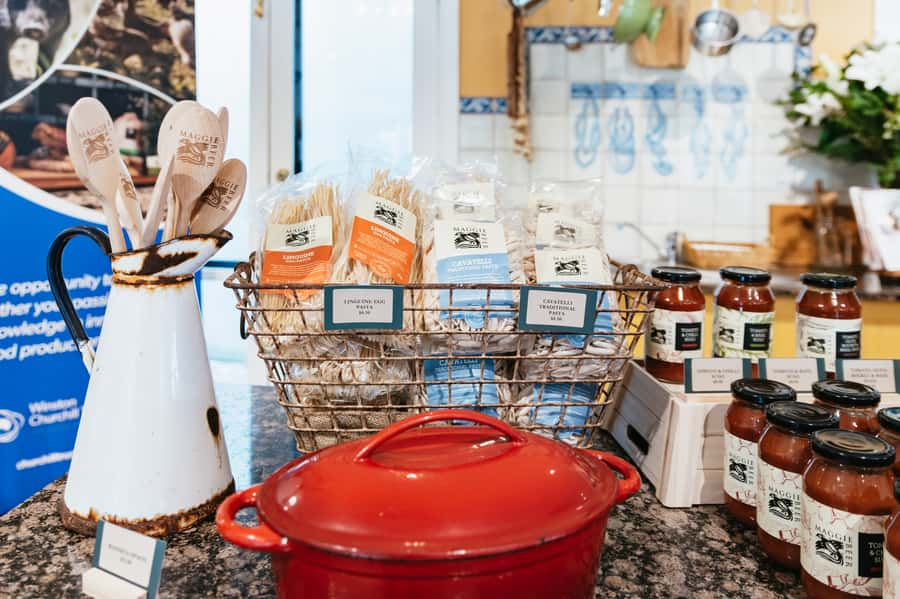
After the demonstration, you sit down and taste the food prepared during the session. This is not just a sample of one item. The format allows you to try the dishes together, and one class served four preparations.
I would plan to arrive hungry, but not uncomfortably so. The tasting forms a central part of the hour, and it is the best way to understand how the ingredients work after seeing them prepared. A past participant gave the useful advice not to eat beforehand, though the precise amount of food can vary with the menu.
The shared tasting also gives the session a social finish. You can spend time with friends or family, compare the different dishes, and ask final questions while the food is in front of you. It is more relaxed than standing at a counter while a demonstration ends.
The food is seasonal, so you should not book expecting a particular dish unless the Farmshop confirms the menu. That uncertainty is a minor drawback for planners who want one exact recipe. For most people, the changing menu is a benefit because it keeps the activity tied to the time of year.
Same kitchen, a different dish:
- Florence: Pasta & Tiramisu Cooking Class with Unlimited Wine
★ 4.9 · 6,708 reviews - Florence: Pasta Cooking Class with Unlimited Wine
★ 5.0 · 6,413 reviews - Hanoi Cooking Class: Culture, Local Market & Meaning CSR Impact
★ 5.0 · 5,147 reviews - 5 Traditional Dishes Hanoi Cooking Class with Market Trip
★ 5.0 · 4,890 reviews
A Useful Hour Between Winery Visits
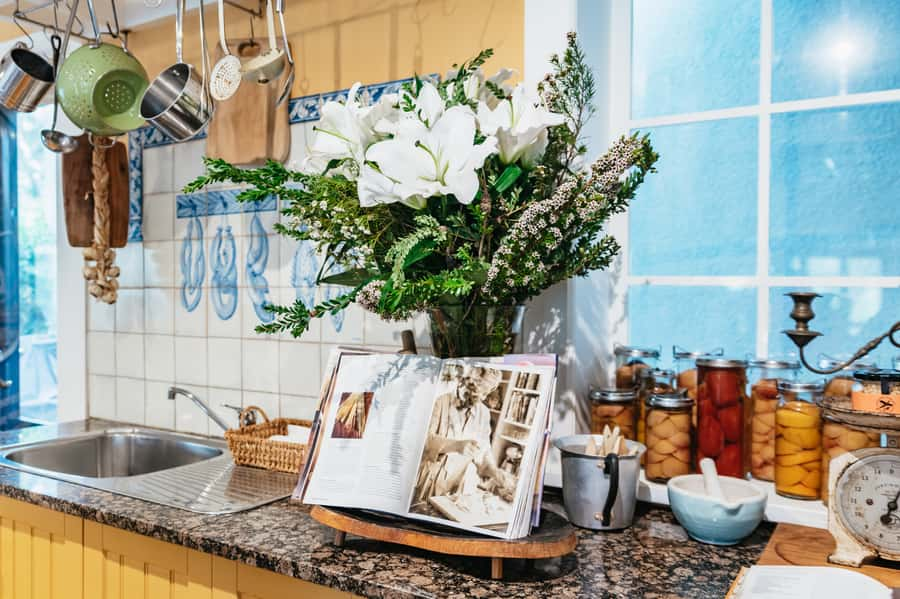
The one-hour length is one of the class’s biggest strengths. Barossa Valley days can fill quickly with cellar doors, meals, farm shops, and drives. This class gives you a clear, contained activity that does not consume an entire morning or afternoon.
I can see it working especially well as a mid-day break from winery visits. You get a non-alcoholic drink on arrival, a food demonstration, and a tasting, so the hour has its own rhythm. It also gives you something different to do in a region where many itineraries focus heavily on wine.
The short duration has limits. You will not receive an extended tour of the farm, a long lecture on regional agriculture, or a multi-course cooking workshop. The guided introduction, demonstration, tasting, and questions all share the same 60 minutes.
That compact structure suits families and mixed-age groups. Someone who does not want to spend hours at a winery can still enjoy a food-focused activity. The option to take a photograph in the studio kitchen adds a simple shared memory, especially for friends and relatives traveling together.
Is $42 Good Value?
At $42 per person, the price is reasonable if you want more than a product sample. The fee covers the guided Farmshop and farm introduction, the studio kitchen demonstration, the welcome drink, and tasting of the prepared food.
The value improves if you use the advice at home. The recipes and product tips are part of what you are paying for, and the class shows you how to turn a Farmshop purchase into a meal or accompaniment later. If you already plan to browse and buy products, the demonstration helps you make better choices.
The value is less clear if you judge the activity only by time. Sixty minutes is brief, and this is not a hands-on class for serious cooks. You are paying for a hosted food presentation with tasting, local context, and access to a purpose-built kitchen rather than for several hours of instruction.
The high rating across the supplied bookings, including praise for the hosts, the stories, and the food, supports the idea that the format works well for its intended purpose. Still, a good value depends on your plans. Food lovers and first-time visitors to Maggie Beer’s Farmshop will get more from it than someone who wants an intensive technical lesson.
Who Will Enjoy This Farmshop Session?
I would recommend the class to you if you want:
- A short food activity in the Barossa Valley
- A break from winery visits
- Seasonal cooking ideas you can repeat at home
- A family or friend activity with a shared tasting
- An introduction to Maggie Beer and the Farmshop range
- A small-group setting with an English-speaking host
It suits curious beginners better than trained cooks seeking advanced instruction. The recipes are described as easy to follow, and the emphasis is on useful ideas, product knowledge, and enjoyment.
It also suits visitors who appreciate a calm, hosted activity. The session is not a self-guided shop visit. You have a person explaining the food, sharing the farm story, and leading the cooking from beginning to end.
The class is wheelchair accessible, which makes it a practical choice for more visitors than many older farm or kitchen settings. Hotel pickup and drop-off are not included, so you need to arrange your own way to Maggie Beer’s Farmshop.
What to Know Before You Book
Book this as a one-hour Farmshop activity, not as a full culinary school course. The class is delivered in English by the Farmshop team, and the guide’s personality plays a visible role. Linda and Drew are two hosts whose sessions have been singled out for clear stories, warmth, and fun, but the host for your date may be different.
Leave room in your schedule after the session if you want to shop. The class gives you tips on products and how to use them, and you may want time to consider those suggestions instead of rushing straight to your next stop.
Because the menu is seasonal, ask for current details if a specific food matters to you. The supplied information promises seasonal dishes and a tasting, but it does not name a fixed menu.
The booking terms are flexible. You can cancel up to 24 hours before the activity for a full refund, and you can reserve now and pay later. Starting times vary, so check availability for your chosen date.
Should You Book It?
Book this class if you want a friendly, food-centered hour that adds variety to a Barossa Valley itinerary. The best reasons are the Farmshop setting, the seasonal dishes, the chance to taste everything prepared, and the practical recipes and product advice.
Skip it if you want to cook every dish yourself, meet Maggie Beer personally, or spend several hours learning advanced technique. For everyone else, $42 buys a well-contained introduction to the Farmshop and its food, with enough tasting and local context to make the stop feel worthwhile.
FAQ
How long does the cooking class last?
The experience lasts one hour.
How much does the class cost?
The price is $42 per person.
Is Maggie Beer personally conducting the class?
No. The experience is delivered by the team at Maggie Beer’s Farmshop and is not personally led by Maggie Beer.
What food will I taste?
You will taste the seasonal dishes prepared during the demonstration. The exact menu is not specified and may depend on available produce and products.
Is a drink included?
Yes. The session begins with a welcome drink from Maggie Beer’s non-alcoholic Sparkling range.
Is the experience wheelchair accessible?
Yes, the activity is wheelchair accessible.
Can I cancel my booking?
Yes. You can cancel up to 24 hours in advance for a full refund. You can also reserve now and pay later.
New cooking classes around the world
- Shinjuku Tokyo: Authentic Japanese Home-Style Culinary Class★ 4.9 · 125 reviews
- Shibuya Tokyo: Onigiri & Tamagoyaki Cooking Class★ 5.0 · 4 reviews
- M.O.M COOKING CLASS★ 4.8 · 6 reviews
- Seville: Paella-Cooking Experience with Sangria & Full Meal★ 4.9 · 42 reviews
- Shanghai: Authentic Chinese Cooking Class with Master Chef★ 5.0 · 2 reviews
- Sestri Levante: Pesto & Cooking Classes, Wine Tasting★ 4.9 · 56 reviews
- Seville: Paella Cooking Class & 30-Min Local Expert Q&A★ 4.8 · 37 reviews
- Seoul: Premium Korean Feast Cooking Class★ 5.0 · 3 reviews