
Review · SEOUL
Seoul: Premium Korean Feast Cooking Class
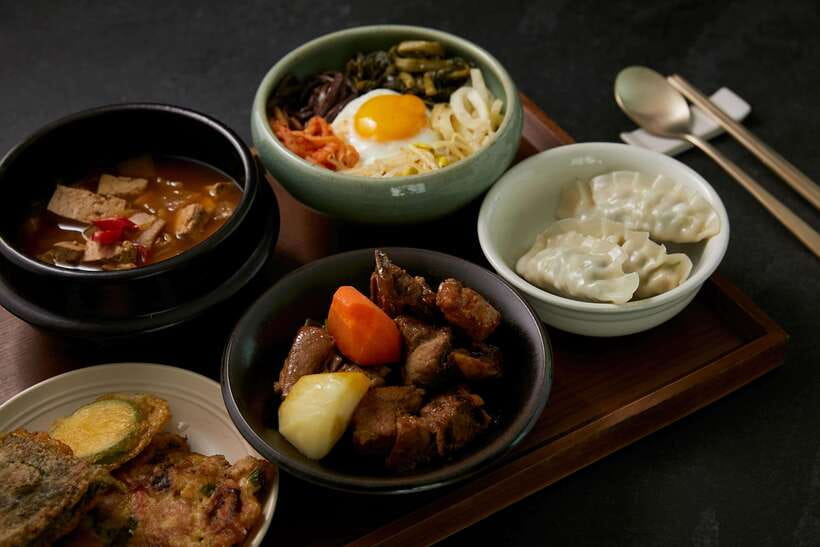
Korean cooking gets a royal treatment at ZANCHI cooking Studio, where you begin with tea and sweets before preparing a full feast. The small group, capped at eight, keeps the lesson personal, while chef Yena makes the cooking approachable even if your Korean kitchen skills stop at opening a packet of instant noodles.
I like the thoughtful cultural setting, from traditional tableware to dining etiquette, and I like that you sit down to eat the food you make with paired Korean drinks. The recipe book and photo service also give the experience some value beyond the meal.
The main consideration is the price: $128 per person is a serious spend for a 2.5-hour class. It makes the most sense if you want a polished cultural activity with a meal, not simply a quick cooking lesson.
Key points at a glance
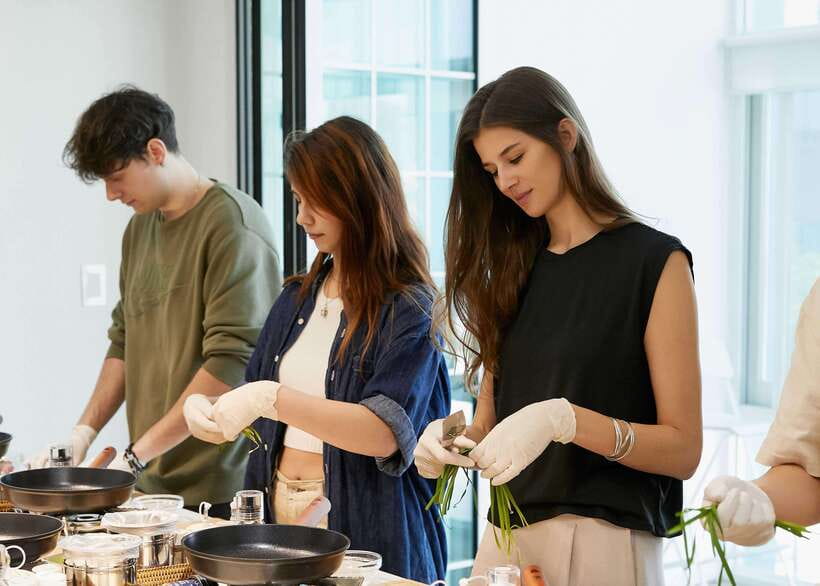
- Small class size: Only eight people can join, so you can follow the chef without fighting for workspace.
- Tea before cooking: The experience opens with traditional tea and Korean sweets, along with stories about food and dining customs.
- Royal-cuisine theme: You prepare feast dishes inspired by Korea’s traditional court cooking rather than a basic everyday recipe.
- A complete meal afterward: Your cooking is served with traditional side dishes and Korean liquor.
- Premium practical extras: Ingredients, cooking equipment, water, photos, videos, and a recipe book are included.
- Easy planning: The class lasts 2.5 hours, is taught in English, and allows cancellation up to 24 hours before the start for a full refund.
Entering ZANCHI for a Korean feast
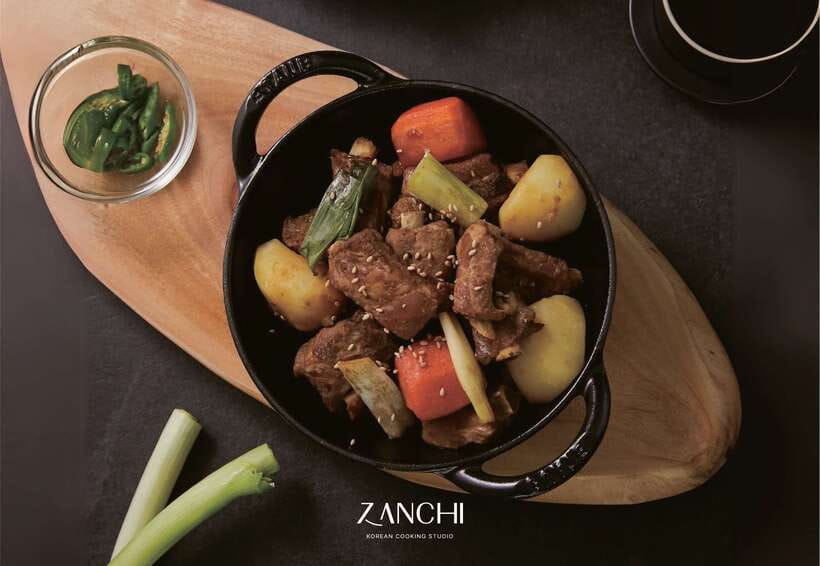
This experience takes place in Gyeonggi Province, outside Seoul proper, at ZANCHI cooking Studio. The studio opened in November and places as much attention on presentation as on the food itself.
Expect a space designed around Korean culture, with traditional tableware and a restrained approach to plastic. That matters because the setting frames the meal before you touch a knife or turn on a burner. You are not just being handed ingredients in a classroom. You are being introduced to the way a Korean feast is presented and shared.
Arrive five minutes early. The class runs for only 2.5 hours, so a late start cuts into the tea, cooking, or meal rather than simply delaying the whole group.
The group limit of eight is one of the strongest practical features. Cooking classes can become frustrating when one instructor is trying to demonstrate a technique to a large crowd. Here, you have a better chance of seeing what Yena is doing and getting help at your own pace.
The activity is wheelchair accessible, and the instruction is in English. Hotel pickup and drop-off are not included, so you need to arrange your own way to the studio.
More Korean Cooking Classes around Seoul:
- Local Home Korean Cooking Class & Market Adventure in Seoul
★ 5.0 · 1,024 reviews - Master Korean traditional cooking with a Kimchi chef
★ 5.0 · 385 reviews - Seoul: Korean Cooking Class at a Local Home and Market Tour
★ 5.0 · 348 reviews
Tea, sweets, and the rules of a Korean table
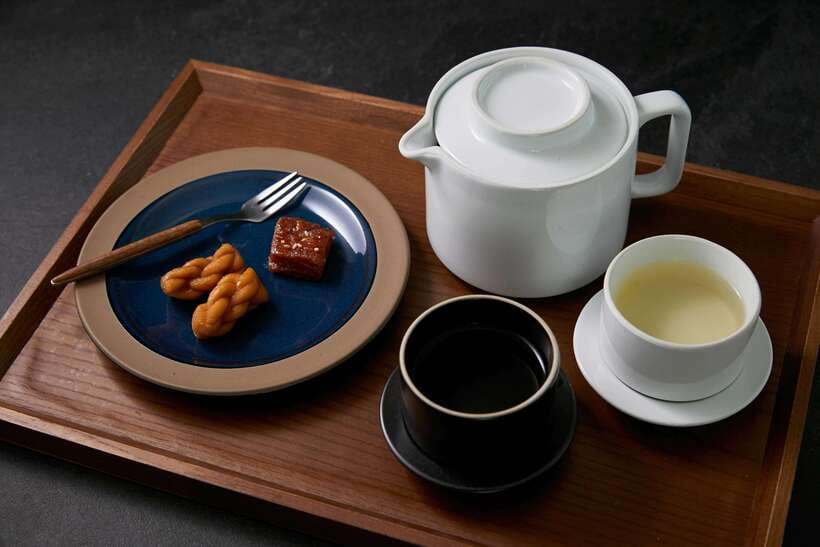
The first part takes place in the dining area, before the cooking begins. You are served traditional tea with Korean sweets, giving you a calm introduction instead of rushing straight into preparation.
This opening is useful because it explains the social side of Korean food. You learn about dining etiquette and the ideas behind Korean meals, including why the table is arranged with care and why several dishes appear together. The food is not treated as a single main course with a few extras. The full table is part of the experience.
The tea service also gives you time to settle in and ask questions. If you are new to Korean food, this is a better starting point than a rapid list of unfamiliar ingredients. You can learn what you are about to cook and how it fits into Korean food traditions.
The sweets are a small part of the total activity, but they help make the experience feel like a cultural visit rather than a standard recreational class. If your main goal is to cook as many dishes as possible, remember that this introductory time takes up part of the 2.5-hour schedule. If you value context and presentation, it is time well spent.
Learning the story behind feast food
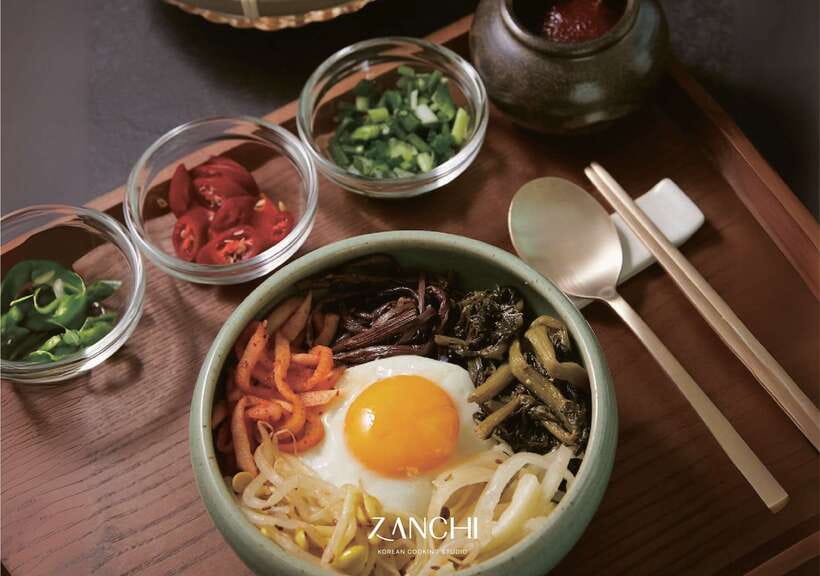
After tea, Yena introduces Korean culinary traditions and the stories connected with feast cooking. The focus is on dishes inspired by royal cuisine, which gives the class a clear theme.
Korean court food was known for careful preparation, balance, and presentation. You should not expect a full historical lecture, but the class provides enough background to understand why the dishes are prepared in a particular way and why the finished table looks different from a casual home meal.
This context is one of the strongest reasons to choose this class over a simple recipe workshop. You are not only practicing techniques. You are learning how food connects with hospitality, ceremony, and shared meals.
The experience is taught in English, which removes a major barrier for international visitors. The available information does not list the exact dishes on the menu, so do not book expecting a particular recipe unless the provider confirms it before your visit. Seasonal ingredients are part of the class, which means the ingredients may change with the time of year.
Cooking with seasonal ingredients and a small group
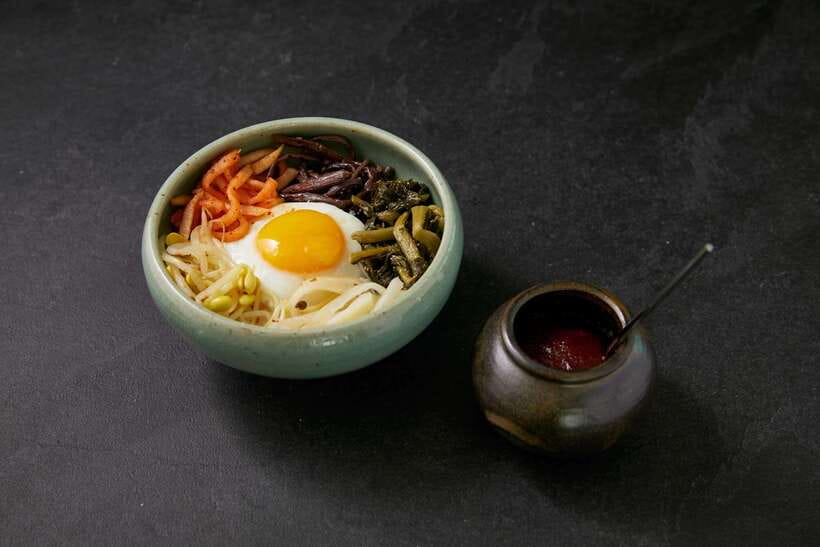
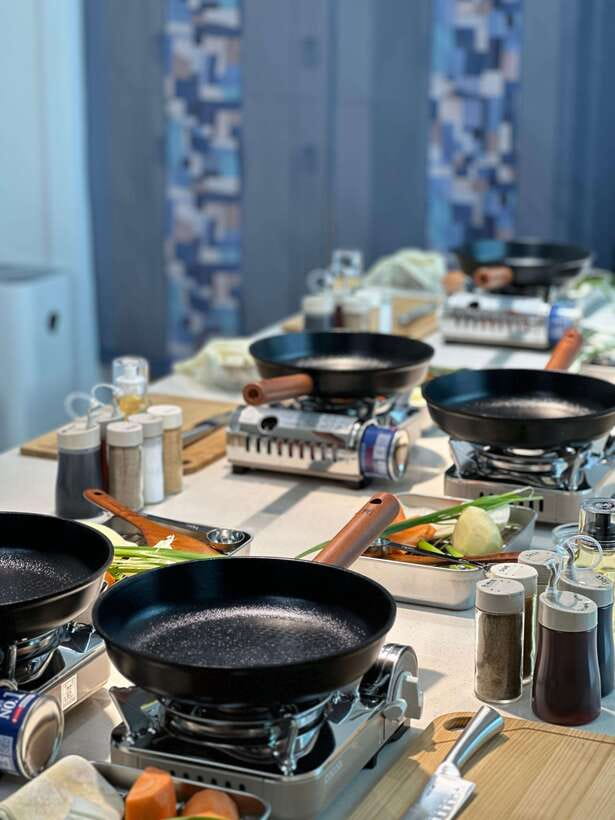
The cooking section puts you beside the chef as you prepare the feast dishes. Ingredients and cooking equipment are supplied, so you do not need to bring specialist tools or shop for anything beforehand.
The use of seasonal ingredients is a plus. Seasonal food usually gives the class a stronger connection to the local kitchen than a fixed menu built around imported or processed items. It also means the lesson can reflect what is available at the time of your visit.
Yena’s teaching style, as shown by the available comments about the experience, is warm and easy to follow. That is important in a class built around traditional food, where unfamiliar methods can make beginners feel lost. The small class helps here. You can watch each step, copy the technique, and ask for help without holding up a large crowd.
You will cook together rather than simply watch a demonstration. That makes the class more useful once you return home. You handle the ingredients, see the order of preparation, and learn how the individual dishes work as part of a larger feast.
Still, this is not a private lesson. With up to eight participants, each person will share the cooking space and the chef’s attention. The format should work well for most people, but anyone seeking a highly personalized one-on-one session may find the group structure less suitable.
More cooking classes around Seoul:
- Seoul: Korean Cooking at Seoul Cooking Club!
★ 5.0 · 311 reviews - Seoul: Taste of Korea, Authentic Home Style Cooking Class
★ 4.9 · 166 reviews - Seoul: Royal Seoul Cooking Class in a 100-Year-Old Hanok
★ 5.0 · 96 reviews - Seoul: Kimchi Dishes Cooking Class with Wine Pairing
★ 4.7 · 38 reviews
Sitting down to eat what you made
The cooking finishes with a meal in the dining area. Your dishes are served with traditional side dishes, water, and a Korean traditional drink, including paired traditional liquor.
This is where the class earns part of its price. You are not paying only for instruction and then finding your own lunch. The activity includes a complete sit-down meal, which lets you taste the dishes in the setting they were meant to accompany.
The paired drink adds another layer. Korean meals often work through contrast and balance, with side dishes, main preparations, and drinks sharing the table. You get a chance to notice how the beverage changes the food, rather than treating it as a separate add-on.
The meal is also social. You share the table with the group, talk about the cooking, and compare what you found easy or tricky. The available information does not specify the exact liquor or offer nonalcoholic pairing details. If you do not drink alcohol, ask ZANCHI what alternative is available before booking.
The dining room is part of the appeal. One particularly useful detail is that you learn about Korean dining etiquette before the meal, not after making a mistake. That preparation helps you understand the table and take part with more confidence.
What the $128 price includes
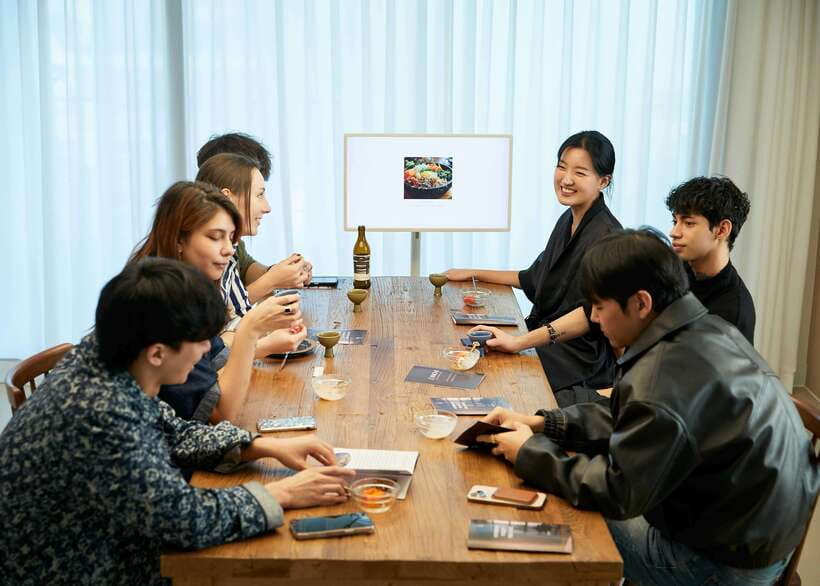
At $128 per person, this is priced as a premium cultural activity rather than a budget cooking class. The value depends on how many parts you plan to use.
Your fee includes:
- A 2.5-hour cooking class with a professional chef
- All ingredients and cooking equipment
- Seasonal ingredients
- Welcome tea and snacks
- The meal you prepare
- Traditional side dishes
- A Korean traditional drink
- Water
- Photo and video service
- A recipe book
That is a broad package. You receive instruction, food, drinks, a keepsake, and recorded memories. The recipe book is especially useful because it gives you something practical to take home instead of leaving the techniques at the studio.
The photo and video service is another nice touch for a hands-on activity. Cooking classes can be awkward to document when your own hands are busy, so having photos and videos included lets you focus on the lesson.
The price is harder to justify if you are mainly hungry and want the cheapest possible Korean meal. You can find less expensive ways to eat Korean food. But if you want the setting, teaching, cultural explanation, full meal, and take-home material in one appointment, the package is easier to defend.
Who will get the most from this class
I would recommend this experience to you if you want more than a restaurant meal and prefer a planned cultural activity with a clear beginning, middle, and end.
It suits:
- First-time visitors who want an introduction to Korean food customs
- Couples or friends looking for a shared activity
- Solo visitors who enjoy small-group classes
- Home cooks who want traditional techniques and a recipe book
- People who care about table setting, presentation, and dining etiquette
- Visitors who prefer English instruction
- Anyone who wants a meal included in the activity
The format is also useful for people who feel unsure about Korean food. The tea and explanation ease you in, the chef guides the cooking, and the meal gives you a chance to taste the finished dishes in context.
It may not suit you if you want a long, advanced cooking course, a fixed list of famous dishes, or a low-cost activity. The menu is seasonal, and the class includes cultural conversation and dining time, so it is not designed as nonstop kitchen practice.
Practical planning for the 2.5-hour visit
Check the available start times when booking, since the schedule can vary. Plan to arrive five minutes early so the tea and introduction can begin on time.
You do not need to bring cooking equipment. All tools and ingredients are provided. The activity also includes water, so you do not need to arrange a drink during the class.
Since pickup and drop-off are not included, allow time to reach Gyeonggi Province independently. The supplied information does not give a meeting point or transport directions, so confirm the exact studio location and route before you set out from Seoul.
The class is wheelchair accessible. If you have food allergies, dietary restrictions, or questions about the traditional drink, contact the provider in advance. No specific accommodation details are provided, so it is better to ask before paying.
You can cancel up to 24 hours before the activity for a full refund. A reserve-now, pay-later option is also available, which helps if your Seoul plans are still shifting.
Is ZANCHI worth booking?
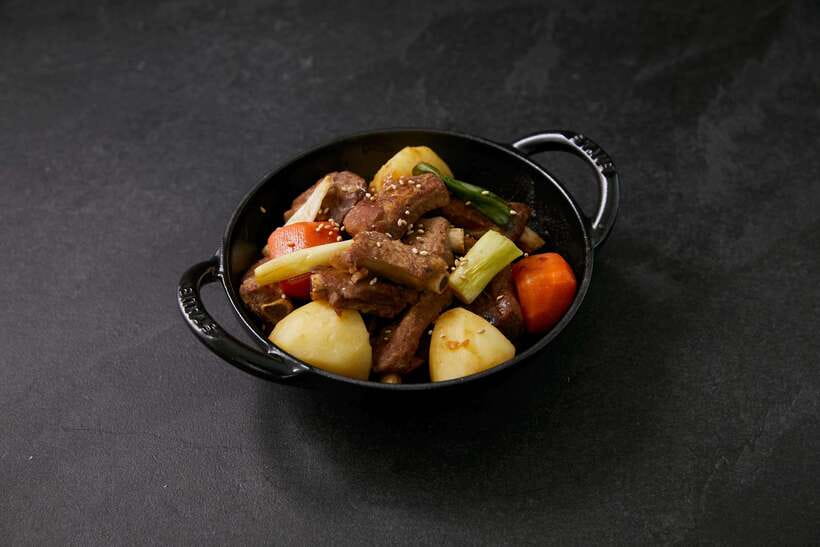
I would book this class if you value a polished cultural setting and a complete meal as much as the cooking itself. The tea service, dining etiquette lesson, royal-cuisine theme, small group, traditional drink, photos, and recipe book make it more than a basic kitchen workshop.
I would skip it if your priority is simply finding the least expensive way to eat Korean food or learning a large number of recipes in one sitting. At $128, you are paying for the whole experience, not just ingredients and instruction.
For most visitors, the best reason to choose ZANCHI is the balance between participation and explanation. You cook with Yena, sit down to eat what you made, and leave with a recipe book that can keep the lesson useful after your trip.
FAQ
Where does the Korean feast cooking class take place?
The class takes place at ZANCHI cooking Studio in Gyeonggi Province, South Korea.
How long does the cooking class last?
The experience lasts 2.5 hours. Starting times depend on availability.
How many people can join the class?
The class is limited to eight participants.
Is the class taught in English?
Yes. English is the listed language for the instructor and activity.
What is included in the price?
The price includes the cooking class, professional chef, ingredients, cooking equipment, seasonal ingredients, welcome tea and snacks, the meal, traditional side dishes, a Korean traditional drink, water, photo and video service, and a recipe book.
Do I need to bring cooking equipment?
No. All cooking equipment is provided.
Can I cancel for a refund?
Yes. You can cancel up to 24 hours in advance for a full refund. A reserve-now, pay-later option is also available.
New cooking classes around Seoul
- Seoul: Korean Kimchi Cooking Class in the Heart of the City★ 5.0 · 3 reviews
- Seoul: Taste of Korea, Authentic Home Style Cooking Class★ 4.9 · 166 reviews
- (Seoul) Korean Cooking Class with a Professional Chef★ 5.0 · 14 reviews
- Seoul: Korean Home Visit, Cooking & Cultural Experience★ 5.0 · 2 reviews
- Seoul: Korean Cooking Class with Local Grocery Shopping★ 5.0 · 13 reviews
- Seoul: Authentic Korean Cooking Class and Market Tour★ 5.0 · 6 reviews
- Seoul: Kimchi Dishes Cooking Class with Wine Pairing★ 4.7 · 38 reviews
- Seoul: Cooking Class and Tour with Michelin-Trained Chef★ 5.0 · 11 reviews
Seoul Cooking Classes, side by side.
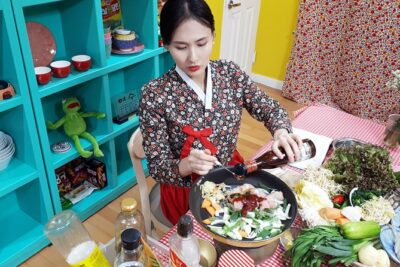
Local Home Korean Cooking Class & Market Adventure in Seoul
Read our review →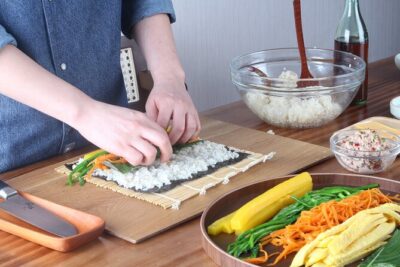
Master Korean traditional cooking with a Kimchi chef
Read our review →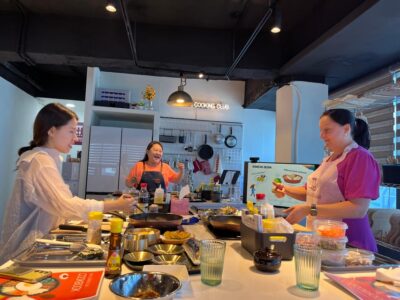
Seoul: Taste of Korea, Authentic Home Style Cooking Class
Read our review →
Seoul: Royal Seoul Cooking Class in a 100-Year-Old Hanok
Read our review →
Seoul: Kimchi Dishes Cooking Class with Wine Pairing
Read our review →
Seoul: Temple Vegan Cooking Class & Oriental Medicine Tour
Read our review →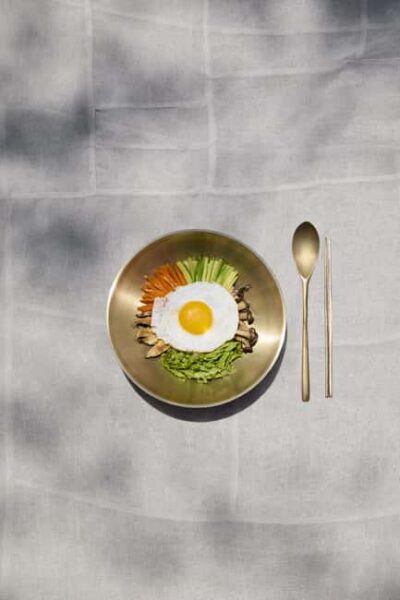
Seoul: Experience Korean Cooking in Modern Hanok Kitchen
Read our review →This kitchen also appears in