
Review · ALBANIA
Berat: Traditional Cooking Class with Wine Tasting
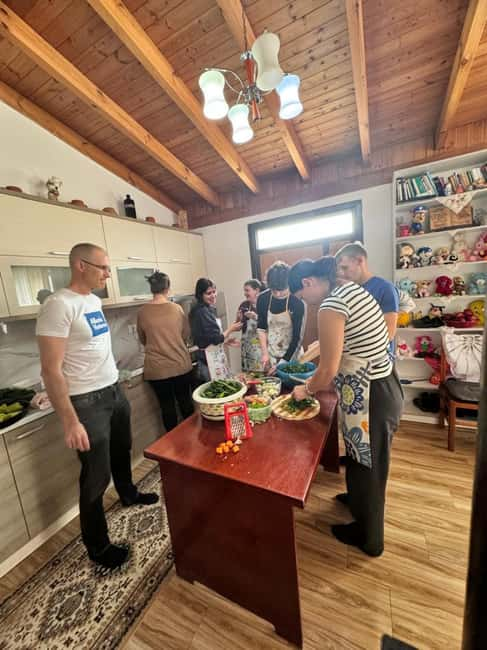
The best part of this Berat experience is that cooking is only half the story. You prepare three Albanian dishes with a local family, then sit down together to eat what you made. Xhulia, her mother, and other family members help turn the class into a friendly evening at home rather than a formal demonstration.
I like the hands-on cooking, especially because the menu can include byrek, meatballs, stuffed peppers, tavë kosi, fërgesë, or lakror. I also like the small-group size, limited to 10 people, which gives you more room to ask questions and work at the counter. The main thing to consider is that the exact dishes and wine varieties depend on the day’s menu, so book this for the family setting and cultural exchange, not for a guaranteed list of recipes.
Key points to know before booking
- Three dishes, not just a demonstration: You take part in preparing traditional Albanian food and later eat it with the family.
- A family-hosted setting: The experience may take place at the family home, with several generations involved in cooking and conversation.
- Local drinks included: You taste one Albanian wine and two types of raki, with an explanation of how they are made and served.
- Berat wine country: Depending on the day, you may hear about Puls, Shesh i Zi, Shesh i Bardhë, or Kallmet grapes.
- Small and practical: The group is capped at 10, the activity lasts about four hours, and recipes and a photo are sent afterward.
- Flexible meeting arrangements: Meet at the Qato Tours office, or request pickup from your hotel or guesthouse in Berat.
Why this cooking class feels different
Berat is famous for its white Ottoman-era houses climbing the hillsides above the Osum River. That setting gives the city plenty of visual appeal, but a cooking class offers a different kind of connection. You learn how food fits into daily Albanian life, family customs, and hospitality.
Here, the family does not simply place a finished dish in front of you. You help prepare it. That means rolling or handling ingredients for byrek, shaping meatballs, filling vegetables, or working through another recipe chosen for the day. The pace is likely to be relaxed and social, with the food providing a natural reason to talk.
This matters because Albanian cooking is closely tied to the home. Recipes often travel through families rather than through written instructions alone. The host explains the stories behind the dishes, so you are not just learning what goes into the food. You are also hearing why certain recipes matter.
The atmosphere is a strong part of the experience. Xhulia and her mother have hosted guests together, while other family members may help with conversation and translation. Xhulia’s daughter has helped interpret, and the family’s warm welcome is a recurring feature of the experience. If you enjoy meeting people as much as seeing sights, this is the kind of activity that can give your time in Berat a more personal shape.
More Cooking Classes with Wine Tasting in the world:
- Florence: Pasta Cooking Class with Unlimited Wine
★ 4.9 · 10,285 reviews - Florence: Pasta & Tiramisu Cooking Class with Unlimited Wine
★ 4.9 · 6,708 reviews - Florence: Pasta Cooking Class with Unlimited Wine
★ 5.0 · 6,413 reviews
Starting at Qato Tours or from your Berat accommodation
The usual meeting point is the Qato Tours office. If you are staying in Berat, you can also ask for pickup from your hotel or guesthouse. That is useful if your accommodation is outside the central streets or if you would rather not spend time finding the office.
The information provided describes a short transfer to the family’s home in some cases. Since the exact pickup arrangement can vary, confirm it when you book. The activity finishes back at Qato Tours, with a return to the city available in at least some arrangements.
Wear comfortable clothes and shoes. Cooking can involve standing, handling food, and moving around a working kitchen, so this is not the place for dress shoes or an outfit you need to keep spotless. A four-hour activity also makes comfortable clothing more important than you might first expect.
The class is offered in English and is limited to 10 participants. That is small enough to keep the experience reasonably personal, though the number of people can still affect how much time you spend at the work surface. If you want more individual help, an earlier booking may be wise, but the activity is not advertised as private.
Three Albanian dishes with room for surprise
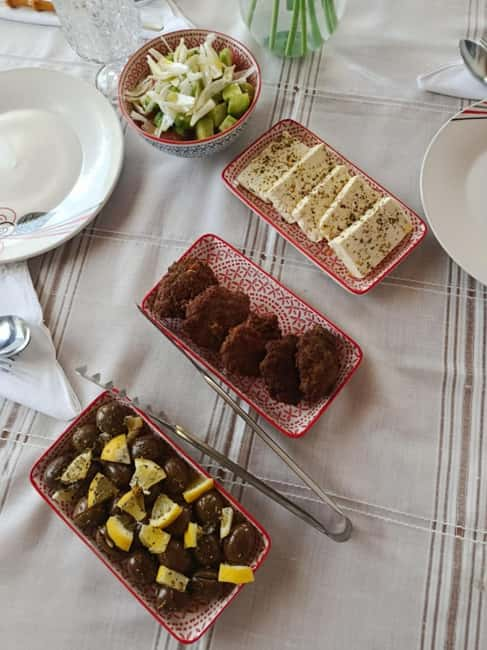
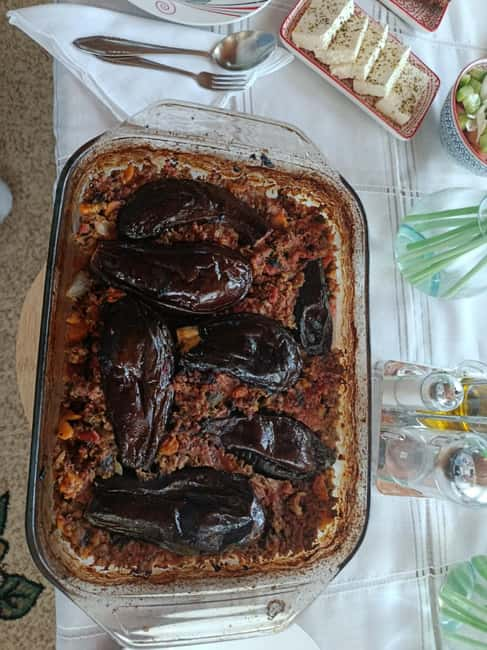
You prepare three traditional dishes, but the exact combination changes. Possible recipes include byrek, meatballs, stuffed peppers, tavë kosi, fërgesë, and lakror.
Byrek is one of the most familiar foods on an Albanian table. It is a layered pastry that can be filled in different ways, and making it gives you a chance to see the care that goes into a dish often treated as everyday food. The class may also include lakror, another traditional baked specialty, depending on the menu.
Tavë kosi is a baked dish associated with Albanian cooking, generally made with lamb and a yogurt-based topping. Fërgesë is another well-known choice, with a savory preparation that can include peppers, tomatoes, and cheese. Stuffed vegetables and meatballs bring a different kind of kitchen work, since you shape, fill, and season rather than simply assemble ingredients.
You should not expect a restaurant-style cooking school with a fixed recipe card waiting at each station. The appeal is the changing menu and the family’s way of preparing the food. Fresh, seasonal ingredients are used, and the host explains the cultural background of each dish while you work.
That flexibility is both a strength and a limitation. It makes the meal feel connected to the season and the household, but it means you cannot reserve the experience expecting all six named dishes. If one recipe matters to you, ask in advance. Otherwise, let the day’s menu be part of the experience.
The meal is part of the lesson
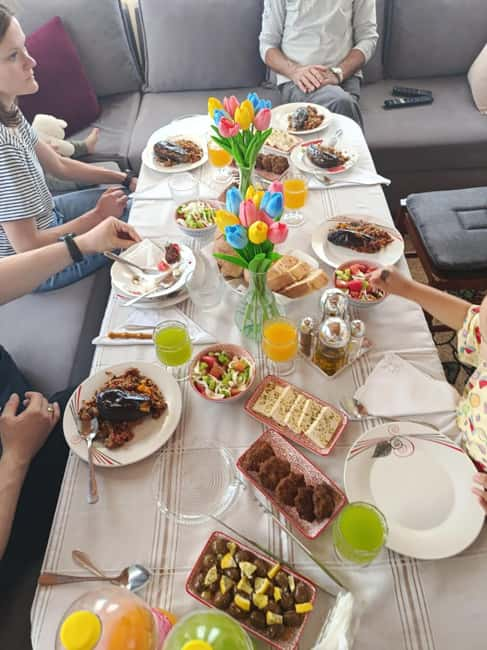
After the cooking is finished, you sit down and eat the food together. This shared meal is not an extra course tacked onto the end. It is where the class makes sense.
You get to taste the results while the preparation is still fresh in your mind. A byrek or stuffed vegetable can seem different when you have helped make it, because you understand the work behind the texture and seasoning. You also get the chance to compare the homemade meal with the versions you may have ordered in Berat restaurants.
The family setting is especially valuable here. Conversation continues while everyone eats, and the mood is described as warm, relaxed, and full of laughter. You may also receive restaurant and bar suggestions for the rest of your stay, which can be helpful after a long day of sightseeing.
Language should not be a major barrier. The tour operates in English, and family members have helped interpret during the cooking and meal. Still, this is a social home setting, not a scripted lecture, so conversation may move naturally between people and topics.
More cooking classes around the world:
- Half-Day Thai Cooking Class at Organic Farm in Chiang Mai
★ 5.0 · 19,087 reviews - 3 in 1 Cooking Class near Navona: Fettuccine, Ravioli & Tiramisu
★ 5.0 · 7,376 reviews - Hanoi Cooking Class: Culture, Local Market & Meaning CSR Impact
★ 5.0 · 5,147 reviews - 5 Traditional Dishes Hanoi Cooking Class with Market Trip
★ 5.0 · 4,890 reviews
A small Albanian wine tasting
While the dishes cook, you taste one local wine. The host introduces Albanian wine and discusses grape varieties associated with the region, depending on the menu of the day.
Possible varieties include Puls, also written Pules, Shesh i Zi, Shesh i Bardhë, and Kallmet. The tasting is modest rather than a winery tour: one wine is included, along with an explanation of how it works with the food.
That is enough to add useful context. Albania has grape varieties that may be unfamiliar if you are used to the major European wine names. Tasting the wine alongside homemade Albanian dishes helps you understand it as part of the meal, not as a separate technical exercise.
Do not book this expecting a large flight of wines or a long cellar visit. The value comes from the setting and the connection between local drink and local food. If you enjoy learning what people actually serve at home, the tasting should fit well.
Raki, Albania’s welcome in a glass
The drink that gets more attention is raki. You taste two rakis, which may be made from grapes, plums, or mulberries.
Raki is an important part of Albanian hospitality. It can appear at the start of a meal, during a visit, or alongside long conversation. The host explains the traditions around it and how different fruit bases affect the drink.
The tasting is a chance to try it in a local context, but remember that raki can be strong. Pace yourself, especially since wine is also included and the activity lasts several hours. You can enjoy the story and the ritual without treating the tasting as a drinking contest.
This is one reason the cooking class works well as an evening activity. Food, wine, raki, and conversation all belong to the same social rhythm. You are not just sampling isolated products. You are seeing how they fit into time spent around a table.
What the four-hour schedule feels like
The cooking itself lasts about three and a half hours within a total activity time of roughly four hours. That leaves enough room for preparation, tasting, conversation, and the final meal without forcing you through a rushed sequence.
The likely flow is simple:
- Meet at Qato Tours or arrange pickup in Berat.
- Travel to the family setting if pickup is part of your arrangement.
- Prepare three traditional dishes with the host and family.
- Learn about the food’s cultural background as you cook.
- Taste one local wine and two rakis while the dishes are prepared.
- Sit down to eat together.
- Return to Qato Tours or the agreed drop-off point.
- Receive a photo from the activity and the cooking recipes afterward.
The long cooking period is a plus if you want real participation. It is less suitable if you prefer a quick food tasting with little standing or social interaction. The class is built around time at the table, so leave your schedule open rather than trying to squeeze in a tightly timed attraction afterward.
Is $45 good value?
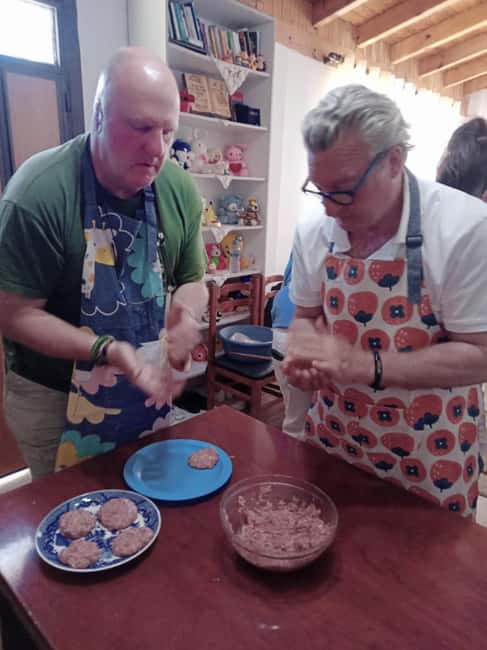
At $45 per person, this includes a four-hour activity, hands-on preparation of three dishes, a full meal, one wine, two rakis, a local host, a photo, and the recipes. Pickup from a Berat hotel or guesthouse may also be arranged.
I consider that good value if you would otherwise pay for both a meal and a separate cultural activity. The class gives you food to eat, skills to take home, local drinks, and direct time with an Albanian family. The recipes are a practical bonus because they let you try to recreate part of the meal later.
The price is less compelling if your main goal is a professional chef lesson. This is not presented as advanced culinary training, and the changing menu means you cannot count on a specific technique or dish. You are paying for participation and hospitality as much as for instruction.
The small-group limit helps protect that value. Ten people is still enough for a lively table, but it should feel more manageable than a large cooking demonstration. Since the experience has received a perfect score across five recorded bookings, expectations are understandably high, but a small sample cannot guarantee that every day will feel identical.
Who should book this experience?
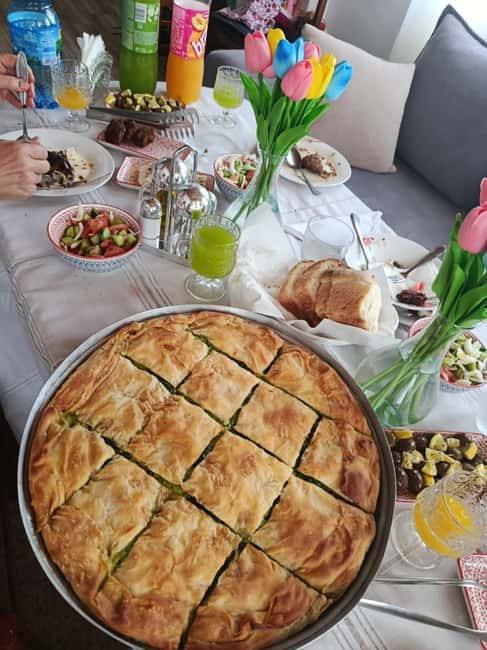
I would choose this class if you want to meet local people, eat in a family setting, and learn through doing. It suits couples, small groups, solo visitors who enjoy social activities, and anyone who wants more than a standard restaurant meal in Berat.
Families may also like it, though the activity is not specifically described as child-focused. Ask about the suitability of your children before booking if that matters to you.
The class is a good fit for food lovers who want traditional dishes rather than polished restaurant versions. It also works well for visitors who are curious about raki and regional grapes but do not want to build an entire winery itinerary.
You may want to skip it if you dislike alcohol, do not enjoy shared meals, or want a strictly timed class with a fixed menu. The host can offer cultural context in English, but the heart of the activity is conversation, cooking, and eating together.
The experience is listed as wheelchair accessible. Because the activity may take place in a private home and can involve a short transfer, confirm the practical access details before booking if you use a wheelchair.
Booking details that matter
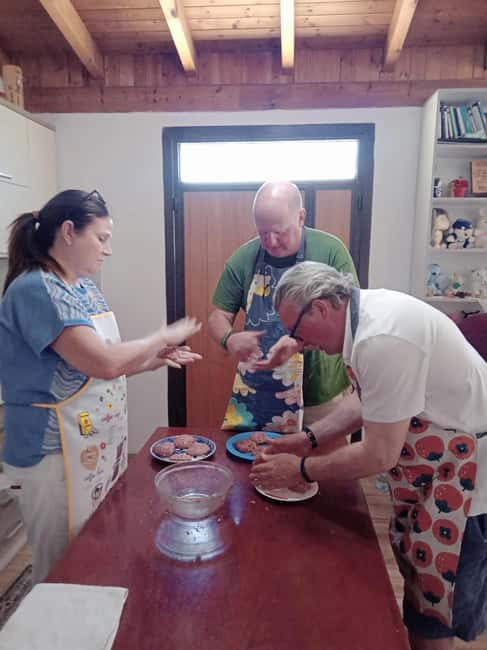
You can cancel up to 24 hours before the activity for a full refund, and you can reserve now and pay later. Starting times depend on availability, so check the date carefully.
The meeting point is Qato Tours, with flexible pickup from a Berat hotel or guesthouse. The tour is conducted in English and has a maximum group size of 10.
Bring comfortable shoes and comfortable clothes. At the end, you receive a photo from the activity and the recipes, useful reminders of a meal that is meant to continue in your own kitchen.
Should you book the Berat cooking class?
Book it if you want to spend an afternoon or evening with a welcoming Albanian family, prepare three local dishes, and share the finished meal. The strongest reason to go is the combination of hands-on food and family conversation, not the number of wines or the promise of a fixed menu.
I would especially recommend it for a first visit to Berat. It gives you a personal introduction to Albanian food, wine, and raki, and the family can offer useful ideas for restaurants and bars afterward. Just keep your expectations clear: the menu changes, the wine tasting is small, and the experience is social rather than formal.
For $45, that is a fair exchange for four hours of cooking, eating, and local company. If that sounds better than another restaurant reservation, book it.
FAQ
Where does the cooking class take place?
The experience begins at the Qato Tours office in Berat. Pickup from your hotel or guesthouse in Berat can also be arranged.
How long does the activity last?
The full experience lasts about four hours. The cooking class itself takes about three and a half hours.
What dishes will I prepare?
You prepare three traditional Albanian dishes. The menu can include byrek, meatballs, stuffed peppers, tavë kosi, fërgesë, or lakror, but the exact dishes depend on the menu of the day.
Is food included after the cooking?
Yes. After preparing the dishes, you sit down and eat the meal together with the family.
How much wine and raki are included?
The activity includes a guided tasting of one local wine and two rakis.
Which Albanian grapes might I taste?
Depending on the menu of the day, the wine discussion may include Puls or Pules, Shesh i Zi, Shesh i Bardhë, or Kallmet.
Is the experience offered in English?
Yes. The activity has a live English-speaking guide.
What should I wear or bring?
Bring comfortable shoes and comfortable clothes.
Can I cancel or pay later?
You can cancel up to 24 hours in advance for a full refund. You can also reserve now and pay later.
New cooking classes around the world
- Shinjuku Tokyo: Authentic Japanese Home-Style Culinary Class★ 4.9 · 125 reviews
- Shibuya Tokyo: Onigiri & Tamagoyaki Cooking Class★ 5.0 · 4 reviews
- M.O.M COOKING CLASS★ 4.8 · 6 reviews
- Shanghai: Authentic Chinese Cooking Class with Master Chef★ 5.0 · 2 reviews
- Seville: Paella-Cooking Experience with Sangria & Full Meal★ 4.9 · 42 reviews
- Sestri Levante: Pesto & Cooking Classes, Wine Tasting★ 4.9 · 56 reviews
- Seville: Paella Cooking Class & 30-Min Local Expert Q&A★ 4.8 · 37 reviews
- Seoul: Korean Kimchi Cooking Class in the Heart of the City★ 5.0 · 3 reviews
Albania Cooking Classes, side by side.
Tirana: Traditional Cooking Class with Wine & Raki Tasting
Read our review →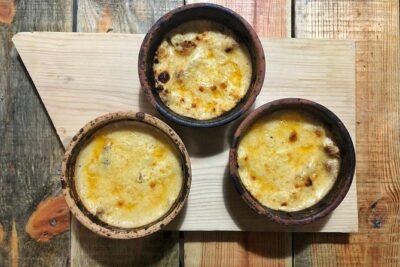
Cooking Classes and Traditional food tasting in Tirana
Read our review →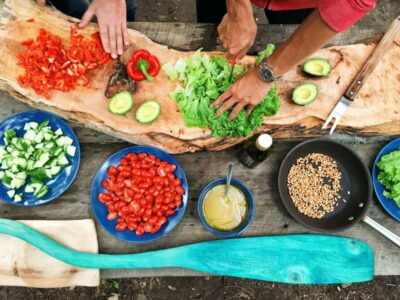
Berat: Discover Albania with Cooking Class w/ Drink Tastings
Read our review →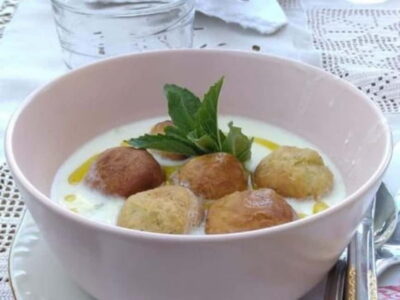
Gjirokastër: Traditional Albanian Vegetarian Cooking Class
Read our review →
Berat: Farm-to-Table Cooking Class with Local Family
Read our review →
Cook Like a Local – Authentic Cooking Class in Gjirokastra
Read our review →This kitchen also appears in