
Review · COOKING CLASSES WORLDWIDE
Buenos Aires: Empanadas and Alfajores Guided Cooking Class
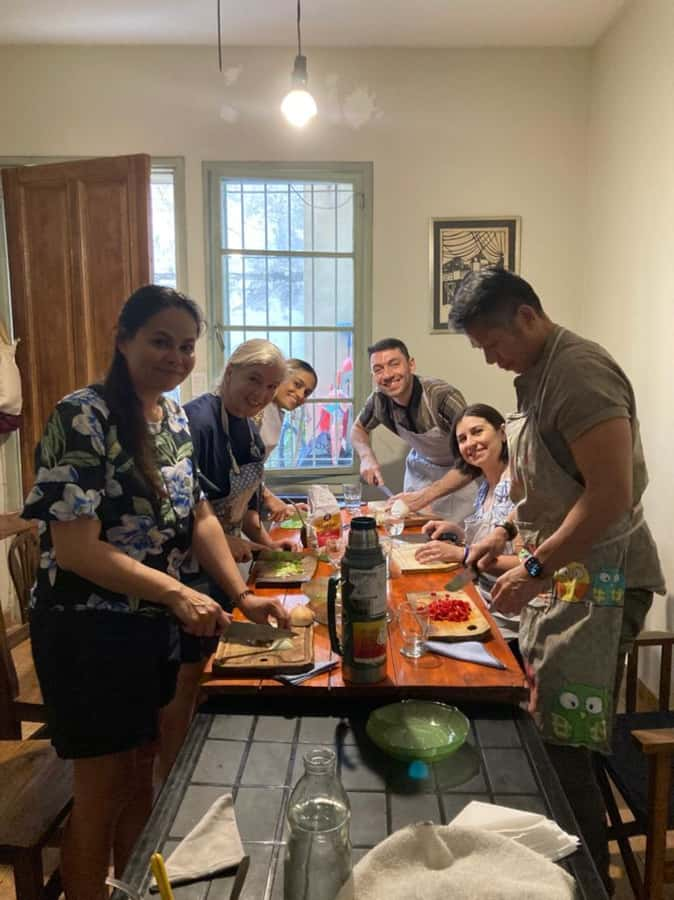
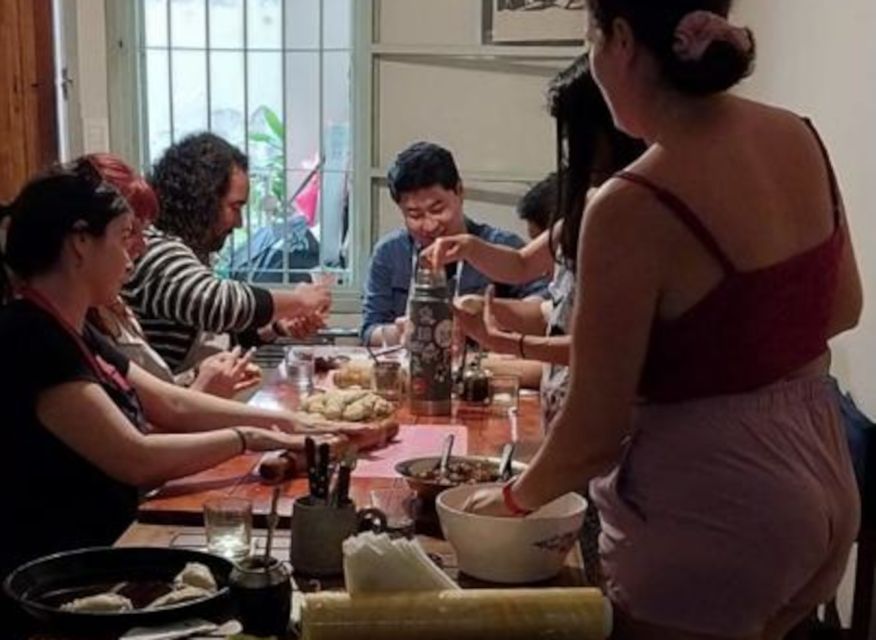
This class takes you straight into an Argentine household, where you make dinner with your hosts instead of watching a chef work from a distance. You’ll fold empanadas, learn the classic repulgue seal, prepare mate, and finish with alfajores filled with dulce de leche.
I like the small eight-person group and the warm, social setup. I also like that the food is your meal, not a tiny sample at the end. The main thing to consider is that the class can feel a little crowded around the work surface, and some people have found the instructions or recipe handoff less clear than ideal.
Key points to know
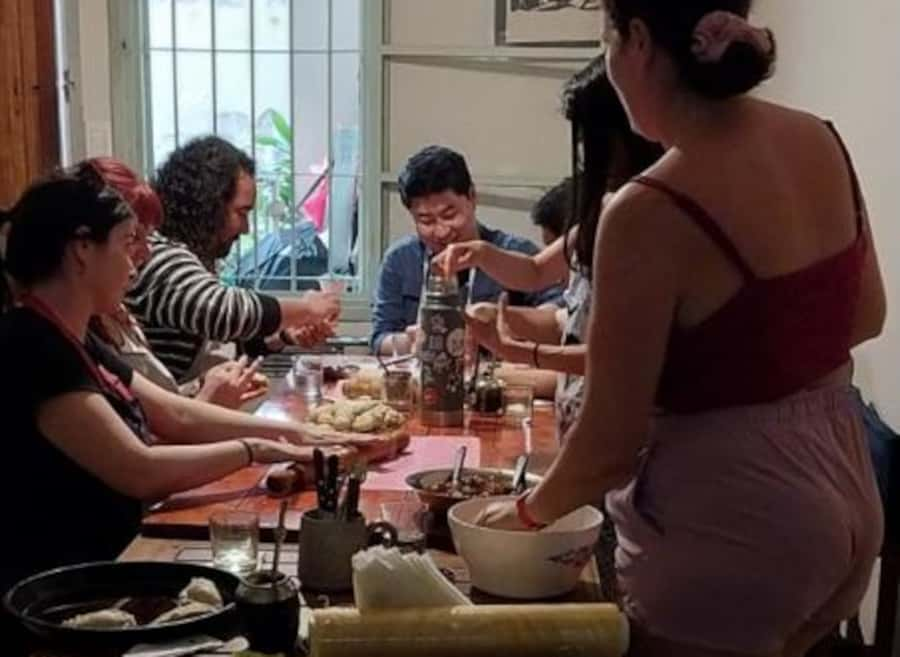
- Cook in a real home: The class takes place at Paseo Colon 1355 in San Telmo, not in a formal cooking school.
- Make a full Argentine spread: You prepare empanadas, alfajores, and mate during one three-hour session.
- Learn the repulgue: The twisted pastry edge is one of the most useful skills to take home.
- Expect a social evening: The group is limited to eight, with conversation built into the meal.
- Vegetarian options are available: Meat and vegetable fillings are offered.
- Budget-friendly value: At $37 per person, the class includes ingredients, mate, water, and the meal.
A home kitchen in San Telmo, not a staged demonstration
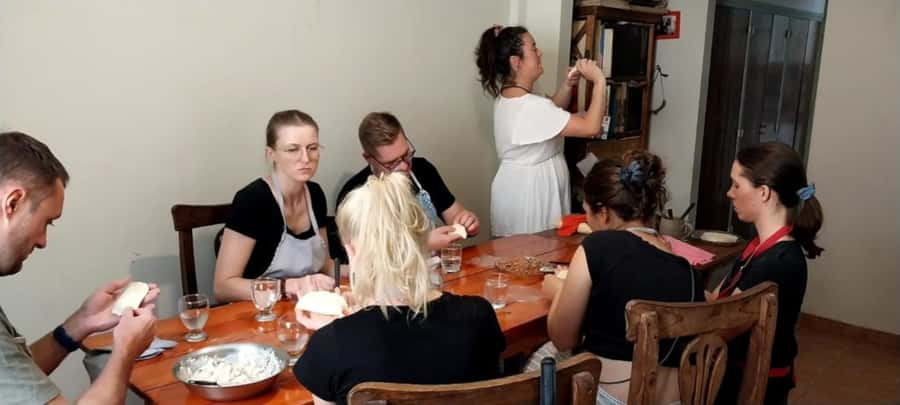
The meeting point is Paseo Colon 1355 in San Telmo. Go to the address at your scheduled start time and ring the bell. This matters because the experience is held in a private home, so it does not have the obvious reception desk or signage you might expect at a cooking studio.
That home setting is the heart of the class. You are not simply shown how empanadas are made and then handed one to taste. You work with the ingredients, shape the dough, fold the pastry, and sit down with the people you met to eat what you prepared.
The setting also gives the class a personal feel. Hosts including Thomas, Sophia, and Maria have taken different groups through the activity, and the approach can vary slightly by session. The common thread is a friendly family atmosphere, with conversation about Buenos Aires, Argentine customs, food, and daily life.
The room is small and comfortable, but that has a practical downside. If you sit at the far end of the table, you may not see every step clearly when the instructor demonstrates a fold or filling technique. Move closer when the demonstration begins, and do not hesitate to ask for a repeat.
More classes with a guide around the world:
- Budapest Cooking Class & Market Tour with Local Guide & Wines
★ 5.0 · 553 reviews - Private Guided Cooking Workshop Experience in Jodhphur
★ 5.0 · 158 reviews - Bergen: Guided Fishing Tour with Outdoor Cooking
★ 4.8 · 96 reviews
The first lesson: empanada dough and fillings
Empanadas are among Argentina’s most useful foods. They work as a quick snack, a casual lunch, a party dish, or a full dinner. The basic idea is simple: dough wrapped around a filling, then baked or fried. The details are where regional habits and family recipes come in.
During the class, you learn how to prepare the dough and fillings step by step. The fillings include a traditional meat option and a vegetarian alternative. This is helpful if you want to take part fully but do not eat meat. Some sessions have used the same meat filling more than once, so if trying several flavors is important to you, ask what fillings are planned before the class begins.
You work with fresh ingredients and take part in the preparation rather than standing back. That makes this a good choice for beginners. You do not need to arrive with advanced kitchen skills, though you should be ready to handle dough, fillings, and a little friendly pressure when it is time to shape your pastries.
The instruction is generally easy to follow, but it is not a private lesson. With up to eight people sharing the space, the pace may be quicker for some participants than for others. If you are an inexperienced cook, stay near the demonstration and ask questions early.
Learning the repulgue, the twist that seals the pastry
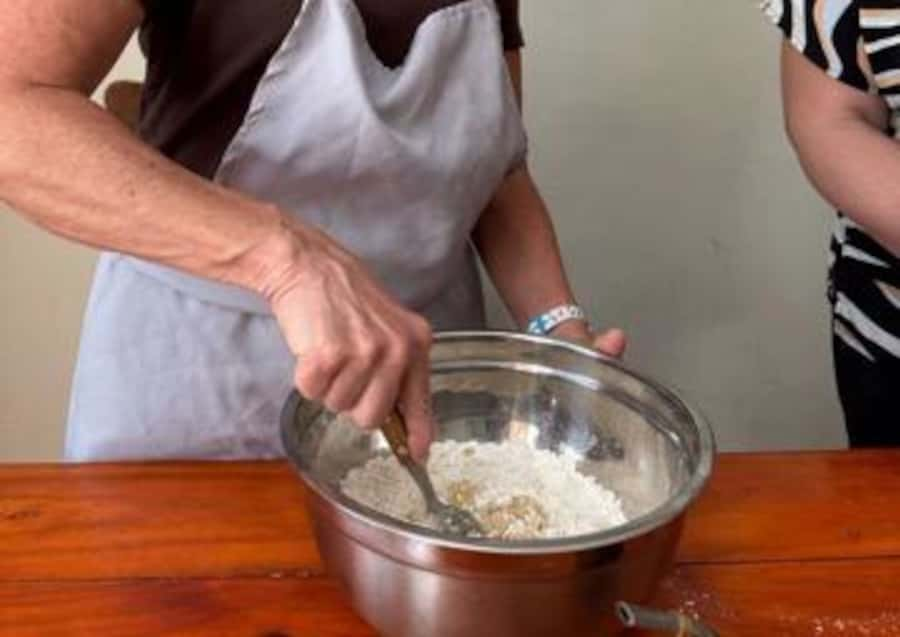
The most distinctive technique is the repulgue, the decorative twisted edge used to close many Argentine empanadas. It is both practical and pretty. A good seal keeps the filling inside, while the pattern can help identify what is inside the pastry.
You will get a hands-on lesson in how to fold and pinch the edge. Do not expect every empanada to look perfect on your first try. That is part of the fun, and the finished food still tastes good if your folds are uneven.
This is one of the strongest reasons to take the class instead of only ordering empanadas at a restaurant. Once you understand the dough, filling, and seal, you have a method you can repeat at home. The experience gives you a cooking memory with real use, not just a photograph and a list of ingredients.
The class is also a reminder that Argentine cooking is not only about grilled beef. Empanadas show the country’s everyday side: portable, adaptable, filling, and easy to share.
Mate is part of the conversation
Mate is a traditional herbal drink and an important part of Argentine social life. The class includes an introduction to the traditional way of preparing and drinking it, so you learn more than the name of the beverage.
You are shown how mate is prepared and shared in the local style. It becomes part of the evening rather than a separate lecture. As you work, mate gives the group something to discuss, and it helps explain how food and drink can create a social ritual in Argentina.
The inclusion of mate adds real value to the class. You could sample an empanada anywhere in Buenos Aires, but learning how the drink fits into local customs gives you a better sense of the culture behind the food.
The exact flow can depend on the group and the hosts. The class is taught in English or Portuguese, and the hosts also use the cooking time to discuss Argentina and Buenos Aires. If you are interested in customs beyond the recipes, ask questions. The hosts are open to conversation, and this is one of the places where the household setting works best.
More cooking classes around the world:
- Half-Day Thai Cooking Class at Organic Farm in Chiang Mai
★ 5.0 · 19,087 reviews - Florence: Pasta Cooking Class with Unlimited Wine
★ 4.9 · 10,285 reviews - 3 in 1 Cooking Class near Navona: Fettuccine, Ravioli & Tiramisu
★ 5.0 · 7,376 reviews - Florence: Pasta & Tiramisu Cooking Class with Unlimited Wine
★ 4.9 · 6,708 reviews
Alfajores and dulce de leche for dessert
The second food project is the alfajor, one of Argentina’s best-known sweet treats. In this class, you make a corn-starch version with a creamy dulce de leche filling.
The texture is different from the empanada dough, so this part gives the workshop a useful change of pace. You prepare the cookie mixture, shape the pieces, and assemble the finished alfajores with the filling. The result is sweet, soft, and easy to enjoy after the savory food.
Dulce de leche is essential here. It is the creamy caramel-like filling that holds the cookies together and gives them their familiar Argentine character. Alfajores come in several forms, but this workshop focuses on the corn-starch style.
You eat the results of your work as part of the meal. This is a generous arrangement, especially if you arrive hungry. Several sessions have produced enough food that people had some empanadas left over to take away. Still, portion sizes can depend on how much the group makes and how many people are present, so treat the meal as a substantial part of the class, not a promise of takeaway food.
A social meal with people from several countries
The class is as much a shared meal as it is a lesson. After the cooking, everyone sits together, eats the empanadas and alfajores, and continues talking with the hosts and the other participants.
That social structure suits solo visitors and couples who want an easy way to meet people. It also works well for families. Teenagers and older children can take part in shaping and preparing the food, rather than waiting through a long adult lecture. The activity has worked well for families with children as young as 12, according to the details provided.
You should expect a friendly, informal atmosphere rather than a strict culinary course. The hosts focus on getting people involved and comfortable. Thomas is described as having a relaxed sense of humor, while Sophia has been especially praised for explaining both the food and Buenos Aires. Other sessions involve Maria and a wider family team, including Stella helping with the table.
The group size is limited to eight, which is small enough for conversation but not so small that you receive constant one-to-one help. If you want a private class or a technical pastry lesson, this may feel casual. If you want to meet people and cook in a welcoming home, it is a strong fit.
How much value do you get for $37?
At $37 per person, the price includes the cooking class, all ingredients, mate, water, and the meal. Wine is not included, but it can be purchased separately.
I consider that good value for three hours in Buenos Aires. You receive instruction, dinner, dessert, a cultural activity, and a recipe you can use later. A standard restaurant meal may cost less or more depending on where you eat, but it will not teach you the repulgue or show you how mate is prepared.
The value is especially good if you are interested in food culture rather than just eating. You leave with practical skills and a better understanding of two Argentine staples. It is also a sensible rainy-day or evening activity, since the main event takes place indoors.
There are a few small limits. The meal is based on what the group prepares, so you do not get a broad tasting menu of many empanada flavors. One participant wanted a second filling instead of repeating the meat option. If variety matters most to you, check the planned menu before booking.
Wine is an extra cost, and table service is informal. The focus is on sharing food made during the class, not on a polished restaurant presentation.
Recipes, pacing, and small practical details
Recipes are intended to be shared after the class, and some people have received them as part of the experience. Still, the handoff has not always been automatic. In at least one case, the recipe required following the guide on Instagram and asking for it afterward.
My advice is simple: before you leave, confirm how you will receive the recipes. If you want to repeat the dishes at home, save the instructions while the steps are fresh in your mind. This is a small point, but it can make the difference between a pleasant memory and a useful cooking lesson.
The class is accessible to wheelchair users. Instruction is offered in English and Portuguese. Free cancellation is available up to 24 hours before the activity, and you can reserve now and pay later, which helps if your Buenos Aires schedule is still changing.
The meeting point is in San Telmo, but transport to the address is not listed as part of the activity. Plan your own way to Paseo Colon 1355 and allow enough time to arrive at the stated start time.
Who will enjoy this class most?
You should book this if you want to:
- Learn food traditions in a real home
- Cook rather than watch
- Meet a small group of people
- Eat a full meal made during the class
- Learn a few Argentine recipes to repeat later
- Add a relaxed evening activity to a Buenos Aires visit
- Include older children or teenagers in a cultural activity
It is less suitable if you want a formal culinary-school setting, a private chef, or a large selection of fillings. It may also disappoint you if you need every demonstration to be slow and perfectly visible from your seat.
The class works particularly well early in your stay. You can use the hosts’ food and city tips during the rest of your visit, and you will recognize empanada styles and mate customs more easily afterward.
Should you book Buenos Aires empanadas and alfajores class?
I would book it if you value personal contact, useful cooking skills, and a meal with a story behind it. The strongest parts are the home setting, the small group, the chance to make both savory and sweet food, and the mate lesson woven into the evening.
Go in expecting a warm, informal workshop, not a polished professional kitchen. Ask about the filling choices, move close for demonstrations, and confirm how the recipes will be sent. With those expectations in place, $37 buys a generous and distinctly Argentine evening in San Telmo.
FAQ
Where does the cooking class meet?
The class meets at Paseo Colon 1355 in San Telmo, Buenos Aires. Ring the bell at the scheduled starting time.
How long does the activity last?
The cooking class lasts three hours.
How much does the experience cost?
The listed price is $37 per person.
What foods will I make?
You will make Argentine empanadas with savory fillings and alfajores made with corn starch and dulce de leche.
Will I learn how to prepare mate?
Yes. The class includes instruction in the traditional method of preparing and drinking mate.
Are vegetarian fillings available?
Yes. Vegetarian alternatives are available alongside a traditional meat filling.
What is included in the price?
The price includes the cooking class, ingredients, mate, water, and the meal you prepare.
Is wine included?
No. Wine is not included, but it is available to purchase.
What languages are used during the class?
Instruction is available in English and Portuguese.
How many people are in the group?
The class is a small-group activity limited to eight participants.
Is the class wheelchair accessible?
Yes. The activity is listed as wheelchair accessible.
Can I cancel for a refund?
Yes. You can cancel up to 24 hours in advance for a full refund.
New cooking classes around the world
- Shinjuku Tokyo: Authentic Japanese Home-Style Culinary Class★ 4.9 · 125 reviews
- Shibuya Tokyo: Onigiri & Tamagoyaki Cooking Class★ 5.0 · 4 reviews
- M.O.M COOKING CLASS★ 4.8 · 6 reviews
- Seville: Paella-Cooking Experience with Sangria & Full Meal★ 4.9 · 42 reviews
- Shanghai: Authentic Chinese Cooking Class with Master Chef★ 5.0 · 2 reviews
- Sestri Levante: Pesto & Cooking Classes, Wine Tasting★ 4.9 · 56 reviews
- Seville: Paella Cooking Class & 30-Min Local Expert Q&A★ 4.8 · 37 reviews
- Seoul: Premium Korean Feast Cooking Class★ 5.0 · 3 reviews