
Review · COOKING CLASSES WITH WINE TASTING
Premium Empanadas Cooking Class & Wine Tasting Experience
Argentine empanadas and wine make a fine two-hour lesson in Buenos Aires culture. At Gorriti 4882 or 4886 in Palermo, you prepare the food yourself, then taste Malbec, Cabernet Sauvignon, and Cabernet Franc while your guide explains how grapes and cooking traditions vary across Argentina.
I like the small-group format, which makes it easier to ask questions and chat over the meal. I also like the practical balance of cooking and tasting: you learn a recipe you can repeat at home, not just watch somebody else prepare lunch.
The main thing to consider is the price, $49 per person, which is fair for a guided class with wine but not a bargain if you only want a quick meal. The filling may also lean heavily toward onion, so diners who prefer a meat-forward empanada should ask about the recipe before cooking.
Key points to know before booking
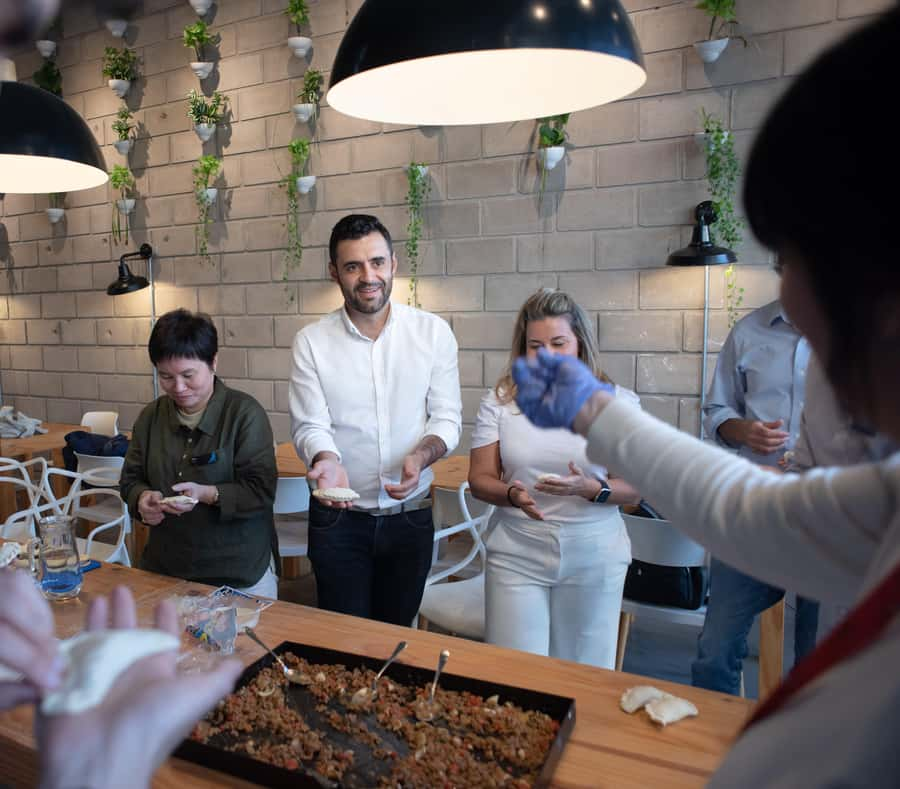
- You make the empanadas yourself, from preparing the filling to shaping the dough and eating the finished result.
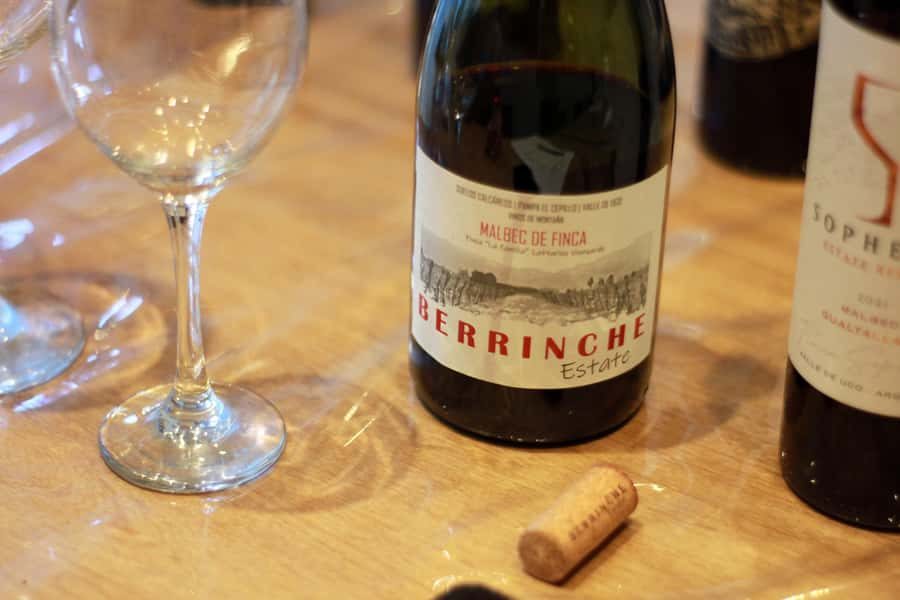
- Three Argentine wine styles are included: Malbec, Cabernet Sauvignon, and Cabernet Franc.
- Guides may include Catalina, Valentin, Fernando, Lourdes, Thomas, or Tomás, with instruction available in Spanish, English, and Portuguese.
- The class takes place in Palermo, at a clean, light venue that is easy to reach according to the information provided.
- Small groups help conversation, with one session accommodating about seven people and another becoming a private class for a couple.
- Adults only: this activity is not suitable for children under 18.
Why this Palermo class works as a first taste of Argentina
Empanadas are useful travel food. You can eat them for breakfast, lunch, or dinner, and they work as either a snack or a full meal. Learning to make them gives you a simple way to carry a piece of Buenos Aires home.
This class adds wine to the lesson, so you are not simply following a dough recipe. You also learn how Argentina handles three important grape varieties. Malbec is the name most visitors associate with the country, while Cabernet Sauvignon and Cabernet Franc let you compare a familiar international grape with other styles made in Argentina.
I like this pairing because the food and wine support each other. The class gives you something to do with your hands, then gives you time to taste and talk. That is more useful than a formal lecture, especially if you are new to Argentine wine or do not cook often.
The class is held in Palermo, one of the easiest Buenos Aires neighborhoods for visitors to reach and explore on foot. The meeting point is listed as Gorriti 4882 in one place and Gorriti 4886 in another, both in Palermo. Confirm the exact door before setting out, and arrive five minutes early as requested.
More Cooking Classes with Wine Tasting in the world:
- Florence: Pasta Cooking Class with Unlimited Wine
★ 4.9 · 10,285 reviews - Florence: Pasta & Tiramisu Cooking Class with Unlimited Wine
★ 4.9 · 6,708 reviews - Florence: Pasta Cooking Class with Unlimited Wine
★ 5.0 · 6,413 reviews
Arriving at Gorriti and meeting your guide
The first few minutes matter in a small class. A late arrival can interrupt the explanation and leave you trying to catch up while everyone else is already handling dough. Get to the Gorriti address early enough to check the number carefully.
The guide is central to the experience. Catalina is described as relaxed and welcoming, while Valentin received praise for walking the group through the recipe and explaining the wines. Fernando was also singled out as a strong teacher and host, and Thomas was appreciated for his enthusiasm about Argentine food, wine, and cooking.
Lourdes brings historical context into the lesson, covering food, wine, and culture rather than focusing only on technique. You may also find the guide willing to offer suggestions for restaurants, wine, lunch, and other places around Buenos Aires. That extra local advice can be useful if this is your first visit.
Instruction is offered in Spanish, English, and Portuguese. The language choice makes this a practical pick for international visitors, though the style may differ slightly depending on which guide leads the session.
Making the empanadas from dough to filling
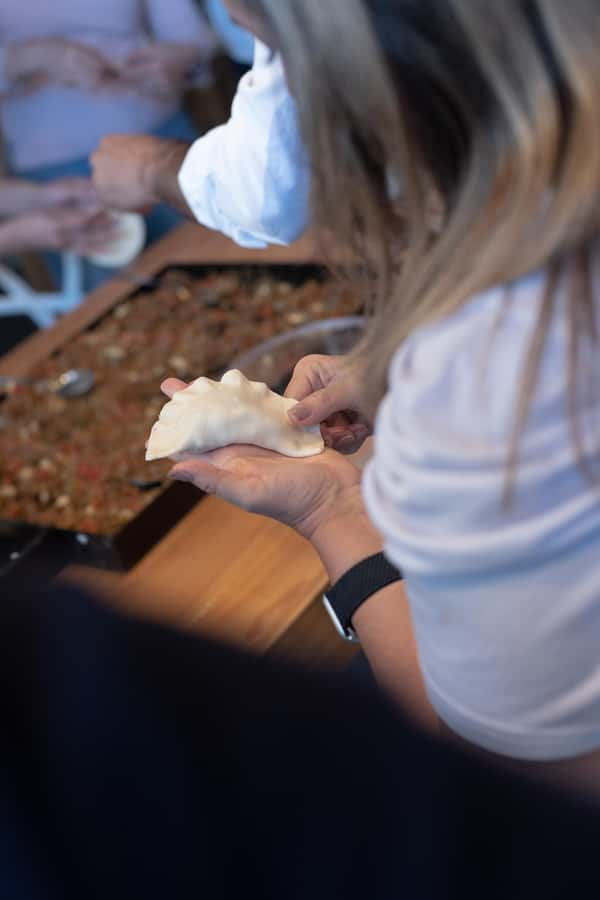
The hands-on part is the heart of the class. You learn an authentic recipe, work with the ingredients provided, and shape your own empanadas before they are cooked and served.
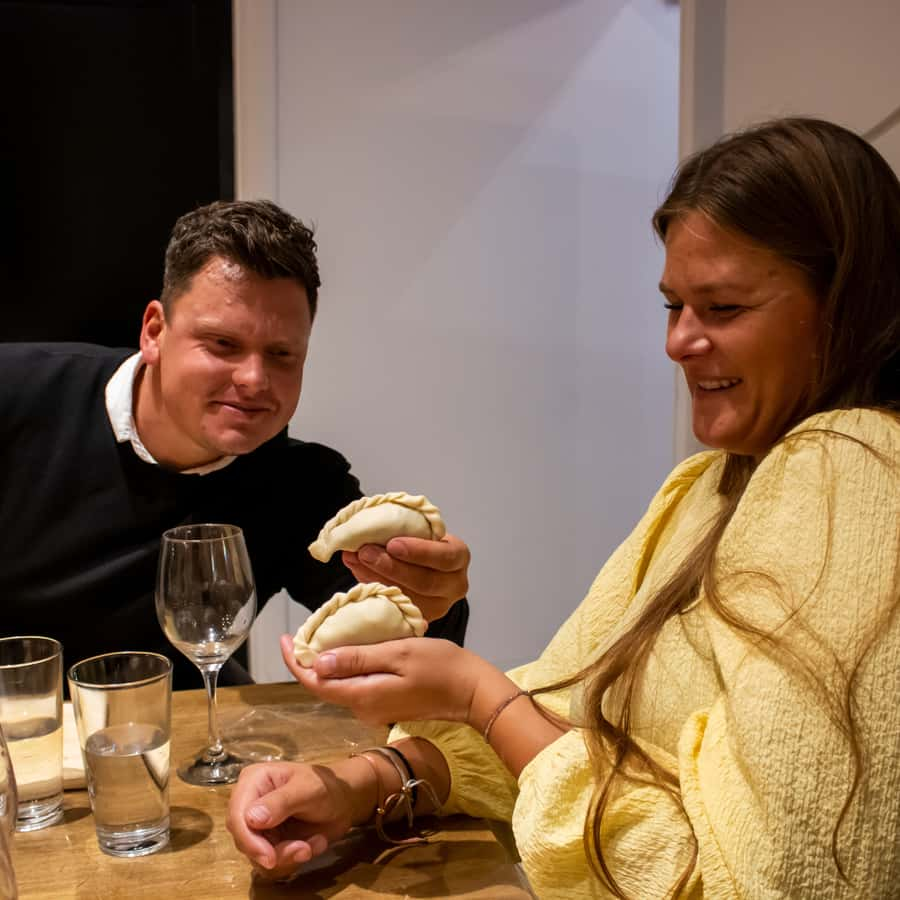
You should expect instruction rather than a professional kitchen exam. The goal is to understand the basic method, fold the dough properly, and enjoy the result. Your finished empanadas may not look perfect, but that is part of the fun. One diner noted that the final shapes were not especially attractive, yet they tasted delicious.
That is useful advice for anyone who worries about cooking ability. You do not need to arrive with knife skills or pastry experience. The activity is designed around guidance, conversation, and shared preparation.
The class also gives you a direct way to understand why empanadas are such a flexible part of Argentine food. They can be served as an appetizer or main dish, and the same basic format can hold different fillings. The exact recipe is presented as traditional, but the balance of ingredients may not suit every palate.
One concern came up clearly: the filling in one session contained so much onion that it dominated the meat and other flavors. Onion is a traditional ingredient, but traditional does not mean everyone will love the same ratio. If you dislike strong onion flavor, ask your guide about the filling before the preparation begins.
Comparing Malbec, Cabernet Sauvignon, and Cabernet Franc
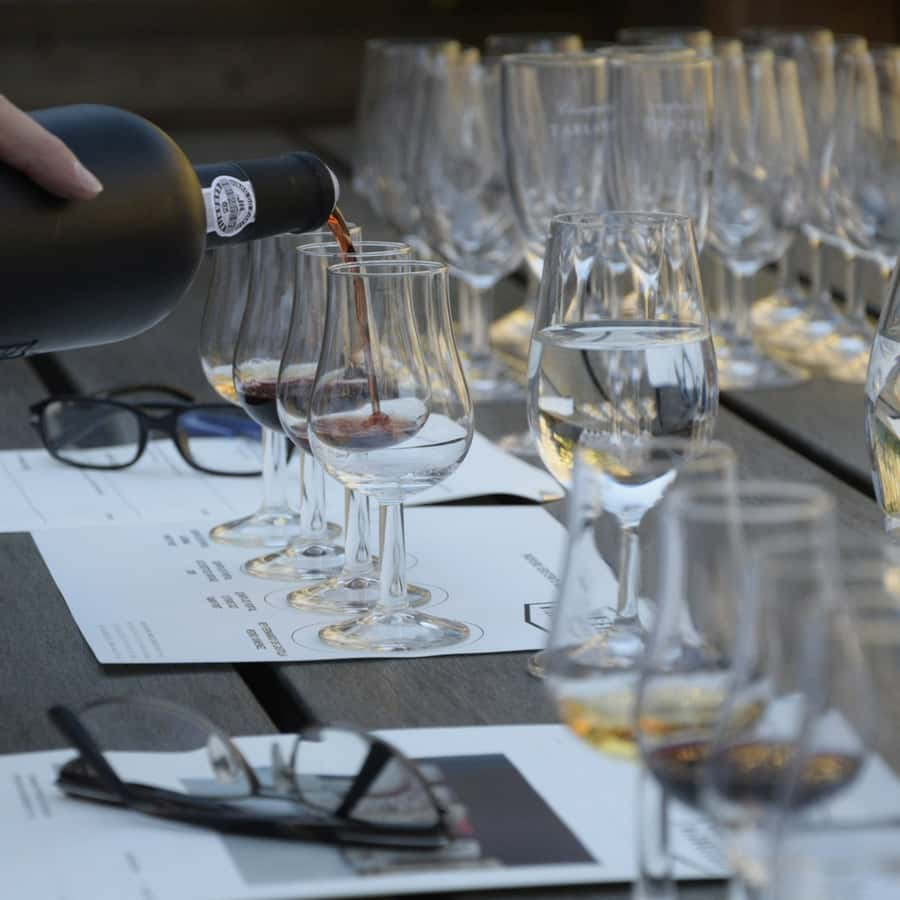
The wine tasting gives the cooking class a second purpose. You are guided through Malbec, Cabernet Sauvignon, and Cabernet Franc, with an explanation of the grapes, Argentine winemaking methods, and the flavors associated with each variety.
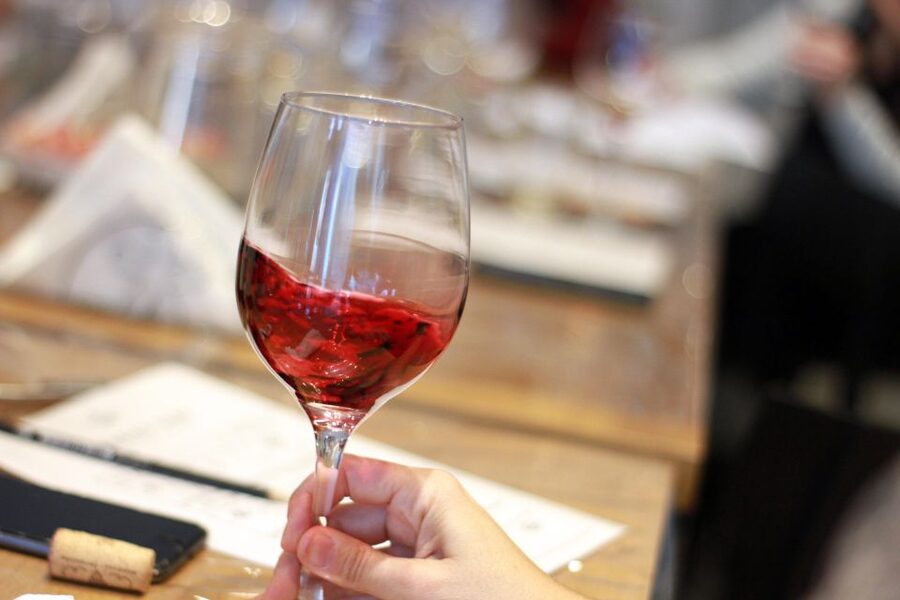
You do not need to know wine terms in advance. A good way to approach the tasting is to notice the differences one glass at a time. Think about smell, weight, fruit, acidity, and how each wine changes with the empanada. The guide can connect those impressions to the grape and the area where it is grown.
Malbec is the obvious starting point for many visitors because it is closely tied to Argentina’s wine identity. Cabernet Sauvignon gives you a more familiar comparison, while Cabernet Franc adds another style to the lineup. The value here is not simply the number of pours. It is learning how to compare wines with a guide nearby to answer basic questions.
The tasting is timed alongside the cooking. You may drink while completing the next stage of the recipe, then return to the wine once the food is ready. This structure keeps the two-hour session moving and gives people something to discuss while they work.
Remember that this is an educational tasting, not a full winery visit. You will not be touring vineyards or traveling to a wine region. If you want a dedicated cellar experience, this class is not a substitute. If you want an easy introduction to Argentine grapes during a city break, it fits well.
More cooking classes around the world:
- Half-Day Thai Cooking Class at Organic Farm in Chiang Mai
★ 5.0 · 19,087 reviews - 3 in 1 Cooking Class near Navona: Fettuccine, Ravioli & Tiramisu
★ 5.0 · 7,376 reviews - Hanoi Cooking Class: Culture, Local Market & Meaning CSR Impact
★ 5.0 · 5,147 reviews - 5 Traditional Dishes Hanoi Cooking Class with Market Trip
★ 5.0 · 4,890 reviews
A small table makes the meal more social
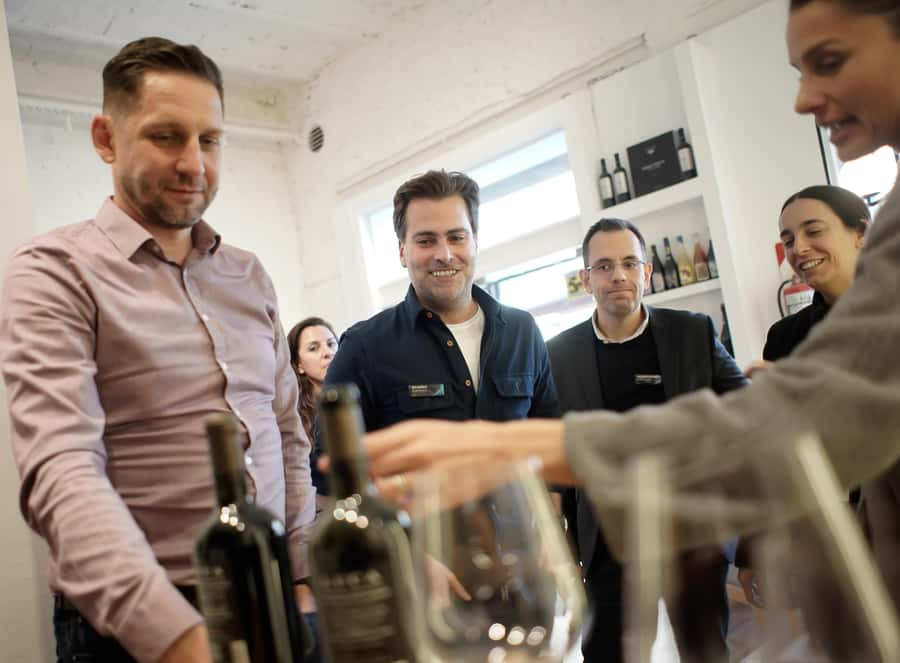
Group size changes the feel of this activity. A session of about seven people is small enough for everyone to participate without turning the class into a private lesson. The work at the table creates natural conversation, even if you arrive alone.
One couple had the class to themselves, which made the instruction especially personal. That level of attention is possible when bookings are light, but you should not book expecting a private class. The normal experience may include several other adults.
The venue has been described as clean, spacious, and full of natural light. Those details matter in a cooking class. You want enough room to work without bumping elbows, and you want a setting where the food preparation feels pleasant rather than cramped.
The social side is part of the value. You may meet other people over the same dough and wine, then continue talking while you eat. If you prefer silent instruction and a quick meal, this format may feel too interactive. If you like learning through conversation, it should suit you well.
How long the two-hour schedule really feels
The advertised duration is two hours. That is long enough to cover the recipe, taste the wines, and eat without taking half a day from your Buenos Aires plans.
One session was described as lasting two and a half hours, so I would avoid scheduling a flight, transfer, or timed attraction immediately afterward. The class has a natural rhythm: introduction, preparation, tasting, cooking, and eating. Rushing the final course would weaken the best part of the experience.
The class can work especially well on an arrival or departure day. One person used it while waiting for an evening flight, and another added it to a final afternoon in Buenos Aires. You should still allow time for transport to the airport and keep your luggage plan simple.
The provider does not include hotel pickup or drop-off. You make your own way to Palermo, which keeps the price lower but requires you to plan the local transport yourself. One host allowed luggage to be left for a short time after class, but do not treat that as a guaranteed service unless the provider confirms it before you arrive.
The activity takes place in rain or sunshine. That makes it a reliable backup for a wet afternoon, and you do not need to worry about outdoor conditions affecting the class.
Is $49 good value for the food and wine?
At $49 per person, the class sits above the cost of simply buying an empanada and a glass of wine. You are paying for the guide, the ingredients, the instruction, and the chance to taste three Argentine wine varieties in one sitting.
I consider the price reasonable if you value participation. The class is not just lunch. You receive a guided explanation of empanadas, a recipe you can repeat, cultural background, wine education, and a social meal in a small group.
The value is stronger for first-time visitors who want context. A plate of empanadas tells you what the food tastes like. Making them explains how they fit into daily Argentine eating habits. Tasting several grapes alongside the meal also helps you make better choices at restaurants and wine shops later in the trip.
The value is weaker if you are focused only on quantity. You are not booking a large tasting menu or a full restaurant dinner. You are also not guaranteed a private class, and one session found the onion level too high. Ask yourself if the lesson and conversation are worth the extra cost over ordering food.
The high rating, 4.9 out of 5 from 35 ratings, points to a very strong overall experience. Still, the onion complaint is worth taking seriously because taste is personal. If you prefer clear meat flavor and lighter fillings, ask for details before paying.
Who should book this experience?
I would choose this for adults who want a low-pressure introduction to Buenos Aires food and wine. It is especially useful early in a trip, when a guide can explain local customs and suggest places to eat afterward.
It also suits solo visitors and couples. A small table gives solo participants a way to meet people, while couples may receive more individual attention if the class is not full.
This is a good rainy-day plan, a sensible final-afternoon activity, and a practical option before an evening flight if you leave plenty of airport time. It is less suitable for children, anyone avoiding alcohol, or visitors who want a serious professional cooking course.
You should also consider your food preferences. The available information confirms empanadas and wine, but it does not promise a choice of fillings or a modified recipe. Ask about onions, meat, and other ingredients before booking if you have dietary restrictions.
What to bring and how to plan your time
Arrive five minutes early at the confirmed Gorriti address. Wear something comfortable for working at a table, and avoid putting the class between two fixed plans with no spare time.
You do not need to bring ingredients or cooking equipment. The ingredients and wine tasting are included, as is a professional guide. Hotel pickup and drop-off are not included, so plan your route to Palermo in advance.
The class is for people aged 18 and over. Bring questions about Argentine wine, restaurants, and empanadas, since the guides have been helpful with local recommendations. If you plan to explore Palermo after class, allow time for the session to run beyond the advertised two hours.
The activity can be canceled up to 24 hours before the start for a full refund, and you can reserve now and pay later. Those policies are helpful if your Buenos Aires schedule is still changing.
Should you book the empanada and wine class?
Book it if you want to do more than eat Argentine food. The best parts are the small-group instruction, the chance to shape your own empanadas, and the clear comparison of three important Argentine grapes. Guides such as Catalina, Valentin, Fernando, Lourdes, and Tomás add local food and city advice to the lesson.
Think twice if $49 feels high for a modest meal, if you do not drink wine, or if you strongly dislike onion. Also confirm the exact Gorriti number and leave extra time after the class.
For most adults visiting Buenos Aires, I see this as a useful, social introduction to Argentine cooking and wine. It gives you a skill, a meal, and enough context to make the rest of your food stops more interesting.
FAQ
Where does the cooking class take place?
The meeting point is in Palermo on Gorriti Street. The information gives both Gorriti 4882 and Gorriti 4886, so confirm the exact address before attending.
How long does the experience last?
The advertised duration is two hours. One session was reported to last two and a half hours, so leave some spare time afterward.
Which wines are included?
The tasting includes Malbec, Cabernet Sauvignon, and Cabernet Franc.
Is the class available in English?
Yes. The live guide can provide the experience in Spanish, English, or Portuguese.
Are children allowed to attend?
No. The activity is not suitable for children under 18.
Is hotel transportation included?
No. Hotel pickup and drop-off are not included, so you must arrange your own way to and from Palermo.
New cooking classes around the world
- Shinjuku Tokyo: Authentic Japanese Home-Style Culinary Class★ 4.9 · 125 reviews
- Shibuya Tokyo: Onigiri & Tamagoyaki Cooking Class★ 5.0 · 4 reviews
- M.O.M COOKING CLASS★ 4.8 · 6 reviews
- Seville: Paella-Cooking Experience with Sangria & Full Meal★ 4.9 · 42 reviews
- Shanghai: Authentic Chinese Cooking Class with Master Chef★ 5.0 · 2 reviews
- Sestri Levante: Pesto & Cooking Classes, Wine Tasting★ 4.9 · 56 reviews
- Seville: Paella Cooking Class & 30-Min Local Expert Q&A★ 4.8 · 37 reviews
- Seoul: Premium Korean Feast Cooking Class★ 5.0 · 3 reviews
Cooking Classes with Wine Tasting, side by side.
Florence: Pasta Cooking Class with Unlimited Wine
Read our review →
Rome: Pasta Making Class with Wine, Limoncello, and Dessert
Read our review →
Fettuccine & Tiramisù: Cooking Class with Wine & Limoncello
Read our review →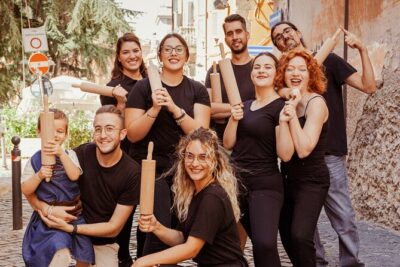
Pasta Making & Wine Tasting with Dinner in Frascati from Rome
Read our review →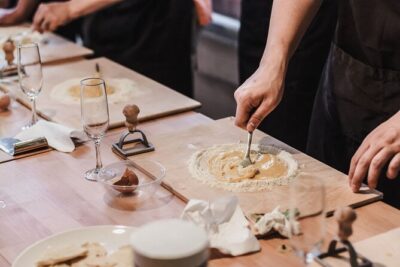
Rome Cooking Class: Make Pasta, Dine & Drink Wine With Local Chef
Read our review →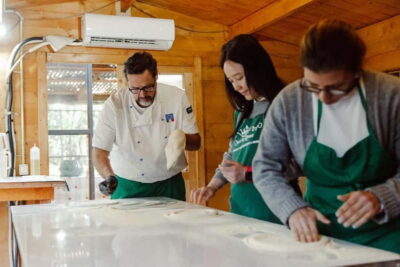
Rome: Combo Pizza and Pasta Cooking Class with Wine
Read our review →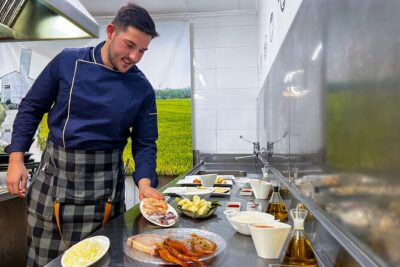
Paella Cooking Class, Wine Tasting & Central Market in Valencia
Read our review →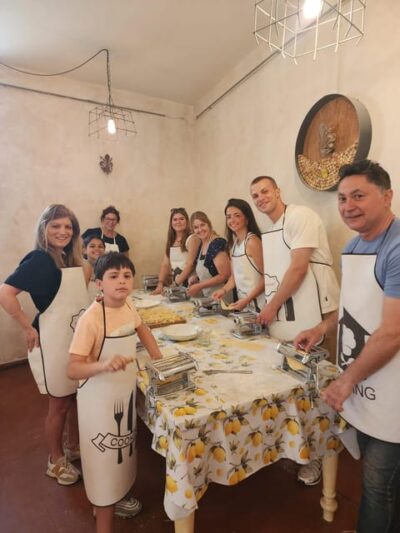
Milan: Pasta and Tiramisu Cooking Class with Wine
Read our review →This kitchen also appears in