
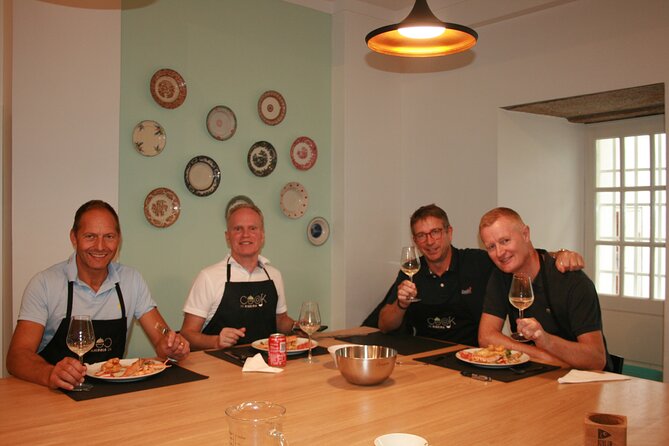
Review · PORTO
Portuguese Cooking Class in Porto with Portuguese Wine
Porto’s food culture makes more sense when you work with the ingredients yourself. At Cook in Ribeira, you prepare a traditional Portuguese meal with a local chef, then sit down at one large table to eat it with your group. The menu centers on cured codfish, shellfish, and convent-style almond sweets, with Portuguese wine served along the way.
I like the seasonal menu changes, which keep the class tied to what is fresh, and I like the warm teaching style reported from Vitor and Jorge. The main point to consider is the food: if you dislike codfish, mussels, or clams, ask about a custom menu before booking, since these are central to the traditional class.
Key points to know before booking
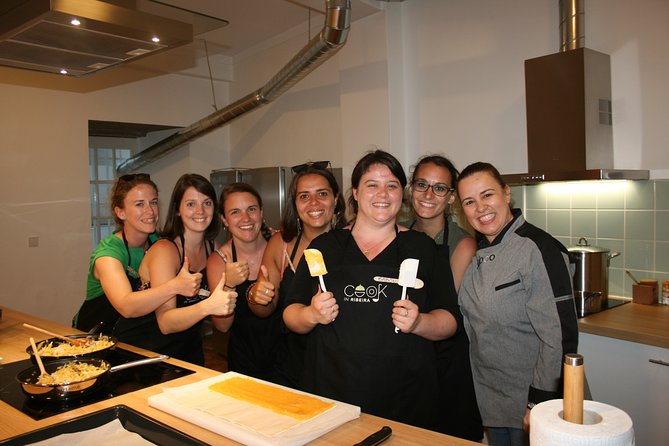
- Cook traditional dishes, not generic tourist food: The class focuses on Portuguese codfish, shellfish, and almond-based desserts.
- Expect personal instruction: Vitor, Jorge, and other local chefs guide you through each step and share practical kitchen tips.
- Dinner and drinks are included: You receive a four-course meal with Portuguese wine, water, beer, juice, and coffee.
- The evening begins at 6 p.m.: Plan on about three hours, though the class may run later if the group lingers over food and conversation.
- The setting is social but private to your booking: Only your group participates in the activity, according to the supplied details.
- Shellfish and cod are important: Tell the provider about dislikes before the class rather than waiting until the cooking starts.
Cooking Portuguese food in the Ribeira district
The class takes place at Cook in Ribeira, at Rua do Infante D. Henrique 16 1 Traseiras, a central Porto address near public transportation. You meet there at 6 p.m., and the experience ends at the same location. Since hotel pickup is not included, you need to make your own way to the kitchen.
The location matters because this is not a restaurant meal with a short cooking demonstration added on. You spend the evening in a professional kitchen, working with a chef and preparing food that reflects everyday Portuguese traditions. The class then shifts to a shared meal around a large table.
That format gives you two experiences in one. You learn how the dishes are made, and you get time to sit, eat, and talk. It also means the pace is not purely instructional. Wine, conversation, and the meal are part of the evening, so this suits you if you want a relaxed cultural activity rather than a fast lesson focused only on technique.
The activity is offered in English. The chefs named in the supplied material include Vitor and Jorge, with Andre also helping during one class. Their role goes beyond reading out a recipe. They explain the food, offer step-by-step help, and add information about Portugal and its people.
More Cooking Classes with Wine Tasting in Portugal:
- Porto: Pastel de Nata Cooking Class with Port Wine – Sé
★ 4.8 · 888 reviews - Porto: Pastel de Nata Cooking Class with Porto Wine (Sé do Porto)
★ 5.0 · 340 reviews - Lisbon: Setúbal Market and Wine tour with Cooking class
★ 5.0 · 4 reviews
What you actually cook during the three-hour class
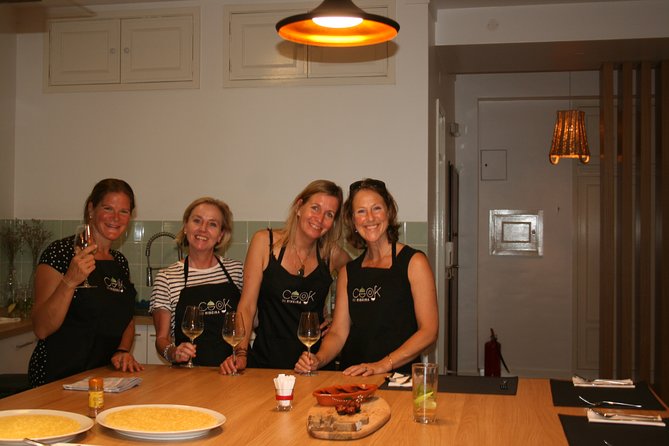
The menu changes during the year to make use of fresh, seasonal ingredients. That is useful for two reasons. First, the food should reflect the time of year rather than follow a fixed list no matter what is available. Second, you should not assume that every date will feature precisely the same dishes.
The sample menu gives you a good idea of the class’s culinary direction.
Codfish, Portugal’s great kitchen challenge
The main course is based on Portuguese cured codfish, known locally as bacalhau. Portugal is famous for having many ways to prepare it, and the class treats cod as a practical cooking challenge: how do you make a traditional dish that a wide range of people can enjoy?
You learn how the chef approaches the cod and how the different parts of the recipe fit together. The supplied details do not name one fixed cod preparation, so you should expect the exact dish to depend on the menu used that evening.
I see this as one of the strongest parts of the class for anyone who wants food with a clear connection to Portugal. Codfish is not just an ingredient chosen for convenience. It is one of the country’s signature foods, and preparing it gives the meal a stronger local identity than making a standard European dish.
The drawback is equally clear. One family found that codfish was a poor fit because nobody in the group liked it. If you already know that cured cod is not for you, contact Cook in Ribeira before the class and ask about an agreed alternative menu.
Mussels or clams with green wine
The starter is mussels or clams, served with a flavorful sauce that is especially good with bread. The suggested pairing is green wine, or vinho verde, a Portuguese wine known for its lively character and close connection to northern Portugal.
You prepare the shellfish with the chef’s guidance, then taste it with the wine. This is a small but useful lesson in Portuguese eating habits: bread is not an afterthought here, and a simple sauce can become a central part of the dish.
Again, shellfish is not optional for everyone. If mussels and clams are foods you avoid, raise the issue ahead of time. The provider has indicated that a special menu can be arranged when agreed in advance, but you should not count on a last-minute change once the class has started.
More cooking classes around Portugal:
- Lisbon: Pastel de Nata Baking Class
★ 4.9 · 2,106 reviews - Porto: Pastel de Nata Cooking Class with Grandma’s Recipe
★ 5.0 · 1,565 reviews - Lisbon: Traditional Portuguese Cooking Class
★ 4.9 · 592 reviews - Porto: Pastel de Nata Cooking Class from Scratch
★ 4.9 · 468 reviews
Almond tart and Portuguese convent sweets
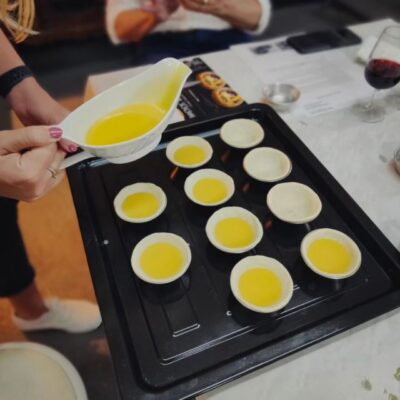
Dessert turns to almonds and the tradition of Portuguese convent sweets. The class includes an almond tart or another almond-based pie, followed by a red Port pairing.
This is a good ending because it moves the meal from savory seafood to a sweeter style of Portuguese cooking. You get to make the dessert rather than simply receive it, and the Port gives you a clear example of how local wine can be matched with a rich, nutty sweet.
The menu description also refers to other pies and tarts, so the final dessert may vary. The exact recipe is shaped by the seasonal menu and the chef’s plan for the evening.
A four-course meal with Portuguese wine
The experience includes a four-course meal, along with Portuguese wines, water, beer, juice, and coffee. The sample menu names a starter, a codfish main course, and dessert, but the supplied details do not specify the fourth course. You should think of the sample as a guide to the style of the meal rather than a guaranteed printed menu.
The wine is not treated as a separate tasting session. It is served with the food, including green wine with shellfish and red Port with the almond dessert. That makes the pairings easy to understand, even if you know little about Portuguese wine.
Porto is closely linked with Port, but this class does more than serve the city’s best-known drink. Wines from Portugal’s demarcated regions are included, giving you a wider look at the country’s wine culture. You also receive non-wine options, including beer, juice, water, and coffee.
Portions are described as generous, so arrive ready to eat. Several people found they left very full, which is useful to know if you plan a large lunch or an early dinner before the 6 p.m. start. I would keep the afternoon meal modest and save your appetite for the class.
The teaching style: practical, patient, and social
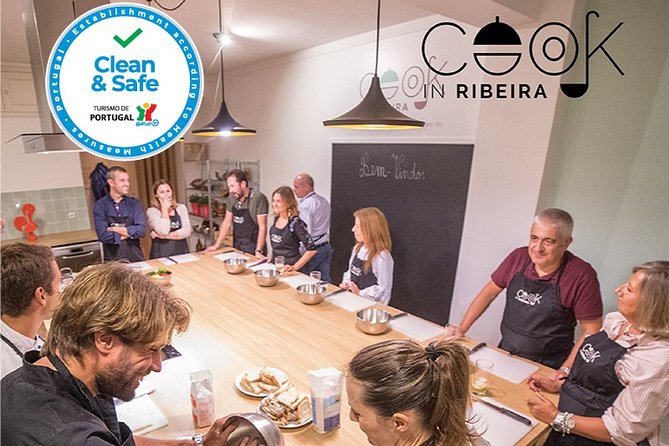
The clearest strength of this experience is the human side of the instruction. Vitor is described as patient, personable, and funny, while Jorge is praised for step-by-step directions and calm help around the kitchen. Andre is also named as part of the teaching team.
That matters in a hands-on class. You need enough explanation to feel involved, but not so much that the evening turns into a lecture. The best feedback points to a balance between cooking, eating, drinking wine, and learning about Portugal.
The chefs also adjust to the mood of the group. One class continued for an extra hour because people were enjoying the evening. Another began with a late arrival, and Vitor handled it with patience and humor. These details suggest a relaxed atmosphere rather than a rigid class where every minute is tightly controlled.
The private format is another practical benefit. Only your group participates in the activity, according to the supplied information. The examples provided include a very small group and a group of eight, so the exact size can vary. If you are arranging a family evening, a couples’ outing, or a small celebration, private participation gives you more control over who shares the table.
There is still a social element. You cook with your companions, sit together for the meal, and have time to meet the chefs. If you want a quiet meal with no group interaction, this may feel more communal than you expect.
Why the seasonal menu matters
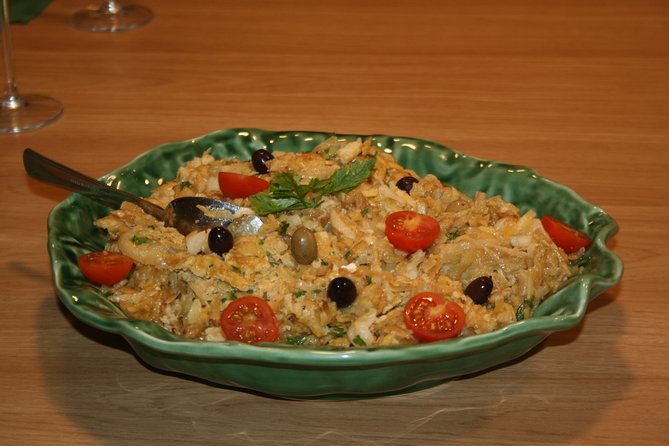
Many cooking classes use the same menu all year because it is easier to teach. Cook in Ribeira says its hands-on menus are adapted throughout the year to include fresh, seasonal ingredients.
You should not read this as a promise of a completely different meal every time. The core idea remains traditional Portuguese cooking, and the sample menu keeps returning to codfish, shellfish, and almond sweets. But seasonal changes can affect the exact seafood, tart, or preparation used on your date.
I like this approach because it connects the lesson to how food is actually cooked in Portugal. It also gives the chef room to work with better ingredients instead of forcing a fixed recipe when something is not at its best.
The tradeoff is predictability. If you want one particular dish, confirm it before booking. The listed menu is a useful example, not a guarantee that every course will be identical.
Is the $169.31 price good value?
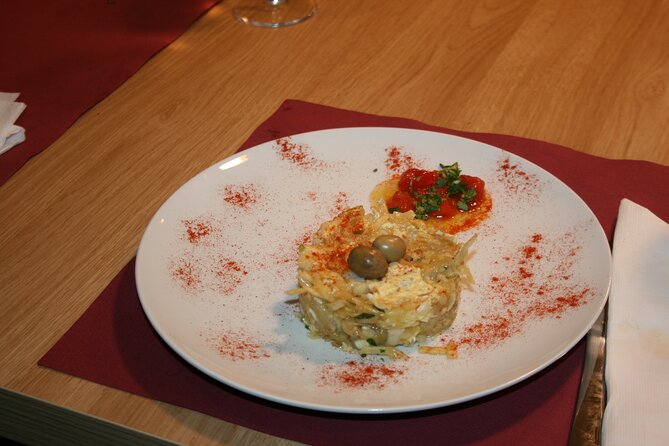
At $169.31 per person, this is not a cheap dinner. You are paying more than you would for a simple meal in Porto, and the value depends on whether you want instruction and company as well as food.
The price includes the hands-on cooking lesson, a four-course meal, Portuguese wine, beer, juice, water, and coffee. You also receive direct help from the chef and an evening built around traditional recipes. If you would otherwise book a separate dinner and a cooking activity, the combined cost becomes easier to justify.
The experience also runs for about three hours, which gives you time to cook and eat rather than rushing through a short demonstration. One evening continued until about 10 p.m., though you should treat that as a possibility rather than a promised duration.
I would consider this good value for people who care about food and want a hosted evening with their own group. It is less attractive if your main aim is simply to find the lowest-cost dinner in Porto, or if seafood is a problem for you.
Group discounts are available, but the supplied details do not state the discount amount. Check the final price for your party before paying.
Timing, meeting point, and a few practical tips
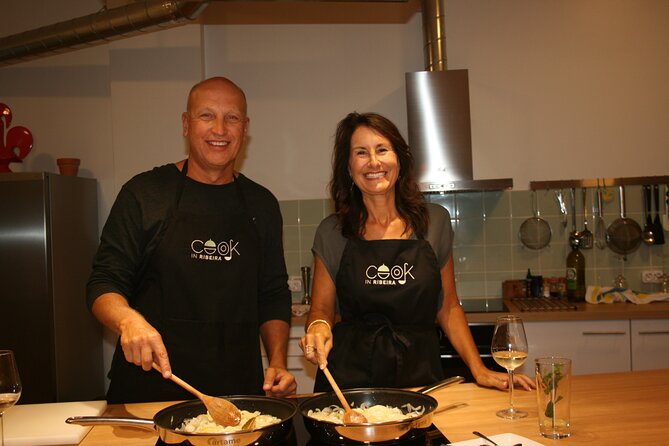
The class starts at 6 p.m. at Cook in Ribeira and finishes back there. Hotel transportation is not included, so leave enough time to reach Rua do Infante D. Henrique 16 1 Traseiras.
The activity lasts approximately three hours. Since the class can become a long, friendly evening, avoid scheduling an important event immediately afterward. The cooking, table meal, and wine service all take time, and a group that enjoys talking may finish later than the basic estimate.
Confirmation is provided when you book. Free cancellation is available if you cancel at least 24 hours before the local start time. Changes or cancellations inside that window are not accepted for a refund, and the minimum number of participants must be met for the experience to run.
Service animals are allowed, and the venue is near public transportation. The supplied information does not give detailed dietary, allergy, or accessibility guidance, so ask the provider directly before booking if you have a specific need.
My most useful tip is to discuss food preferences in advance. Codfish and shellfish are not minor details here. A family that disliked both found the meal less suitable, while the provider offered to arrange a special menu for a future visit. Early notice gives the chef a real chance to plan.
Who should book this Porto cooking class?
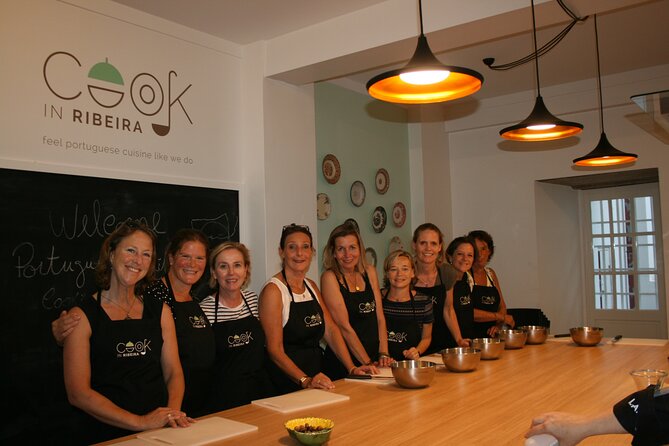
This class suits you if you want to learn a few Portuguese recipes, eat a full meal, and spend an evening with a local chef rather than sit silently in a restaurant. It is especially well suited to couples, families, and small private groups who enjoy conversation and do not mind sharing the work.
You will probably get the most from it if you are open to seafood, curious about wine, and happy with a menu that may shift by season. It also works well as a relaxed evening activity during a Porto stay, since the 6 p.m. start leaves the earlier part of the day free.
I would be cautious if you dislike codfish, mussels, clams, or group dining. You can ask for a custom menu, but arrange it before the date. This is a traditional Portuguese cooking class, not a general cooking lesson where every ingredient can be swapped without notice.
Should you book it?
I would book this experience if you want a warm, food-centered evening with real participation. The strongest reasons are the traditional menu, generous food and drink, patient chefs such as Vitor and Jorge, and the chance to learn about Portugal while cooking.
Before you commit, check two things: your group’s comfort with seafood and the final price after any group discount. If both work for you, Cook in Ribeira offers a satisfying way to turn dinner into a memory you can repeat at home.
FAQ
Where does the cooking class start?
It starts at Cook in Ribeira, Rua do Infante D. Henrique 16 1 Traseiras, 4050-297 Porto, Portugal.
What time does the class begin?
The class begins at 6 p.m.
How long does the experience last?
It lasts approximately three hours, though the evening may run longer if the group continues eating and talking.
What food might I prepare?
The sample menu includes Portuguese cured codfish, mussels or clams, and an almond pie or tart. Menus are adapted during the year for seasonal ingredients.
Are drinks included?
Yes. Portuguese wines, water, beer, juice, and coffee are included.
Is hotel pickup provided?
No. Hotel pickup and drop-off are not included, and the experience ends back at the meeting point.
Can I cancel for a refund?
Yes, if you cancel at least 24 hours before the local start time. Cancellations or changes made less than 24 hours before the start are not refunded.
New cooking classes around Portugal
- Porto: Cooking Class with Local Market Visit★ 5.0 · 15 reviews
- Porto: Local Market Tour & Cooking Class/Showcooking★ 4.9 · 32 reviews
- Porto: Portuguese Cooking Class on the Terrace★ 5.0 · 2 reviews
- Porto: Coastal Villages Market & Seafood Cooking Tour★ 5.0 · 2 reviews
- Lagos: Market Tour and Cataplana Cooking Class★ 5.0 · 9 reviews
- Lisbon: Setúbal Market and Wine tour with Cooking class★ 5.0 · 4 reviews
- Lisbon: Traditional Portuguese Cooking Class★ 5.0 · 41 reviews
- Lisbon: Portuguese Cooking Class with Wine Tasting★ 5.0 · 4 reviews
Porto Cooking Classes, side by side.
Porto: Pastel de Nata Cooking Class with Port Wine – Sé
Read our review →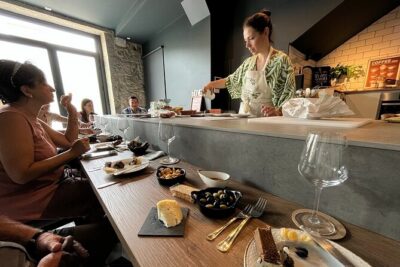
This kitchen also appears in