
Review · PERU
Cusco: Peruvian Cooking Class & Market Tour
San Pedro Market is the heart of this experience. You spend about 45 to 60 minutes seeing the fruits, produce, and cooking ingredients before handling them yourself in the kitchen. That connection makes the class more than a standard lunch: you see where Peruvian food begins, then learn how it reaches the plate.
I like two things right away. First, the class covers famous Peruvian dishes rather than a vague sampling menu. Second, the format is nicely balanced: market walk, pisco lesson, hands-on cooking, then lunch. Chef Ronald has earned warm praise for making the class informative and relaxed. The main consideration is that alcoholic drinks beyond the included tasting or drink service cost extra, so budget accordingly.
Key points to know before booking
- San Pedro Market comes first: Spend roughly an hour learning about the fruits and ingredients used later in the class.
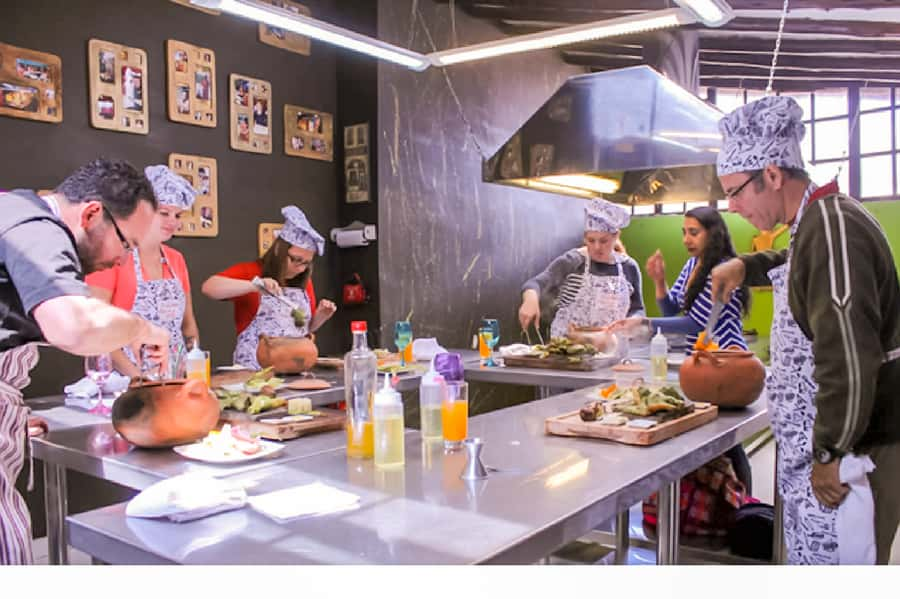
- Chef-led, hands-on cooking: You do more than watch, with equipment and instruction provided in English or Spanish.
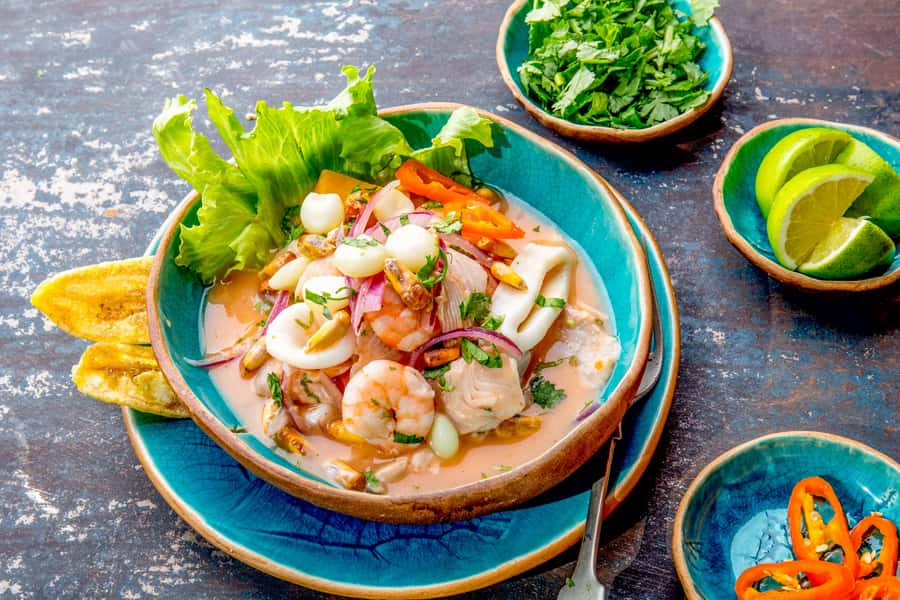
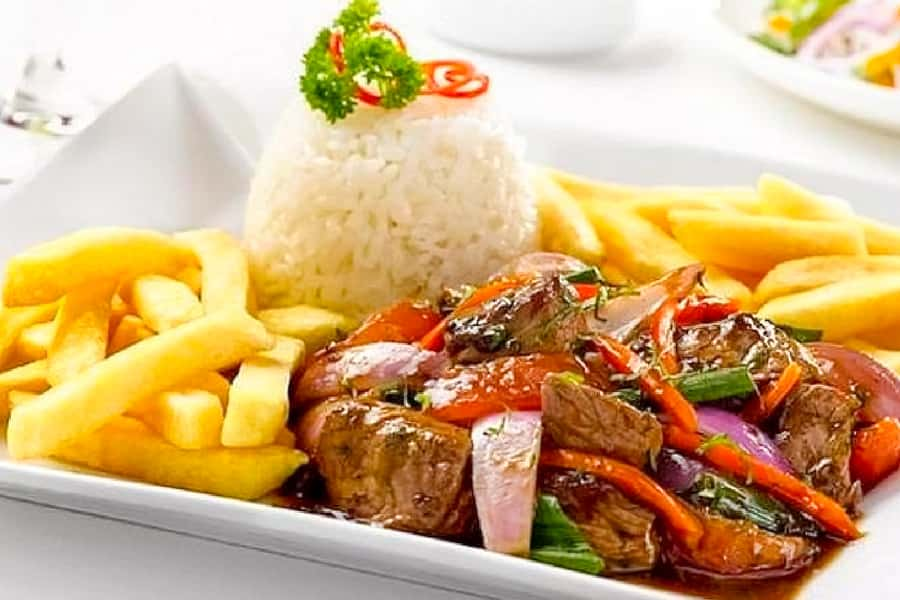
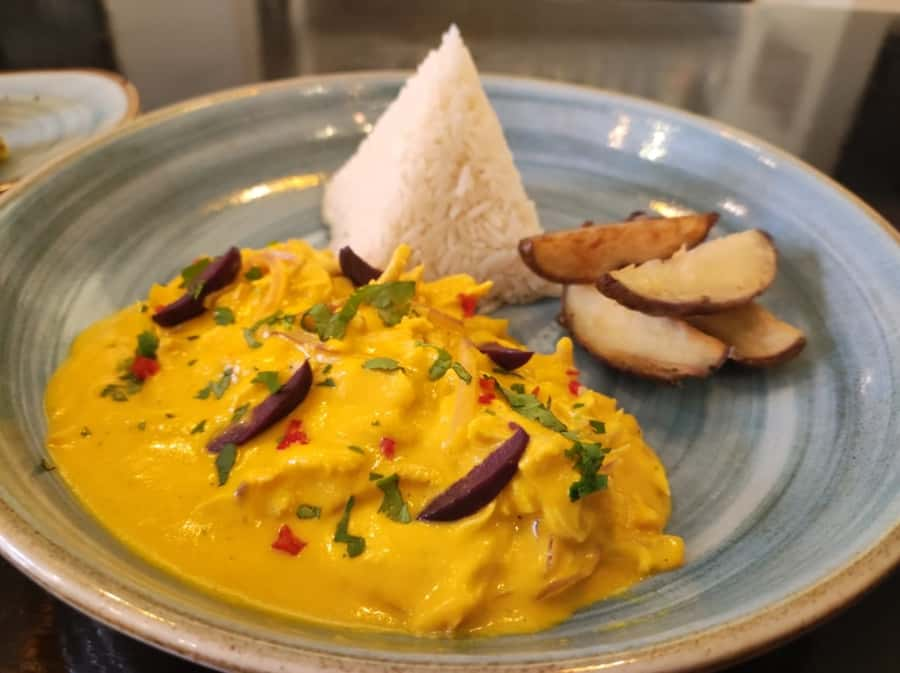
- Classic Peruvian menu: The choices include ceviche, Chilcano soup, lomo saltado, and ají de gallina.
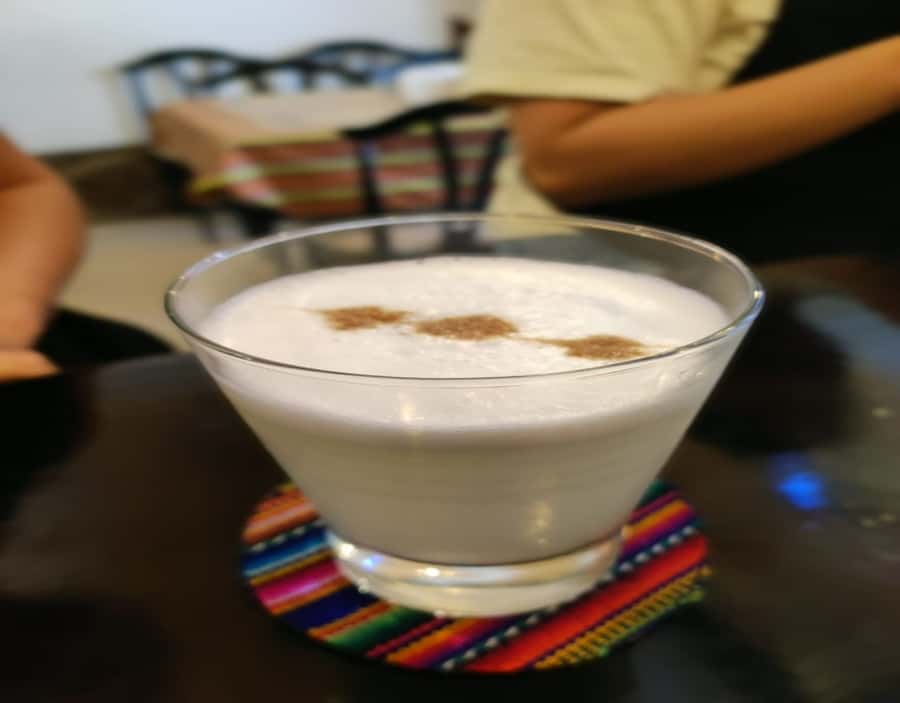
- Pisco gets its own lesson: Learn about pisco grapes, different qualities, and the famous Pisco Sour.
- Lunch is part of the price: At $65 per person, you eat the dishes you prepare instead of paying for a separate meal.
- Good for flexible planners: You can cancel up to 24 hours ahead for a full refund and reserve without paying immediately.
Starting at San Pedro Market in Cusco
The experience begins at the fountain in the square, where you meet your bilingual instructor. From there, you walk into San Pedro Market for the first major part of the class.
Allow about 45 minutes to an hour for this market visit. The published details use both timings, so think of it as a substantial introduction rather than a quick stop. You will learn about local fruits and ingredients that appear later in the cooking session.
This order is smart. If you began in the kitchen, a potato, pepper, herb, or fruit would be just another item on the counter. Seeing ingredients in the market first gives them a place in Cusco’s daily food culture. You can also use this time to ask questions before the cooking starts.
The market is a working public market, not a staged food display. That means the setting may feel active and crowded at times, and the experience is less polished than a private food shop. I see that as part of the point, though anyone who prefers a quiet, highly controlled setting should know what to expect.
Bring a camera if you like food photography, but keep your attention on the guide and the walk. Comfortable clothes are recommended, and they make sense for a tour that includes walking, standing, and kitchen work.
More Cooking Classes with a Market Tour in Peru:
- Cusco: Peruvian Cooking Class, Cocktails & Local Market Tour
★ 4.9 · 512 reviews - Cooking class and market tour with a local chef
★ 5.0 · 186 reviews - Market Tour, Tasting of 35 Fruits, and 4-Course Peruvian Cooking Class in Lima
★ 5.0 · 86 reviews
From local ingredients to Cusqueña dishes
After the market, you return to the restaurant or cooking school for the class. The chef explains the dishes, organizes the equipment, and guides you through the preparation.
The menu gives you a useful taste of traditional Peruvian cooking. The appetizer selection includes ceviche and Chilcano soup, while the main course choices include lomo saltado or ají de gallina. The wording suggests you will choose among the listed dishes, so confirm the exact combination and menu choice when booking or at the start of the class.
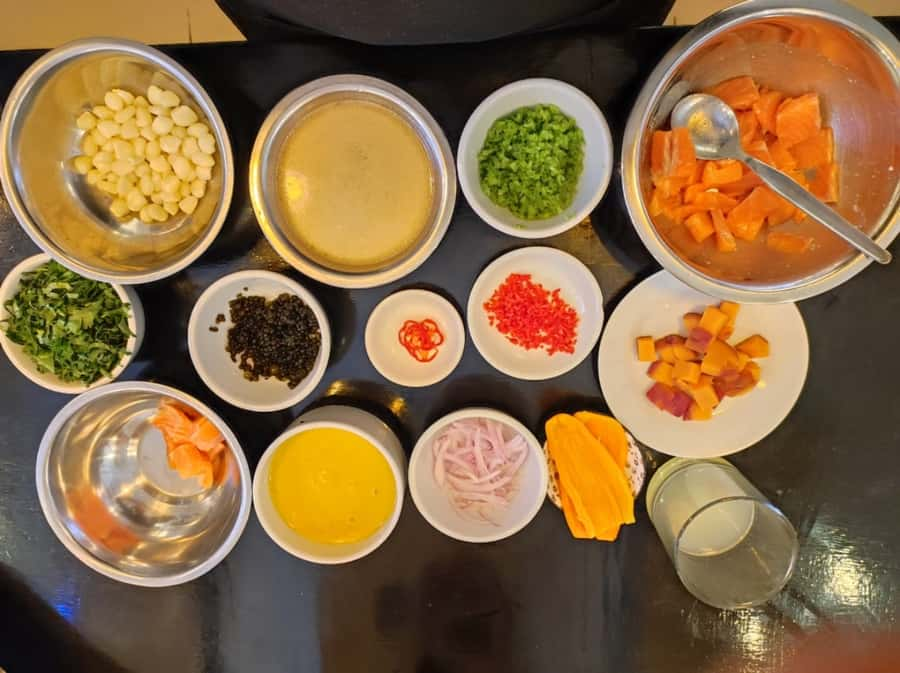
Ceviche is a natural choice for a Peruvian cooking lesson. It lets you work with fresh ingredients and see how acidity changes the texture and flavor of fish. The class also puts this famous dish beside Chilcano soup, giving you a contrast between a bright, fresh preparation and a warm soup.
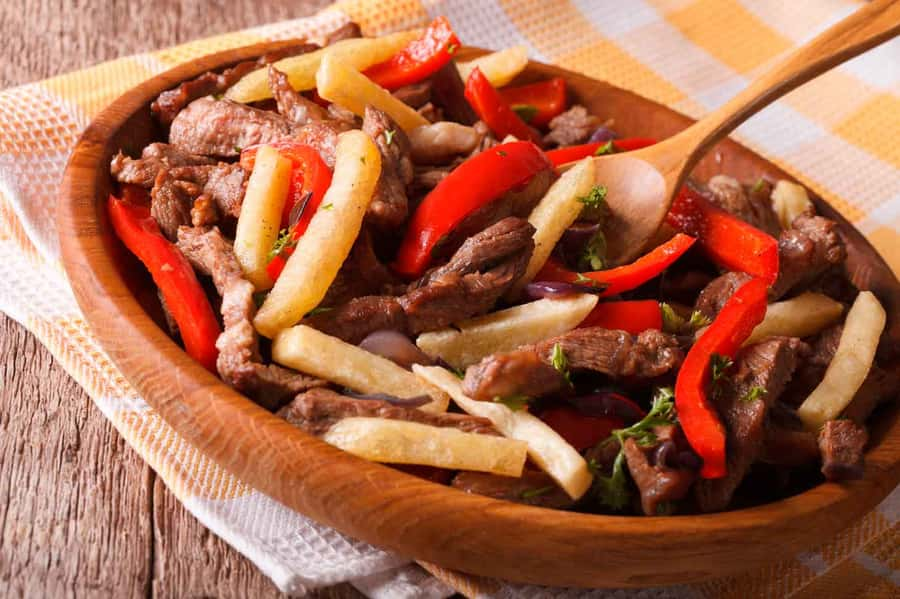
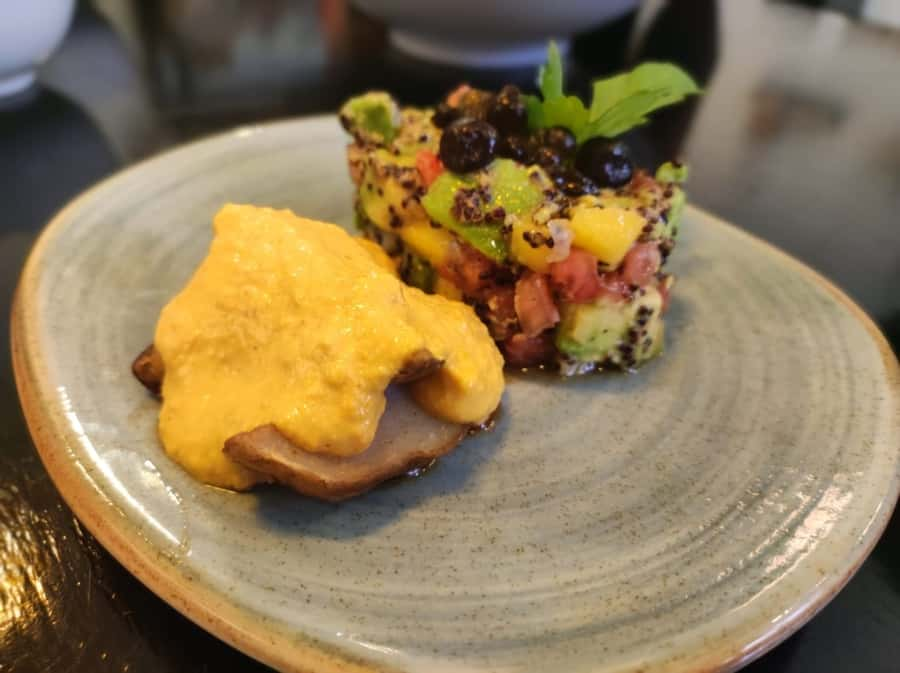
Lomo saltado offers a different lesson. It is a well-known Peruvian dish with a savory, cooked profile, while ají de gallina brings a creamy preparation with a distinct pepper flavor. Having these options matters because you can choose the style of food that interests you most, rather than being locked into one dish.
I would ask about the day’s choices before the demonstration begins. If you have a strong preference for ceviche, soup, lomo saltado, or ají de gallina, say so early. The experience is designed to be participatory, and clear communication helps the chef shape the session around the available menu.
Learning about pisco before lunch
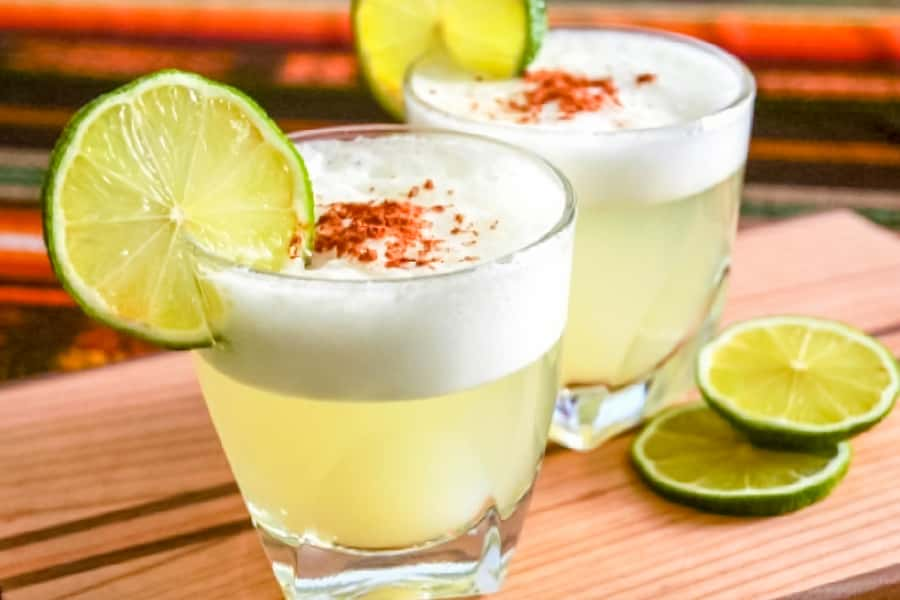
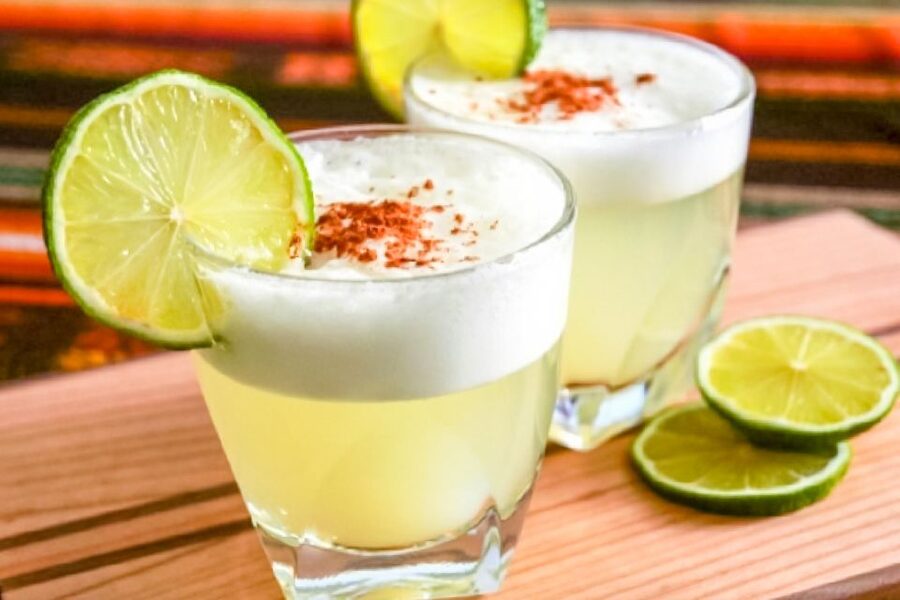
Before cooking, you receive an explanation of pisco, Peru’s best-known drink. The class covers pisco grapes and different qualities of pisco, followed by a tasting and toast.
This is a useful addition because pisco is not treated as a random cocktail ingredient. You get some context about the spirit itself before making or tasting a Pisco Sour. For many visitors, this may be their first chance to compare pisco styles or understand why the base spirit matters.
The Pisco Sour is closely tied to Peruvian food culture, so placing it inside a cooking class works well. It also creates a natural pause between the market visit and the kitchen work. You can raise a glass, learn the basics, and then move on to the meal.
Alcoholic drinks are listed as available for purchase, not fully included in the tour price. The experience does include a pisco tasting or drink element described in the program, but you should expect extra orders to cost more. If you do not drink alcohol, the cooking portion remains the main event, and you can clarify available alternatives with the provider.
A cooking class led by an experienced chef
The class is taught in English or Spanish, with cooking equipment supplied. You do not need to arrive with special tools or prior culinary training. The goal is an informative and entertaining introduction, not a professional kitchen exam.
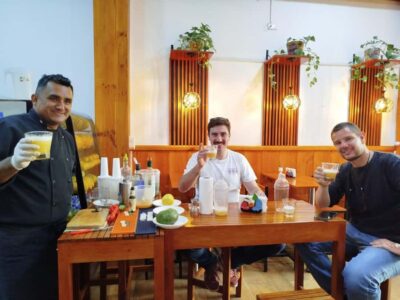
Chef Ronald is the one specific instructor named for this experience. His teaching style has been praised as relaxed, well prepared, and generous with information. That matters in a cooking class, where a rushed or confusing demonstration can turn a fun activity into a chore.
You should expect to take part rather than sit quietly through a demonstration. The format is built around preparing the dishes, with the chef explaining the process as you go. Since the experience lasts three to four hours overall, there is enough time for the market, pisco discussion, cooking, and meal without trying to squeeze everything into a single fast lesson.
The class has a social side, too. You may be sharing the kitchen and table with other participants, though no group size is provided. That can make the meal more enjoyable, but it also means the pace may depend on the group. If you want a private, highly personalized lesson, check whether that option is available before reserving.
More cooking classes around Peru:
- #1 Rated Cooking Classes with Local Market Tour & Pickup
★ 5.0 · 69 reviews - Miraflores: Amazing Peruvian Cooking Class Ceviche Seafood and Pisco Sour
★ 4.9 · 57 reviews - Cook with Maido’s creative chef and chef de cuisine
★ 5.0 · 53 reviews - Lima: Cooking Workshop and Water Circuit Tour
★ 5.0 · 16 reviews
Eating the lunch you prepared
The reward comes at the end: you sit down and eat the dishes you helped make. Lunch is included in the $65 price, which makes the cost easier to judge.
You are not paying only for food. The price also covers a market visit, bilingual instruction, kitchen equipment, the pisco lesson, and the preparation time. Compared with booking a market walk, a cooking class, and lunch as separate activities, this package offers a practical way to combine them in one half-day outing.
The value depends on how much you enjoy participation. If you only want a quick meal, $65 may feel high. If you want to understand local ingredients and leave with a better sense of how several Peruvian dishes are made, the price is more reasonable.
The meal also gives the class a clear purpose. You are not preparing small samples that disappear immediately. You make food and then have time to enjoy it with a pisco drink or Pisco Sour. One especially useful detail is that the food has been described as fresh and delicious, while the afternoon format has been described as relaxed and well organized.
Timing, meeting point, and practical details
The total duration is listed as four hours, while the detailed program describes an experience lasting about three to four hours. Plan your day around a four-hour block. Starting times vary, so check availability before you build this around another Cusco activity.
The meeting point is simple: wait at the water fountain in the square. The activity ends back at the same meeting point, so you do not need to arrange a separate return transfer. No transportation is listed, so plan to reach the starting point on your own.
The class is wheelchair accessible, but the market portion may require careful attention to surfaces and movement through a public market. If you use a wheelchair or have specific mobility needs, confirm the practical details with the provider before booking. The published information confirms accessibility, but it does not describe the exact route or kitchen setup.
Wear comfortable clothes. You will walk through the market, stand during food preparation, and handle cooking equipment. A camera is welcome, while pets and smoking are not allowed.
The class is offered in English and Spanish. That makes it a useful choice if you want instruction in one of those languages, though you should select or confirm your preferred language when reserving.
Who will enjoy this Cusco cooking class?
I would recommend this experience to anyone who sees food as a way to understand a place. You get a direct look at ingredients in San Pedro Market, then use those ingredients in a chef-led class. That simple sequence gives the afternoon a clear sense of place.
It is also a good match for couples, families, and small groups who want an activity they can share. The cooking, tasting, and final lunch give you natural conversation points, and the class does not depend on advanced kitchen skills.
Food-focused visitors will get the most from the menu. Ceviche, Chilcano soup, lomo saltado, ají de gallina, pisco, and Pisco Sours all help you sample well-known parts of Peruvian cuisine in one sitting.
I would be more cautious about booking it if you dislike market settings, do not want to participate in cooking, or need a strictly private schedule. The experience includes a public market visit and a group-style class, and the timing may shift within the three to four-hour range.
How the $65 price compares in practical terms
At $65 per person, the class sits in the midrange for a half-day food activity, but the included parts are important. You receive the market tour, bilingual instruction, cooking equipment, lunch, and the pisco explanation and tasting element.
The strongest value is the combination. You are not simply paying for a plate of Peruvian food. You are paying for access to a chef, a guided ingredient walk, an organized kitchen session, and the meal that follows.
Alcohol can raise the final cost. Extra drinks and orders are not included, so decide in advance how much you want to spend after the included tasting or drink service. The reserve-now, pay-later option can also help if your Cusco schedule is still changing.
The cancellation policy is friendly: cancel at least 24 hours before the experience for a full refund. That gives you some protection when weather, altitude adjustment, or changing plans affect your schedule.
Should you book this San Pedro Market cooking class?
Book it if you want more than a restaurant meal and prefer a hands-on introduction to Peruvian food. The market visit gives context, the menu offers several classic dishes, and the class ends with a proper lunch. Chef Ronald is a useful name to look for, especially if you value a calm instructor who explains the food clearly.
Skip it if your priority is a short tasting, a private lesson, or a fixed schedule under three hours. You should also keep extra money available for alcoholic drinks beyond what is included.
For most food-curious visitors in Cusco, this is a sensible half-day choice. It combines San Pedro Market, traditional cooking, pisco, and lunch without requiring you to organize each part yourself.
FAQ
How long does the Cusco cooking class and market tour last?
The activity lasts about three to four hours, with a listed duration of four hours. Check the available start times when booking.
Where does the experience begin?
Meet at the water fountain in the square. The activity ends back at the same meeting point.
How much does the experience cost?
The price is $65 per person.
What happens at San Pedro Market?
You spend approximately 45 minutes to one hour learning about local fruits and ingredients that you will use during the cooking class.
Which dishes can I prepare?
The listed dishes include ceviche and Chilcano soup as appetizers, with lomo saltado or ají de gallina as main-course choices.
Is lunch included?
Yes. Lunch is included, and you eat the dishes prepared during the class.
Are alcoholic drinks included?
Alcoholic drinks and extra orders are available to purchase. The program also includes a pisco explanation and tasting or drink element, so confirm exactly what is included when you book.
What languages are offered?
The cooking class and instruction are available in English and Spanish.
Can I cancel for a refund?
Yes. You can cancel up to 24 hours in advance for a full refund. You can also reserve now and pay later.
New cooking classes around Peru
- Lima: Peruvian cooking class and tour of Surquillo market★ 5.0 · 2 reviews
- Lima: Market Tour, 35 Fruits Tasting & Cooking Class★ 5.0 · 3 reviews
- Lima: Market Tour and Cooking Class with Pisco Sour★ 5.0 · 3 reviews
- Lima: 4-Course Peruvian Cooking Class in Miraflores★ 5.0 · 4 reviews
- Lima : Cooking Class – A Peruvian Culinary exploration★ 5.0 · 2 reviews
- Lima: Cooking Workshop and Water Circuit Tour★ 5.0 · 16 reviews
- Lima: Demo Cooking Class with Lunch at Cala Restaurant★ 4.1 · 4 reviews
- Cusco: Peruvian Cooking Class★ 5.0 · 2 reviews
Peru Cooking Classes, side by side.
Cusco: Peruvian Cooking Class, Cocktails & Local Market Tour
Read our review →
Cooking class and market tour with a local chef
Read our review →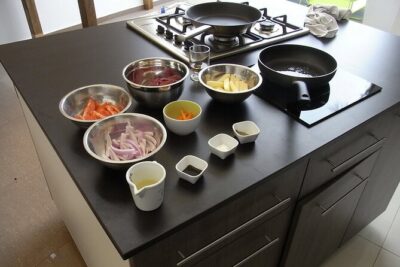
Market Tour, Tasting of 35 Fruits, and 4-Course Peruvian Cooking Class in Lima
Read our review →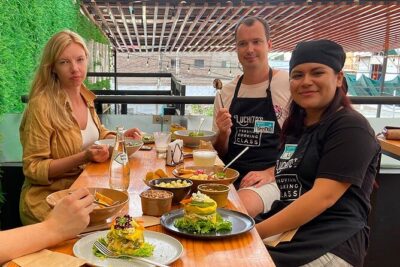
#1 Rated Cooking Classes with Local Market Tour & Pickup
Read our review →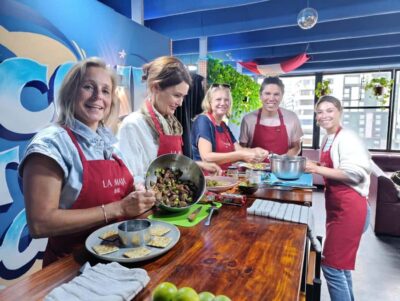
Miraflores: Amazing Peruvian Cooking Class Ceviche Seafood and Pisco Sour
Read our review →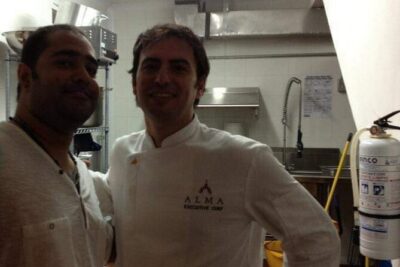
Cook with Maido’s creative chef and chef de cuisine
Read our review →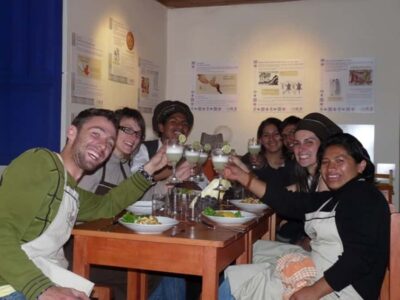
This kitchen also appears in