
Review · SRI LANKA
Organic cooking class sigiriya (kumara & family)
The best part of this Sigiriya cooking class happens before the cooking begins. Kumara takes you through his family garden, explaining the vegetables, herbs, spices, and traditional uses of the plants before you help turn them into a full Sri Lankan meal. You are not simply copying a chef at one station. You are working with a family in their home kitchen.
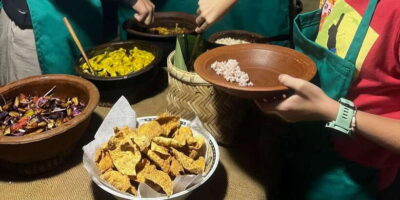
I like the garden-to-table setting and the chance to learn how spices are prepared in a traditional way. I also like that the meal can include several dishes, such as dhal, aubergine, pumpkin curry, sambal, string hoppers, coconut roti, and dessert.
The main thing to consider is that this is a working family home, not a polished cooking school. Facilities are simple, timing may feel relaxed, and you should bring your own drinking water even though bottled water is included in the tour description.
Key points to know before booking
- Kumara leads the class with Thanuja and family, offering cooking instruction in their home near Sigiriya.
- The visit begins in an organic garden, where you learn about the plants and ingredients used in the meal.
- You may prepare a large plant-based Sri Lankan spread, including several curries, sambal, string hoppers, and dessert.
- Cooking takes place in a traditional outdoor kitchen, with some dishes prepared over wood fires.
- The meal is shared at the end, after you learn how a Sri Lankan dinner table is arranged.
- The class costs $28 and lasts about two and a half hours, with free cancellation up to 24 hours before the start time.
A garden tour before the cooking starts
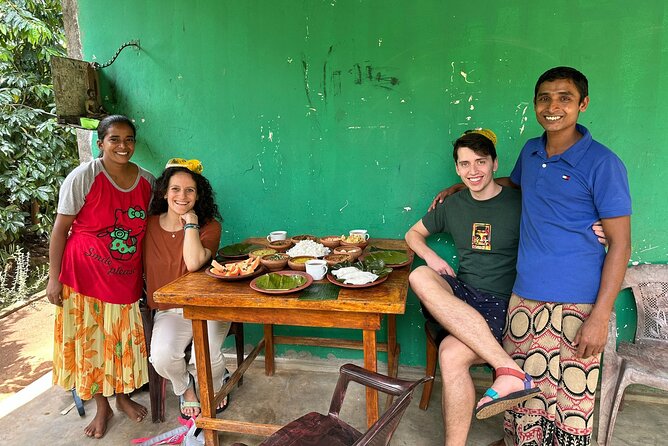
The class begins at Organic Cooking Class Sigiriya, at 284 Kahatagahayaya, Kalapuraya, Sigiriya 21120. This is the home of Kumara and his family, rather than a restaurant or a purpose-built school.
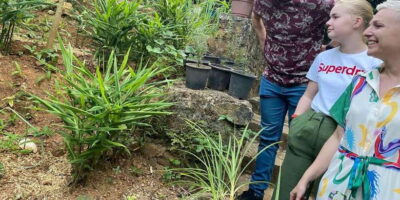
That setting shapes the whole experience. You first walk through the family garden and see where many of the vegetables, herbs, and spices used in the meal are grown. Kumara also explains traditional and medicinal uses for some plants, along with the role of herbs in Ayurvedic eating.
I find this opening especially useful because it gives meaning to the food before you taste it. A curry ingredient is no longer just something chopped on a table. You have seen it growing and heard how it is used in local cooking.
The garden visit may also be the most interesting part for anyone curious about rural life in Sri Lanka. The family puts time into growing and preparing its own ingredients, so the class offers more than a standard recipe lesson. You get a look at food production, home cooking, and family work all at once.
Do not expect a formal botanical tour with labels and printed displays. The information comes through conversation and demonstration. If you want to understand a plant or spice, ask questions while you are walking.
More Farm Cooking Classes in Sri Lanka:
- Ella : Cooking class with amazing Spice Garden Tour
★ 5.0 · 239 reviews - Udawalawe: Farm to Table Cooking & Authe: Village Experience
★ 4.7 · 4 reviews - Half-Day Thai Cooking Class at Organic Farm in Chiang Mai
★ 5.0 · 19,087 reviews
Learning the spices and preparing the ingredients
Once the garden visit is finished, you move to the cooking area and begin preparing the meal. Kumara explains the ingredients, the required quantities, and the way spices are handled before they enter the pot.
Sri Lankan food often depends on layers of spice rather than one strong seasoning. This class focuses on that process. You learn how spices are prepared in a traditional manner, how vegetables are cut for different dishes, and how the ingredients are combined.
You may help make several curries and side dishes. The exact menu can vary, but dishes described from this class include dhal, aubergine curry, pumpkin curry, sambal, coconut roti, sweet potato curry, string hoppers, and a dessert. Some meals include as many as seven curry dishes.
That variety is a major strength. You are not learning one recipe and then going home. You are seeing how a Sri Lankan meal is built from several smaller preparations, each with a different taste and texture.
The class also suits people who prefer plant-based food. The dishes described are mainly vegetarian or vegan, with vegetables, lentils, coconut, spices, and accompaniments doing the work. If you have dietary restrictions, confirm them before booking, since the available information does not promise a particular menu for every session.
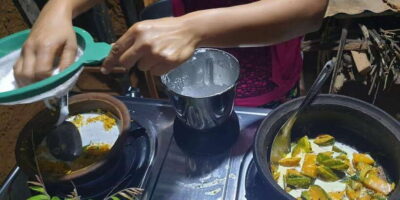
Cooking over wood fires in a family kitchen
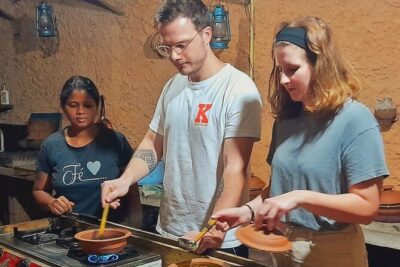
The cooking itself takes place in a traditional kitchen setting, with several people working together. One account describes a row of small wood fires used to prepare the dishes. That can make the meal feel far removed from a modern demonstration kitchen.
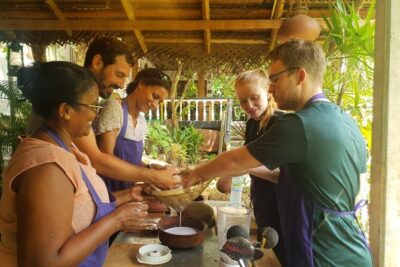
You are given tasks and receive tips as you work. The structure appears hands-on, but this is not a private chef lesson where one instructor watches only you. Some sessions have included a larger shared group, and the class can involve several people preparing one big meal together.
That group element can be a benefit. Cooking gives you an easy way to meet people, and the work is naturally social. You may be chopping vegetables, stirring a curry, preparing string hoppers, or helping with a side dish while talking with others.
If you want quiet, one-to-one instruction, ask about the group arrangement when you book. The experience is described as private, yet accounts from the class also describe joining a group of around a dozen people. The format may depend on the date and booking arrangement.
The simple kitchen is part of the appeal, but it also means you should keep your expectations sensible. This is not a studio with matching equipment and hotel-style service. You are visiting a real family home, and the cooking may be less orderly than a timed professional class.
A Sri Lankan dinner with several courses
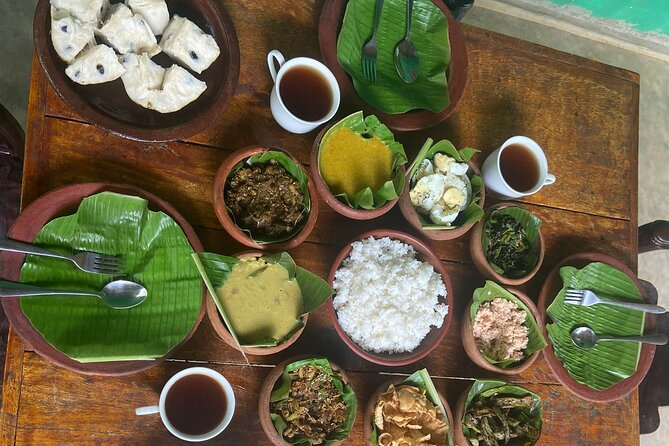
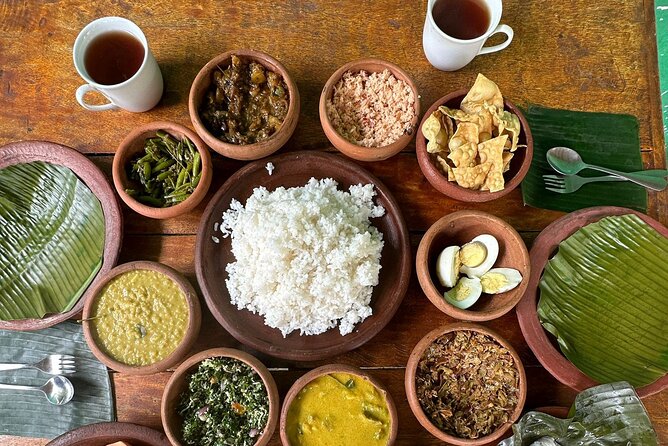
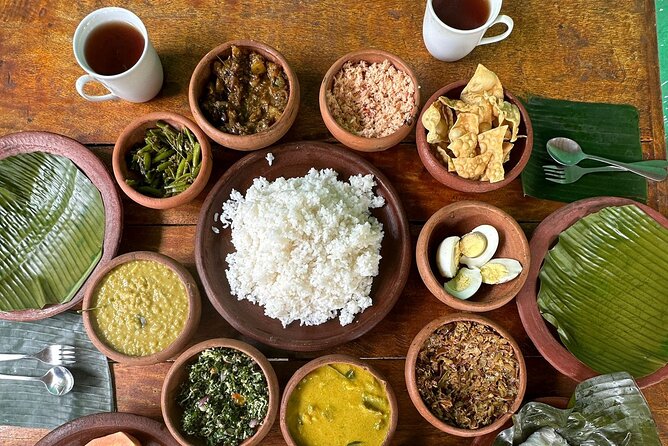
After the cooking, you sit down to eat the food prepared during the class. The family shows you how the table is arranged in a traditional Sri Lankan way, which adds cultural context to the meal.
This final stage matters because Sri Lankan food is usually experienced as a group meal, not as a single plated dish. Rice, curries, sambal, vegetables, and other accompaniments come together at the table. You can see how the separate preparations form one dinner.
The food is the clear reward for the work. The menu may include several curries and a dessert, along with string hoppers or coconut roti. The emphasis is on home cooking with garden ingredients, not restaurant presentation.
Herbal tea is included. Bottled water is listed as part of the experience, but one account specifically advises bringing your own bottle because only tap water and hot tea were available on that visit. I would bring water regardless, especially in Sigiriya’s warm climate.
The meal is also a good point to ask for recipes. Some people have received the recipes afterward, which makes it possible to recreate the dishes at home. Since this is not guaranteed in the formal description, confirm whether recipes will be sent if that matters to you.
More cooking classes around Sri Lanka:
- Ella: Traditional Sri Lankan Cooking Class
★ 4.9 · 788 reviews - Sri Lanka Cooking Class with Granny
★ 5.0 · 587 reviews - Kandy Village Cooking Class
★ 5.0 · 536 reviews - Sea waves sri lankan cooking class
★ 5.0 · 467 reviews
How organic is the experience?
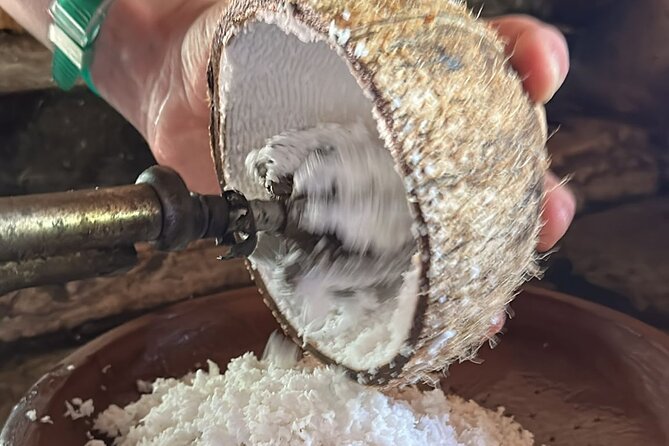
The family describes the food as organic and garden-grown, and the class places strong emphasis on homegrown vegetables, herbs, and spices. The garden is not decorative. It supplies ingredients for the meal and forms an important part of the lesson.
Still, it is wise to understand what the word means here. You are receiving a family explanation of how the garden is grown, not an independent certification or a formal farm audit. For most people, the value is seeing the source of the food and learning how the family uses what it grows.
The garden also adds a human side to the experience. You learn that cooking is tied to planting, harvesting, drying, grinding, and storing spices. That connection is easy to miss when eating a curry in a hotel dining room.
If you care about organic food, this is likely one of the strongest reasons to choose the class. If you mainly want a polished cooking lesson with guaranteed menu details, a conventional culinary school may suit you better.
Kumara, Thanuja, and the family welcome
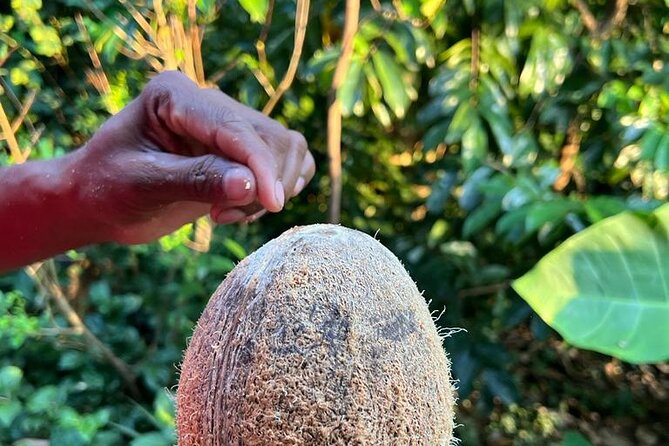
Kumara is the main host, and Thanuja, his wife, helps lead the cooking. His sister and other family members may also take part. The family’s role is central, since the class is held at their home and the recipes reflect their own cooking traditions.
Kumara speaks English well enough to explain the ingredients and cooking steps, according to the information available. The style is practical and personal. He shows what to do, explains why it matters, and lets you take part.
The welcome can include small personal touches. One account describes receiving a flower crown before cooking. That detail is not a standard feature to count on, but it gives you a sense of the warm, informal tone of the visit.
A tuk-tuk pickup and return has also been arranged for some bookings. Do not assume transport is included unless it is confirmed directly. The stated meeting point is the family home, and the activity ends there.
Is $28 good value?
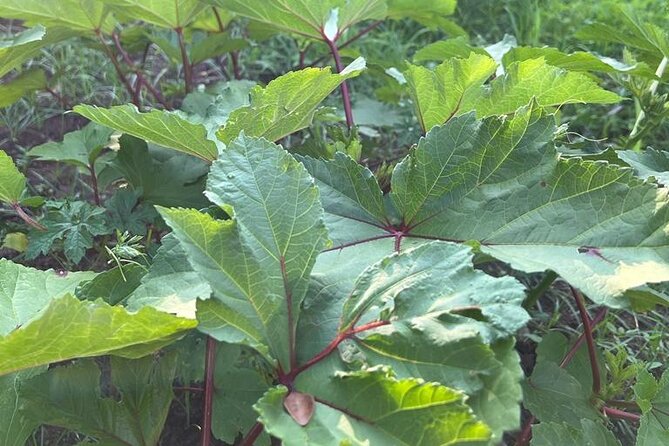
At $28, this is a strong value if you want food, instruction, and a local home visit in one experience. You receive roughly two and a half hours of activity, a garden tour, cooking practice, a full meal, herbal tea, and a chance to learn a number of recipes.
The price is especially fair compared with paying separately for a meal and a guided cultural visit. You are also helping support a small family operation rather than only paying for a restaurant meal.
The value depends on what you want from a class. If you measure value by the amount of food and the number of dishes, this class performs well. If you want professional kitchen equipment, a printed workbook, fixed menu choices, and tightly managed timing, the price comparison is less important because this is a different kind of experience.
I would also check the water situation and transport before paying. These are small details, but they affect comfort and planning.
Who will enjoy this class most?
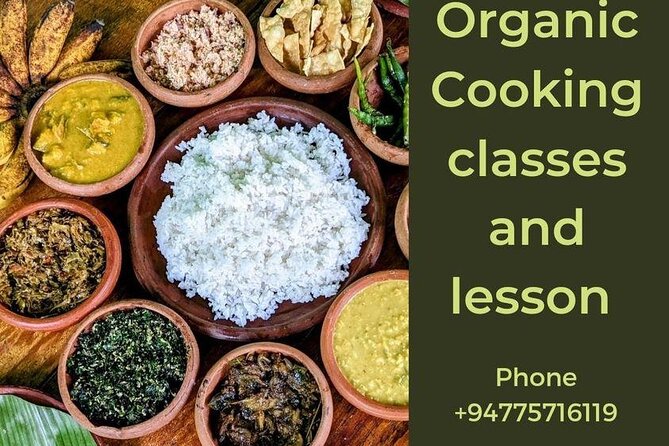
This experience is a good choice for you if you like learning by doing. It suits people who want to understand Sri Lankan food at home, rather than simply watching a chef prepare a dish.
It is also well suited to:
- Vegetarians and people interested in plant-based cooking
- Couples and families who enjoy informal cultural visits
- Anyone curious about spices, medicinal plants, and garden produce
- Visitors who want a meal with several curries rather than one cooking demonstration
- People who enjoy meeting others in a shared activity
- Cooks who want recipes they can try after returning home
You may want to choose another class if you need wheelchair-specific arrangements, a guaranteed private session, a fixed menu, or a formal classroom setting. None of those details is clearly provided here, so ask before booking.
The experience also requires some flexibility. The class is in a family home, the cooking may take longer than expected, and the group format can vary. That is not a problem if you treat the evening as a visit and meal, not as a tightly timed appointment.
Booking, meeting point, and cancellation
The meeting point is Organic Cooking Class Sigiriya, 284 Kahatagahayaya, Kalapuraya, Sigiriya 21120, Sri Lanka. The activity ends back at that location.
Confirmation is provided when you book. Direct WhatsApp contact is also mentioned for booking and questions, which is useful if you want to confirm the menu, group size, pickup, water, or dietary needs before committing.
The listed price is $28, and the duration is about two hours and thirty minutes. The experience requires good weather. If poor weather causes cancellation, you should be offered another date or a full refund.
You can cancel for a full refund up to 24 hours before the start time. Changes or cancellations within 24 hours are not accepted for a refund.
Should you book the Sigiriya organic cooking class?
I would book this if you want a personal food experience built around a family, a garden, and a shared meal. The strongest parts are the walk through the organic garden, the number of dishes prepared, and the chance to cook in a traditional home setting with Kumara and Thanuja.
Before booking, ask three simple questions: Is the session private or shared on your date? Is pickup available from your accommodation? Will bottled water and recipes be provided? Bring your own water anyway.
For $28, this is a good choice for curious eaters who value local contact more than polished presentation. If you prefer a quiet, highly structured class, it may feel too informal. If you want to understand how a Sri Lankan meal comes together from garden to table, it is one of the better ways to spend an evening in Sigiriya.
FAQ
Where does the cooking class take place?
It takes place at Organic Cooking Class Sigiriya, at 284 Kahatagahayaya, Kalapuraya, Sigiriya 21120, Sri Lanka.
Where does the activity end?
The activity ends back at the meeting point, at the family home.
How long does the experience last?
The listed duration is approximately two hours and thirty minutes.
How much does the cooking class cost?
The listed price is $28.
Who leads the cooking class?
Kumara leads the class with his wife Thanuja and other family members, including his sister on some occasions.
What food might I prepare?
The menu can include several Sri Lankan curries and accompaniments, such as dhal, aubergine, pumpkin, sambal, sweet potato curry, coconut roti, string hoppers, and dessert.
Is the food prepared with ingredients from the garden?
The family grows garden vegetables, herbs, and spices used in the cooking. The experience is presented as an organic, garden-based cooking class.
Is bottled water included?
Bottled water is included in the tour description, but one account advises bringing your own because only tap water and hot tea were available during that visit.
Is the cooking class private?
The experience is described as private, but the group arrangement may vary. Some sessions have included other people, so confirm the format for your date before booking.
Can I cancel for a refund?
Yes. You can cancel at least 24 hours before the start time for a full refund. Poor weather cancellations offer a different date or a full refund.
New cooking classes around Sri Lanka
- Private Traditional Sri Lankan Cooking Class in Kandy★ 5.0 · 7 reviews
- Private cooking class – Personalized classic menu★ 5.0 · 5 reviews
- Nilaveli: Sri Lankan Cooking Class with a Local Family★ 5.0 · 16 reviews
- Mirissa: Cooking Class with Beer and Meal★ 3.3 · 4 reviews
- Kandy Cooking Class with Granny★ 4.9 · 95 reviews
- Kandy: Village Cooking Class 12 Dishes with Market Tour★ 5.0 · 6 reviews
- Hands-On Cooking Class in Anuradhapura: Cook Like a Local★ 5.0 · 5 reviews
- Galle: Traditional Sri Lankan Cooking Class★ 5.0 · 21 reviews
Sri Lanka Cooking Classes, side by side.
Ella: Sri Lankan Cooking Class with Neranji at Homestay
Read our review →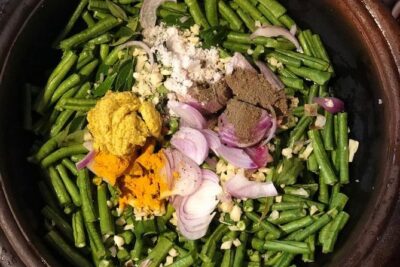
Ella : Cooking class with amazing Spice Garden Tour
Read our review →
This kitchen also appears in