
Review · SRI LANKA
Ella: Sri Lankan Authentic Cooking expirience
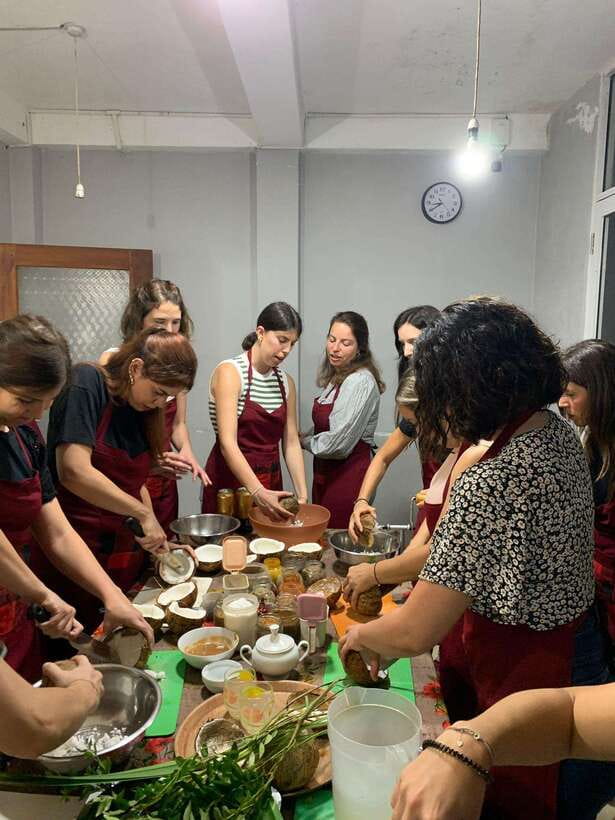
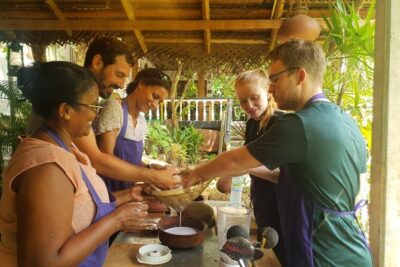
The best part of this Ella cooking class is that you do not simply watch someone prepare curry. You crack coconuts, scrape them, make fresh coconut milk, shape coconut roti, and help cook a full Sri Lankan meal with Ruwini, an experienced home cook who speaks English.
I like the generous range of dishes and the useful cooking advice, especially the tips on swapping ingredients when you return home. I also like the friendly small-group setup, which gives you a real role in the meal. The main drawback is simple: two hours goes quickly when you are preparing so many dishes, so this is a brisk class rather than a slow, highly technical lesson.
Key points at a glance
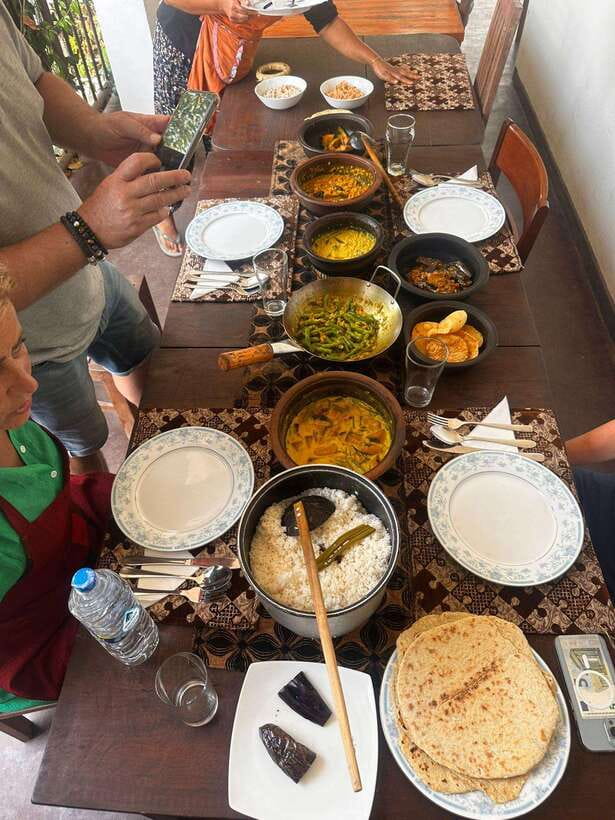
- A full rice-and-curry meal: Prepare rice, aubergine modju, dhal, pumpkin, beans, coconut sambal, coconut roti, and papadam.
- Real kitchen work: Crack and scrape coconuts, make coconut milk, mix roti dough, and take part in the cooking.
- Ruwini teaches in English: Her clear explanations cover spices, flavor combinations, and practical ingredient substitutions.
- A meal at the end: Sit down and eat the dishes you helped prepare instead of leaving with only a demonstration.
- Small groups of up to 10: Private sessions can also be requested, with possible adjustments to the timing.
- Good value at $22: Ingredients, equipment, instruction, the meal, tea on request, and emailed recipes are included.
Entering a Sri Lankan home kitchen
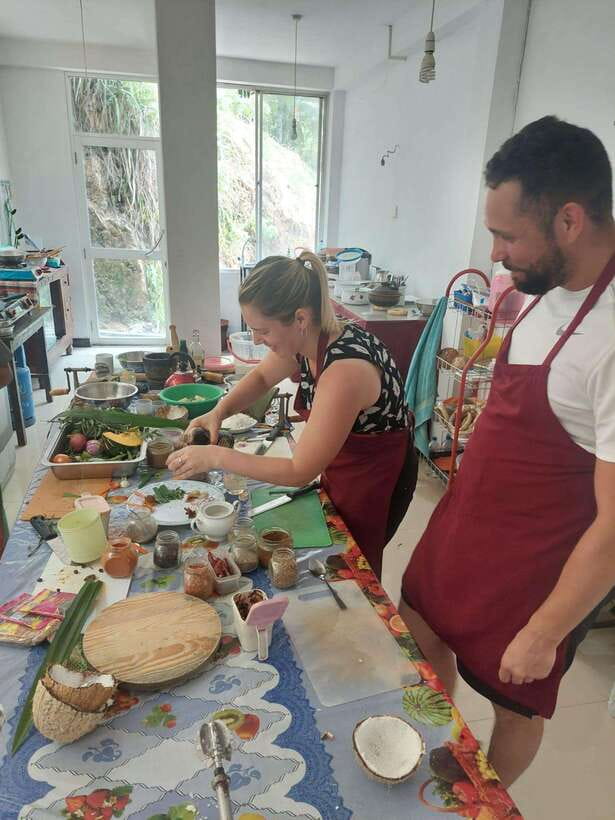
This experience gives you a useful look at Sri Lankan food from the inside. You meet Ruwini at a traditional home, where the class begins with a short introduction to the spices that shape local cooking. The setting matters. You are not sitting in a polished restaurant kitchen designed for tourists. You are learning in the kind of domestic environment where these dishes make sense.
The class lasts two hours, so expect a lively pace. You will not spend half an hour discussing one spice before moving on. Ruwini gets you involved, explains what you are doing, and keeps the group working toward a shared meal.
The language of instruction is English. That makes it easier to ask why one curry uses a certain spice, how much heat to add, or what to do if you cannot find a particular ingredient at home. Ruwini’s advice is not limited to following a fixed recipe. She also explains how to adjust dishes with different vegetables or substitute ingredients available in other countries.
That practical guidance is one of the strongest reasons to book. A cooking class is much more useful when you can repeat the food later, rather than simply remember that it tasted good in Sri Lanka.
More cooking classes around Sri Lanka:
- Ella: Traditional Sri Lankan Cooking Class
★ 4.9 · 788 reviews - Organic cooking class sigiriya (kumara & family)
★ 5.0 · 650 reviews - Sri Lanka Cooking Class with Granny
★ 5.0 · 587 reviews
Spices first, then the work begins
The opening spice lesson gives you a basic map of Sri Lankan cooking. You learn about the ingredients used to create different flavor profiles, then apply that knowledge as you prepare the meal.
The supplied information does not list every spice or provide exact quantities, so you should not expect a printed technical lecture on spice chemistry. Instead, think of this as a working introduction that helps you understand how the dishes come together.
That format suits most visitors. You get enough explanation to make sense of the food, but the class does not lose time while everyone waits for a long presentation to finish.
The hands-on nature is important. You may be asked to chop, mix, scrape, stir, or prepare ingredients as part of the group. The class encourages active participation, so it is best suited to you if you want to cook rather than stand at the edge taking pictures.
Cracking coconuts and making fresh coconut milk
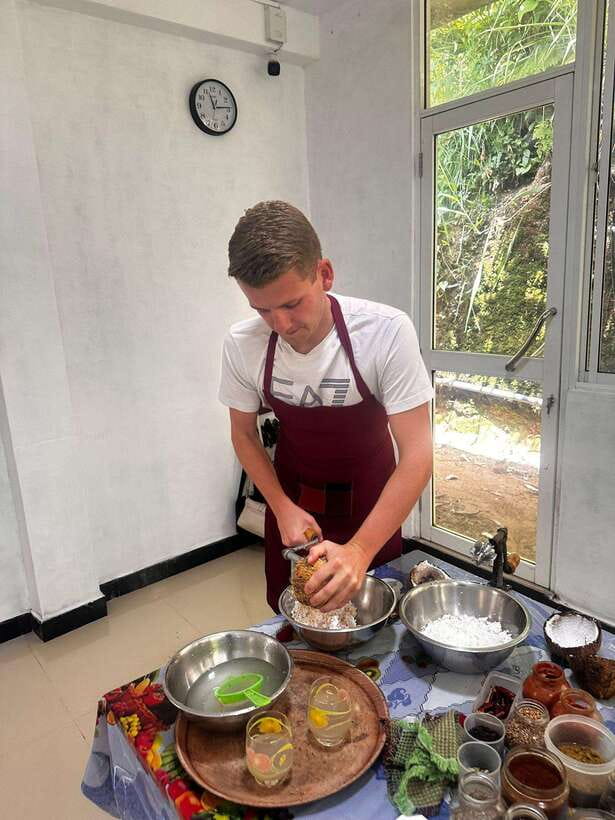
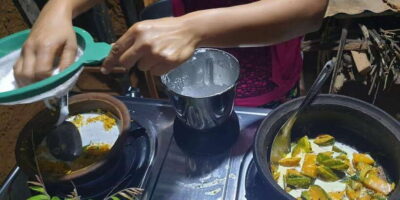
The coconut work is one of the more distinctive parts of the class. You get involved in cracking coconuts, scraping out the flesh, and preparing fresh coconut milk. This takes a familiar ingredient and shows you the steps behind it.
Coconut is not a minor garnish in this meal. It appears in several forms, including coconut sambal, coconut roti, and the coconut milk used in curries. By handling it at different stages, you get a clearer sense of how Sri Lankan cooking builds texture and flavor from one basic ingredient.
This is also where the traditional home setting earns its place. The lesson is about practical food preparation, not just plating. If you enjoy understanding how a dish is made from basic ingredients, this part will likely be more memorable than a standard restaurant meal.
The coconut process may take some time from the two-hour schedule, so the class cannot cover every dish in great depth. You will gain a working method, not a professional culinary qualification.
Cooking the seven-part spread
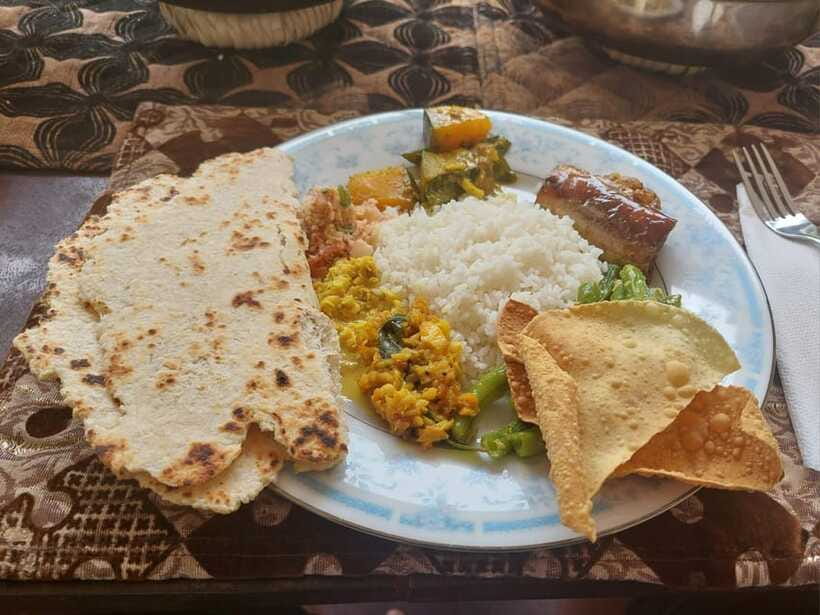
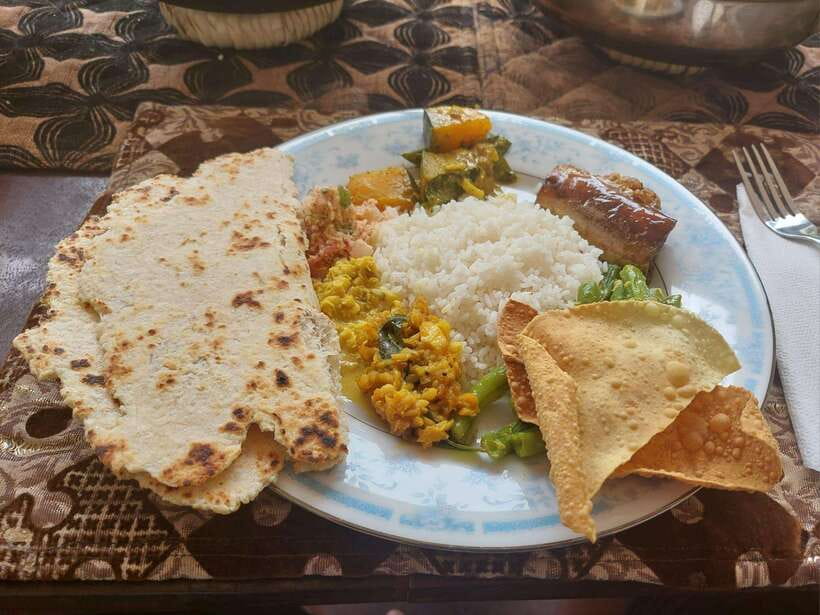
The meal includes a substantial selection of Sri Lankan dishes. You prepare rice, aubergine modju, dhal curry, pumpkin curry, beans curry, coconut sambal, coconut roti, and papadam.
That list gives you a useful range of textures and tastes. Dhal offers a soft, comforting base. Pumpkin brings sweetness. Beans provide a different bite, while aubergine modju adds a richer, more complex vegetable dish. Coconut sambal brings freshness and heat, and the roti gives you something to tear and eat alongside the curries.
The exact menu can vary slightly. One class included jackfruit curry, and another included four curries with different flavor profiles. The supplied menu specifically names aubergine modju, beans, dhal, and pumpkin, so you should expect those dishes as the core rather than assume jackfruit will always be served.
Papadam rounds out the plate with crisp texture. Rice anchors the meal, as it does in the classic Sri Lankan rice-and-curry format. You are not just learning one recipe. You are seeing how several dishes work together as a complete meal.
I particularly like this approach because it helps you understand balance. A Sri Lankan meal is not simply one curry poured over rice. Different dishes bring heat, sweetness, creaminess, freshness, and texture.
Same kitchen, a different dish:
- Kandy Village Cooking Class
★ 5.0 · 536 reviews - Sea waves sri lankan cooking class
★ 5.0 · 467 reviews - Ella: Sri Lankan Cooking Class with Neranji at Homestay
★ 5.0 · 276 reviews - Cook with Wasantha
★ 5.0 · 248 reviews
What the cooking feels like in practice
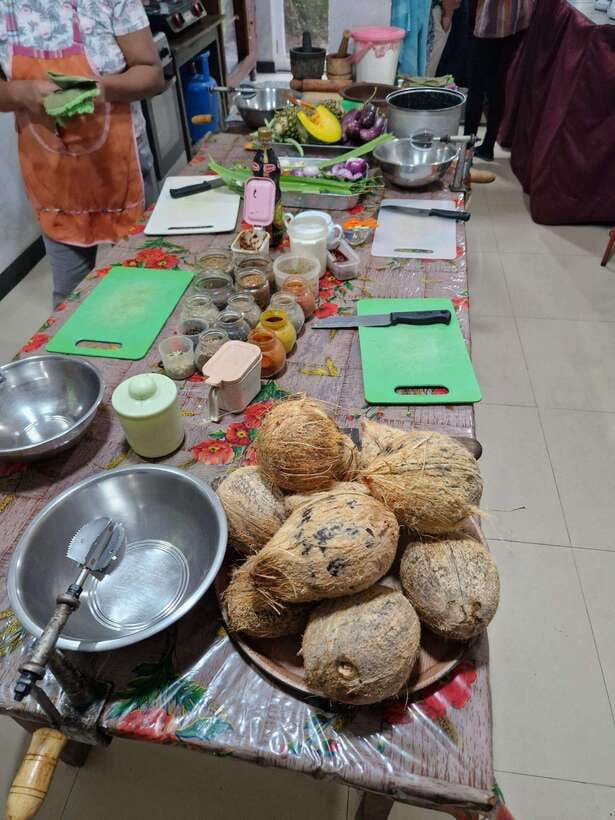
You work as part of a team, with each person taking a role in preparing the food. In a full group of 10, your individual time on each task may be limited. You will still take part, but you should not expect to personally cook every component from beginning to end.
In a smaller group, you may have more time with each dish. A private class is available on request, and the schedule can be adjusted for private sessions. If close instruction matters to you, ask about this before booking.
Ruwini’s teaching style is warm and lighthearted. She brings humor into the process and keeps the work approachable, which helps if you have little cooking experience. The class is not presented as a test. It is a shared kitchen session where you learn by doing.
That said, the variety of food means the pace can feel quick. You may move from coconut preparation to curry work, then to roti, while another dish is cooking. Pay attention, ask questions, and take notes if you want to remember the sequence later.
You should also tell the host about food allergies or dietary restrictions in advance. Vegetarian food is well represented in the menu, but the host still needs notice about any specific dietary needs.
Sitting down to eat what you made
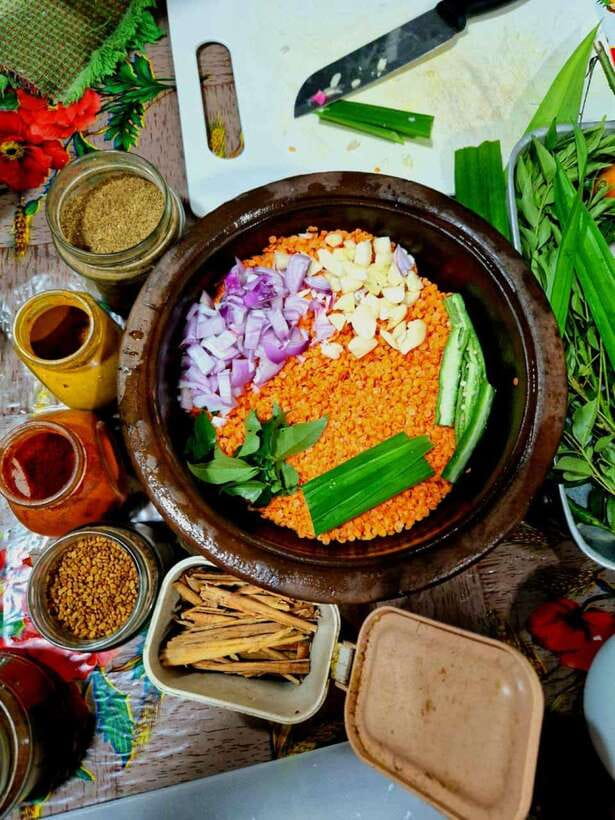
After the cooking, you sit down to enjoy the meal. This is more than a final snack. The included food is a full spread of rice, curries, coconut sambal, coconut roti, and papadam.
The meal gives you a chance to taste the results while the instructions are still fresh. You can compare the dishes, notice how the curries work together, and ask last questions about preparation or substitutions.
This shared meal is also part of the social value. You may eat with the other people in the class, making the experience feel like a communal home meal rather than a class that ends as soon as the stove is turned off.
The quantities described by past participants suggest that you should not expect to leave hungry. The food is one of the major reasons this experience offers good value, especially compared with paying $22 for a simple restaurant lunch without any instruction or recipes.
Tea is also available on request. The included tea is upcountry black tea, so ask for it if you would like to try it alongside the meal.
Recipes you can use at home
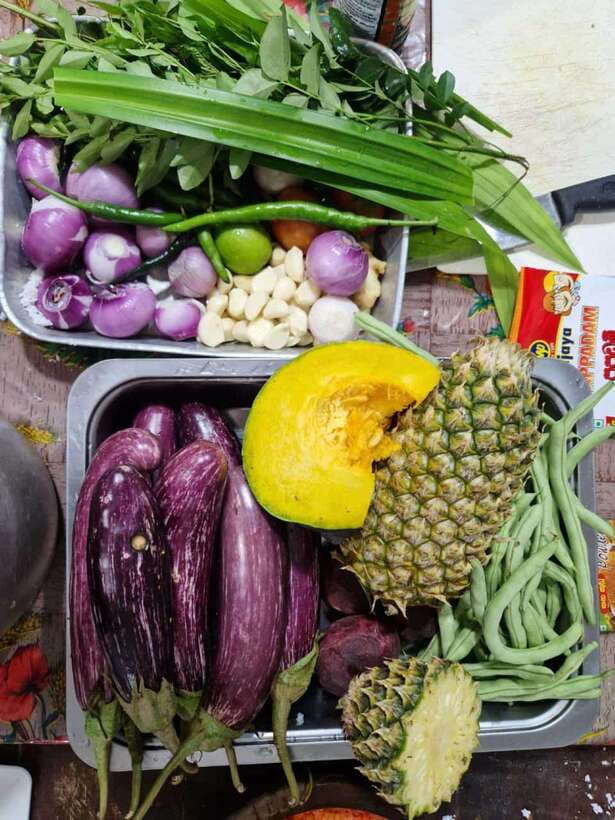
The recipes are sent by email after the class. This is an important practical benefit. Without written instructions, it is easy to forget how much coconut milk went into a curry or which spice was added first.
The recipes are paired with useful advice about substitutions. Ruwini can suggest alternatives when Sri Lankan ingredients are difficult to find in your home country. That makes the class more than a pleasant holiday activity. You leave with a better chance of cooking the food again.
Do not assume that the emailed recipes will replace every detail from the lesson. Pay attention during the class, especially when Ruwini explains how to adjust spices or vegetables. The best result comes from combining the written recipes with what you learn in the kitchen.
If you want to recreate the meal, note the names of the dishes as you go. Aubergine modju, dhal curry, pumpkin curry, beans curry, coconut sambal, and coconut roti each have a different role on the plate, and remembering those differences will help you build a balanced meal later.
Is $22 good value?
At $22 per person, this is a strong-value activity for Ella. The price includes the cooking instruction, all ingredients, equipment, the cooked meal, tea on request, and recipes sent by email.
You are also paying for a small-group experience limited to 10 people. In a class of that size, you can expect a more personal setting than a large commercial demonstration, although the amount of direct cooking time depends on how many people attend.
The value improves if you care about eating well and learning something practical. If you only want lunch, there are simpler options. If you want lunch plus a cultural activity and recipes you can use later, the price is easier to justify.
Transportation to and from the cooking location is not included. You need to arrange your own way there, so check the meeting details before booking and allow enough time to arrive. No transport service is described as part of the experience.
Free cancellation is available up to 24 hours in advance for a full refund. You can also reserve now and pay later, which helps if your Ella schedule is still changing.
Who should book this class?
I would recommend it to food lovers, couples, solo visitors, families, and small groups who want a hands-on activity. You do not need advanced cooking skills. The format is friendly to beginners, and the emphasis is on participation and clear instruction.
It is especially good for vegetarians because the menu is built around rice, vegetables, lentils, coconut, and several curries. You should still contact the host about allergies or other dietary restrictions.
The class also suits you if you want an activity that connects food with daily life. Preparing coconut milk, making roti, and cooking several dishes together tells you more about Sri Lankan eating habits than a quick restaurant visit.
You may want to choose something else if you dislike group cooking, have very limited time, or want a slow technical lesson focused on one dish. Two hours is enough for a varied meal, but not enough for long demonstrations of every technique.
Wheelchair access is available. For a private session or special timing, ask in advance rather than assuming the standard schedule will change automatically.
My take: book it for the food and the practical lessons
Book this class if you want to understand how Sri Lankan rice and curry is built, not just eat it once. The strongest features are the full menu, the coconut preparation, Ruwini’s English instruction, and the recipes and substitution advice you receive afterward.
The one caution is the busy two-hour format. You will be working through many dishes, and a full group means tasks are shared. Still, the combination of instruction, a substantial meal, and take-home recipes makes this one of the better-value food activities in Ella.
FAQ
How long does the Sri Lankan cooking class last?
The class lasts two hours. Starting times depend on availability when you book.
What dishes will I prepare?
The included meal features rice, aubergine modju, beans curry, dhal curry, pumpkin curry, coconut sambal, coconut roti, and papadam. Menus can vary, and jackfruit curry has also been prepared in some sessions.
Is the cooking class taught in English?
Yes. The instructor speaks English, and Ruwini leads the class.
How many people can join the class?
The small group is limited to 10 participants. Private sessions are available on request.
Is food included in the price?
Yes. You eat the cooked dishes at the end of the class. Upcountry black tea is also available on request.
Are ingredients and cooking equipment included?
Yes. All cooking ingredients and equipment are included.
Can I receive the recipes afterward?
Yes. The recipes for the dishes you learn are sent by email after the class.
New cooking classes around Sri Lanka
- Private Traditional Sri Lankan Cooking Class in Kandy★ 5.0 · 7 reviews
- Private cooking class – Personalized classic menu★ 5.0 · 5 reviews
- Nilaveli: Sri Lankan Cooking Class with a Local Family★ 5.0 · 16 reviews
- Mirissa: Cooking Class with Beer and Meal★ 3.3 · 4 reviews
- Kandy: Village Cooking Class 12 Dishes with Market Tour★ 5.0 · 6 reviews
- Kandy Cooking Class with Granny★ 4.9 · 95 reviews
- Hands-On Cooking Class in Anuradhapura: Cook Like a Local★ 5.0 · 5 reviews
- Galle: Traditional Sri Lankan Cooking Class★ 5.0 · 21 reviews
Sri Lanka Cooking Classes, side by side.
Organic cooking class sigiriya (kumara & family)
Read our review →
Ella: Sri Lankan Cooking Class with Neranji at Homestay
Read our review →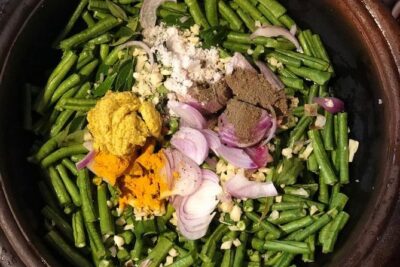
Ella : Cooking class with amazing Spice Garden Tour
Read our review →This kitchen also appears in