
Review · SRI LANKA
Ella: Traditional Sri Lankan Cooking Class
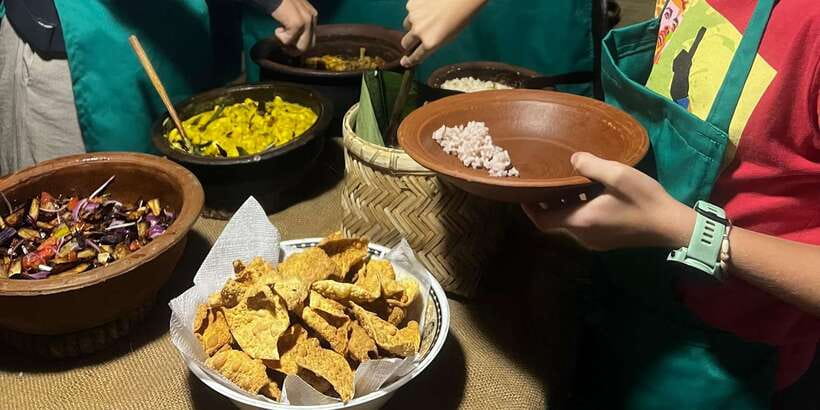
Sri Lankan cooking is best understood with your hands, your nose, and a little patience. In Ella, Ranjani leads you through a traditional open-air kitchen, where fresh produce, coconut, spices, and old-fashioned tools become a generous shared meal.
I like two things here: the class explains not only how to cook, but why particular spices and ingredients are used, and the meal gives you a real taste of home-style Sri Lankan food. The banana-leaf serving and recipes sent afterward by WhatsApp also make this more useful than a meal you simply eat and forget.
The main consideration is the shared setup. You may help at one common workstation rather than cook a full dish alone, and the advertised small group can feel crowded at busy times. If you want your own burner and individual cooking station, this may not be the right class.
Key points to know before booking
- Cook in an open-air kitchen: Greenery surrounds the cooking area, with better airflow than a closed room.
- Learn traditional techniques: Coconut grating, coconut milk, sambol, dhal, rice, and curry may all feature in the lesson.
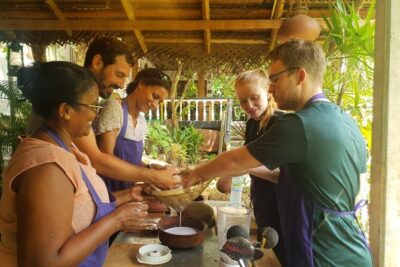
- Expect a shared cooking style: Ranjani demonstrates the harder steps while participants take turns chopping, mixing, seasoning, and helping.
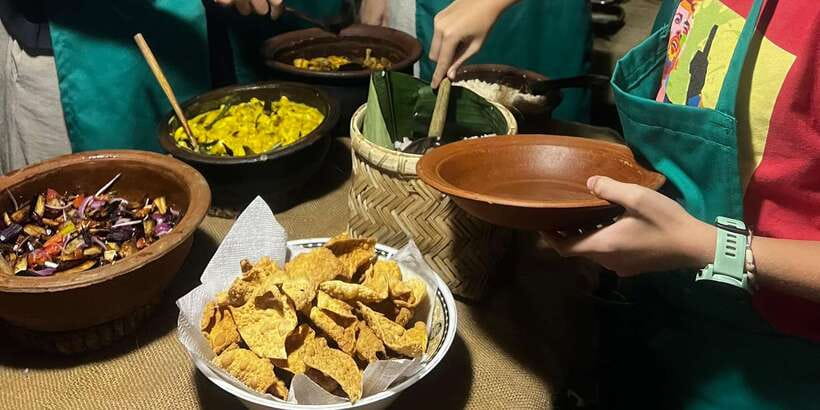
- Eat from banana leaves: Your finished meal is served in a local style, with no pile of dishes afterward.
- Bring home practical recipes: The recipes are sent digitally through WhatsApp after class.
- Pay $19 for two hours: The fee covers the instructor, ingredients, class, meal, and bottled water, but not transport.
What the Ella cooking class is really like
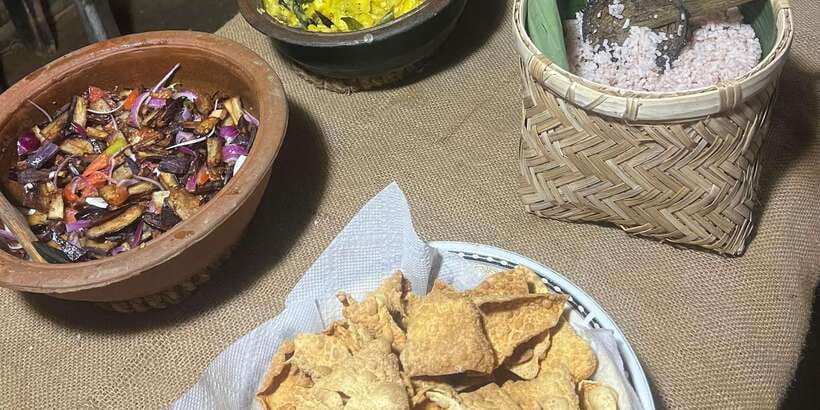
This is a food lesson with a strong social side. You arrive at Chamathka Cooking Class and meet Ranjani, sometimes called Ranji. The setting is informal and home-style rather than polished like a hotel kitchen. That is part of the appeal.
The open-air kitchen lets you cook with greenery around you and plenty of ventilation. In Ella, where a rainy afternoon can change your plans, this also makes the class a useful indoor activity with an outdoor feel. The usual start times are 11:00 AM and 5:00 PM, though you can ask the provider about a different time in advance.
Some sessions begin with tea and biscuits before the cooking starts. This is a small touch, but it helps the group settle in and gives Ranjani time to introduce the ingredients. English and Sinhala are used, so English-speaking visitors can follow the explanations.
The class is listed as a small group limited to eight people. At times, the actual gathering may be larger. One class had 13 participants and still gave everyone turns, while another participant found the kitchen a little crowded. If personal space matters to you, ask about the group size before you go.
More cooking classes around Sri Lanka:
- Organic cooking class sigiriya (kumara & family)
★ 5.0 · 650 reviews - Sri Lanka Cooking Class with Granny
★ 5.0 · 587 reviews - Kandy Village Cooking Class
★ 5.0 · 536 reviews
Fresh ingredients and the first lesson in Sri Lankan flavor
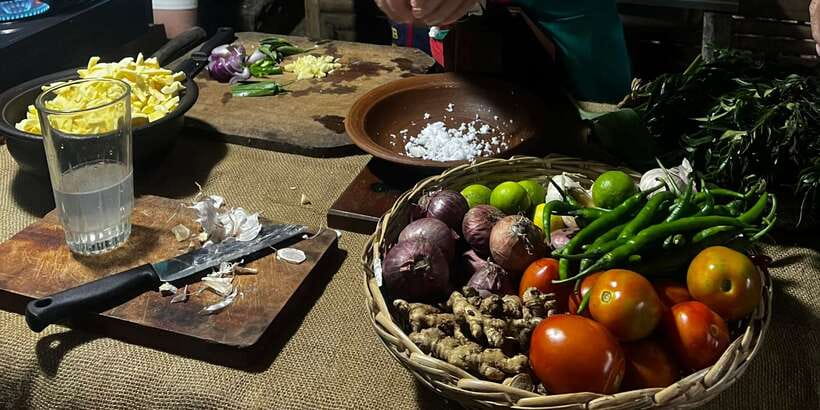
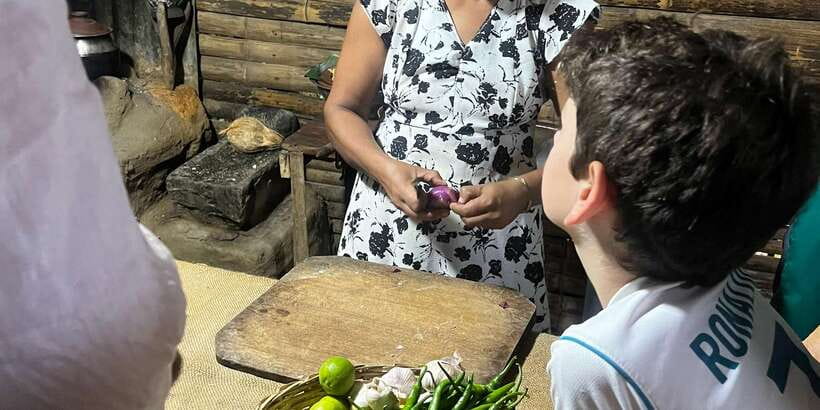
The cooking starts with an introduction to fresh ingredients. This is more than a quick list of names. Ranjani explains how the herbs, spices, vegetables, coconut, and other items fit into Sri Lankan cooking, along with the traditional ideas about their health benefits.
You may hear about ingredients used for more than flavor. Several dishes are built around the balance of spice, coconut, vegetables, and lentils, giving you a clearer sense of why Sri Lankan home cooking can feel both hearty and fresh.
The produce is described as farm-fresh, and the finished plates include plenty of color. That matters because the class is not just about copying a recipe. You learn how a cook builds a meal from simple ingredients and uses seasoning to give each dish its own character.
Dietary needs can be discussed with the host. A vegan participant was able to eat all but one dish, so the class can accommodate some diets, but you should still raise your needs before cooking begins. The menu is generally set rather than chosen by each participant.
Traditional methods, from coconut to curry
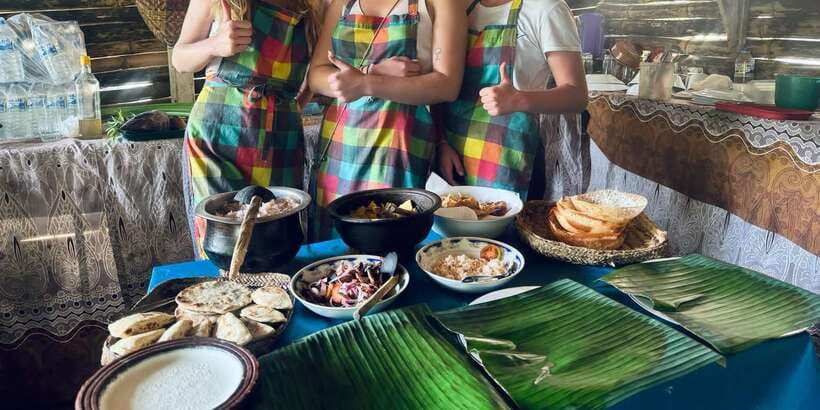
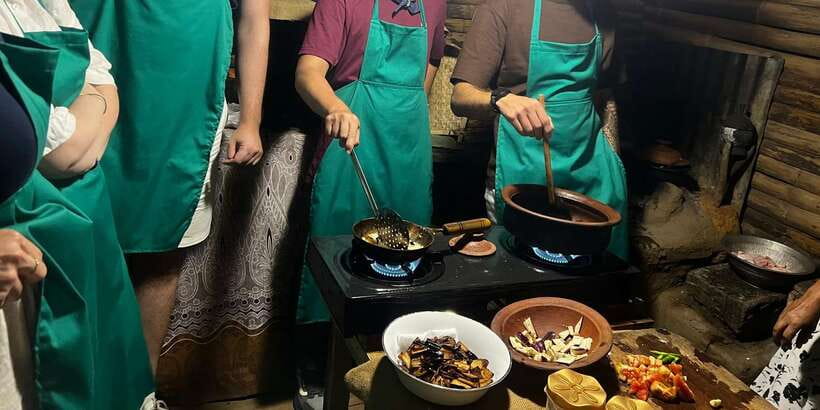
Ranjani demonstrates the more complicated techniques and invites people to help with the rest. Depending on the session, you may prepare dhal curry, chicken curry, aubergine salad, coconut sambol, papadam, rice, string hoppers, hoppers, or honey roti.
The menu is not guaranteed to include every one of these dishes. The useful point is the range: you are likely to see several parts of a Sri Lankan meal rather than one stand-alone recipe.
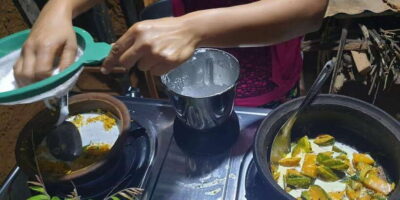
Coconut is a key lesson. You may see how coconut is grated and how coconut milk is made, two basic skills that help explain the creamy texture in many Sri Lankan curries. The class also covers sambol, dhal, and rice, which gives you a good foundation for recreating a meal at home.
The tools and methods are intentionally traditional. A participant described the equipment as old-fashioned, including a machete-like tool used for food preparation. That can be fascinating, but it is not a modern cooking school with sleek appliances and a separate work area for each person. You are watching and helping within an established household-style system.
Ranjani also explains how to cook ingredients correctly and when to add spices. This is where the class earns its price. You are not just given a bowl of curry powder and told to stir. You get some sense of timing, texture, and technique.
A shared kitchen means shared participation
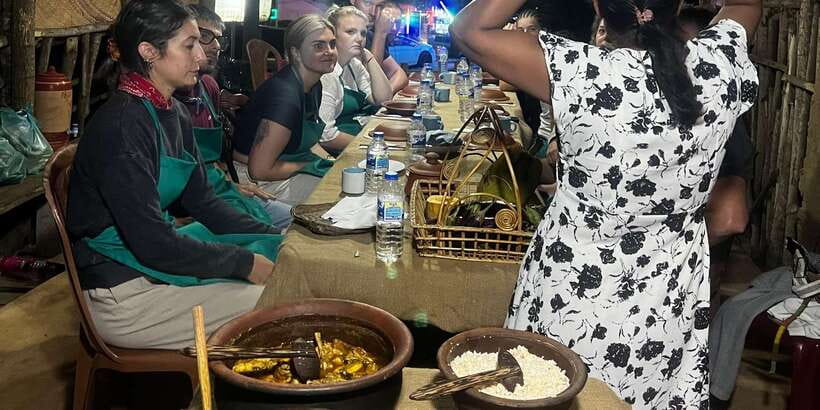
The cooking is hands-on, but the level of hands-on work depends on the group. Ranjani handles some of the more demanding steps and brings participants in one at a time or in small turns. You might chop, mix, season, grate, taste, or help prepare a particular dish.
I see this as a good format for couples, friends, and solo visitors who enjoy meeting people. It encourages conversation, and the meal is prepared as a group effort. It also means nobody has to manage an entire dish alone while trying to listen to the teacher.
The trade-off is that you may not get enough time to master every technique yourself. One participant specifically noted that a person looking for an individual workstation and a meal made entirely by their own hands might be disappointed. If you want a formal lesson with measured ingredients and a personal cooking station, check the format carefully before booking.
Group size affects the experience. With fewer people, you should get more turns and a better view of the cooking. With a fuller class, you may spend more time watching. Even then, the structure is designed to give each person a task, and the class remains fairly social.
Same kitchen, a different dish:
- Sea waves sri lankan cooking class
★ 5.0 · 467 reviews - Ella: Sri Lankan Cooking Class with Neranji at Homestay
★ 5.0 · 276 reviews - Cook with Wasantha
★ 5.0 · 248 reviews - Ella : Cooking class with amazing Spice Garden Tour
★ 5.0 · 239 reviews
The meal is the payoff
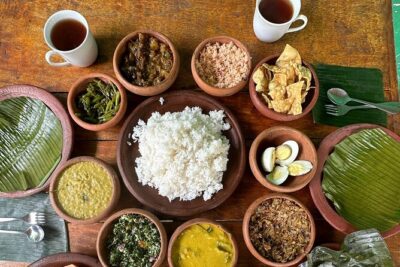
Once the cooking is finished, everyone sits down to eat. The meal is served on banana leaves, a simple tradition that adds to the sense of place and cuts down on washing dishes.
Expect a generous spread rather than a small tasting plate. Depending on the menu, your meal may include rice, dhal, one or more curries, sambol, vegetables, papadam, or a sweet item such as honey roti. The food is made during the session, so you eat while the methods are still fresh in your mind.
Portions can be substantial. Some people had enough food for second servings, and there may be leftovers. That makes the $19 price especially strong: the fee includes instruction, fresh ingredients, the full meal, and bottled water.
The food is also the clearest reason to choose this activity. You are not paying just for a demonstration. You get to sit down to the result, taste the balance of spices, and compare the dishes with what you might have ordered in a restaurant.
Why the ingredient talk adds real value

Sri Lankan food can be hard to reproduce at home if you only remember the final taste. The class helps by explaining the role of each ingredient and the traditional reason for using it.
Ranjani talks about the health benefits associated with herbs and spices, as well as different cooking methods. Treat these comments as traditional food knowledge rather than medical advice, but they still give useful cultural context. You learn why certain ingredients are prized in Sri Lankan kitchens and how they are folded into everyday meals.
The lesson also covers methods that may be new to you, such as making coconut milk or cooking dhal in a traditional way. These are practical skills that can improve a home curry even if you later use modern kitchen equipment.
This is one reason I would choose the class over a standard food tour if you plan to cook after returning home. You leave with more than a list of ingredients. You have seen the order of preparation, the texture to look for, and the small decisions that shape the final dish.
Recipes by WhatsApp after class
The recipes are sent digitally through WhatsApp after the session. This is worth remembering because you do not need to take perfect notes while trying to chop or stir.
The digital recipes also make the activity more useful for people who cook at home. Several dishes are designed around ingredients that can be found outside Sri Lanka, though you may still need to visit a specialist shop for certain spices or coconut products.
Save the message before moving on from Ella. If you want to share the meal with friends or family, the recipes give you a practical way to do it. You can recreate a dhal curry, sambol, or other dish without relying only on memory.
Timing, transport, and value at $19
The class lasts about two hours, but plan a little extra time if you have a train, tour, or pickup afterward. The cooking may finish on schedule, but the meal itself can take time, especially when the group is large. One participant suggested allowing around two and a half hours in total.
The usual sessions are at 11:00 AM and 5:00 PM. The evening class works well after a day around Ella, while the midday option can fit before an afternoon activity. The provider may be flexible with the start time if you contact them ahead of time.
Transport to Chamathka Cooking Class is not included. You need to arrange your own way to the meeting point, so check the location before confirming your plans. Bottled water is included once you arrive.
At $19 per person, the value is strong. You receive a two-hour lesson, fresh ingredients, an instructor, a full meal, water, and recipes afterward. The only reason I would hesitate is if you want a private or highly structured cooking school format. For a shared cultural activity that ends with dinner, the price is easy to justify.
Free cancellation is available up to 24 hours before the start for a full refund. You can also reserve and pay later, which helps if your Ella schedule depends on weather or transport.
Who should book this experience
I would recommend this class to anyone who wants a practical introduction to Sri Lankan food rather than another restaurant meal. It suits couples, solo visitors, families with an interest in cooking, and people who enjoy meeting others around a shared table.
It is especially good for vegetarians and vegans if you explain your needs in advance. Many of the core dishes are vegetable or lentil based, though the exact menu can vary.
It also works well on a rainy day. Ella weather can interrupt outdoor plans, and the open-air kitchen gives you shelter without making you feel shut inside. The greenery, cooking smells, and group setting keep the afternoon or evening active.
You may want to skip it if you need a private lesson, dislike shared kitchens, or want complete control over the menu. The class is about traditional group cooking, not a restaurant-style masterclass where you create an individual plate from start to finish.
Should you book the Chamathka cooking class?
Yes, if you want a warm, practical introduction to Sri Lankan home cooking at a low price. Ranjani brings patience, humor, and clear explanations to dishes that can otherwise seem difficult to recreate. The food, banana-leaf meal, traditional tools, and WhatsApp recipes give the class lasting value.
Book with realistic expectations. You will help prepare a shared feast, not run your own private kitchen. Ask about the group size and menu if those details matter to you, allow extra time after the two-hour class, and arrange your own transport to the meeting point. For most visitors spending a few days in Ella, this is one of the more useful ways to spend an evening.
FAQ
Where does the cooking class take place?
The class takes place at Chamathka Cooking Class in Ella. You check in with staff at the meeting point.
How long does the class last?
The stated duration is two hours. You may want to allow about two and a half hours in total if you need time for the shared meal afterward.
What time does the class start?
Classes normally begin at 11:00 AM or 5:00 PM. The provider may be flexible if you contact them in advance.
What food might I prepare?
Possible dishes include hoppers, rice and curry, string hoppers, honey roti, dhal curry, chicken curry, aubergine salad, coconut sambol, and papadam. The exact menu is not selected individually and may vary.
Is the meal included?
Yes. The price includes the cooking lesson, fresh ingredients, the meal, an instructor, and bottled water.
Will I cook alone at my own station?
No. The class uses a shared cooking setup. Ranjani demonstrates some techniques and participants take turns helping with preparation and cooking.
Are recipes provided after the class?
Yes. Recipes are sent digitally through WhatsApp after the class.
Is transport included?
No. You are responsible for getting to the meeting point at Chamathka Cooking Class.
New cooking classes around Sri Lanka
- Private Traditional Sri Lankan Cooking Class in Kandy★ 5.0 · 7 reviews
- Private cooking class – Personalized classic menu★ 5.0 · 5 reviews
- Nilaveli: Sri Lankan Cooking Class with a Local Family★ 5.0 · 16 reviews
- Mirissa: Cooking Class with Beer and Meal★ 3.3 · 4 reviews
- Kandy Cooking Class with Granny★ 4.9 · 95 reviews
- Kandy: Village Cooking Class 12 Dishes with Market Tour★ 5.0 · 6 reviews
- Hands-On Cooking Class in Anuradhapura: Cook Like a Local★ 5.0 · 5 reviews
- Galle: Traditional Sri Lankan Cooking Class★ 5.0 · 21 reviews
Sri Lanka Cooking Classes, side by side.
Organic cooking class sigiriya (kumara & family)
Read our review →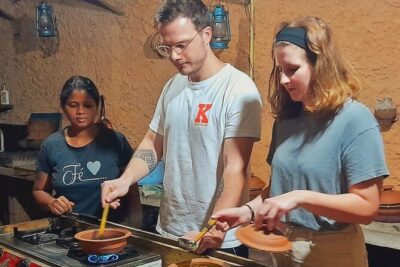
Ella: Sri Lankan Cooking Class with Neranji at Homestay
Read our review →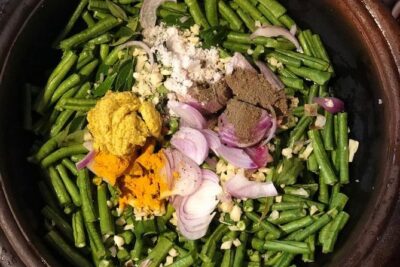
Ella : Cooking class with amazing Spice Garden Tour
Read our review →
This kitchen also appears in